Words: Alex Wakefield
Pictures: Alex Wakefield/Petrolblog/Wikipedia/Classic Trader/Gumtree/eBay/ WorthPoint/EvolutionCars/Goonet/UltimateSpecs
The Toyota Corolla was not the first Japanese car to reach Britain’s shores, and stake a claim in 1960s showrooms. Daihatsu’s Compagno saloon beat them to it in 1965, although very few actually noticed. Far from being the first Japanese car built, it took the brand twenty years after the end of WWII to pluck up the courage and try their luck in the homeland of their former adversary.
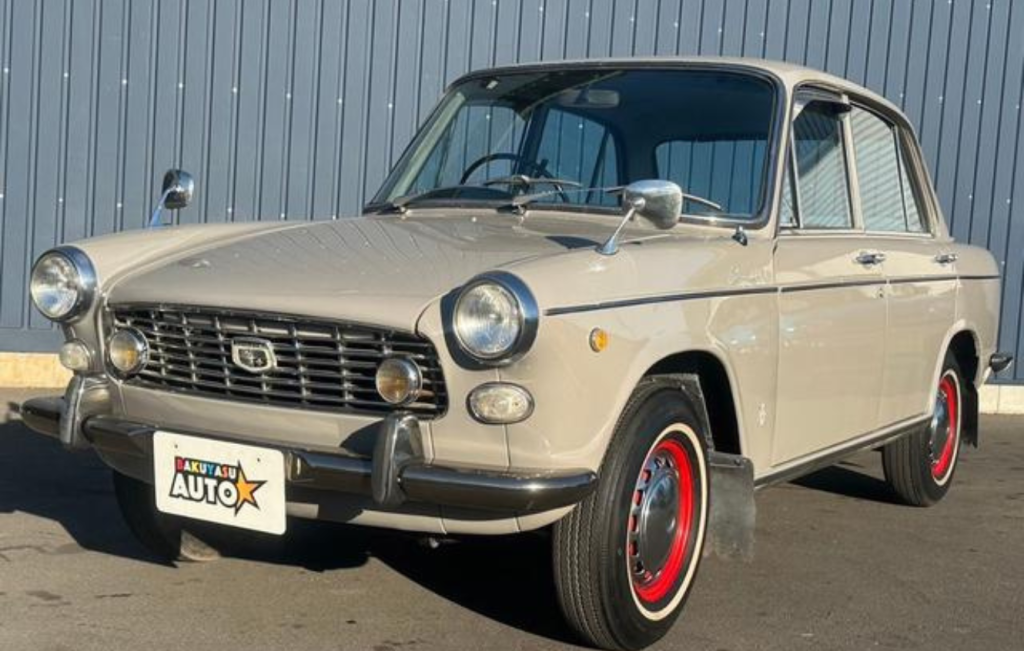
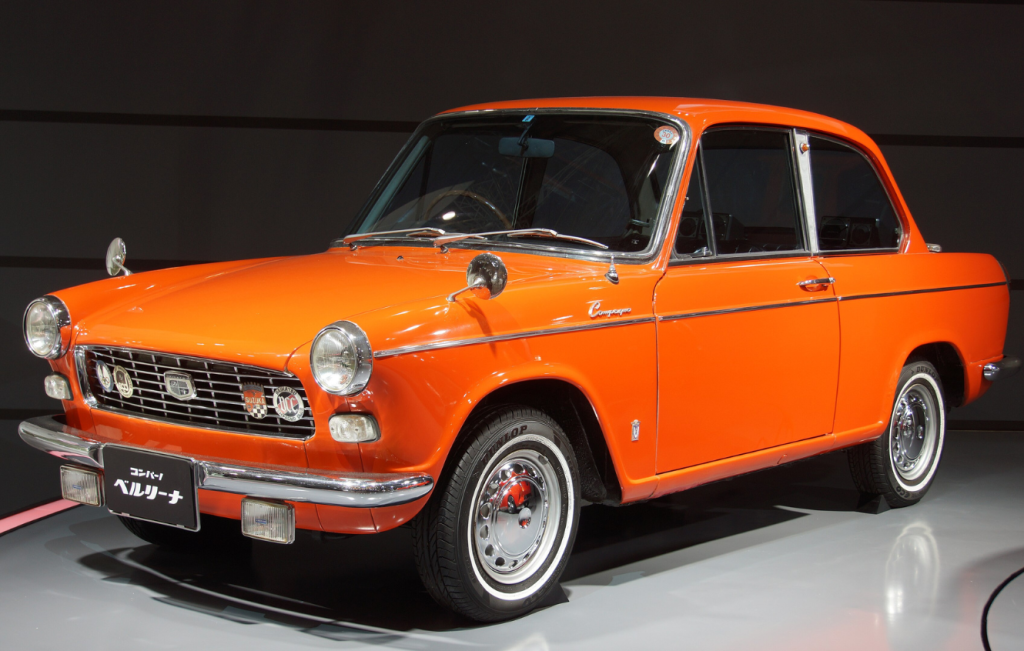
The Compagno, it is claimed, sold fewer than a dozen examples over here before being withdrawn in favour of newer, more talented metal. Contemporary reviews were unkind, and today a solitary Compagno exists here to tell a story that few will appreciate as significant. It launched the brand’s reputation for being a little eccentric, charming, cheap and for producing tiny cars with unpronounceable names.
Much like the way Chinese brands are now pouring onto our roads, the rise of the Japanese manufacturer was, in the 60s, 70s and 80s, unstoppable. Once sniggered at for making derivative little cars that would rot for laughs, within two decades the Japanese motor industry was a byword for reliability and quality.
Where Nissan, Toyota and Honda diversified, settled and even built their own factories on British soil, Daihatsu always existed in a niche of its own. By 2011, that niche had become so narrow that with exchange rate challenges, these small cars could no longer be sold profitably and the marque withdrew first from the UK, and then mainland Europe.
By the 2010s Daihatsu functioned as a wholly owned subsidiary of Toyota, but the relationship with the larger company dated to the 60s. Whilst not always obvious, many of the vehicles built across both brands shared much in the way of components, drivetrains and electronics. Often, only the badge would change.
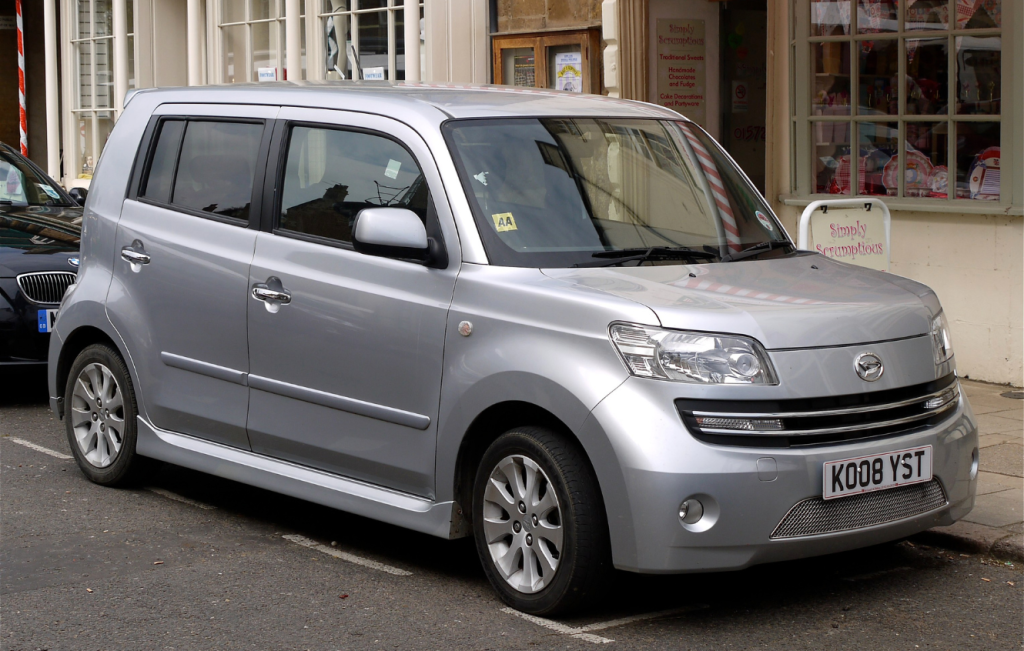
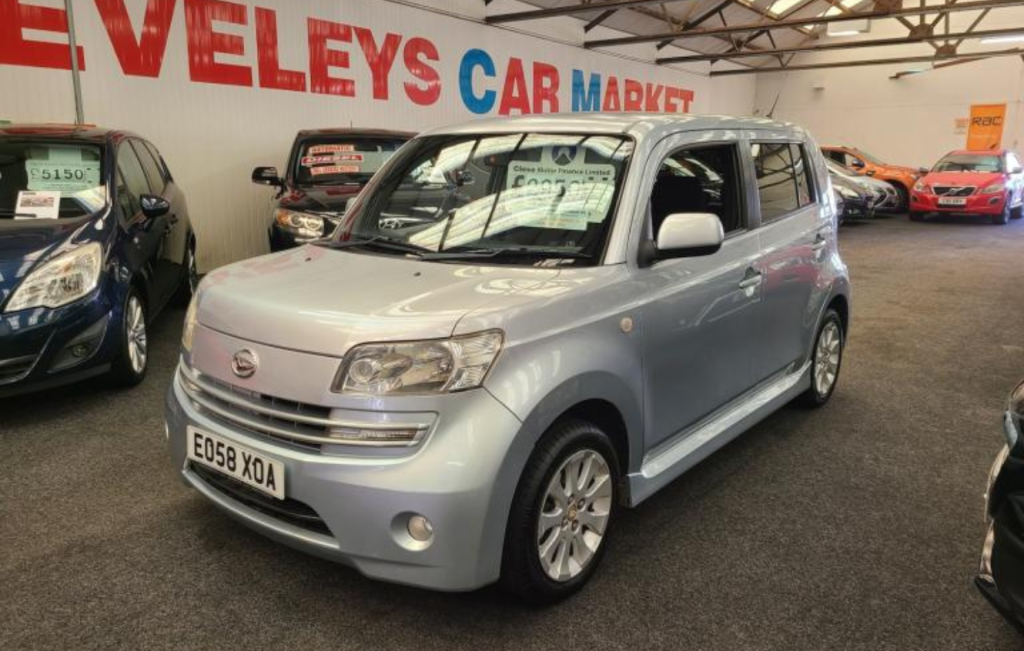
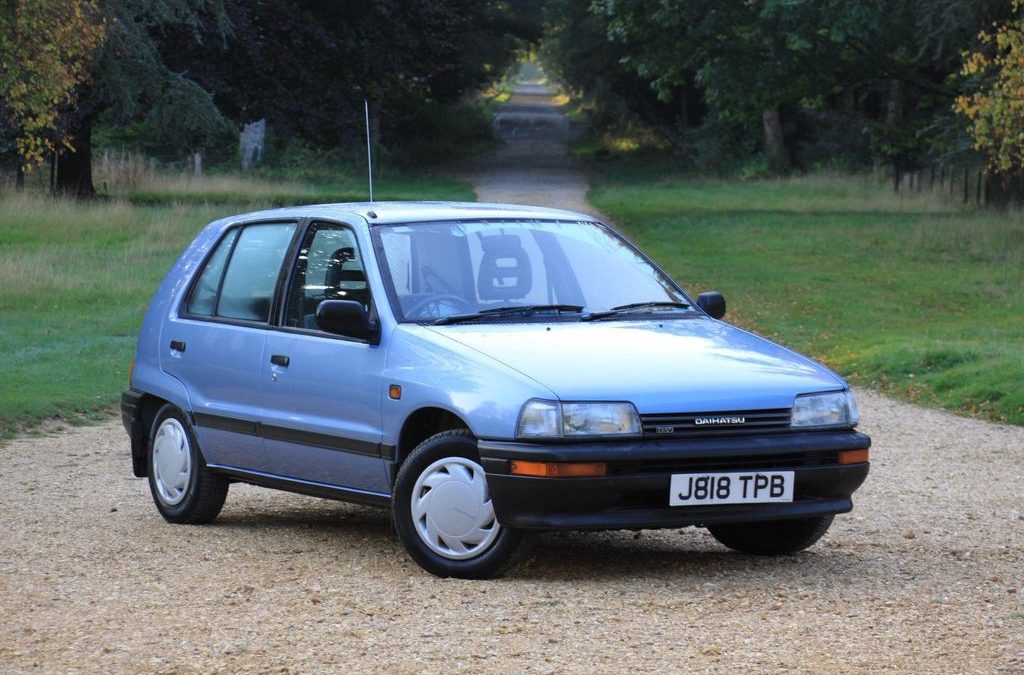
Despite the lack of official factory support in the UK and Europe for the last fifteen years, it’s not unusual to spot a little Charade bombing around, with an elderly person piloting. Those which remain have run the gauntlet of corrosion and parts supply difficulties to beat the odds. The engines, you can be sure, will outlast everything else – including their owners.
Whilst it’s easy to make light of Daihatsu as a purveyor of tiny cars to the blue-rinse brigade, there’s always been more, although the truly mad stuff was largely Japanese Domestic Market only. The ladder-frame Fourtrak/Rocky was an old-school 4×4 that served as an actually reliable alternative to the Land Rover Defender, and is still seen on smallholdings and crofts. It even spawned the Bertone Freeclimber, which took the Fourtrak then fitted it with BMW engines, and a posh interior as a sort of precursor to the modern luxury SUV.
In the UK, Daihatsu’s zenith was reached in the 1980s. The Charade, by then into a third generation managed to steal sales from Ford’s market leading Fiesta, earning a reputation for a robust suburban infallibility stemming from the provision of a decent automatic transmission option; most small cars were still manual only, sometimes with the exception of a costly, and inefficient high spec trim level matched to a thirsty larger capacity engine.
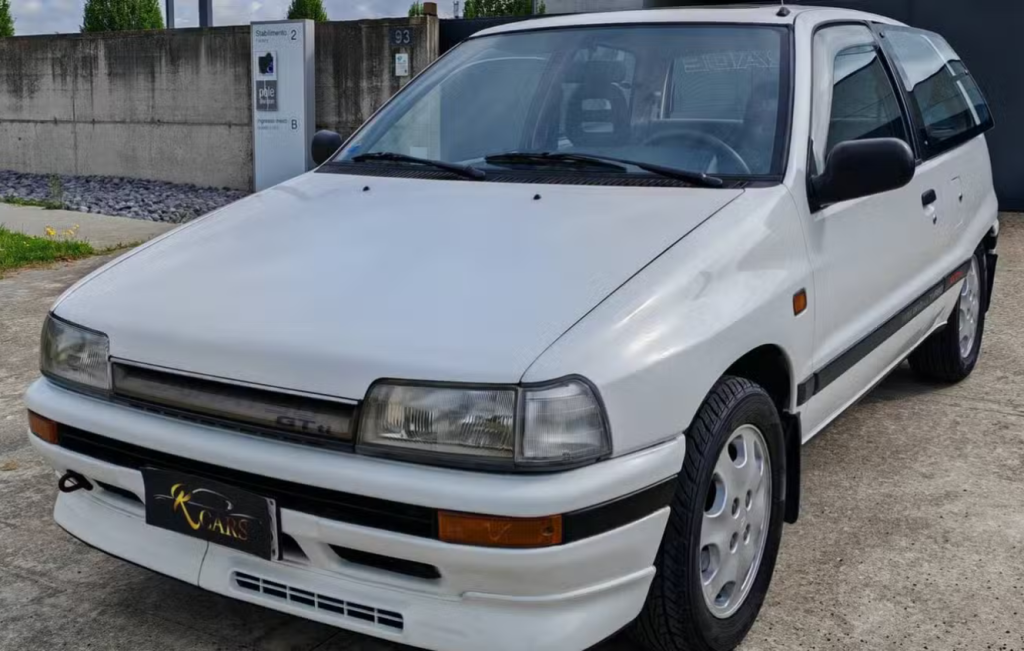
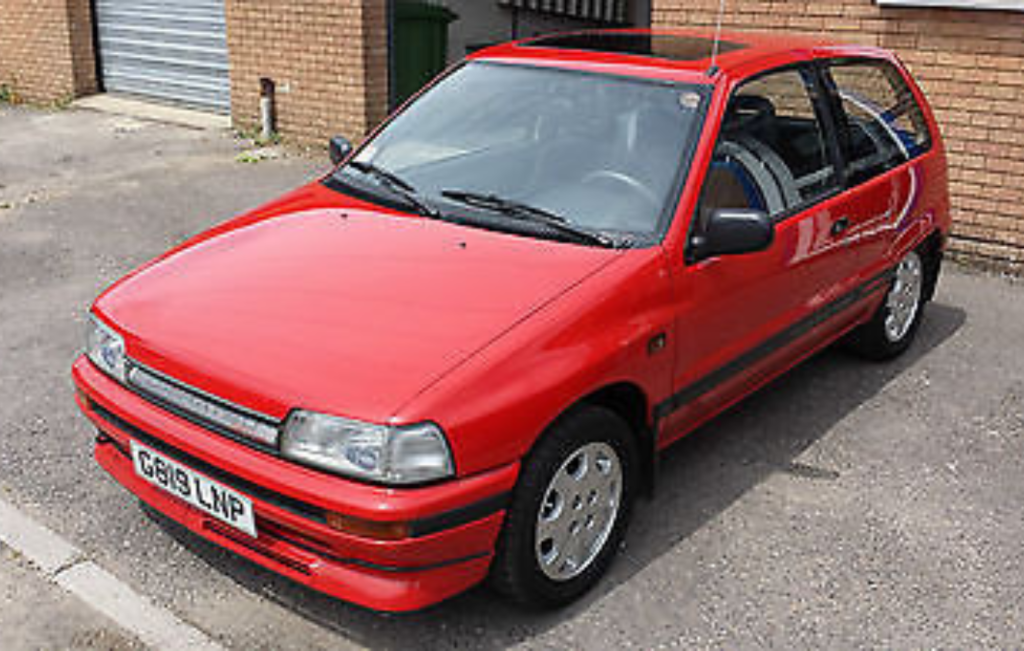
At the other end of the scale, the Charade GTti used a tiny one litre, three cylinder petrol engine with a compact turbocharger to give a hilarious hot hatch experience that would, despite the lack of engine capacity, keep up with the likes of the Peugeot 205 GTI or Fiat Uno Turbo – but without collapsing in a heap afterwards.
The Applause was a medium sized family saloon, with a twist. The three box profile was a trick, as the entire tailgate lifted up with the rear window, revealing a cavernous loadspace that punched well above those offered by the car’s contemporaries such as the Ford Escort or Rover R8 range. Buyers also enjoyed a much higher specification than those of the usual suspects, with power steering, electric windows and even air conditioning offered as incentives.
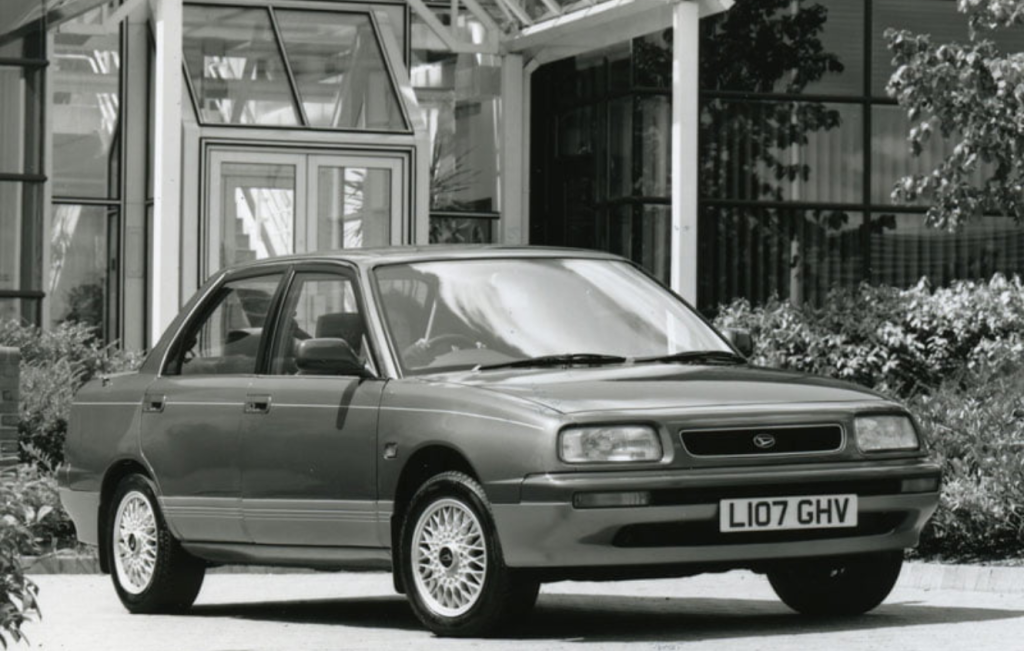
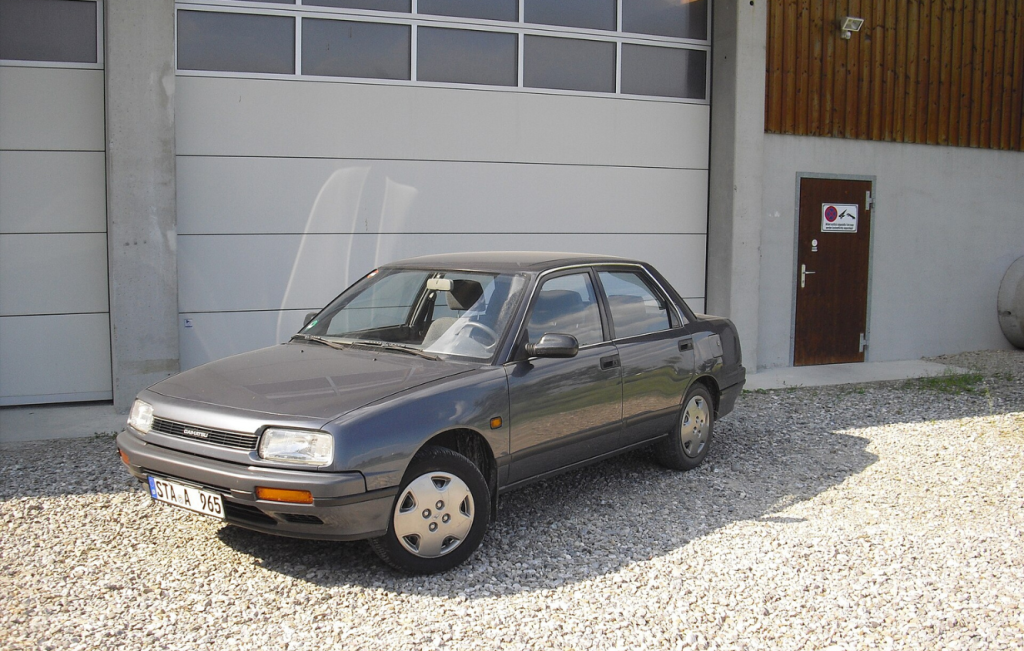
As the 21st century dawned, Daihatsu had morphed into a purveyor of reliable tiny cars, sold from family-owned showrooms with limited floor space. Small cars have always been difficult to make money from, particularly so when they are the type of dependable machines bought once every decade by a silver haired clientele.
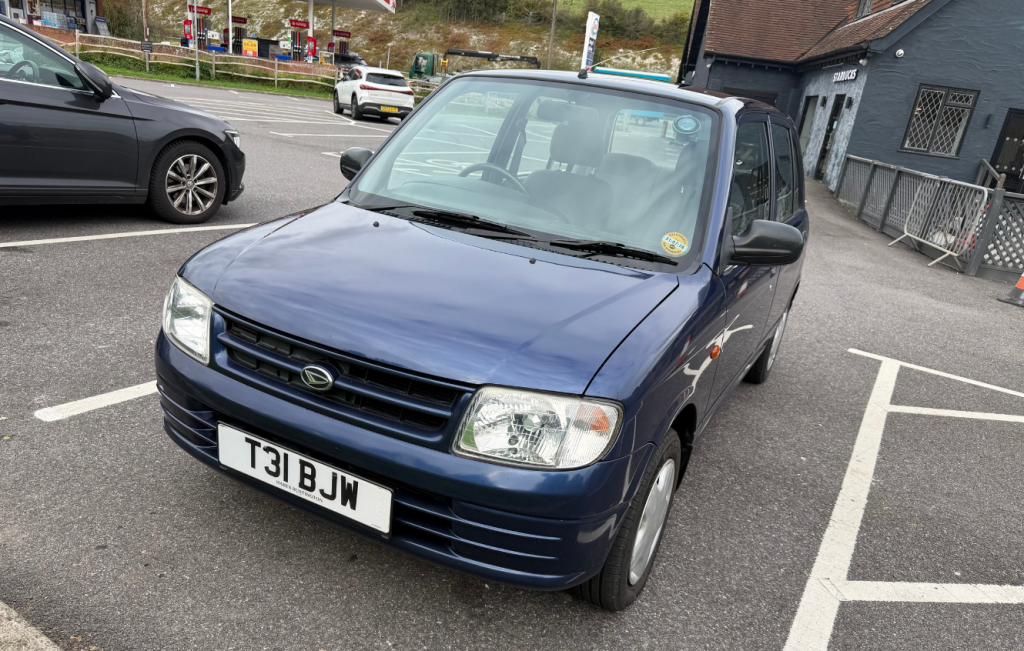
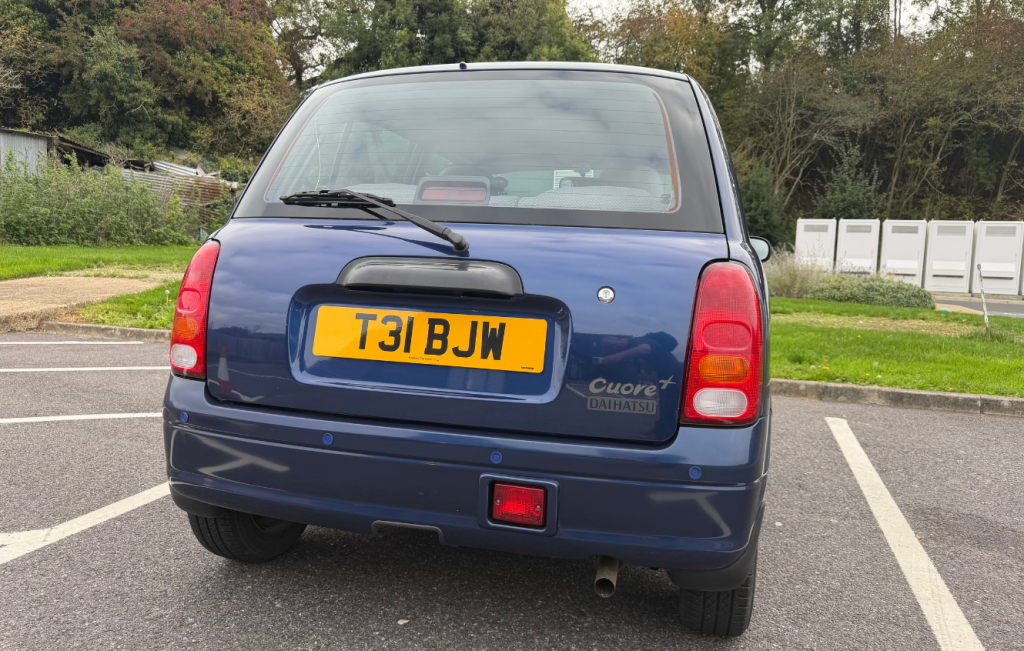
Without the visual flair and marketing clout of the European city cars, the technically sophisticated but staid looking Cuore and Charade didn’t stand a chance in the fiercely competitive world dominated by massive dealerships flogging deals to fashion conscious younger drivers. Daihatsu’s faithful but tight-fisted group of loyal customers were literally dying off.
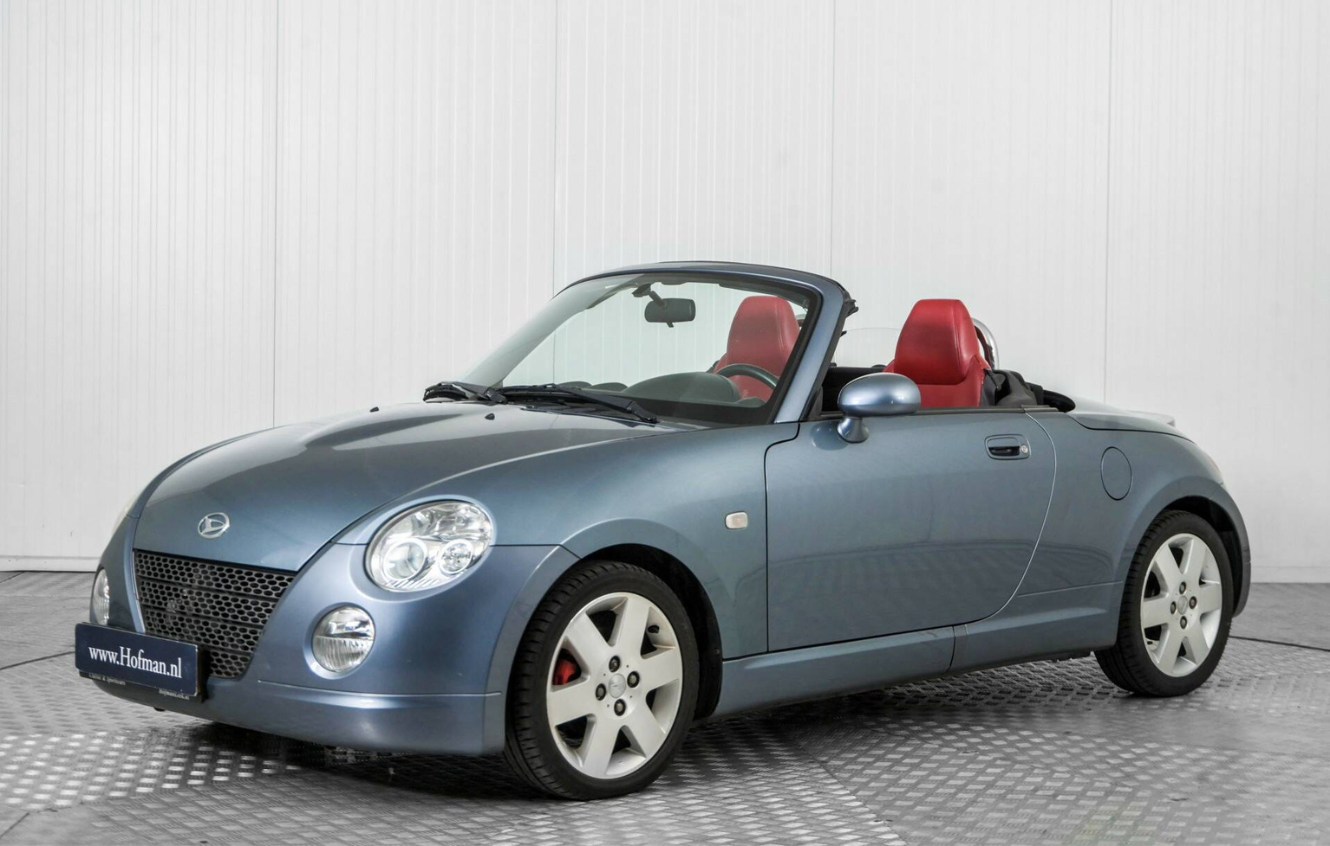
There was an attempt to reignite a new generation of buyers, when the narrow, tall Terios small SUV appeared, again foreshadowing a later trend for high-riding city cars that others claimed as their own idea. Alongside the Terios, squeezed onto the showroom floor was the Copen; a two-seat sports car with a tiny 660cc turbocharged engine and the world’s smallest metal folding roof system.
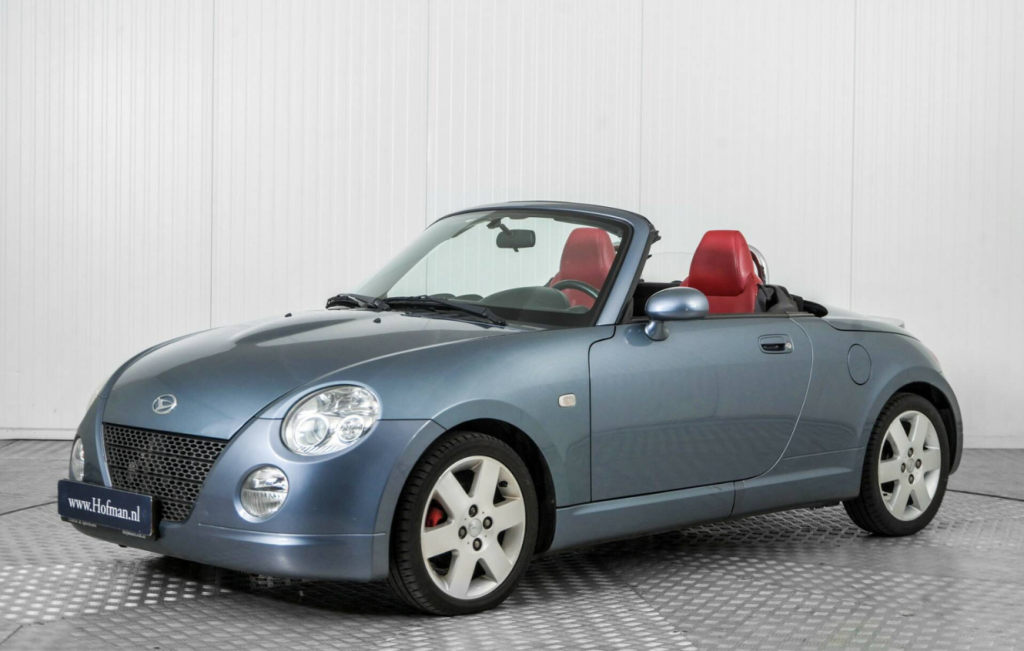
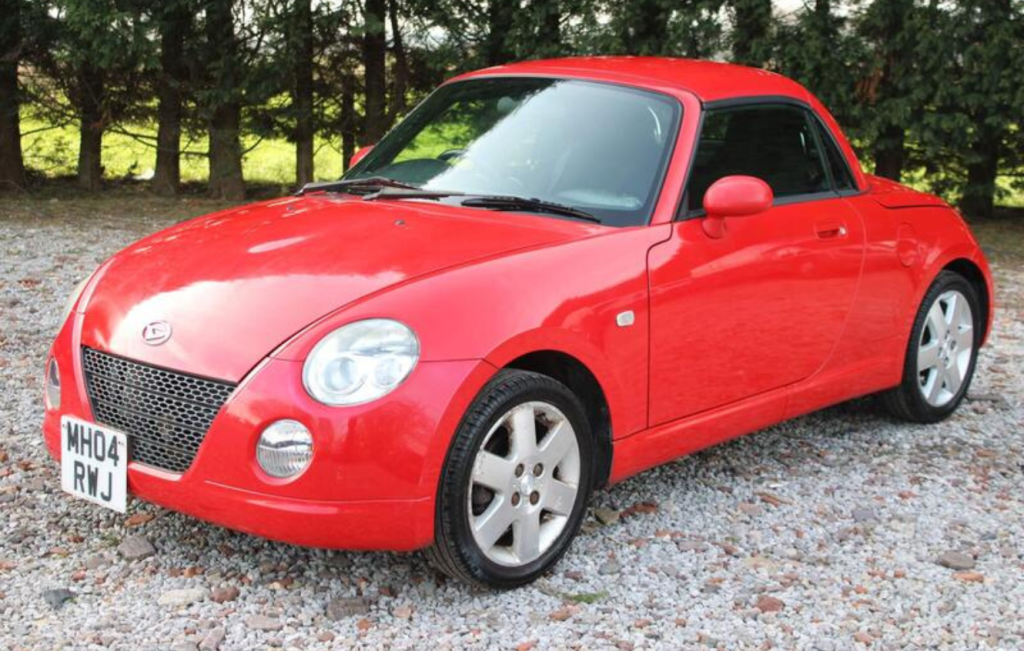
Although both were a decent effort, Daihatsu was increasingly becoming invisible. From 2006, the brand’s biggest contribution to the European motoring scene was under the bonnets of the Toyota Aygo, Citroën C1 and Peugeot 107 “Citybug” trio, which almost exclusively employed the Daihatsu designed 1KR-FE one litre engine.
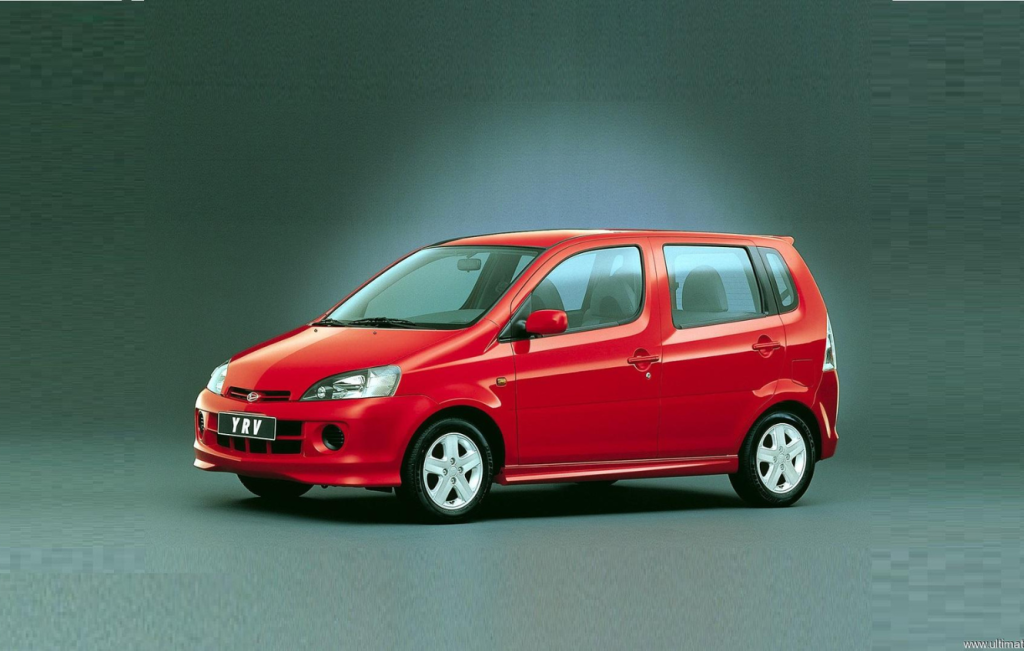
With limited dealer real estate and city presence, young families didn’t have an opportunity to give the YRV and Materia MPVs a chance. Popular in Japan, these tall, space efficient and capacious cars were ideal for overcrowded urban areas, benefitting from a small footprint but acres of interior space. Few got to sample the bonkers YRV 130 Turbo, which could fulfil all those tasks, whilst outpacing actual sports cars.
The success of the Citybugs showed that we were not tired of tiny cars at all. Daihatsu’s last gasp in Europe, after withdrawing from the UK was the L276 Cuore. Using that Aygo engine but providing a more spacious, well equipped interior, it sold well across Europe. Whilst it’s easy to imagine it doing solid business on this side of the channel, the brand had been allowed to wither on the vine, and retreated to the Far East; the first and only Japanese brand to give up in Western Europe.
Insure your classic with a specialist insurer
If you’re looking for cover for your pride and joy, why not consider Hagerty UK? Not only are we classic car insurance specialists, but we are enthusiasts at heart. Call us for a quote on 0333 323 1138.