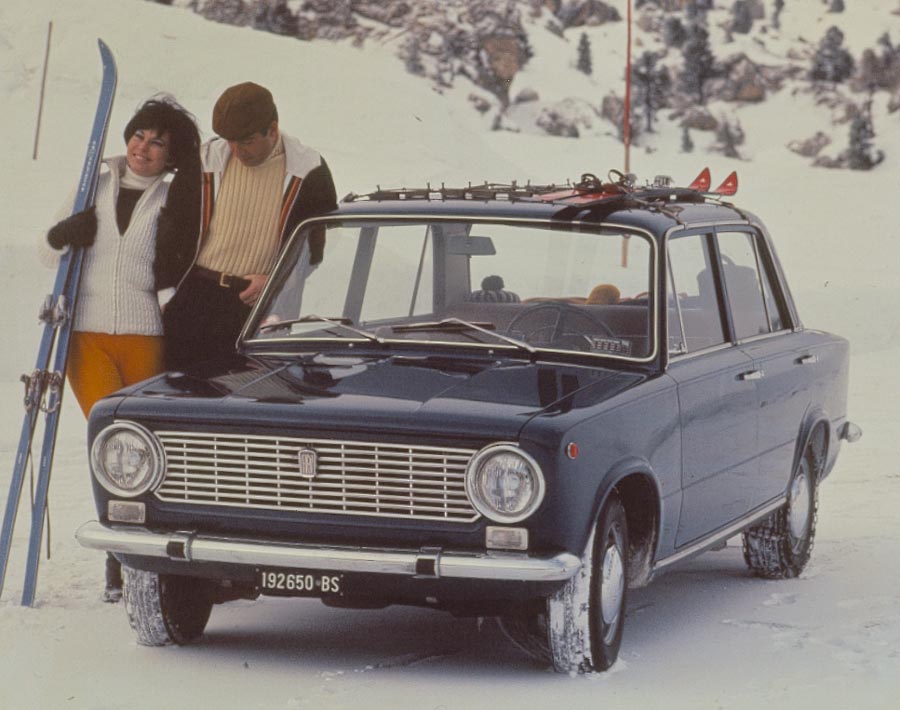
Fiat 124 at 60: The Saloon That Mobilised the World
The Fiat That Conquered the World
There are cars that change the world with noise and spectacle. Others do it quietly, armed with little more than practicality and a very persuasive price list. The Fiat 124 firmly belongs in the latter category. Introduced in 1966, it wasn’t glamorous, wasn’t especially fast and certainly wasn’t designed to quicken the pulse. Yet over the next few decades it quietly became one of the most influential cars ever built. It spread across continents, reshaped entire automotive industries and racked up production numbers that would make most supercars blush.
By the mid-1960s, Fiat was already a master of the small-car formula. The Fiat 500 and Fiat 600 had mobilised Italy in the post-war years, but the company needed something a little more grown-up. Families were expanding, expectations were rising, and buyers wanted a proper four-door saloon that didn’t cost the earth.
Enter the Fiat 124
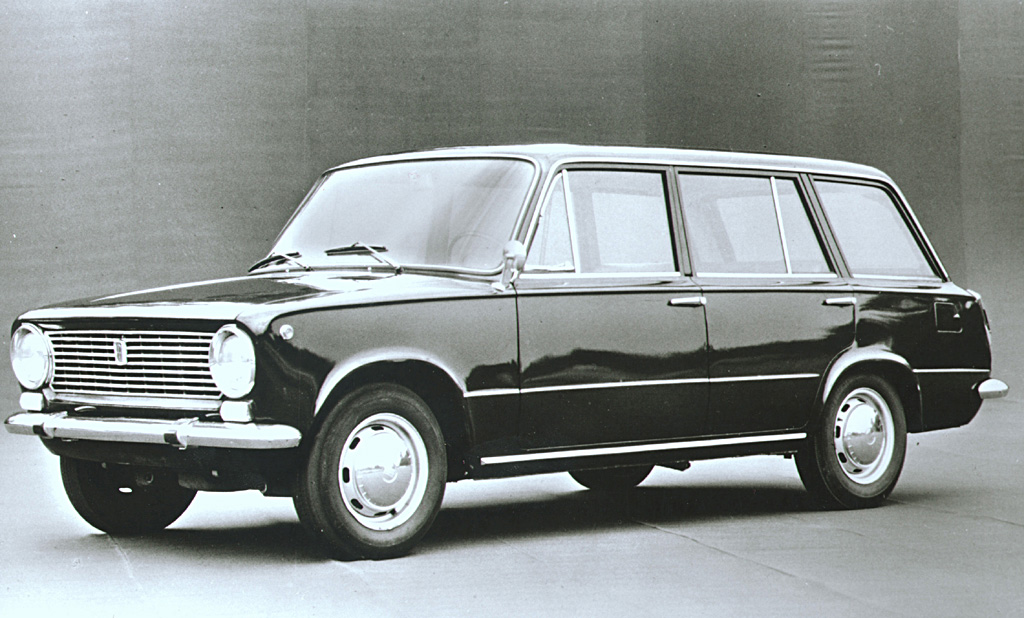
The brief was straightforward: build a car that was modern, practical, inexpensive to manufacture and simple enough to service anywhere from Turin to Tunisia. Fiat’s engineers responded with a design that was conservative in appearance but surprisingly advanced underneath.
At first glance the styling was resolutely sensible. Clean lines, upright proportions and a three-box silhouette that looked as though it had been sketched with a ruler during a particularly tidy lunch break. Nothing outrageous here – just the sort of tidy, functional design Italians have always done rather well when they’re trying not to show off.
The man responsible was Mario Boano, working within Fiat’s Centro Stile. Boano’s approach was refreshingly pragmatic. The 124 had to be easy to build, easy to repair and easy to package. As a result the body was boxy enough to maximise interior space without looking austere. It was a small car on the outside but offered genuine room for four adults and their luggage – something that mattered enormously in 1960s Europe.
Under the skin things were more interesting. Fiat engineers, rather surprisingly for such a sensible-looking saloon, took a notably modern approach to the chassis. The 124 used unitary construction, which by the mid-1960s was becoming increasingly common, but it combined this with a surprisingly sophisticated suspension setup for a modest family car.
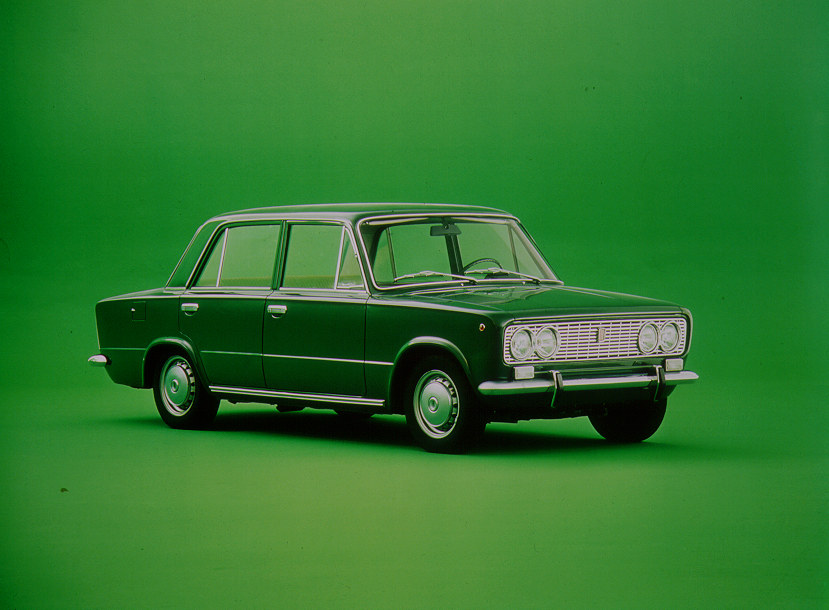
At the front were double wishbones with coil springs, while the rear featured a coil-sprung live axle located by trailing arms and a Panhard rod. This arrangement allowed for good ride comfort while keeping the car stable and predictable in corners – an important consideration given the often patchy quality of European roads at the time.
Braking was equally impressive. The 124 came equipped with four-wheel disc brakes, something that many rivals – including some considerably more expensive cars – were still lacking.
Power initially came from a modest but dependable 1197cc overhead-valve four-cylinder producing around 60bhp. Hardly the stuff of racing legend, but perfectly adequate for a car weighing roughly 950kg. More importantly it was robust, easy to maintain and economical – all qualities buyers valued far more than outright performance. It was a simple idea. But it worked.
Naturally, Fiat couldn’t leave well enough alone. In typical Italian fashion the sensible family saloon soon spawned something far more entertaining. In 1966 the company also introduced the Fiat 124 Spider, styled by Pininfarina, followed shortly by the Fiat 124 Sport Coupé. These versions featured twin-cam engines developed by legendary engineer Aurelio Lampredi, transforming the humble family platform into something genuinely sporting. It was a neat trick: one basic architecture capable of underpinning everything from a taxi to a rally contender.
And if the 124 had merely remained a modest European family car with such sporty offshoots, it would still have been remembered fondly. Instead it went global in spectacular fashion.
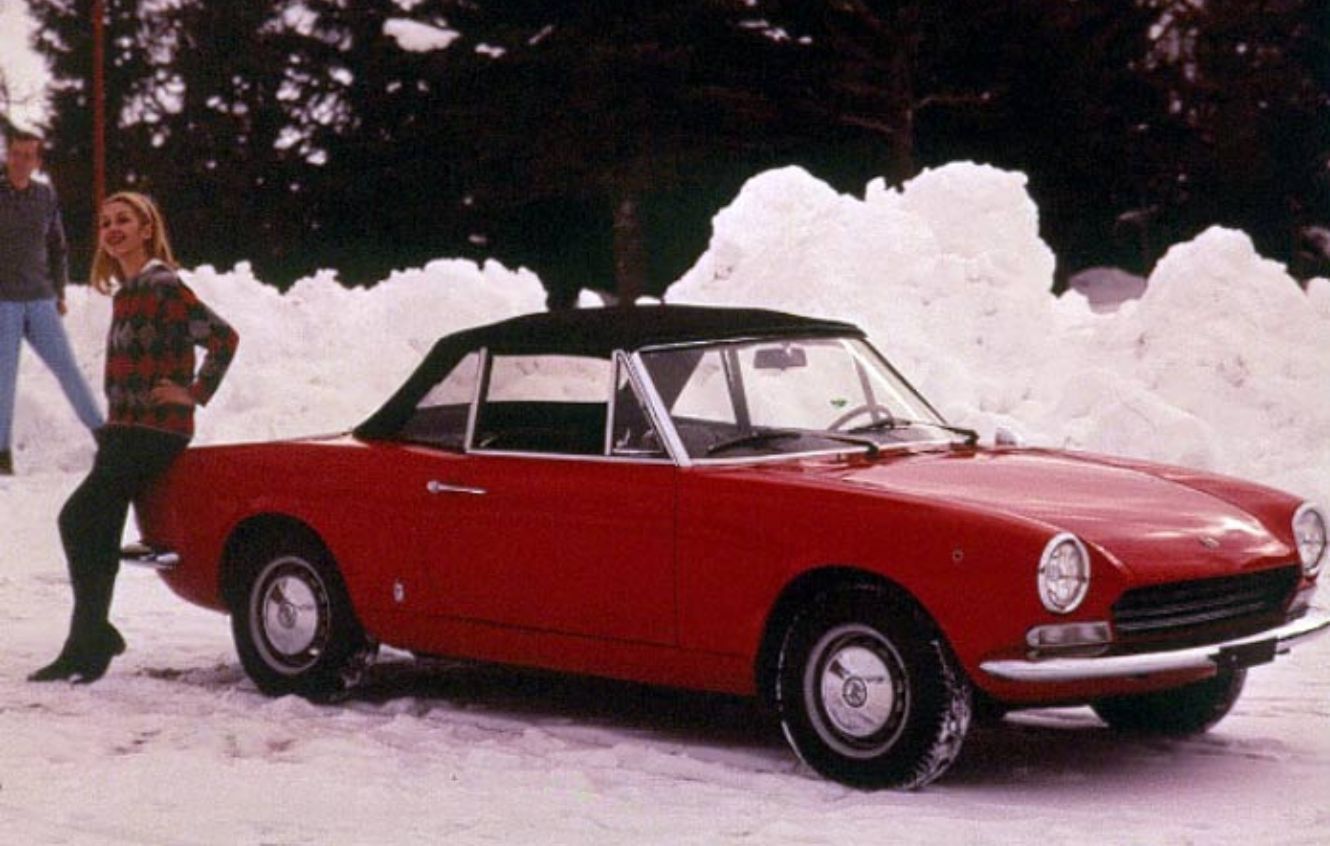
Fiat had long understood the value of licensed production, and the 124 became one of the most widely built cars in history. The most famous example came from the Soviet Union, where Fiat partnered with the government to build the VAZ-2101, better known in the West as the Lada 1200.
The Soviet version was heavily modified for the harsh conditions of Eastern Europe. Thicker steel, reinforced suspension and a simpler overhead-cam engine made it tougher and easier to maintain in remote areas. The result was a car that would go on to mobilise the Soviet Union in much the same way the original Fiat had done for Italy.
Elsewhere the 124 appeared in Spain as the SEAT 124, in Turkey as the Tofaş Murat 124, and in India as the Premier 118NE. In each case the formula remained broadly the same: simple engineering, sensible packaging and a price that made ownership attainable.
The cultural impact was enormous. For millions of people the Fiat 124 – or one of its many derivatives – represented their first taste of private mobility. Entire families would pile into them with luggage strapped precariously to roof racks, setting off on journeys that would have seemed unimaginable only a decade earlier. It was a car that allowed families to travel, businesses to grow and entire regions to modernise.
For collectors today the Fiat 124 offers a rather appealing proposition: classic Italian charm without the eye-watering prices attached to more glamorous machinery.
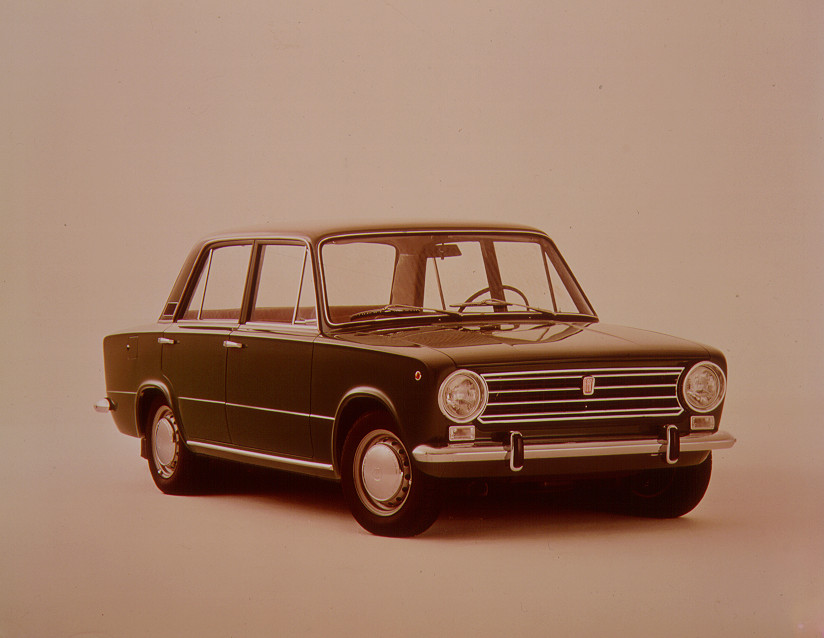
The saloons themselves remain relatively affordable, although condition varies wildly. Rust is the biggest enemy. Early cars in particular were not renowned for their corrosion resistance, so careful inspection of the sills, floorpans, suspension mounts and wheelarches is essential. Cars from dry climates or later production runs tend to fare better.
Mechanically, however, the 124 is refreshingly straightforward. The engines are robust and easy to maintain, and parts availability remains surprisingly good thanks to the car’s vast production numbers and international popularity.
The twin-cam engines found in the Spider and Sport Coupé models are a little more complex but reward proper maintenance with lively performance and a wonderfully eager character. Timing belt changes are crucial, but otherwise these engines are known for their durability.
Suspension components are inexpensive and widely available, while the disc brakes – advanced in the 1960s – are simple to overhaul today.
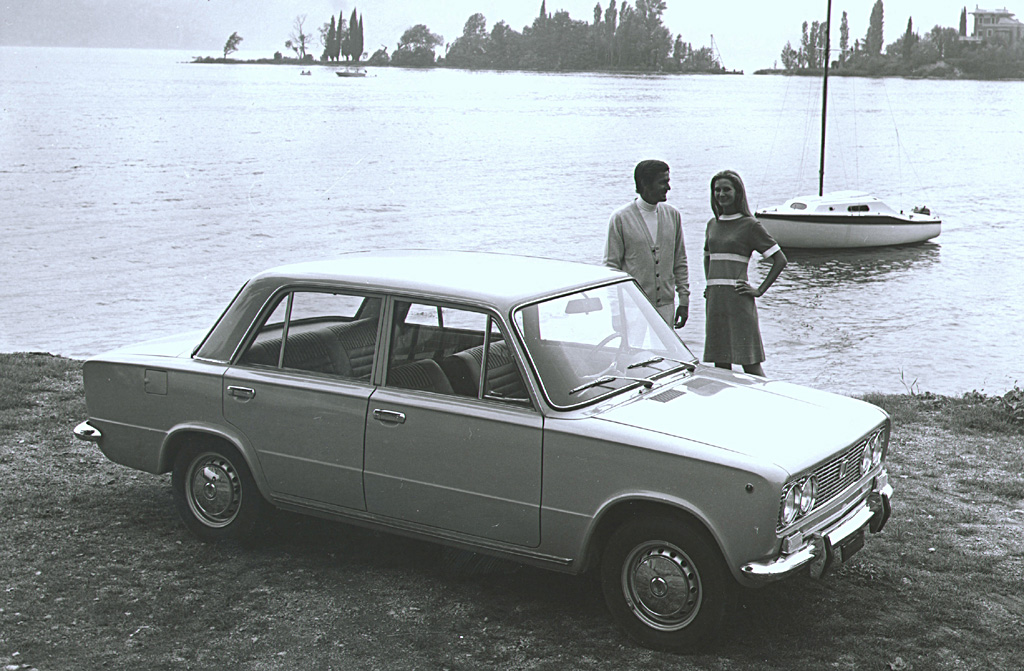
Values remain accessible. A tidy saloon can often be found for modest money – according to our price guide a good one costs around £5900, rising to roughly £14,900 for a concours example. The more desirable Spiders and Coupés command higher prices but still represent good value compared with many contemporaries. Expect to pay around £10,000 for a good Spider, rising to nearly £30,000 for the very best cars.
Looking back, the genius of the Fiat 124 lies not in dramatic styling or heroic performance figures but in something far more fundamental. It was a car designed to work. To carry families, luggage and the occasional ambitious DIY project across countries that were still rebuilding themselves. It did that job rather brilliantly.
Six decades later the 124 may no longer dominate city streets or rural highways, but its legacy is everywhere. From the Soviet-era Ladas still chugging across Eastern Europe to the elegant Spiders enjoying a second life in the classic car world, the influence of Fiat’s sensible little saloon continues to ripple outward.
Have you ever owned a Fiat 124 with an interesting story you’d like to share? We’d love to hear it in the comment section.
Insure your classic with a specialist insurer
If you’re looking for cover for your pride and joy, why not consider Hagerty UK? Not only are we classic car insurance specialists, but we are enthusiasts at heart. Call us for a quote on 0333 323 1138.
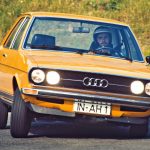

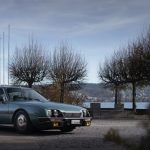

I had three second hand 124 saloons in succession. The 1200cc, the 1400cc with twin headlights and the 1600cc twin cam agin with twin headlights. I loved them all.
The 1200 for all its limited power could be driven surprisingly quickly and we did many miles on the continent with it. The twin cam was a pocket rocket. Probably undergeared, its acceleration in the 50 to 70mph range was amazing. As the article says, rust was a real problem.
Oh happy motoring.