A successful facelift was a matter of survival for the newly independent MG Rover Group
The car industry is brutal, and always has been. Hundreds of manufacturers fighting to claw out a little extra market share over their rivals, usually in a crowded space, and for surprisingly thin margins. An extensive list of failed brands old and young litter the side of the road over the last 150 or so years, since the car was first born.
There’s a lot at stake for new entrants, but even more so for those who are well established. One mistake could wipe out years of research, and hundreds of millions of dollars in design, development, tooling and marketing costs that will take decades more to recoup.
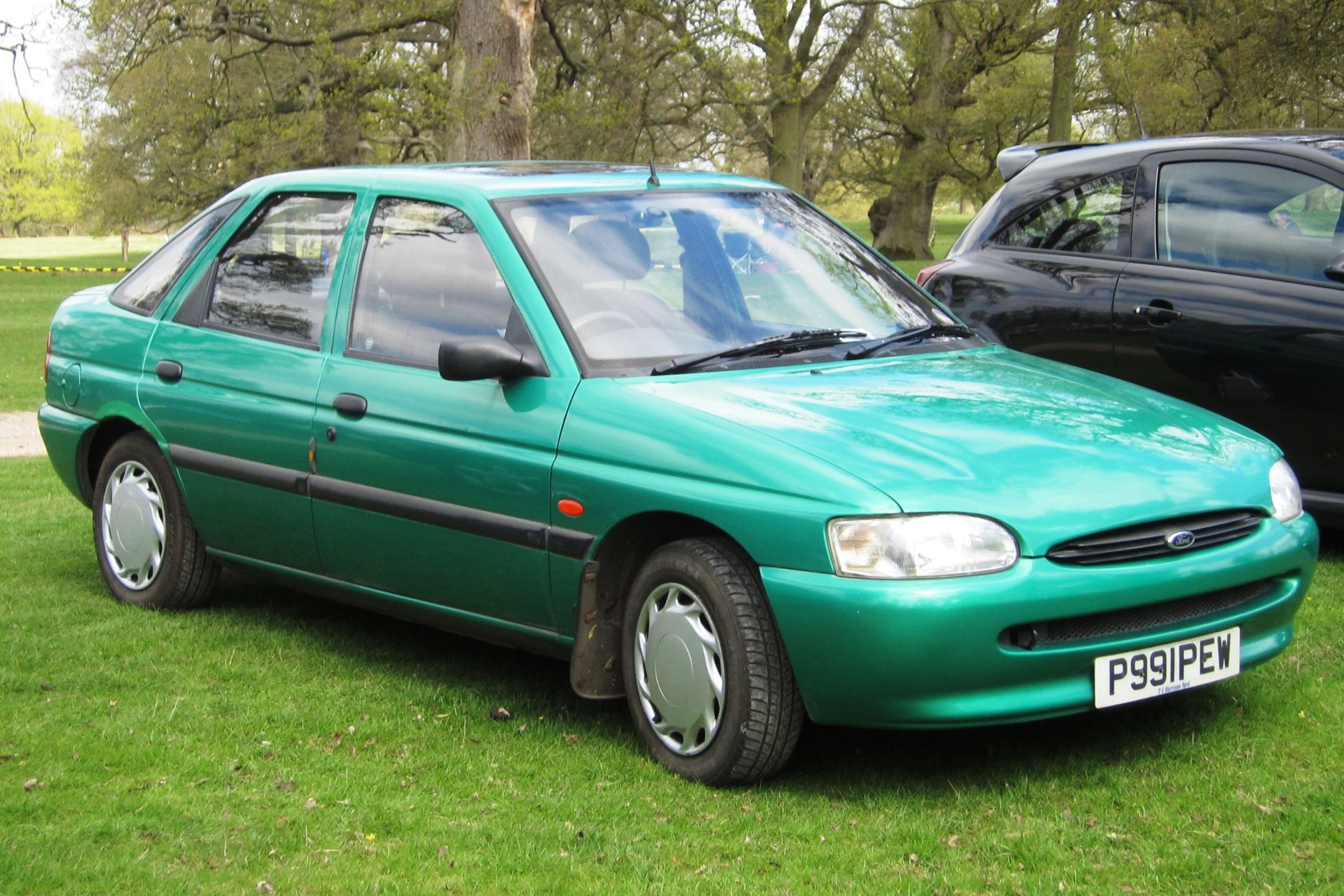
Launched in 1968, the Ford Escort was hugely successful right from the start. Through four generations, the Escort was consistently one of the top three best selling cars in the UK and beyond. Managing to successfully navigate a change from front engine, rear drive saloon to front wheel drive hatchback halfway through that run of 22 years, was probably the car’s biggest achievement.
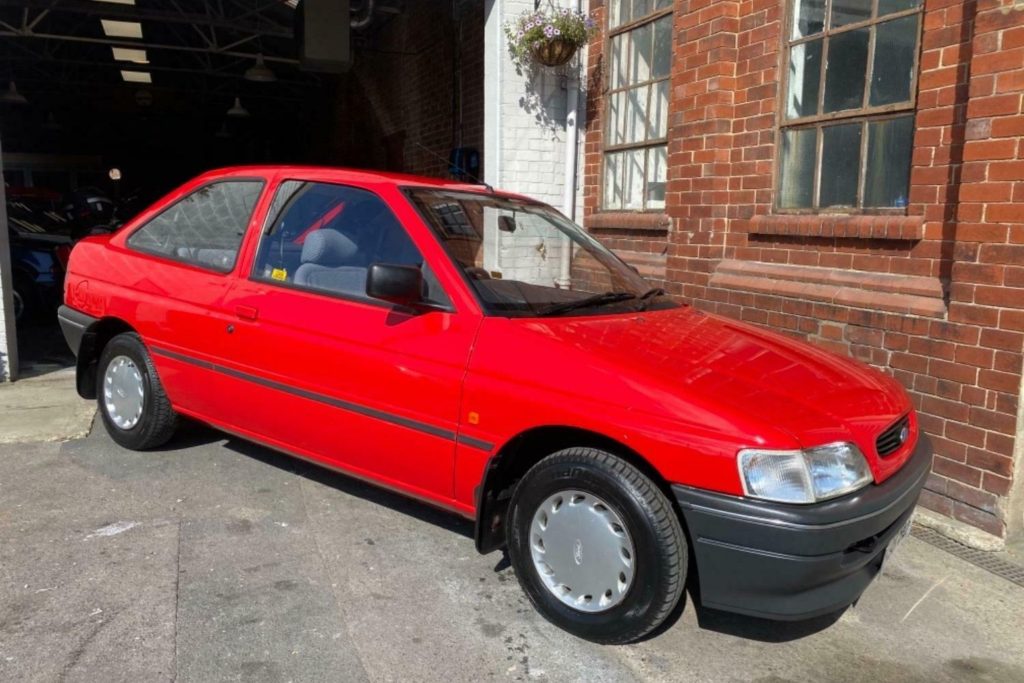
Expectations were understandably high when the Escort Mk5 was launched in 1990, but were swiftly tempered when a bland, stodgy and unadventurous looking car first appeared in press photos. Driving impressions did nothing to dispel the gloom; The new Escort was an underachiever across the board. Declared a dud, it immediately started to lose market share to more gifted competitors.
Ford claimed to have spent a billion quid developing the Escort Mk5, although it wasn’t clear exactly where or how. Very quickly, the chequebook reappeared. Over the course of the ten years the Escort soldiered on, it saw three facelifts; each one bringing a level of improvement which gradually made the car class competitive, and in some areas, a class leader. Not an easy feat, as the car aged.
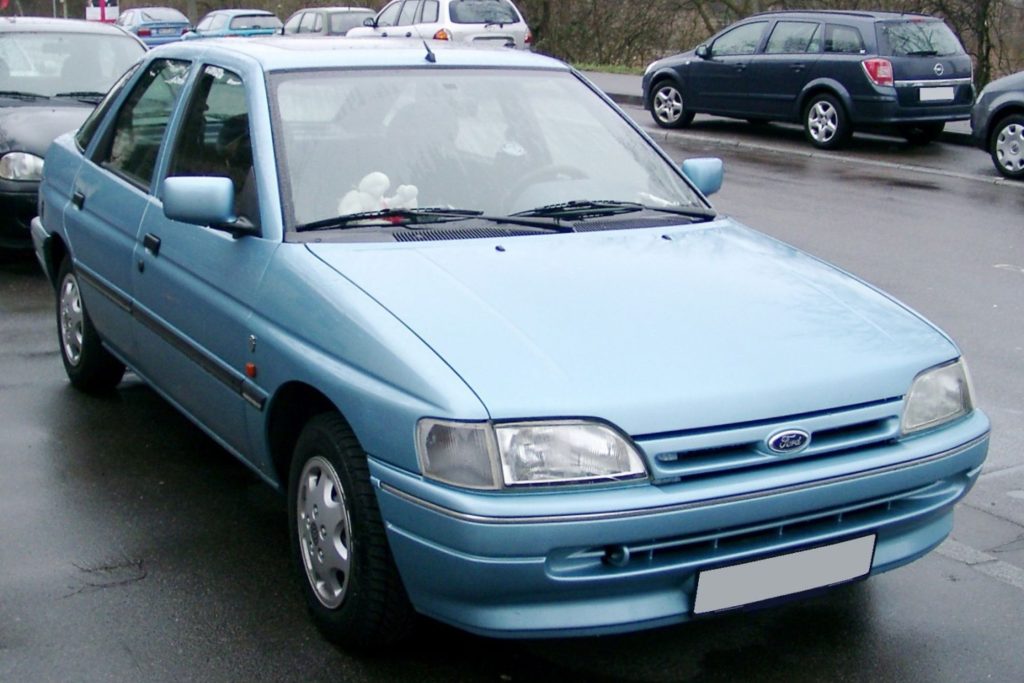
Within two years, a sophisticated new twin-cam engine was launched. Specifications and equipment levels improved to keep things ticking over, before a new front and rear end were grafted on to add some visual appeal. At the usual mid-life facelift stage though, the Escort was transformed. At five years old, the car received new sheet metal, suspension, interior and engine upgrades that astonished the contemporary motoring press.
Realising that they were not able to rely on brand loyalty to shift family cars, Ford had their chassis engineer Richard Parry-Jones oversee a rigorous program of improvement that was so comprehensive, the new car became known as the Escort Mk6. In profile, it was clearly a close relative to the vanilla Mk5, and still conservatively styled. But the tweaks made in almost every area, had made the Escort a car you’d want to drive, rather than one you were obliged to.
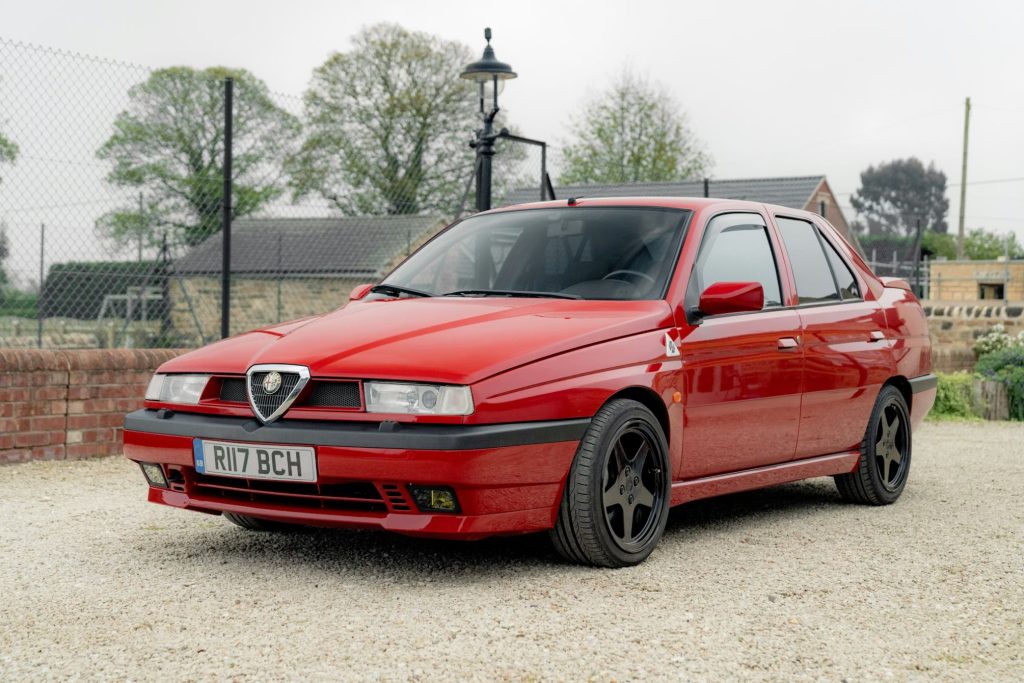
Alfa Romeo’s 155 was launched in 1992, to replace the well-loved, but tired 75 model. Whilst most agreed that the all new car was handsome, the drive experience disappointed. The 155 was front wheel drive to the 75’s rear, and the mediocre dynamics gave away the Fiat Tipo derived underpinnings. Whilst racing versions of the new Alfa were successful on the track, the 155 started life as an also-ran in the sales charts.
In a rare example of racing experience translating into production line improvements, Alfa Romeo took some of the racer’s best points and integrated them into a facelift two years down the road. A wider track improved the car’s narrow, boxy front and rear aspects, and gave instant improvement to the way the car changed direction. This was enhanced further with a new steering rack.
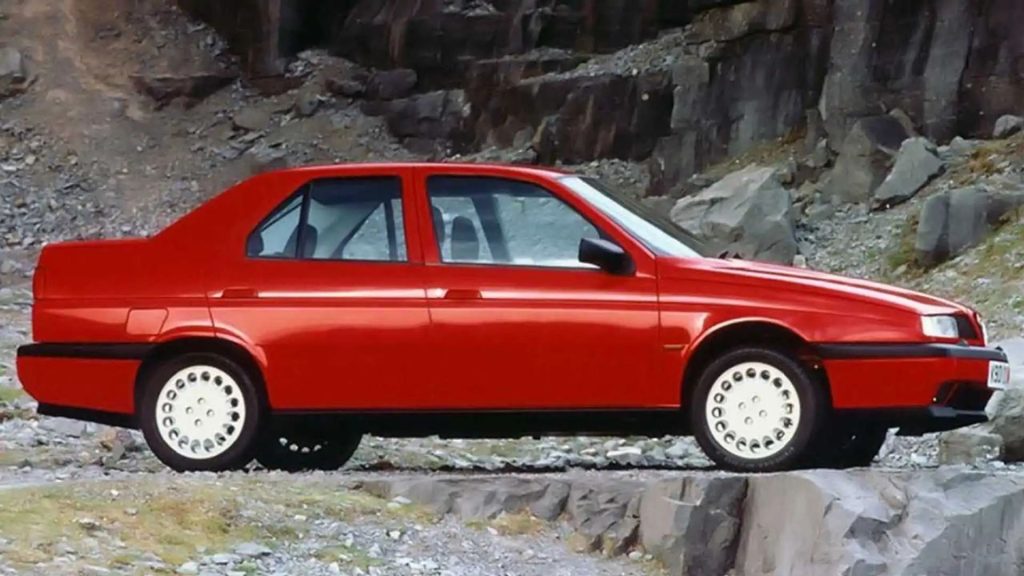
At the same time, new 16 valve four cylinder engines were fitted, and improvements in interior quality and specification finished the job Alfa’s engineers had signed off on a few years before. Suddenly, and particularly in the UK market, the 155 went from being a rare sight, to being much more common. Not an easy achievement for a car that was approaching the end of its production life.
Today, pre-facelift 155s are almost non-existent, and fetch modest prices when sold. Facelift cars are more common, and prized by collectors as a real Alfa, when the earlier ones disappointed the Alfisti so much.
A successful facelift was a matter of survival for the newly independent MG Rover Group, after BMW left the Rover and MG brands to pick up the pieces, when the German manufacturer disappeared with the family silver. Having assisted with development of the Rover 75 in the late nineties, BMW helped with the gestation of one of the finest cars to wear the viking badge.
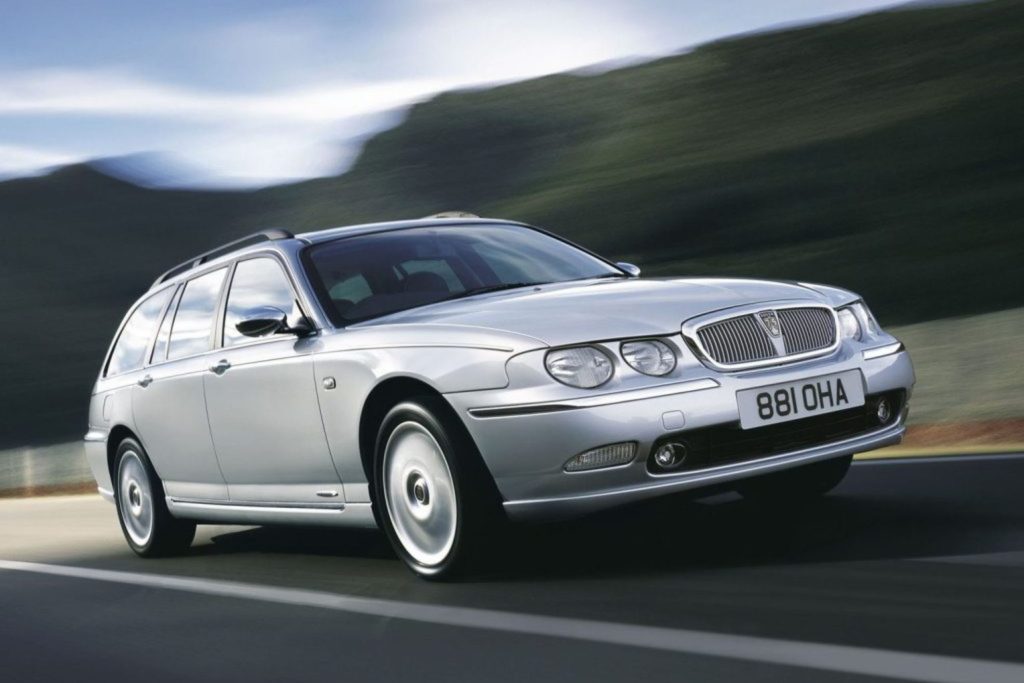
Two years later, the MG Rover Group realised they’d need to inject new life into the 75, and the older 25/45 models to keep interest high as the cars aged. To buy some time to secure investment for enabling the development of a new range, and on a shoestring budget, designer Peter Stevens was engaged to turn the retro look Rovers into sporting cars with MG badges.
The underpinnings of the 25, 45 and 75 were actually pretty decent, but the superstructures above were rapidly showing their age. The cosmetic makeover was effected quickly, and to universal acclaim, along with changes in the suspension and other components that made the new ‘Zed Cars’ amongst the most engaging to drive on the market.
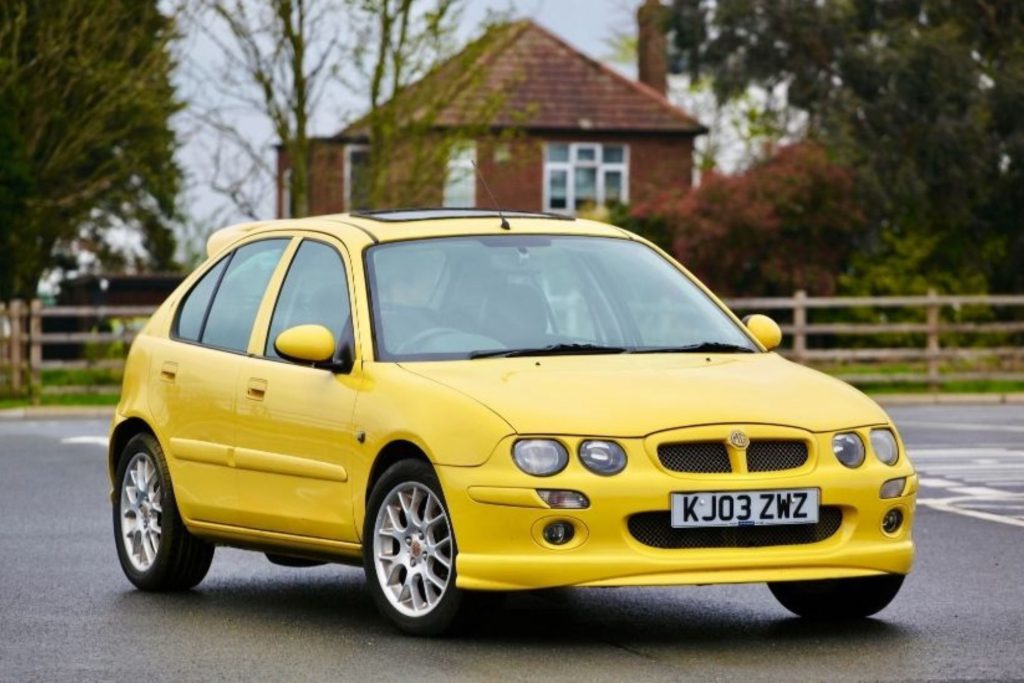
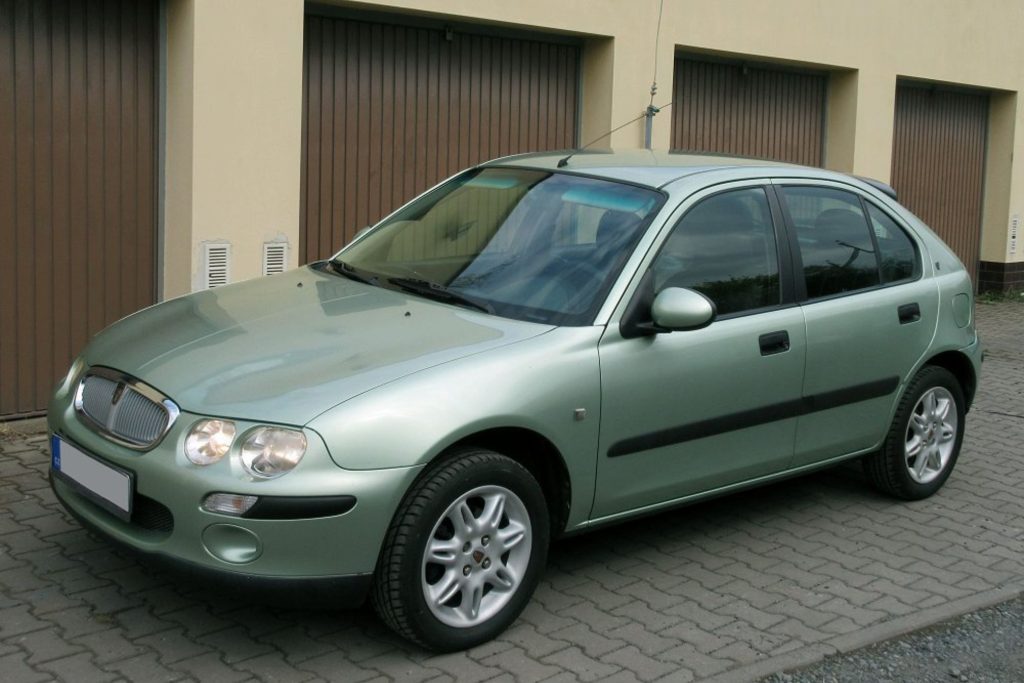
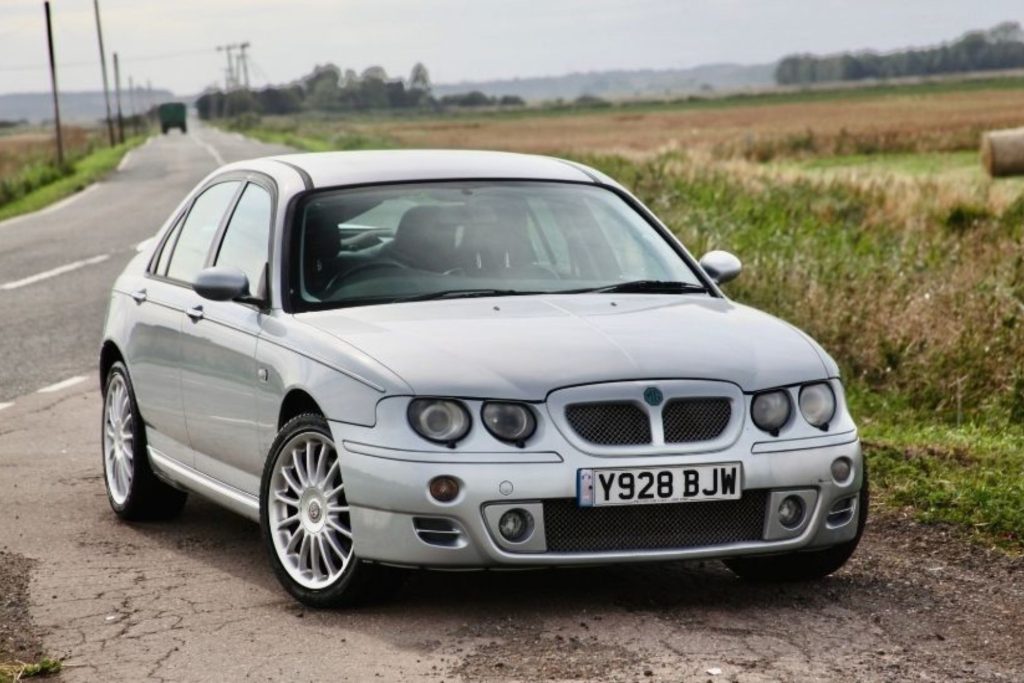
These fairly simple changes worked. The MG makeover brought new customers into showrooms and the sporty siblings boosted sales to the extent that cars bearing the octagon badge became as common a sight as those with Rover stamped into the tailgate handle. It was the MG brand that was quickly resurrected from the ruins of the MG Rover empire after it finally hit the skids in 2005.
A facelift is the standard approach at breathing new life into a car as it ages. Sometimes though, it’s an opportunity to learn from previous mistakes and turn things around. The mistakes made by Ford with their 1990 Escort, eventually earned them a long-lasting reputation for making great driver’s cars which remains to this day.
Which facelift do you think made the biggest difference to a car’s fortunes? We’d love to hear from you i the comments below.
Insure your classic with a specialist insurer
If you’re looking for cover for your pride and joy, why not consider Hagerty UK? Not only are we classic car insurance specialists, but we are enthusiasts at heart. Call us for a quote on 0333 323 1138.