Pop-ups, Dutch roots and fragile electronics: why Volvo’s oddball 480 still feels radical today too
The early 1980s must have felt like a creatively awkward time to be a designer orbiting Volvo. The company was riding high on a phenomenal global reputation for building unburstable safety cells that looked exactly like the shipping containers they arrived in. The legendary 240 and 700 series cars were beloved by antique dealers, country squires and sensible parents across the land. However, the boardroom executives knew that selling rolling fortresses to the middle-aged was not a sustainable strategy for long-term survival. The Dutch-built 300 series was doing decent volume, but it hardly set the pulse racing. Volvo needed to inject some youthful vigour into its showrooms and attract a new generation of career-minded buyers who wanted safety, sophistication and a little more design theatre. It needed a halo car that could banish the tweedy stereotypes and prove that the sensible Swedish firm knew how to let its hair down on a Friday night.
The resulting front-wheel-drive revolution was born from the internal Project Galaxy programme and leaned heavily on Volvo’s Dutch subsidiary in Born. It was a seismic shift for a brand fiercely wedded to heavy rear-wheel-drive platforms. While Sweden concentrated on the larger car that would eventually become the 850, the Dutch operation took responsibility for the smaller front-drive family: the 440, 460 and, most memorably, the 480. The mission was to create a sporty four-seat coupé-hatch that paid spiritual homage to the swinging-sixties P1800ES shooting-brake shape while pointing firmly towards a high-tech future.
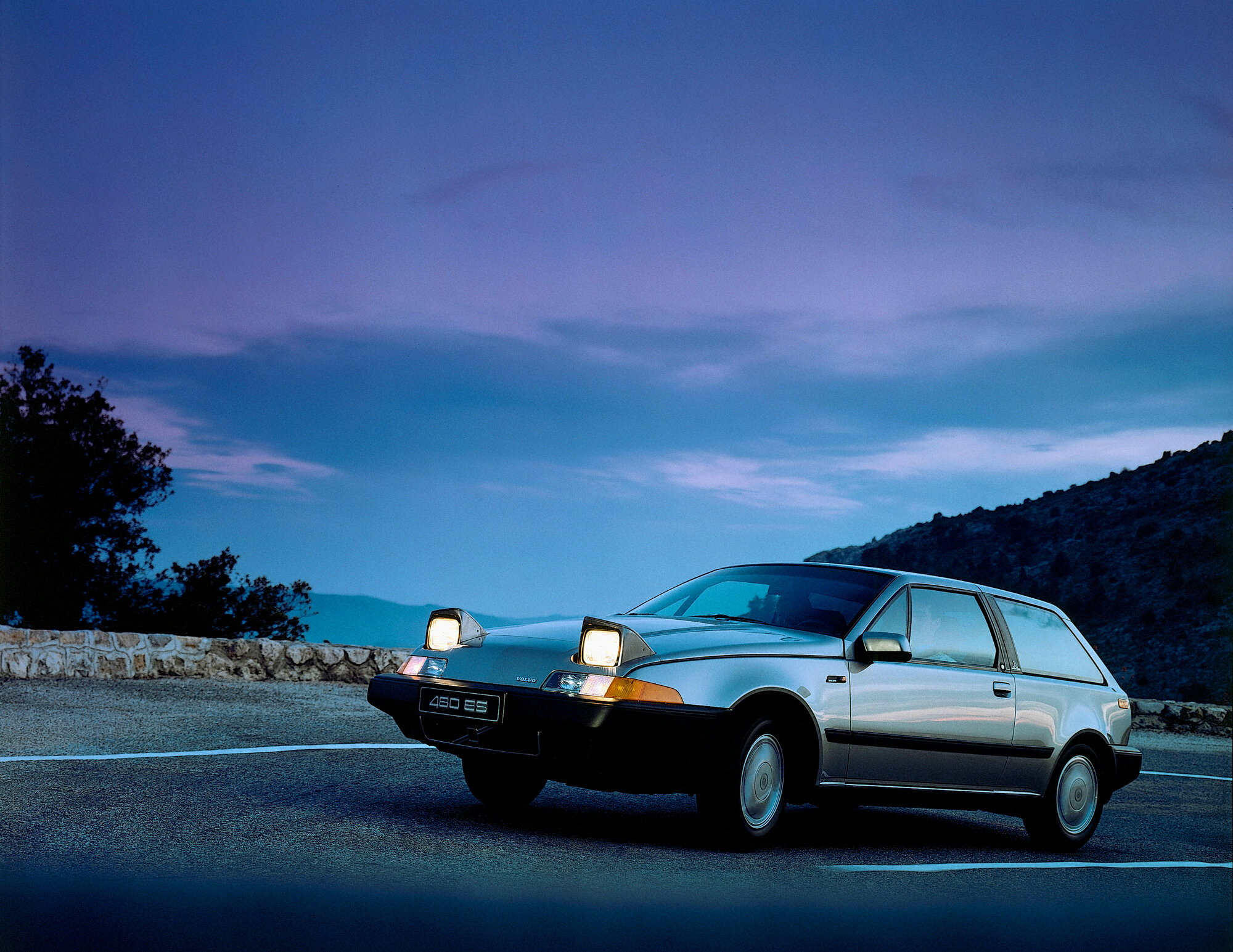
When the veil finally lifted at the 1986 Geneva Motor Show, the motoring press genuinely took notice. Gone were the right angles, sheer cliff faces and massive chrome grilles. In their place sat a sleek wedge profile approved from the work of John de Vries, featuring a remarkably low snout, a sweeping roofline and a stunning frameless glass tailgate. Most shockingly of all, it featured pop-up headlights. It was the absolute antithesis of everything the staid badge was supposed to stand for.
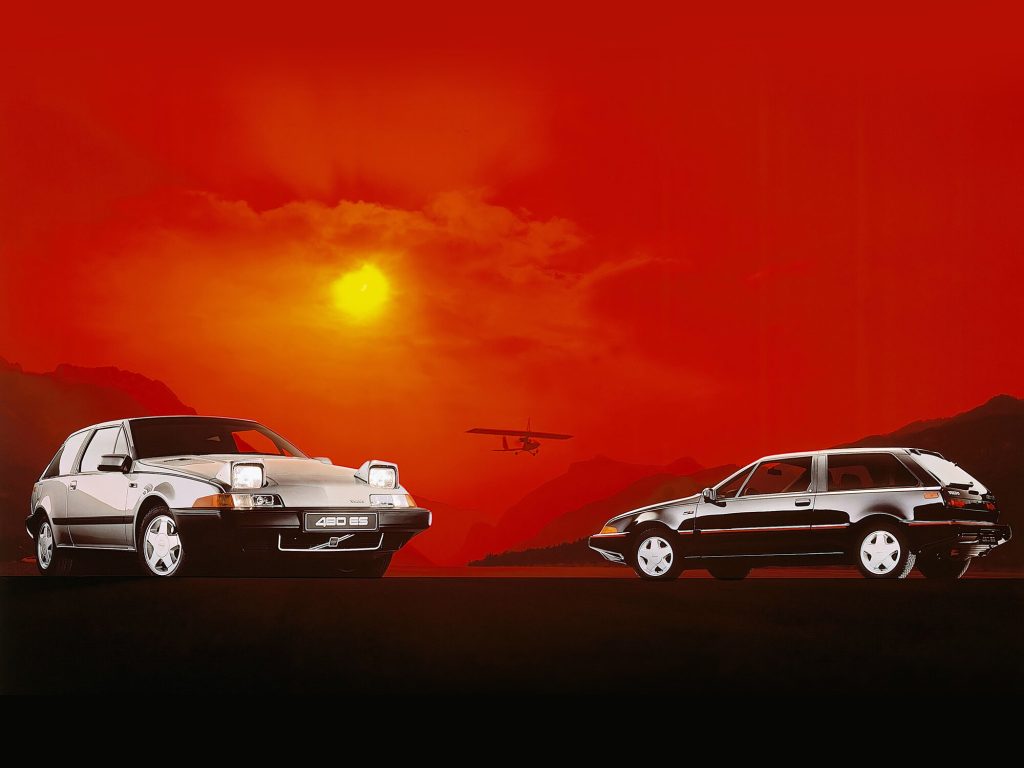
Beneath the razor-sharp styling lay a massive engineering effort that pulled in expertise from across Europe. Because Volvo lacked a suitable transverse engine for its brand-new front-wheel-drive layout, it used a 1.7-litre Renault unit. The engine itself has long attracted stories of outside specialist involvement, including repeated enthusiast claims of Porsche input, but Volvo’s own period material is more cautious, focusing instead on the Heron-head layout, electronic engine management and the wider engineering package. The suspension, meanwhile, is widely credited as having benefited from Lotus input, with MacPherson struts at the front and a cleverly located rear beam axle giving the car a far sprightlier character than the badge might have suggested.
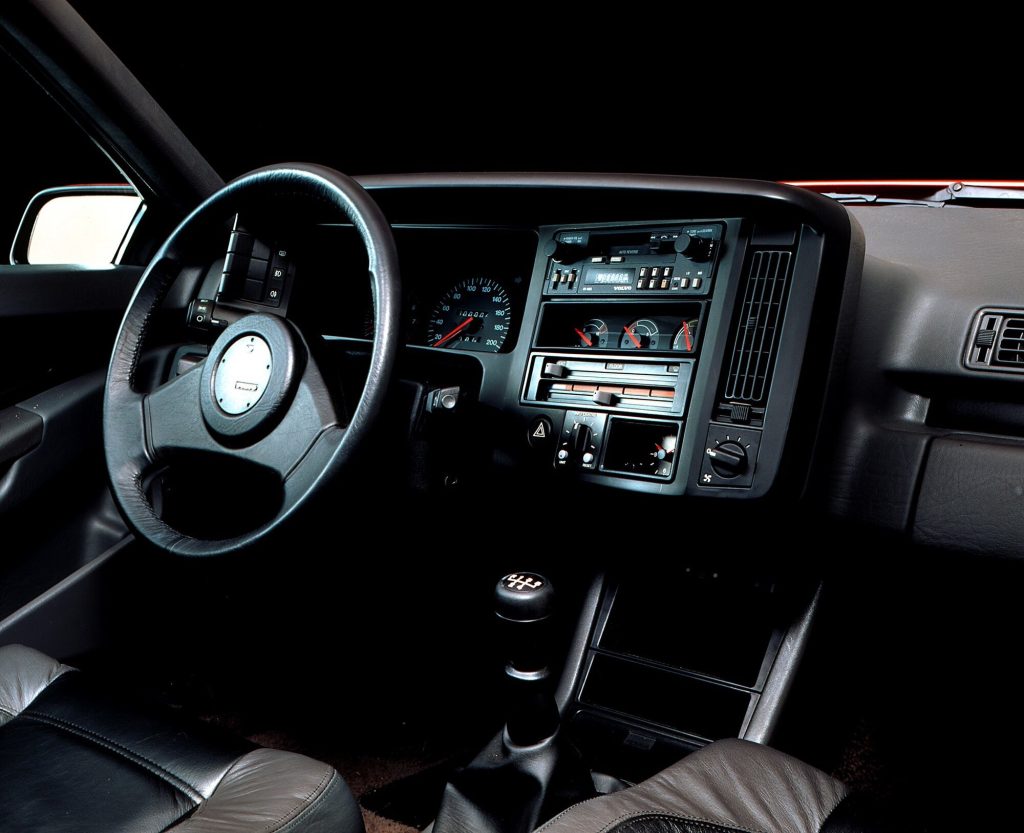
Then there was the electronics. The 480 was not merely styled to look futuristic; it was wired that way too. Its Electronic Information Centre gave the driver digital trip-computer functions, while the Central Electronic Module handled numerous logic and time-based functions around the car, including items such as lighting and wiper behaviour. It was advanced for the era and gave the cabin a faintly fighter-jet ambience that completely captivated many contemporary road testers. It also planted the seeds for some of the ownership headaches that would later become notorious.
On British shores, the 480 landed like an exotic alien spaceship in a dismal sea of predictable family hatchbacks. The UK car market was already obsessed with loud hot hatches such as the Volkswagen Golf GTI, Ford Escort XR3i and Peugeot 205 GTI. If you wanted something compact, quick and obvious, there were plenty of choices. If you wanted something sleek and design-led, the early 1990s would bring cars such as the Vauxhall Calibra into the same aspirational conversation, while Japanese coupés like the Honda CRX had their own sharp-edged appeal. The Volvo 480, however, managed to carve out an entirely unique niche for the thinking enthusiast.
It absolutely did not appeal to the boy racers doing noisy burnouts in retail park car parks on a Saturday night. Instead, it found favour with a more design-conscious crowd: younger professionals, educated urban buyers and people who liked the idea of something cleverer and stranger than the obvious performance choices. It was not fast enough to win many pub arguments, but that was precisely the point. It was cool because it was deeply unconventional. Driving a 480 through trendier parts of Britain in the late 1980s or early 1990s suggested that you valued design integrity, clever packaging and left-field taste over outright horsepower. It successfully subverted the stuffy Volvo stereotype while retaining a quiet, unassuming classiness that fitted perfectly into the British automotive landscape of the period.
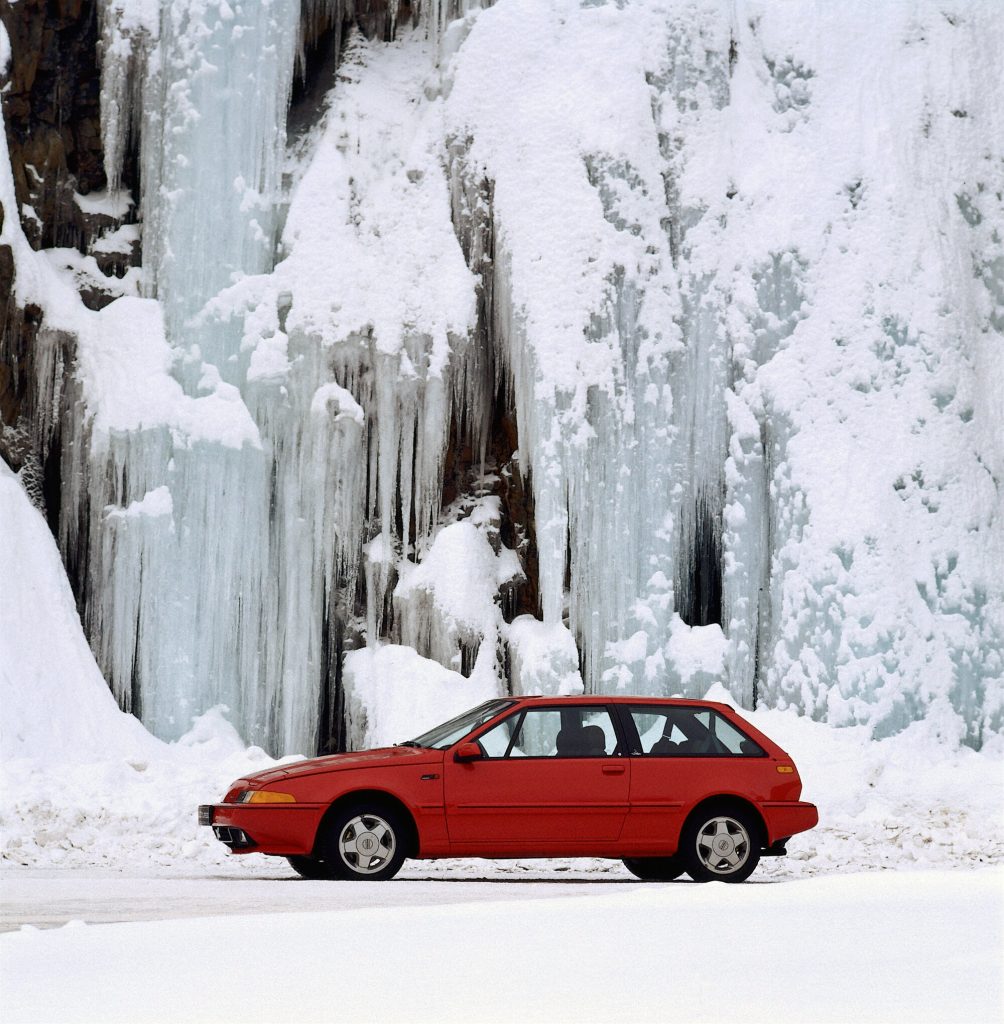
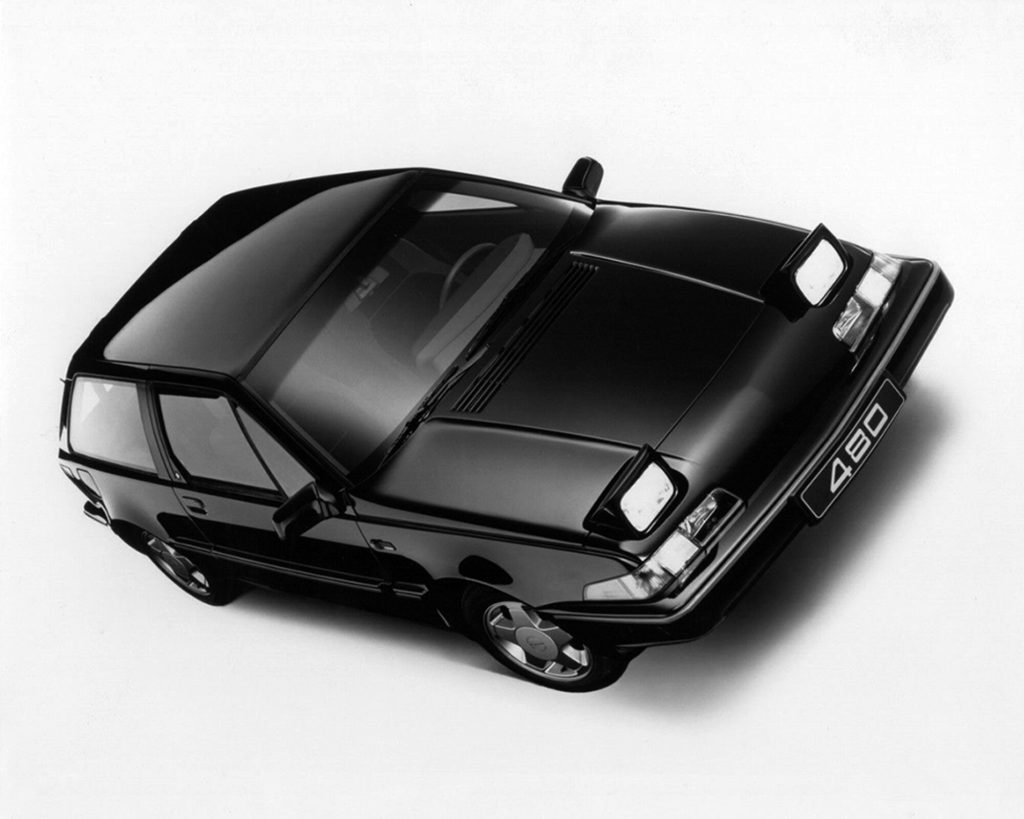
However, buying a 480 today requires nerves of steel, extreme patience and a very healthy contingency fund. That pioneering electronic architecture can be a major headache for modern owners. When the Central Electronic Module or related electrical systems throw a tantrum, you may encounter ghostly wipers, spontaneously flashing lights, dead dashboard displays and batteries that mysteriously drain overnight. Finding a specialist or dedicated enthusiast who understands these systems is essential.
Then there is the rust. While big Swedish Volvos were famous for shrugging off abuse, this Dutch-built coupé can dissolve with alarming enthusiasm. You must aggressively inspect the rear wheel arches, door sills, jacking points, suspension mounting areas and boot floor. Water ingress is the silent killer here. The delicate rubber seals around that beautiful glass tailgate can shrink and perish with age, allowing British rain to creep into the boot cavity and rot the rear structure from the inside out. The stylish rear light clusters also fade, crack and let water seep directly into the surrounding electrics.
Mechanically, the Renault-derived engines are generally tougher than the folklore suggests, provided they have been maintained properly. The naturally aspirated 1.7-litre cars are not especially rapid, but they suit the car’s relaxed, clever character. The later 2.0-litre models offer more useful torque, while the Turbo adds the mid-range punch the chassis always deserved. Even then, turbocharged cars bring their own age-related issues, including cracked exhaust manifolds, tired pipework and boost leaks. Interior trim is another weak point. The plastics can become brittle, switches can fail, and missing trim pieces may be far harder to source than major mechanical parts.
Despite these pitfalls, the 480 has finally shaken off its bargain-banger status and stepped into the limelight as a genuinely interesting modern classic. You can still uncover a forgotten, moss-covered project car for around £1000 to £2000, but it will almost certainly be a structural gamble requiring welding, recommissioning and a great deal of patience. Running naturally aspirated cars still appear at relatively approachable money, with rough-but-usable examples sometimes sitting below £2500 and tidier survivors generally clustering in the £2500 to £3500 range.
The more desirable Turbos, good late cars and special editions command more. A sensible budget for a nice Turbo or well-kept special edition is often around £3500 to £6000, depending heavily on condition, history and corrosion. Truly exceptional low-mileage cars can ask more, but the market is thin and condition matters far more than trim level. A rotten Celebration is still a rotten 480, however rare the badge may be.
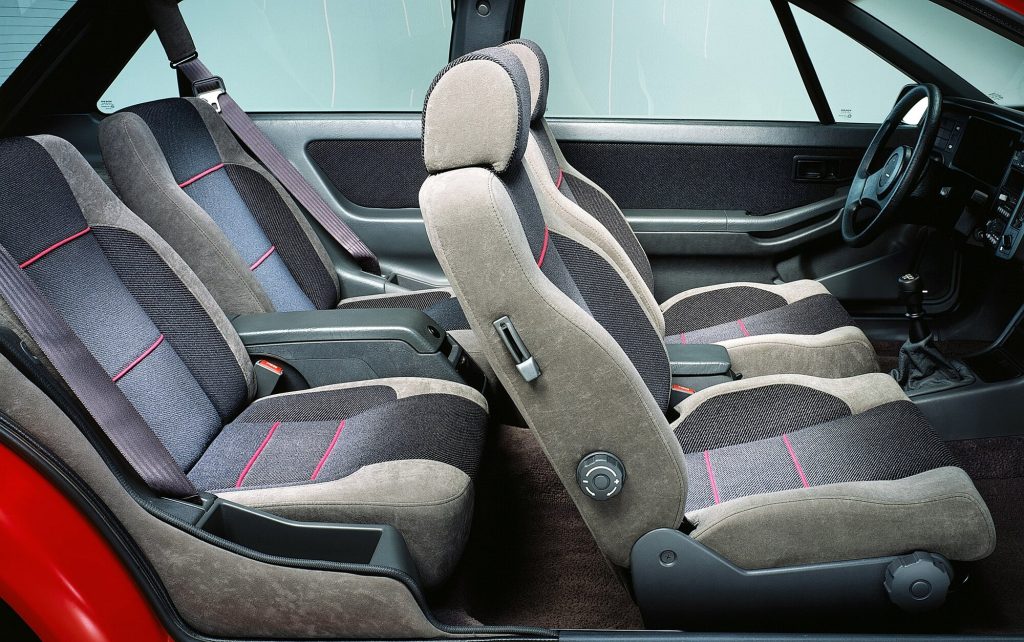
It is still a brave purchase. But then it was always a brave car. Try finding another wedge-shaped 1980s coupé with pop-up headlights, a frameless glass tailgate, four proper seats, front-wheel drive, concept-car electronics and this much retro-futuristic charm. The 480 was never the fastest coupé, nor the simplest, nor the most robust. It was something far more interesting: the moment Volvo briefly stopped worrying about looking sensible and decided to look clever instead.
Could the 480 be the coolest Volvo ever made? Give us your verdict at below.
Insure your classic with a specialist insurer
If you’re looking for cover for your pride and joy, why not consider Hagerty UK? Not only are we classic car insurance specialists, but we are enthusiasts at heart. Call us for a quote on 0333 323 1138.





The strongest car on collisions, in three cases of collisions my Volvo 480 ES had only minor scratches or broken plastic parts, while the opposite cars were severely damaged. Its bumpers were the cars defence system so strong that it served as the buffer protection.