Volkswagen’s Polo G40 turned a humble supermini into a supercharged, fragile, unforgettable menace.
The mid-1980s was an era defined by the hot hatchback arms race. Manufacturers were frantically bolting hilariously lag-heavy turbochargers and experimental 16v cylinder heads to their sensible superminis, locked in a desperate, torque-steering battle for traffic-light supremacy. But within the normally sensible, pragmatic halls of Wolfsburg, Volkswagen decided to take an entirely different, wonderfully eccentric approach to the pursuit of speed. This year marks the 40th anniversary of the first mighty, supercharged Volkswagen Polo G40, a car that injected pure, uncut mechanical peril into a humble shopping trolley.
To understand the G40, you must first understand the absolute lunacy of its powerplant. In the mid-1980, VW wanted to extract GTI-bothering performance from their diminutive 1.3-litre Polo engine without resorting to a traditional exhaust-driven turbocharger. Instead, they reached deep into the annals of engineering history and dusted off a patent filed in 1905 by a Frenchman named Léon Creux.
Creux had patented an early scroll compressor concept, but early 20th-century metallurgy wasn’t precise enough to realise it. Volkswagen, armed with 1980s manufacturing capability, developed a related spiral displacer supercharger. The result was the ‘G-Lader’, named for the shape of its internal spiral, measuring 40 millimetres in width. It used an eccentric aluminium displacer and sealing strips to compress air with impressive efficiency for its size.
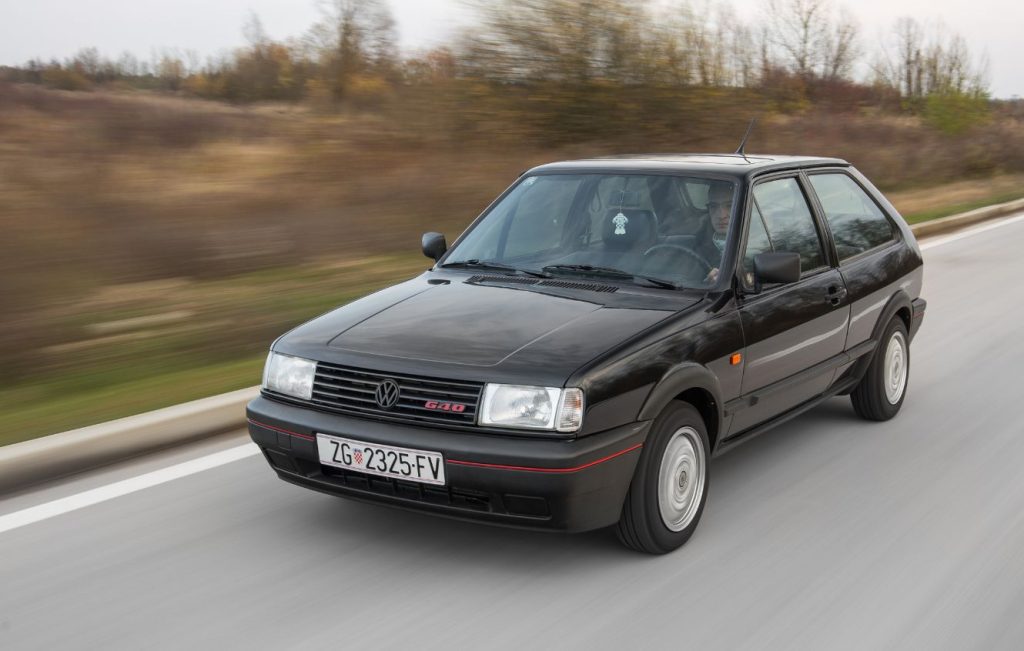
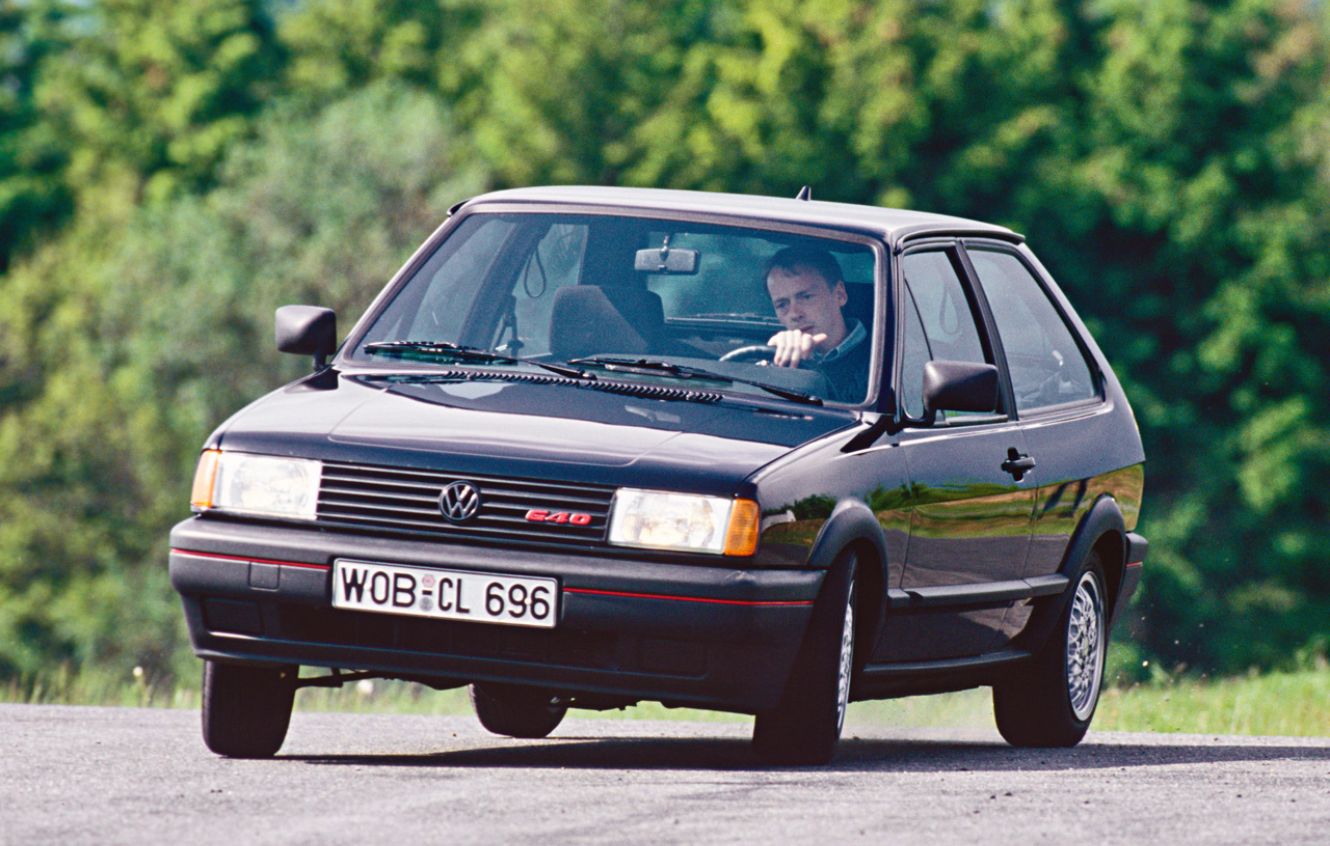
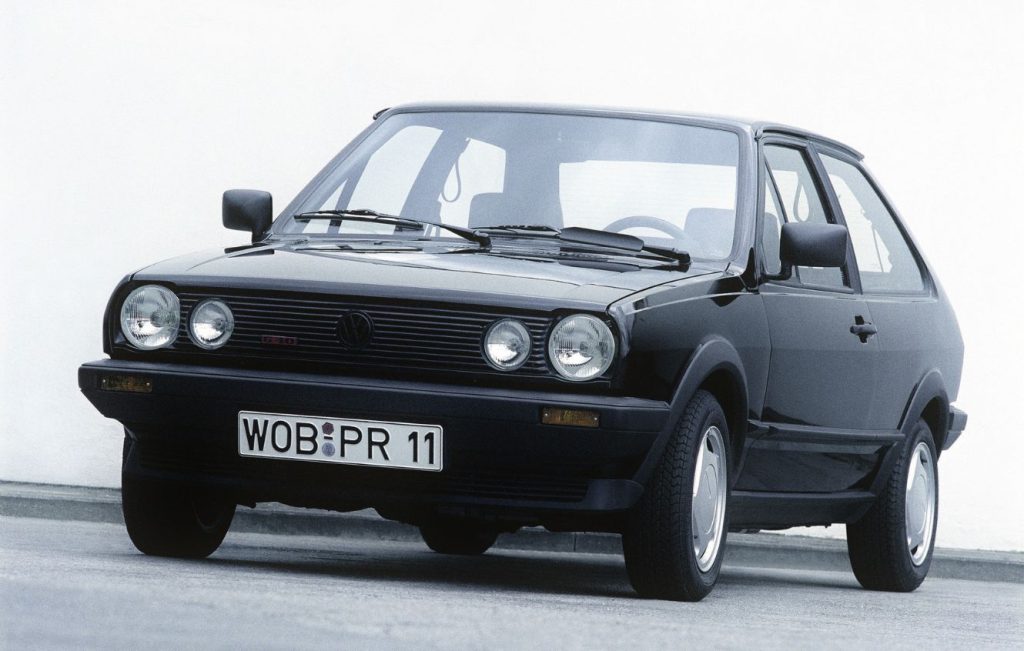
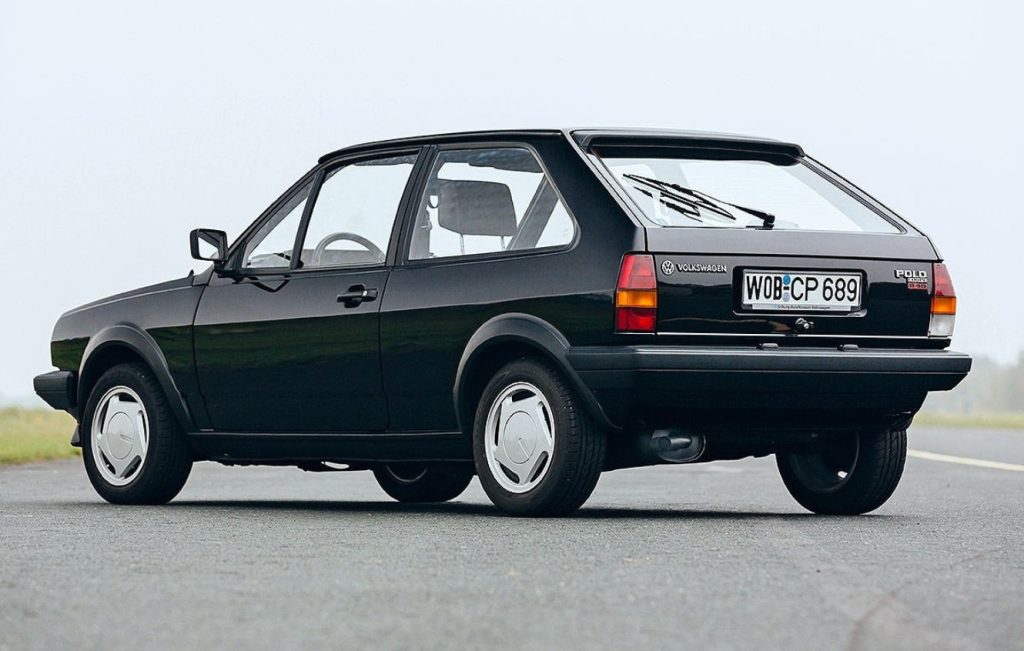
Approaching an early VW Polo G40 today, you’d be hard-pressed to spot the menace lurking within. Whether it is the earlier, ultra-rare ‘breadvan’ shape or the later Mk2F coupe, the visual upgrades were wonderfully understated. There was a subtle red stripe around the grille, a discrete ‘G40’ badge, a set of 13-inch BBS cross-spoke alloy wheels, and a slightly lower stance. To the untrained eye, it looked like the sort of car a retired geography teacher would use to nip to the post office. It was the ultimate Q-car; a wolf dressed entirely in sheep’s clothing.
Fold yourself inside, and the cabin is an exercise in austere Germanic functionality, save for the wonderfully aggressive ‘Le Mans’ check sports seats and a bespoke three-spoke steering wheel. There is no power steering. There are no airbags. The doors shut with a tinny, metallic clatter that reminds you this entire vehicle weighs a scant 830kg.
But turn the key, and the illusion of sensibility shatters entirely. At idle, the 1.3-litre engine sounds deceptively agricultural, but stab the throttle and the G-Lader wakes up. Because the supercharger is driven directly from the crankshaft by a belt, there is zero lag. None. Bury the long-travel throttle pedal in second gear, and the response is violent and immediate. The tiny Polo rears its nose and launches forward on a massive, perfectly flat wave of torque, accompanied by a shrieking, mechanical whine that sounds like a miniature jet turbine spooling up behind the dashboard.
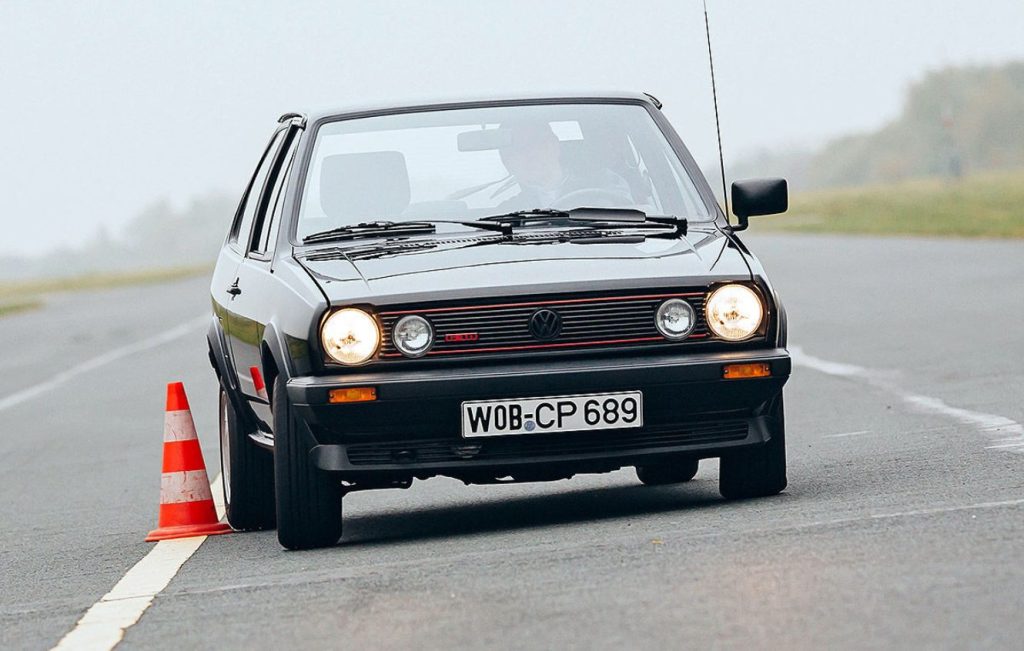
With 113bhp (and often much more with a simple pulley swap), the VW Polo G40 was a giant-killer. In the early nineties, it was routinely humiliating Peugeot 205 GTIs and Ford Fiesta XR2is at the traffic light grand prix. It hit 60mph in around 8 seconds and surged on to 120mph—terrifying speeds in a chassis that felt like a motorized roller skate. The handling was old-school front-wheel-drive warfare: bags of mechanical grip, a propensity to lift an inside rear wheel through tight corners, and steering that constantly writhed and tugged in your hands as the front tyres scrambled to deploy the supercharged shove.
However, owning a VW Polo G40 meant signing a pact with the devil. Volkswagen, in a moment of catastrophic marketing hubris, originally claimed the G-Lader was ‘maintenance-free’. It was anything but. Inside the spiral housing were apex and side strips, high-speed bearings and tight tolerances that demanded regular specialist rebuilding. Ignore the warning signs, and wear would escalate into failure, sometimes catastrophically, with debris entering the engine and repair costs easily exceeding the car’s value.
But for those who understand the beast, who religiously rebuild their superchargers every 30,000 miles, the VW Polo G40 remains a driving event. It is a car that thrives on the interaction between man and machine; it might not pack a noteworthy horsepower heave but a spirited G40 experience will be truly memorable.
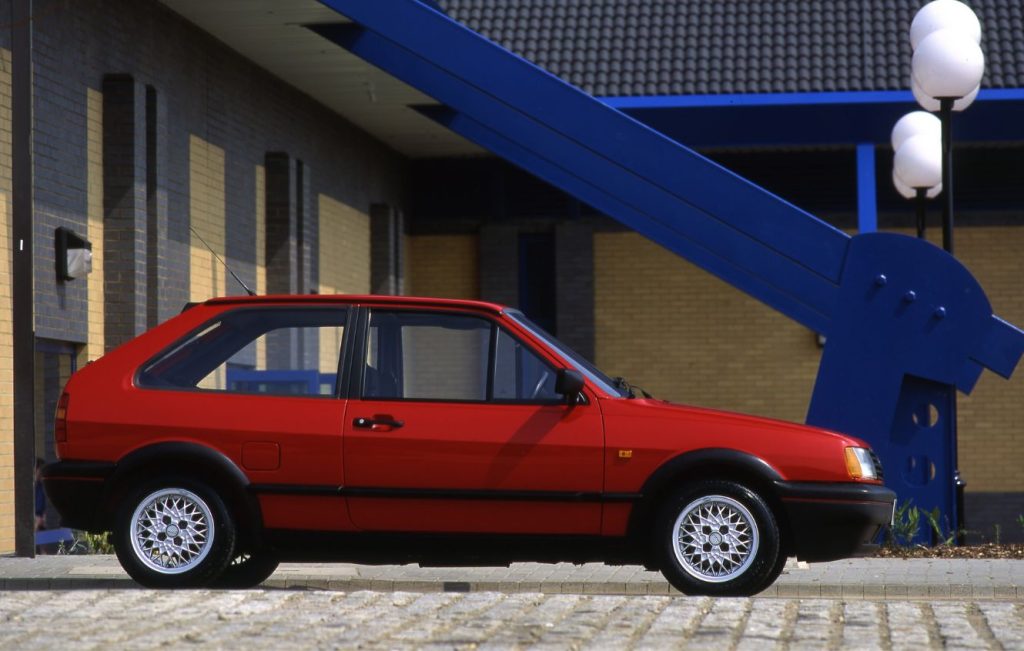
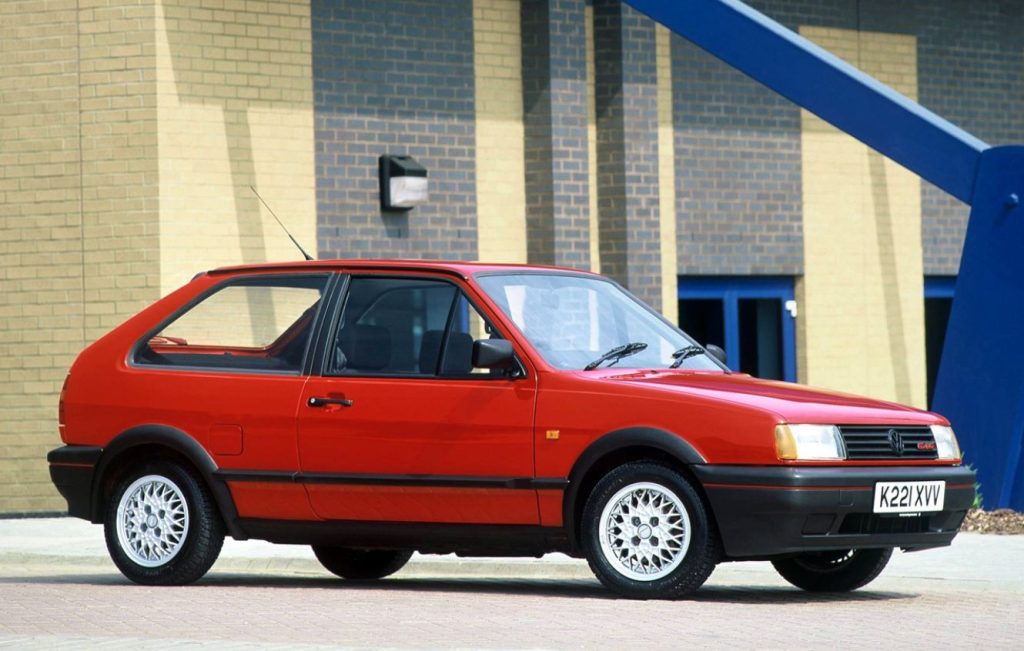
If the early ‘breadvan’ G40 was a homologation oddity, the later Mk2F version was Volkswagen’s attempt to civilise the madness, to package that same manic engineering into something approaching a usable hot hatch. Launched in 1990, the facelifted Polo brought smoother bodywork, colour-coded bumpers and a slightly more mature demeanour. It looked less like a startled appliance and more like a junior GTI. But beneath the tidied surfaces, the essential character remained intact.
Power stayed at a quoted 113bhp, though by this point Volkswagen had ironed out some of the more wayward edges of the engine’s behaviour. Throttle response was still instantaneous, the supercharger still whining with that unmistakable, slightly industrial shriek, but the delivery felt fractionally more rounded, less like an on-off switch wired directly to your right foot. The chassis, too, benefitted from subtle revisions. Wider tracks and improved suspension geometry lent the car a touch more stability at speed, without diluting the inherent playfulness that defined the G40 experience.
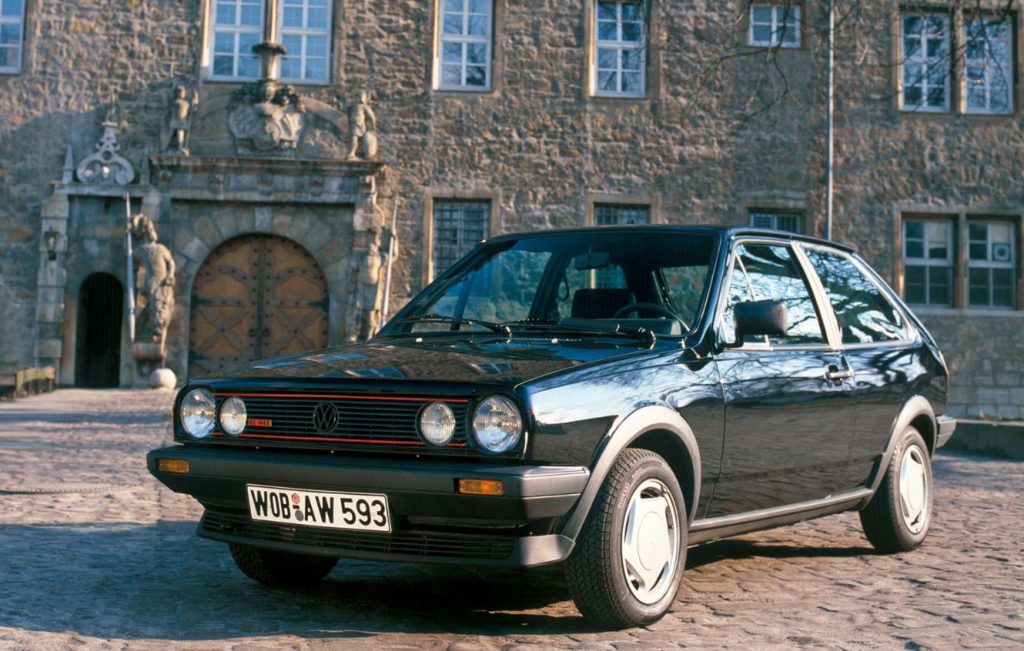
Inside, there were concessions to modernity. Better materials, improved ergonomics and a marginally more forgiving driving position made it feel less like a stripped-out special and more like a properly engineered road car. But do not mistake this for softness. There was still no power steering, still no meaningful electronic safety net, and still that same sense that you were operating something mechanical, busy and faintly volatile.
Forty years on, the VW Polo G40 is noisy, it is frantic, it requires the maintenance schedule of a Le Mans prototype, and it is still absolutely brilliant. It is a glorious, supercharged reminder of the days when absolute power corrupted absolutely tiny cars… in absolutely the best way.
Insure your classic with a specialist insurer
If you’re looking for cover for your pride and joy, why not consider Hagerty UK? Not only are we classic car insurance specialists, but we are enthusiasts at heart. Call us for a quote on 0333 323 1138.