Nissan’s factory in Tyne and Wear marks its 40th anniversary this year
Car makers building cars outside of their brand’s country of origin is commonplace, but back in the eighties, it was a concept that was alien to most.
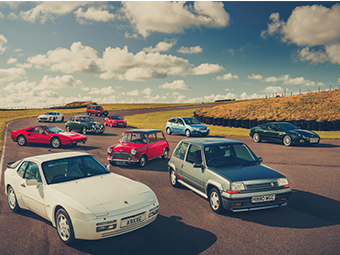
Nissan’s decision to start making cars in the UK, then, was an eye-opener, and one that sent shockwaves through the struggling British car industry back when the decision was announced in 1984 – with Austin-Rover still in public ownership and blighted by a lack of investment, the decision of the government to sign a co-investment agreement with a Japanese manufacturer didn’t meet universal understanding.
But there was no denying that Japan’s decision to invest in the UK was good news for the North-East, where the 799-acre greenfield site in Sunderland, Tyne and Wear – formerly RAF Usworth – was chosen as the site for the new car factory.
The area had recently undergone a period of industrial decline, with the closure of most of the shipyards and also the coal mines on the once-prosperous Durham coalfield. The high unemployment rate meant Nissan had a large, eager, manufacturing-skilled workforce to draw upon. A groundbreaking ceremony took place in July, and work began on the site in November 1984, by building contractors Sir Robert McAlpine, who would complete the site in 1986, ready for pilot production.
The opening ceremony took place on 8th September 1986, an event attended by senior Nissan executives, government officials, local dignitaries and the then Prime Minister, Margaret Thatcher.
The sense of occasion was palpable: the factory’s inauguration symbolised not only the arrival of Nissan as a competitive force in Europe, but also a new chapter for Sunderland itself.
The first car ever to roll off the production line was the Nissan Bluebird ‘T12’, a model that would become a familiar sight across British roads and won plaudits for its engineering quality and longevity.
Initially, the Sunderland plant employed just 430 people, yet even at its earliest stages, the impact was significant. The jobs provided stability and opportunity for families and breathed life into an area in need of economic revival.
As the factory expanded, so did its workforce. Its reputation for efficiency and quality grew, attracting further investment and eventually making it one of the largest car manufacturing sites in the UK. Over the decades, Nissan Sunderland has become a major employer, with over 6,000 people currently working at the plant. The ripple effect of its presence has stimulated wider economic activity, supporting thousands more jobs in the supply chain, logistics, and local services.
Despite some bumps in the road, the factory is now seen as one of Nissan’s leading sites globally and a homeroom for electric vehicle manufacturing development and expertise, which it has been since it began manufacturing the Leaf in 2013.
Here are the six most important cars to emerge from Nissan Sunderland
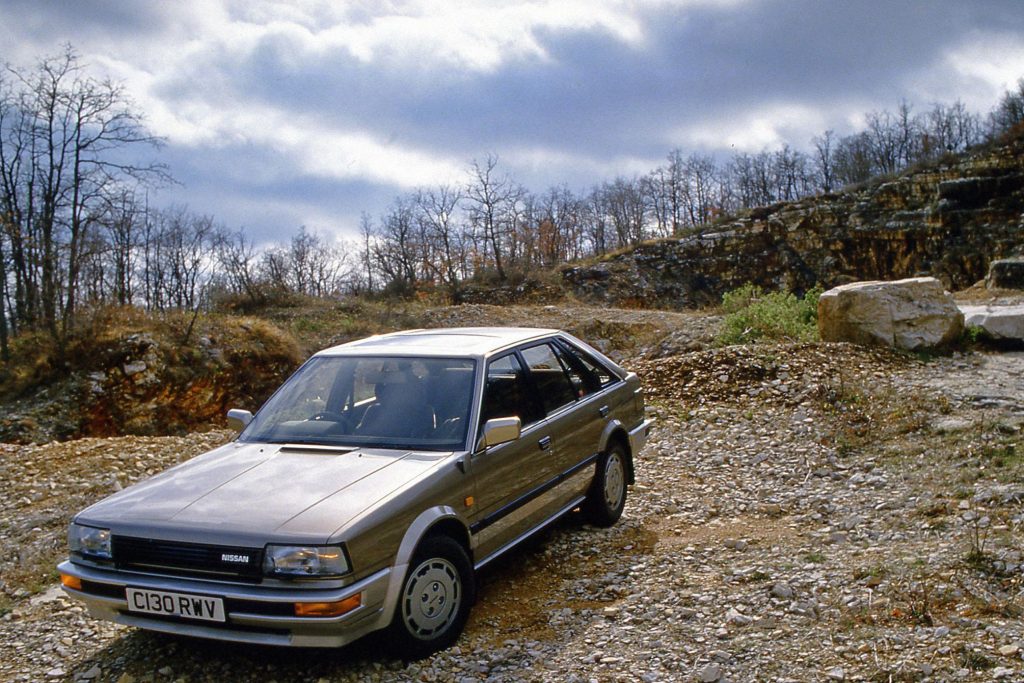
Nissan Bluebird (T12/T72)
Launched in 1986, the Nissan Bluebird was the first model built at Sunderland, from September 1986 – though a few very early cars were completed before this. The car used one of Nissan’s most famous nameplates but had little in common with the Japanese Bluebird. Instead, it was a derivative of the smaller (and more European-suited) Nissan Violet, or Auster depending on the market.
The car was the replacement for the Stanza and early cars were imported from Japan so that UK buyers could be familiar with it in time for British production to commence. All UK cars have Triplex glass, as part of an agreement to use a UK supplier base for a fixed percentage of parts.
Offered with 1.6, 1.8 and 2.0-litre petrol engines, all of which were robust, mechanically simple and surprisingly lively, the Bluebird was also the first car to have semi-reclining rear seats and two trip meters – one for business and one for pleasure. The flagship model was the Turbo ZX, which used a Garrett turbo to deliver surprising vigour.
The T12 was facelifted in 1989 to become the T72, with rounder, body-coloured bumpers, and there was also a diesel model introduced using a 2.0-litre normally aspirated engine, the diametric opposite to the Turbo ZX.
All Bluebirds were ridiculously tough. They say that if you want to know what makes for a really good car, you should ask a taxi driver or a banger racer. The fact that the Bluebird was a darling of both tells you all you need to know.
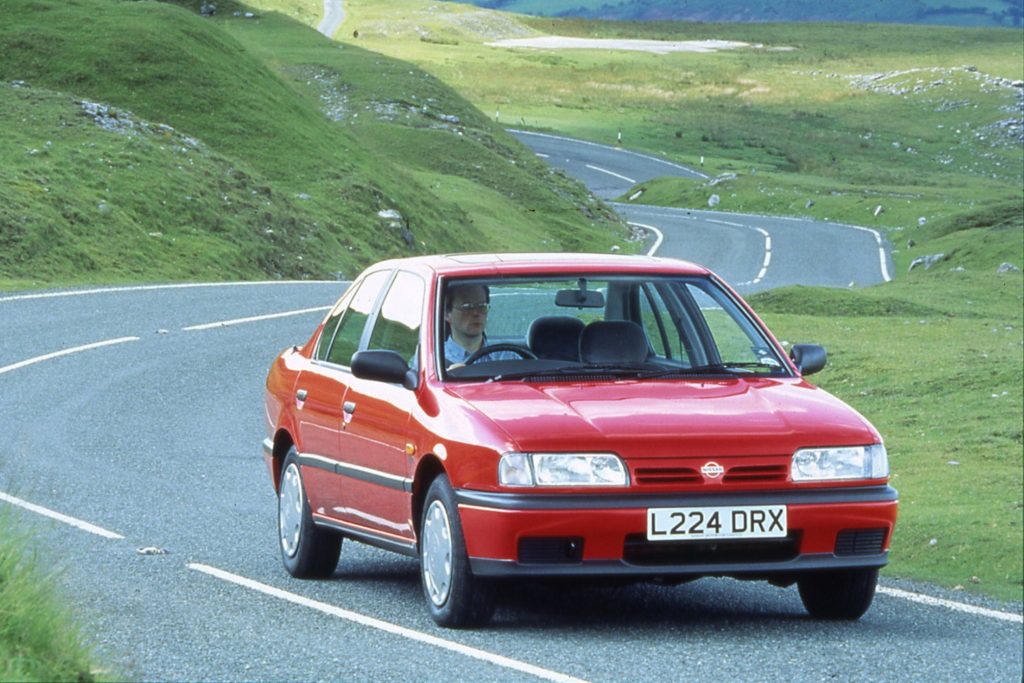
Nissan Primera P10/P11
Introduced in 1990, the Primera P10 was the replacement for the Bluebird and was designed from the outset for European tastes, which would explain why in dimensions and profile it was remarkably similar to a Vauxhall Cavalier Mk 3.
There was also a focus on engaging driving dynamics, a trait not always associated with Japanese cars of the era.
Under the bonnet, the P10 featured reliable petrol engines in 1.6, 1.8 and 2.0-litre form, which were essentially fuel-injected versions of those from the Bluebird, already renowned for their durability and smooth performance.
The car’s multi-link suspension system delivered a balanced ride and composed handling, while the GT model was a genuinely engaging driver’s car.
Inside, the Primera offered a spacious cabin and a well-laid-out dashboard, with a far softer and more European feel than the Bluebird ever had.
The Nissan Primera P11, introduced in 1995, marked a significant evolution for the model. Although based on the P10 platform and sharing some of its powertrains, the P11 had heavily revised suspension which gave it a far better ride, while the interior was modernised and specification heavily improved.
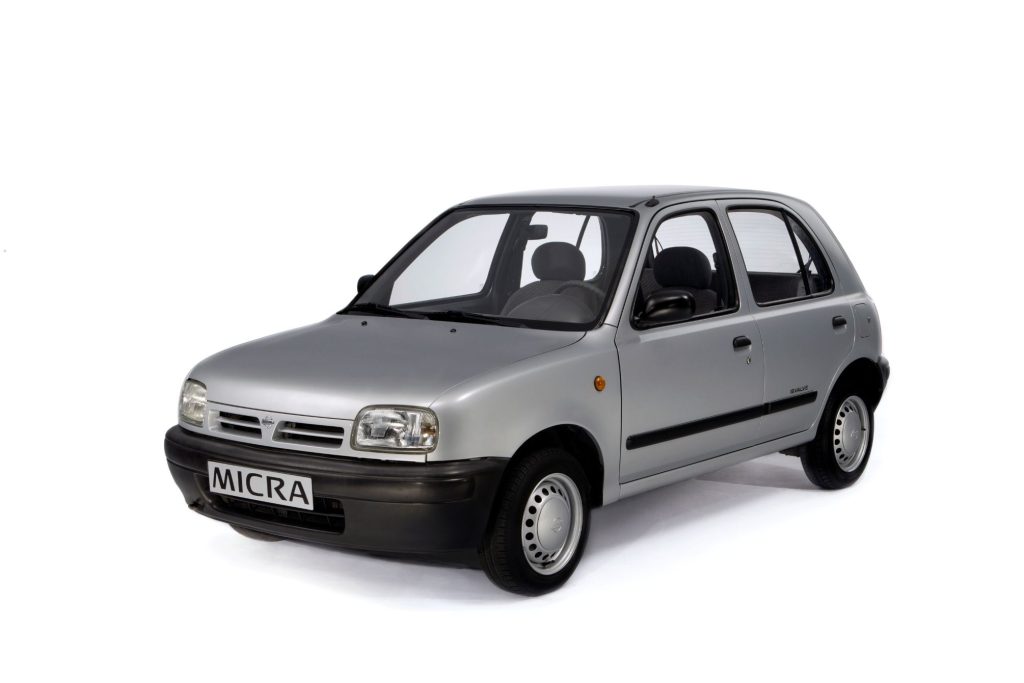
Nissan Micra K11
In terms of fitting the brief for which it was designed, the Nissan Micra K11 has to be up there with the best cars in the world.
Developed as a European harmonisation of the Japanese Nissan March, the K11 was a brilliant piece of design, with a choice of lively 1.0 and 1.3-litre 16v engines, a simple but well-balanced chassis, modern, bubbly design and brilliantly packaged interior.
It was good when it was new, but it has since gone on to prove itself to also be one of the most reliable cars ever – over three decades since its launch, there are still loads of K11s in service as takeaway delivery cars, such is the durability of its chain-driven engine line-up.
Nissan Almera N16
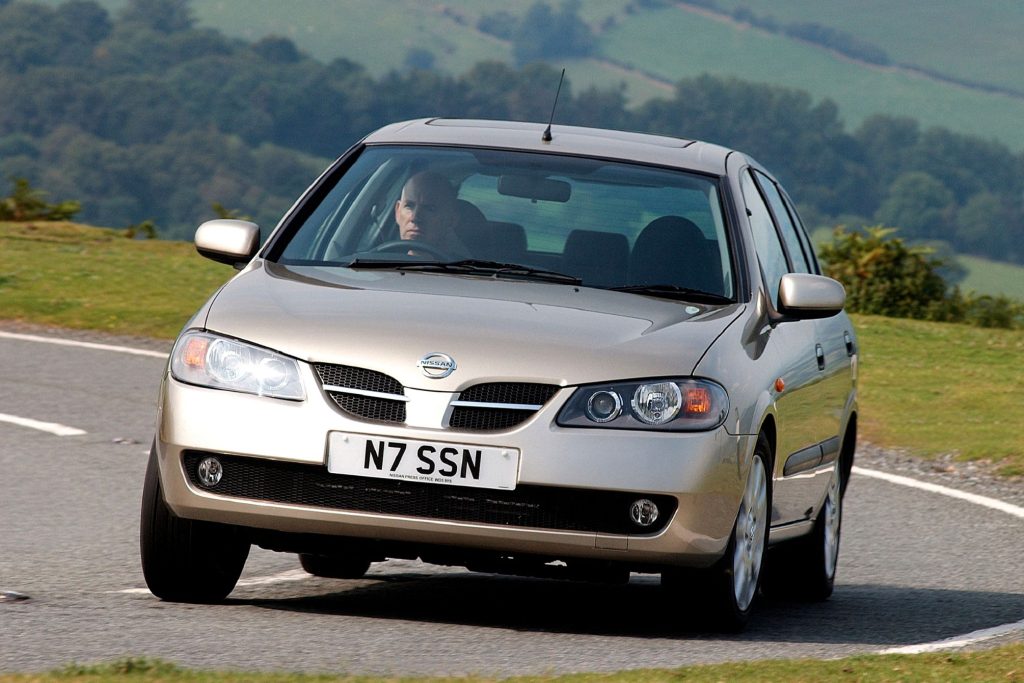
The second-generation Almera was introduced in 2000 and became the third body style to be built at Sunderland.
Famed for its innovative “curry hook” and not much else, the Almera N16 was understated but well-packaged, with class-leading legroom and boot space for its class.
It was well-equipped without unnecessary frills, and good enough to drive without being great. But as a no-nonsense, dependable car, it proved a popular and well-respected model, with all European production emanating from Sunderland.
Nissan Qashqai J10
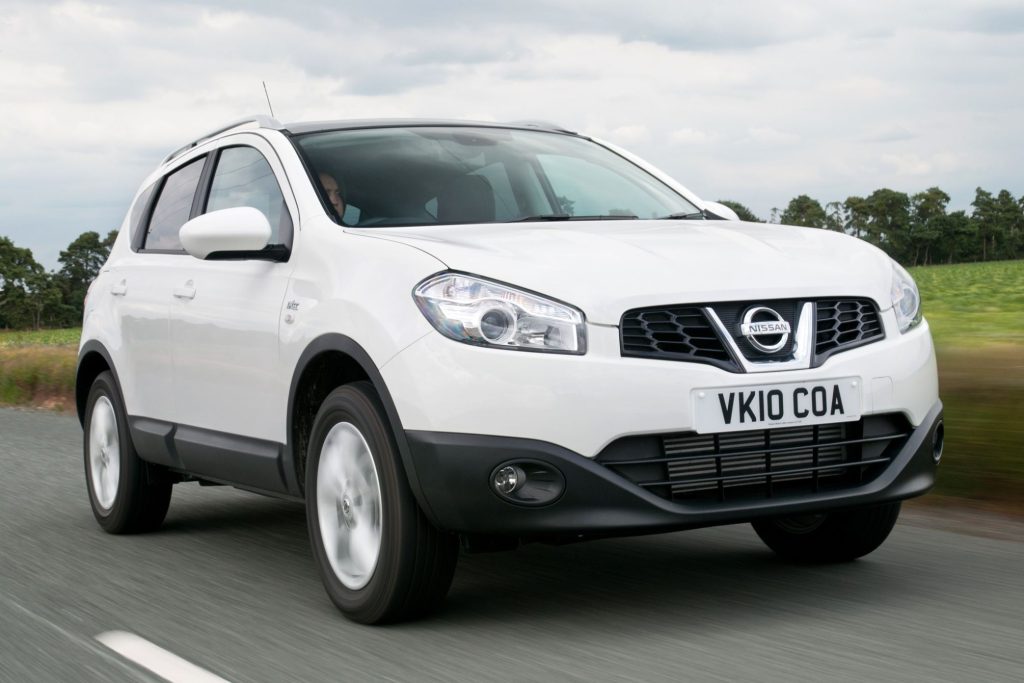
Love it or loathe it, there’s no denying how important the Nissan Qashqai is historically – launched in 2006 under codename J10, the Qashqai broke ground as a compact crossover SUV and very quickly shot to the top of the UK sales charts; the sector it defined remaining the most prolific part of the UK new car market today.
Nissan LEAF ZE0
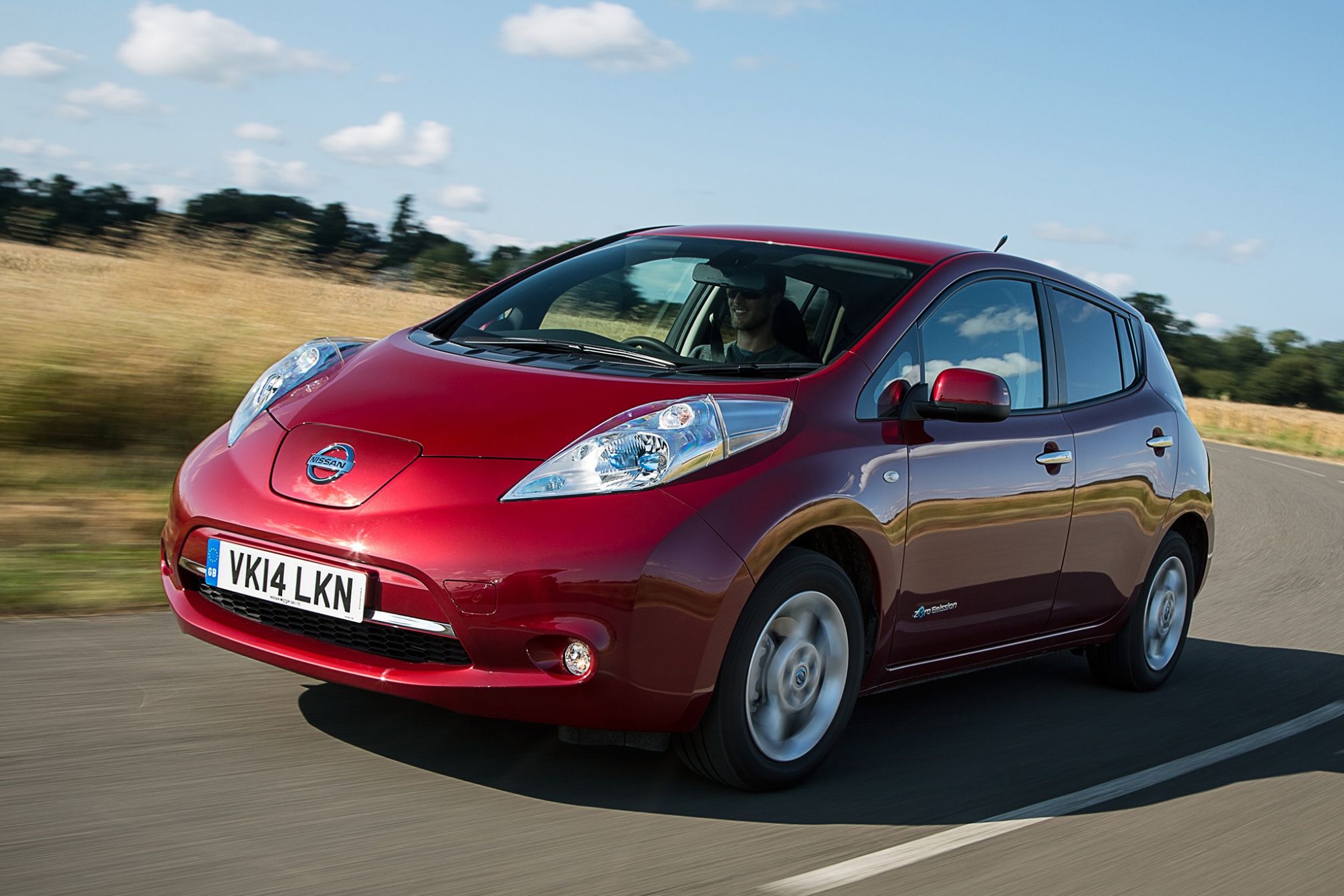
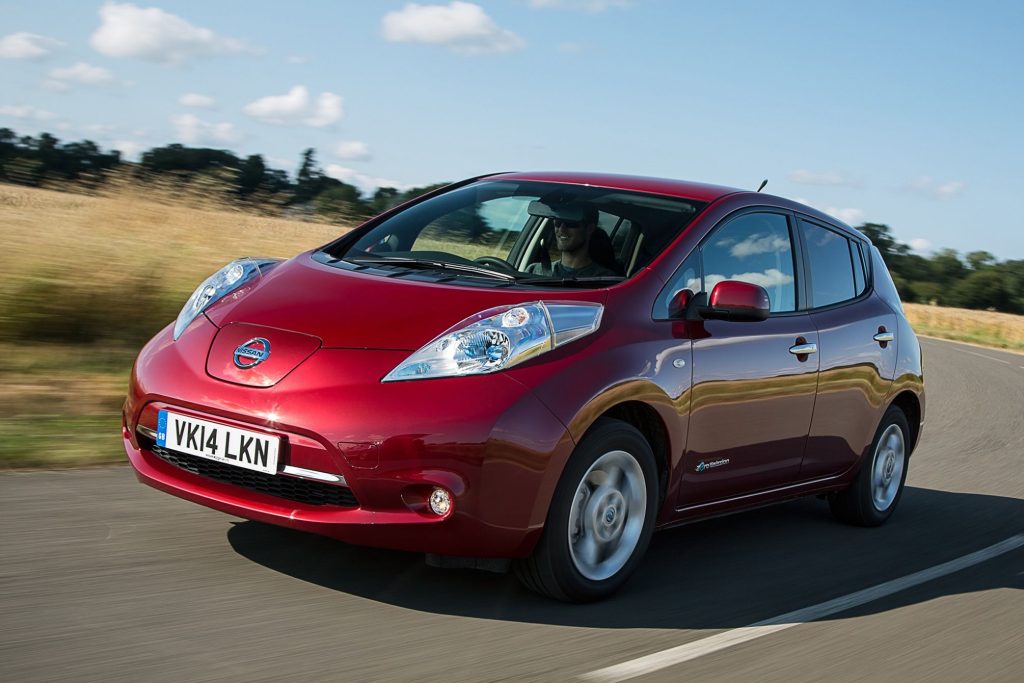
Starting Sunderland production in 2013, the LEAF was Nissan’s groundbreaking electric car – the car largely regarded as the blue touchpaper that lit the electric car revolution. While other manufacturers sat on the electric fence for so long, Nissan quietly got on with engineering an electric car that was genuinely saleable, establishing a name for itself as a pioneer of EVs in the process.
Which of these Sunderland-built Nissans holds a special place in your memory or your driveway? Let us know in the comments below.
Insure your classic with a specialist insurer
If you’re looking for cover for your pride and joy, why not consider Hagerty UK? Not only are we classic car insurance specialists, but we are enthusiasts at heart. Call us for a quote on 0333 323 1138.