Stub out the foul stench of smoking with our top tips
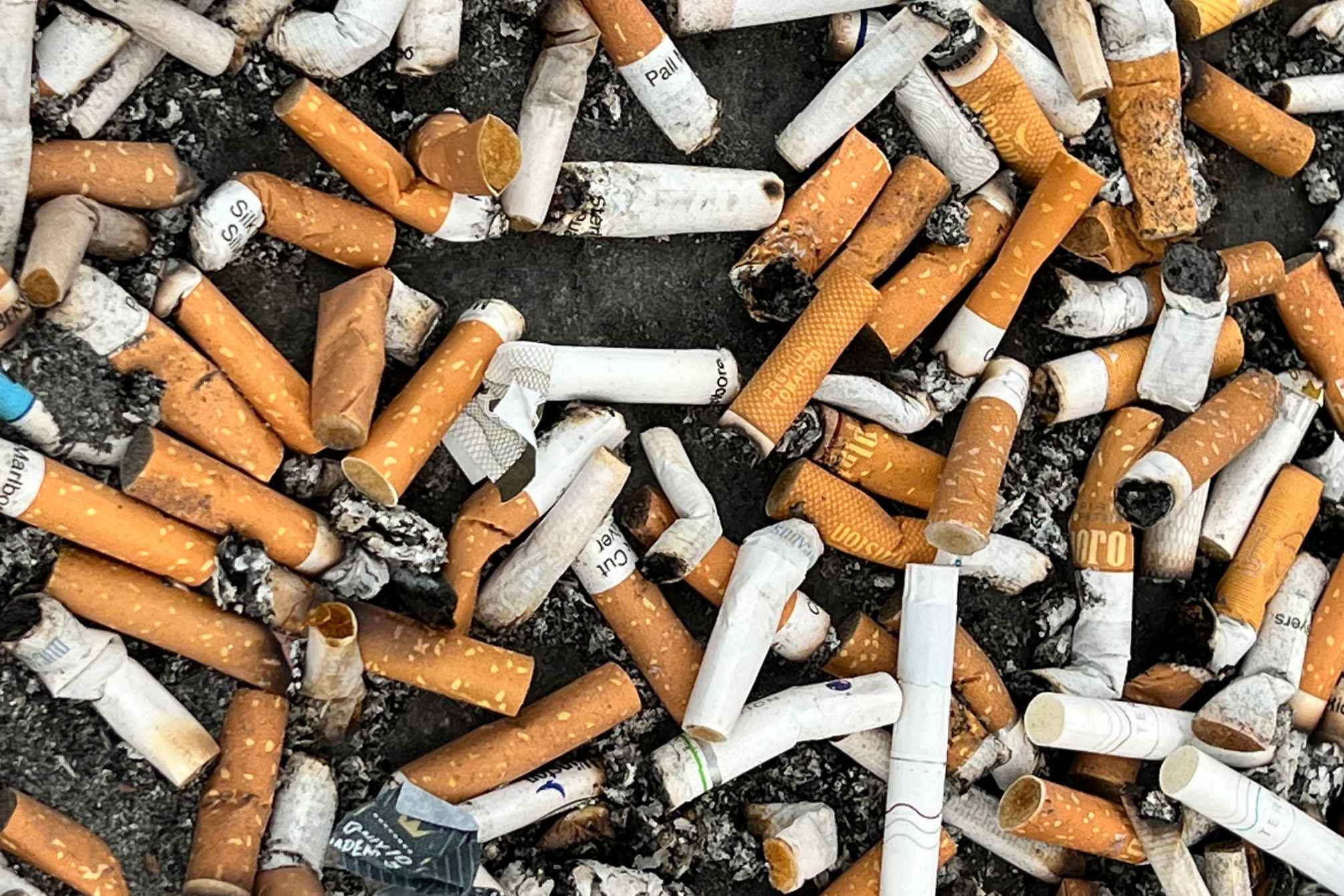
Cigarette smoke has a way of outstaying its welcome. Long after the last ash has been tapped away and the windows have been wound down, that unmistakable stale smell can still greet you every time you open the door.

It sits in the seats, hovers around the headlining, hides in the vents and, on a warm day, seems to reappear with renewed confidence.
The good news is that smoke smell can usually be improved dramatically, and in many cases removed to the point where the cabin feels fresh again. The less welcome truth is that there is rarely a single miracle product. Air fresheners, hanging trees and heavily perfumed sprays might disguise the smell for a day or two, but they do not remove the tar, nicotine and fine smoke particles that cause it.
“The job is less about scent and more about source control,” says Mark Docherty, from car cleaning giants Autoglym. “Find where the residue has settled, clean it away, then neutralise what remains.”
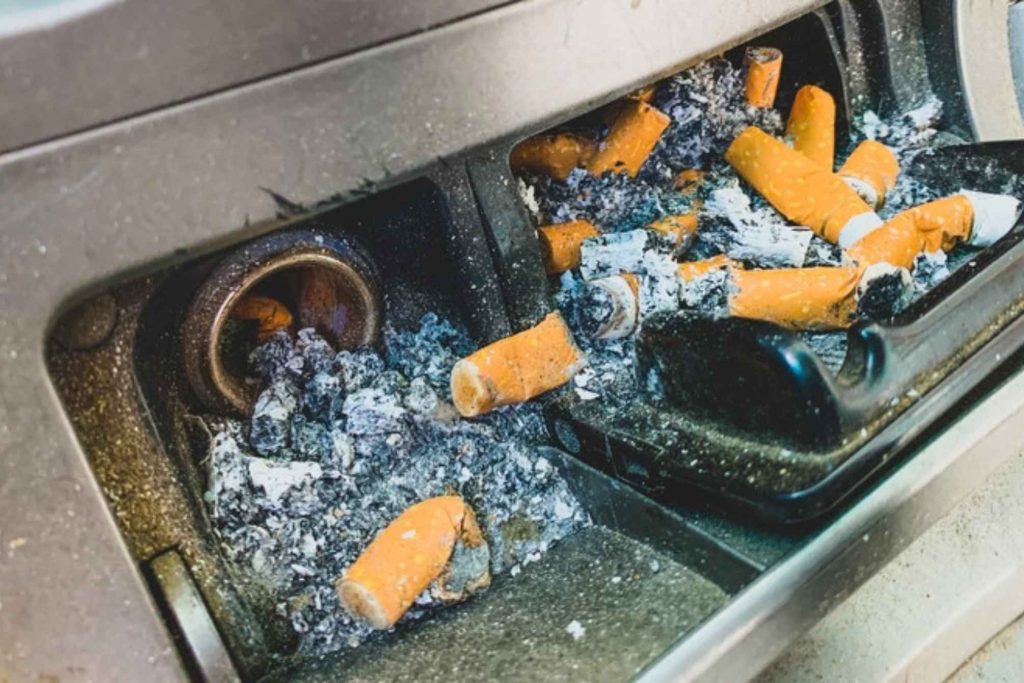
A car interior is almost perfectly designed to hold smoke odour. It is compact, enclosed and full of porous materials: cloth seats, carpets, mats, foam padding and the fabric headliner above your head. Smoke rises, so the headliner is often one of the worst affected areas, even though it is also one of the easiest to overlook. Meanwhile, hard surfaces such as the dashboard, steering wheel, centre console and glass collect a sticky film. If you have ever cleaned the inside of a windscreen in a smoker’s car and seen a yellow-brown haze on the cloth, you have met the real culprit.
Then there is the ventilation system. Smoke-laden air is pulled through the heater and air-conditioning system, where particles can lodge in the cabin filter, ducts and evaporator area. That is why a car may smell acceptable while parked, then suddenly smell like an old ashtray as soon as the fan is switched on. A thorough approach has to treat the visible cabin and the invisible airflow route.
Before reaching for cleaners, empty the car properly. Remove loose rubbish, old receipts, parking tickets, air fresheners, seat covers, clutter and anything stored in the door pockets. Lift out the mats and, if possible, leave them outside in fresh air. Cigarette smell can cling to personal items as well as upholstery, so cleaning the car while smoky objects remain inside slows the job down.
Next, ventilate. On a dry day, open all the doors and the boot. Let the cabin breathe for at least 15 to 30 minutes before you begin. This will not solve the problem by itself, but it reduces the concentration of airborne odour and makes the cleaning process more pleasant. If the car has been heavily smoked in, wear disposable gloves and work methodically from top to bottom.
“The technique for removing the smell of smoke is to hoover the entire car to get rid of any residual ash or butts hiding somewhere emanating a stink,” adds Docherty. “Then clean every surface, floors, door cards, glass, roof lining, seats, controls etc with a suitable interior cleaner (Interior Shampoo on everything except leather, where you use Leather Cleaner) to remove the film of smoke from surfaces.
“If you do that thoroughly enough, that should do the job. Heavily smoked in cars may take a repeated clean.”
A quick once-over will not do. Use a vacuum with a crevice tool and brush attachment, and work through the cabin slowly. Pay attention to seat seams, the gap between seat base and backrest, under-seat rails, centre-console edges, boot carpeting and the folds of fabric around rear seats. Ash and dust particles can sit deep in these areas, quietly feeding the smell.
For the headliner, be gentle. Do not press hard or soak it; many headliners are fabric bonded to a backing board, and too much moisture or aggressive scrubbing can cause sagging. A soft brush attachment or a clean, dry microfibre cloth is safer at this stage. The aim is to remove loose contamination before any wet cleaning begins.
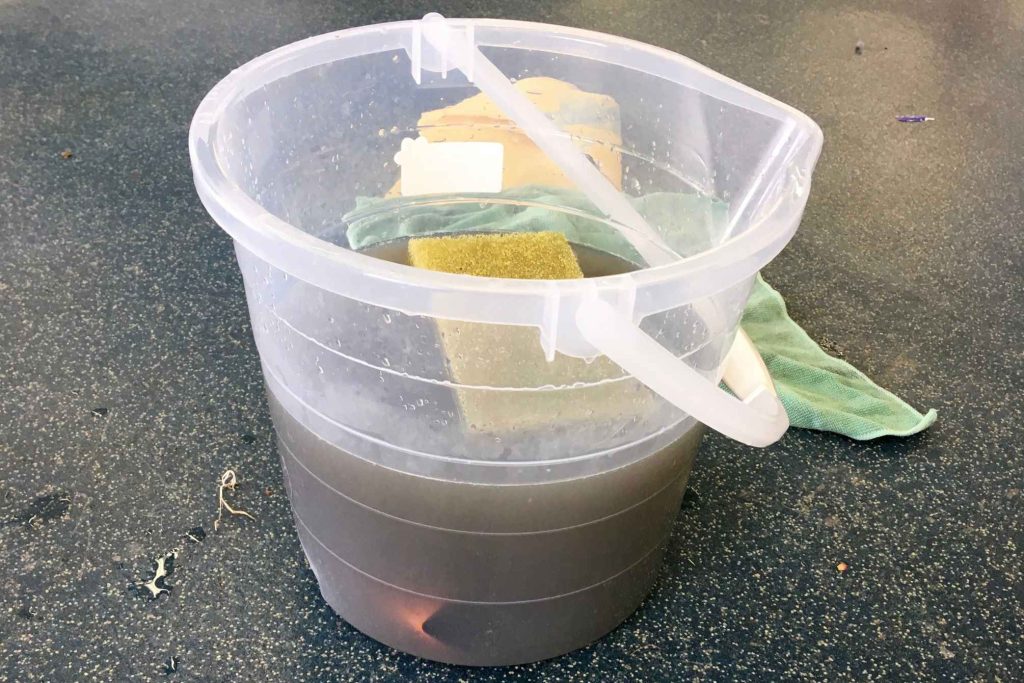
Wipe hard surfaces twice. Smoke residue is not just a smell; it is a film. Clean every hard surface with an automotive interior cleaner or a mild all-purpose cleaner suitable for plastics and vinyl. Work in small sections using microfibre cloths, replacing or rinsing them frequently so you are not simply moving residue around. The steering wheel, indicator stalks, gear selector, handbrake, cup holders and door pulls deserve particular attention because they combine smoke residue with skin oils.
Do not forget the inside of the windows. Tobacco haze on glass can be surprisingly tenacious, and dirty glass can continue to make a car feel smoky even after the seats are clean. Use an automotive glass cleaner and two cloths: one to clean, one to buff dry.
For cloth seats, carpets and mats, use a fabric or upholstery cleaner designed for vehicle interiors. Apply lightly, agitate with a soft brush, then extract as much moisture and dirt as possible with a wet-and-dry vacuum or upholstery extractor. If you do not have an extractor, work sparingly and blot with clean towels. Over-wetting can create mildew, which is a very different smell and no improvement at all.
Activated charcoal bags can also be helpful at getting rid of pongs. Place them under seats, in door pockets or in the boot and leave them in the car for a few days.
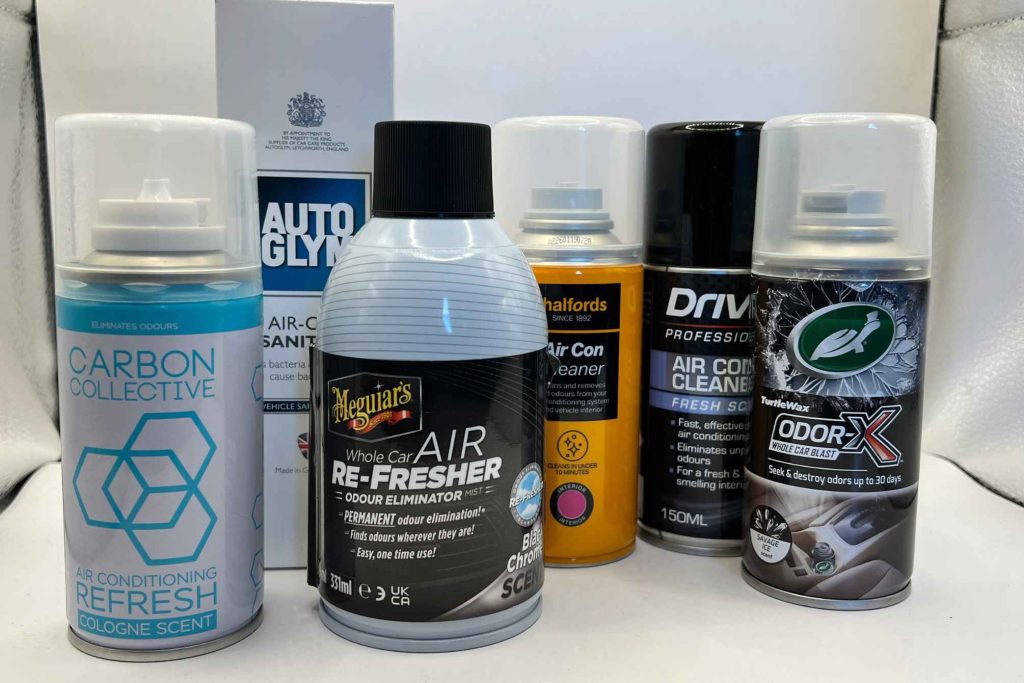
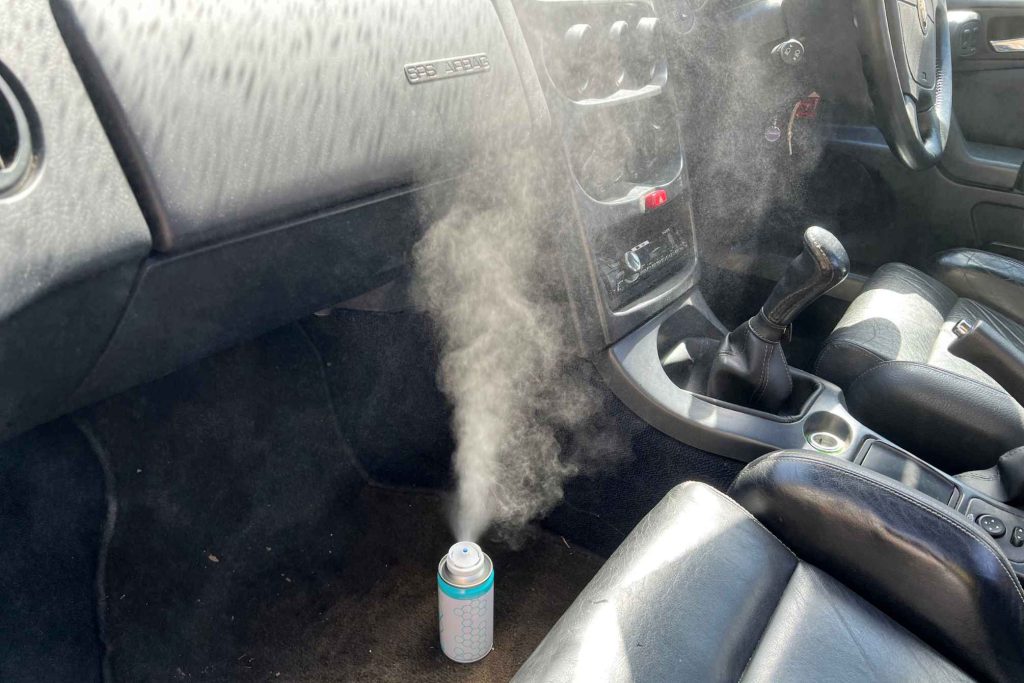
Next, you need to focus on the air-conditioning system. A purpose-made cleaner, which will often take the form of a canister of mist that you let off in the car and leave while the air conditioning is recirculating, will make a big difference here.
Finally, one thing that often gets overlooked in a deep clean – replace the car’s cabin filter. You’ll usually find it behind the glovebox or under the dash, and it will have trapped residual whiffs.
Getting cigarette smell out of a car is not about overpowering it; it is about dismantling it. Remove the debris, clean away the sticky film, extract the fabrics, refresh the airflow system and give absorbers time to work. Freshness is not sprayed in. It is cleaned back.
Have you successfully banished cigarette smells from a car or bought one that defeated every product you threw at it? Share what worked (or didn’t) for you in the comments below.
More how to guides:
How to clean a mouldy car
How to deal with damp in your classic car
How to deal with a flat car battery