Words and photos: Craig Cheetham
From wooden blocks to AEB, here’s how brakes have come on leaps and bounds
Safety sells – but let’s be real here. Unless you’re Volvo, it doesn’t sell as many cars as performance, styling or brand image. And that, in a nutshell, is why some of the most important parts of your car are often largely forgotten about.
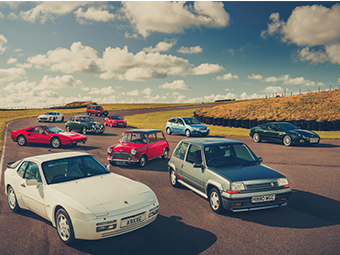
But whatever you drive, vintage or modern, your brakes are silently working to keep you safe.
The humble brake has been one of the most crucial parts of every car since the earliest days of motoring. Over the decades, braking systems have evolved from rudimentary mechanical contraptions to sophisticated electronic trickery, all with the singular purpose of helping you stop safely.
When motor vehicles first appeared on the roads, they were slow and rarely travelled far, so their braking needs were modest. Most relied on mechanical brakes, which worked by pressing blocks of wood or leather directly onto the wheel or axle using levers and rods. These mechanical brakes were simple, inexpensive, and easy to fix. However, they had serious drawbacks: they wore out quickly, struggled on wet roads, and offered very little stopping power, especially as cars grew faster and heavier.
As car design advanced, the cable brake emerged. This system used steel cables running from the pedal to the brakes themselves, usually located on just two wheels. While cable brakes were an improvement, they still suffered from stretching and inconsistent performance, especially under heavy loads or during long journeys. Their limitations soon became evident as motoring became more mainstream and speeds increased.
The biggest single leap came in the 1920s with the introduction of hydraulic braking systems. Hydraulic brakes replaced cables and rods with pipes filled with brake fluid. When the driver pressed the pedal, fluid pressure pushed brake shoes or pads against the wheels, ensuring a more even and powerful braking force across all four wheels. This innovation offered dramatically improved safety and reliability, transforming the driving experience.
It was American manufacturer Duesenberg that pioneered them in 1921, and over the next two decades the system was adopted by car manufacturers worldwide.
By the 1940s and 1950s, hydraulic brakes had become the norm in nearly every new car. Their ability to provide consistent, reliable stopping power helping cars become faster, heavier and safer.
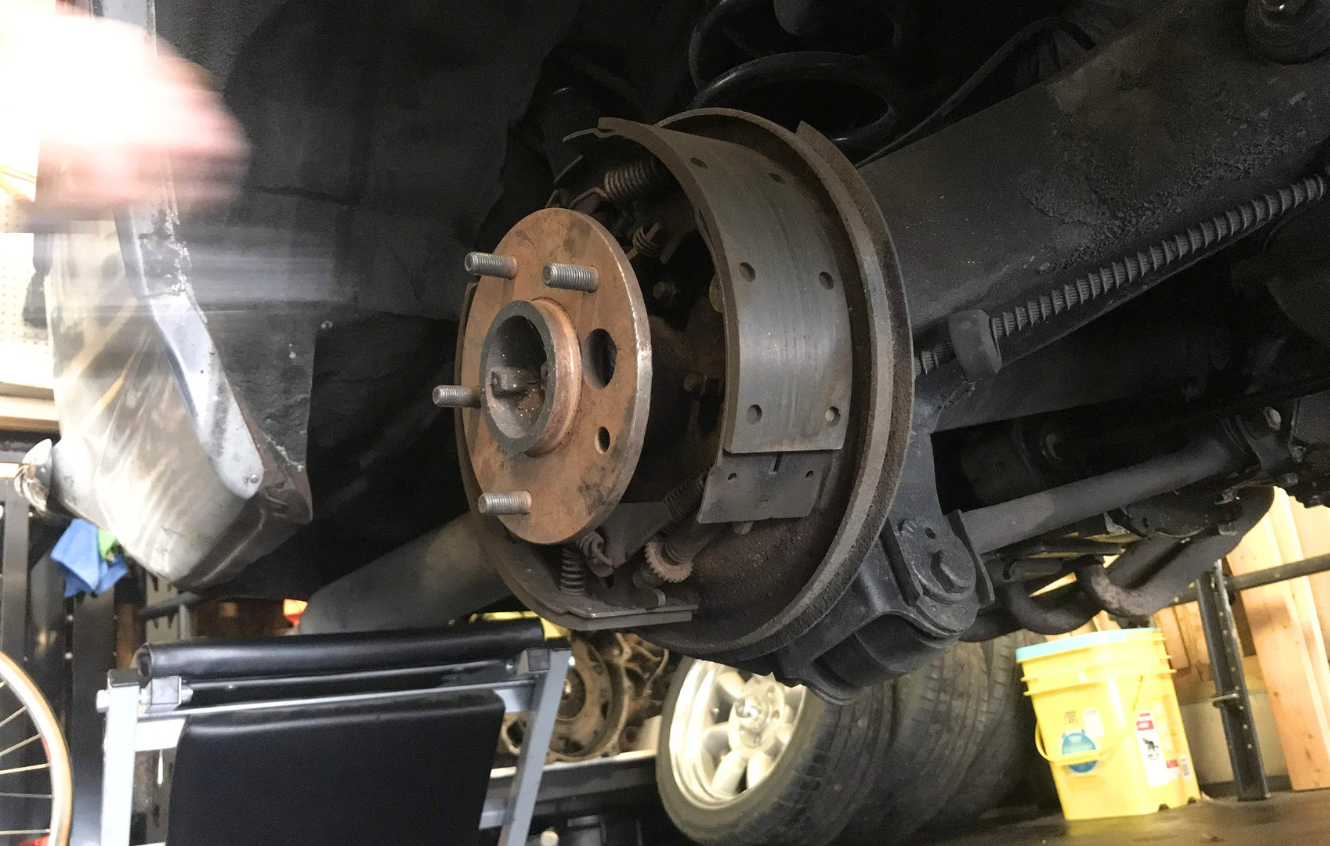
For many years, drum brakes were standard. These consisted of metal drums mounted to each wheel, with brake shoes pressing outward to create friction. Drum brakes were robust and relatively inexpensive, making them a popular choice for decades. However, they had one Achilles heel: under heavy use, such as repeated braking or steep descents, drum brakes could overheat and lose effectiveness—a phenomenon known as brake fade.
Enter the disc brake. First fitted to production cars in the 1950s, disc brakes used a flat metal disc (or rotor) gripped by brake pads. Disc brakes dissipated heat more efficiently than drums, remained consistent in wet conditions, and delivered superior stopping power. Jaguar’s success at the Le Mans 24 Hours race in 1953, using disc brakes, highlighted their advantages. By the late 1970s, most cars had adopted disc brakes on the front wheels, and today, many vehicles feature them on all four wheels. Brake performance improved even further with the introduction of servo assistance, which uses the engine’s own vacuum to increase the pressure of the braking system.
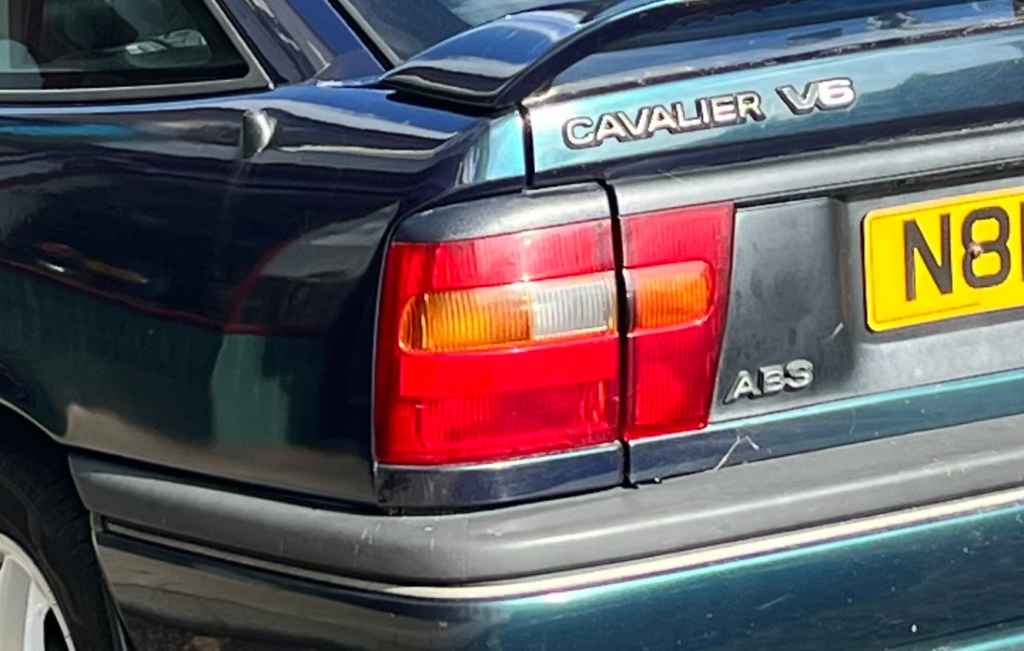
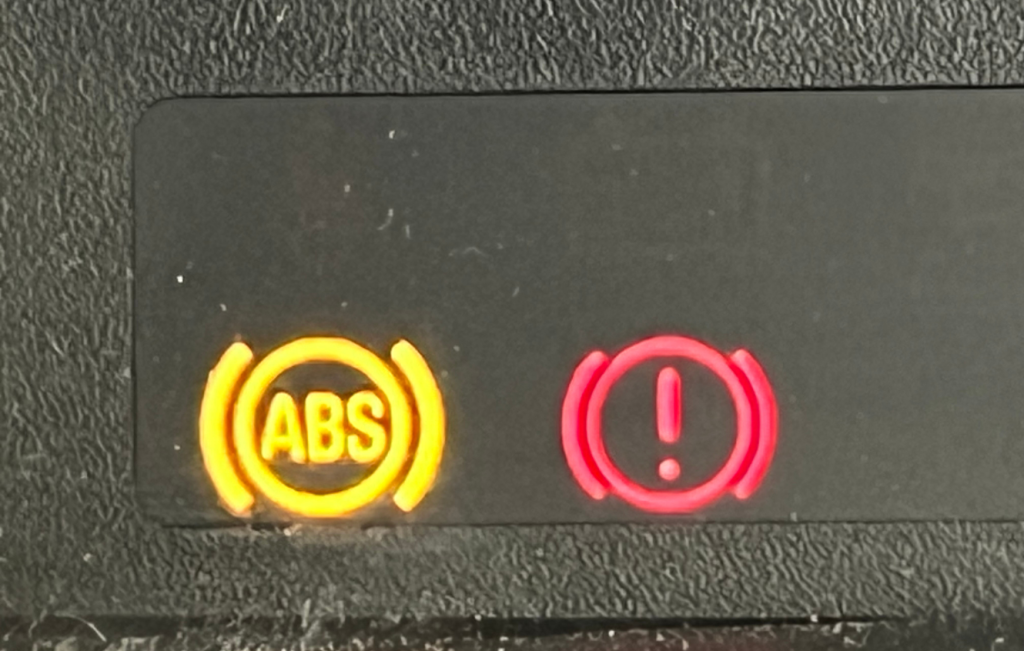
The 1970s and 80s saw the arrival of electronic braking systems, marking another landmark in car safety. Anti-lock Braking Systems (ABS) were developed to prevent wheels from locking up under heavy braking, helping drivers maintain control during emergencies. ABS used sensors and microprocessors to pulse the brakes rapidly, offering shorter stopping distances and greater stability, especially on slippery roads.
Building on ABS, car manufacturers introduced further electronic aids. Electronic Brakeforce Distribution (EBD) optimised the braking force sent to each wheel, while Emergency Brake Assist (AEB) could detect sudden stops and apply maximum braking automatically. These innovations worked together to make driving safer, especially in unexpected situations. Today’s advanced braking systems are often integrated with other technologies, such as traction control and stability management, to further enhance driver safety.
Innovations in materials, such as ceramic and carbon fibre discs, have further pushed the boundaries in high-performance and motorsport applications, making modern braking systems lighter, stronger, and even more effective.
Next time you press the pedal, spare a thought for the remarkable evolution that brought you to a halt.
Braking jargon explained:
Cable brakes
Cable brakes are one of the simplest types of braking systems you’ll find. As the name suggests, they use a cable – essentially a sturdy piece of wire – to connect the brake pedal to the brakes themselves. When you press the pedal, the cable pulls on the brake mechanism, which slows the wheels down, much like on a bicycle.
Cable brakes don’t offer as much stopping power as other types, and can stretch or wear out over time, needing regular adjustment or replacement.
Drum brakes
Drum brakes are a step up from cable brakes and have been used in cars since the dawn of hydraulic systems. Picture a metal drum attached to your wheel. When you press the brake pedal, brake shoes inside the drum press outward against its surface, creating friction that slows the car.
Drum brakes are common on the rear wheels of many cars, especially smaller models. They’re affordable and work well for everyday driving, but they can get hot and lose effectiveness if used too much in a short time, such as driving down a steep hill.
Disc brakes
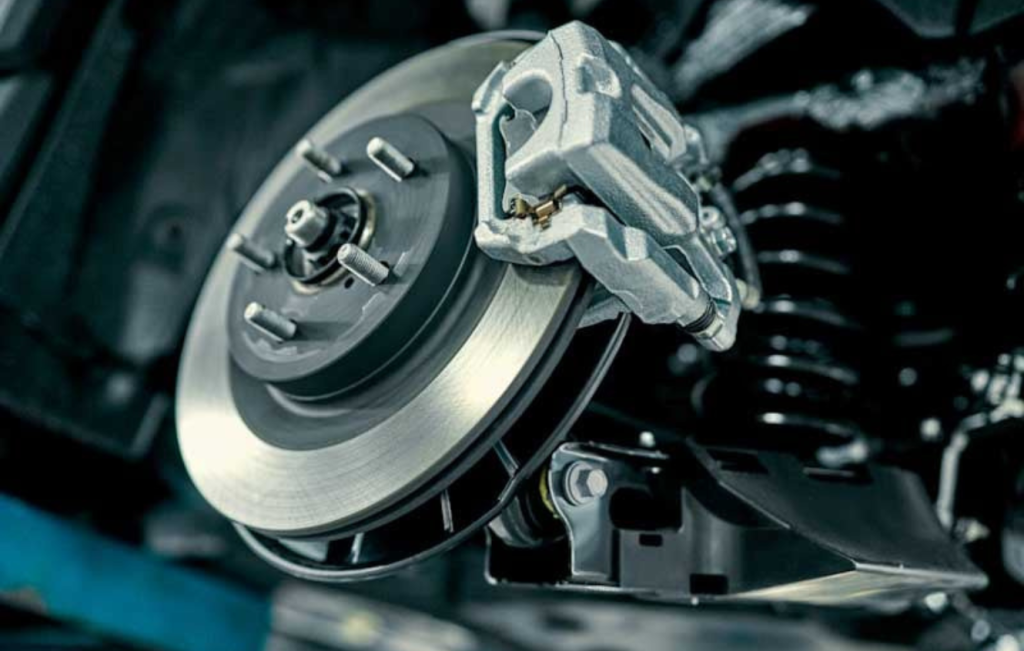
Disc brakes are the go-to choice for most cars made since the late 1970s. Instead of a drum, they use a flat metal disc mounted to the wheel hub. When you press the brake pedal, pads squeeze the disc from both sides, slowing the car down. It’s a bit like squeezing a spinning coin between your fingers.
Disc brakes are great at handling heat, so they don’t fade as easily during heavy braking. They’re also easier to inspect – just look through the wheel and you’ll often see the shiny disc. Most cars have disc brakes on the front wheels, and many newer models have them on all four wheels.
Servos
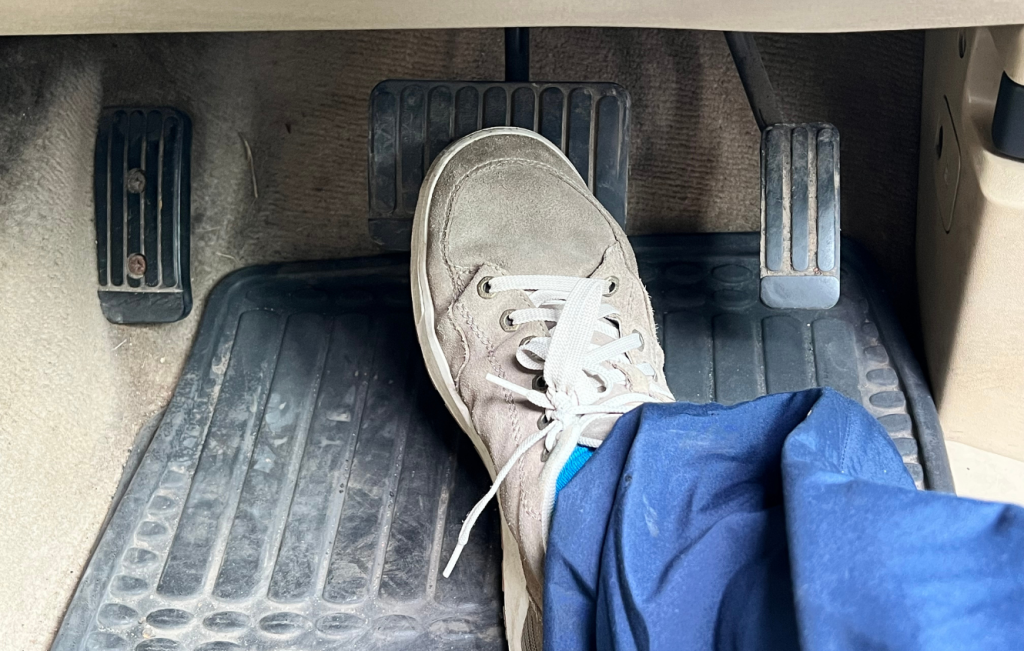
A brake servo doesn’t improve brake performance per se, but is designed to reduce the effort required by the driver to apply the brakes. It operates by using engine vacuum or, in some cases, hydraulic pressure to amplify the force exerted on the brake pedal. When the driver presses the pedal, the servo assists by multiplying this force, making it much easier to slow down or stop and delivering smoother and more responsive braking, particularly in emergency situations.
Braking Acronyms Explained
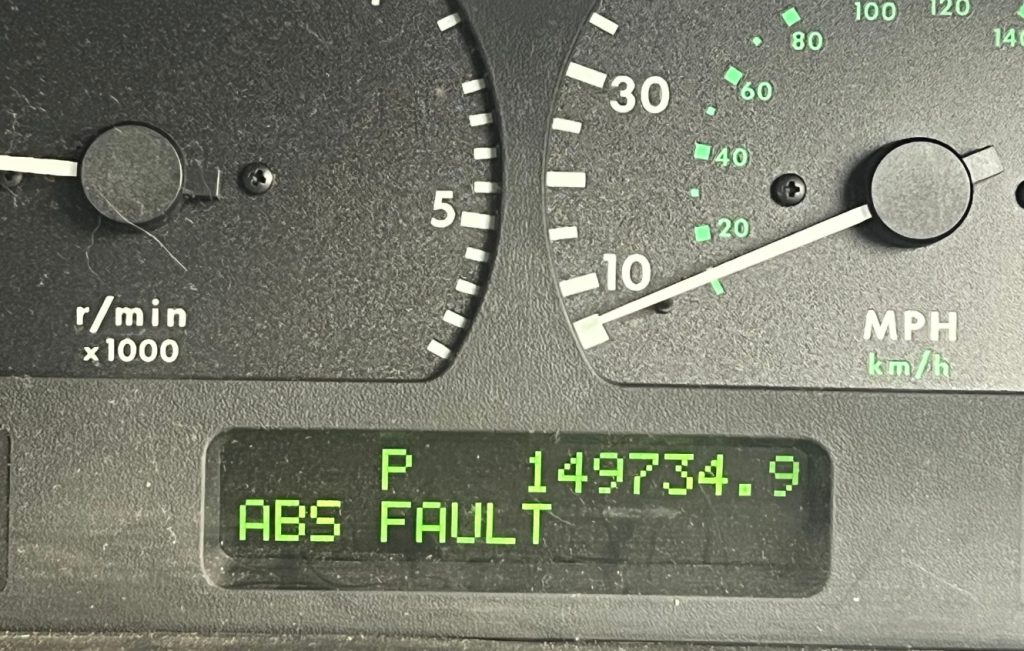
- ABS (Anti-lock Braking System): Common since the late 1980s, this system stops your wheels from locking up if you brake hard, especially on slippery roads. It helps you keep control of the car, reducing the risk of skidding.
- EBD (Electronic Brakeforce Distribution): EBD works alongside ABS, making sure the right amount of braking force goes to each wheel. This helps your car stay balanced, especially when carrying heavy loads or cornering.
- AEB (Autonomous Emergency Braking): AEB is like having an extra pair of eyes. It uses sensors to spot obstacles ahead and can automatically apply the brakes if it thinks you’re about to have a collision. It’s designed to prevent accidents or reduce their severity.
What’s the oldest car you’ve driven and how did its brakes compare to modern systems? Share your experiences, close calls, or favourite motoring memories in the comments below.
Insure your classic with a specialist insurer
If you’re looking for cover for your pride and joy, why not consider Hagerty UK? Not only are we classic car insurance specialists, but we are enthusiasts at heart. Call us for a quote on 0333 323 1138.






Up to about 1925 most cars had rear wheel brakes only, because designers could not design brakes which would not be activated when the front wheels turned. Up and down movement on the rear wheels could be dealt with. Rear wheel brakes on later cars with them can be amazingly effective but nothing like four wheel brakes. Early aeroplanes or flying machines sometimes did not have any brakes to save weight and pilots used steel inserts on their gloves and just grabbed to wheels to stop!