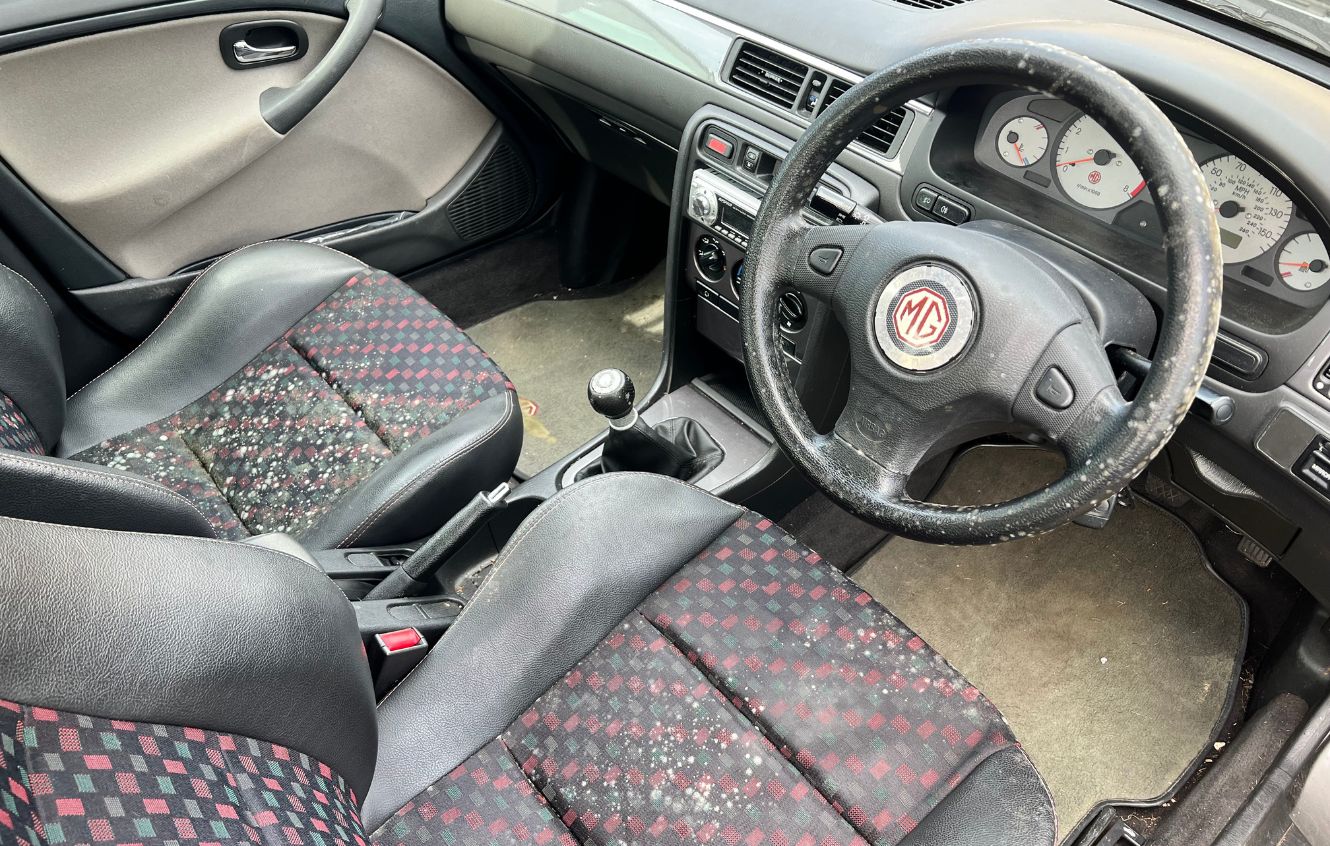
Mould can be a health hazard. So what can you do if your car goes mouldy inside?
Getting your classic back on the road after winter storage can spring a few surprises, from unexpected mechanical faults that weren’t there when you parked it, to problems that have occurred through storage, such as mouse-nibbled wiring or excess damp.

And damp, sadly, can lead to mould – not something you should treat lightly, as some types of mould can be potentially dangerous.
Mould growth is often the result of moisture build-up, poor ventilation, or water leaks, and it can quickly spread across soft surfaces like seats, carpets, and even into your air conditioning system.
Removing mould from your car is important, therefore, not only for comfort but also to prevent respiratory issues, health risks and unpleasant odours – especially if left to dwell.
“The main thing is to ensure cars are clean and – crucially – are dry before they are stored away,” says Mark Docherty from car cleaning legends, Autoglym. “Moisture is what does it – it’s all very well giving your car a final clean before the end of the season, but let it dry out, inside and out, before you tuck it away”.
Here’s how to effectively, and most importantly, safely remove mould from your car interior.
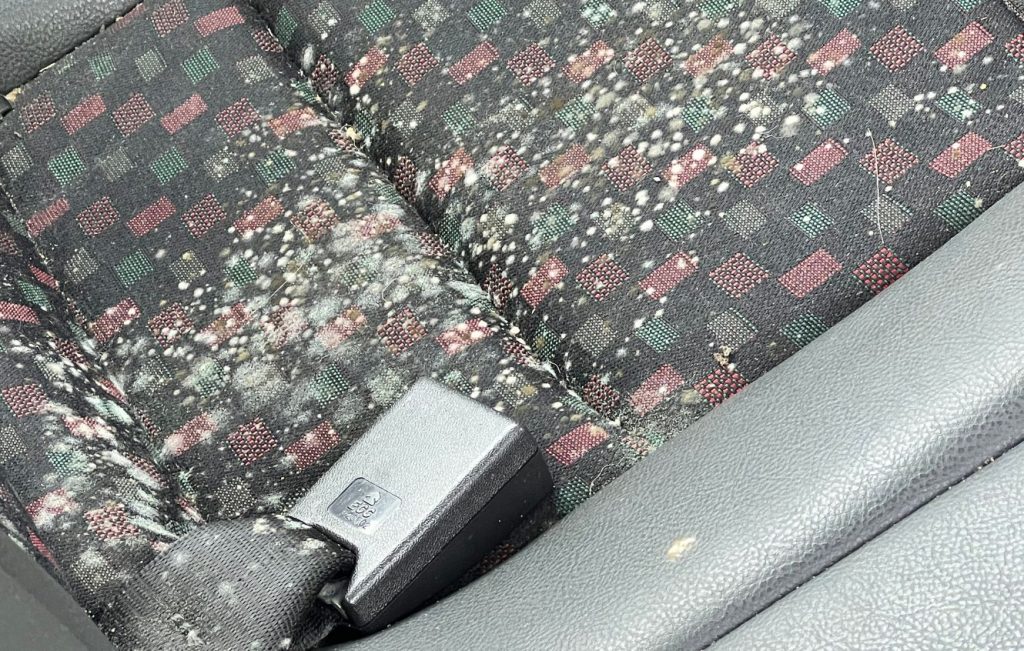
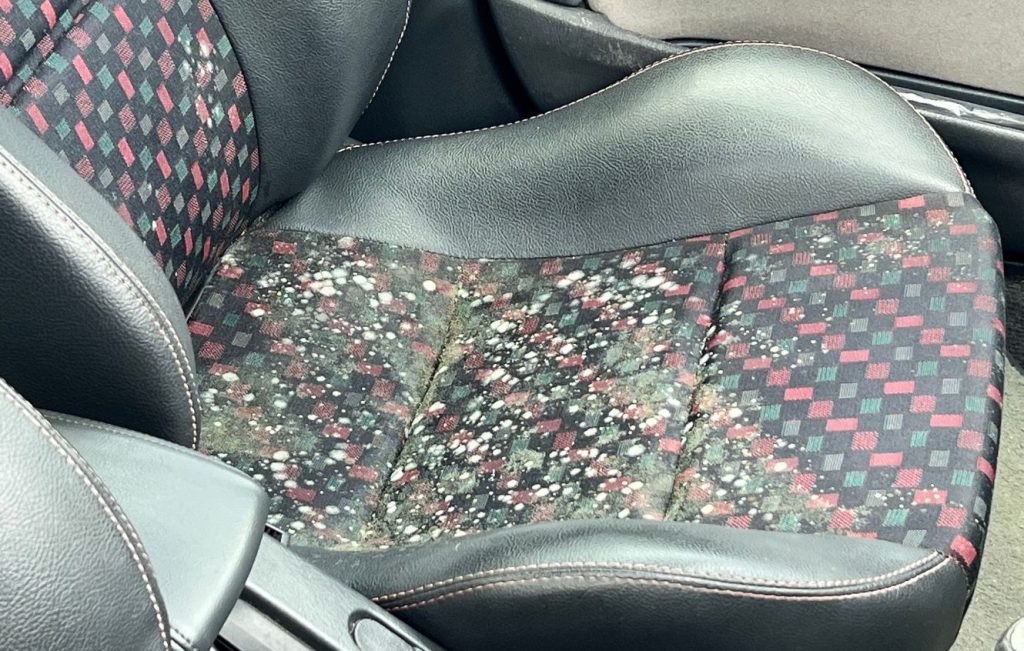
Be prepared
Before you begin the mould removal process, gather together all the necessary supplies. You will need protective gloves, a face mask, safety goggles, rubbish bags, a vacuum cleaner, soft brushes, microfibre cloths, a specialist cleaner and/or sanitiser and a suitable spray bottle. You should also make sure you have a well-ventilated workspace, which will ideally be outdoors and on a dry day.
Ahead of even going into a mouldy car interior, ensure you are wearing both the gloves and the mask.
Empty the car
Start by taking out all removable items from the car, including floor mats, seat covers, child seats, and any personal belongings. This will expose all affected surfaces ready for cleaning – if there’s mould on your floor mats, for example, then there’s also guaranteed to be mould beneath them. You can clean items such as mats and parcel shelves outside of the vehicle.
Suck it up
Using a vacuum cleaner fitted with a HEPA filter (if possible), vacuum every surface inside the car, paying special attention to the upholstery, carpets, and crevices where mould may be hiding. This helps to remove loose spores that may yet have developed into full-on mould. Also, make sure you vacuum under the car seats, as if there’s mould in visible parts of your car, there’ll be mould in the invisible bits, too.
Be gentle to avoid spreading spores into the air; if your vacuum does not have a HEPA filter, empty and clean it outdoors immediately after use.
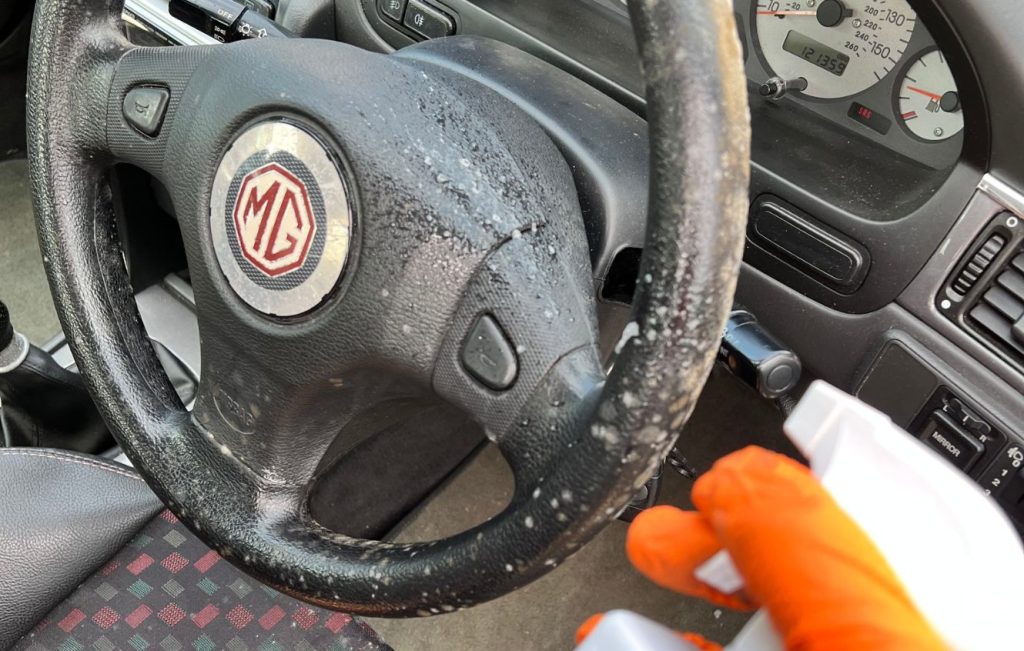
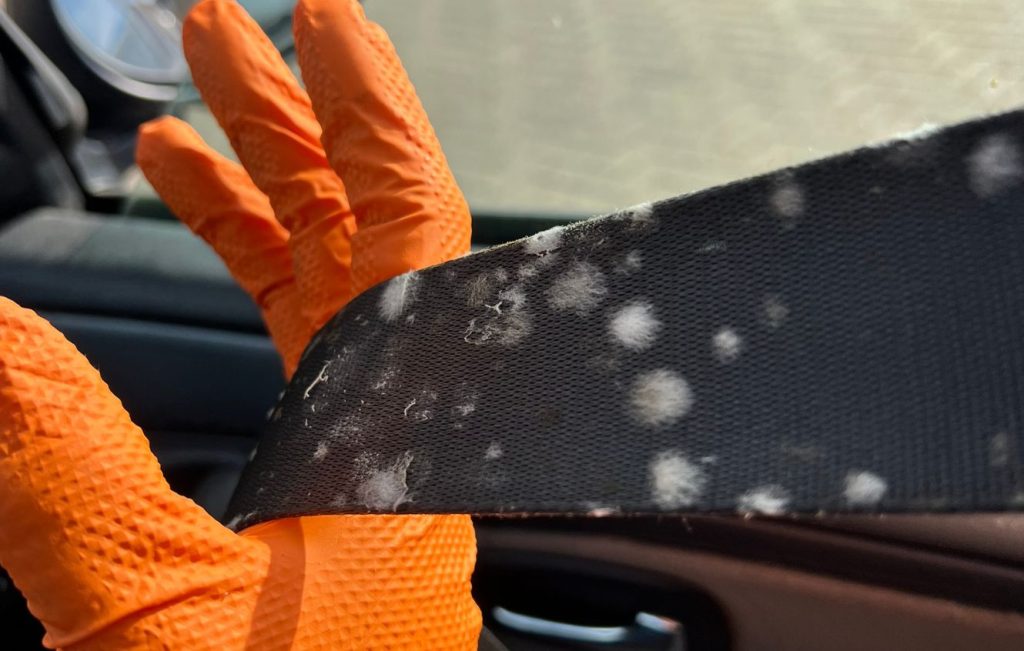
Scrub visible mould away
Being careful to wear gloves and not come into contact with visible patches, you should now apply your chosen mould remover to visible outbreaks. White vinegar is a natural and effective choice, but we favoured Autoglym Interior Cleaner and Sanitiser (£13.99), which was developed during the Covid-19 lockdown to kill known bacteria and virus spores.
Spray this onto the seat fabric and then apply a firm sponge to extract both the mould and excess moisture.
Using a soft brush or microfibre cloth, you can then scrub the treated areas gently. Make sure to clean every affected area thoroughly, including seat belts (pull them out to their full extent to inspect for mould), door seals, dashboard cubbies and air vents.
Wash removable mats, seat covers, and other fabric items with your favoured cleaning agent in the same way and allow them to dry fully in direct sunlight before placing them back into the car.
Dry things out
Moisture is mould’s best friend, so drying the car is essential. Open all doors and windows to maximise airflow. If weather permits, park the car in direct sunlight for several hours as UV rays naturally help kill mould spores as well as speed up the drying process. Use towels or a dry sponge to blot any remaining moisture from carpets or seats.
Alternatively, set up fans or a portable dehumidifier inside the car to accelerate drying, especially in colder or damp weather – though mould removal is a much easier task during the warmer months.
Sanitise your air-con
Mould can also grow in the air conditioning system, where fitted, especially if the car has been parked for long periods or has suffered with water ingress.
Turn the air conditioning to full blast with the windows open for at least 10 minutes to flush out spores (but do not sit in the car) and if needs be, there are a number of products on the market that will sanitise your air con. We used Carbon Collective’s Cologne-fragranced Air Conditioning Refresh (£17.95) as it’s a less overpowering scent than many of the fruity or vanilla odours on the market.
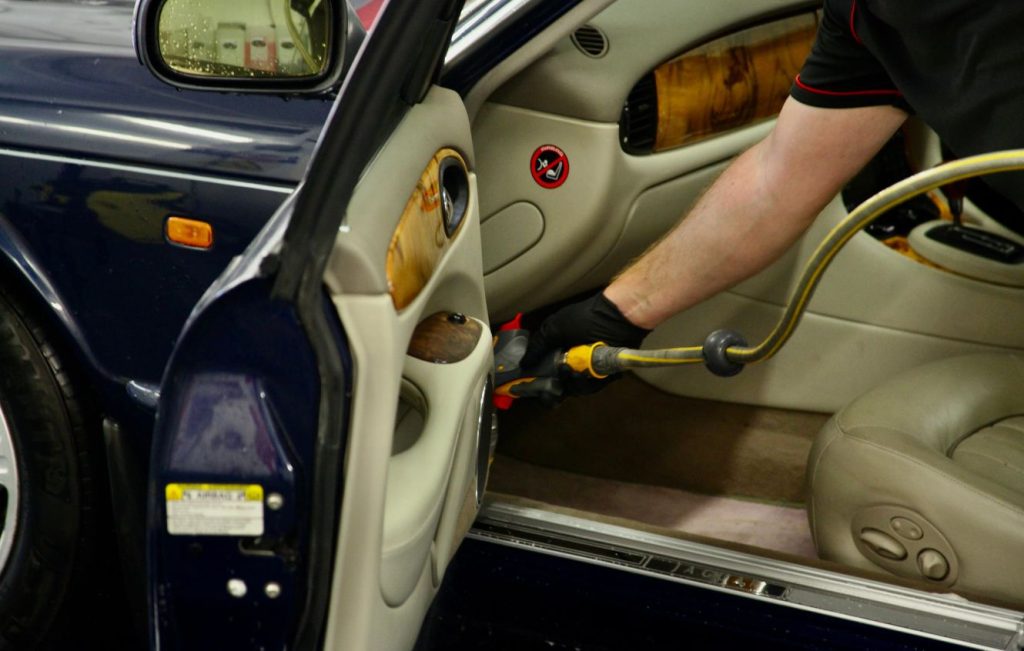
Prevention is better than cure
Cleaning mould from your car’s cabin isn’t pleasant, and to avoid it in the future you need to think about prevention.
Address any sources of moisture and check for potential leaks around windows, doors, and the boot. Avoid leaving wet items inside the car, and routinely ventilate the interior, especially if your car is parked up over the winter.
You might also want to consider moisture-absorbing products such as silica gel packs or car dehumidifiers, particularly during winter or in humid climates. Periodically clean and vacuum the interior to remove dust and organic matter that can foster mould and if giving your classic a thorough clean before tucking it away for the winter, be sure to also let it dry properly – moisture equals mould being the golden rule.
Have you ever had to deal with the dreaded mould? We’d be interested to hear how you got rid of it – let us know below.