Words: Nik Berg
With prices at the pumps soaring, the once-glorious burble of a V-8 engine starts to sound like burning money. Pounds and pence literally evaporating with every spark and every stroke.
So perhaps it’s time to park the gas guzzler for a while and contemplate a more frugal classic car?
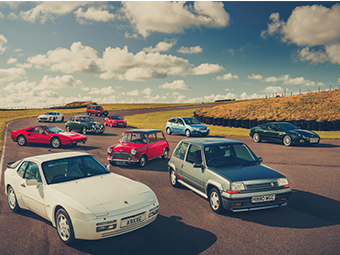
Tempting as it is to recommend a Peel P50, with its 100 mpg potential, it’s a stretch to call this micromachine a car, so here are ten fuel-sipping classics that you could realistically drive daily until the oil crises ends – and well beyond, of course.

Citröen 2CV
Conceived as inexpensive transport for France’s rural residents, the Citröen Deux Chevaux is still cheap to run today. Early cars got by with just 375cc from their flat-twin engines, really helping the 2CV to live up to its Tin Snail moniker. The later 602cc models made up to 33bhp, making progress significantly less painful, while still returning over 50mpg. Produced for more than 40 years, there are plenty left, despite their propensity to either rust or combust (blame those cardboard heater pipes). These days 2CV aren’t quite the egalitarian escargots they once were, with usable cars closing in on four figures and fully-restored cars topping £20,000.
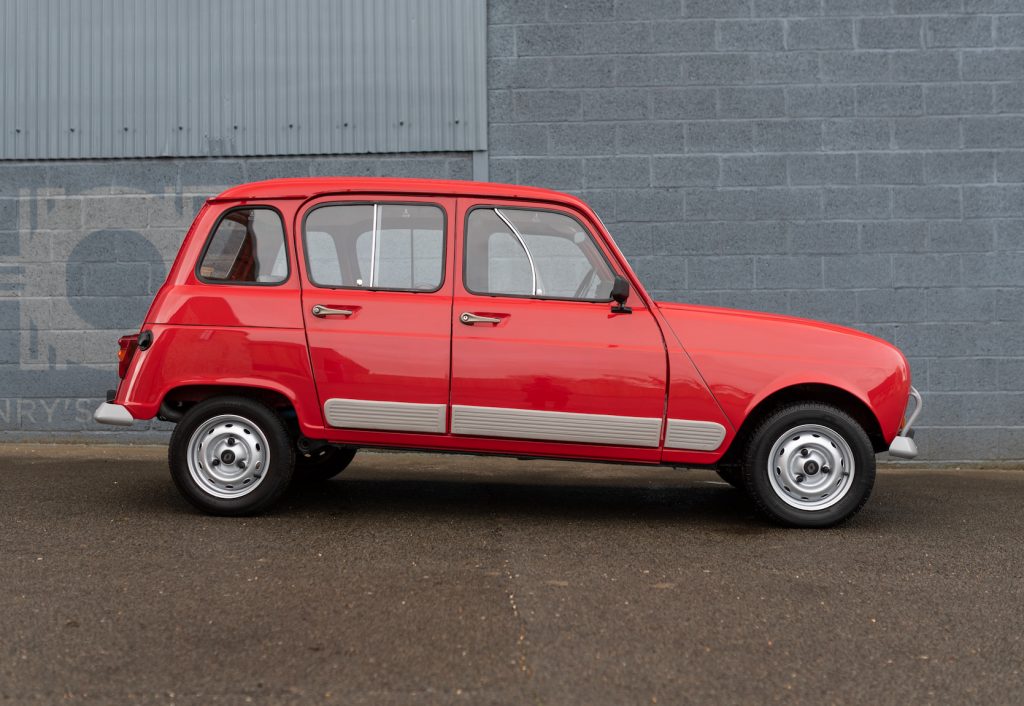
Renault 4
Renault’s rival arrived in the early Sixties, sold eight million examples, and carried on in production until the early Nineties. Over time its engine would grow from 750cc to 1100cc, but the Renault 4’s umbrella handle gearshift remained a staple feature of the bare-bones interior. Like the 2CV you could get a full-length fabric roof for motoring en plein air. You can expect to get between 30 and 40mpg and pay similar prices to its fellow French machine, although, despite the big production numbers they seem to be more scarce.

Mini
Flying the flag for British economy is the original Alec Issigonis Mini. A wonder of packaging, a giant-killing race and rally car, and the car that truly crossed the class divide, it also happens to be extremely easy on the dino juice. Original Minis weighed in at under 600kg, so even with an 850cc version of the A-Series engine, they’re sprightly cars that sip fuel. If you get worse than 40 mpg then you must be in quite a hurry. The Mini was in production for more than 40 years and has always been a much-loved part of British society so there are plenty to pick from. At the low end you can find a late Mini Classic for under £6,000, while a Cooper S from the Swinging Sixties can fetch well over £30,000. Don’t forget you could also opt for a Riley Elf or Wolseley Hornet and get the same underpinnings and economy.
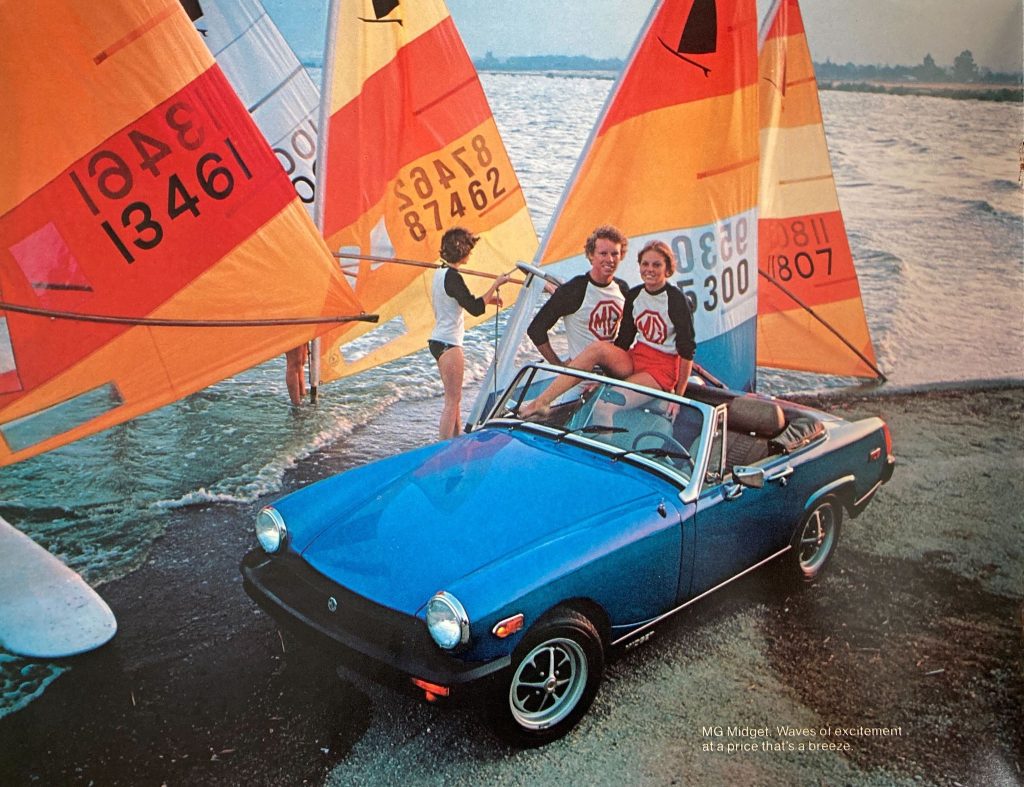
MG Midget
A rear-wheel drive convertible British sports car need not weigh heavy on your wallet. The MG Midget is a nimble little thing, powered by engines of between a litre and 1500cc depending on vintage. A rubber-bumpered Midget was the first car I ever bought and I had a hoot without my paltry editorial assistant’s salary taking too much damage. Today you can find Midgets for anything between £5,000 and £15,000 depending on how much time and effort you’re willing to put into it yourself. What you won’t be putting much of in, is fuel with over 40mpg possible, if you’ve got a light right foot.
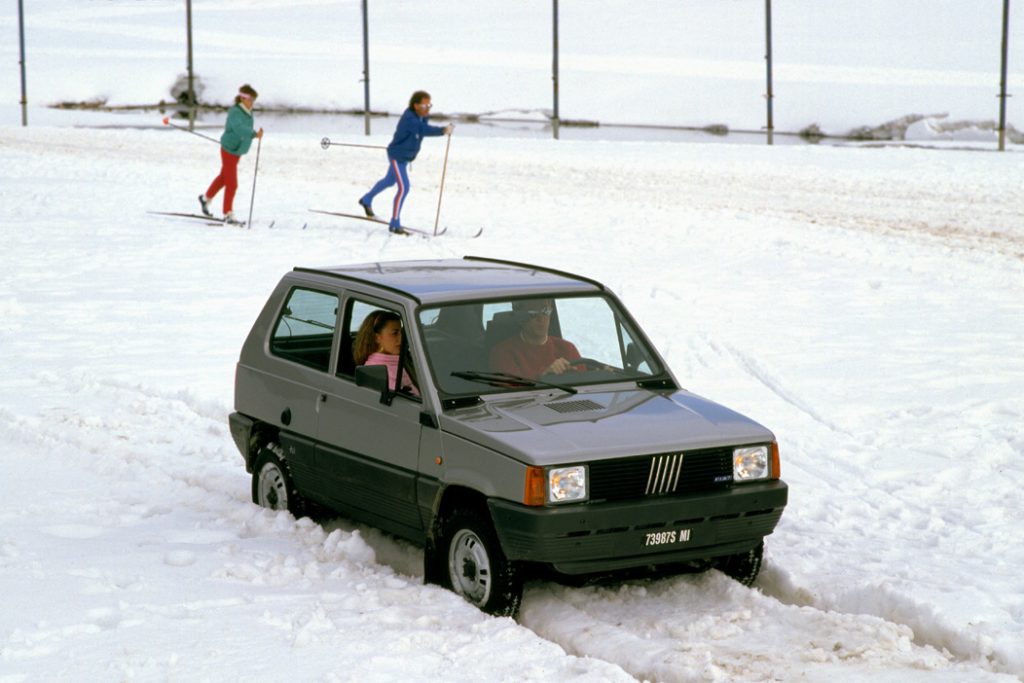
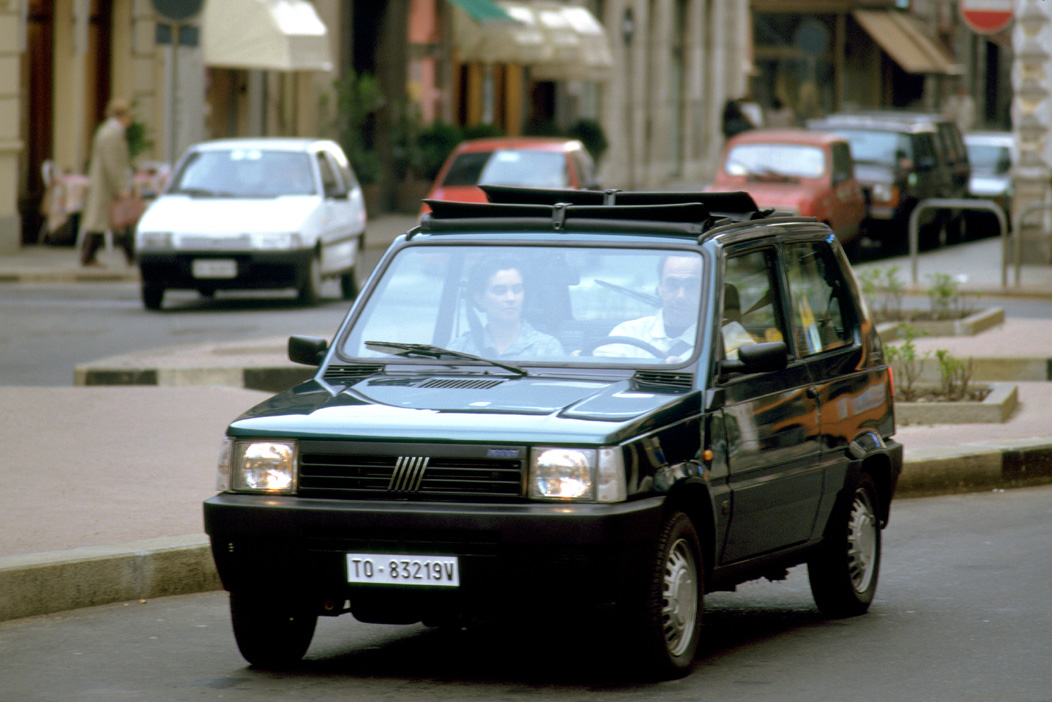
Fiat Panda
It’s a badge of honour to drive a Giuigiaro designed car – even if it’s one his simplest designs. Actually, make that “purest” for, like the 2CV and Renault 4, the Panda was created to be rugged, cheap, simple to maintain and an infrequent visitor to the fuel pumps. Launched in 1980 it soldiered on into the 21st Century and received a variety of powertrains in its lifetime. A 650cc twin was the entry point, but four cylinders of 770cc, 900, 965, 999 and 1108cc all featured. There was even an electric edition. And let’s not forget the 4×4 – a little mountain goat that could go almost anywhere a Land Rover could. Drivers have been known to see more than 60mpg on a run, proving just what a miser the Panda is. As for pricing, running but ropey examples are to be found for around £3,000 while we’ve seen optimistically-priced Panda 4x4s for £20,000.
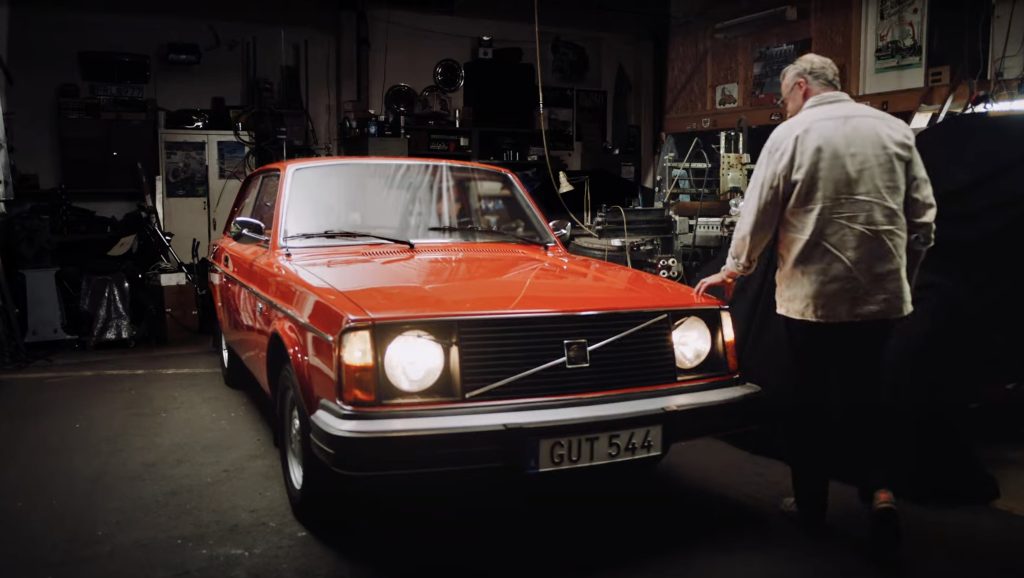
Volvo 240
Fuel economy isn’t exclusively the territory of the dimensionally-challenged. For if you’re willing to dribble some diesel into your tank then you can buy yourself,… well, a Swedish tank. The Volvo 240 is, especially in estate guise, the ideal people/dog/grandfather clock hauler. It’s humungous, looks like a brick and feels like it’s built from them as well. Volvo sold nearly three million 200-Series between 1974 and 1993. It’s a car that survived the Seventies oil crisis and it’ll certainly get through this one, managing 40mpg on a good day. Expect to pay £5,000 to £15,000.
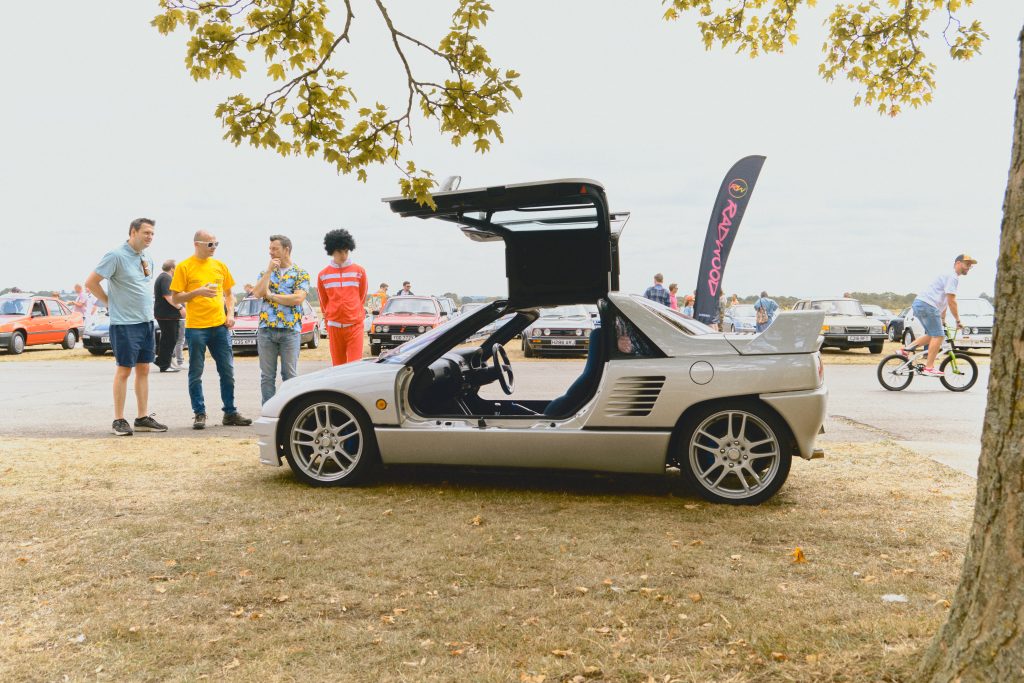
Autozam AZ-1
Two seats, a mid-mounted turbo motor and gullwing doors. No, it’s not a McLaren, but a Mazda (kind of). The Autozam AZ-1 was a tiny kei car built for a brief spell during Japan’s Nineties Bubble and sold under Mazda’s sub-brand (also as a Suzuki Cara). Suzuki provided the 657cc 12-valve triple from the Alto, and did the bulk of the design work as well, but it was the Autozams that made up almost all of the near-5,000 production run. There was even a hotter Mazdaspeed version. The AZ-1 was never officially imported to the UK, but there are a few around, with more available direct from Japan. You’ll need around £20,000 to get one, but the payoff will be fuel efficiency of 45mpg – and the shrunken supercar looks.
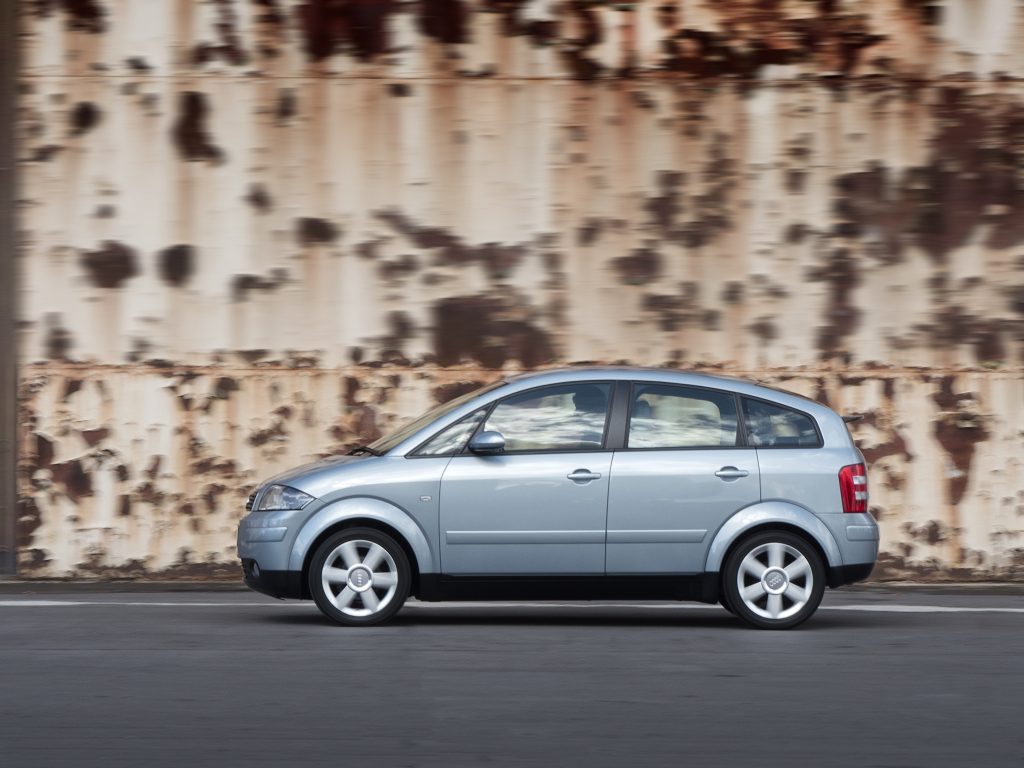
Audi A2
In the quest for economy Audi’s turn-of-the-century A2 was one of those innovations that seemed so sensible, yet somehow failed to truly succeed. A lightweight aluminium spaceframe was clothed in an aerodynamic bubble body and powered by diminutive petrol and diesel engines. The 3L edition was named for its ability to sip fuel at just three litres of derv per 100 kilometres. That’s a whopping 94mpg, but even the 1.4-litre petrol cars, which were peppy and fun to drive, managed 50 miles to the gallon. The market, however, didn’t exactly embrace the A2 and sales stopped after six years. In the region of £4,000-£5,000 will find you one today.

Smart ForTwo
Another revolution was happening at Mercedes-Benz around the same time. Under its new Smart brand came a car to transform city driving. Famously, the two-seater was so tiny you could park it nose-in to the kerb and not stick out like a sore thumb. A trio of triple-cylinder turbo engines was available, with petrol power at 599 and 699ccs and a diesel with a 799cc capacity. You could even get a hot Brabus edition. Get used to the weird robotised gearchange and the ForTwo is quite entertaining to drive, and you’ll struggle to find a more miserly motorcar, with 60mpg easily achievable. You can pick one up for little more than £1,000.
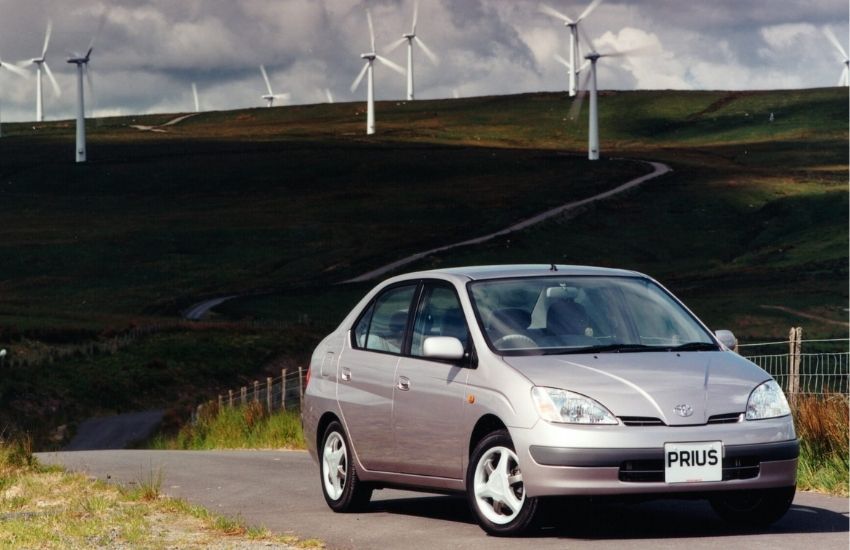
Toyota Prius Mk 1
As the first mass-produced hybrid the Toyota Prius has had perhaps the biggest impact on modern motoring, and that (plus its now 25-year age) surely earns it a place in the classic car catalogue? It was not a handsome car, but with a 1.5-litre engine and a battery-electric motor combination it certainly was efficient. In town driving, when the electric motor would do most of the work, more than 60mpg was to be expected. In standard guise it was not much fun to drive, but back in 2002 I persuaded Toyota to build a rally version which I took on a 5,000-mile adventure from the Land of the Midnight Sun to the Red Sea and it proved tough and willing. It used about half as much fuel as the rest of the field as well. A tidy example (never raced or rallied) could be yours for less than £3,000.
Which car would you choose? Own a surprisingly economical classic? Tell us all about it in the comments section below.
Insure your classic with a specialist insurer
If you’re looking for cover for your pride and joy, why not consider Hagerty UK? Not only are we classic car insurance specialists, but we are enthusiasts at heart. Call us for a quote on 0333 323 1138.