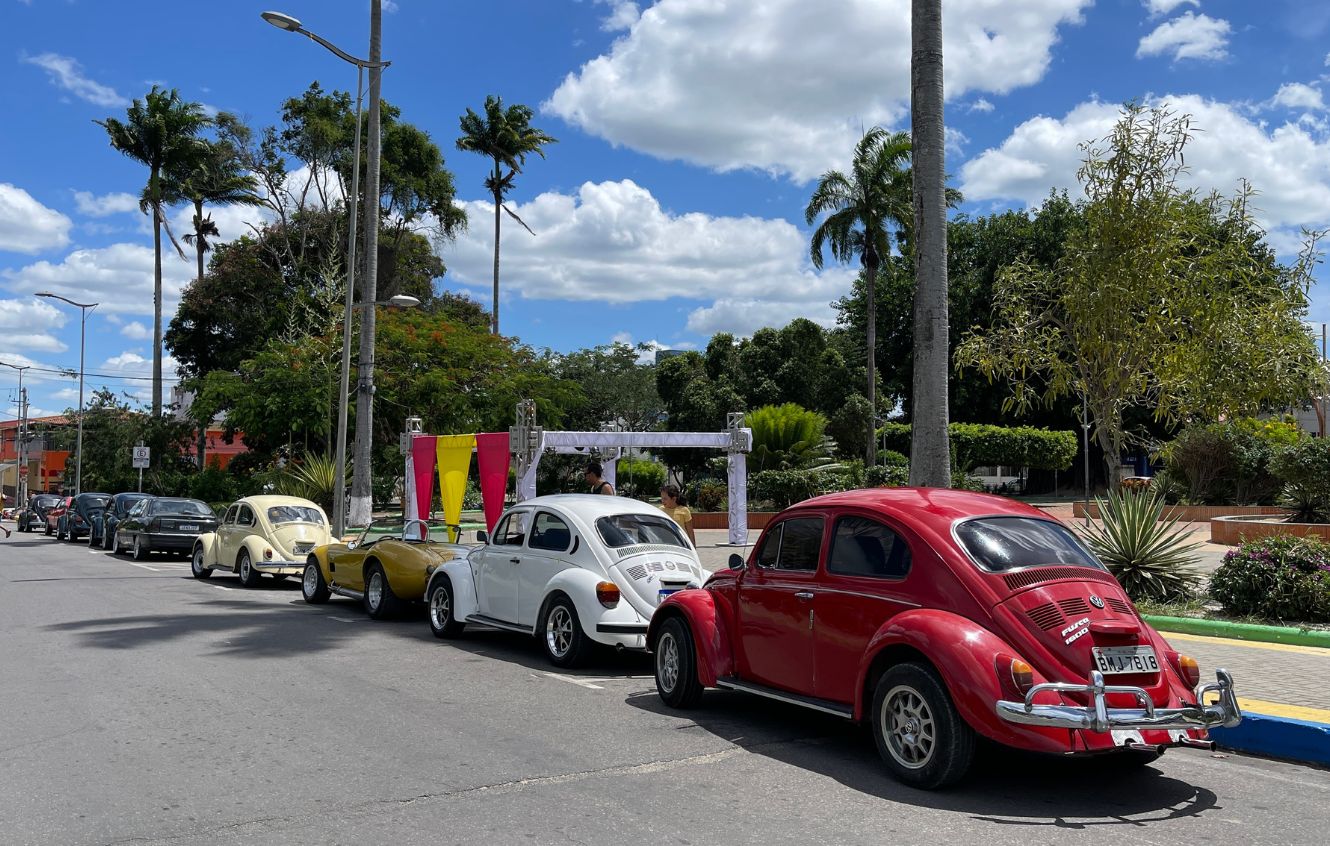
From Salvador’s coast to Chapada’s plateaus, Bahia offers classic touring with scenery to spare
Once you escape the dense traffic and restless energy of Salvador, Bahia begins to reveal why it works so well as a driving destination. This is a state where landscapes change dramatically over relatively short distances. Within a few hours you can move from palm-lined Atlantic coastline to wide inland plateaus, passing through colonial towns, cocoa plantations and mountain ranges that feel almost cinematic in scale. For classic cars – machines that reward patience rather than speed – Bahia proves particularly well suited.
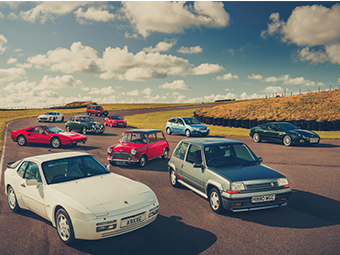
The natural starting point for any journey is Salvador, the historic capital of the state and one of the oldest cities in the Americas. Before setting out on the road it’s worth spending time exploring the city itself. Salvador’s historic district of Pelourinho, with its pastel façades and baroque churches, remains one of the most atmospheric urban spaces anywhere in Brazil. Nearby stands the famous Elevador Lacerda, the lift that links the upper and lower city and serves as a reminder of Salvador’s long history as an Atlantic trading port.
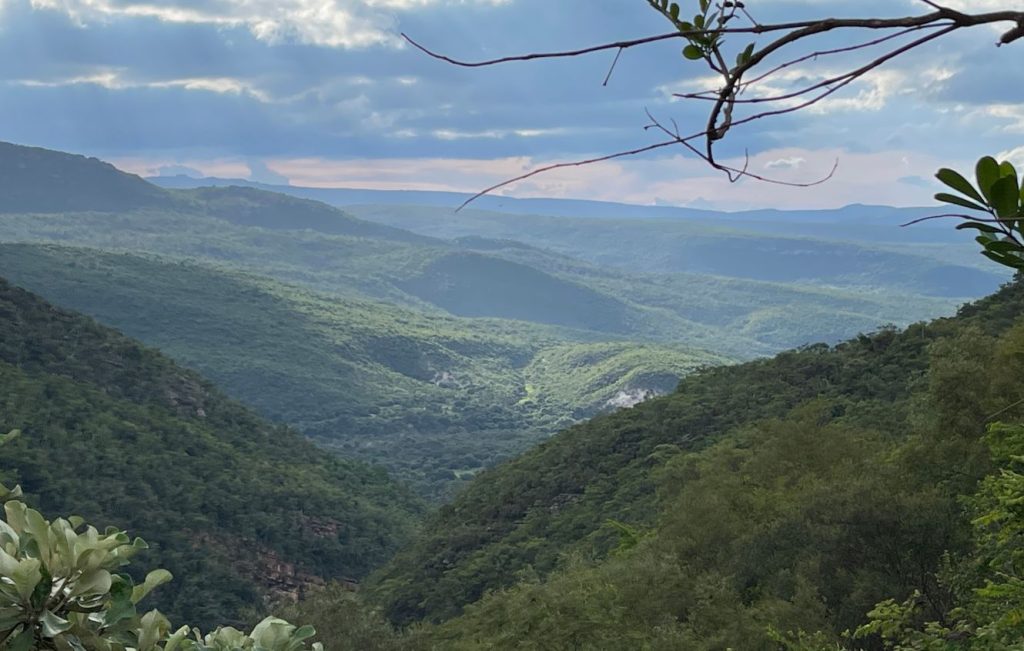
Just north of the city begins one of Bahia’s most relaxed coastal drives: the BA-099, better known as the Estrada do Coco. Leaving Salvador’s northern suburbs behind, the road quickly settles into an easy rhythm as it runs along the Atlantic coastline for roughly 80 kilometres. Coconut palms line the roadside, occasional dunes reveal flashes of bright blue ocean and roadside stalls sell chilled coconut water and fresh fruit.
For classic cars it’s an ideal introduction to Bahian touring. The road is generally smooth and relatively straight, encouraging relaxed cruising rather than spirited driving. The destination is Praia do Forte, a charming seaside town famous for its sea turtle conservation project and low-key atmosphere. Streets are lined with cafés, seafood restaurants and pastel-coloured houses, making it a perfect place to pause for lunch while your engine cools in the shade.
Continue further north and the traffic thins dramatically, leaving long stretches of quiet coastal road where the Atlantic breeze drifts through the cabin. It’s exactly the sort of environment where an older convertible feels entirely at home.
From Salvador the road network also leads inland toward one of Bahia’s most spectacular landscapes: Chapada Diamantina National Park. The drive to the park’s main gateway town of Lençóis is around 420 kilometres and usually takes six to seven hours depending on traffic and stops along the way.
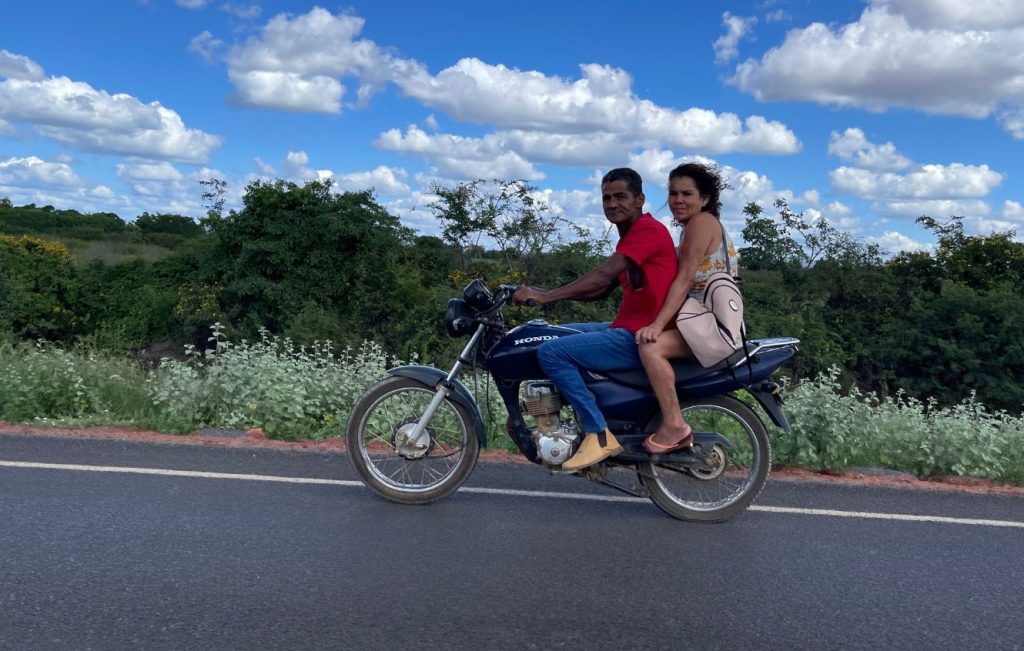
What makes the journey fascinating is the gradual transformation of the landscape. The humid coastal air begins to fade as the road climbs onto the interior plateau. Palm trees thin out, the vegetation becomes drier and the horizon opens across vast stretches of countryside. For classic cars the route works well because long open sections are punctuated by small towns where drivers can stop for fuel, coffee or conversation.
Lençóis itself is worth lingering in. Once a prosperous diamond-mining town, it retains cobbled streets, pastel buildings and a relaxed atmosphere that makes it one of the most appealing destinations in northeastern Brazil.
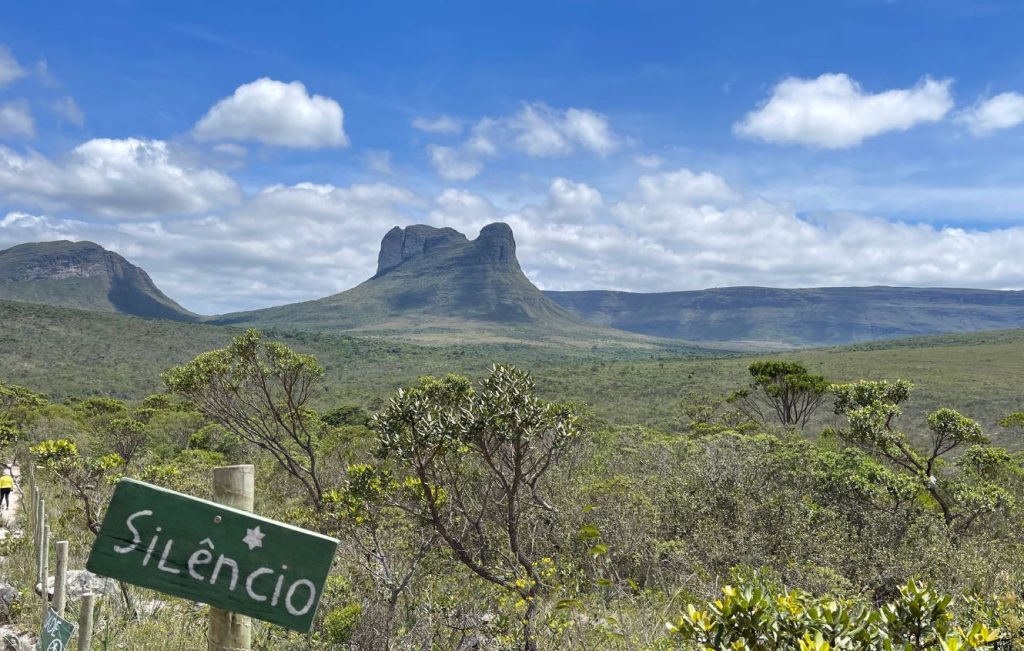
Once inside Chapada Diamantina, the driving becomes more dramatic. The region is defined by mesas, waterfalls and rugged mountain landscapes that in places resemble a Brazilian interpretation of the American Southwest.
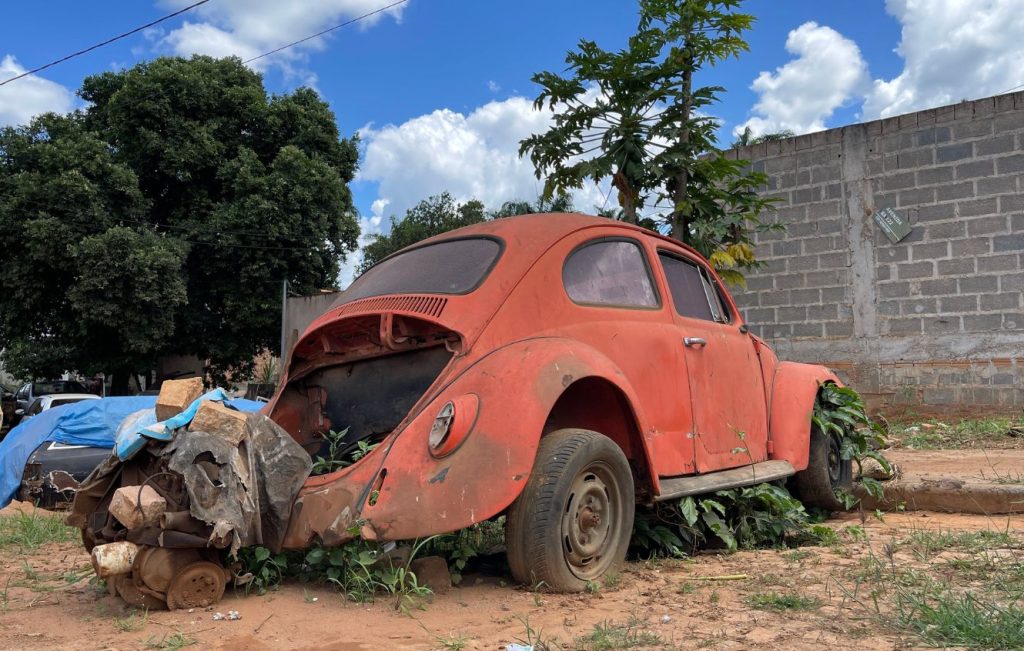
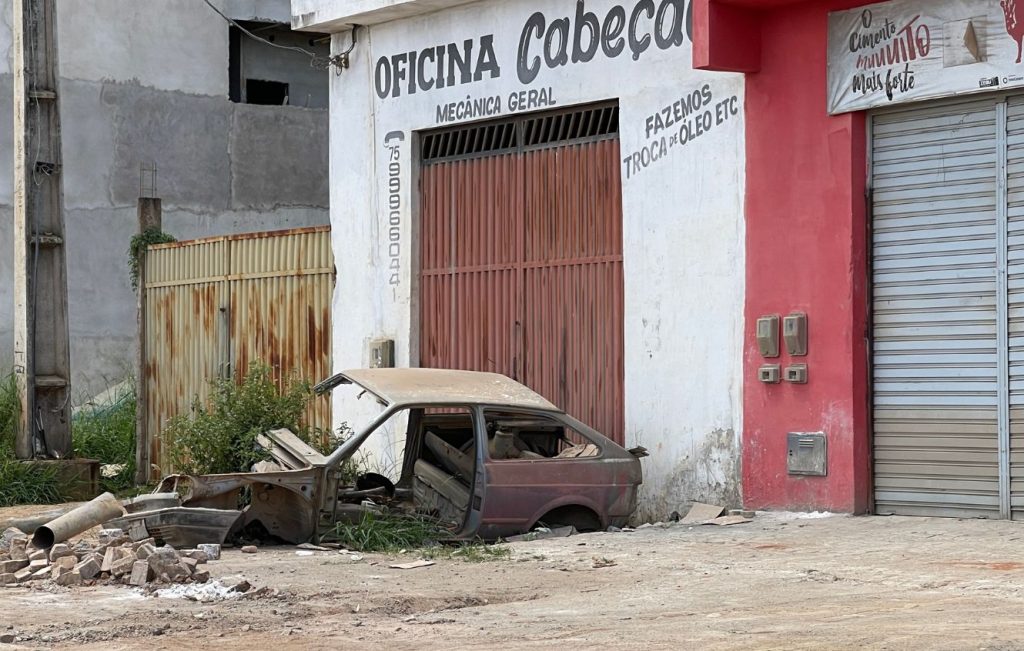
One particularly memorable route runs between Lençóis and Mucugê. The road winds across high plateaus before descending into valleys framed by dramatic rock formations. Traffic is sparse and the scenery expansive, encouraging drivers to slow down and take in the surroundings.
For classic cars this road has a natural rhythm. Long sweeping bends invite third-gear cruising while occasional gravel sections introduce just enough adventure to keep things interesting. Along the way lie some of Brazil’s most remarkable natural sights, including Cachoeira da Fumaça, one of the country’s highest waterfalls, as well as caves and viewpoints overlooking the entire park.
Another rewarding inland drive climbs deeper into the highlands between Lençóis and Piatã. Often informally referred to as the region’s “coffee road”, this route reaches some of the highest elevations in northeastern Brazil. The road climbs steadily through rolling hills and rocky outcrops scattered with coffee plantations.
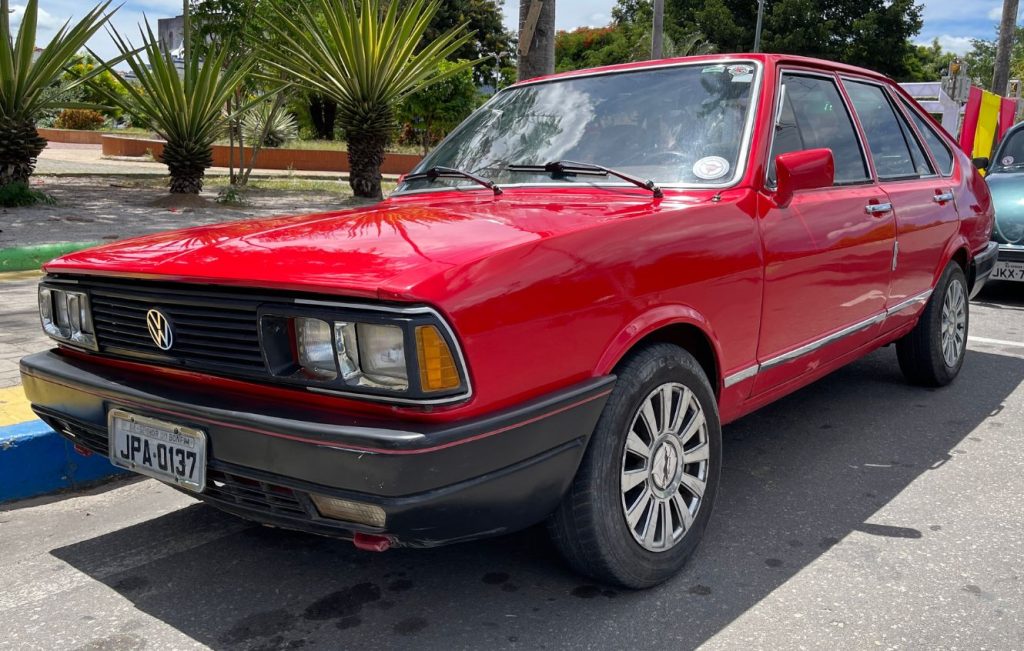
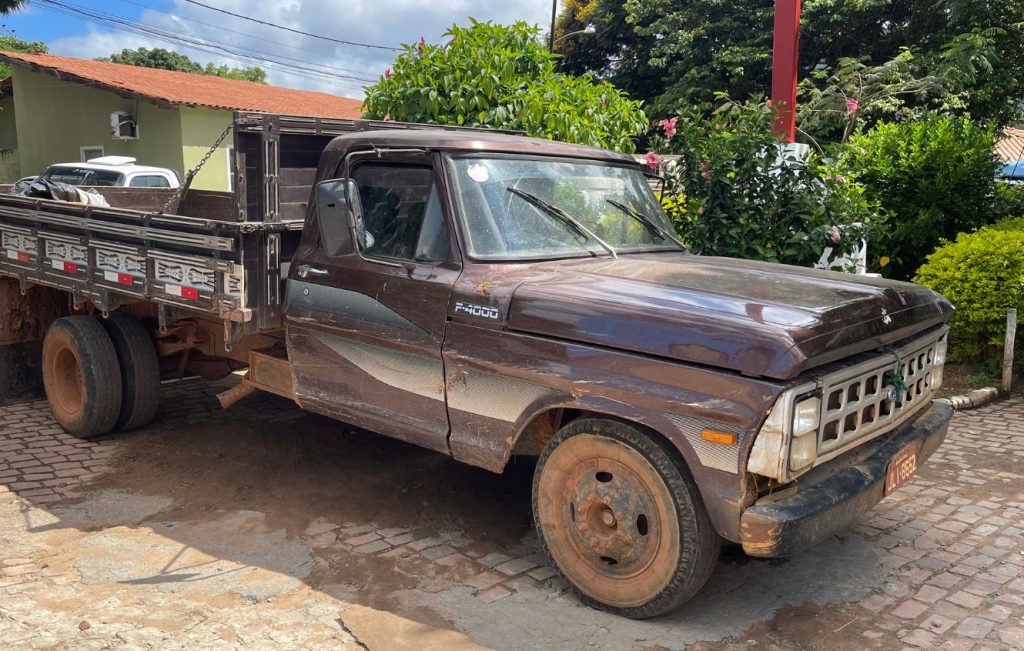
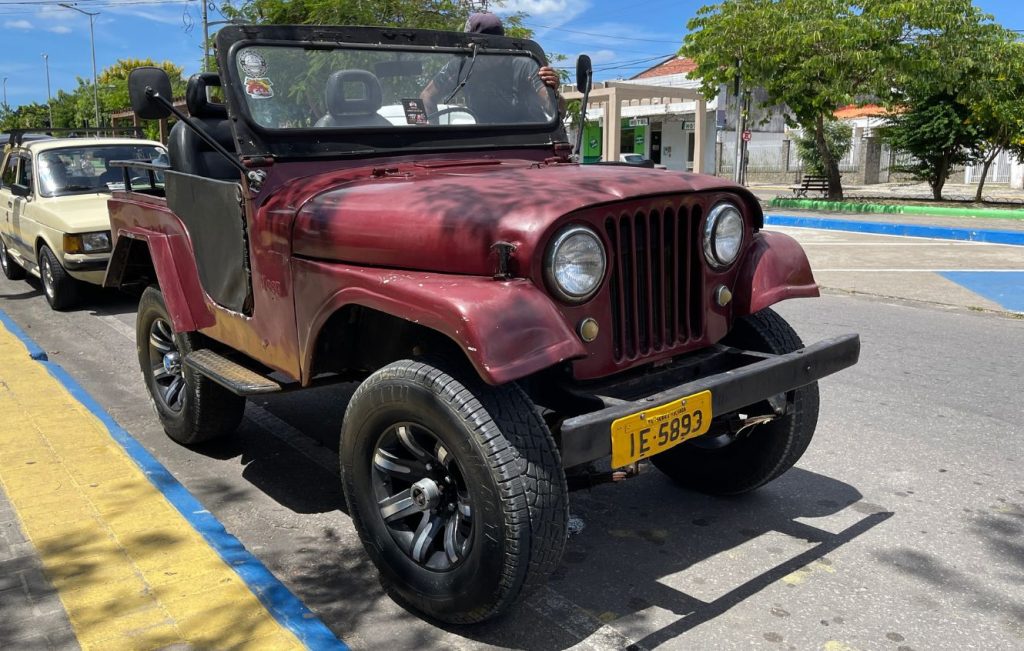
As the altitude increases, temperatures fall noticeably – something both drivers and carburettors appreciate after the coastal humidity. The destination, Piatã, sits more than 1200 metres above sea level and produces some of Brazil’s most highly regarded coffee. The road itself flows smoothly between villages, making it particularly suited to classic cars that prefer steady progress over tight hairpins.
Further north lies a different landscape entirely. The town of Senhor do Bonfim sits on the edge of Brazil’s sertão, the dry interior that defines much of northeastern Brazil. Leaving town on the BA-131, the road soon escapes into rolling semi-arid countryside where thorny vegetation and scattered farms stretch toward the horizon.
Unlike the dramatic mountains of Chapada Diamantina, the terrain here unfolds more gently. The road undulates across low hills rather than climbing steep passes, making it well suited to relaxed touring.
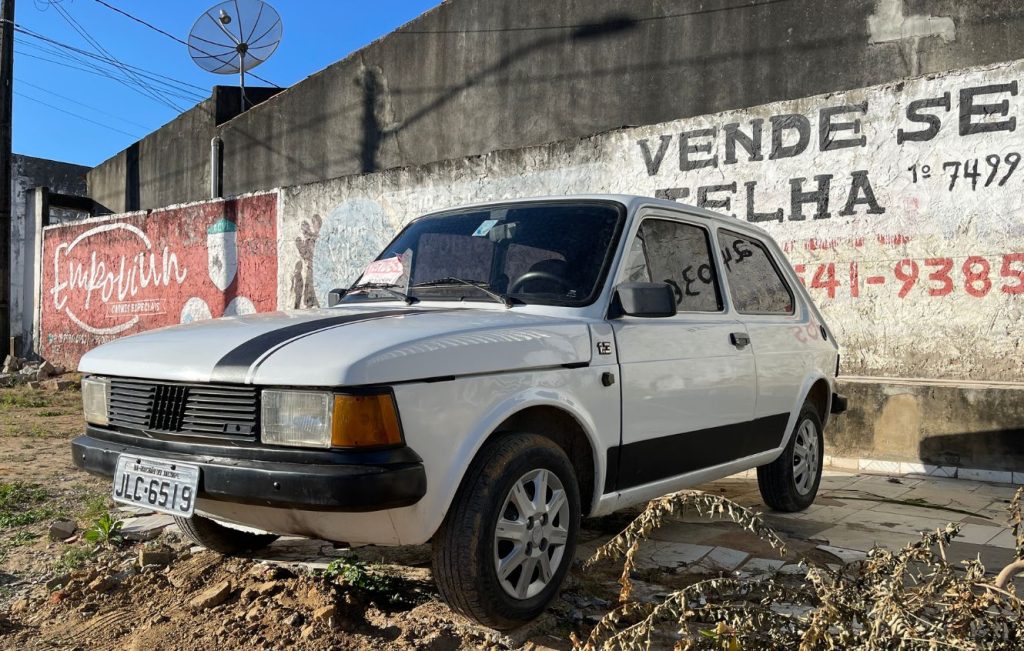

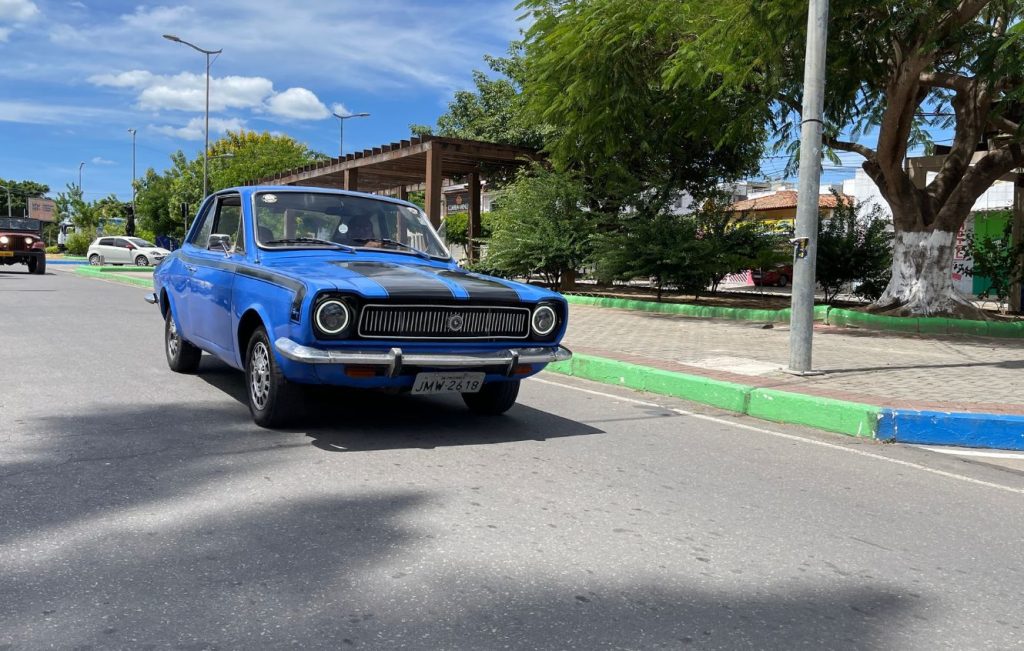
After about an hour the route reaches Campo Formoso, a town that has grown prosperous thanks to emerald deposits found in the surrounding hills. It’s worth stopping to wander the central square or take coffee in one of the town’s cafés before continuing toward the Serra da Jacobina, where the road begins to climb slightly through rocky landscapes.
Completing the loop eventually returns drivers to Senhor do Bonfim, offering a glimpse of a quieter side of Bahia that most international visitors rarely encounter.
The town is particularly famous for its Festas Juninas, the traditional June festivals celebrating the feast days of Saints Anthony, John and Peter. During this period Bonfim transforms into a lively celebration of music, bonfires and forró dancing, with food stalls selling regional dishes made from corn and cassava.
Finally, the journey can return toward the Atlantic coastline further south along what is known as Bahia’s cocoa coast. The road between Ilhéus and Itacaré runs through a region once famous for its cocoa plantations.
Here the road weaves through dense Atlantic rainforest before emerging onto coastal stretches where the ocean appears suddenly and brilliantly blue. Compared with the long inland drives the distance is modest, but the scenery more than compensates.
Palm trees lean toward the road, fishing villages appear unexpectedly around bends and roadside stalls sell fresh fruit and coconuts. With the windows down and the Atlantic breeze drifting through the cabin, the drive feels almost cinematic.
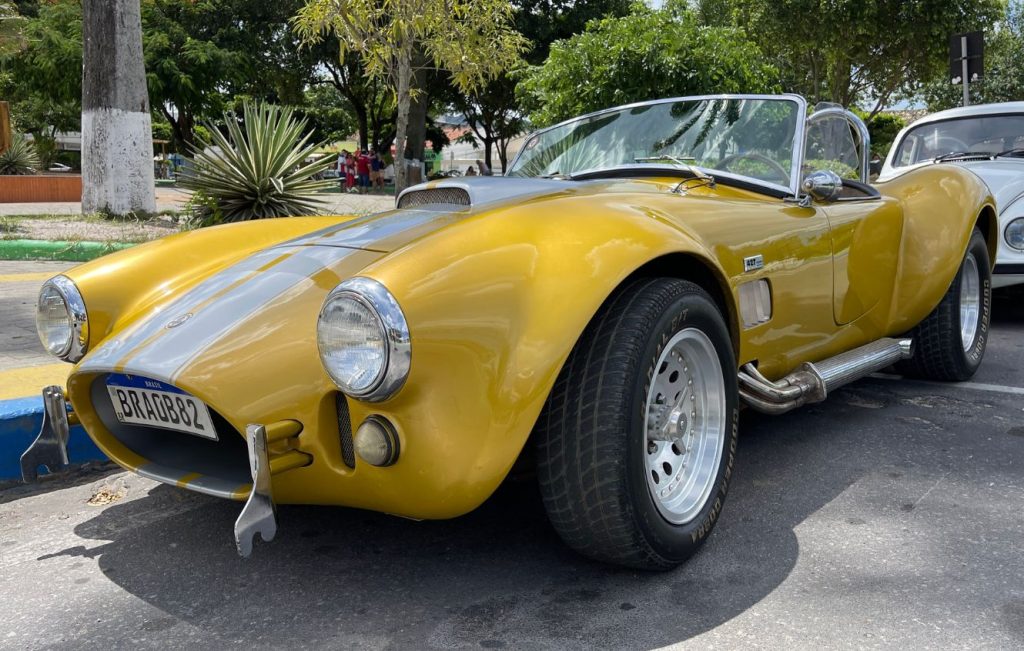
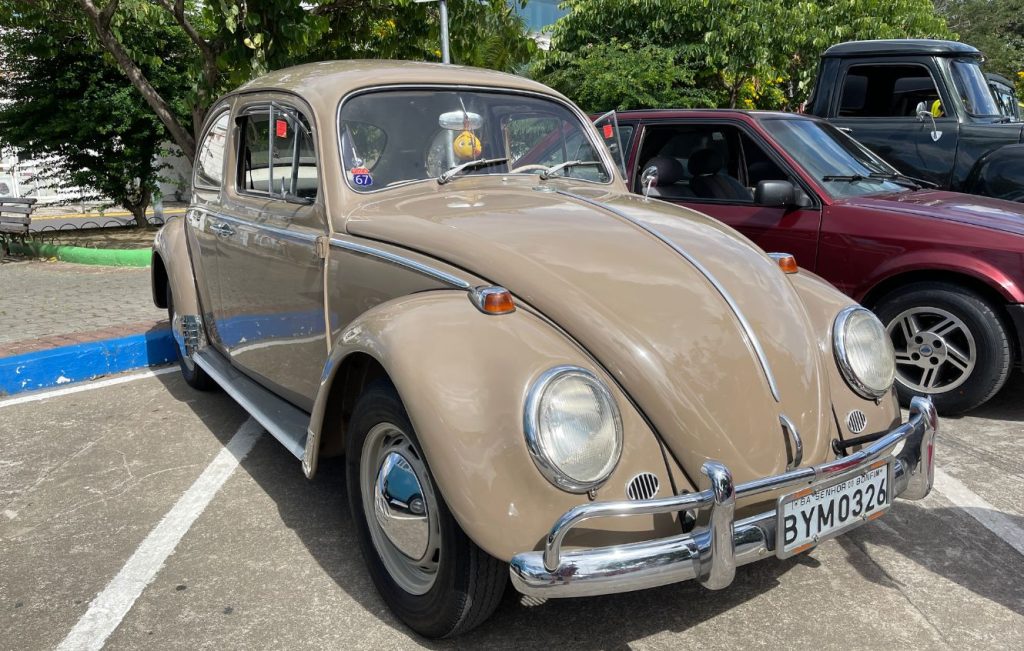
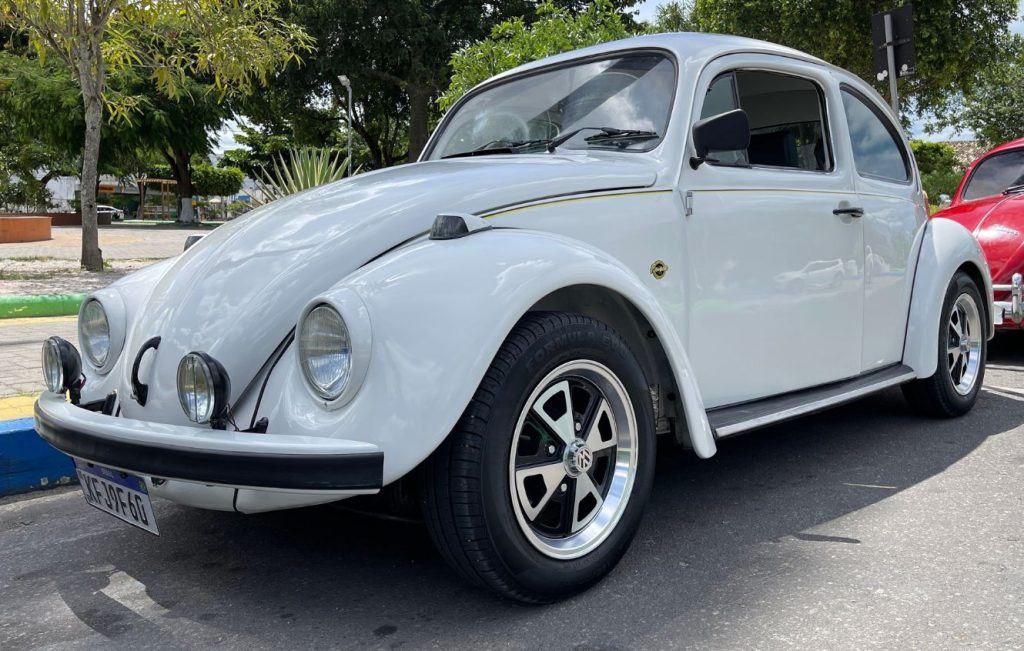
Eventually the road leads to Trancoso, one of Bahia’s most charming coastal towns. At its heart sits the Quadrado, a grassy village square surrounded by colourful colonial houses and shaded by enormous trees. Classic cars parked along the edge of the square look almost as though they belong to another era.
Arriving late in the afternoon, when the sunlight softens and the sea breeze picks up, is the perfect end to a Bahian road journey.
Be sure to check out part one of our guide to driving in Bahia.
Have memories driving in Bahia or somewhere similar? Perhaps a destination has pleasantly surprised you… Share your memories and stories with us in the comments below.