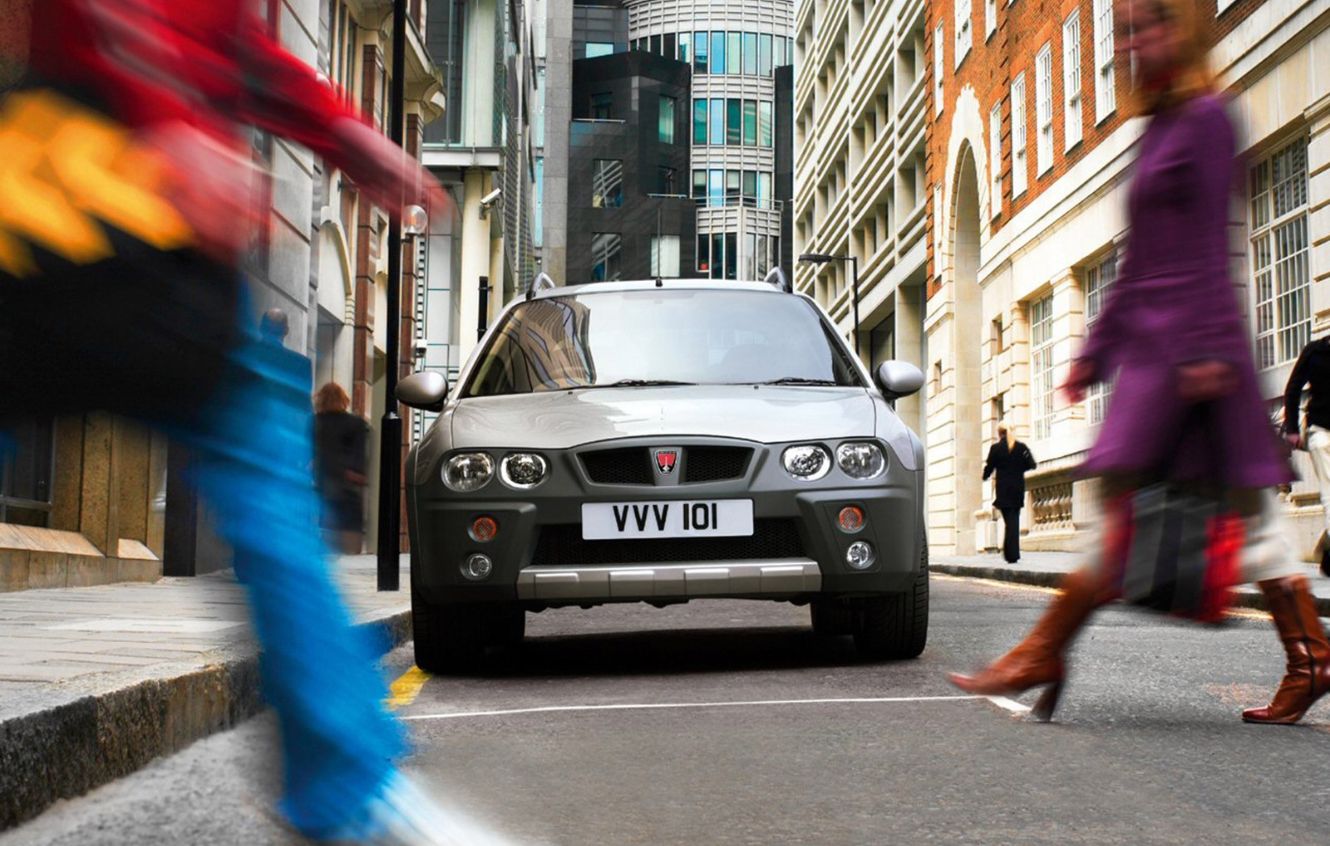
Rover was never a brand you’d call down with the kids, but is it now time to admit it was Streetwise?
What have the McLaren F1, Lotus Esprit X180 and Rover Streetwise got in common? Well, apart from being assembled in the UK, of course.
The answer is designer Peter Stevens, who as well as creating the F1 and Esprit, was also once chief designer at Lamborghini and previously gave us the Jaguar XJR-15, the Lotus Elan M100 and the Subaru Impreza WRX. A pretty cool CV.
So, of all his designs, what car would Stevens recommend as a future investment?
“People should look out for a low-mileage, good condition, black Streetwise,” he said in a recent interview. Which is great news, as it means you don’t need to save up seven figures for that McLaren anymore.
But here’s the thing. While supercars, sports cars and rally machinery are built to a pre-defined purpose, the Streetwise is arguably the most visionary of Stevens’ designs. No, really.
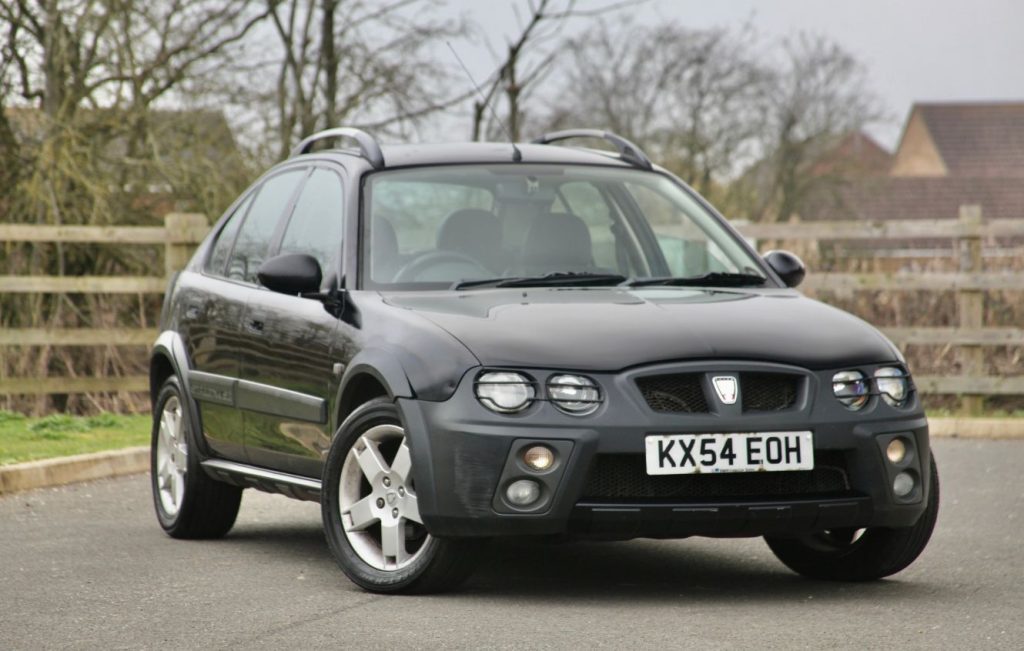
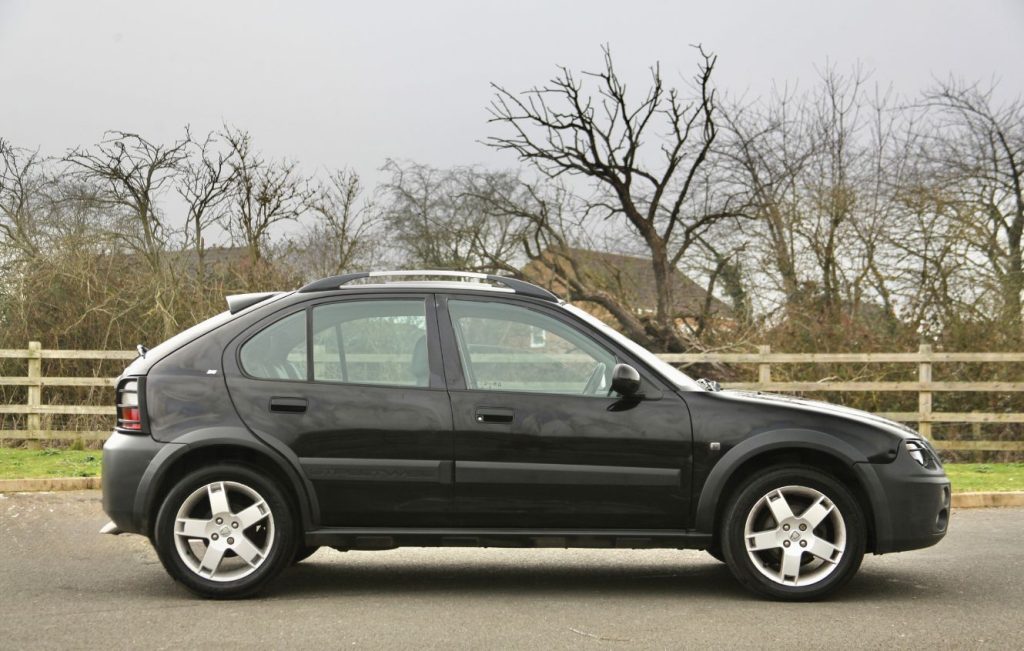
Unlike the other cars he created, it was one that ceded the idea of an entirely new segment of the car market, did so on a microscopic budget, and created a niche that has gone on to become the best-selling sector of the new-car market in 2026. Hear us out here… the Streetwise will be remembered as one of those cars that changed the automotive industry.
But first, we need to look at it in context. In 2003, MG Rover was struggling, and three new models were revealed that pointed to the company’s future plans. One was the MG SV supercar, which secured many column inches by virtue of its wild looks, along with questions around why a struggling manufacturer would launch such a bonkers and exotic machine when it hadn’t replaced the Metro properly yet. Another was the CityRover – a rehashed Tata Indica manufactured in India, tasked with the job above, and not exactly delivering.
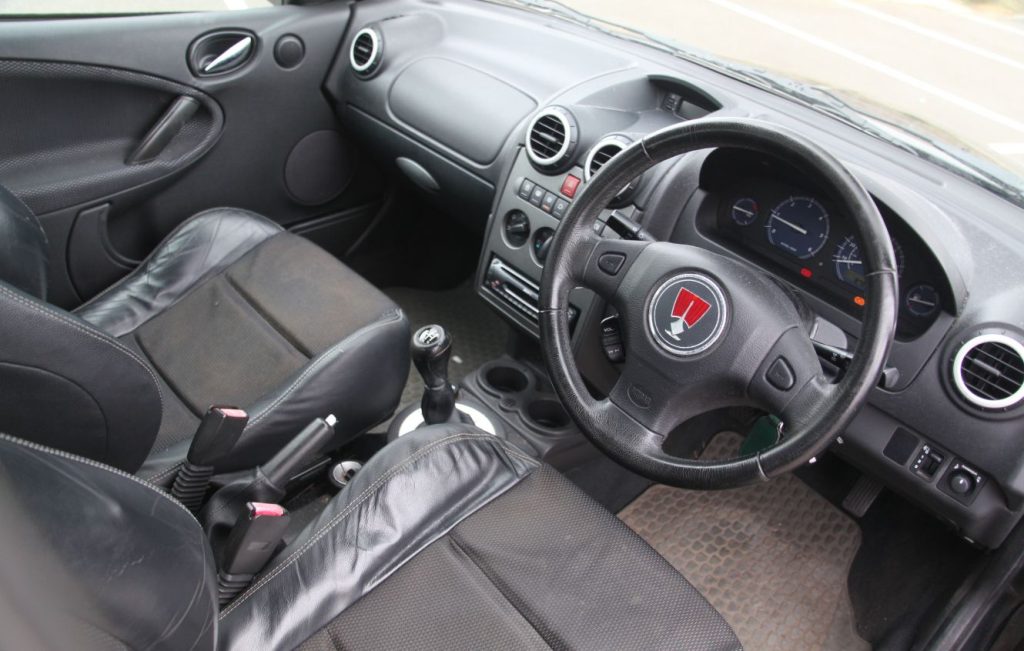
Alongside them was the Rover Streetwise. A car that was designed to appeal to younger drivers who thought an MG ZR was a bit too McDonalds-and-baseball-cap for them. A car for the studious, adventurous youths rather than the ones who’d read a few too many copies of Max Power.
Little did anyone know at the time that the car market would shift, and compact cars with off-road looks and no off-road ability would become the most popular segment of the new-car market – a trend that has been common now for almost a decade.
We’d been here before, to a point. The 1977 Talbot Matra Rancho was based on the Simca 1100 but with chunky body cladding yet was never a great sales success.
Over a quarter of a century later, MG Rover Group tried again. The MG ZR was proof that you could make a decent driver’s car out of the 25, and the Streetwise transformed it in a different way, raising the ride height by 40mm and adding chunky bumpers and roof bars in a move that saw the car achieve surprising export success, with Paris and Rome being particular sales hot-spots.
The ‘urban on-roader’ didn’t exist before, but was soon copied by the likes of the Citroën C3 XTR, and then the Volkswagen Polo Dune.
The new model was marketed as ‘The New Streetwise by Rover’, as if it were some fashion label or fragrance, though if the L-Series diesel was anything to go by, it was a peculiar choice of perfume.
The interior was given a wholesale makeover, too, with a choice of a traditional bench seat, or a more unusual four-seater layout with sculpted rear seats and a centre rear console, plus a range of ‘Street Gear’ accessories, including light protectors and heavy-duty rubber floormats emblazoned with a matching logo.
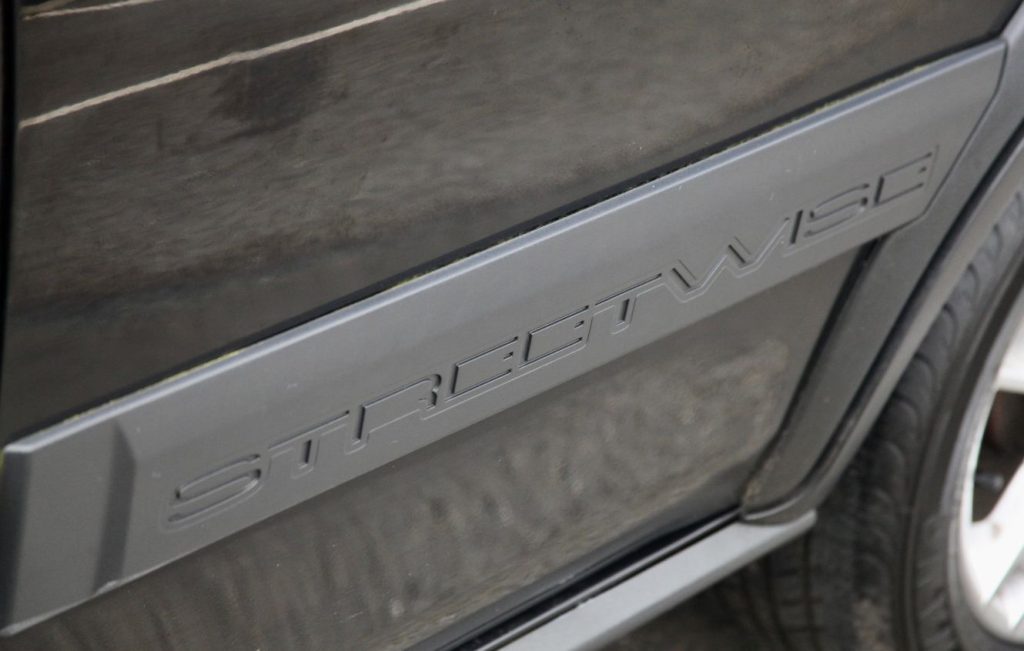
Initial press responses were mixed. BBC Top Gear called it ‘the least cool car of all time’. But in Autocar, Steve Cropley praised its bravery and suggested – it turns out, quite rightly – that the chunky looks and low running costs were exactly what younger buyers would want.
It didn’t sell too shabbily, either. According to official SMMT figures, MG Rover sold around 12,000 of them in the UK, with a further 6,500 exported. Not huge numbers, but a solid performance for a car that was based on a model that was nearly a decade old when it was launched and still used the rear suspension from an Austin Maestro, and which was killed off after two years whilst in its prime, thanks to the failure of the company that made it.
On that premise, could it still be called a success? After all, it wasn’t enough to save MG Rover and was flawed in terms of its packaging, while many considered the marketing as cynical. But did it leave a remarkable legacy on the automotive industry?
Perhaps we should let the best-selling car of 2025 do the talking. The Ford Puma. And no, we don’t mean the pretty thee-door coupé, but the jacked-up mini-SUV built on the platform of the now-retired Ford Fiesta.
If that’s the measure, then the Streetwise wasn’t a ridiculous idea at all – indeed, it was both visionary and really quite clever. It was ‘drip’, as the kids say nowadays: the ‘OG’ of the fake off-roader phenomenon.
Did Rover get the Streetwise right before the rest of the industry caught on? We’d love to hear what you think below.
Insure your classic with a specialist insurer
If you’re looking for cover for your pride and joy, why not consider Hagerty UK? Not only are we classic car insurance specialists, but we are enthusiasts at heart. Call us for a quote on 0333 323 1138.





Please remember the Matra-Simca Rancho https://www.carscoops.com/2021/05/meet-the-matra-simca-rancho-the-original-crossover-that-was-ahead-of-its-time/ based on a very mundane van, which also created a whole new breed of cars.