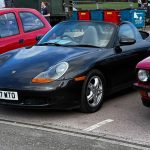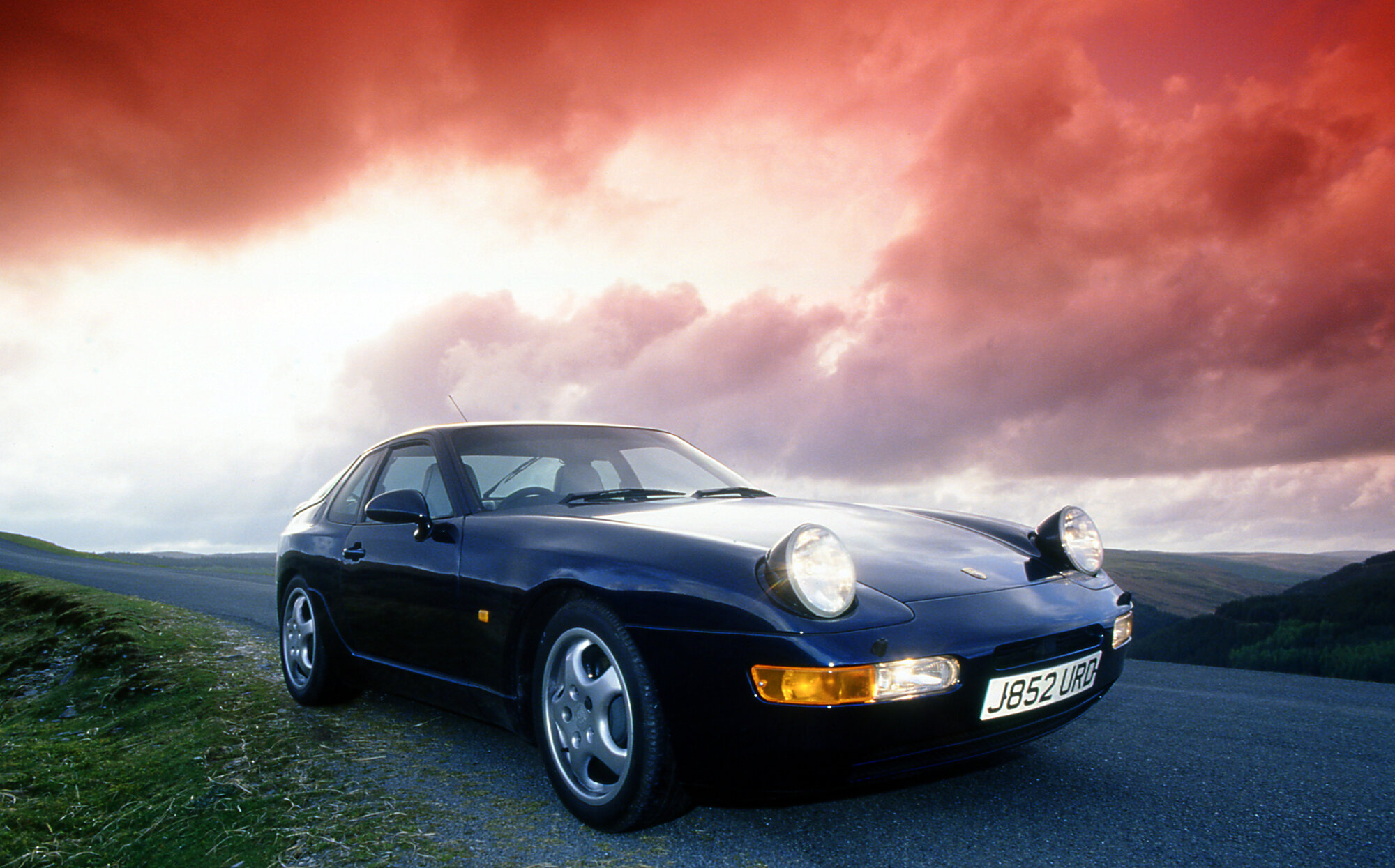
Forget assuming the Club Sport is the only 968 worth having. The UK-only Sport gives much of the same magic for far less.
If you spend any amount of time conversing with my Very Serious Road Testing Journalist Colleagues, you will inevitably hear breathless praise for the Porsche 968 Club Sport. It is spoken of in hushed, reverent tones. It is the sacred cow of 1990s transaxle Porsches, the stripped-out track-day hero that won Performance Car of the Year in 1993 and taught an entire generation of motoring scribes the true meaning of chassis balance.
And they are not wrong. The Club Sport is a masterpiece. But here is some absolute heresy for you: unless you’re a stickler for interior scaffolding, you probably should not buy one.
Today, the best Club Sports can command £40,000 to £50,000-plus, with exceptional low-mileage cars stretching higher still. That is an enormous sum of money for a car with wind-up windows, no rear seats and a cabin that can amplify road noise into a wearying drone on the M1. Fortunately, there is a loophole. A glorious, UK-only loophole that offers near-Club Sport dynamic brilliance, keeps your eardrums more intact, and costs far less. It is called the 968 Sport, and it might be the smartest classic Porsche purchase hiding in plain sight.
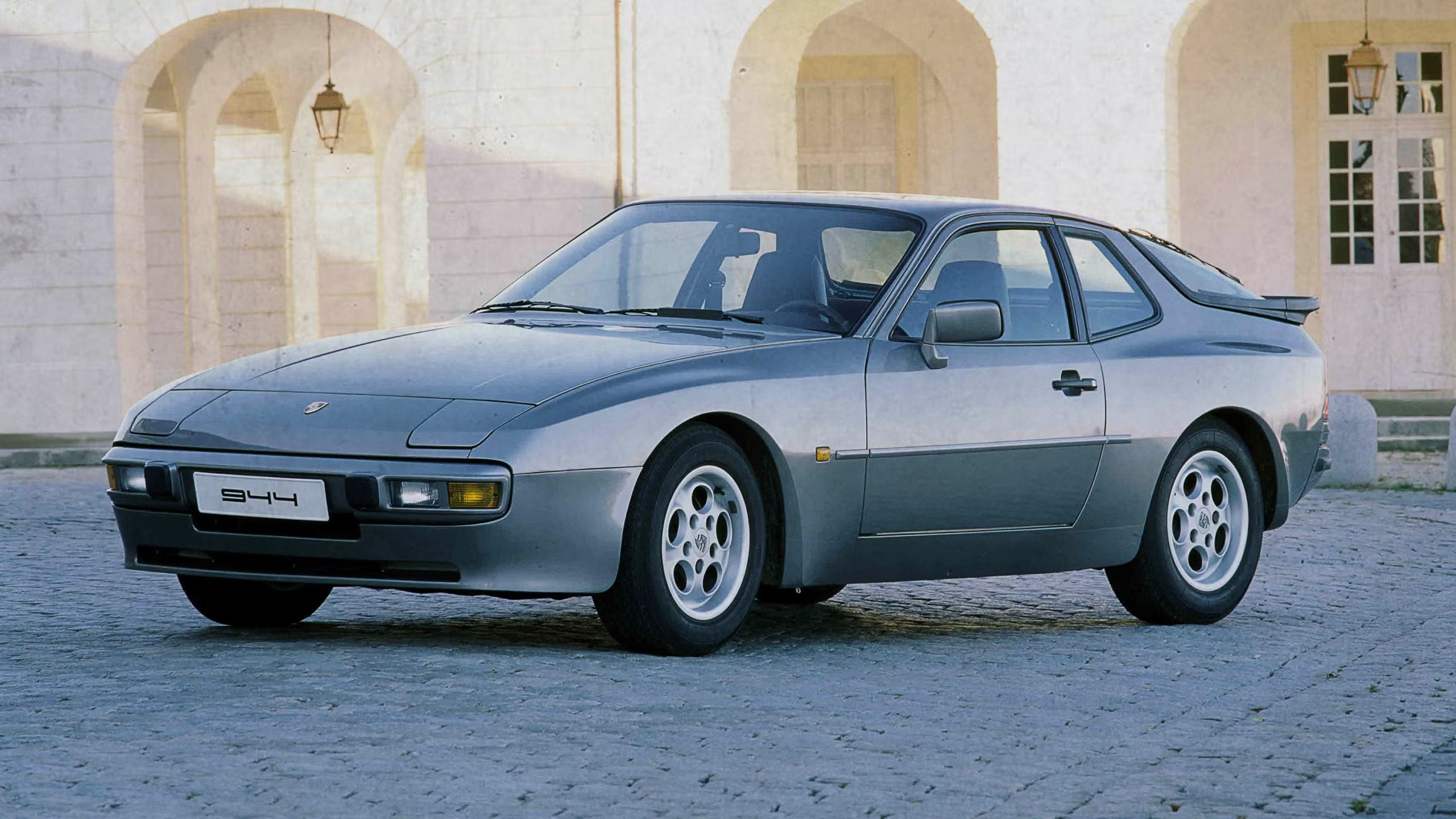
To understand why the Sport exists, we have to look at the rather desperate situation Porsche found itself in during the early 1990s. The global recession was biting hard. The venerable 944, a car rooted in the 1970s 924 project, was looking distinctly long in the tooth. Porsche was bleeding money, and CEO Arno Bohn had a formidable task on his hands. There were no funds to develop an entirely new chassis, and the ambitious four-door 989 project had been unceremoniously axed by Ferdinand Piëch at the end of 1991.
Porsche needed the transaxle line to keep earning its keep until the Boxster era could arrive. So, rather than start from scratch, it took the 944 S2 and heavily revised it. Designer Harm Lagaay smoothed out the lines, grafted on exposed, 928-aping pop-up headlights, and updated the rear. Porsche claimed the resulting car was 83 per cent new, christening it the 968.
But it was expensive, and buyers were not entirely fooled by the sleight of hand. Sales were poor. In 1992, just 156 customers in the UK bought one. Porsche needed a radical solution, so it stripped weight out of the car, binned much of the luxury equipment and slashed the price. The Club Sport was born, and the press adored it.
Yet actual dealership footfall revealed a different story. Punters loved the aggressive looks and lower stance of the Club Sport, but many did not want to sweat profusely in traffic without a sunroof, wind down their own windows, or leave their children at home because the rear seats were missing.
Enter Porsche Cars Great Britain, which devised a masterstroke. It took the Club Sport idea and added back much of what British buyers actually wanted through the comfort specification commonly associated with the P35 CS UK Luxury Pack. That meant electric windows, central locking, electric tailgate release, extra sound deadening and those crucial occasional rear seats. The result was called the 968 Sport.
It was built from the same basic Club Sport production recipe and sat in the same family of cars, but it was configured for real roads and real buyers rather than single-minded track-day austerity. It was rarer globally than the Club Sport, though in Britain it is actually the easier car to find. Commonly quoted at around £30,000 to £33,000 when new, depending on source and specification, it remained thousands cheaper than the standard luxury coupé. Unsurprisingly, it sold far better than the regular coupé in the UK.
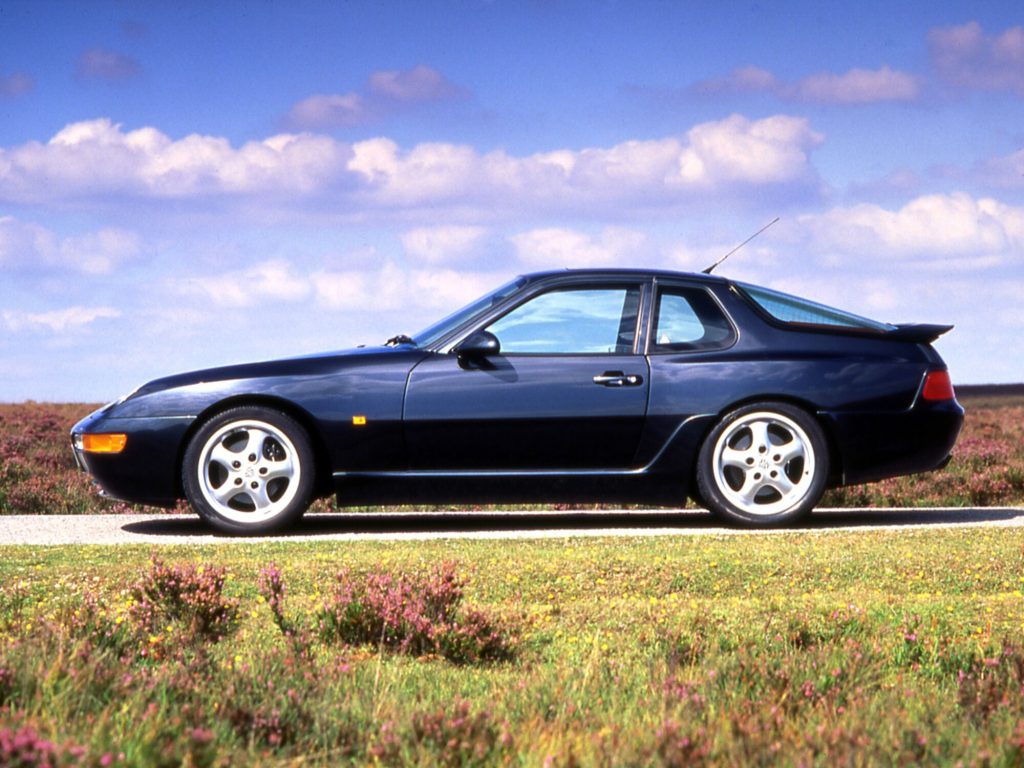
Underneath the slightly more civilised interior, the engineering that makes the 968 such a dynamic revelation remained largely intact. The Sport retained the Club Sport’s basic chassis recipe: the same 3.0-litre engine, the same 20mm-lower stance, stiffer suspension and glorious 17-inch Cup alloy wheels, albeit with a little extra weight from its comfort equipment.
The transaxle layout — engine at the front, gearbox at the rear — gives the 968 near-50:50 weight distribution and the sort of calm, predictable balance that made Porsche’s front-engined cars famous. MacPherson struts with alloy lower control arms up front and semi-trailing arms with torsion bars at the rear provide a level of composure and transparency that modern, electronically governed performance cars often struggle to replicate. The hydraulic steering is a revelation; it is rich with feedback, communicating the exact texture of the tarmac without ever feeling nervous or twitchy.
Then there is the engine. Nestled under that long bonnet is Porsche’s M44 3.0-litre inline-four, one of the largest four-cylinder engines fitted to a production sports car. To extract 240PS, or 236bhp, and 225lb ft of torque, Porsche engineers deployed VarioCam variable valve timing, a clever system designed to broaden the power and torque curve by altering intake cam timing. The result is an engine that pulls strongly from low revs, delivering a muscular, meaty mid-range that reduces the need to constantly row through the crisp six-speed manual gearbox. It is a brilliant, highly usable powertrain that feels perfectly matched to a Sunday morning B-road blast.
But before you rush off to the classifieds, let us talk practicalities. What goes wrong, and how much should you actually pay for one?
Despite the impeccable Stuttgart build quality, these are now 30-year-old performance cars, and deferred maintenance is your absolute worst enemy. The three-litre engine is fundamentally robust, but it demands regular cambelt and balance-shaft belt changes. As a rule of thumb, you should budget for this every four years or 45,000 miles unless there is clear evidence it has been done more recently.
Crucially, while you are in there, you must inspect the VarioCam system. The plastic tensioner slipper pads become brittle with age and heat. If they fail, the timing chain can chew through the camshaft sprockets or cause far more serious internal damage, leaving you with a collection of bent valves and an eye-watering rebuild bill.
Elsewhere on the mechanical front, check the pinion bearings in the transaxle, which can begin to whine when worn, and keep an eye out for power-steering fluid leaks. On the bodywork side, the 968 was heavily galvanised at the factory, so rust is not the rampant, terminal terror it can be on earlier classics. However, you must meticulously inspect the rear suspension mounts and the sills. The chunky plastic side skirts often hide a multitude of corrosive sins, trapping moisture and road salt against the metal for decades.
As for values, this is where the 968 Sport makes its most compelling argument. While the best Club Sports can now command £40,000 to £50,000-plus, the Sport remains comparatively overlooked. A usable example can still appear in the mid-to-high teens, but a properly sorted manual car with good history is more realistically a £17,000 to £22,000 proposition. Very good examples sit in the low-to-mid £20,000s, while exceptional or unusually low-mileage cars can ask more.
It is still an astonishing price discrepancy for a car that offers the same basic chassis, the same engine, the same lowered stance and so much of the same dynamic brilliance, just with a little added comfort. It will not stay this cheap forever. The Club Sport may be the poster child, but the 968 Sport is the one for people who want to drive, enjoy and understand the car rather than simply worship the badge on the bootlid.
Club Sport purist or 968 Sport pragmatist? We’d love for you to let us know in the comments section below.
Protect your pride and joy
Specialist classic car insurance from the people who get it. Protect your classic with fully comprehensive classic car insurance.