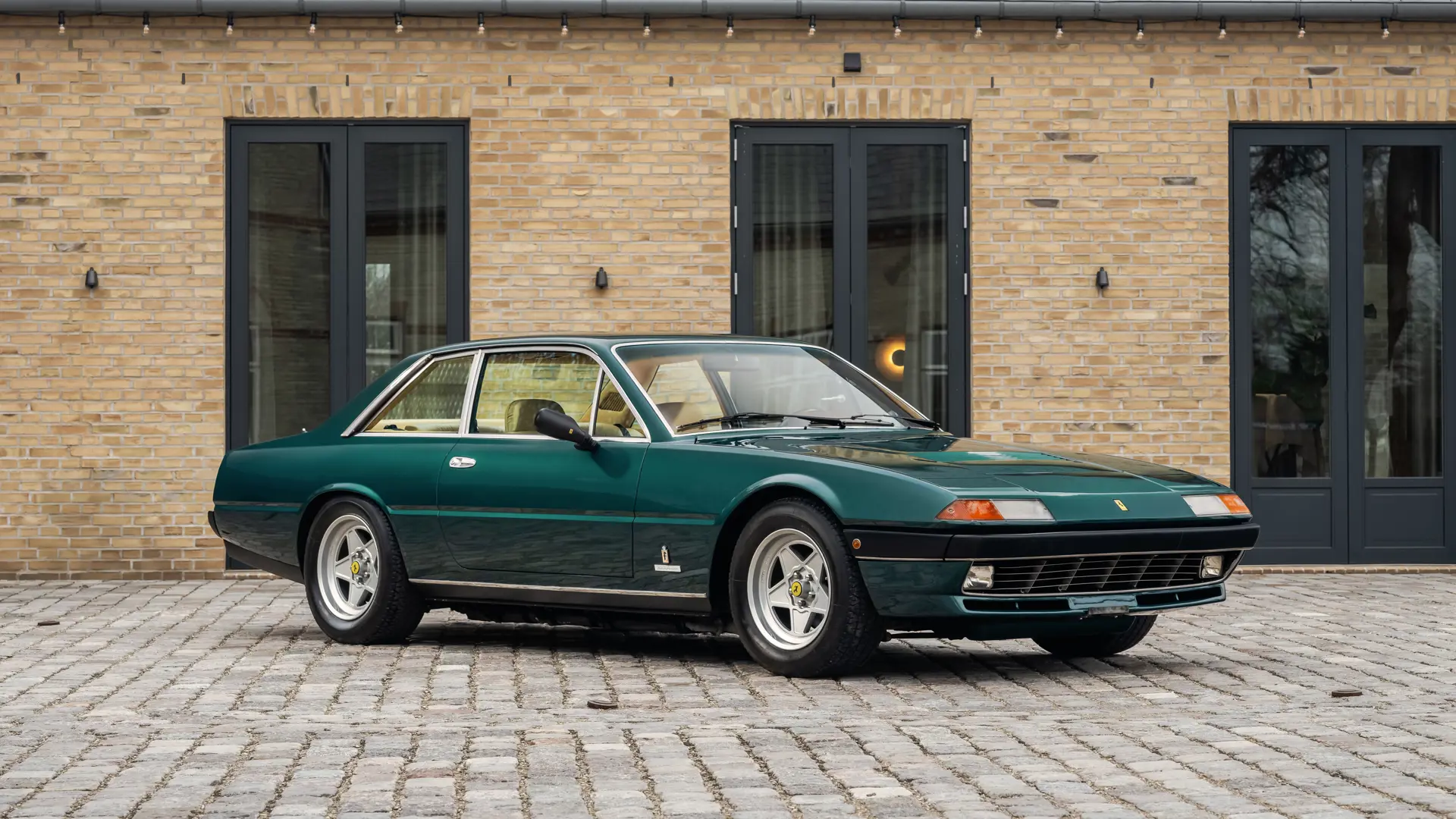
The heatwave that hit the British Isles in 1976 is burned into the public consciousness as vividly as the parched skin Brits felt during that year’s June, July and August – despite fifty years now having passed since the oft-referenced event.
For fifteen consecutive days in June and July, somewhere in England experienced more than 32.2 degrees celsius, while on July 3rd that year, Cheltenham recorded a peak of 35.9C. That’s not the hottest ever recorded, but was certainly unusual for the 20th century.
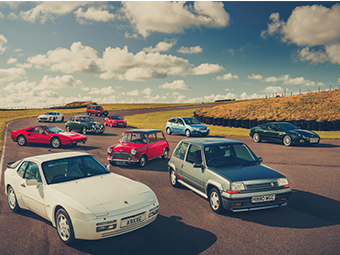
As you’ll no doubt be aware by now, 1976 is no longer really a standard-setter for hot weather in the UK. 2022 smashed the UK record for peak temperature, with 40.3C in Lincolnshire that July. 1976 isn’t even in the top ten for hottest days (the 21st century occupies eight of those places, with six since 2019), while 1995 has since set the record as the driest summer, and 2025 had the hottest summer overall.
It’s likely plenty of those records will fall anew in the coming years, but if there’s one thing we have over our car-enthusiast counterparts from fifty years ago, it’s the technology to cope as the mercury rises. Air conditioning is commonplace in cars today, while tech like ventilated seats is increasingly popular, and tinted windows make a difference too.
What did 1976 drivers have in their place? If they were lucky, cloth seats rather than vinyl, and an efficient ventilation system to allow a half-decent throughput of air. Below are some of the cars launched that year – which would you have picked to cope with the heat?
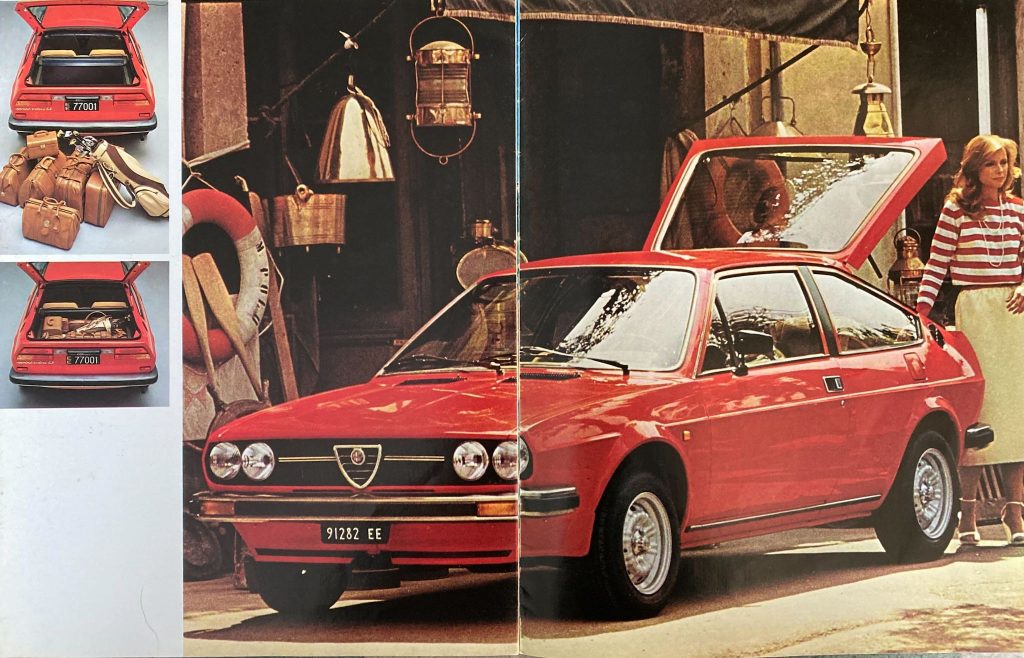
Alfa Romeo Sprint
The sales brochure for Alfa Romeo’s new 1.3-litre Sprint showed it bombing down an empty, sun-lit autostrada, and having its boot filled with stylish bags by a similarly stylish couple – the sort of dolce vita lifestyle that potential Alfa buyers would surely imagine themselves enjoying, aided by the unusually warm UK weather.
In the UK, Alfasud Sprint badging gave a clue as to its provenance, as the new coupé was based on Alfa’s entry-level car, the Sud, but an elongated Giugiaro body gave it class and sporting proportions, and the Sud was by then already known as a real driver’s car, one of the best front-drivers out there, so the Sprint still had the appropriate breeding.
As far as coping with the heatwave was concerned, technically the Sprint arrived that autumn, so buyers didn’t get a chance to find out. But it had a few neat features regardless: those Alfa cloverleaf symbols in the C pillars were the outlets for interior ventilation, while the rear windows could actually wind down slightly, pivoting from the rear corner. Performance was suitably hot too, with a revvy 76bhp flat four, which was soon replaced by an even peppier 84bhp 1.5-litre unit.
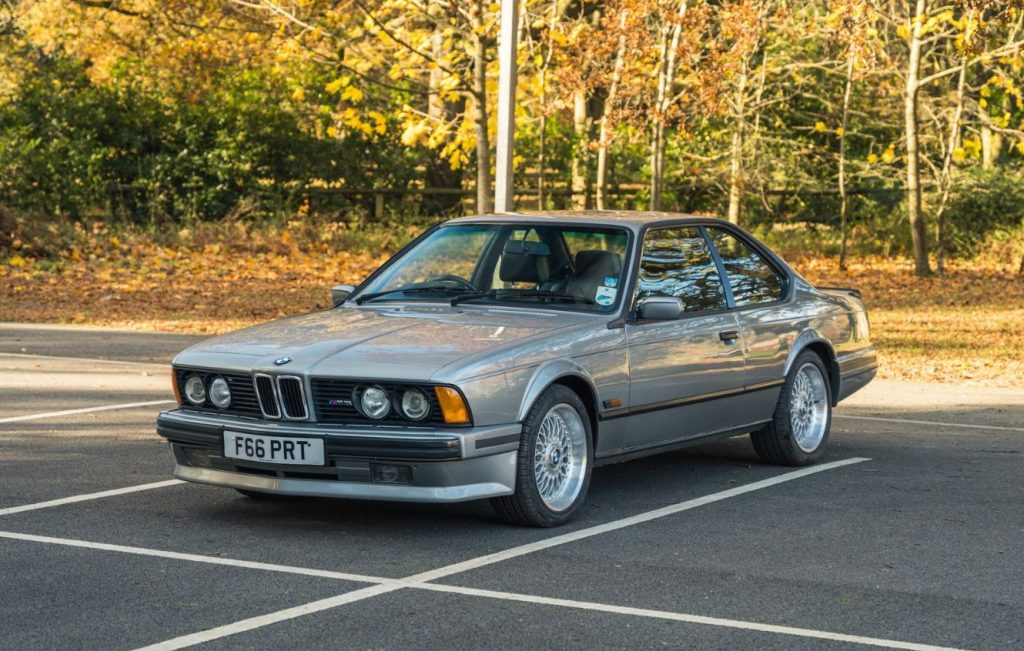
BMW 6-Series (E24)
BMW’s replacement for its E9 generation coupé has become one of its more collectable models from the 1970s and 1980s, and with sharky styling and a range of inline six-cylinder engines the appeal is obvious. Making its debut in 1976, the UK initially received just one model, the 633 CSi, with a 3.2-litre, 200bhp six, and a choice of automatic or manual transmissions.
The combination of the auto ‘box and standard power steering would’ve given heat-weary drivers some respite, both being relatively rare at the time, but while the smartly-styled and driver-centric dash layout was an ergonomic delight, air conditioning wasn’t yet on the options list for UK buyers, despite an on-the-road price of around £14,000.
Standard airflow wasn’t great, with Autocar reporting in its October 1976 road test that the flow of air “tends to be inadequate”, and you really needed the rear side windows open to aid cooling. Still, with a car like the E24, the best course of action would surely have been to point the shark nose towards slightly cooler European countries…
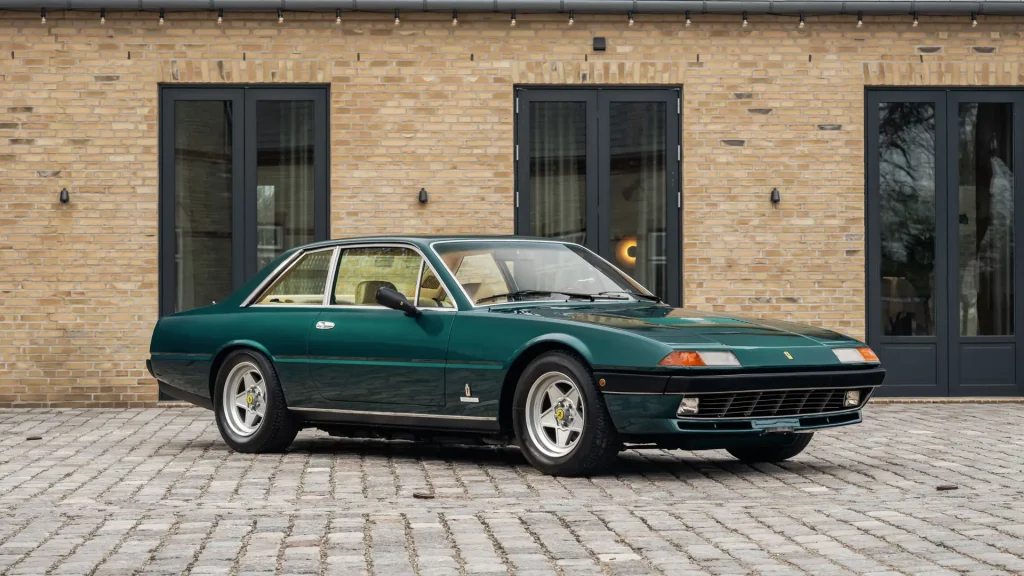
Ferrari 400
If not one of the most beautiful Ferraris, the 1976’s 400 (which sat between the earlier 365 GT4 2+2 and the later 400i and 412) is fast becoming appreciated for what it really is: a handsomely-styled and impeccably proportioned grand tourer, fitted with the famous Colombo V12, and with more practicality than most from Maranello.
You could get the 400 with the marque’s traditional gated manual shifter in GT form, or as the 400 Automatic, whose gearbox you can probably guess from the name (though specifically, a three-speed unit bought in from General Motors). The former is the driver’s choice, the latter more of a cruiser – though as with the other autos here, the lower effort might’ve been appreciated during that year’s heatwave.
Then there was the car’s standard air conditioning – one of few cars here to get the feature. Controlled by a slightly bewildering array of toggles and levers on the centre console it had only four round vents on the dash to breathe through, but at least the 4.8-litre, 340PS V12 wouldn’t struggle when you fired up the system.
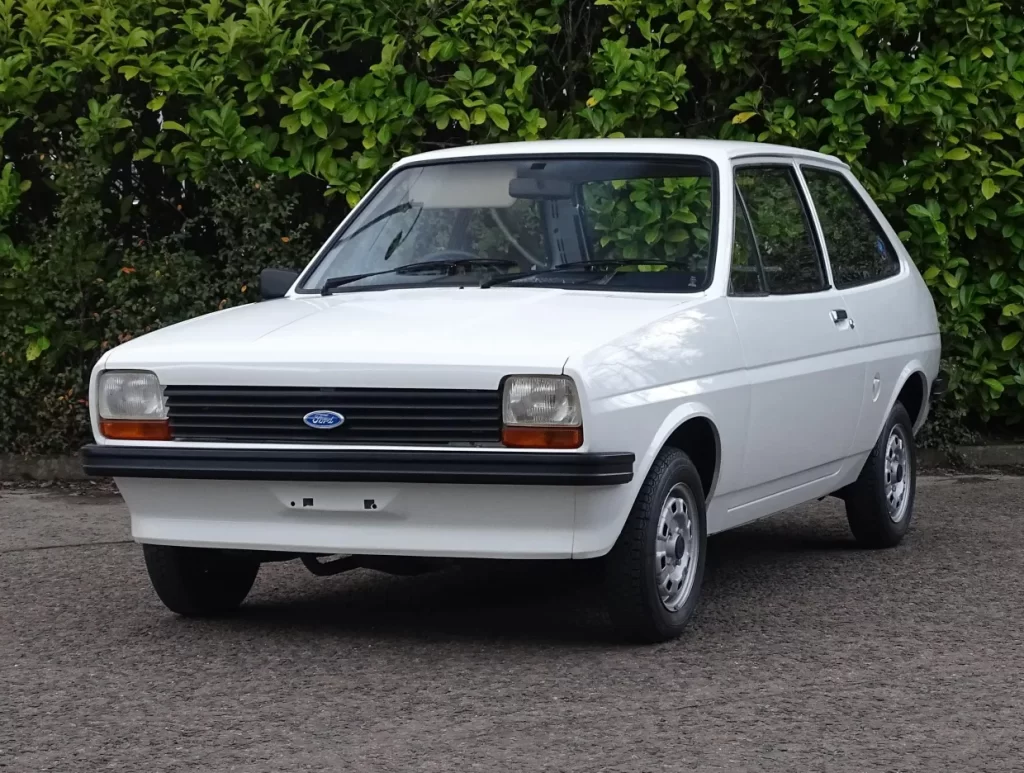
Ford Fiesta
The term supermini wasn’t yet in common circulation in 1976, but that’s exactly what Ford’s brand new baby was. Slotting below the Escort, the Fiesta went head-to-head with cars like the Renault 5, VW Polo and Fiat 127, with an increasingly in-vogue front-wheel drive layout, a glassy cabin, and a practical hatchback at the rear.
The Fiesta was cleverly built, light weight yet more spacious inside than an Escort, and Ford kept it cheap too with smart engineering, such as reducing the capacity of the familiar Kent engine and running the crank in three rather than five main bearings. Tom Tjaarda’s styling was attractive too, and the basic shape lasted until the end of the 1980s when the mk2 bowed out.
Naturally, the only real tool Fiesta buyers had to escape the 1976 heat was a pair of wind-down windows – early cars had only two face-level vents for interior ventilation. But fabric seats were standard for a bit of breathability, and if you liked heat of a different kind, you could opt for the S model, which paired the largest engine on launch (1117cc with 53bhp) with alloy wheels and a rev counter.
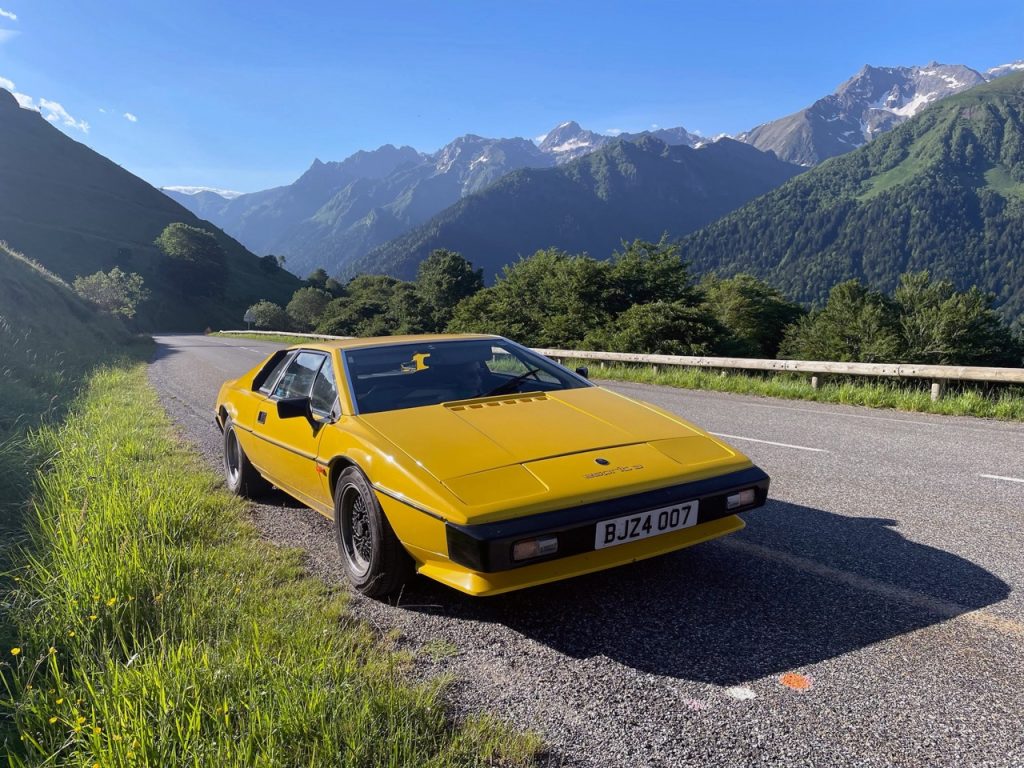
Lotus Esprit
The Esprit had been unveiled in 1975 but hit the roads the same month that the heatwave landed in 1976 – perfect timing for one of the most anticipated cars the brand had offered to that point. Like the Alfa Sprint elsewhere on this page, styling was the work of Giorgetto Giugiaro, though it’s fair to say the Lotus was the more striking, and certainly more influential of the pair – the Esprit somewhat defined the supercar shape of the 1970s and 1980s.
Early Esprits were modest compared to the models that followed over the next few decades, with an all-alloy 2-litre twin-cam making 156bhp. Combined with the typical Lotus virtue of light weight however – all in, the company claimed just 914kg – the Esprit was a strong performer, and Lotus suggested 0-60mph would take just 6.8 seconds.
Once again, ice-cool air wasn’t a priority, to the extent the driver had just a lone vent for comfort – though set into that remarkable curved binnacle on the steeply-raked dash, the Esprit pilot could console themselves with having one of the most dramatic cabins on the market. That, and the Esprit’s excellent performance, outstanding handling, and jaw-dropping looks.
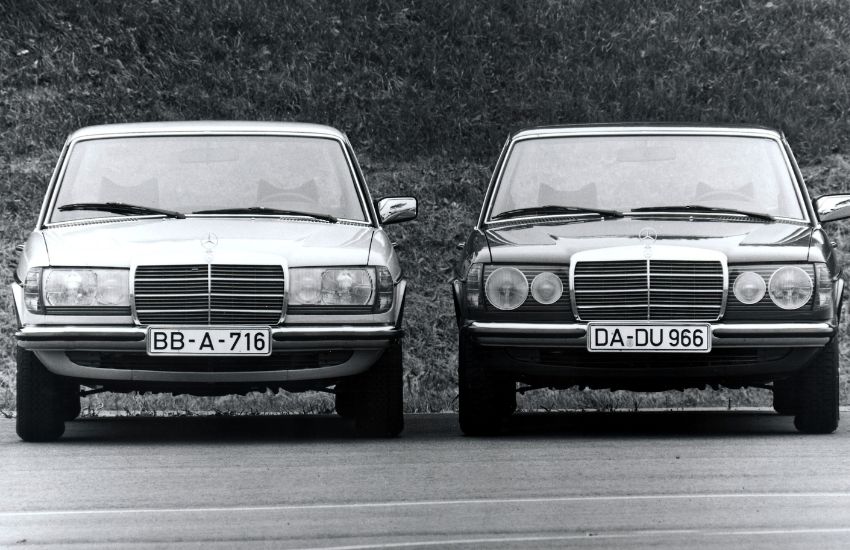
Mercedes-Benz W123
Oddly on its unveiling in early 1976, Mercedes-Benz claimed the W123 range was not a replacement for the W114 launched in 1968, but history shows the 114 disappeared the same year the 123 arrived, so perhaps Mercedes was simply avoiding cancelled orders on the outgoing car.
The 123 was certainly cut from the same cloth, just a couple of inches longer than its predecessor, and other than new horizontal rather than stacked headlights, visually similar (and similar too to the W116 S-Class launched in 1972). The range comprised petrols and diesels of four, five, and six cylinders, and would in 1766 offer estate and coupé models in addition to the saloon.
With driver comfort always of high priority in a Mercedes, it’s unsurprising to find out from contemporary reviews that the W123 would have fared better than most in the summer heat – though it’s also one of few cars here to have offered vinyl rather than fabric seats across most of the range. MB-Tex is legendary for its durability, but in scorching sunlight, you’d be more concerned about the durability of your thighs on contact with the vinyl if you were wearing anything less than long trousers…
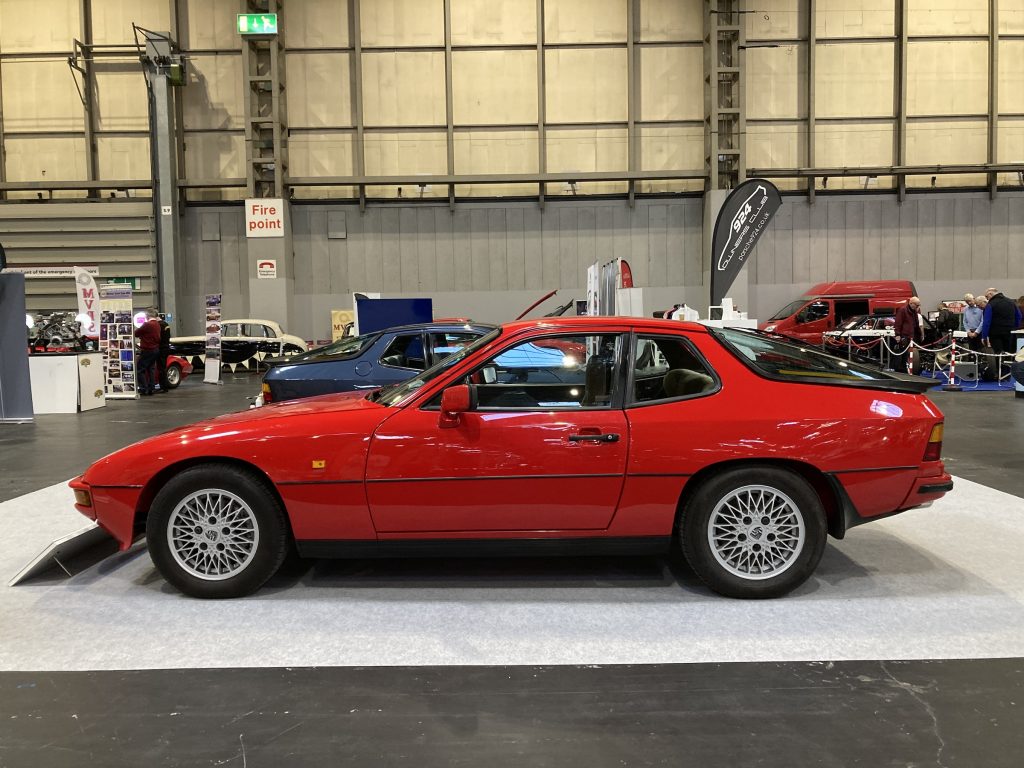
Porsche 924
Weather aside, it wouldn’t be until 1978 that the Porsche 924 was truly hot, when the turbocharged version arrived. But the brand’s new entry-level sports car, replacing the old mid-engined 914, was still noteworthy, not least for its new-for-Porsche front-engined transaxle layout and watercooled engine.
Let’s get the cliché out of the way first: yes, the 924’s engine technically also saw service in a VW van, but the basic design came from Audi, and the short-stroke, fuel-injected unit was hardly a clattery diesel – 125bhp wasn’t bad from a single-cam 2-litre engine in the mid-70s. Underpinnings were likewise a mix of VW parts, but the attractive glass-backed coupé body was all new.
Being a Porsche, it could certainly cope with the heat when it came to driving hard – handling was highly-rated all-round, and UK cars just about had the power to exploit it, unlike detuned US models. For the driver meanwhile, air conditioning wasn’t yet an option, but the ventilation system from the contemporary Golf was suitably up to date, and testers actually reckoned the ventilation was better than the heating – so perhaps this sports car was better suited to summer heatwaves than winter freezes.

Triumph TR7
The TR7 hit the US market in 1974, but we’re not sure there’s better timing than Triumph’s wedgy new sports car going on sale in the UK in May 1976. Sure, it didn’t get a convertible version until 1979 (the TR7 was famously designed during a period when it appeared as if drop-tops would be banned in the important United States market), but it’s perfect showing-off weather nevertheless.
With a couple of years between US and UK sales, there was a little time for people to get used to the controversial look. The urban legend of Giorgetto Giugiaro taking a long look at one side of the car at a motor show before walking around to the other and exclaiming that “they’ve done it to the other side as well” is still unverified, not least by Giugiaro himself, but there’s no doubt Harris Mann’s styling wasn’t (and still isn’t) universally loved.
The 1976 buyer couldn’t expect any air conditioning (at least not in the UK – US buyers demanded such luxuries in hotter states, so plenty were sold with it there), but four large face-level vents on the dash provided air flow with a three-speed fan, and Autocar reported that ventilation was pretty good even on the lowest speed. The magazine also praised the TR7’s handling – surely what most buyers were ultimately buying this delayed Triumph to experience.
Insure your classic with a specialist insurer
If you’re looking for cover for your pride and joy, why not consider Hagerty UK? Not only are we classic car insurance specialists, but we are enthusiasts at heart. Call us for a quote on 0333 323 1138.

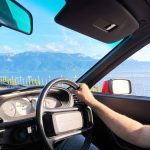
I remember the summer of 1976 very well. I was driving a Spitfire Mk3 and took my girlfriend of the time, to the Elan Valley to look at the low water levels in the reservoirs. The photograph taken by my girlfriend shows me sat in the car in a typically 70s look.
Being a ‘poor’ student, I wouldn’t have been able to afford a new car, but the Porsche 924 would have been my choice, and I now have a stripped out racer of 1986 vintage, which is fun to drive on the track.
Nice to see the Alfasud get a decent mention. Much maligned, often overlooked.
Pity about the header photo, though…
The car of the time was any MG. The “thinking man” had not yet evolved to needlessly obsess over other cars. The press damned the TR7 with faint praise, but since it rusted faster than it went, that was fair enough.
The Lotus Esprit in the picture is not 1976 if the reg was linked to the car in that year! It is on a yellow Esprit, but 1982.