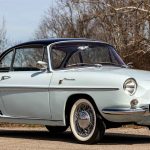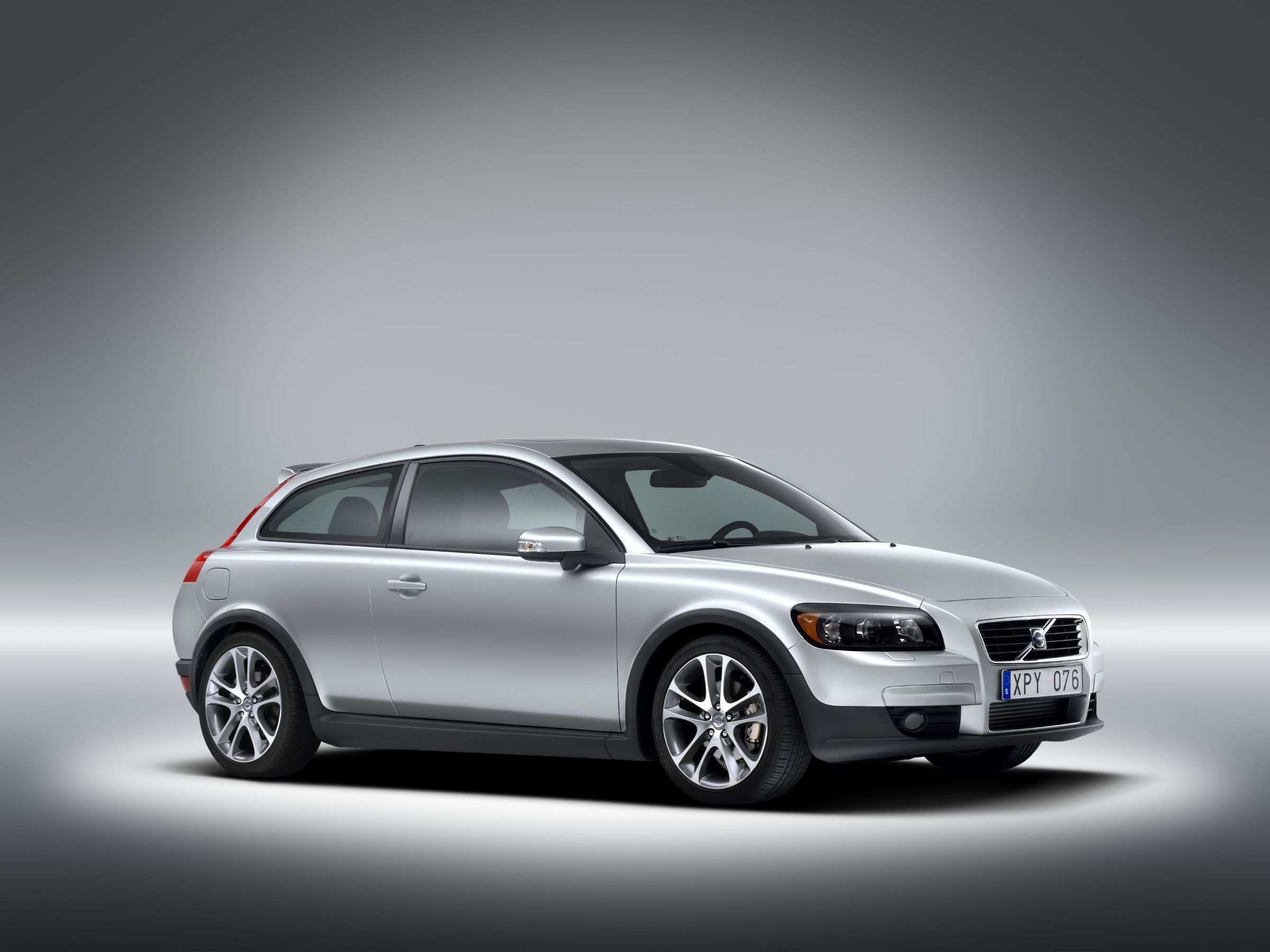
Spend any time in the more ‘unexceptional’ corners of the automotive internet and you’ll find a lot of love for Volvos. The Swedish brand’s practical, mostly hard-wearing, handsome and generally relaxing offerings fall into a bit of a sweet spot for low-budget enthusiasts once they’ve depreciated to a certain level, and with a healthy fanbase willing to help diagnose problems and source parts, they tend to be pretty easy to look after too.
Right now you’re probably picturing the usual suspects: the 240s, 850s, V70s, and more recently the XC90 – big and eminently loveable family cars that lope along in a relaxing manner and don’t recoil in horror the moment you ask them to drive through a salty, slushy winter. It’s relaxing even just thinking about them.
There’s one Volvo though which treads a slightly different path: the C30. Launched in 2006 it stems from a slightly different branch of Volvo’s heritage, counting cars like the svelte 480 and P1800 in its lineage, rather than sturdy old tank-like family wagons. It’s not that the C30 was impractical, flimsy or unreliable, but style was certainly a higher priority here than with most Volvos – and we reckon that gives it an edge as a potential future classic.
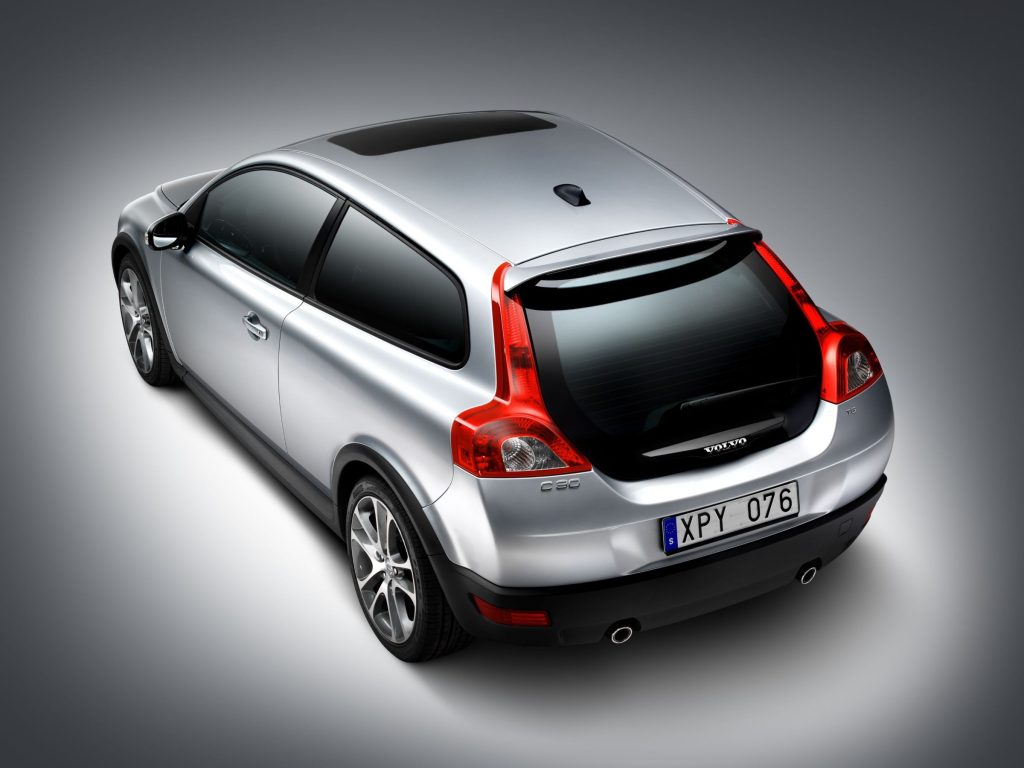
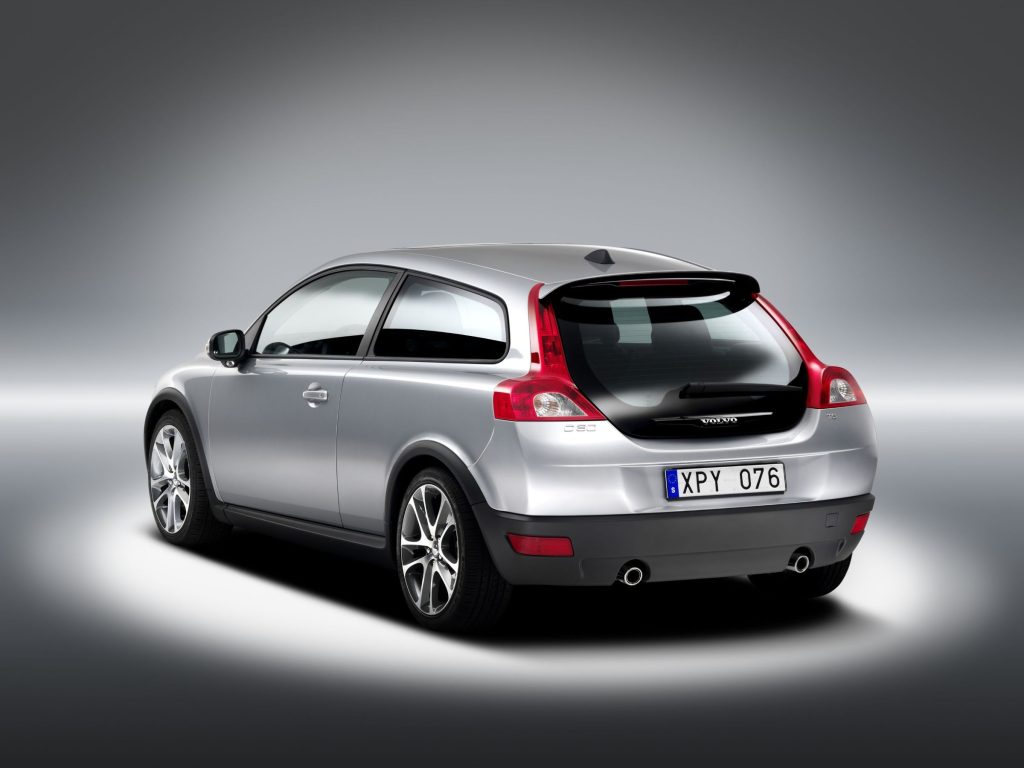
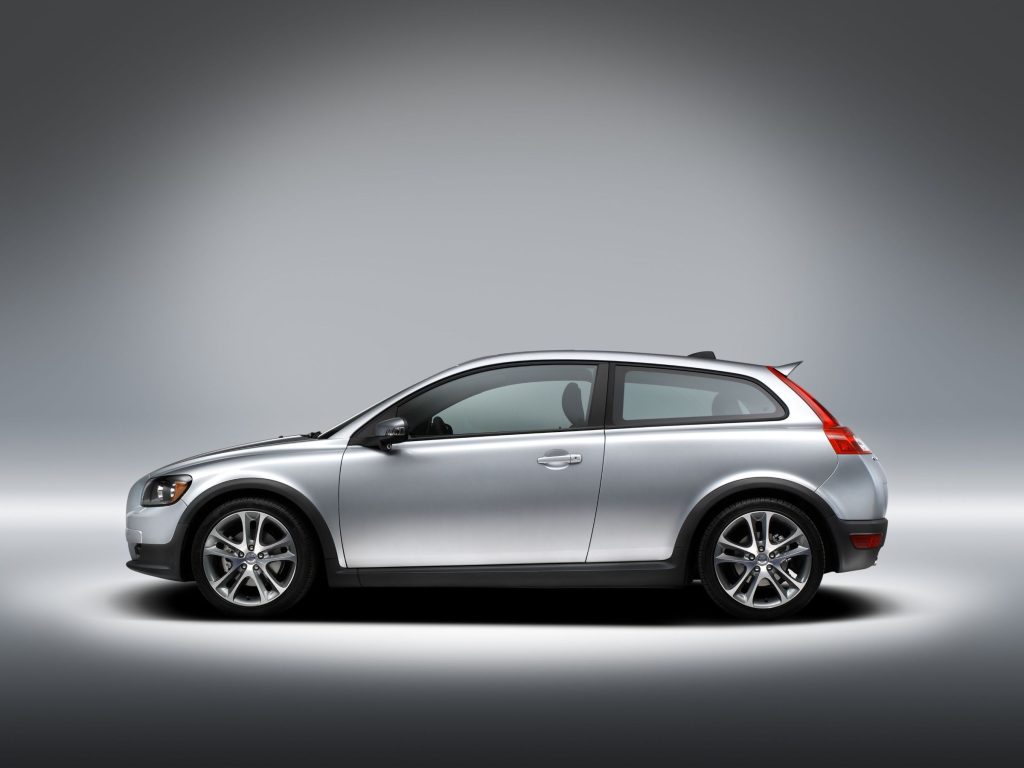
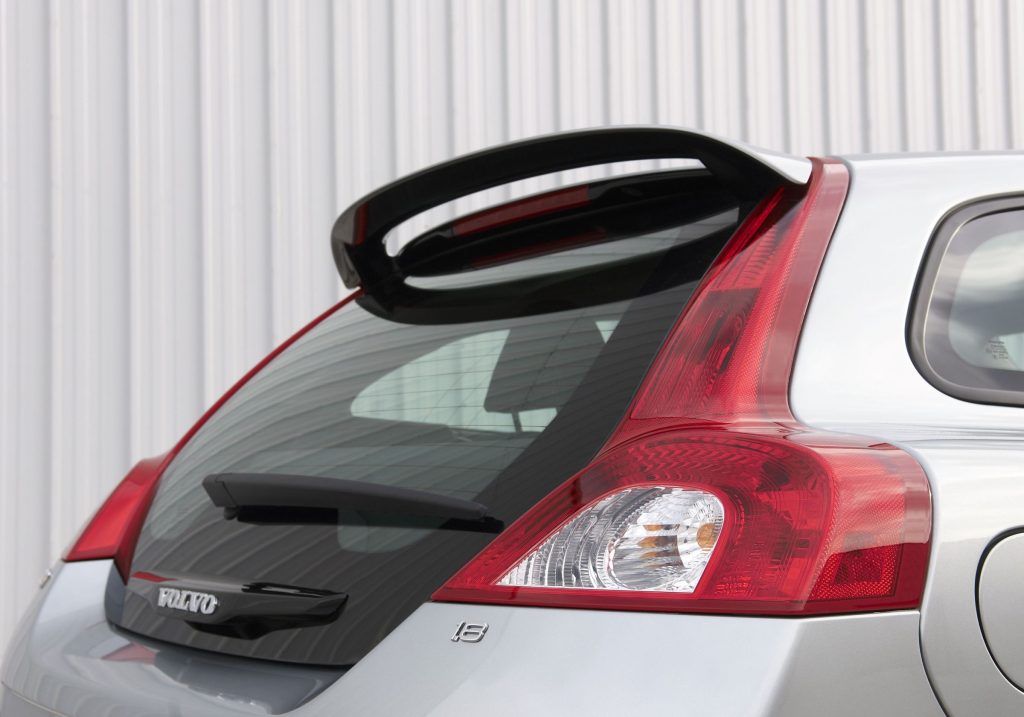
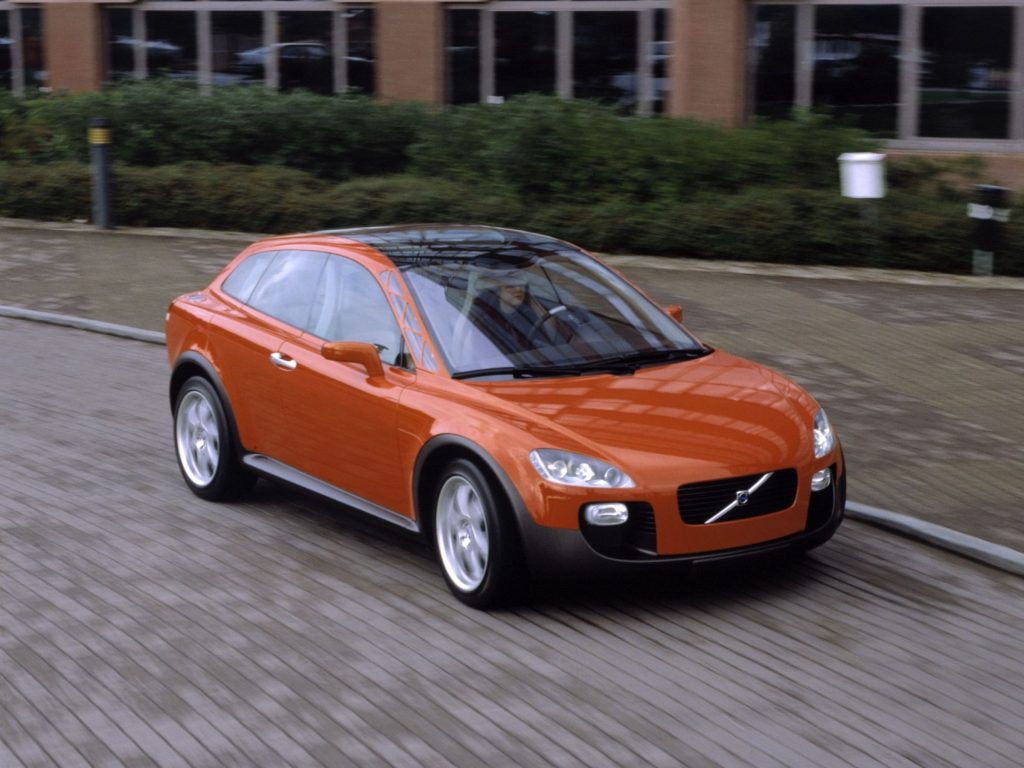
The aforementioned P1800 (in ES form) and 480 carried through to the C30’s distinctive glass tailgate, but the overall shape came from 2001’s SCC concept. The Safety Concept Car was, as the name suggests, a bit of a shop window for some of the tech Volvo was exploring to bolster its reputation for protecting occupants.
As such the modestly-sized SCC was absolutely packed with safety features, from technology that has since become standard on most modern vehicles, like headlights that turn with the wheel and a forward collision warning system, to more whimsical details such as the trellis-like A-pillars that incorporated small windows to the benefit of visibility.
In terms of design, the production car that arrived five years later was admirably close to the SCC. The front end was closer to the S40 and V50 that arrived in 2003 and formed the basis of the C30’s platform (which, on Ford’s ‘Global C-car’ underpinnings, was also related to the contemporary Focus and Mazda 3), but the rear was taken almost wholesale from the concept, with a one-piece glass hatch nestled within the wraparound rear light units.
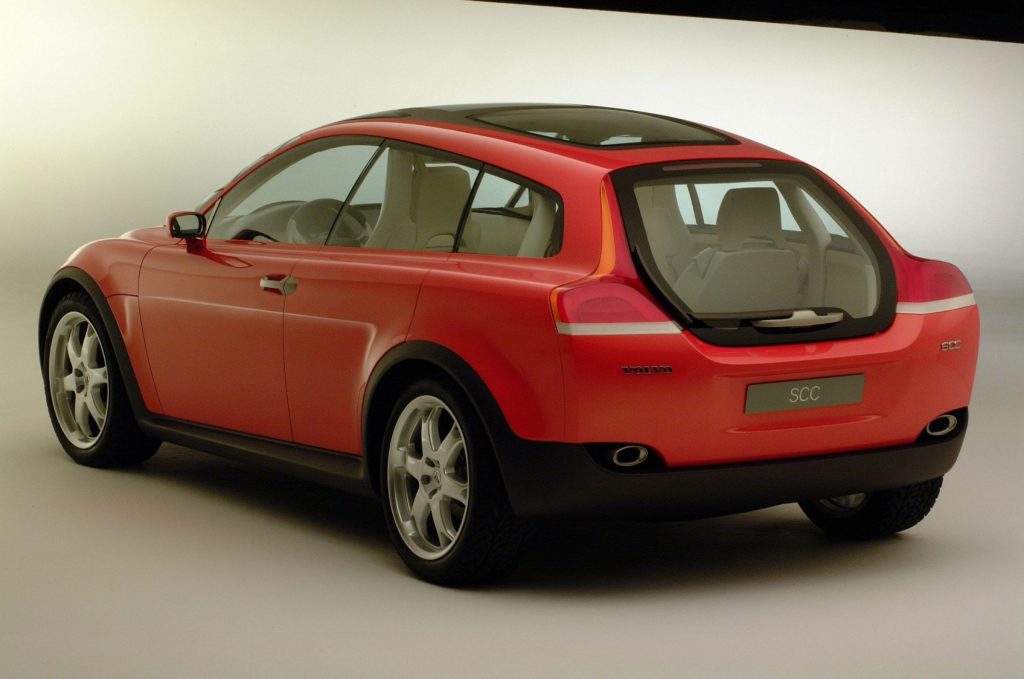
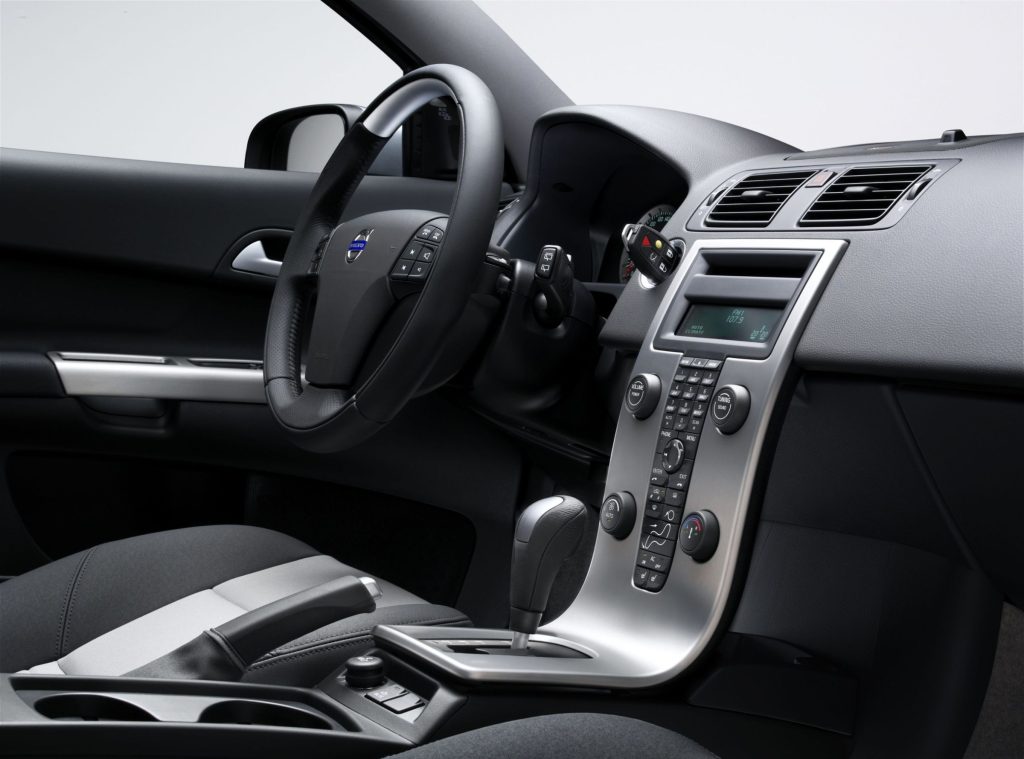
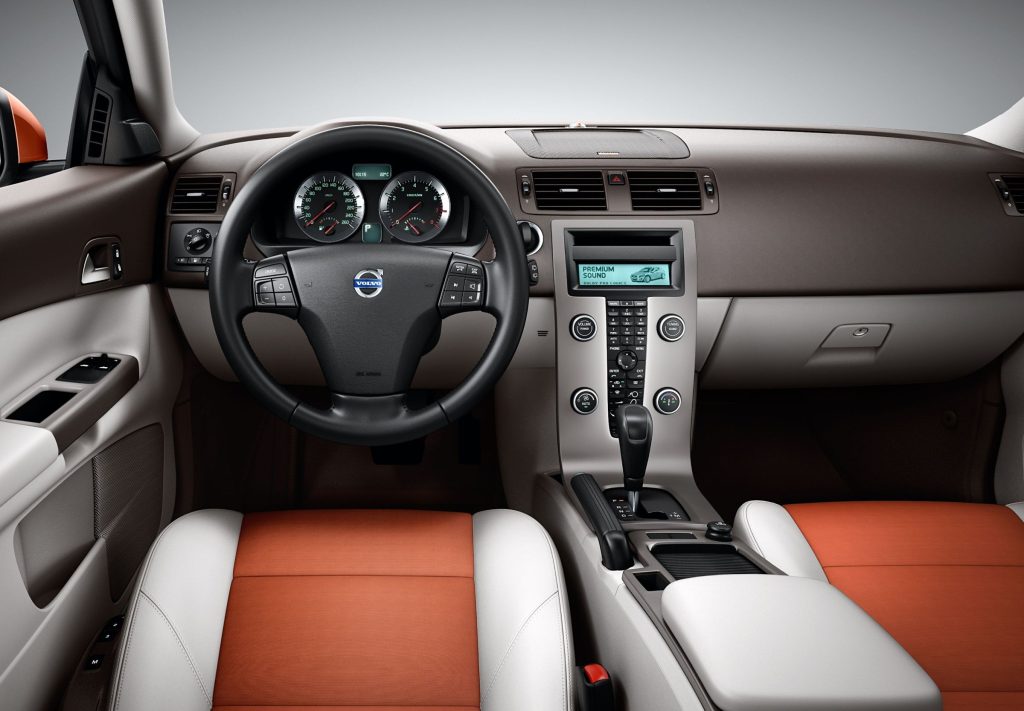
The dashboard was lifted largely wholesale from the S40 and V50, though these in turn had been influenced by the SCC themselves, with a striking ‘floating’ centre stack that was among the 2000s’ more striking interior features. In most C30s this was trimmed in an oh-so-2000s silver finish, though the optional ‘Nordic Oak’ gave the cabin a warmer feel, and is surely one of the better uses of wood trim in a post-2000s vehicle. The rear seats, meanwhile, were individual units and left a gap through to the boot, just like the SCC.
That similarity to the Focus and Mazda 3 meant the engine and transmission range largely echoed its overseas counterparts, with a range of petrols and diesels. Five cylinder engines still made an appearance too: the range-topping T5 petrol was pinched by Ford for its Focus ST, while the C30 and its Volvo siblings were unique in getting a five-pot turbodiesel too. Customers couldn’t expect Focus-style driving dynamics though, with Volvo tuning the C30’s chassis in a more traditional manner, prioritising comfort over precision. Autocar placed the T5 comfortably behind a Mk5 VW Golf GTI in a 2006 twin-test, calling it ‘devoid of any real flair or sparkle’.
Today though that doesn’t really matter so much. Partly because if you’re a Volvo enthusiast with a thing for taking corners, then it’s not too hard to tap away at your keyboard and have one of umpteen companies send new suspension, tyres, and other tuning bits your way for something a bit grittier. C30s aren’t unusual as trackday cars, and before the brand was turned into an electric-only concern, Polestar campaigned C30s in the Scandinavian, Swedish, and World Touring Car championships for several years, so it’s far from inept.

But the C30’s real strength is in combining the traditional Volvo values we mentioned at the top, with its own quirky styling and compact proportions. If you like Volvos but don’t want to roll around in a bus, the 4.2-metre long C30 is one of very few options.
The wide engine range is a boon too. As we write the diesels don’t look so hot, given the rapidly escalating price of the fuel, and the smaller 1.6 diesel found in the eco-conscious DRIVe model (with some of the coolest flat-faced alloys you’ll find anywhere) can be tricky to fix when it goes wrong.
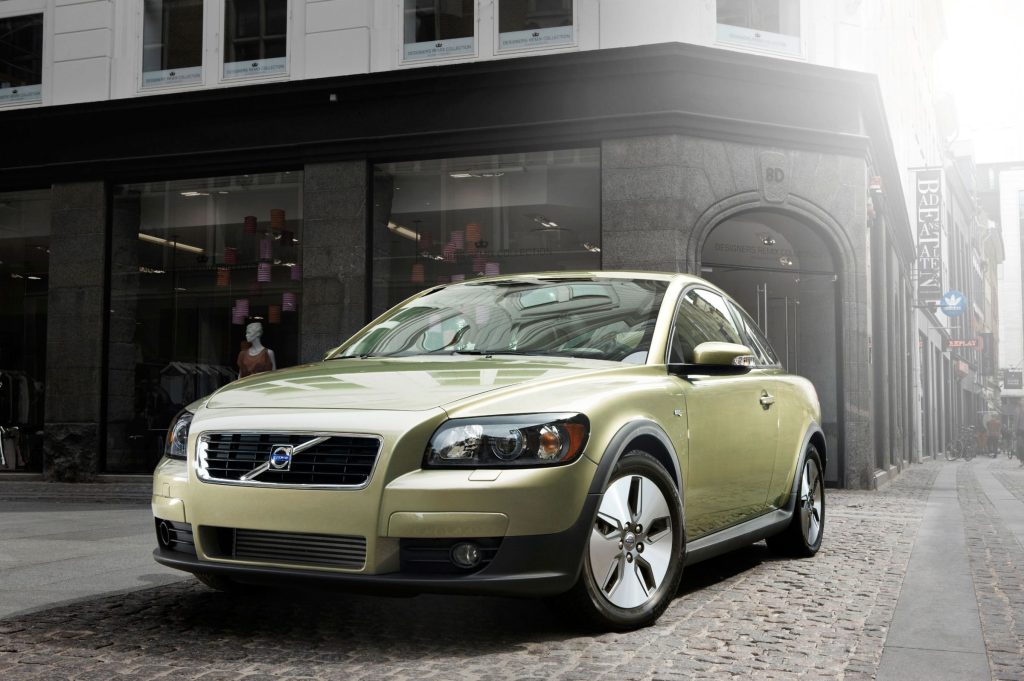
The petrols though make plenty of sense, with the 1.8 and 2.0 in particular being very similar to those used in, among others, the third-generation Mazda MX-5 – a car with a pretty stellar reputation for reliability. 40mpg should be within reach for each too, so everyday running costs shouldn’t be too high. Not so much for the turbocharged five-cylinder, but if you can stand the higher fuel bills, it too is solid, and the five-pot engine note and grunty performance have their own appeal.
There were some pretty good colour and trim combos over the years too, including the option for contrasting paintwork on the body mouldings at the bottom of each bumper and the sills, and over each wheelarch. We’d not normally advocate for a dull paint hue like silver or white, but paired with a Java Metallic or Shadow Blue body kit, and set off by a suitably Scandinavian light interior, you can end up with something quite striking. Some of those options continued through to the 2010 facelift, though with its stretched-back headlights, the later C30 lost some of the visual restraint of designer Simon Lamarre’s original.
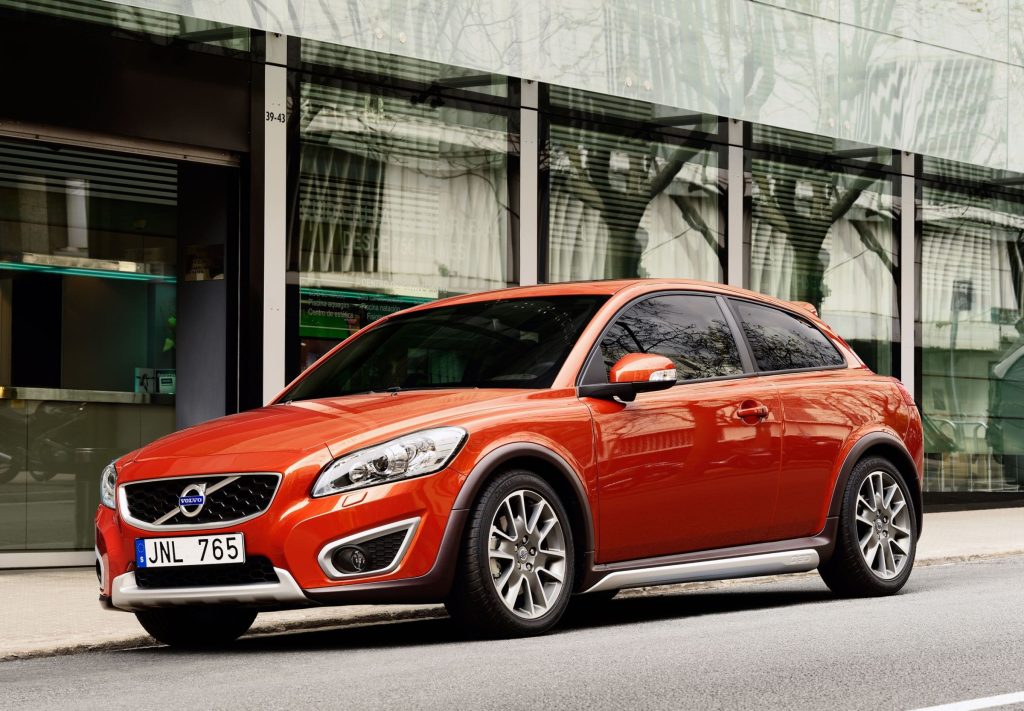
So the C30 too falls into that Volvo sweet spot, despite not being much like a traditional Volvo. Affordable, with prices currently starting well under £2,000, relatively easy to look after, built to last, and uncommonly stylish, surely it’s set to become one of Volvo’s more coveted 2000s-era models over the coming decades.
Do you own or remember a Volvo C30, or would you take one on as a future classic? Tell us in the comments which engine and colour combo you’d pick.
Insure your classic with a specialist insurer
If you’re looking for cover for your pride and joy, why not consider Hagerty UK? Not only are we classic car insurance specialists, but we are enthusiasts at heart. Call us for a quote on 0333 323 1138.