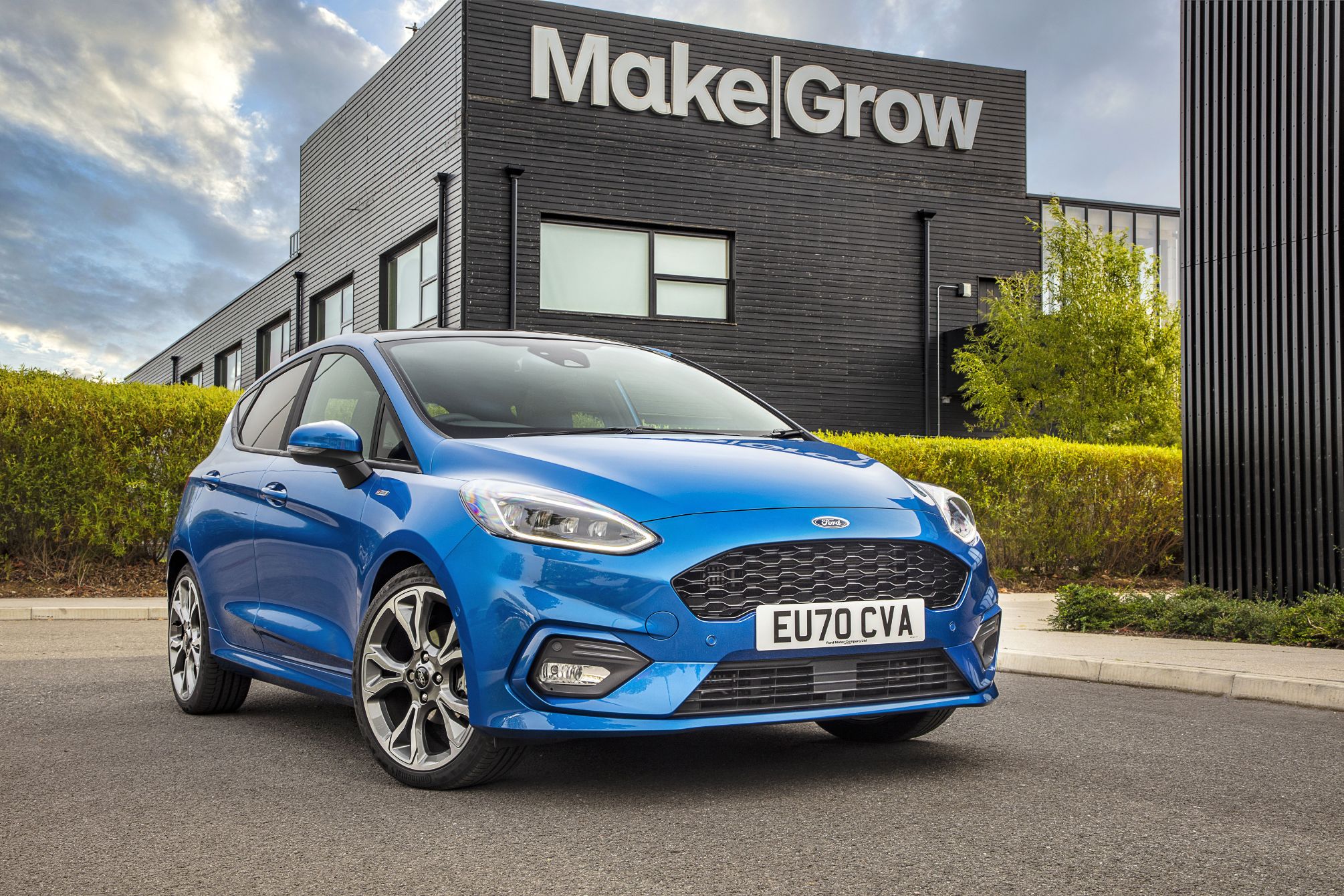
Britain’s favourite small car celebrates its half-century with news of a comeback – but we prefer the old ones…
Fifty is the new forty, apparently – given that life expectancy in the UK is longer than ever, and those who are middle-aged behave and dress more youthfully than their parents ever did.
Most of them have probably had a Ford Fiesta at some point, too, or if not will certainly have ridden in one, or had a family member or friend who has owned one. After all, it has seen eight generations, and over 20 million total sales. That’s a record that needs celebrating.
The first Fiestas hit the road in the long, hot summer of 1976 – though it would be January 1977 before the model became widely available in the UK due to demand outstripping supply in most of mainland Europe.
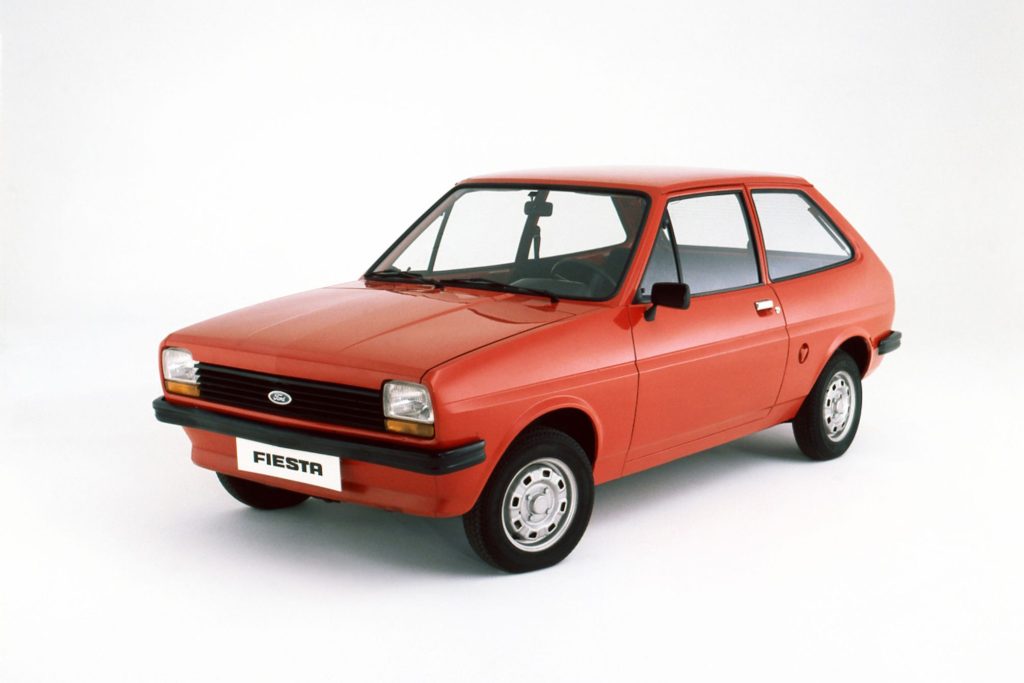
The Mk 1 Fiesta was also Ford of Europe’s first truly collaborative car. Codenamed ‘Bobcat’. Much of the engineering work was carried out in Cologne, Germany, and Dunton, Essex, and it was the smallest car ever made by Ford. Engines were built in the UK and Spain, transmissions in France, with final assembly at both Dagenham in Essex and Valencia in Spain.
Development of the model began in 1972, after the Fiat 127 and Renault 5 were well received by the motoring media, and went on to become hugely popular, thus proving that small hatchbacks had their place.
The Fiesta was also to be Ford’s first mainstream foray into front-wheel-drive. It had experimented with it in the Taunus 17M in Western Europe in the mid-1960s with limited success – but the Fiesta would be the car that set the precedent for all of the brand’s future compact car packaging, in Europe and beyond.
Over the years, it was sold variously in Europe, Asia, the USA, Japan, South America, India and Africa, making it one of Ford’s biggest worldwide nameplates.
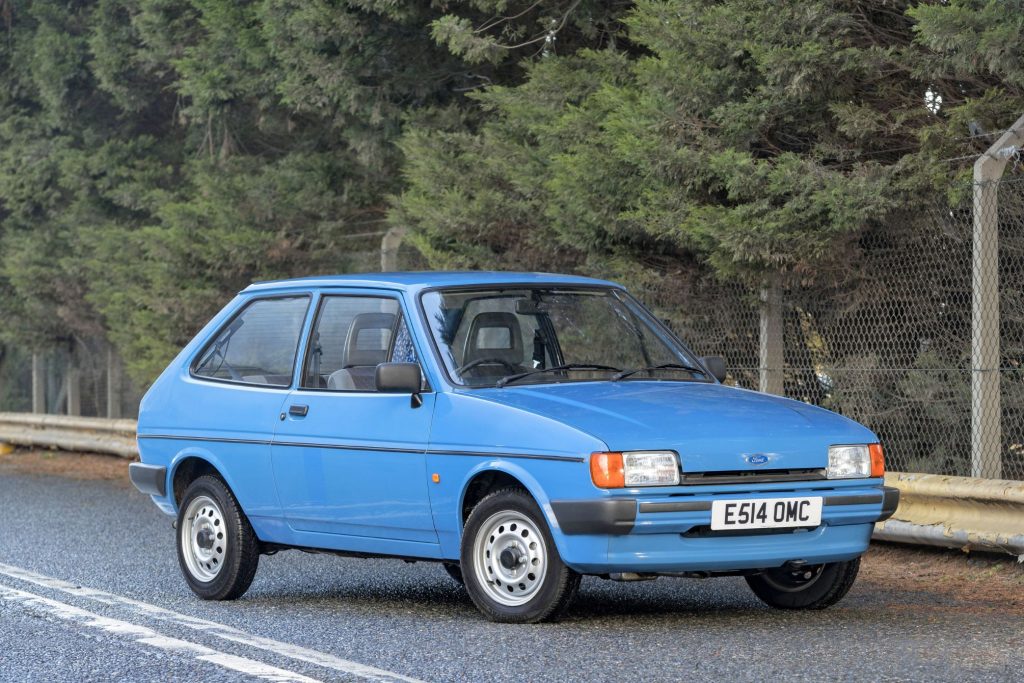
Styled by Dutch-American Tom Tjaarda at Italian styling house, Ghia (yet more global flavour thrown into the mix), the Fiesta quickly found favour as one of the smartest and most modern small car designs. Indeed, in 1984 when the Mk 2 Fiesta appeared, the Mk 1 still looked pretty contemporary alongside the likes of the Austin Metro and Vauxhall Nova, both of which were much newer designs.
Back at its launch, however, 1984 was still a long way off, and the Fiesta had plenty of fans to win over, most of whom were traditionally used to simple rear-drive three-box saloons. Was convincing them to buy a smaller car, with front-wheel-drive and a hatchback going to be easy?
The answer was a resounding yes. The Fiesta was an instant hit. Initially available in Europe with 957cc or 1,117cc versions of the Valencia engine, itself a development of that found in the Anglia, it came in Base (read, thoroughly miserable), Popular, Popular Plus, L, GL, Ghia and S trims, while a van was introduced later.
The first sporting Fiesta came along in late 1979, for the 1980 model year, and was badged ‘Supersport’, complete RS four-spoke alloys, mesh headrests and lairy seat fabrics. The Supersport was powered by the 1.3-litre Kent Crossflow engine, making it extremely easy to tune.
From then onwards, hot Fiestas would be a permanent fixture of the range. The first XR2 appeared in late 1981, and was powered by a 1.6-litre version of the Crossflow, making it an arguably better car than the Mk2 XR2, which came along in 1984 and was powered by the CVH engine, which was never regarded as Ford’s finest hour. The Mk 2 XR2 was a huge success, though, as it looked fantastic on its pepper-pot alloys, with wide arches, and was perfectly aligned with the Eighties love for hot hatches, even if it wasn’t the best of the bunch to drive.
Indeed, no Mk 2 Fiesta was a thriller. The model was really little more than a facelift, with an identical bodyshell and new, rounder panels for the front and rear. New seats and a full-size dashboard gave it a much more modern feel inside, but the basic car was little different from that which went before. The powertrains in smaller engine variants were unchanged, though the 957cc unit was only offered in the Popular (which, although its name suggested otherwise, wasn’t…). Further up the range there was a 1.3 Kent engine, and new for the Mk2 were Ford’s CVH units in 1.4 (Ghia and semi-sporting S) and 1.6 (XR2) capacities. There was also a 1.6 diesel, for those who liked their motoring properly miserable.
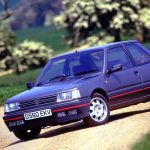
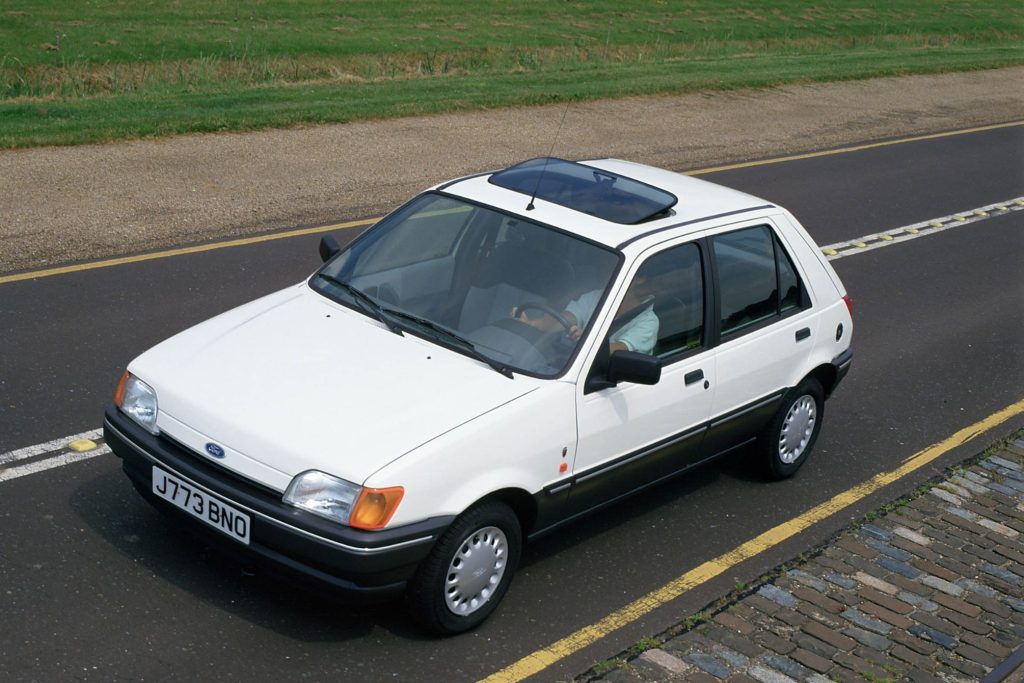
In 1989 came the biggest change since Fiesta’s introduction, with the launch of the Mk 3. This answered one of the biggest criticisms of its predecessor by bringing in a five-door body shell; something the Peugeot 205, Rover Metro, Fiat Uno and Vauxhall Nova already offered.
It also came with a much more modern look, with an aerodynamic nose and distinctive trapezoid profile. The interior was vastly improved and made into a much more civilised place to be. Indeed, the Fiesta had grown up somewhat – albeit at the expense of driver appeal. The Mk 3 was never a great car to drive, but it was a massive showroom success.
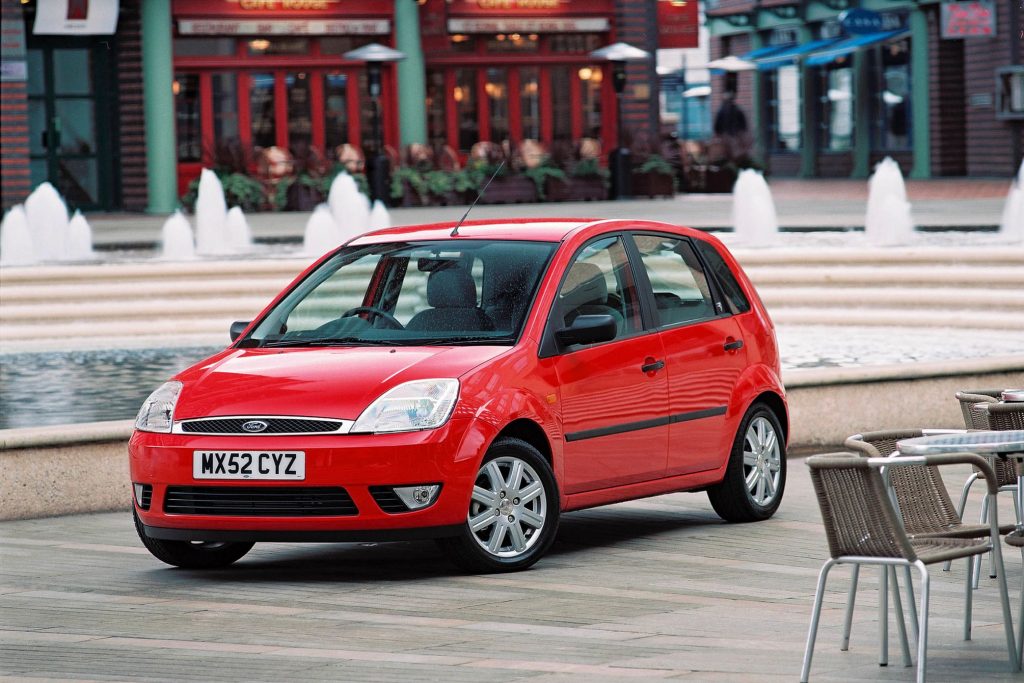
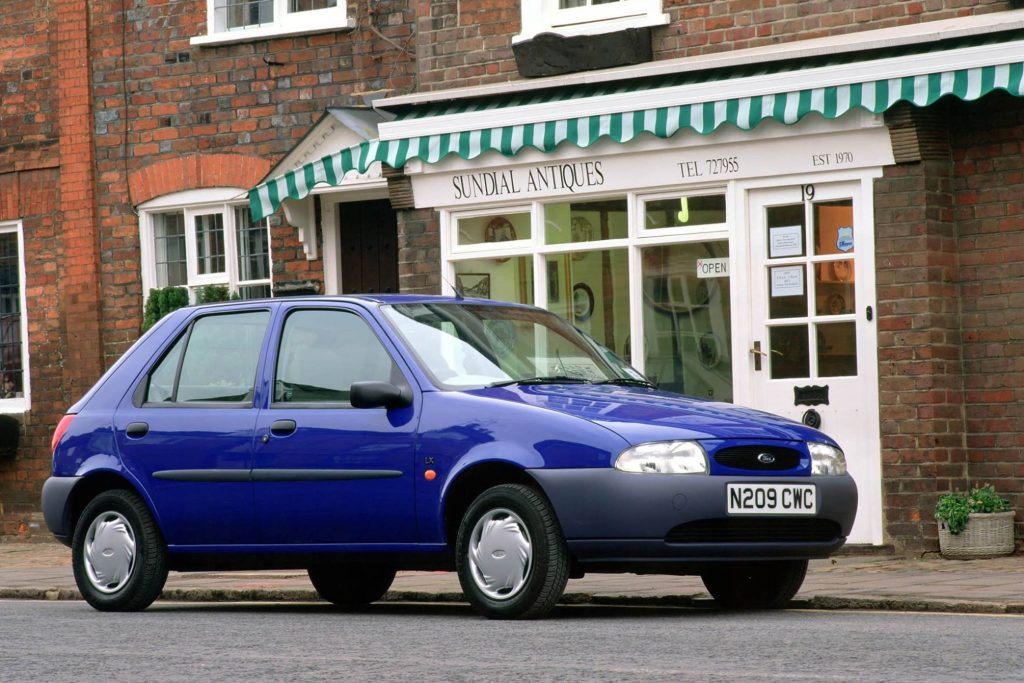
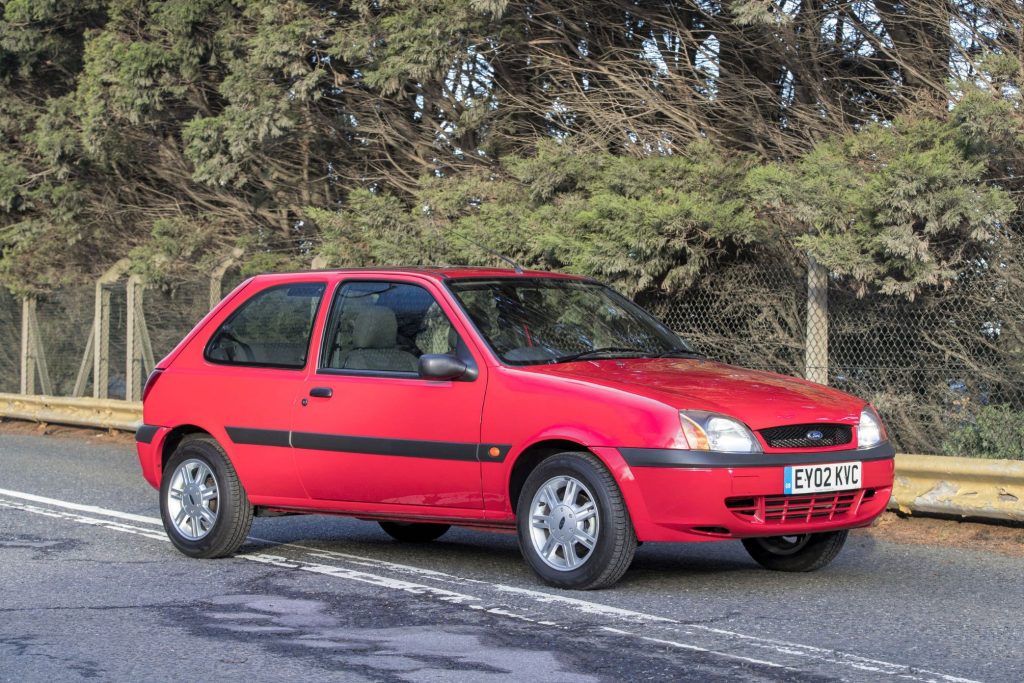
The basic Mk 3 bodyshell remained for both the Mk 4 and Mk 5 Fiestas that followed, although these were significantly sharpened up in the handling department, along with a fabulous 1,25-litre engine co-developed with motorbike-maker Yamaha, plus the wonderful Zetec-S hot hatch, before the Mk 6 came along in 2001 to move the game on further. The Mk6 had its interior conceived by a female designer for the first time in Ford’s history, and it was well thought-out, with more storage areas than most of its contemporaries.
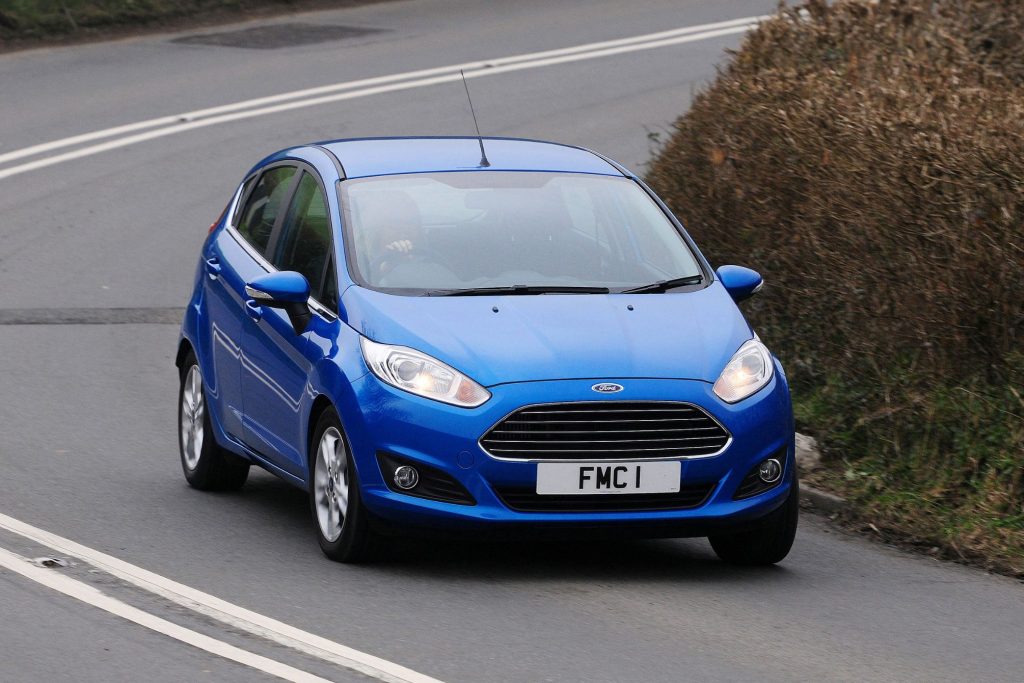
In 2008, we got Fiesta Mk 7, which ushered in a new era of connectivity and efficiency. With a dynamic design inspired by Ford’s ‘kinetic’ styling language, the Fiesta was bigger and more refined than ever, while dynamically it was the sharpest car in its class. The Mk 7 also so the introduction of the award-winning EcoBoost 1.0-litre turbo petrol engines, which were lauded for their incredible performance for their size.
Advanced connectivity features, such as Bluetooth and touchscreen infotainment also made their debut, and evolved quickly as cars became increasingly digitised.
Then, in 2017, came the Fiesta Mk8, which remained on sale until 2024 – by which point the supermini market had dwindled as customers migrated towards small SUVs, the Ford Puma taking its position as the UK’s best-selling car.
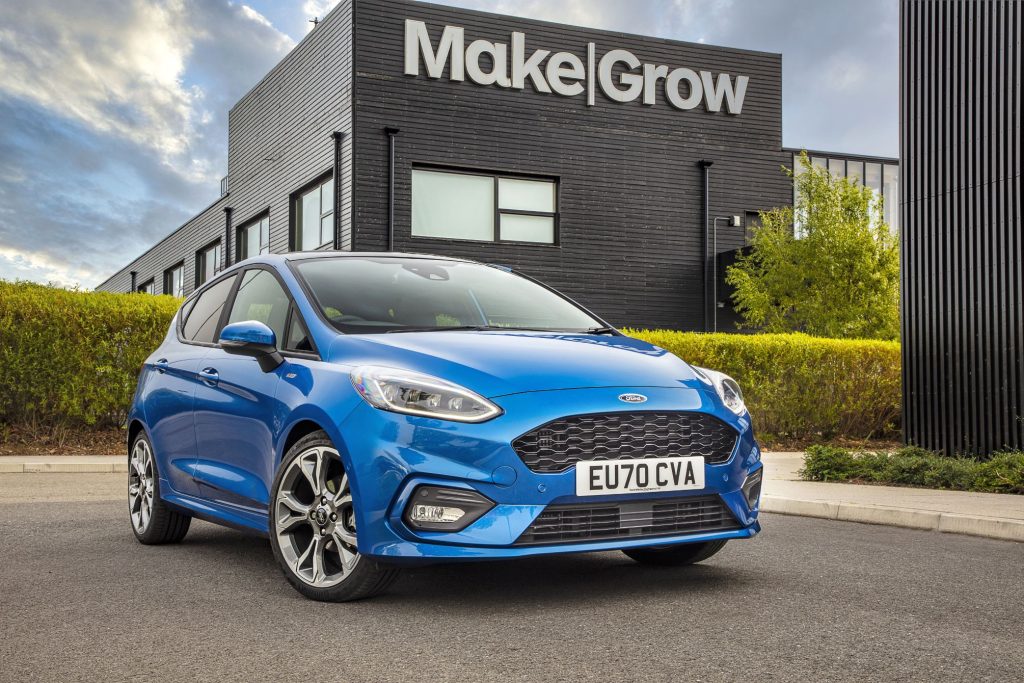
With cutting-edge safety features, advanced driver assistance systems, and refined interiors, it was a technological leap compared with earlier models, while still being great to drive.
But the Fiesta story doesn’t end there. At the start of its 50th anniversary year,
Ford confirmed plans to revive the Fiesta name with a new electric model. This upcoming Fiesta will be based on a Renault platform, shared with thew retro-styled R5 and expected to launch in late 2027 – taking the UK’s favourite Ford into a brave new era.
Have you owned or loved a Fiesta? Tell us about it in the comments.
Insure your classic with a specialist insurer
If you’re looking for cover for your pride and joy, why not consider Hagerty UK? Not only are we classic car insurance specialists, but we are enthusiasts at heart. Call us for a quote on 0333 323 1138.