Pretty, rear-engined and in no hurry, the Floride turned Dauphine hardware into affordable glamour
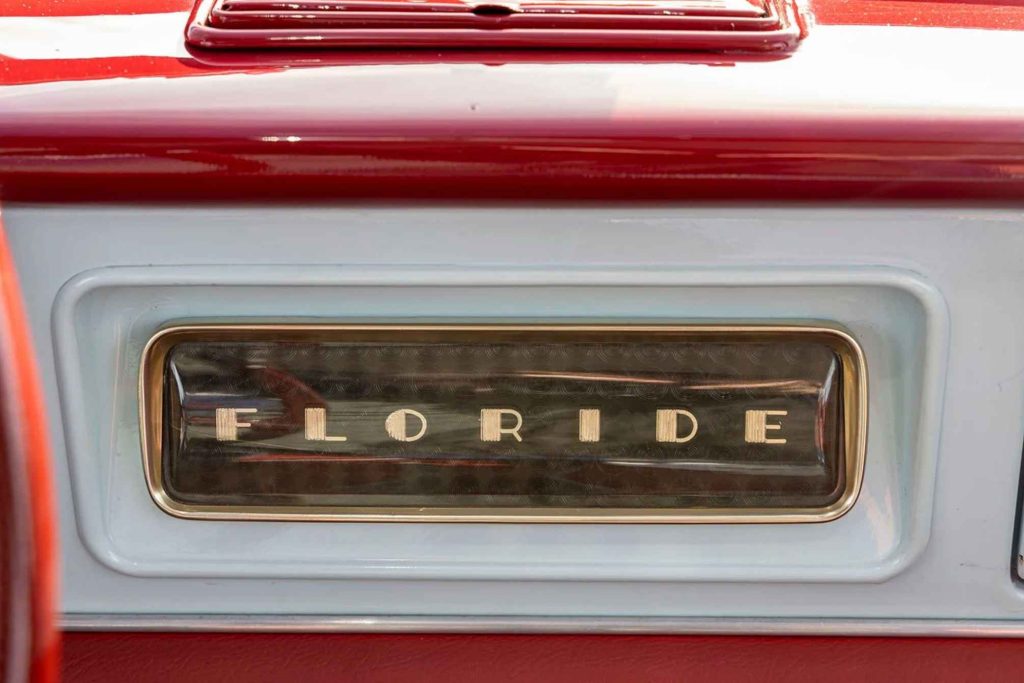
By the late 1950s Renault had become very good at building sensible cars for people who regarded extravagance as a suspicious foreign habit. The Dauphine was selling strongly, including in America, but dealers wanted something prettier to tempt buyers away from Volkswagen’s Karmann Ghia. Pierre Dreyfus approved a glamorous derivative using familiar mechanicals, Ghia received the styling brief and Pietro Frua supplied the shape. Unveiled at Paris in 1958, the Floride offered coupé, cabriolet and convertible forms. It promised Riviera sophistication without requiring Riviera money, although Dauphine foundations kept its pace closer to promenade than autoroute, which suited the scenery.
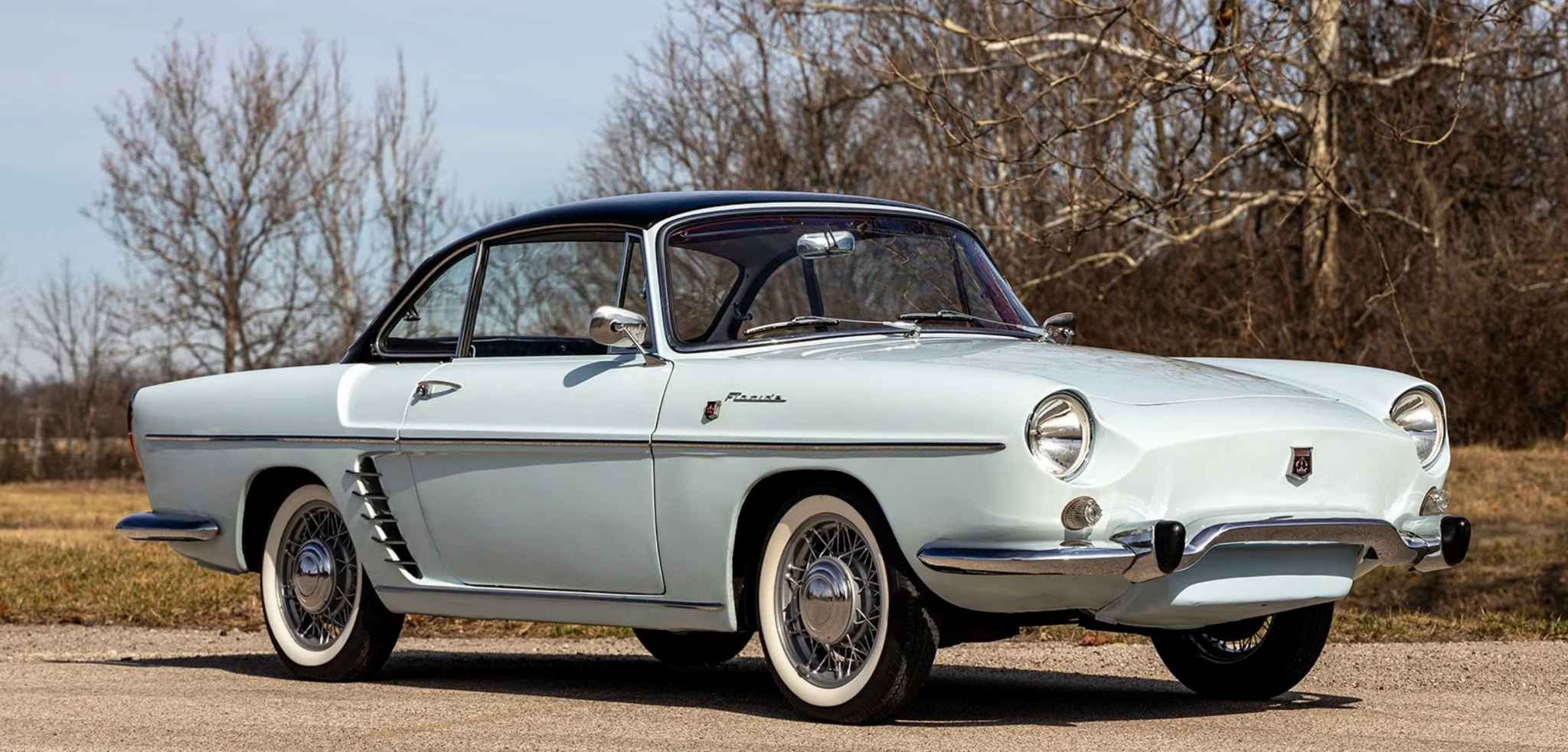
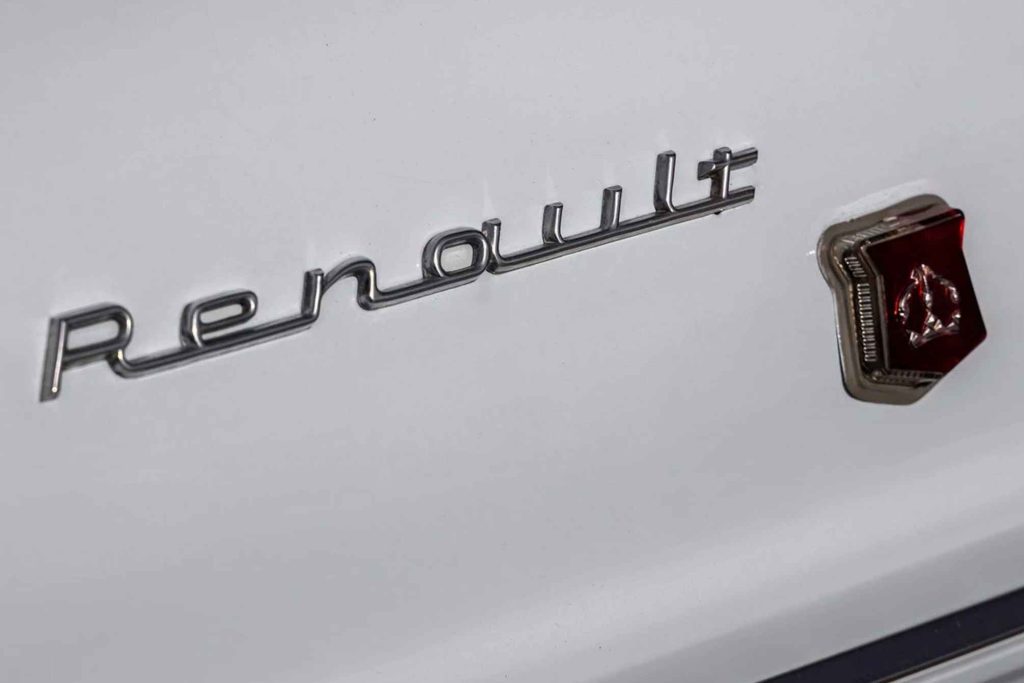
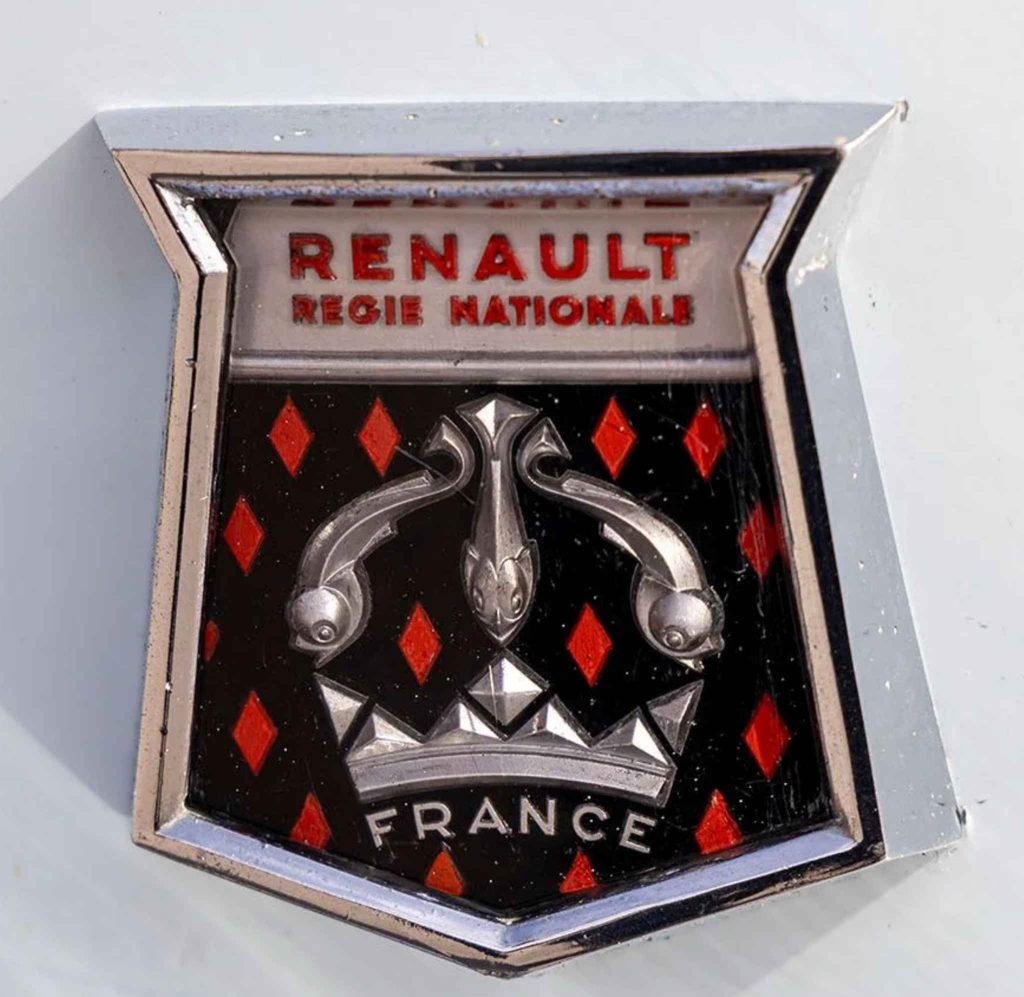
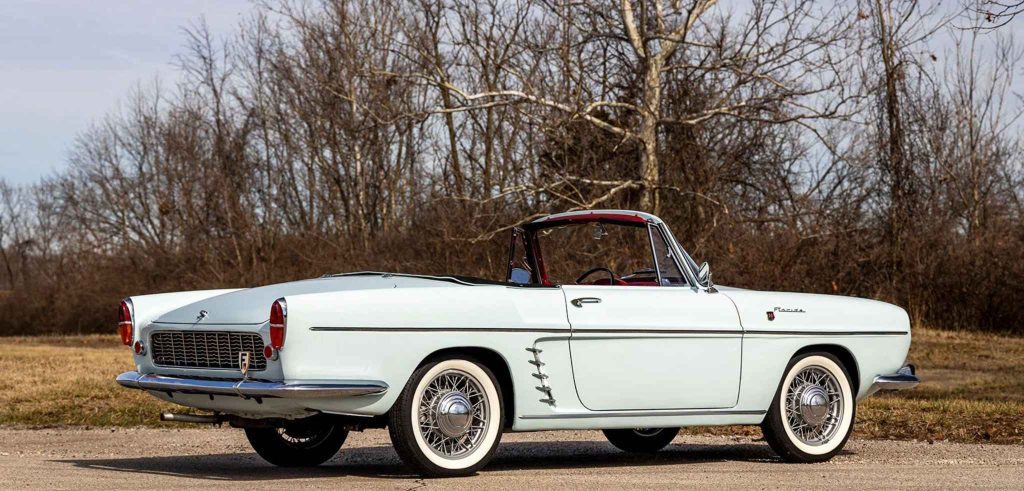
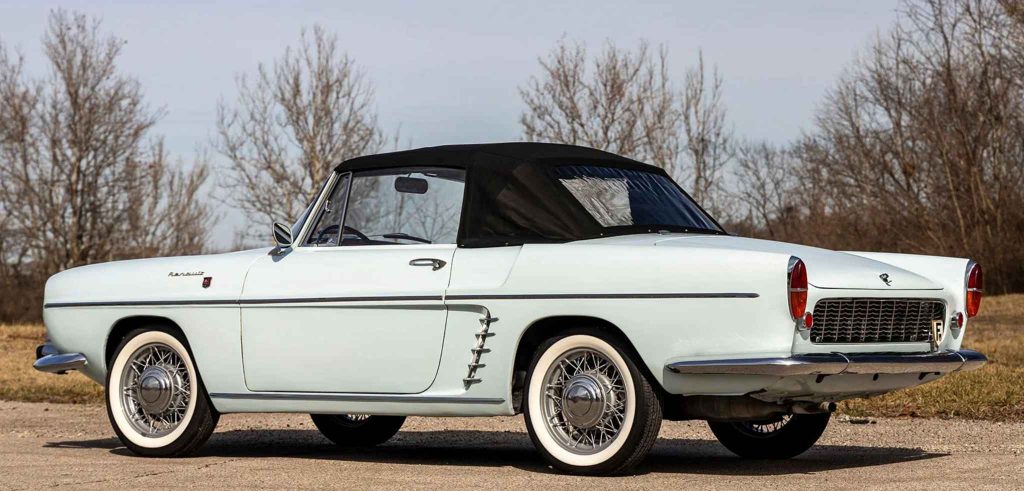
The Floride’s chief trick was making humble hardware look as though it had spent summer learning manners in Saint-Tropez. Frua stretched the Dauphine’s wheelbase visually with long overhangs, a low bonnet and a slim waist, then tucked the engine behind a tail that seemed far too elegant to contain one. There was no need for a conventional grille, so the nose remained clean apart from a modest Renault badge and a pair of round headlamps. The result looked delicate without becoming flimsy, like a scaled-down Italian gran turismo.
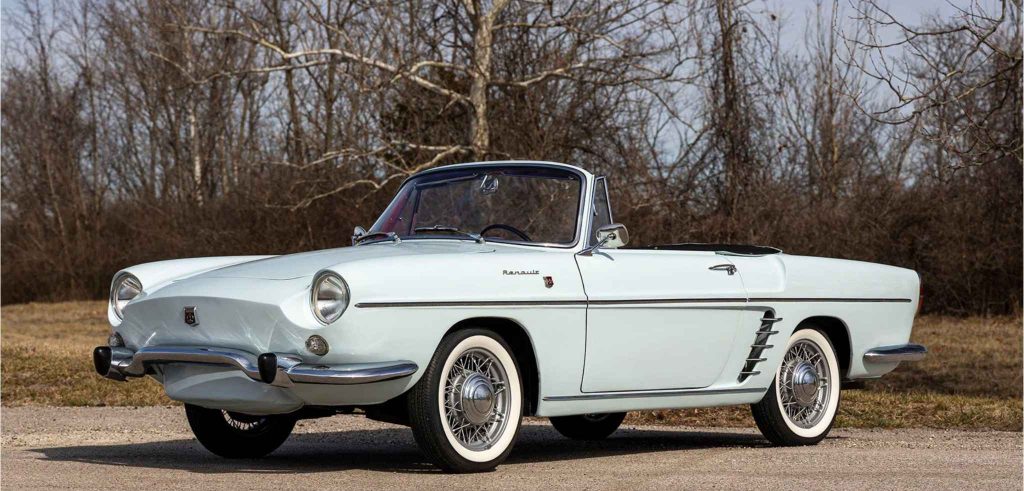
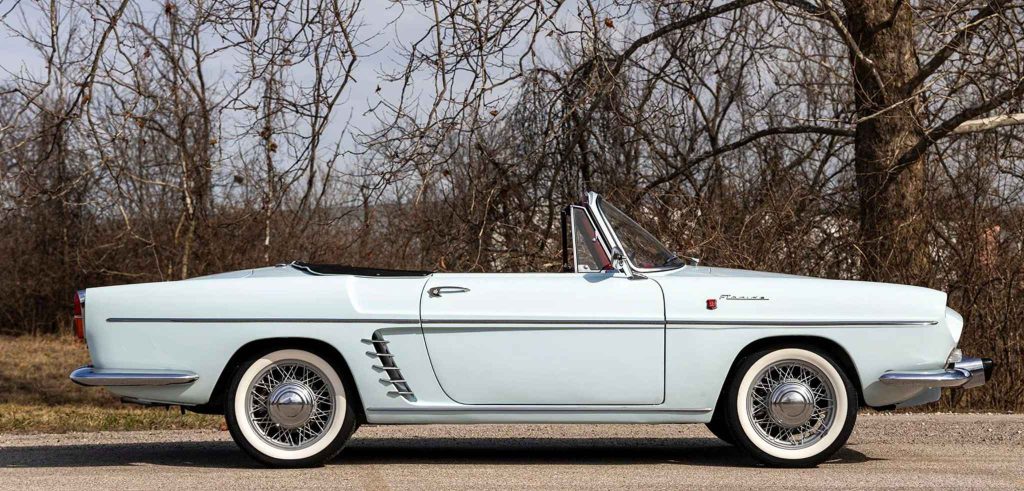
Cooling intakes ahead of the rear wheels broke up the flanks and announced the engine’s location with more grace than the Dauphine’s louvres. A shallow kick rose through the rear quarters, while small fins added just enough American influence to explain why Renault thought Florida was an appropriate name. Chrome traced the bumpers, side mouldings and windscreen surround, but the decoration never overwhelmed the shape. Even two-tone paint usually looked charming rather than desperate.
The three body arrangements caused confusion before Renault began changing the badges. The coupé had a fixed steel roof. The cabriolet used a folding fabric hood, while the convertible combined that hood with a removable hardtop. With the roof removed, the low scuttle and broad cabin made the car seem more expensive than it was.
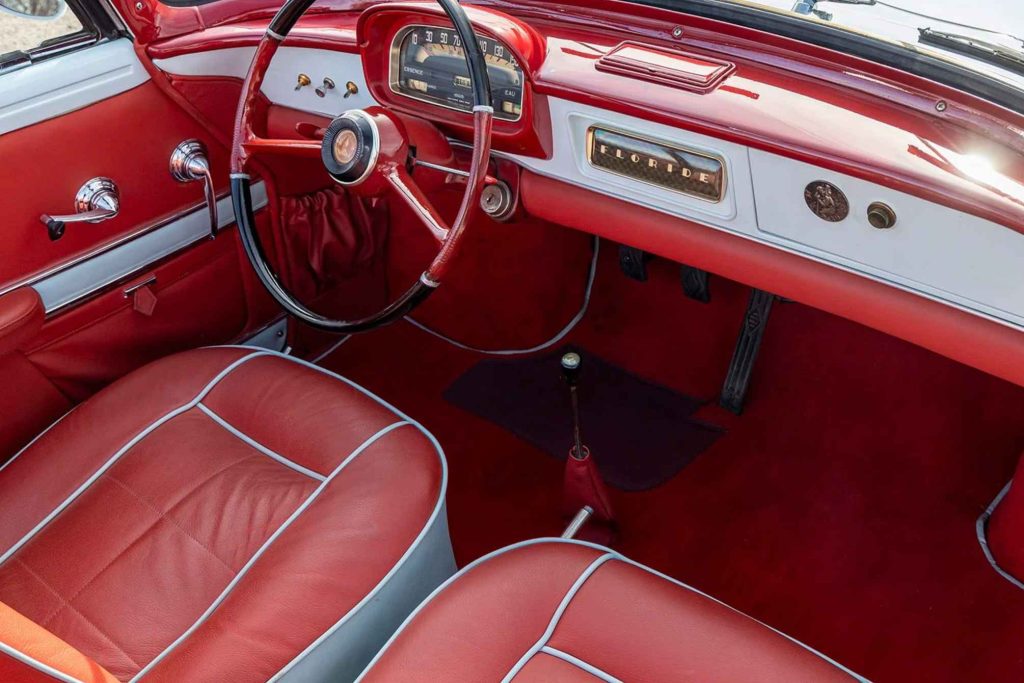
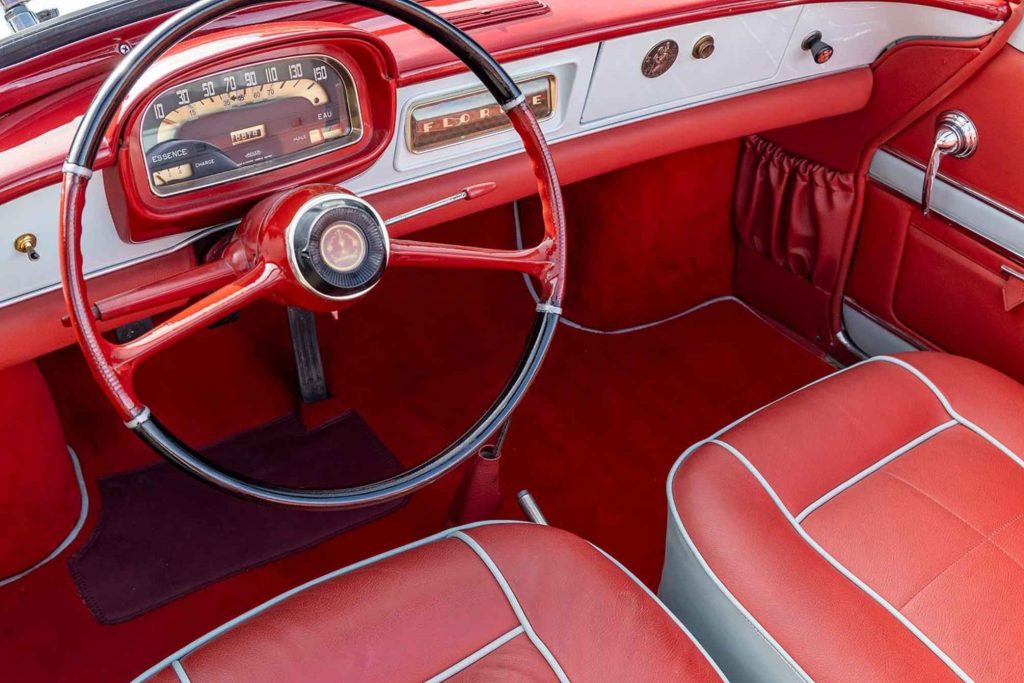
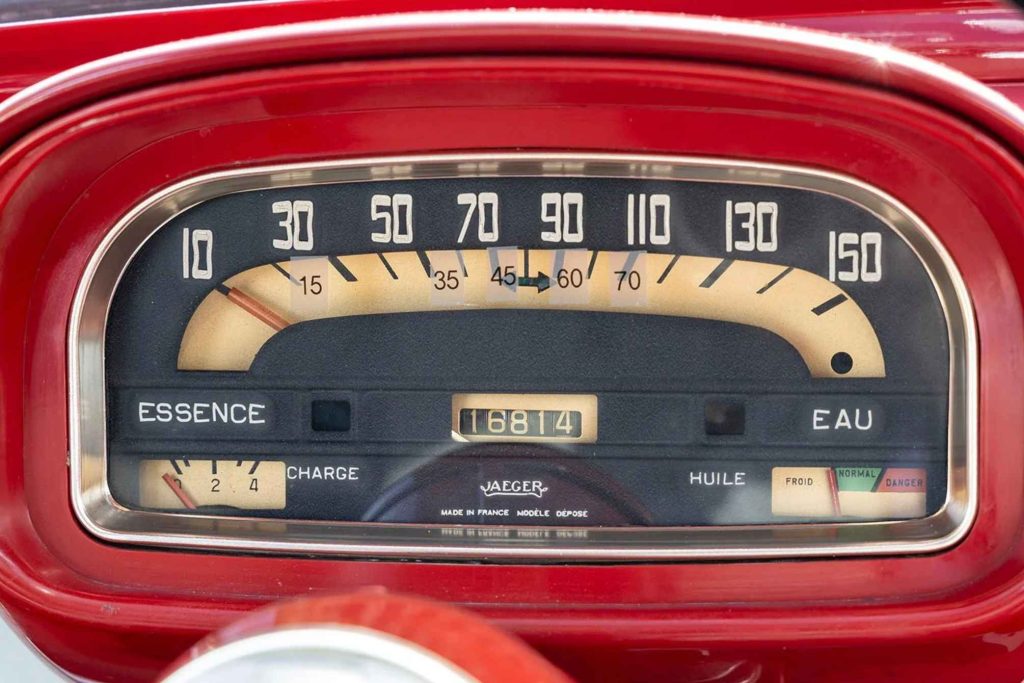
Inside, painted metal, bright trim and a broad two-spoke wheel created holiday atmosphere from ordinary ingredients. The seats were soft, the instruments simple and rear accommodation mostly theoretical. Floride buyers were not purchasing practicality. They were buying the flattering suspicion that every journey might end beside a beach, even when it actually ended outside the boulangerie in drizzle. Few small cars wore fantasy quite so convincingly.
Mechanically, the Floride began as a Dauphine in beachwear. Its rear-mounted 845cc Ventoux four-cylinder used a single carburettor and produced about 40bhp, depending on market and measurement method. Drive passed through a three-speed manual on basic early cars, with a four-speed available and fitted more widely for export. At roughly 800kg, the Renault could reach around 78mph, although acceleration required a good deal of forward planning.
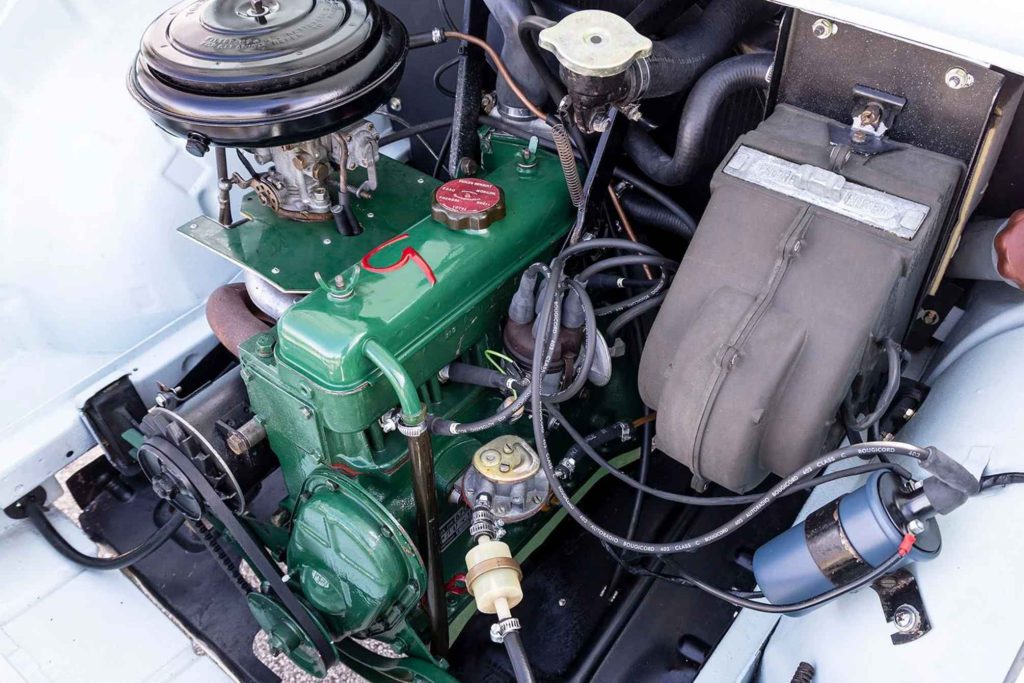
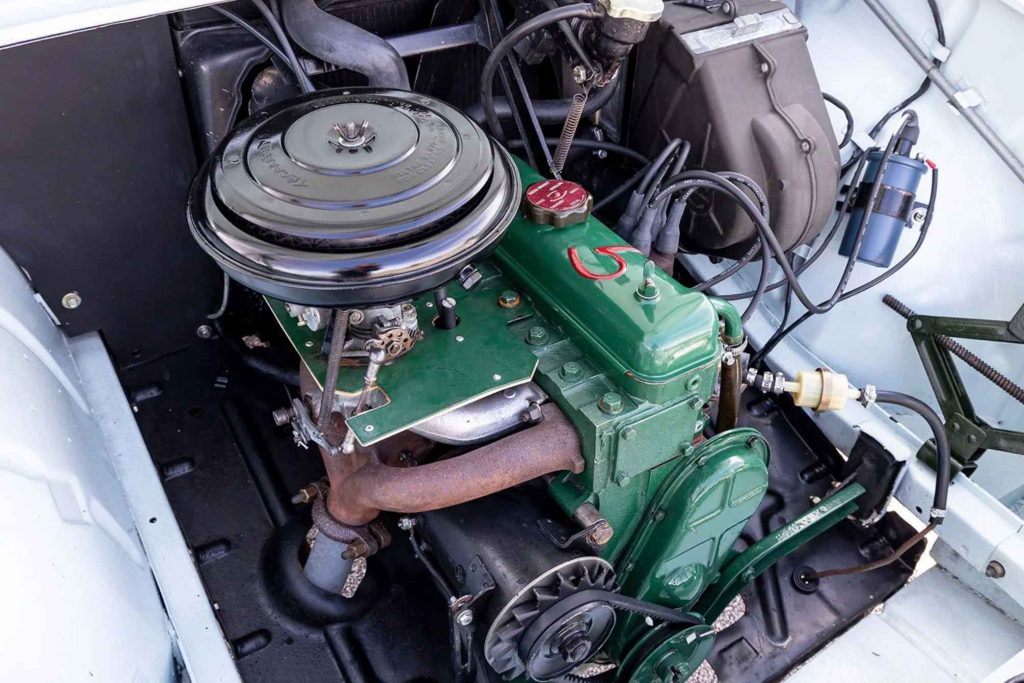
Coil springs and independent suspension sounded sophisticated, but the swing-axle rear layout placed 60 per cent of the weight over the rear wheels. Early Dauphines had already demonstrated how abruptly positive camber and optimism could meet. Renault’s Aérostable system added auxiliary rubber springs in front and air-filled units behind, allowing the rear wheels to sit with useful negative camber. The Floride still preferred smooth inputs, but its light steering, compliant ride and modest power made it less assassin than enthusiastic dance partner wearing unsuitable shoes.
The 1962 Floride S brought the important changes. Its 956cc Sierra engine used a five-bearing crankshaft and produced around 45bhp, while a sealed cooling system moved the radiator behind the engine and made the side intakes unnecessary. Four-speed transmission became standard and disc brakes appeared at all four corners, unusually advanced equipment for such a modest car. Renault also revised the steering, front suspension and rear geometry.
Later Caravelles gained the Renault 8 Major’s 1108cc engine, lifting output to roughly 55bhp and top speed towards 90mph. None was genuinely quick, but speed missed the point. The rear engine kept mechanical noise distant, the controls were dainty and the car moved with cheerful willingness. Driven within its limits, the Floride felt charmingly alive. Driven beyond them, the swing axles offered a concise seminar on weight transfer. It rewarded rhythm, patience and acceptance that extra horsepower was not arriving shortly.
Rust should decide whether a Floride deserves affection or distance. Inspect the sills, floors, jacking points, front boot, wheelarches, screen surrounds, door bottoms and every suspension mounting. Cabriolets rely on sound lower structure, so uneven door gaps or doors that alter their behaviour when the car is raised suggest trouble beneath the cosmetics. Fresh paint is encouraging only when accompanied by photographs showing what happened before it.
The wet-liner engines are simple and parts availability is reasonable, but check for heavy breathing, oil leaks, rattling timing gears, weak oil pressure and coolant contamination. Overheating can distort more than the owner’s expression. Carburettor wear causes poor running, while old hoses, radiators and water pumps deserve suspicion. Gearboxes should select cleanly, although an unsynchronised first gear on early cars is design rather than failure.
Examine swing-axle boots, wheel bearings, kingpins, dampers and brakes. Cars standing for years often acquire seized cylinders and perished hydraulics. Check that the suspension sits correctly rather than displaying heroic rear camber.
Finally, inventory everything. Lamps, brightwork, instruments, badges, interior fittings, hood frames and removable hardtops are harder to replace than Dauphine mechanical components. Buying a complete, structurally honest car costs less than reconstructing French glamour from photographs.
Renault built roughly 117,000 Florides and Caravelles before production ended in 1968, enough for success but not enough to make survivors common. The Caravelle name gradually replaced Floride from 1962, while larger engines and cleaner details kept the shape relevant. Brigitte Bardot supplied celebrity sparkle, but the car’s real achievement was proving that mass-market Renault mechanicals could support something shamelessly decorative. Later coupés and convertibles followed, though few balanced economy and escapism so neatly. The Floride was never a sports car, despite appearances. It was more useful than that: an affordable holiday mood with number plates and very little urgency.
Do you own a Renault Floride? Perhaps you have fond memories of owning or driving one? Share them with us in the comments below.
Insure your classic with a specialist insurer
If you’re looking for cover for your pride and joy, why not consider Hagerty UK? Not only are we classic car insurance specialists, but we are enthusiasts at heart. Call us for a quote on 0333 323 1138.