Words and photos: Craig Cheetham
Sharp to drive and hugely versatile, the Renault Mégane is 30. Time to call it a modern classic?
Back in the mid-1990s, the ‘C-Segment’ of the new car market was booming – Ford Escorts, VW Golfs, Vauxhall Astras, Peugeot 306s and Citroën ZXs were flying out of showrooms, as buyers couldn’t get enough of an increasingly strong line-up of compact family cars.
But Renault was playing catch-up, the mid-size 19 feeling increasingly dated against more modern opposition, and especially its French rivals, while flaky dashboard plastics and humdrum dynamics were holding it back – it was no Peugeot 306, that’s for sure. It was also unpopular with Patrick Le Quément, the company’s Director of Design, who inherited both it and the facelifted 21 from his predecessors.
“They were ordinary. Too conservative,” he said in a 2019 interview with Retro Cars magazine. “I came into Renault with the Twingo, and I wanted to bring that character and clever design into all Renault cars. I did not accept normal.”
Le Quément was instrumental in reshaping Renault’s design philosophy throughout that era, championing a bold approach that set the brand apart from its competitors. He sought to inject character and modernity into the brand’s line-up, and the Renault Mégane was one of his most critical models, given the size of the market.
Development began in the early 1990s, on an updated version of the Renault 19 platform, but extensive modifications were made to improve ride comfort, handling, and crash protection. The floorpan was essentially the same, but the sub-assemblies weren’t, and this is obvious if you drive them back-to-back – what Renault’s chassis engineers achieved was astonishing, taking the standard 19’s rather wooden underpinnings and creating a chassis that many contemporary testers said was better than that of the 306/ZX.
It was also one of the earliest cars to feature a passive-safety-oriented design, with Renault investing heavily in features such as reinforced door beams, airbags, and advanced seatbelt systems, including a middle belt in the rear that was anchored to the bodyshell and not the seat. The Mégane’s emphasis on safety was particularly notable, with the car earning the highest marks in its class in early Euro NCAP crash testing, setting new benchmarks for occupant protection.
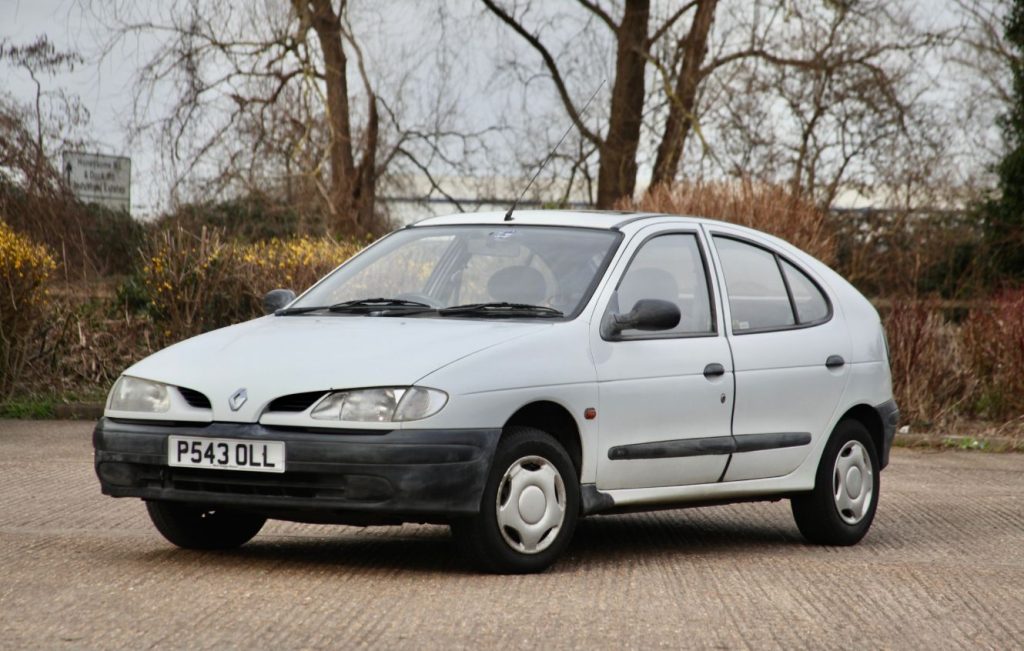
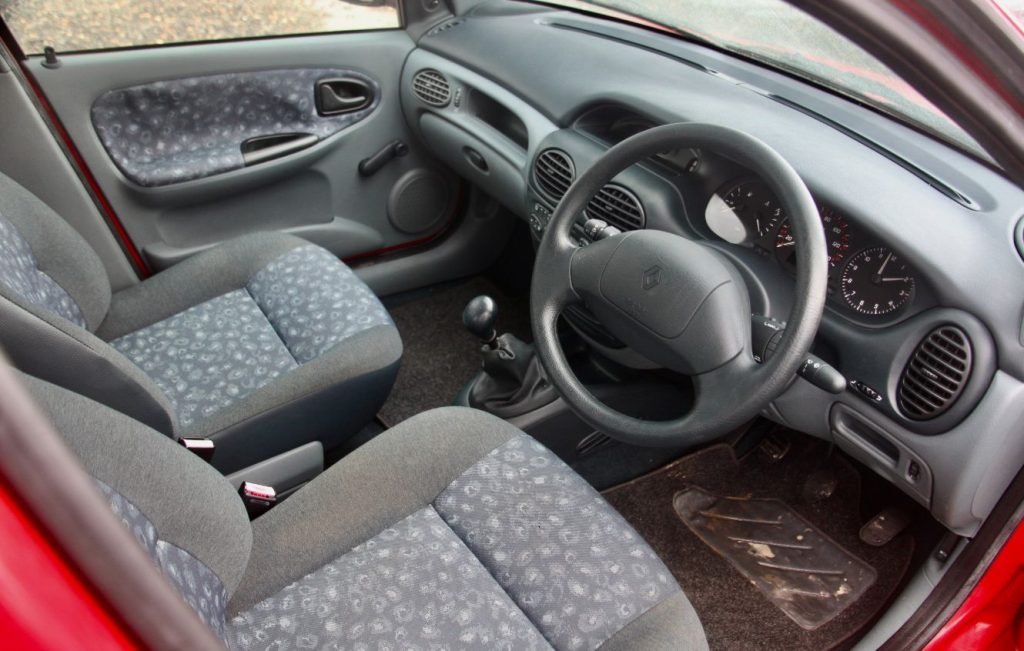
The styling was great – with an entire family of cars at launch, all featuring the same beaked nose and narrow headlights as the 1993 Laguna; signatures that would become a Le Quément theme. It was vastly better than its predecessor inside, too, with much softer plastics and neat styling features, such as an integrated radio and oval air vents.
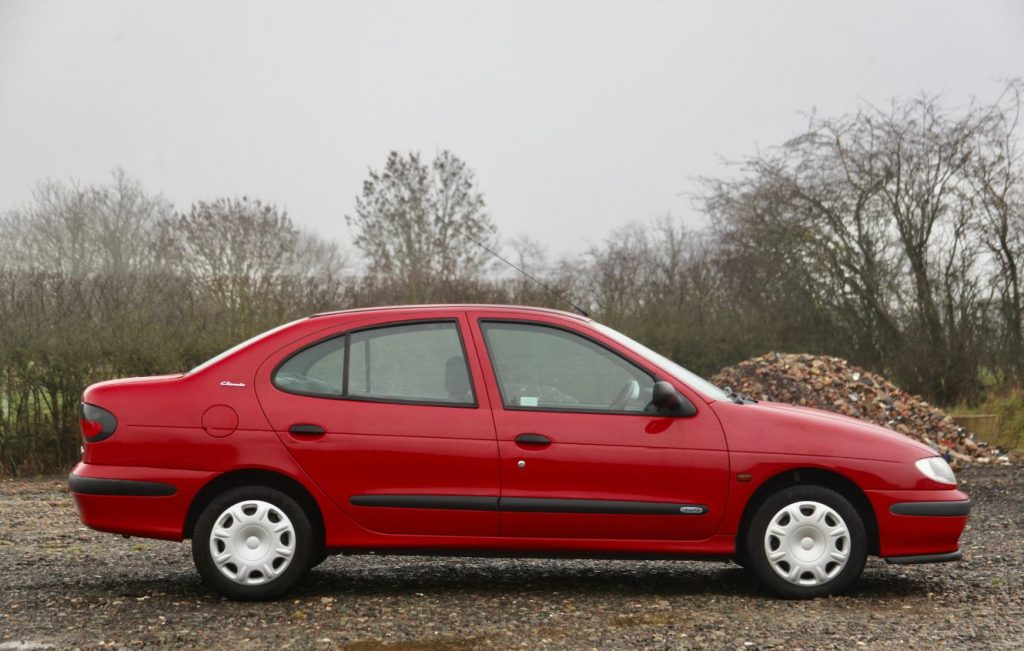
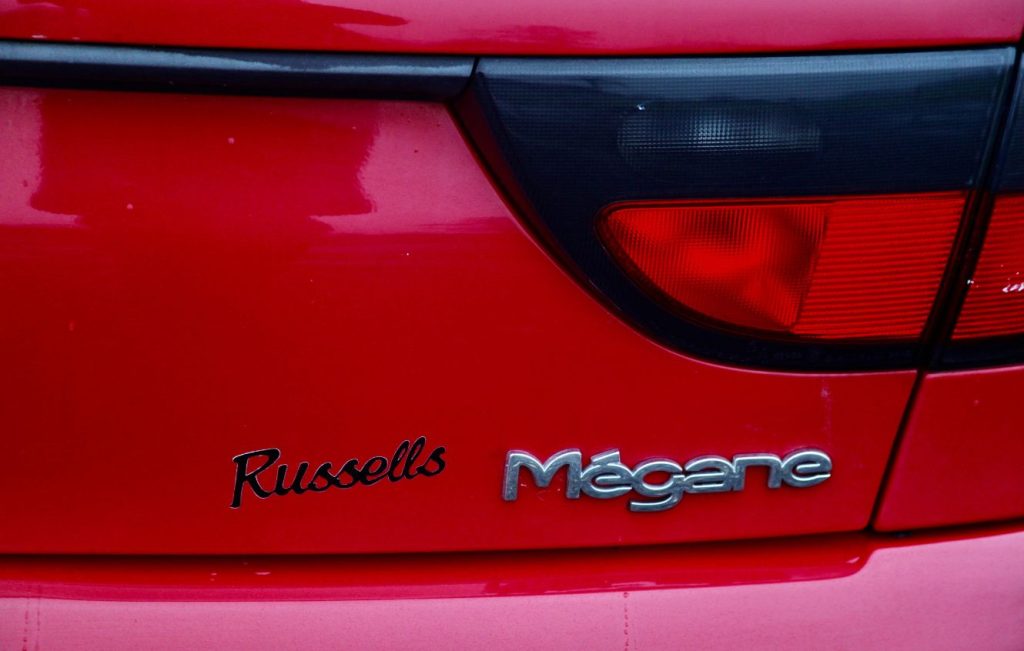
UK sales began in April 1996, led by the five-door hatchback, which was quickly followed by a three-door coupé, a saloon (known as the Mégane Classic) and a cabriolet, though the estate model sold in Europe never made it to Britain
The Mégane’s petrol engine line-up began with the 1.4-litre Energy engine, followed by the 1.6-litre and 1.8-litre variants, plus the much lauded 2.0-litre F7R 16v unit offered in higher spec versions of the Mégane Coupé, allowing it to be homologated for rallying with the incredible Mégane Maxi Coupé. Two diesels were also offered – a 1.9 normally aspirated unit and a direct-injection turbodiesel, covering all popular areas of the market – apart from one, which the Renault Mégane went on to create.
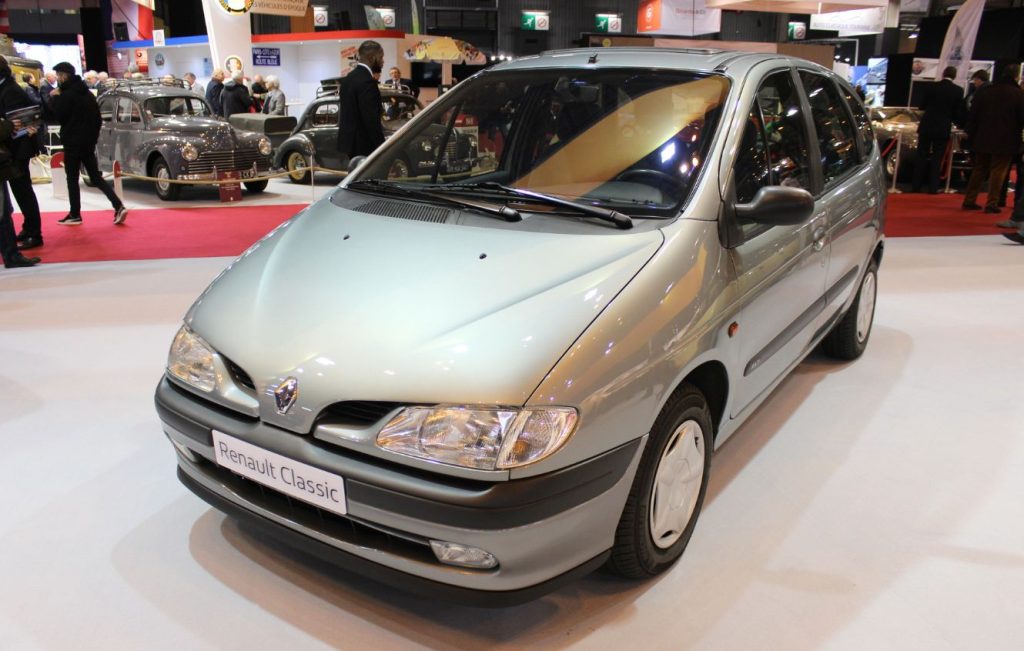
Introduced towards the end of 1996, the Mégane Scénic redefined what families expected from a compact car. It’s widely regarded as the market’s first compact MPV, and while it was only ever a five-seater (in its first generation at least), the innovative packaging made it a massive hit with customers who liked the idea of a car with the footprint of a compact hatchback, but room for family life or a higher seating position. It was an instant hit.
Renault had previously shown a Scénic concept at the 1991 Frankfurt Motor Show, where the idea was met with considerable interest. The production model was built on the same platform as the standard Mégane but featured a taller, more spacious body – albeit one that looked very different to the original concept. The idea of a ‘mini-Espace’ remained true, though, while its modular interior, sliding rear seats, vast boot space and huge cabin storage set new standards for practicality. It was such a trendsetter that despite being unique in the market in late 1996, by the turn of the century there were rivals from Citroën, Vauxhall, Fiat and Toyota, with almost every manufacturer offering a compact MPV by the mid-2000s.
A facelift came along for the entire Mégane range in 1999, with a revised bonnet and grille arrangement, some interior improvements, a revised trim level line-up and some new 16v petrol engines and a common rail diesel arriving soon after. For the first five years of its life, the Renault Mégane was the best-selling car in France, achieving decent sales in other markets as well, including the UK.
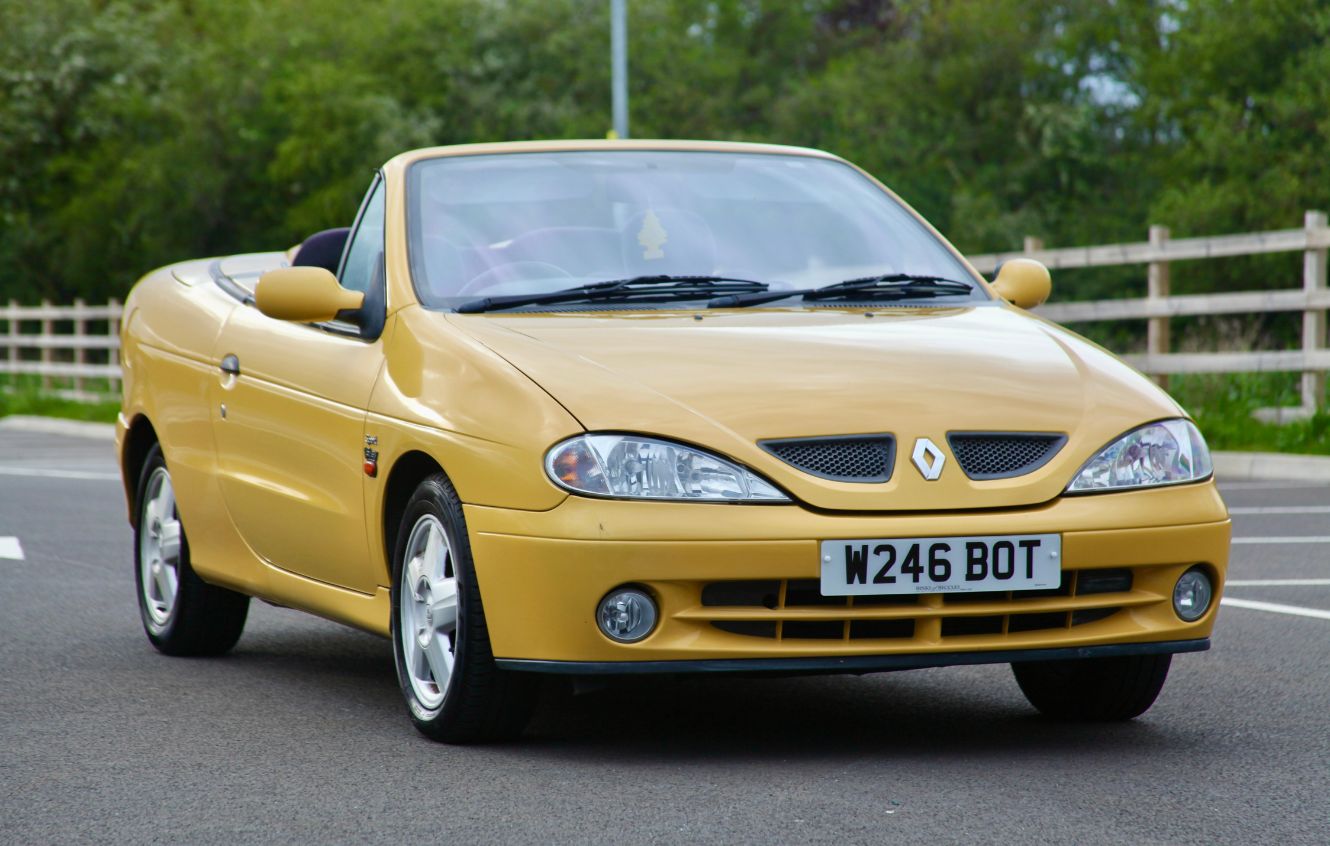
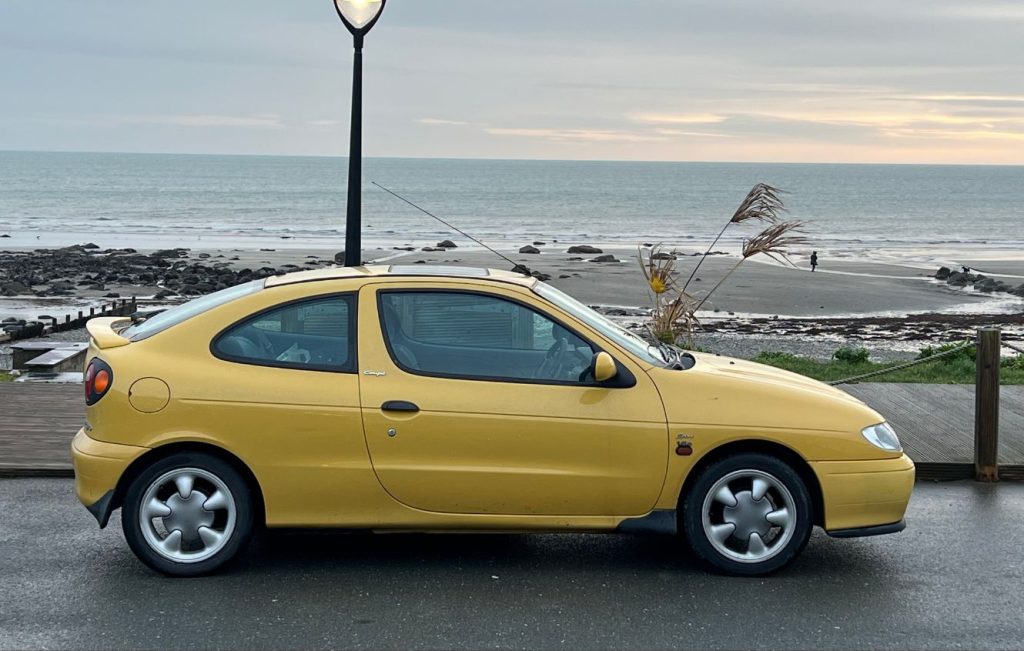
But what of its classic credentials? Well, the Coupés have been creeping up for a while now – any car with a direct motorsport association will do that, and the Maxi Mégane was one of the best-looking rally cars of the nineties. The Mégane Coupé is getting better with age, too – especially in vivid colours such as Sunflower Yellow. Convertibles, too, have a strong following – after all, there’s a lot to like about a bargain soft-top.
The lesser models have yet to follow through, meaning you can still get a really nice example of the hatchback or saloon for not a lot of cash; and if you do, it’ll be a thoroughly entertaining and comfortable way of getting yourself to the Hagerty Festival of the Unexceptional in the summer.
As for the Scénic, it’s also not soaring in value yet. But if you want a tip for the future, then finding a good one is probably a very sound investment. It was a visionary and hugely influential vehicle that changed a generation of car design, which makes it a bona fide modern classic in our book.
What’s your favourite version of the first-generation Renault Mégane – the Coupé, Cabriolet, hatchback or pioneering Scénic? Drop your comments below.
Insure your classic with a specialist insurer
If you’re looking for cover for your pride and joy, why not consider Hagerty UK? Not only are we classic car insurance specialists, but we are enthusiasts at heart. Call us for a quote on 0333 323 1138.








Proof that even ugly ducklings sell. You’re stretching the classic tag here!