Ferrari layout, family hatchback budget. Five mid-engined bargains worth chasing
The mid-engined sports car has always carried a certain mystique. Place the engine behind the driver but ahead of the rear axle and, in theory at least, you unlock handling nirvana: perfect balance, rapid changes of direction and the sort of poise that causes road testers to reach for words like “telepathic” and “scalpel-like”.
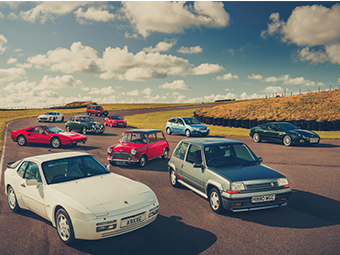
Traditionally this arrangement has been the preserve of the exotic. The sort of machinery that appears on bedroom posters or outside restaurants in Monaco. Think Ferrari 458s, Lamborghinis, or the sort of thing that requires a small discussion with your bank manager before you even check the tyre pressures.
But here’s the good news: you don’t actually need supercar money to experience the same basic layout. Over the years several manufacturers quietly applied mid-engine thinking to far more attainable cars. Today, with £10,000 in your pocket, you can access a surprising variety of machines that offer the same core ingredients: sharp responses, playful balance and the faint sense that you’ve bought something a bit more exotic than the neighbours realise. Here are five of the best.
Toyota MR2 Mk3 (1999–2007)
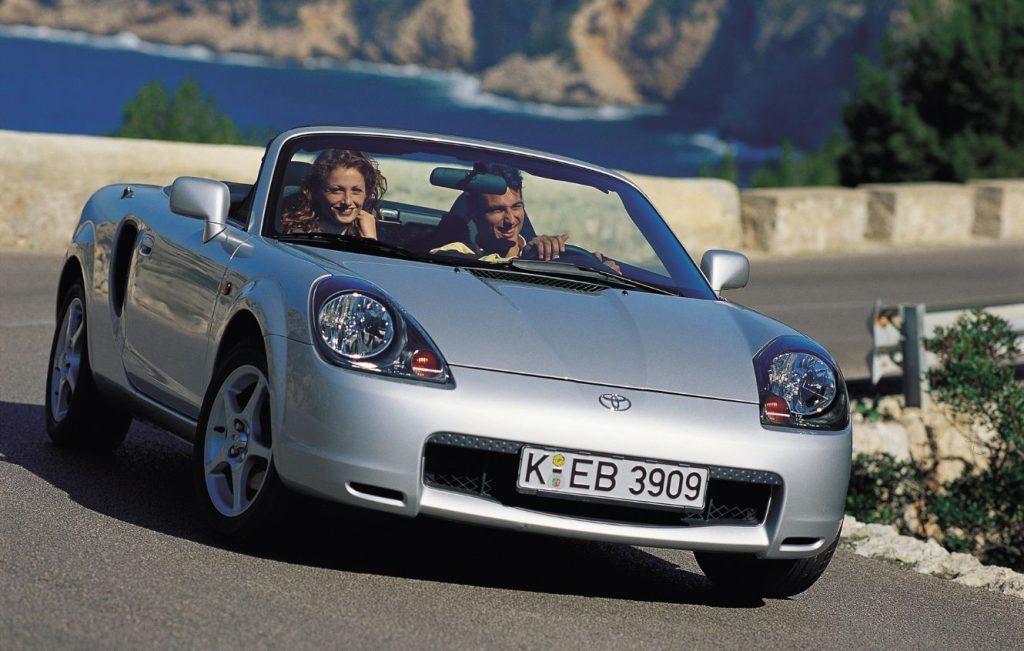
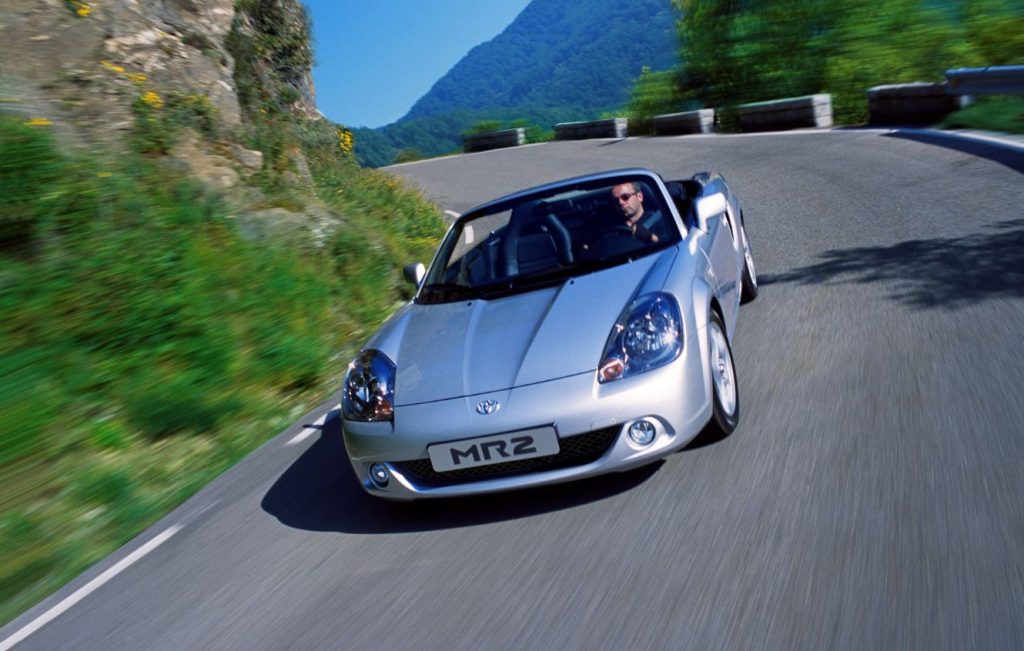
By the time the third-generation Toyota MR2 arrived in 1999, the idea of a mid-engined Toyota sports car was already well established. The original Mk1 had been a cheerful little wedge, the Mk2 a more serious affair that occasionally behaved like a discount Ferrari if you provoked it mid-corner.
The Mk3 took a different route altogether. Toyota stripped the concept back to basics and built something closer to a lightweight roadster than a junior supercar. The result was smaller, lighter and rather more playful.
Power comes from a 1.8-litre four-cylinder producing around 138bhp. That doesn’t sound like much until you remember the MR2 barely tips the scales at just over a tonne. In practice it feels eager rather than fast, which turns out to be exactly the point.
The steering is sharp, the front end wonderfully responsive and the whole car seems keen to pivot around your hips in a way few front-engined machines can match. It’s the sort of car that encourages you to hunt out back roads purely for the sake of it.
Values remain refreshingly sensible. £4000–£8000 buys a good example, though you’ll want to keep an eye on oil consumption and check carefully for signs of enthusiastic previous owners.
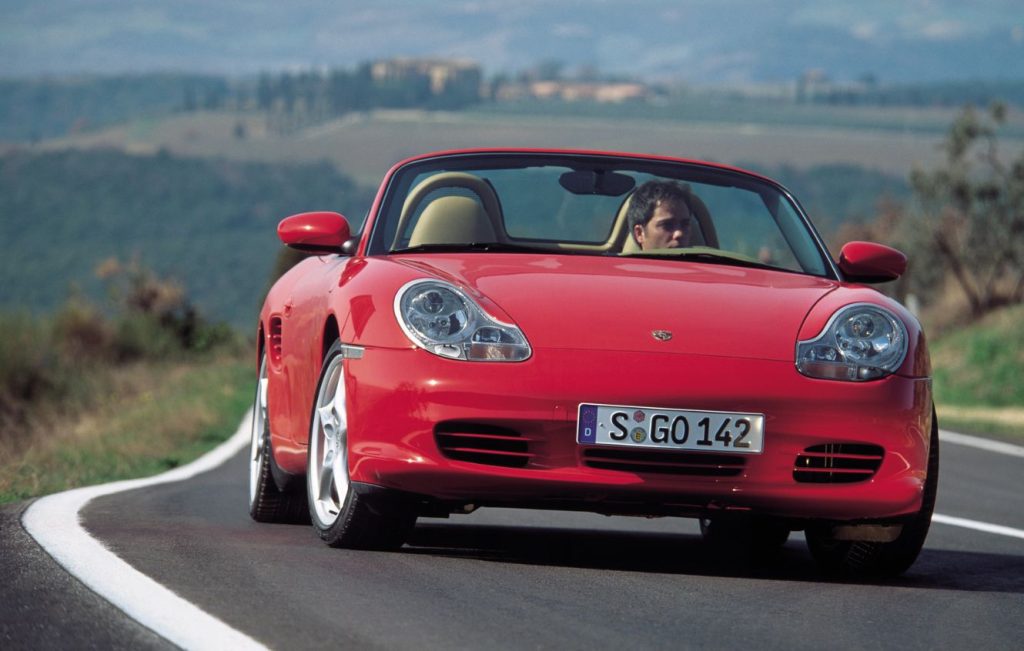
Porsche Boxster 986 (1996–2004)
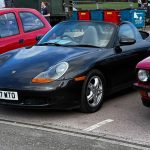
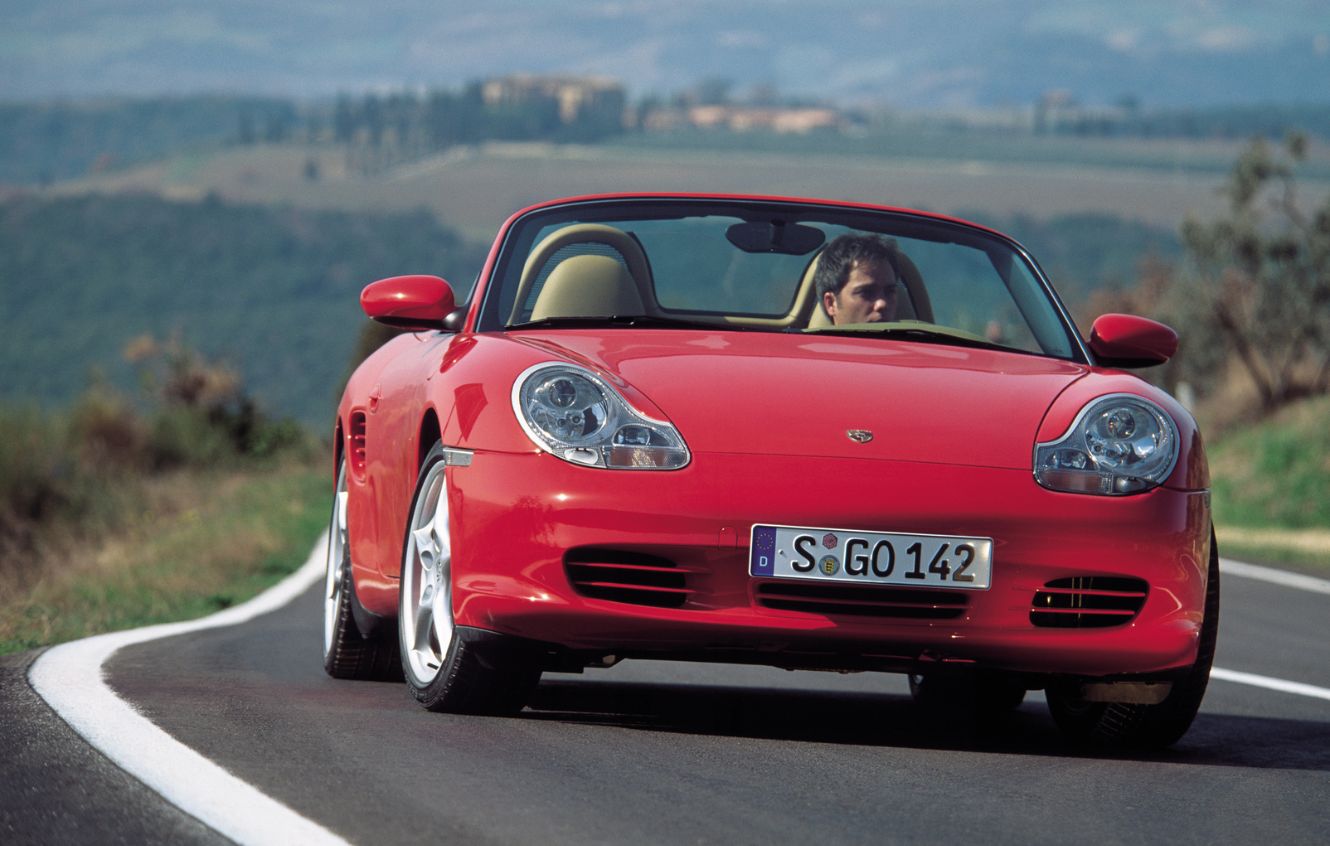
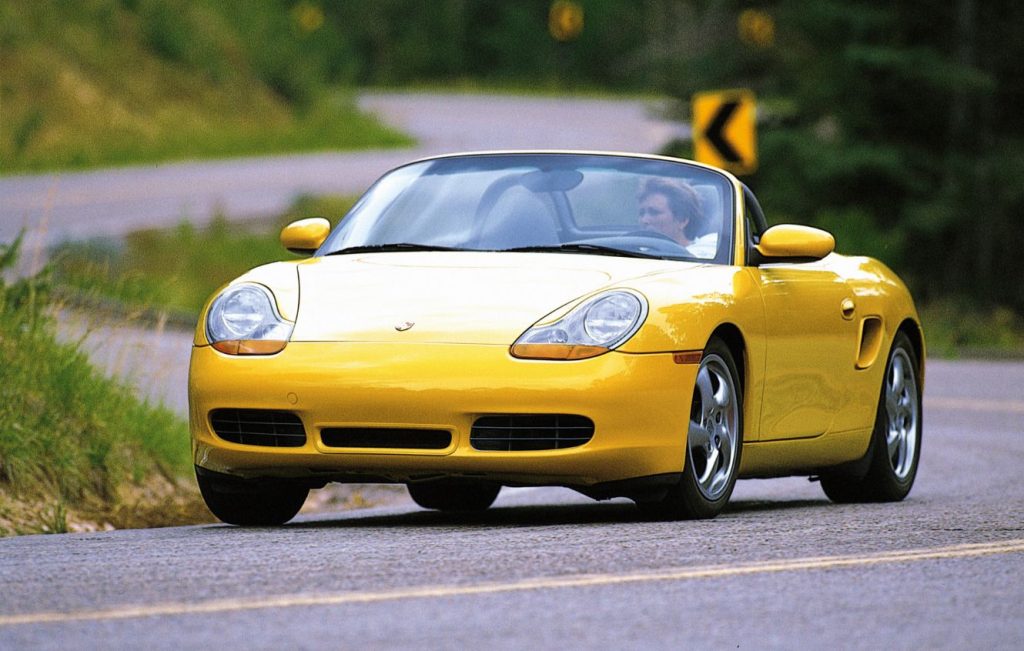
Launched in 1996, the 986 Boxster effectively rescued Porsche from a rather worrying financial wobble. The recipe was straightforward: mid-mounted flat-six, rear-wheel drive and a chassis tuned by people who clearly knew what they were doing.
Even the earliest 2.5-litre cars produce around 201bhp, which is more than enough to make a lightweight roadster feel entertaining. The real magic, however, lies in the way the Boxster drives.
The steering is superb. Not good. Superb. The chassis feels beautifully balanced and the flat-six engine delivers a soundtrack that makes even modest speeds feel faintly heroic.
Prices now start around £6000 for usable examples and climb toward the £10,000 mark for well-looked-after cars.
Just make sure the IMS bearing situation has been addressed. Porsche engineering is wonderful, but occasionally it likes to keep owners on their toes.
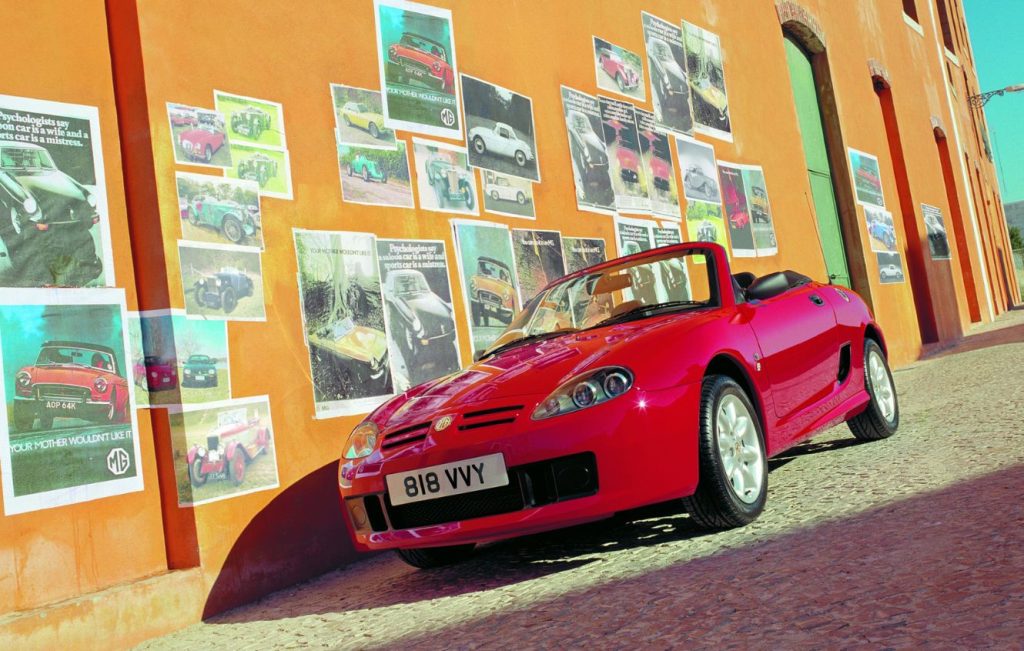
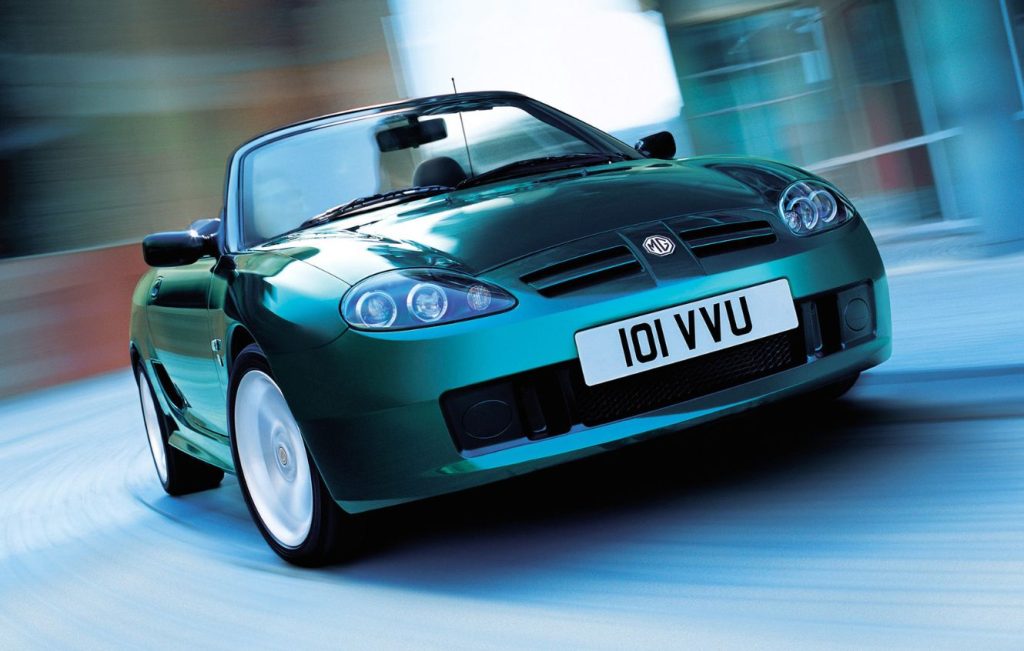
MG TF (2002–2011)
At the turn of the millennium, MG briefly decided to build a proper sports car again. The result was the MG F, later updated into the slightly sharper MG TF.
Both cars used a mid-engine layout and Rover’s famously enthusiastic K-series engine, producing between 120 and 160bhp depending on specification. Early cars relied on Hydragas suspension, but the TF switched to conventional springs and dampers, which sharpened the handling considerably. These cars were never about outright performance. Instead they offer something far more appealing: lightweight simplicity and just enough power to make the chassis feel playful without becoming intimidating.
The best part, however, is the price. You can still find tidy examples for between £2000 and £6000. Cooling system maintenance is essential, as the K-series engine developed a reputation for head-gasket failures in period. Many cars have since been upgraded, so it’s more a matter of careful buying than mechanical doom.
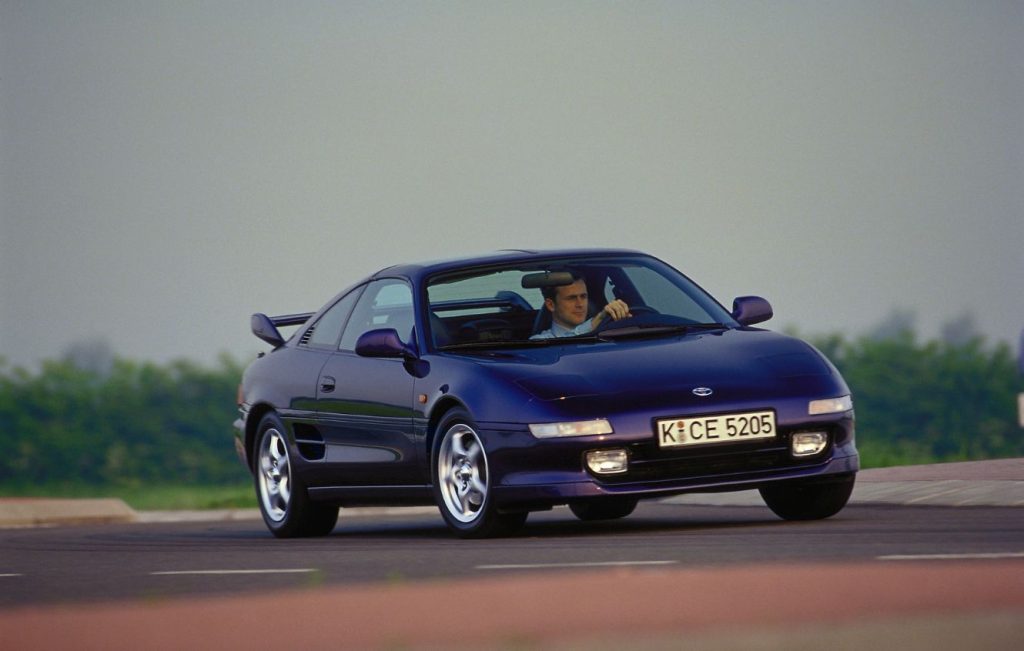
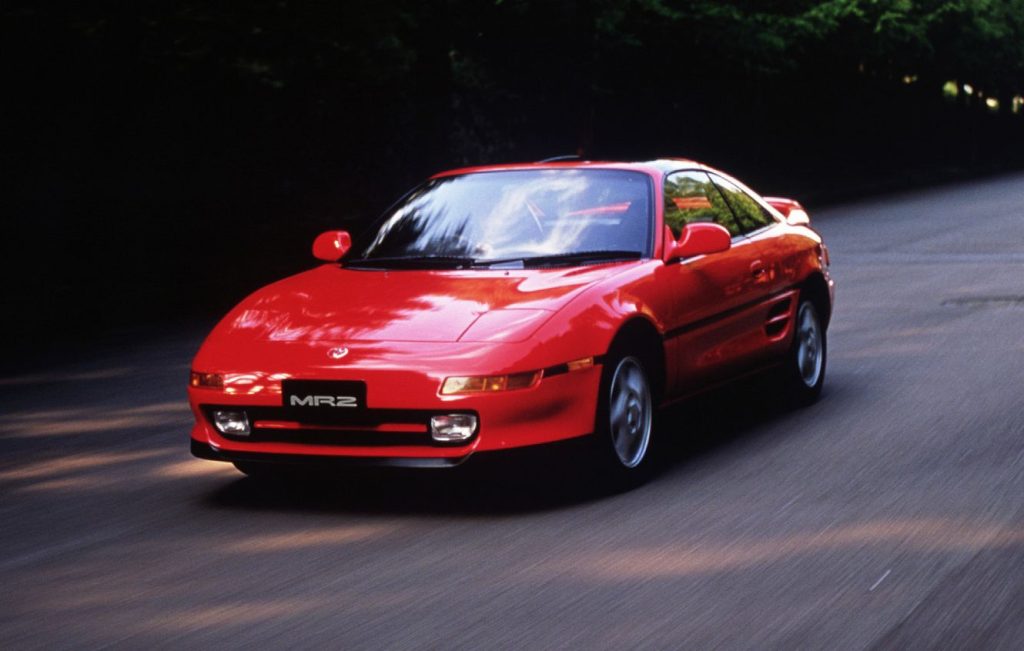
Toyota MR2 Mk2 (1989–1999)
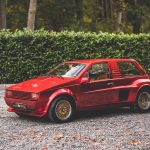
If the Mk3 MR2 is the purist’s choice, the Mk2 MR2 is the one that looks like it belongs on a poster next to a Testarossa.
Low nose. Broad rear arches. Pop-up headlights. It always looked far more exotic than its Toyota badge suggested, and owners were rarely shy about pointing this out, considering some of the dubious ‘improvements’ we’ve seen over the years.
Under the engine cover sits a 2.0-litre four-cylinder producing around 156bhp in UK trim. Early versions gained a reputation for slightly abrupt handling if the driver lifted off the throttle mid-corner, which led to some colourful road-test descriptions in the early 1990s. Later suspension revisions calmed things down considerably.
Drive one today and the appeal becomes obvious. The steering is quick, the chassis responsive and the whole experience feels satisfyingly mechanical in a way that modern cars sometimes struggle to match. Prices are creeping upwards as enthusiasts rediscover them, but £10,000 still buys a very tidy example.
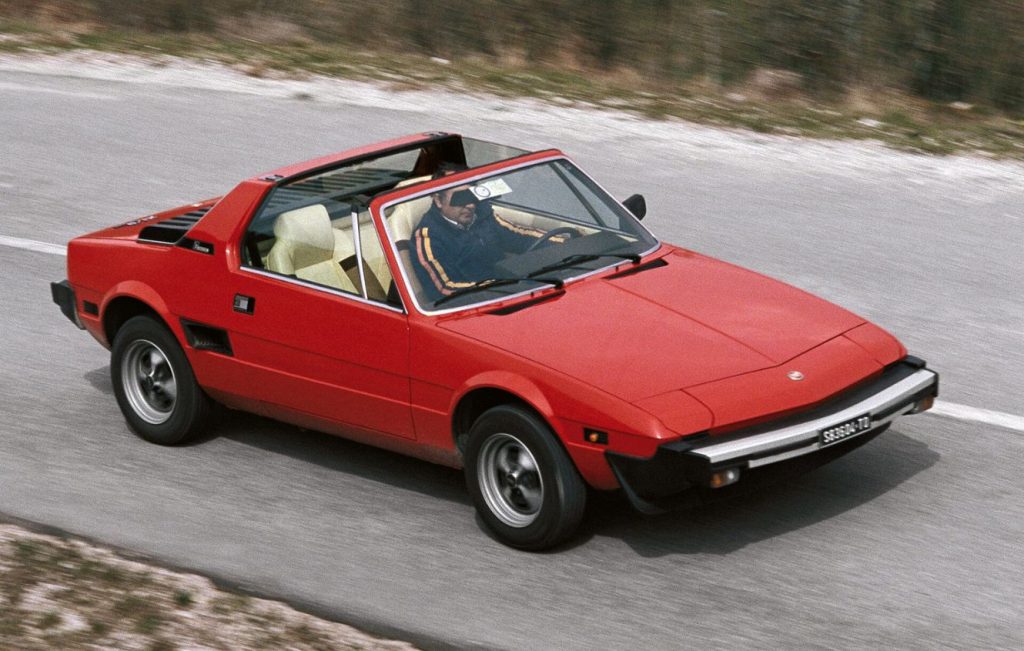
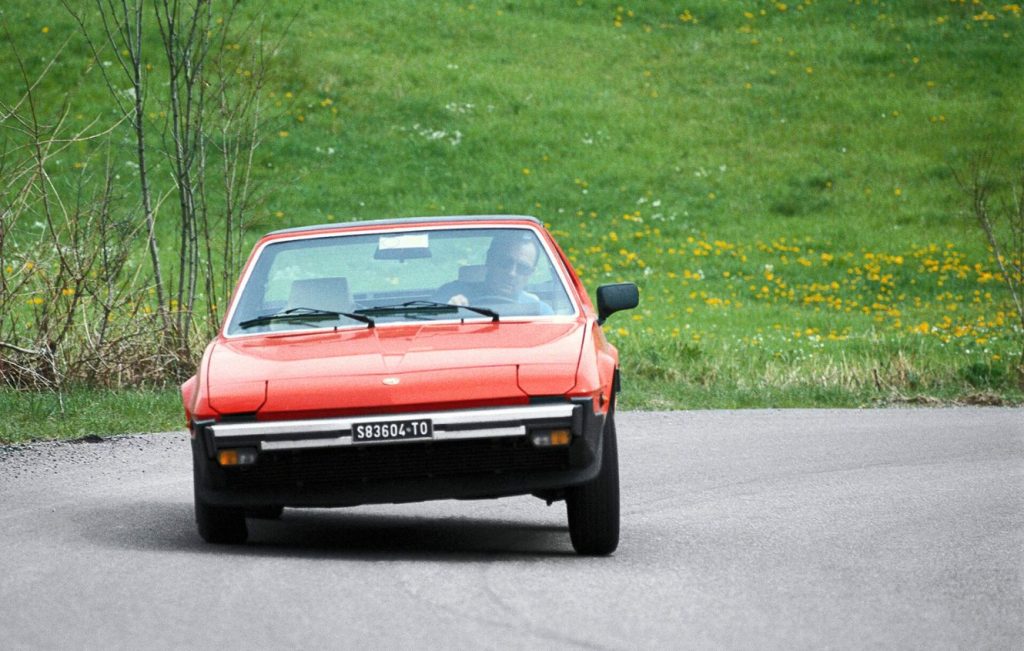
Fiat X1/9 (1972–1989)
Finally we arrive at what some might say is the most charming but potentially ruinous car on this list: the Fiat X1/9.
Styled by Bertone, the X1/9 looks like a miniature Italian supercar that accidentally shrank in the wash. It has a wedge-shaped body, pop-up headlights and a removable targa roof panel that neatly stows under the bonnet. Power comes from a modest 1.3- or 1.5-litre engine producing somewhere in the region of “adequate”. But outright speed was never the point.
The X1/9 weighs very little and uses its mid-engine layout to deliver superb balance. On a winding road it feels agile, responsive and surprisingly composed, darting through corners with the sort of enthusiasm that makes you wonder why more modern cars don’t feel like this.
Rust is the main concern, so inspection is crucial. Find a solid one, however, and the X1/9 offers enormous character for relatively little money.
Which of these mid-engined bargains would you choose? Perhaps you own something that you think should have made the list… Let us know in the comment section below.
Insure your classic with a specialist insurer
If you’re looking for cover for your pride and joy, why not consider Hagerty UK? Not only are we classic car insurance specialists, but we are enthusiasts at heart. Call us for a quote on 0333 323 1138.