Replacing the DS was rather like following The Beatles at the Cavern with a kazoo solo. Yet by the late 1960s Citroën had little choice. Its flagship was ageing, the GS had moved family cars forwards and Project L was tasked with carrying the big Citroën into a harsher decade. Robert Opron’s team planned sleek bodywork around advanced hydraulics and, initially, rotary engines. Then the oil crisis arrived, Citroën’s finances unravelled and Peugeot stepped in. The Citroën CX appeared in 1974 using familiar four-cylinder power, but everything around it looked as though conventional executive-car thinking had been politely shown the door.
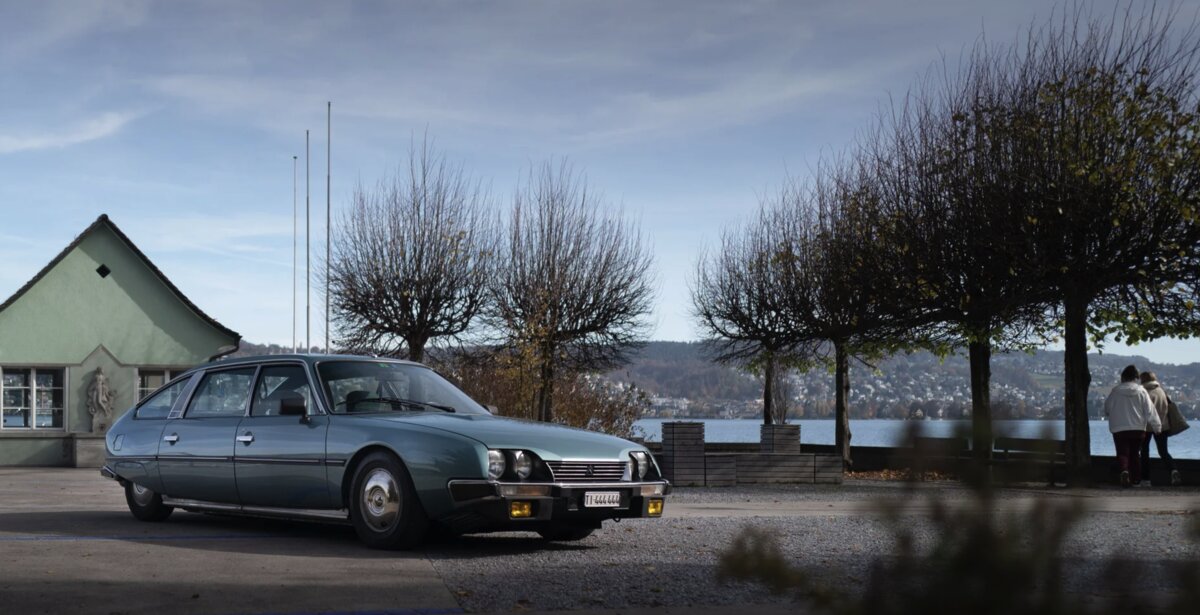
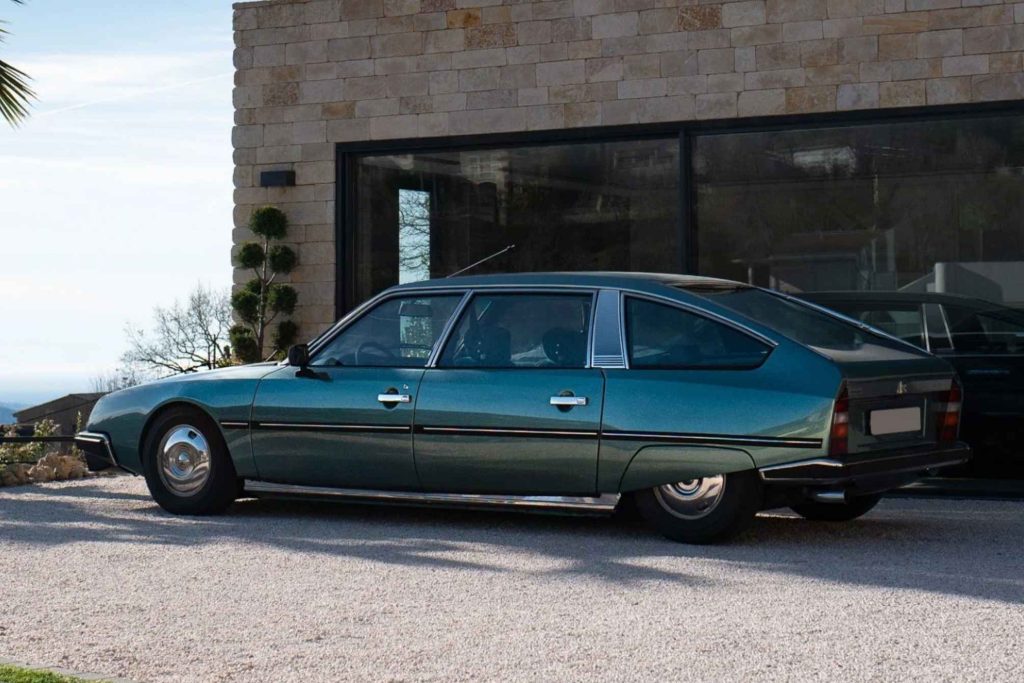
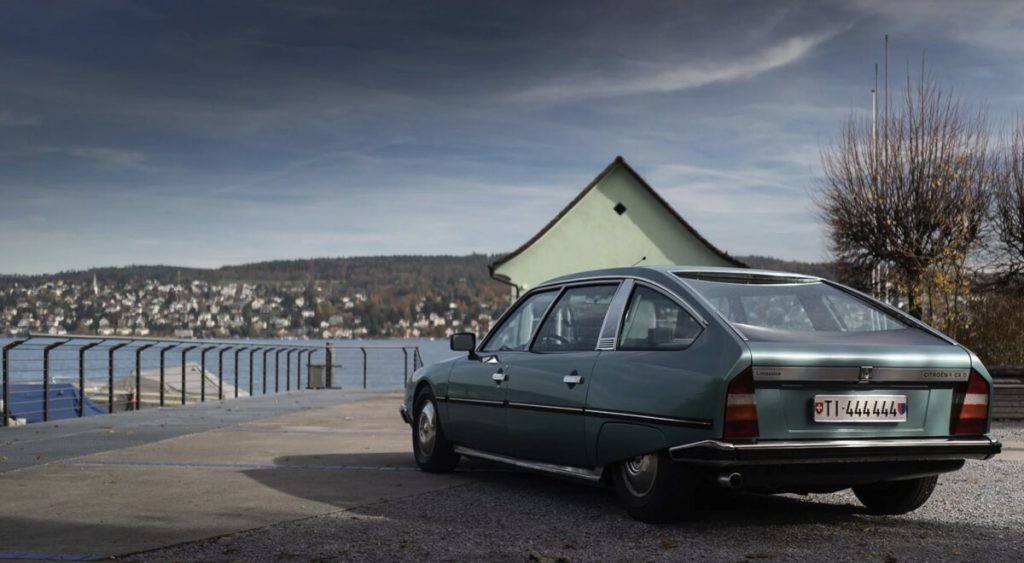
The shape was less an act of styling than an argument against the three-box saloon. Opron gave the CX a low nose, a long arcing roof and a sharply tapered tail, then tucked the rear wheels beneath removable spats. Its name came from the French notation for drag coefficient, yet the cleverness was not paraded with spoilers or ducts. Air simply met fewer reasons to become annoyed. The deeply curved windscreen, concave rear glass and clean flanks made a Ford Granada look as aerodynamically sophisticated as a garden shed, while the wide front and narrower rear track added to its wonderfully improbable stance.
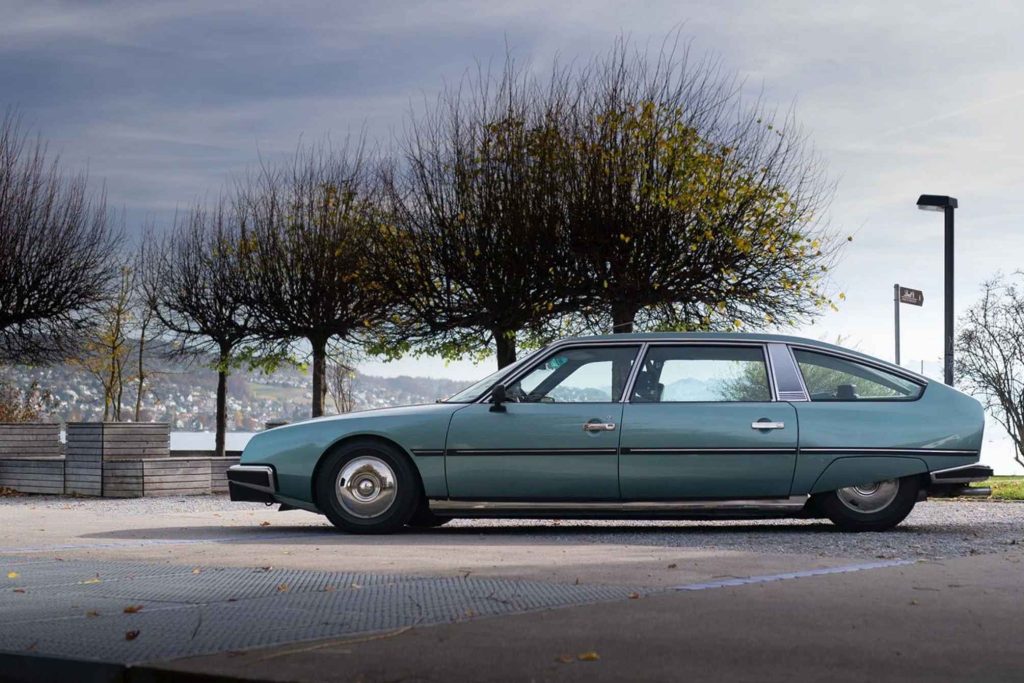
Even the boot played a visual trick. The roofline suggested a hatchback, but the rear window stayed fixed and only the lower panel opened. It looked more useful than it was, particularly when loading bulky furniture, yet the arrangement preserved the formal separation between passengers and luggage beneath an uninterrupted roofline. It was inconvenient, elegant and entirely faithful to the car. The long-wheelbase Prestige added rear room without turning the Citroën CX into a stretched caricature, while the Safari estate was vast, elegant and capable of swallowing domestic life with the composure of a removals van designed by an architect.
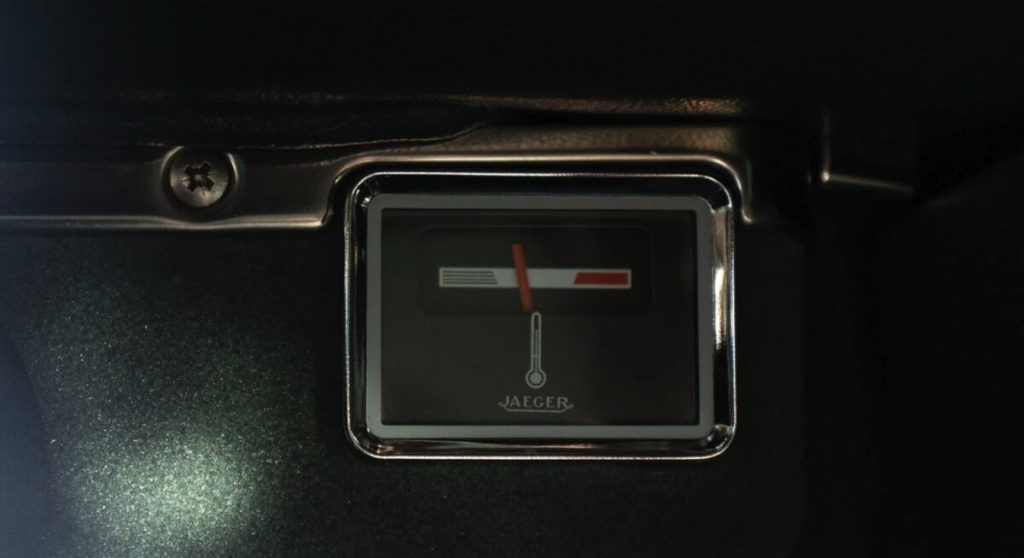
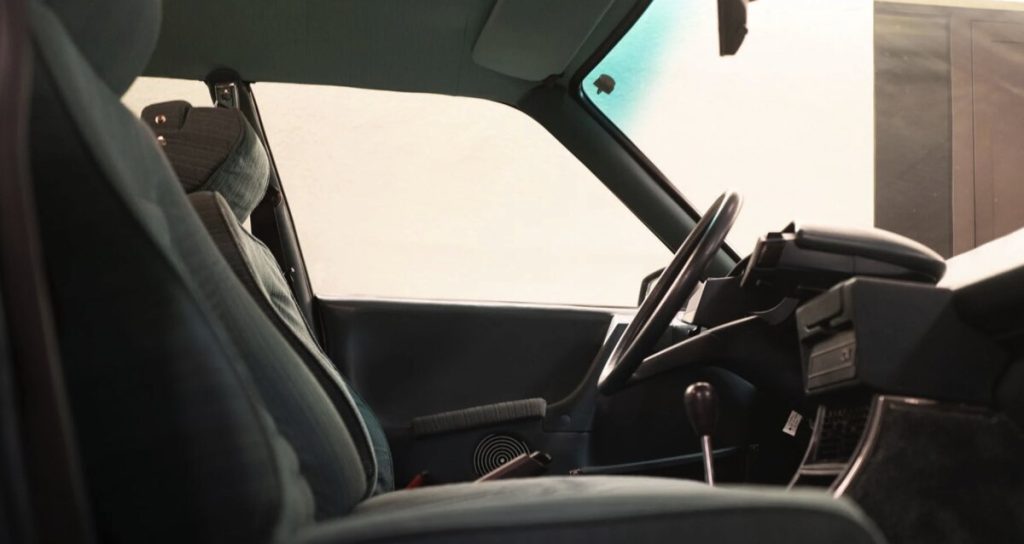
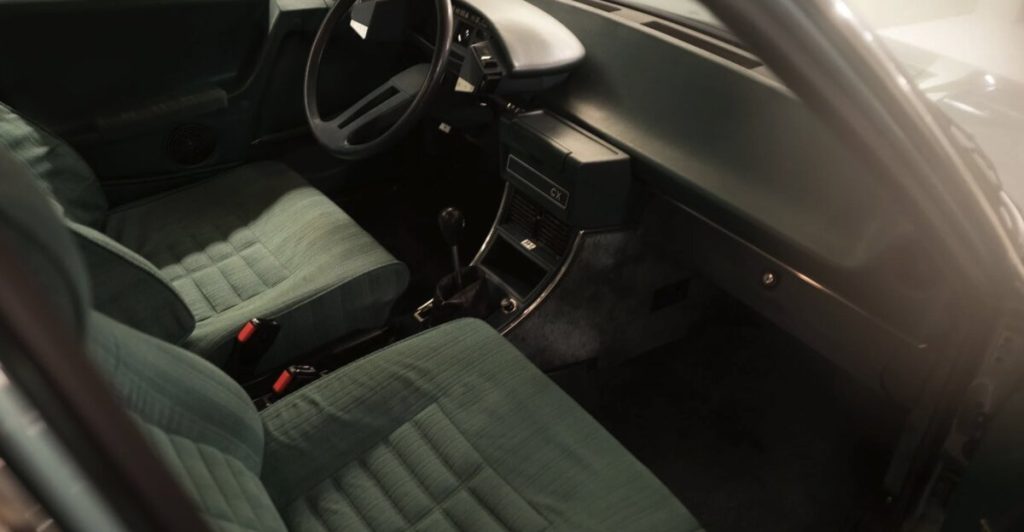
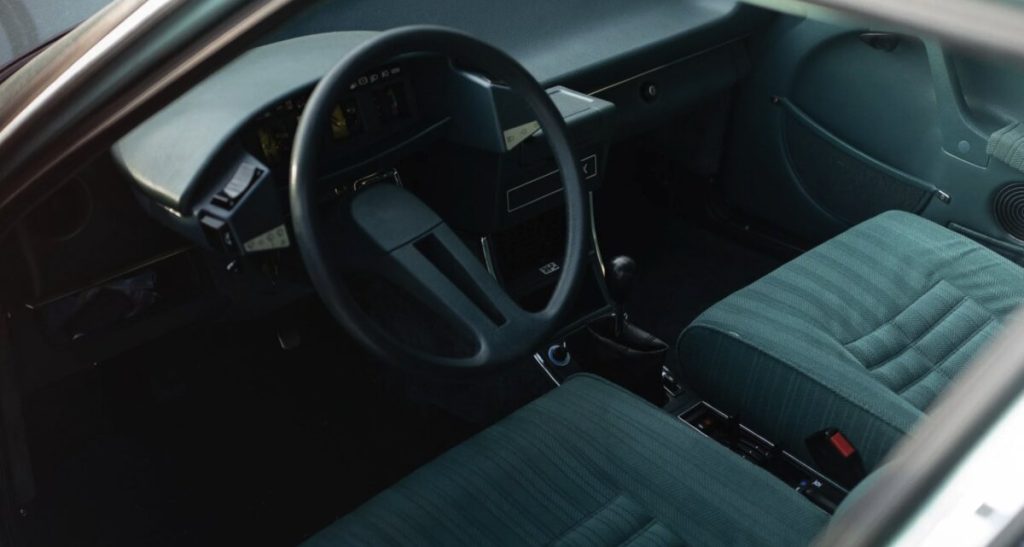
Michel Harmand’s cabin was bolder still. Ahead of the single-spoke wheel sat the lunule, a curved pod carrying revolving drum instruments and fingertip controls for lights, indicators, wipers and horn. Nothing demanded that the driver release the wheel, although newcomers often indicated, flashed and washed the screen before locating the horn. Soft forms and recessed fittings also reflected serious attention to passive safety. The 1985 Series 2 gained conventional dials and plastic bumpers, becoming easier to understand but less magical. The original interior remains one of those rare designs that make familiarity seem like a failure of nerve.
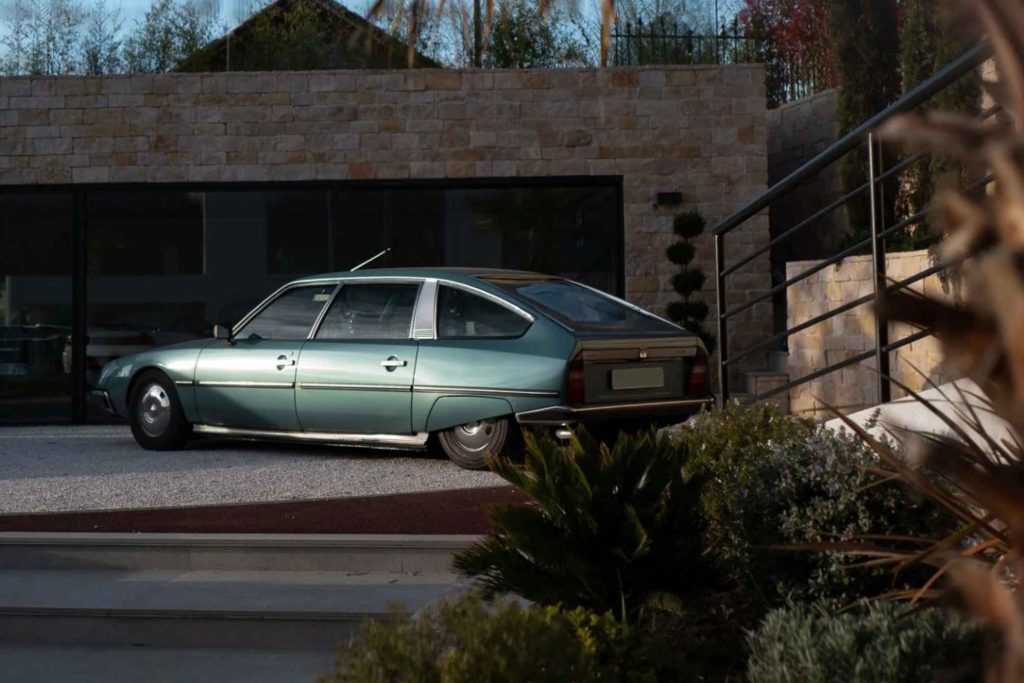
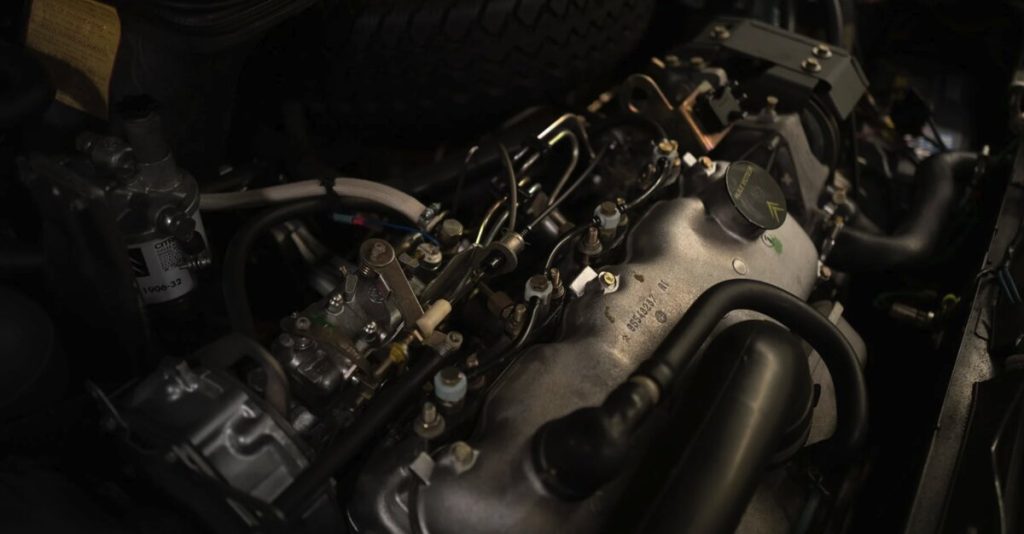
Beneath the body, the CX was ingenious in ways that improved the journey. Its platform structure used front and rear subframes joined by longitudinal members, with the body isolated on flexible mountings. The engine sat transversely rather than lengthways as in the DS, improving packaging and helping keep mechanical commotion away from the cabin. Early cars inherited pushrod fours from the DS, later joined by Douvrin overhead-cam units, diesels and muscular fuel-injected engines. No production Citroën CX received the rotary power once envisaged, but the 168bhp GTi Turbo proved that four cylinders could still hurry the scenery convincingly.
Hydropneumatic suspension provided the party piece. Pressurised green LHM fluid, hydraulic cylinders and nitrogen-filled spheres replaced conventional springs, maintaining ride height regardless of load. The result was not merely softness. A healthy CX breathes with the road, allowing its wheels to deal with broken surfaces while the body continues towards the horizon with diplomatic calm. It rolls in bends, but grip and body angle are not close relatives here. The Safari’s ability to remain level when packed with passengers, luggage or half an antique shop showed the system at its practical best.
The same high-pressure network powered the brakes and, on most cars, DIRAVI steering derived from the SM. The brake pedal looked conventional but operated a valve, so retardation depended more on pressure than travel. Initial applications can resemble stepping on a drawing pin, although sensitivity soon becomes precision. DIRAVI varied assistance with speed and forced the wheel back to centre, even while stationary. It feels peculiar for ten minutes, natural after twenty and disappointing whenever the next car fails to do likewise. Combined with front-wheel drive, a long wheelbase and directional stability, it made the Citroën CX a magnificent motorway machine. It did not attack distance so much as quietly delete it.
Buying a CX demands less fear of hydraulics than suspicion of brown metal. Rust can attack anywhere, but inspect the windscreen surrounds, A-pillars, wheelarches, door bottoms, sills, floors and rear suspension mountings. The longitudinal members joining the subframes are structural and often expensive to repair. On Safaris, seized tailgate hinges can crack the roof panel. Cosmetic corrosion is one thing; a CX folding through its own centre is another.
Start the engine and ensure the car rises, settles correctly and feels supple at each corner. Hard suspension suggests exhausted spheres, while cloudy rather than bright green LHM, frequent regulator ticking, wet pipes or damp return hoses indicate neglected hydraulics. DIRAVI should operate and return decisively to centre. Creaking rear suspension or wheels leaning inwards points towards worn trailing-arm bearings.
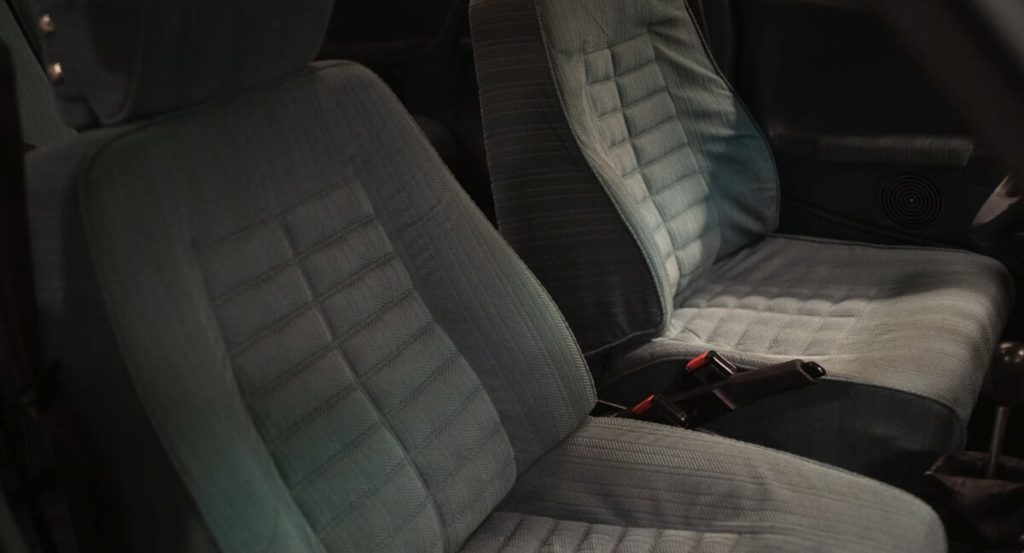
The engines are durable, but check cooling systems, oil condition and service history. Douvrin engines use timing belts, while later turbo diesels can suffer porous blocks. C-Matic gearboxes need inspection for seal trouble. Test every electrical item, because French electrons occasionally observe their working hours. Finally, value intact trim highly. Replacement cabin pieces are very scarce, while Michelin TRX tyres remain available but are priced as though filled with vintage champagne.
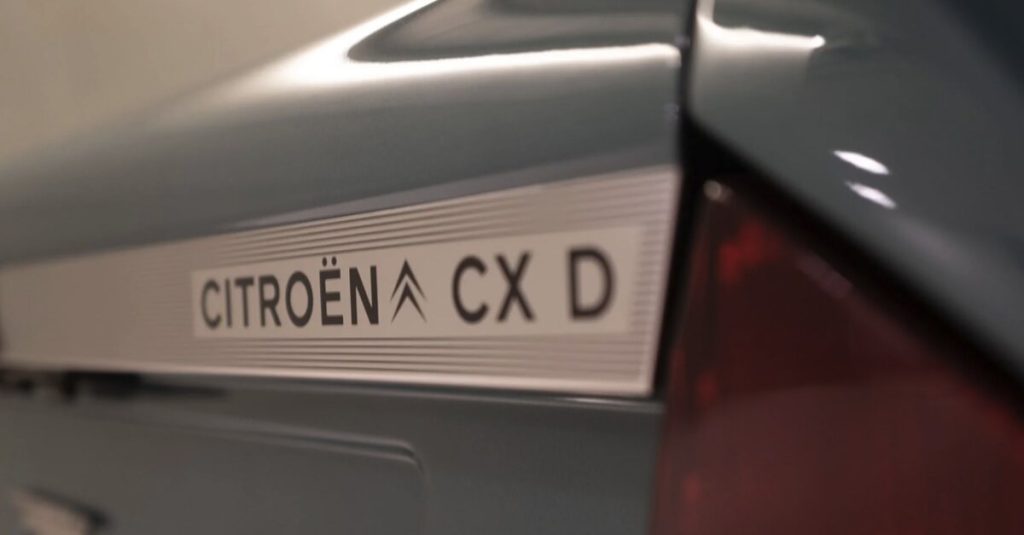
The Citroën CX won European Car of the Year for 1975 and production passed the one-million mark, yet numbers tell only part of its story. It was the last Citroën conceived before Peugeot control and the final design overseen by Opron. The XM replaced the saloon in 1989, while Safari production continued until 1991, but neither time nor successors have made the CX look ordinary. Its curved glass, tapered tail and refusal to separate comfort from intelligence still echo through Citroëns. Half a century on, it remains a car from the future, albeit one still requiring rustproofing, LHM and a specialist.
Have you owned or driven a Citroën CX? We’d love to hear whether it lived up to its reputation, and whether the hydraulics behaved themselves. Share your experiences in the comments below.
Insure your classic with a specialist insurer
If you’re looking for cover for your pride and joy, why not consider Hagerty UK? Not only are we classic car insurance specialists, but we are enthusiasts at heart. Call us for a quote on 0333 323 1138.