Bond made it famous, but the manual V12 DBS may be one of Aston Martin’s last great GTs
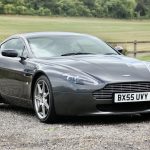
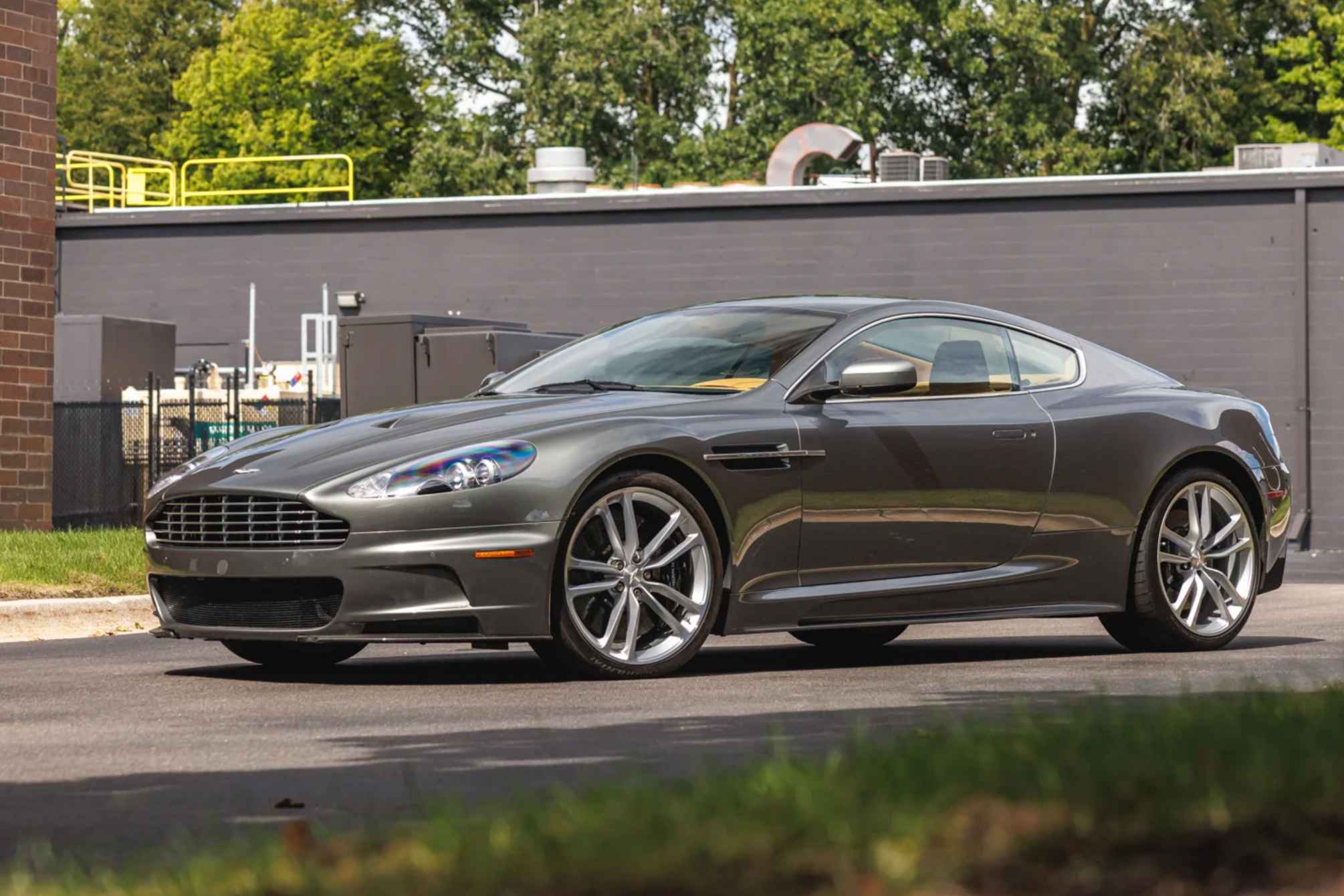
The 2007 Aston Martin DBS has a problem: almost everyone knows it, but not enough people remember quite how special it was. Yes, Bond barrel-rolled one into the collective consciousness in Casino Royale, and returned to batter another through Quantum of Solace, but the film connection can obscure the car underneath. This was Aston Martin’s last naturally aspirated V12 flagship offered with a manual gearbox, a harder, lighter and more focused relation of the DB9 and, I’d argue, one of the last truly exceptional-looking Astons before aerodynamics, cooling requirements and ever-growing dimensions started making the designer’s job tediously complicated.
The shape came before the showroom car did. Marek Reichman has described the DBS as one of his first jobs after joining Aston Martin, and when the Bond producers arrived to discuss Daniel Craig’s new company car he was able to show them a clay model of what would become the DBS. Casino Royale put it on screen in 2006, a year before the production car made its formal debut at Pebble Beach, which meant most of us had already watched one being comprehensively rearranged before Aston would actually sell us one.
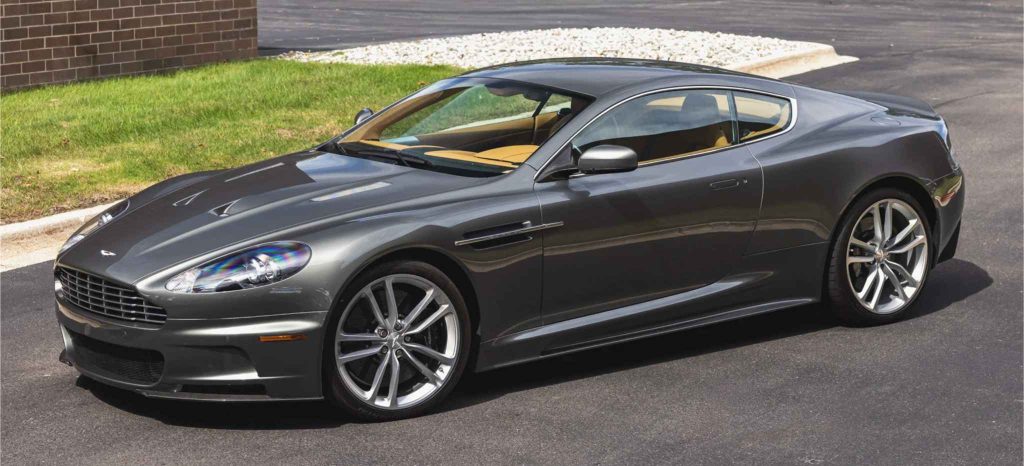
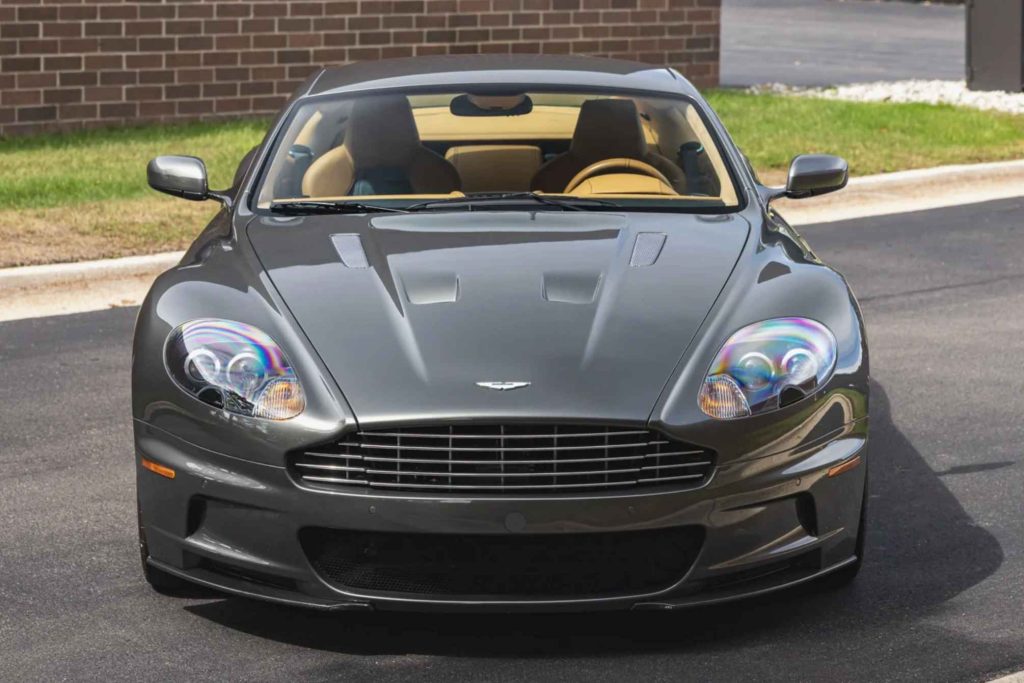
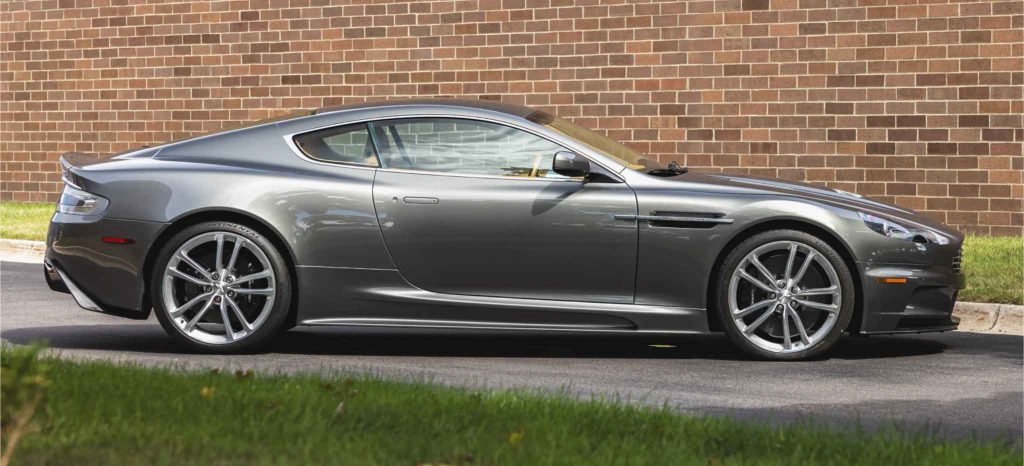
Rather than throw away the DB9’s proportions – which would have been akin to deciding Audrey Hepburn needed a bit more work around the eyes – Reichman’s team made them angrier. The grille grew, the bonnet acquired deep vents, the front splitter and rear diffuser became carbonfibre and the body sprouted harder sills, a more pronounced rear deck and enough extra visual muscle to make the DB9 look almost delicate beside it. Some thought it too fussy then; two decades later, when even a modest performance car can arrive looking as though it has been attacked with a box of Lego Technic, the DBS looks remarkably restrained.
Underneath, the DBS used Aston’s bonded-aluminium VH architecture, but this was far more than a DB9 with a bodykit and an especially productive afternoon in the accessory catalogue. Carbonfibre was used for major body panels including the bonnet, front wings, boot lid and door apertures, helping the car reach 1695kg, while carbon-ceramic brakes were standard – another first for Aston Martin – and adaptive damping gave the chassis a breadth the old Vanquish never quite possessed.
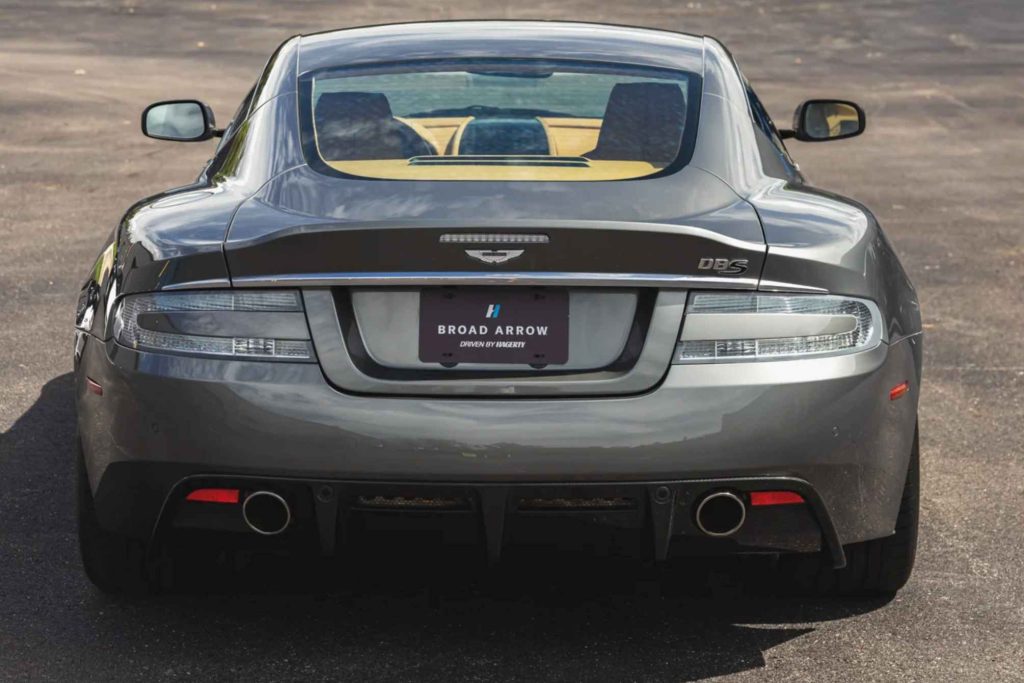
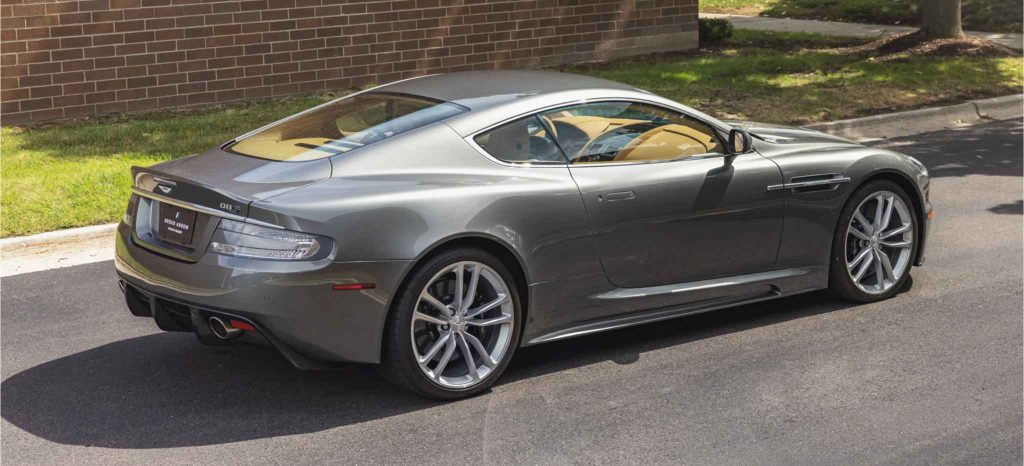
The 5935cc V12 was familiar, but re-profiled inlet ports and a bypass intake that opened above 5500rpm helped lift output to 510bhp at 6500rpm, with 420lb ft at 5750rpm. Early cars sent that through a six-speed manual transaxle and limited-slip differential – the combination most prized by collectors now. The figures were impressive regardless: 0-62mph in 4.3 seconds and 191mph flat out. More important was the way the DBS shrank around you; double wishbones all round, revised steering, enormous brakes and that rear-mounted gearbox gave it a balance and urgency the DB9 never quite chased, without turning it into something overly harsh.
At launch the recipe was almost unusually pure for a £160,000 flagship: coupé, two seats and a manual gearbox. Inevitably, customers asked Aston to make life easier. A 2+2 arrangement followed and the six-speed Touchtronic 2 automatic arrived during the 2009-model-year period, eventually becoming the default choice, while the DBS Volante joined the range in 2009.
The Carbon Black arrived around 2010, followed by the Carbon Edition with more exposed weave, darker detailing and some wonderfully extrovert colour choices, while the final Ultimate edition of 2012 brought quilted leather, special trim and a numbered plaque. Around 2536 coupés and roughly 845 Volantes were built in total, making the Aston Martin DBS substantially rarer than the DB9 from which it sprang. Production finished in 2012 when the second-generation Vanquish arrived: faster, more polished and automatic-only.
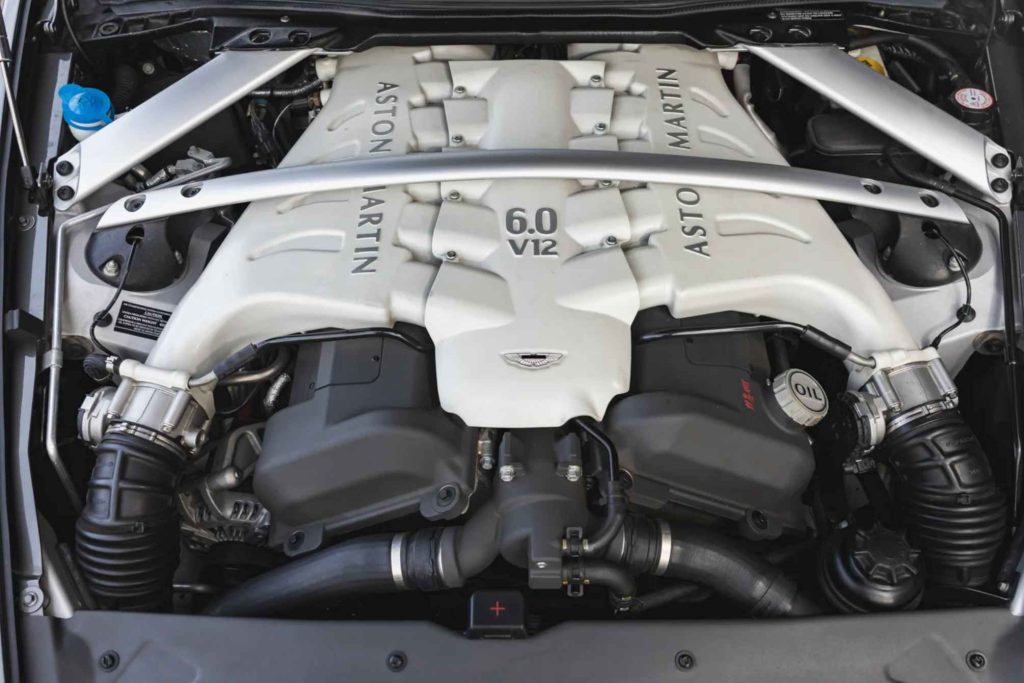
Buying one today is less frightening than the badge, twelve cylinders and carbonfibre might suggest, although “less frightening” is doing some fairly heavy lifting. The V12 and transaxle are fundamentally strong, but history is more important than a suspiciously tiny odometer reading. Early cars can suffer inlet-manifold problems and sump-gasket oil leaks, differential oil should have been changed on schedule, early manual clutches can chatter and Touchtronic cars need their gear-selection system to behave properly.
The expensive territory is underneath. Early adaptive dampers can leak, while the carbon-ceramic brakes last well but replacement discs and pads can produce a five-figure bill. Look for bubbling or corrosion around the aluminium bodywork and door handles, and check for water ingress into the boot and around the fuel filler; on a Volante, make sure the hood and its latches operate perfectly. The glass-and-stainless ignition key – Aston’s hilariously named Emotion Control Unit – is lovely, but replacements have been quoted at around £2000, so make sure both are present.
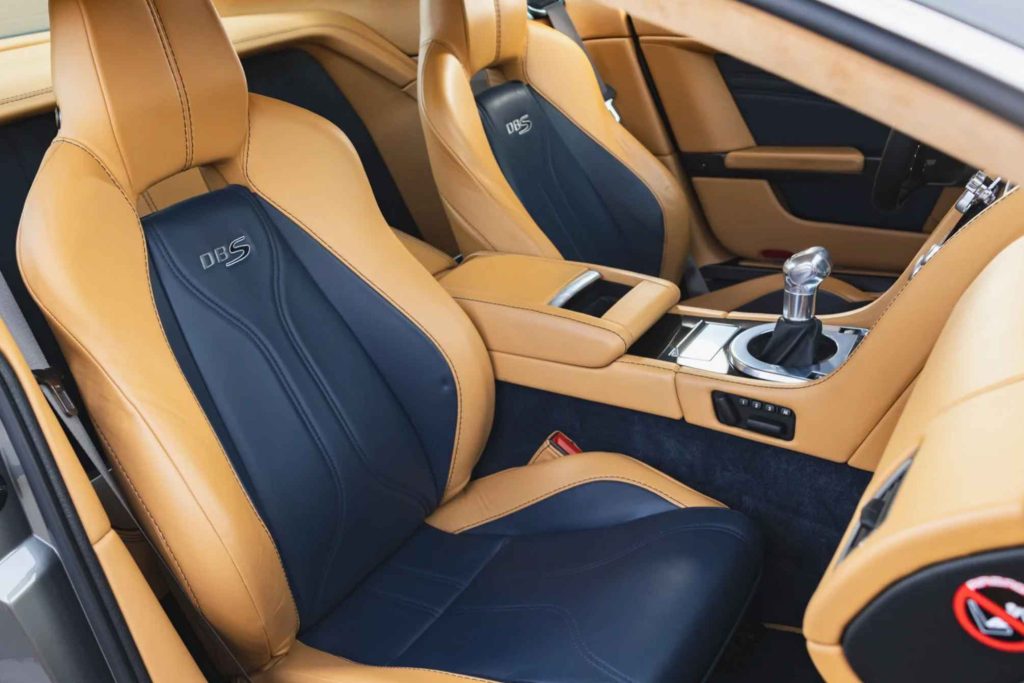
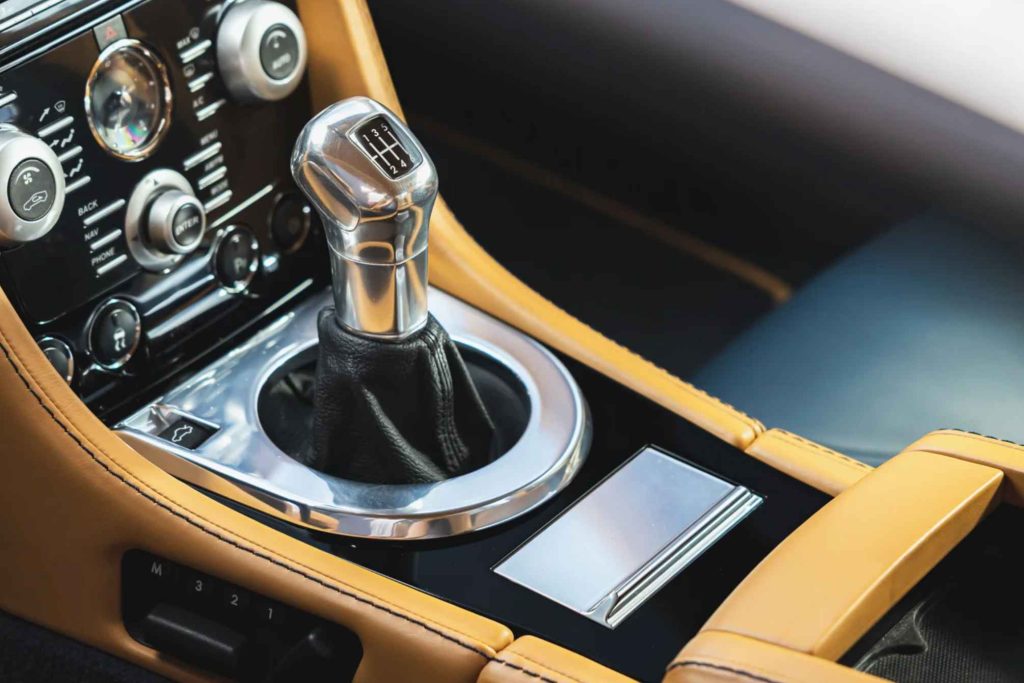
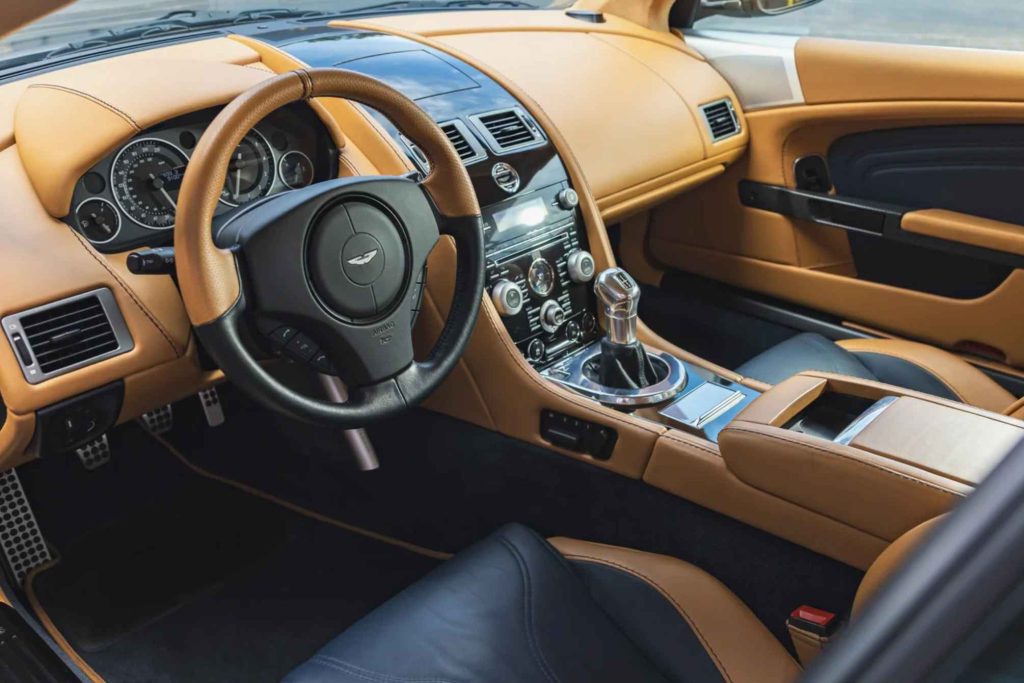
Hagerty currently values a 2011 coupé at £44,000 in fair condition, £60,500 good, £82,500 excellent and £101,000 concours. The market puts a sizeable premium on manuals: current dealer asks are commonly around £90,000-£115,000, while Touchtronic cars can still be found from the mid-£50,000s upwards. Buy the best-maintained car, not the one with the most flattering mileage.
The Aston Martin DBS will always be a Bond car, but reducing it to that misses why it deserves another look. It arrived when Aston could still put a V12, a six-speed gearlever and rear-wheel drive into its mainstream flagship without charging millions. It’s a shape that’s aged remarkably well, and though the later Vanquish was arguably the more complete machine, the DBS is the one I’d want to find waiting in the garage, glass key in hand and nowhere particularly urgent to be. And yes, it has to be the manual…
Own an Aston Martin DBS, or dreaming of one? Tell us in the comments whether you’d take the manual or the Touchtronic.
Insure your classic with a specialist insurer
If you’re looking for cover for your pride and joy, why not consider Hagerty UK? Not only are we classic car insurance specialists, but we are enthusiasts at heart. Call us for a quote on 0333 323 1138.