By 1999 the Lotus Esprit had survived five prime ministers, several owners and enough facelifts to qualify as a television presenter. Giorgetto Giugiaro’s 1976 wedge had been softened by Peter Stevens in 1987, sharpened again by Julian Thomson and given Lotus’s own twin-turbo V8 in 1996. The newer Elise had returned Hethel to lightweight simplicity, but the Esprit still carried the company’s supercar ambitions. Rather than let it fade quietly, Lotus stripped, stiffened and decorated the V8 into the Sport 350, a limited-run road racer intended to prove that an old backbone chassis could still teach younger machinery some manners.
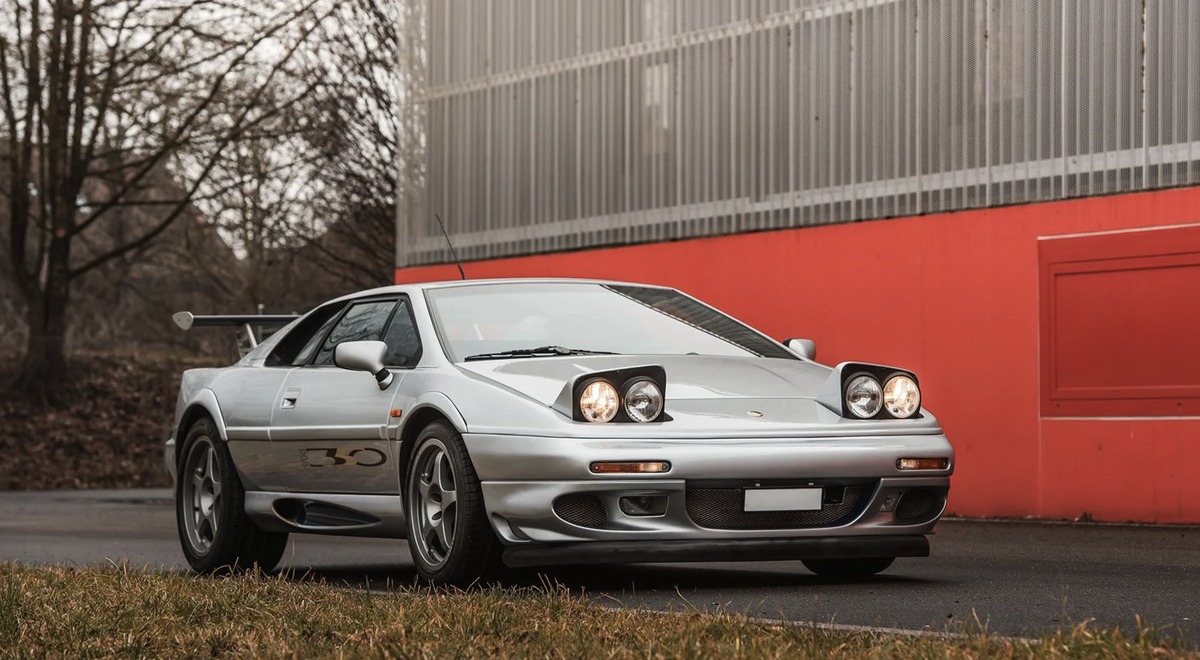
The Sport 350 did not disguise the Esprit’s age, because disguise would have defeated the appeal. Its windscreen remained improbably raked, the nose appeared to have been slipped beneath a closed garage door and the cabin sat between front and rear decks. Yet Julian Thomson’s bumpers, smoother flanks and swollen rear quarters had translated Giugiaro’s folded-paper original into the 1990s without reducing it to nostalgia. The proportions looked outrageous beside a Porsche 911, but no longer suggested every line had been drawn with a ruler during a power cut.
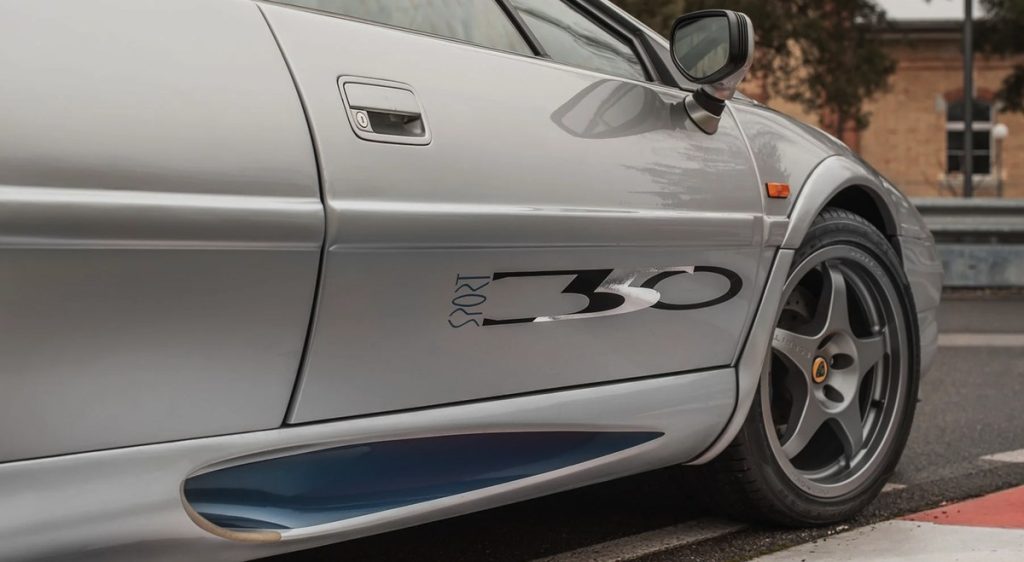
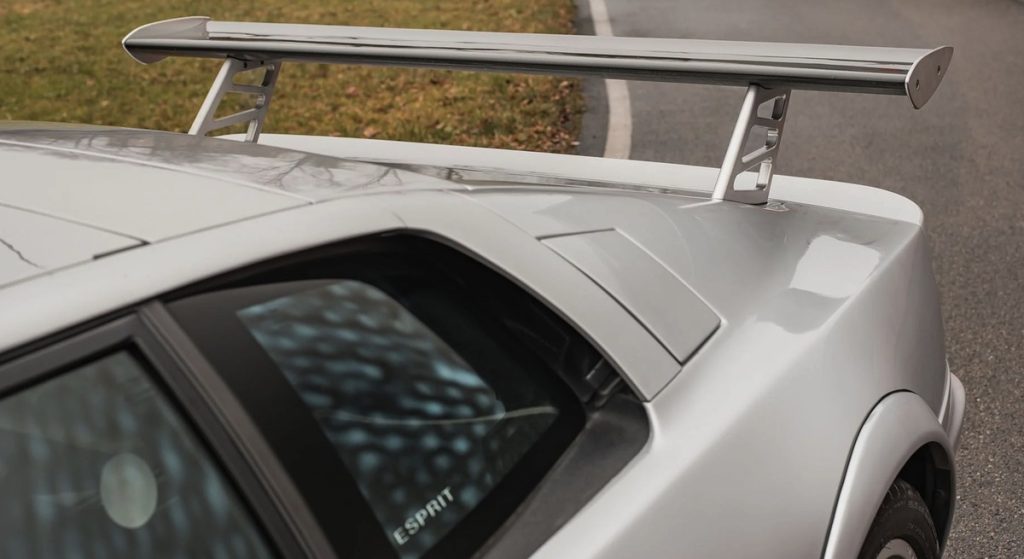
Lotus finished the Sport 350 in New Aluminium metallic, then applied blue graphics along the sills and front bumper. Subtle it was not, although neither was a car barely 45 inches tall and carrying a rear wing wide enough to shade a picnic. That carbonfibre Type 115 aerofoil echoed the Esprit GT1 racer and sat on drilled uprights, turning the tail into something between a Le Mans refugee and an aggressive ironing board. A deeper front spoiler balanced it, while five-spoke OZ wheels gave the car the posture of a competition machine awaiting scrutineering.
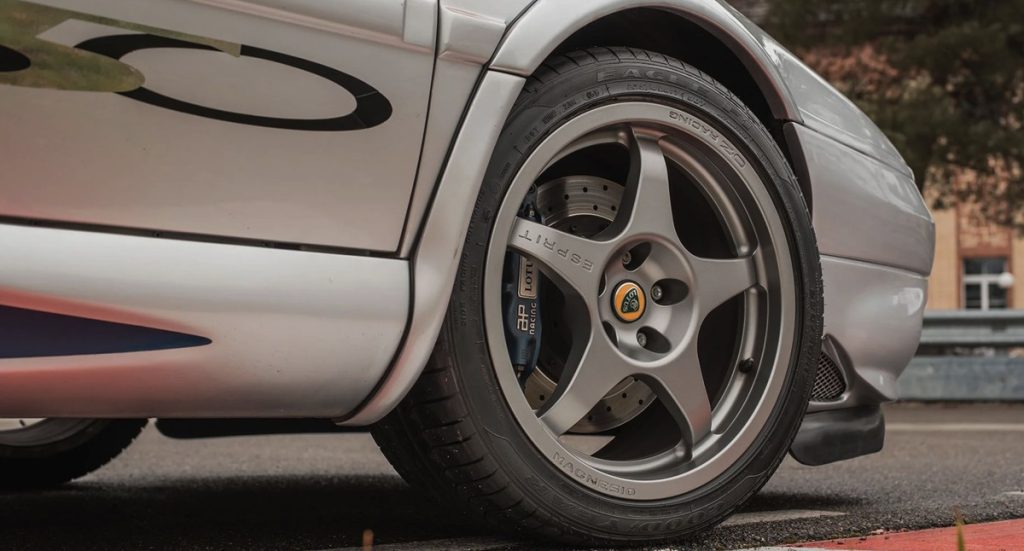
Those magnesium wheels saved unsprung weight and exposed AP Racing calipers through their broad spokes. At 17 inches in front and 18 behind they supplied the stance earlier Esprits had promised but never delivered. The 295-section rear Michelins looked delightfully indecent beneath a body conceived when Britain still had three television channels.
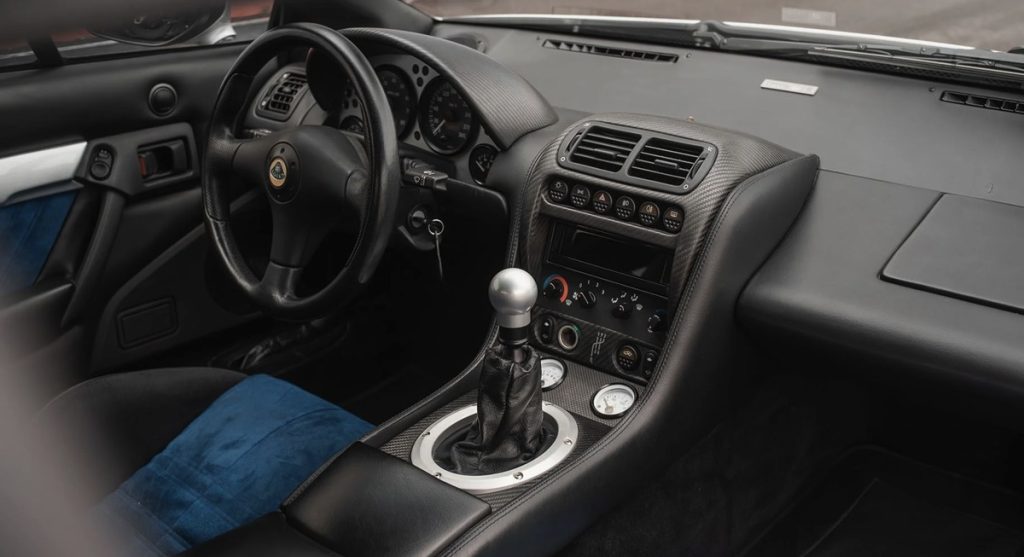
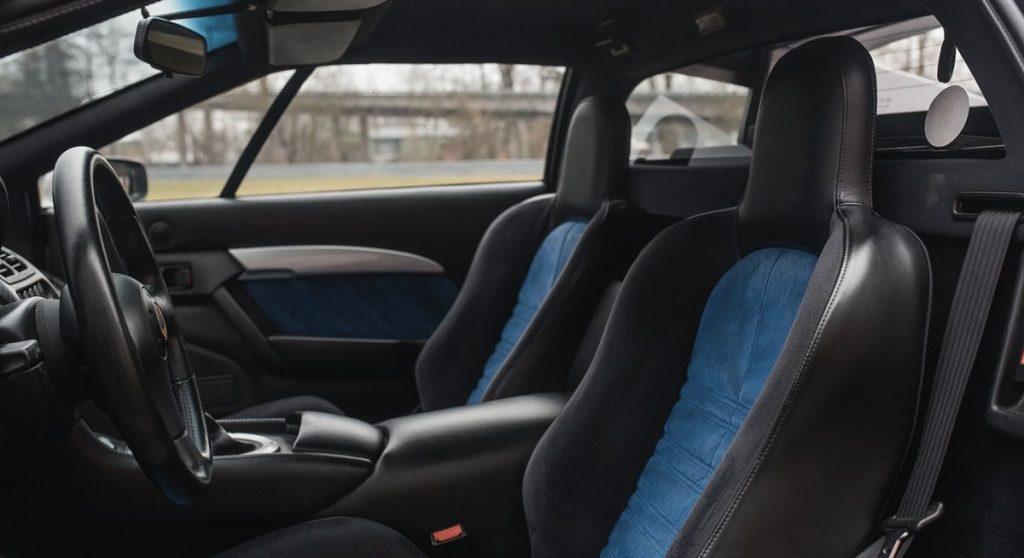
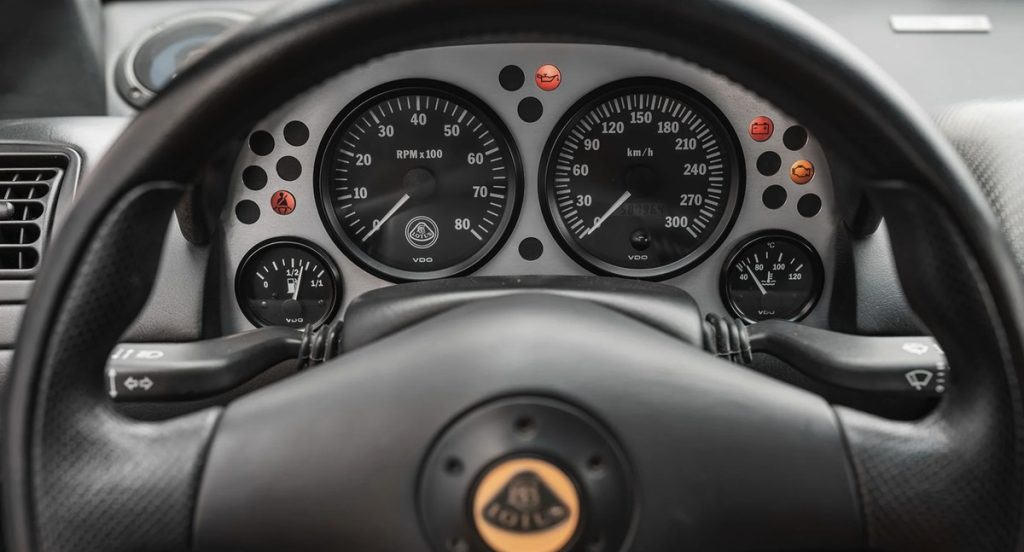
Inside, the low windscreen, transmission tunnel and reclined seating preserved the sense of wearing the car rather than entering it. Unique sports seats, carbonfibre trim and numbered plaques added purpose, while air-conditioning and an airbag remained optional. Some switchgear carried the perfume of a modest parts bin. The driving position, however, put wheel, pedals and gearlever where commitment required them, a more useful luxury than walnut. Sadly, for those taller than most, the Esprit recipe still remained tantalisingly out of reach.
The Sport 350’s 3506cc Type 918 V8 was not asked to produce more power than the regular Esprit V8. It retained an aluminium block and heads, four camshafts, 32 valves, a flat-plane crankshaft and two Allied Signal T25 turbochargers. Revised engine management altered the delivery, but output remained 349bhp at 6500rpm with 295lb ft at 4250rpm. Lotus had already limited the engine to protect the Renault-derived transaxle, which suggested the gearbox had been invited to dinner on condition that nobody raised their voice.
The five-speed manual drove the rear wheels through an AP Racing twin-plate clutch. With unladen weight reduced to 1300kg, the Sport 350 reached 60mph in 4.6 seconds, 100mph in 10.2 and 175mph flat out. More revealing was how it gathered speed once both turbos had joined proceedings. The throttle required patience below the boost threshold, then the V8 pressed the occupants into their seats and made the next braking point arrive with suspicious haste.
Lotus stiffened the zinc-coated steel backbone chassis and fitted uprated springs, retaining independent suspension with upper and lower wishbones in front and transverse links with radius arms behind. The magnesium wheels removed weight where the dampers appreciated it. AP Racing supplied curved-vane ventilated discs and competition calipers at all four corners, governed by three-channel Kelsey-Hayes ABS.
There was no traction control to negotiate the 295-section rear tyres, only the driver’s right foot and an understanding that mid-engined cars dislike panic. The steering was power-assisted but alive, the nose entered bends cleanly and the chassis communicated load through the wheel, seat and pedals. It rode firmly without becoming brittle, then used its low mass and vast footprint to change direction with precision. The Esprit’s age showed in the heavy clutch and long gear movement, not in the way it flowed down a difficult road.
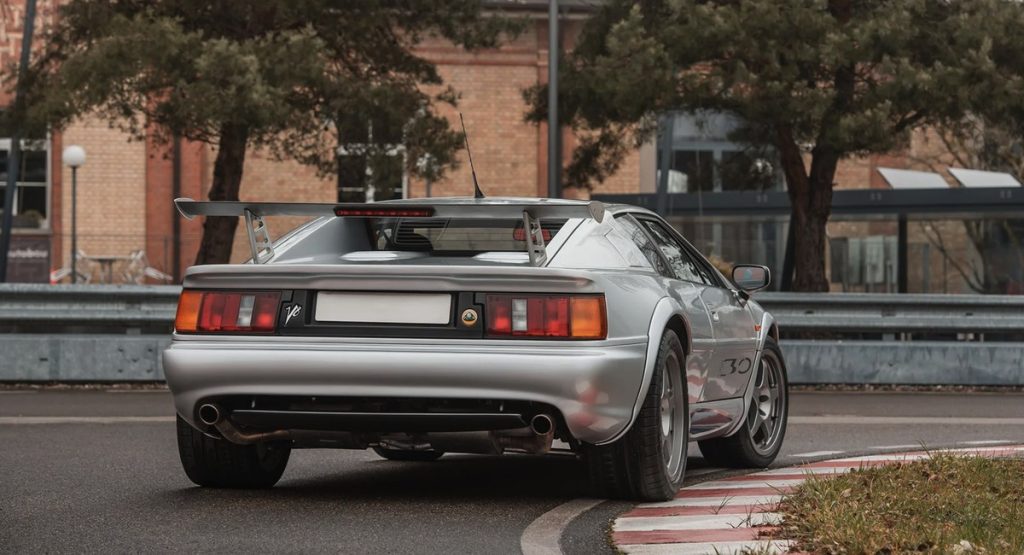
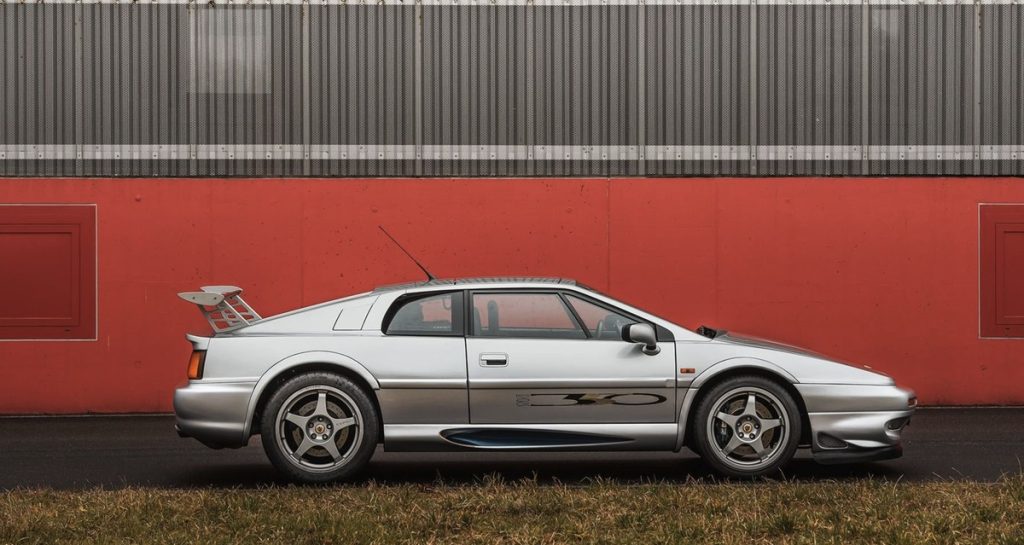
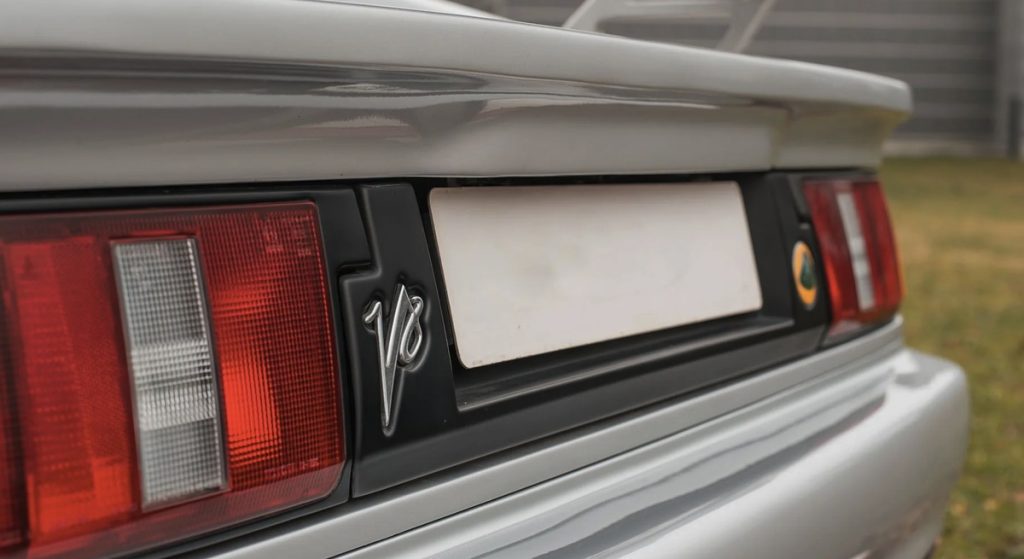
Buy on history, not shininess. A genuine Sport 350 should retain its numbered plaque, magnesium OZ wheels, carbonfibre rear wing, AP Racing brakes and silver-and-blue finish. Repainted graphics are not fatal, but missing bespoke parts can turn a correction into a search involving three countries and somebody’s loft.
The Type 918 demands evidence of servicing, cambelt changes and cooling-system care. Check for coolant loss, mayonnaise and pressurisation that may indicate failed cylinder-liner sealant. The issue affected engines built before Lotus adopted sealant in 2000, so no 1999 Sport 350 deserves immunity. Inspect radiators, fans, hoses, turbo oil feeds, wastegate actuators, exhaust manifolds and heat shields. Smoke, uneven boost or remapping should shorten the test drive.
The Renault UN1 gearbox is the worry. First and second synchromesh, fifth gear and input shafts suffer when abused, while the twin-plate clutch is costly to replace. Selection should be deliberate, not obstructive.
Inspect the glassfibre body for star cracks, waviness and accident repairs. Magnesium wheels corrode and damage easily, so insist on specialist examination. Check fuel tanks for corrosion, the steering rack for leaks, suspension geometry, air-conditioning, headlamp motors, windows and warning lights. A cheap Sport 350 is an expensive one waiting for introductions.
Lotus announced 50 Sport 350s, although most specialist registers account for 42. That scarcity helped, but rarity alone did not make it the ultimate Esprit. The car distilled 23 years of development into one final argument for the old wedge: less weight, better brakes, sharper responses and precisely enough decoration to frighten a Ferrari owner. Its AP Racing hardware influenced the 2002 Esprit revisions, while the Sport 350 badge anticipated the lighter, harder derivatives Lotus later built from the Exige and Evora. The Esprit survived until 2004, but never became more focused. Hethel had saved its strongest version until late.