These five Sixties designs were still in showrooms when Britpop, airbags and ABS had arrived
There’s a point at which an old car stops being a classic and starts looking like it has simply forgot where the exit was. By the 1990s, airbags, catalytic converters, ABS and increasingly bulbous bumpers were becoming normal, yet a handful of machines conceived when The Beatles were together were still on sale – or came back to it.
These were cars whose bones still went back to the 1960s, sometimes almost literally. Some were kept alive by constant development, others by buyers who simply didn’t want anything newer. Either way, here are five Sixties survivors that somehow made it to the ’90s.
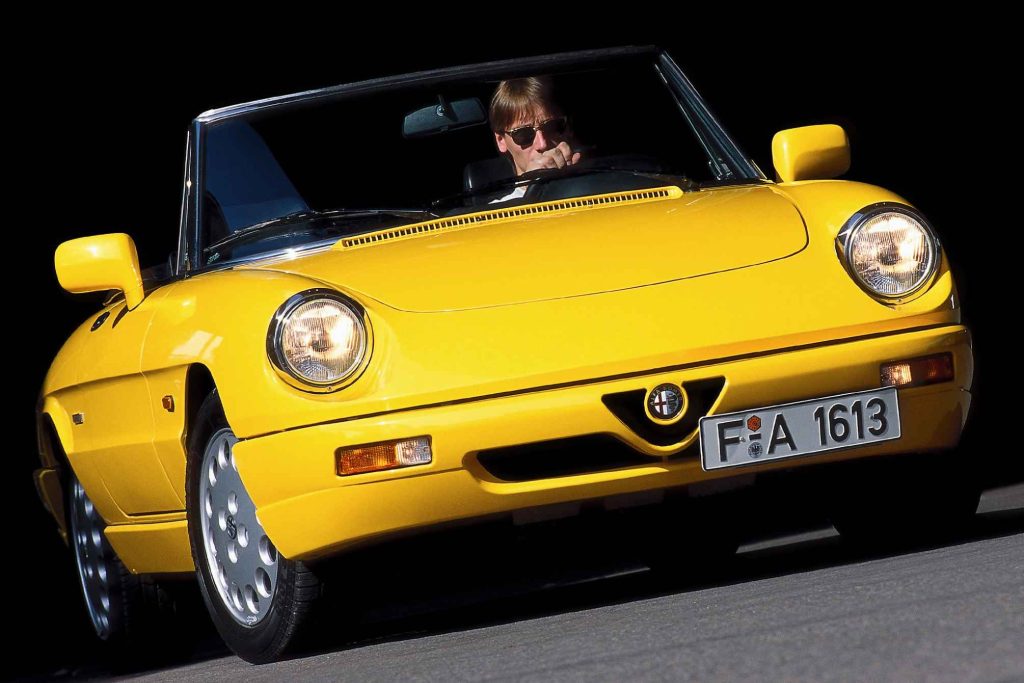
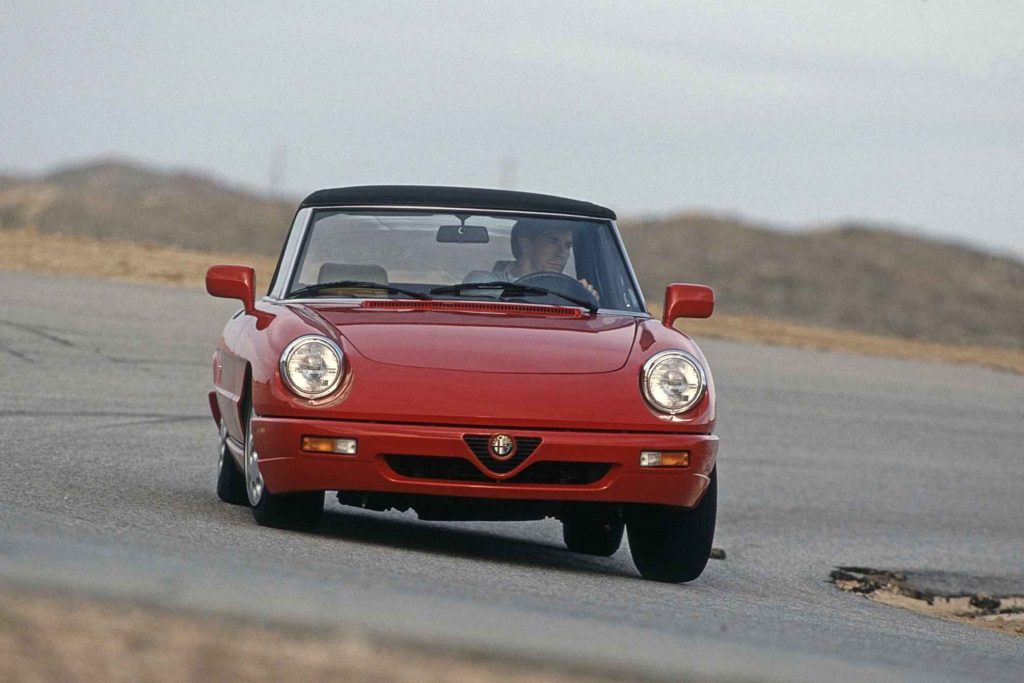
Alfa Romeo Spider
Few cars illustrate the point better than the Alfa Spider. Launched in 1966 as the 1600 Spider – though everyone calls it the Duetto now – it was still being built in 1994, having somehow survived four generations of styling tweaks without ever quite becoming another car.
The rounded boat-tail of the original gave way to the chopped Kamm tail in 1969, then came the heavily spoilered Series 3 of the 1980s before the Series 4 arrived in 1989 and tidied everything back up again. Underneath, however, the recipe remained familiar: rear-wheel drive, a live rear axle and Alfa’s twin-cam four-cylinder engine.
By the end it had fuel injection, power steering and rather more plastic than Battista Pininfarina probably envisaged when the original appeared at Geneva, but sit in one and the family connection is impossible to miss.
That’s perhaps why the last cars still work. They aren’t convincing attempts at being modern; they’re old cars that have learned a few new tricks. Alfa built more than 124,000 over 28 years, making the Spider the longest-running model in the company’s history.
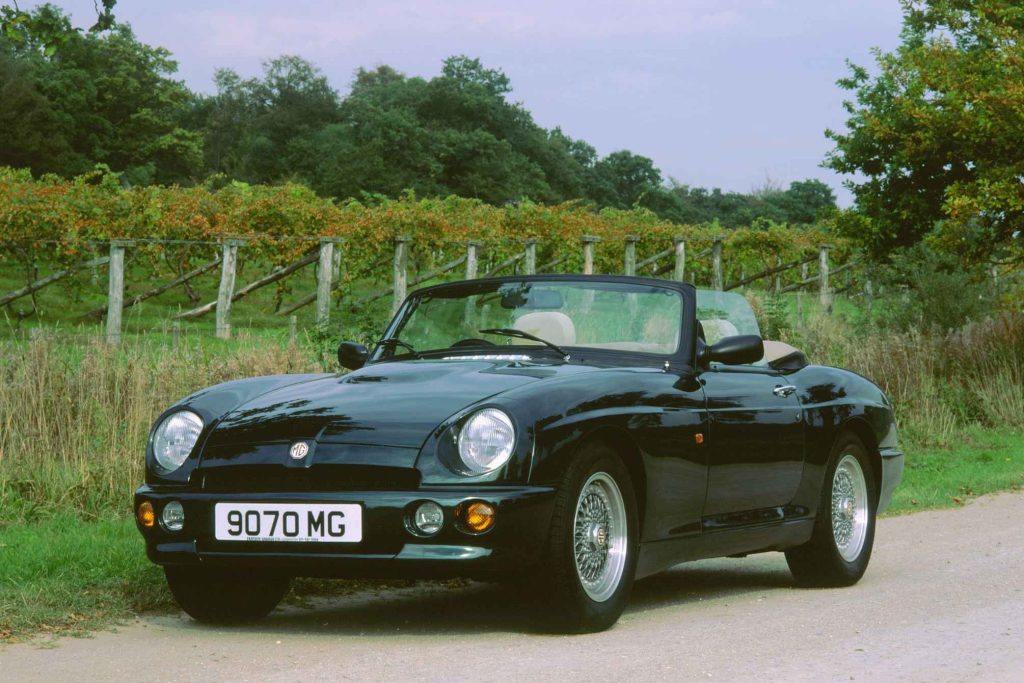
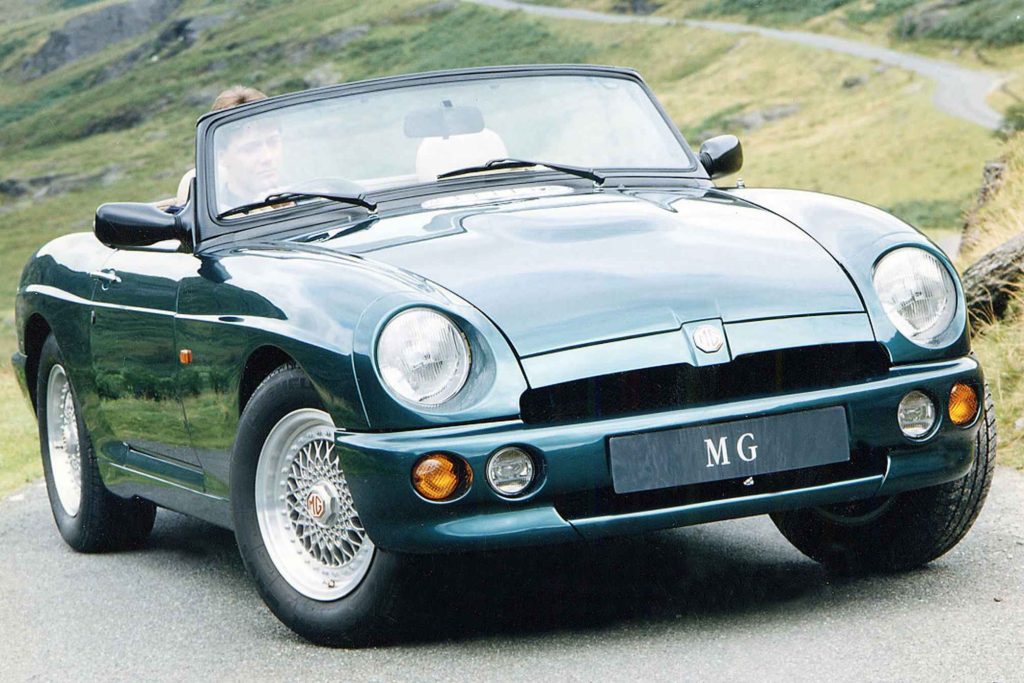
MG RV8
This one is cheating, but only slightly – and in a British way. MGB production ended in 1980, drawing a line under a car introduced in 1962. Then British Motor Heritage began making MGB bodyshells again, Rover noticed them and somebody presumably said: “Hang on, haven’t we still got a V8 lying around?”
The result was the 1992 RV8. It wasn’t simply an MGB with posher seats: the suspension was revised, the track widened, the wings and bonnet changed and a 3.9-litre Rover V8 installed. Yet the bodyshell and proportions were still rooted in Abingdon’s 1962 sports car.
Rover altered plenty beneath the familiar outline, which makes the whole enterprise more wonderfully peculiar. Here was a 1990s car whose starting point was a newly manufactured version of a shell designed three decades earlier. It was expensive, old-fashioned and outgunned by TVRs. Naturally, Japan loved it, taking most of the 1983 examples produced.
So yes, the MGB technically died for 12 years. But if a car can return from the dead wearing burr elm and a Rover V8, I’m counting it.
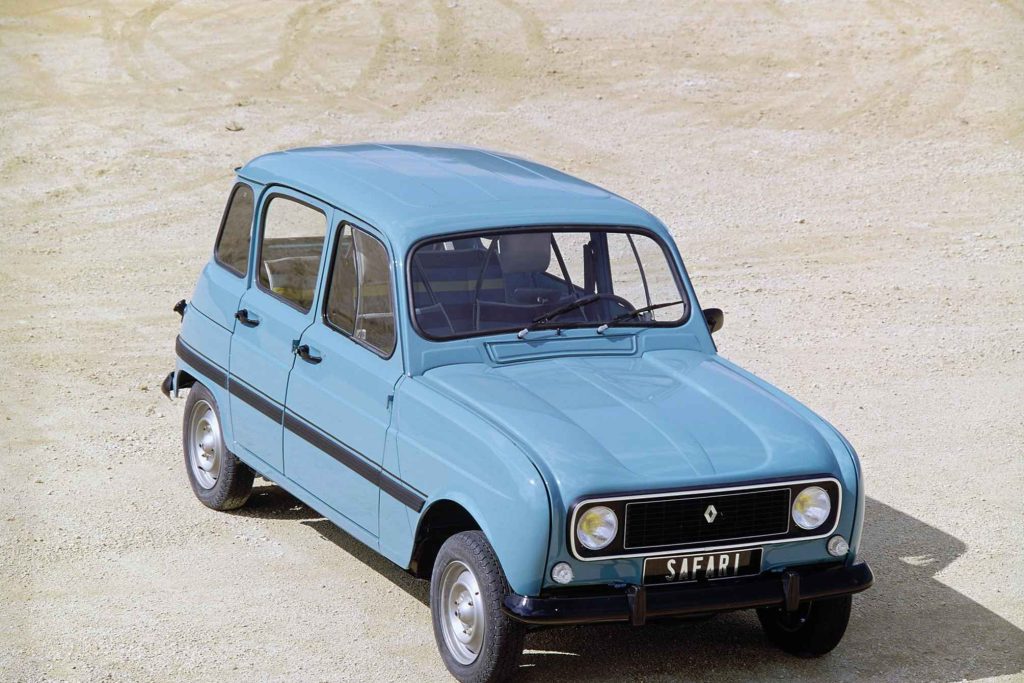
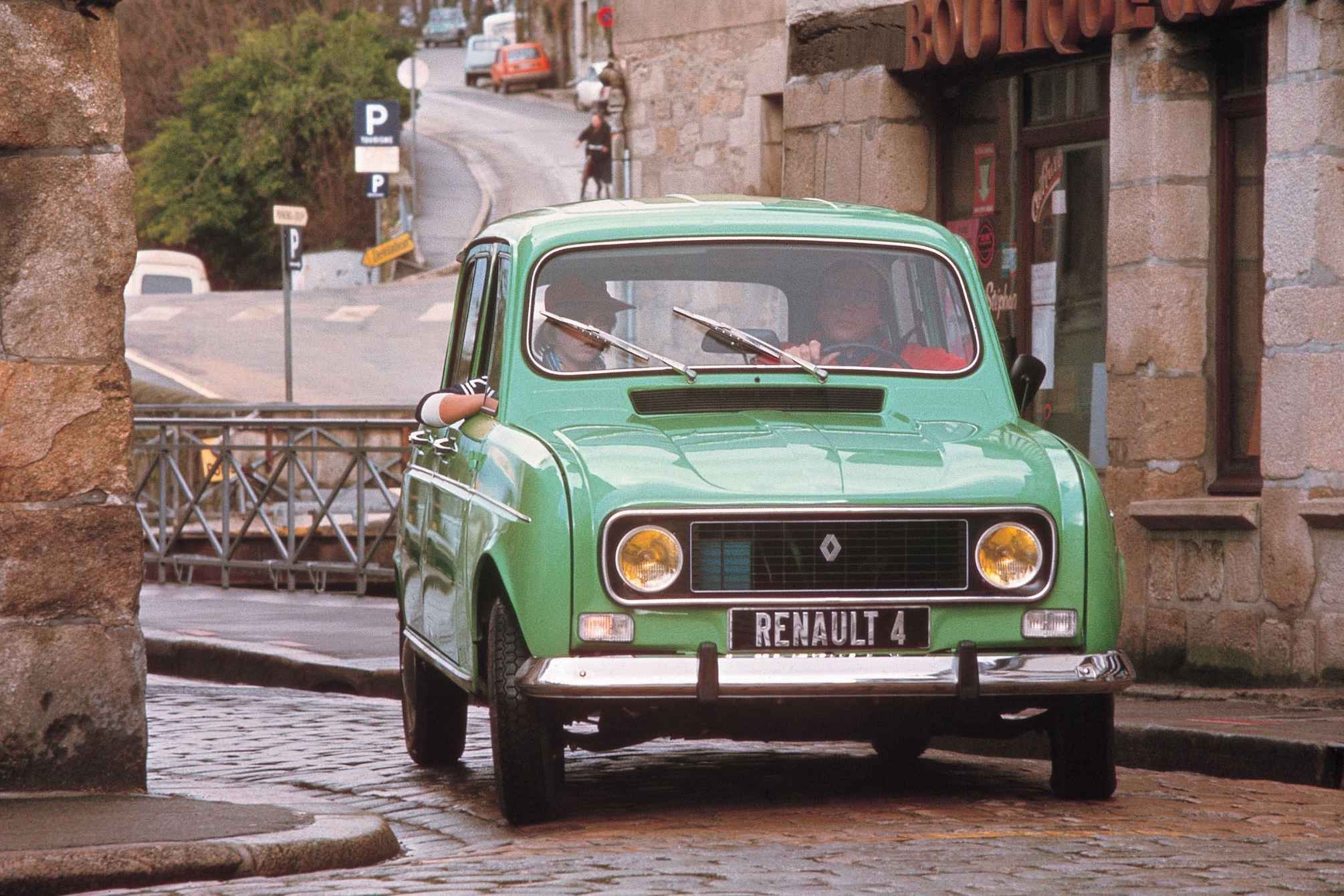
Renault 4
The Renault 4 didn’t need resurrection because it simply refused to die in the first place.
Introduced in 1961, it was Renault’s answer to the Citroën 2CV: cheap, useful and sufficiently uncomplicated that almost any problem could be solved with basic tools, wire or a sufficiently Gallic shrug. Front-wheel drive, long-travel suspension and a huge rear hatch made it hugely practical long before “lifestyle vehicle” became something marketing departments said without laughing.
And then Renault just kept building it. Engines changed, trim improved and the grille wandered through several different identities, but a 1992 Renault 4 remained obviously, fundamentally the same car that had appeared three decades earlier.
By then it looked like a prop accidentally left behind after filming a French period drama. Renault finally marked the end with 1000 numbered “Bye Bye” editions in 1992, counting down to the last car. More than eight million had been sold in over 100 countries. It survived because it was cheap, honest, useful and worked in all weathers, everywhere. There’s something deeply admirable about that.
Jeep Grand Wagoneer
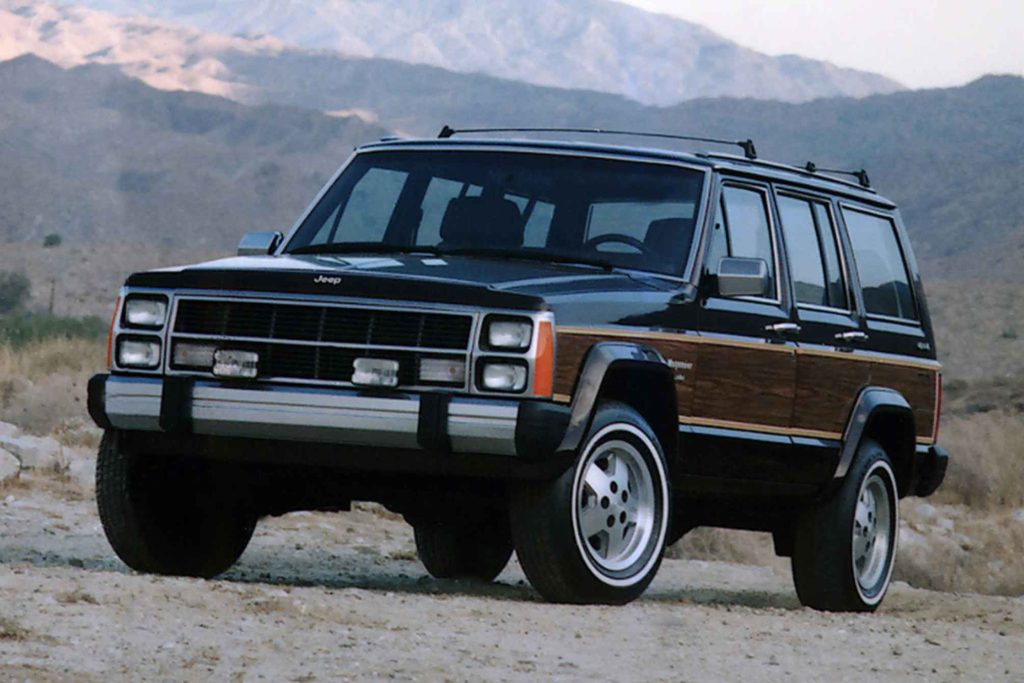
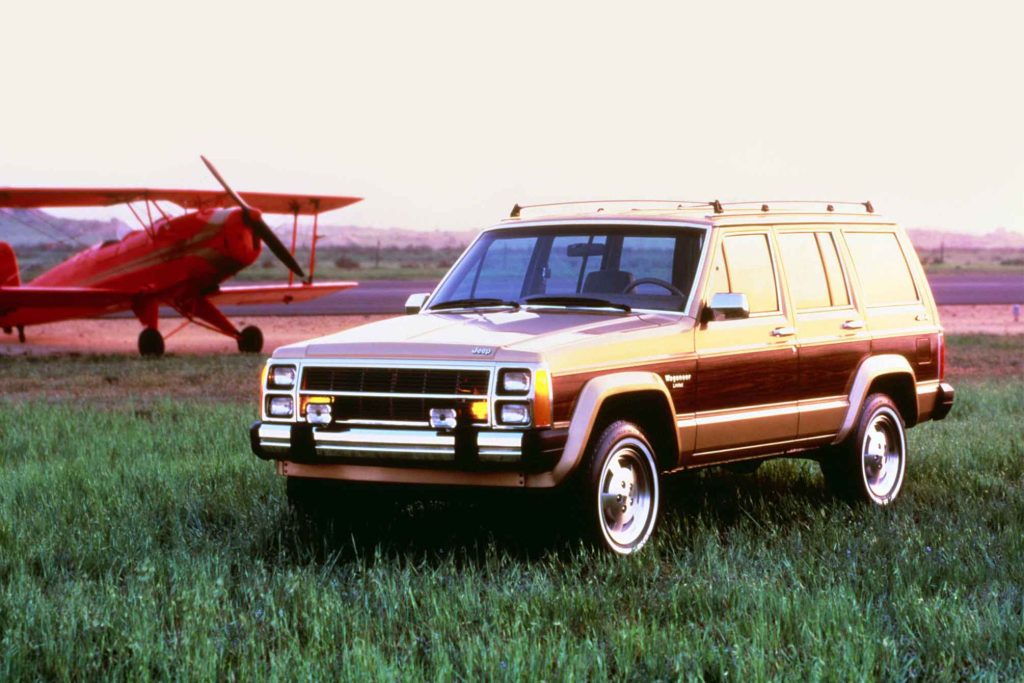
Imagine walking into an American Jeep dealership in 1991 and buying something whose platform dated from 1963. Not a retro car. Not a continuation model. Just the same thing, still there.
The Wagoneer SJ was launched for 1963 with Brooks Stevens styling and, remarkably, remained on the same platform for more than 28 years. Jeep itself says that when production ended it had enjoyed the longest continuous run on one platform in US automotive history.
Engines, drivetrains and interiors came and went, Quadra-Trac four-wheel drive arrived during the 1970s and the Wagoneer became the Grand Wagoneer in 1984. But the body shape endured, eventually gaining enough fake wood, leather and chromed ornamentation to resemble a country club with chunky tyres. By 1991 it was gloriously out of time. The aerodynamic revolution had happened elsewhere; the Grand Wagoneer appeared to have missed the meeting.
That was precisely the appeal. What began as one of the first civilised 4x4s ended as an American luxury icon, still selling the same essential idea nearly three decades later.
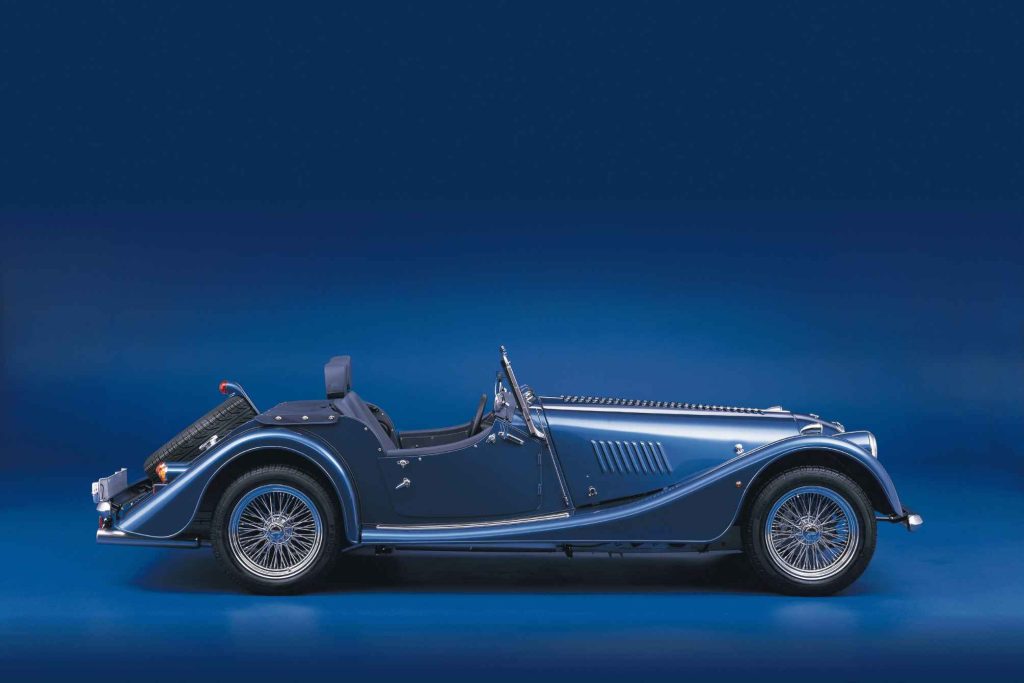
Morgan Plus 8
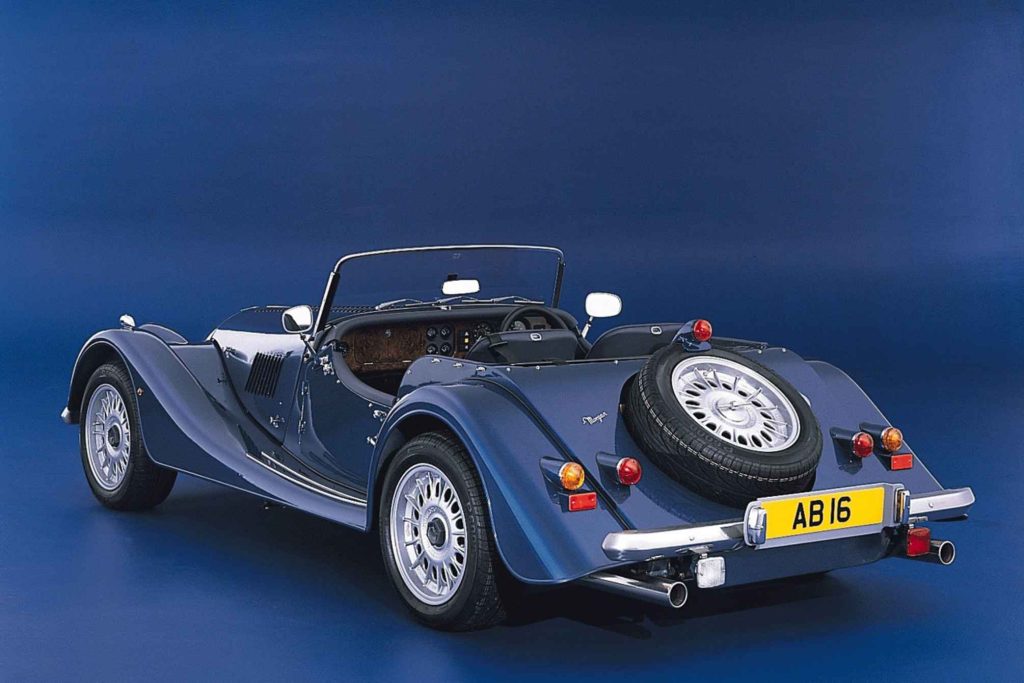
And then there’s Morgan, which makes everybody else on this list look almost indecisive.
The Plus 8 arrived in 1968 after Morgan squeezed Rover’s aluminium 3.5-litre V8 into a widened version of its existing Plus 4 chassis. It was astonishingly quick for the period – Morgan quotes 0-60mph in 6.7 seconds – and established a formula so effective that there seemed little point troubling it with wholesale reinvention. So Morgan didn’t.
The Rover V8 grew from 3.5 litres to 3.9 and eventually 4.6; fuel injection arrived, gearboxes changed and detail improvements accumulated. Yet through the 1990s you could still buy a Plus 8 with a steel chassis, ash-framed body, sliding-pillar front suspension and styling that was already retro when Harold Wilson was in Downing Street.
That wasn’t a bug of course, it was the entire point. The original Rover V8 Plus 8 remained in production until 2004, 36 years after its introduction. Few cars have blurred the distinction between “classic” and “current model” so enthusiastically – and few have done it while making quite such a wonderful noise.
Insure your classic with a specialist insurer
If you’re looking for cover for your pride and joy, why not consider Hagerty UK? Not only are we classic car insurance specialists, but we are enthusiasts at heart. Call us for a quote on 0333 323 1138.