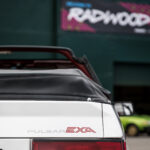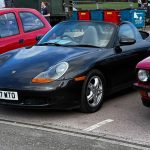
RADwood is returning in 2027 – the show where 80s and 90s cars and culture are celebrated in maximum style, colour, and noise.
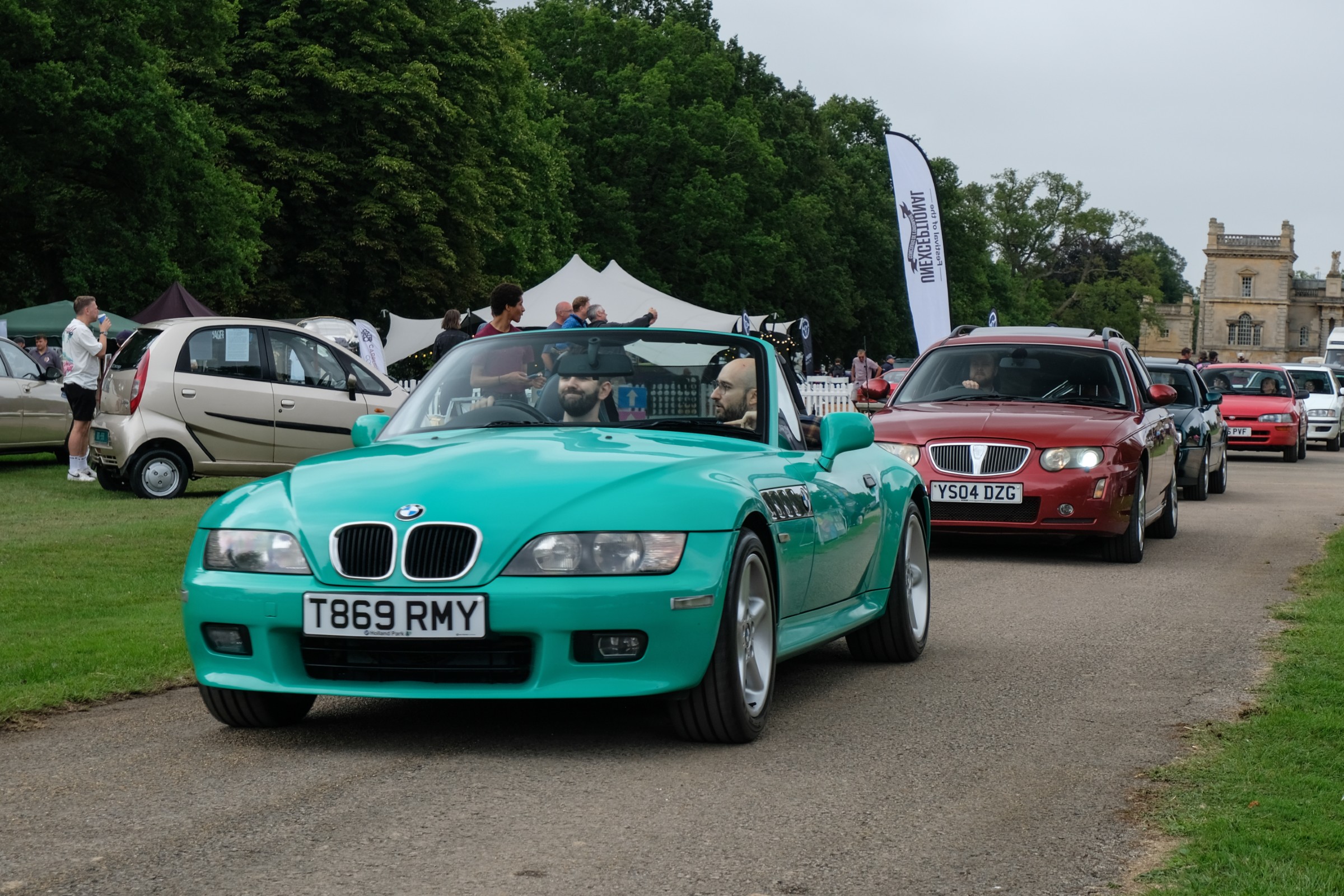
If you’re not familiar with RADwood, it cuts a very different dash to the Festival of the Unexceptional. There might be some crossover between the years, but that’s about where it ends – the cars at RADwood are anything but mundane, with sports and performance models, high-tech (for the era) features, flashy alloy wheels, body kits, and period accessories all placed front and centre. Think aftermarket BBS rather than wheel trims, and graphic equalisers rather than blanking plates.
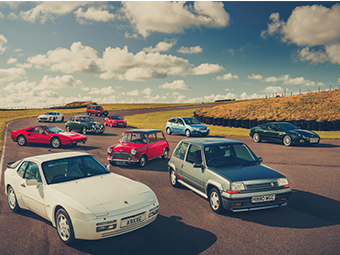
Before last year’s show we found ten cars you could buy for under ten grand apiece to put you in the mood, and this year we’ve found another ten all available for the same budget. Because while you’re likely to see everything from GTIs to F40s at RADwood, there are still a huge number of cool 80s and 90s cars available for surprisingly sensible money. These are no garage queens either, as each and every one is something you’d be happy to use to its full potential.
Volkswagen Corrado
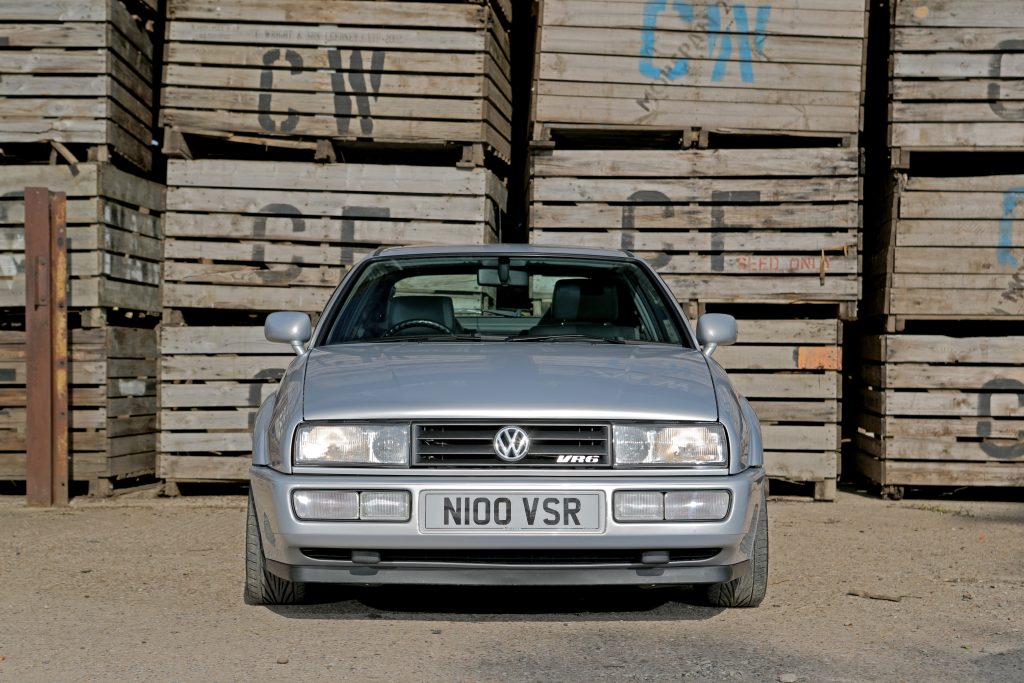
Volkswagen fans only have eyes for one Corrado, based on values in the Hagerty Price Guide. Seven grand could get you a concours condition version of the 1.8 or 2.0 16v models, but you’d need over £8000 to get a VR6 in merely “good” condition, at current market prices. The difference in demand is no surprise – with either four-pot (or the more powerful supercharged G60) the Corrado is a fun little coupe but nothing more, while with the VR6, it’s one of the best sports coupes of the 1990s.
Of course, alloy wheels and badges aside, few could instantly tell the difference between the different Corrados, so the chunky lines have just as much RADwood appeal whichever model you go for, and a little less weight over the nose doesn’t harm the Corrado’s excellent handling. And as we made clear above, you can get a lot more Volkswagen for your money if you don’t need all six cylinders. In an ideal world we’d still seek out the punchy, musical VR6, but the Corrado as a whole is really coming into its own as a modern classic.
Ideal RADwood spec: VR6 with a period-correct body kit from the likes of Oettinger or Rieger, but any Corrado’s rad now.
Renault Clio 16v
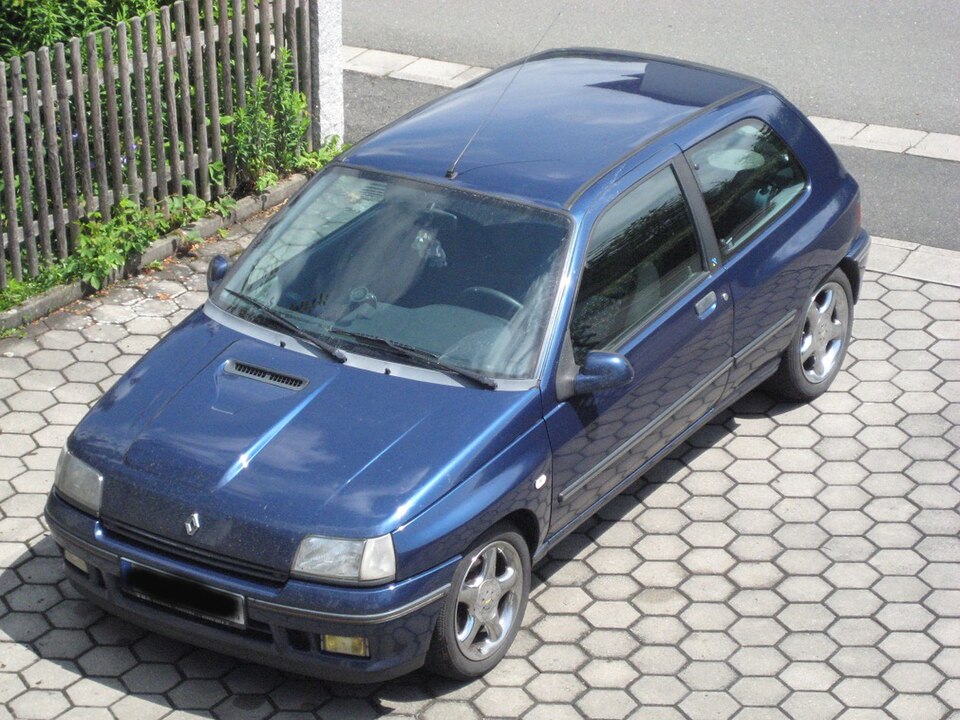
Unless you’re prepared to settle for a pretty scruffy car, the days of the ten-grand Clio Williams sadly appear to be behind us. Well, sadly if you don’t already own one of course, and are watching its value steadily climb, having paid a pittance six or seven years ago. For those priced out of the blue’n’gold special though, there is another option: the Clio 16v, on which the Williams was based.
Lest we forget, the Clio as a whole was one of the best superminis of the early 90s, and when Renault installed its 137bhp 1.8-litre 16v engine (as used in the R19 16v), the Clio became a 130mph flier, a worthy follow-up to the outgoing Renault 5 GT Turbo. It looked mega too, with a large bonnet vent, wider arches, and some stunning Speedline turbine-style 15-inch alloys (later cars got attractive, but not quite as cool, Speedline Vega five-spokes). The 16v’s handling was fabulous, its performance strong, and the interior was smart too, with a racy three-spoke steering wheel, extra gauges, and well-bolstered seats. Don’t worry if you can’t stretch to a Williams – the 16v’s still a cracking 90s hot hatch.
Ideal RADwood spec: Any colour, and ideally an earlier car with the Speedline ‘turbine’ wheels.
BMW Z3
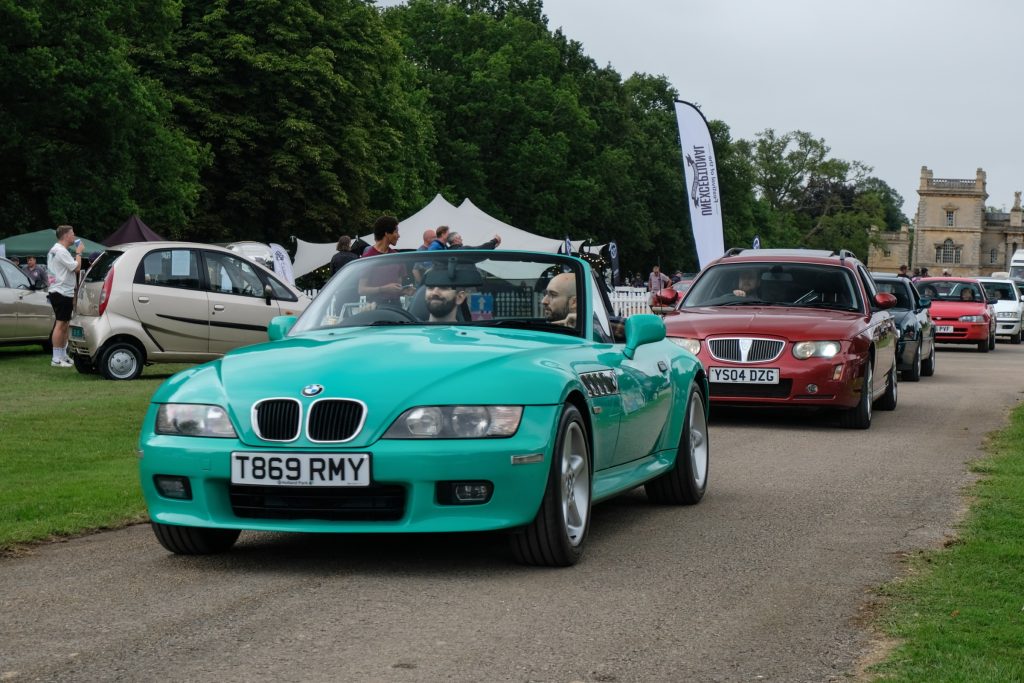
While BMW’s tin-tops sometimes take themselves a little too seriously, the BMW Z3 introduced in 1995 is a lot more carefree. It was, in the nicest possible way, cobbled together from a box of E30 and E36 3-Series bits, wrapped in a pseudo-retro shape and granted a wide variety of colour and trim combinations, all bolted together by the good folks of South Carolina, the first BMW produced there to be sold worldwide.
It attracted mixed reviews when new, its handling not quite up to Mazda MX-5 standards in four-cylinder form, nor being quite a Porsche Boxster-beater with the 2.8-litre straight six. But it arguably looked better than either, with pumped up arches (wider in six-pot cars), some chunky wheel and tyre combos, and a selection of truly eyecatching paint colours, the brightest of which absolutely scream Nineties. The 1997-on Z3M is unfortunately beyond our budget but the regular fours and sixes start at just a couple of grand.
Ideal RADwood spec: Anything in an eye-popping hue like Dakar Yellow or Fiji Green.
Honda Accord Aerodeck
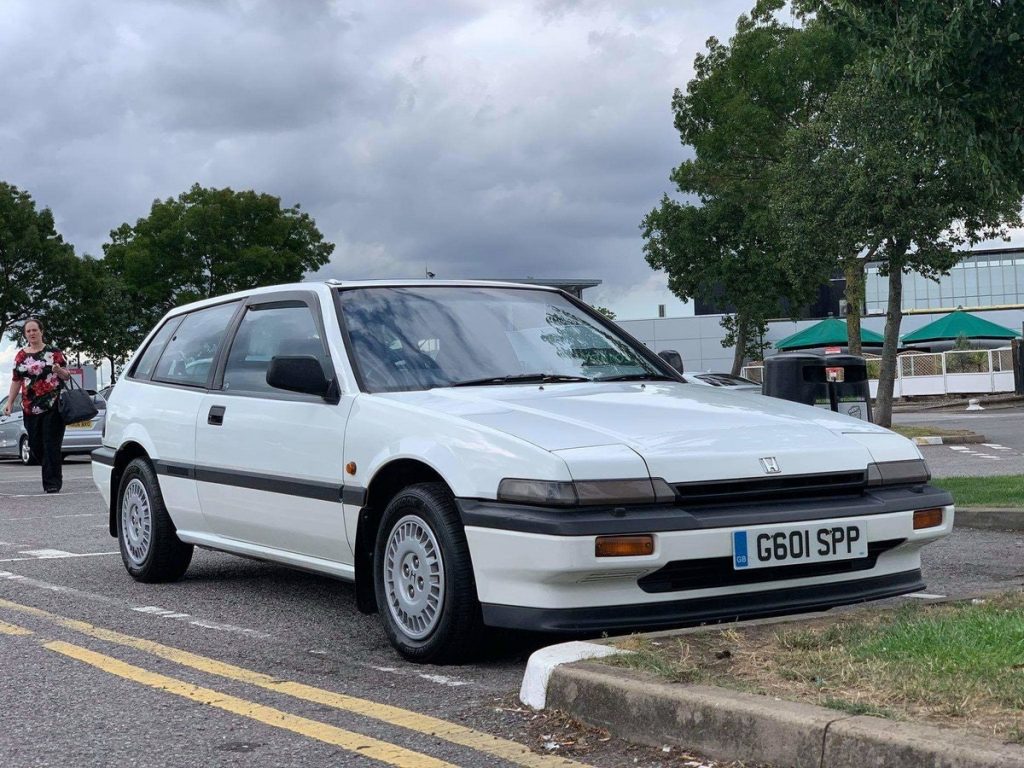
Honda has used the Aerodeck badge a few times over the years, but nowhere did it look better than on the tailgate of 1986’s Accord Aerodeck, a wedge-shaped three-door that looked a little like a dramatically extended Civic hatchback. It was cooler than any Civic of the time though, thanks in part to a set of pop-up headlights at the front, and a hatchback that made up for its high load lip by taking some of the roof with it when it opened.
Autocar’s 1986 road test of the Aerodeck was so glowing the magazine said it ‘comes closer to perfection than most vehicles’. Styling, versatility, performance, handling, refinement, and ergonomics all won praise. A smooth-spinning 2-litre, 12-valve four powered the Honda (with a modest 122bhp output), but this was no VTEC screamer anyway – more a classy, distinctive, and practical way of getting about. Aerodecks are very rare – UK survivors are in the tens, not hundreds – but as we write there’s a tidy 1989 car for sale in Stratford-upon-Avon, with the popular auto ‘box, for £8000, handily inside our budget.
Ideal RADwood spec: Beggars can’t be choosers with a car this rare, but if it’s wearing some period Japanese wheels, we won’t complain.
Nissan 300ZX (Z31)
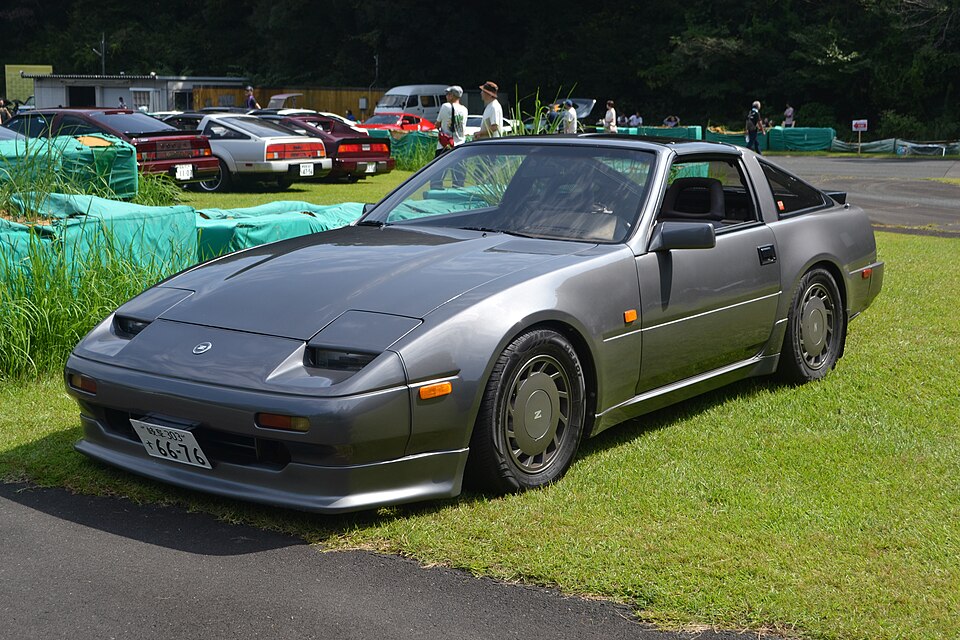
People forget that the final Nissan 300ZX, the car launched in 1989 and is known by fans as the ‘Z32’, was a bit of a revelation – one of that group of late 80s and early 90s Japanese cars that rewrote the rules, along with the Mazda MX-5, Lexus LS, and Honda NSX. Nobody really missed its Z31 predecessor, which had been around since 1983, but everything comes around eventually, and the Z31 finds itself in prime RADwood territory these days: a charmingly wedge-shaped sports coupe with all the cues that make cars from this era cool and collectable in the 2020s.
It replaced the 280SX, which was more closely related to the original 240Z, and therefore getting on a bit. The Z31 300ZX was an all-new design (albeit with similarities to its predecessors), switched to new V6 engines (Japan did get a turbocharged inline six too), and all cars had a T-top roof arrangement, with removable panels. Turbo models were rapid for their day – Autocar managed 0-60mph in 7.2 seconds in its 1984 test – and handling was fun, though things could get a little squirrely in the wet. The car’s appeal today though is surely its oh-so-80s styling. Some imports even had that ultimate ‘rad’ detail: digital gauges.
Ideal RADwood spec: Any will do, but if it’s sunny, the T-top panels have to be removed.
Ford Fiesta XR2
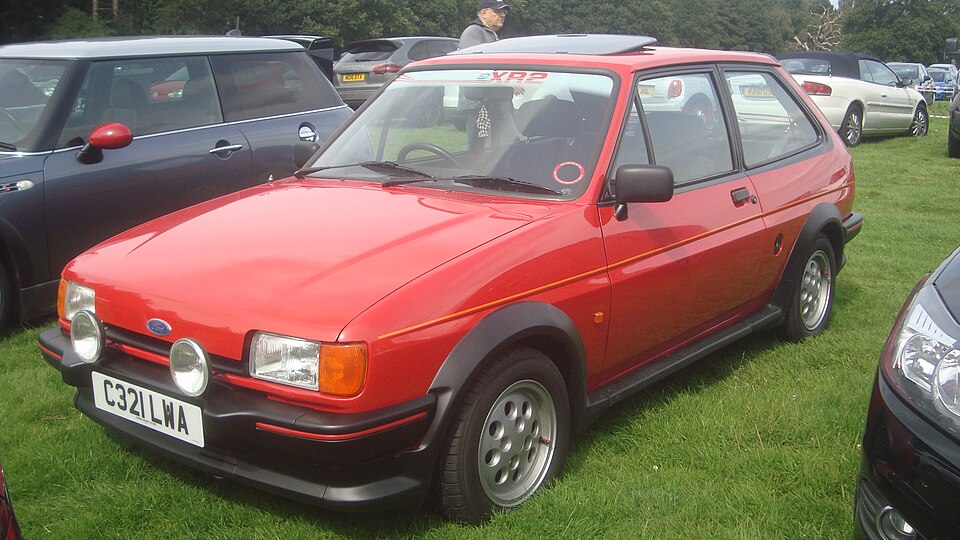
Last time we picked RADwood favourites the Escort XR3i was our weapon of choice. This time it’s the turn of the smaller XR2, in either Mk1 or Mk2 form (though Mk3s are in budget too), which like its larger sibling shows that Ford really understood hot hatchback aesthetics in the 1980s, even if their handling could be a bit floppy and their engines as rough as a bear’s backside.
We’re split on which generation carries off the look the best. The original XR2’s round headlights and fade graphics are great, but then the Mk2’s oblong lights, red-striped bumper, and inset spotlamps are also brilliant details, and the Mk2 was probably the bigger hit with the 1990s tuning scene. It was wildly popular, accounting for a quarter of Fiesta sales at the time, but that tuning scene and the general attrition of age means they’re a lot rarer now, so to get one under ten grand, you’ll need to search around; the Hagerty Price Guide reckons £8200 will get a “good, condition 3” car.
Ideal RADwood spec: If it’s clean and original it’s perfect for RADwood, but XR2s definitely look best in Sunburst Red. If it’s got spotlights, even better.
Toyota Sera
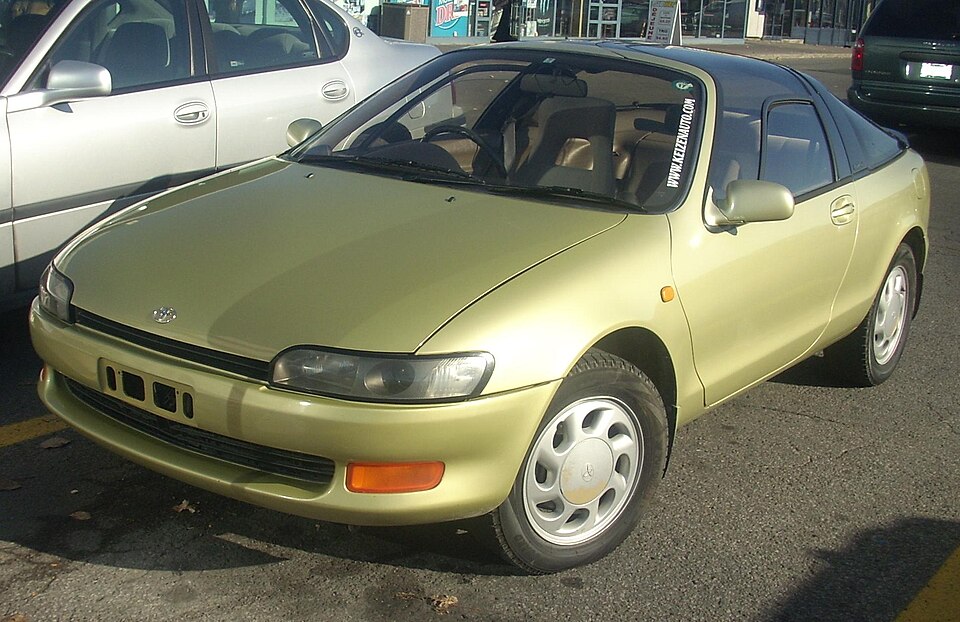
If the Festival of the Unexceptional celebrates the mundane, then RADwood is sort of the opposite. And if Toyota has a long history of churning out FOTU-suitable cars, it’s also produced some which pretty much define “rad”, one of those being the Sera. Based on the Starlet, the brand’s humble supermini, the Sera was a glass-roofed, butterfly-doored concept car for the road.
With only 105bhp from a 1.5-litre four in a pretty mild state of tune, it’s no performance machine, and most were fitted with automatic gearboxes which further sapped performance. But straight-line speed, or even cornering prowess, are not remotely the point here (Autocar said in 1990 that the Sera ‘feels unresponsive through bends taken at any kind of speed’). Instead it’s about maximum flash for minimal cash. In Japan it cost 1.6 million Yen on launch, around £6000, barely more than a poverty-spec Vauxhall Nova in the UK. Today you’ll spend £2k-£6k depending on condition, or a little more for the very best. A lot have been sullied with naff alloys and glue-on interior tat, but smart original cars stand out even further as a result.
Ideal RADwood spec: They’re all cool, and there were only a handful of colours to choose from. Make sure at least one of those doors is popped up…
Jeep Cherokee (XJ)
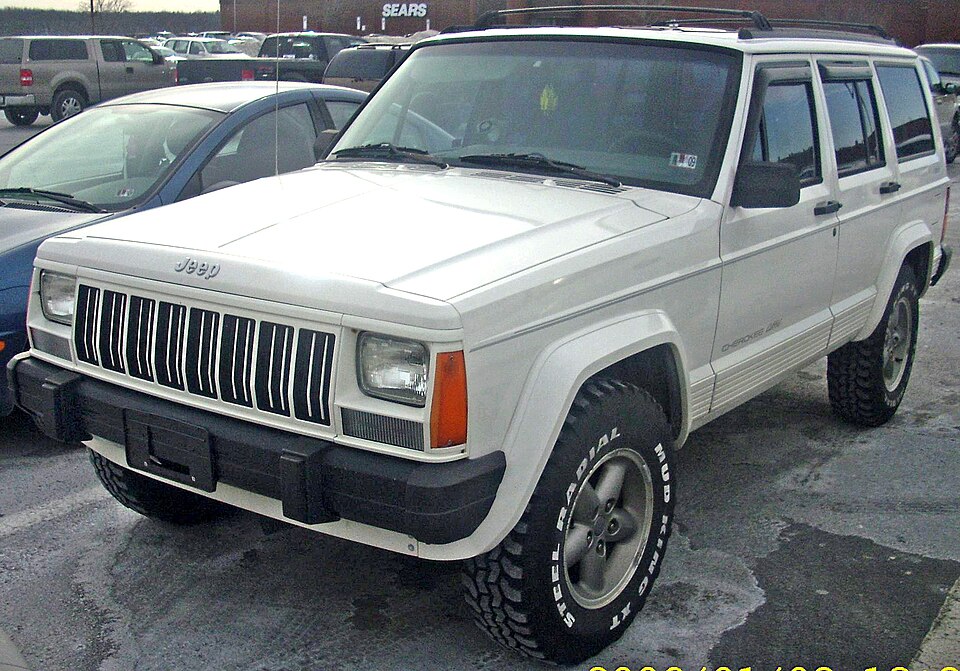
These Jeeps are a common sight at RADwood events in the US, and we reckon they’d fit in quite nicely at RADwood UK too. They were very popular back in the 1990s (despite being around in the US since 1984, the UK market didn’t get the car until nearly a decade later) and there’s a small but growing cult following for them today, based on their well-proportioned boxy styling, mechanical simplicity, and not insignificantly, their compact size by modern standards: at under 4.3m long and 1.8m wide, the Cherokee only takes up the same road space as a new VW Golf.
As Hagerty’s Jason Cammisa explained in his Revelations video, the Cherokee had some Renault input into its design, making it an unusually good handler for a car of this type, while its relatively light weight and punchy straight-six engines made it quicker than most V8 SUVs of the time too. It won’t feel quite that quick today (and the optional four-cylinder petrol and diesels weren’t quick by anyone’s standards) but it makes the Cherokee fun in its own kind of way. And while RADwood is a summer event, this is a classic you can use all year round without worry. How much? The absolute best may now be cresting the £10k mark, but the vast majority are still below this, and £6k-£7k is enough for a very nice example.
Ideal RADwood spec: Probably a 4-litre model in special edition Orvis trim.

Saab 900 Turbo
No automotive component is more closely associated with the 1980s than the turbocharger. Saab made the turbo its business back in the 1970s and when the 900 arrived in 1978 it went full steam ahead, offering a Turbo from the outset. In spirit though it’s a car of the 80s, lasting the entire decade and a little into the 90s when the GM-based car replaced it.
Those later models are where the 900 hit the visual sweet spot, especially in Aero trim, which featured a body kit and from 1987, larger wheels to go with their 173bhp outputs. The three-door hatchback in Aero trim is the sweet spot, with that distinctive long, sloping tail (which also affords impressive practicality) contrasting with the near-upright windscreen. The cabin’s more about comfort than raciness, though a little boost needle flicking left and right with throttle inputs is a characteristic of these models. £10k is still enough for a very tidy Turbo, with 16 and 16S models going for a little more respectively.
Ideal RADwood spec: 900 Turbos are most iconic in black, on three-spokes, so that’s our vote.
Alfa Romeo GTV
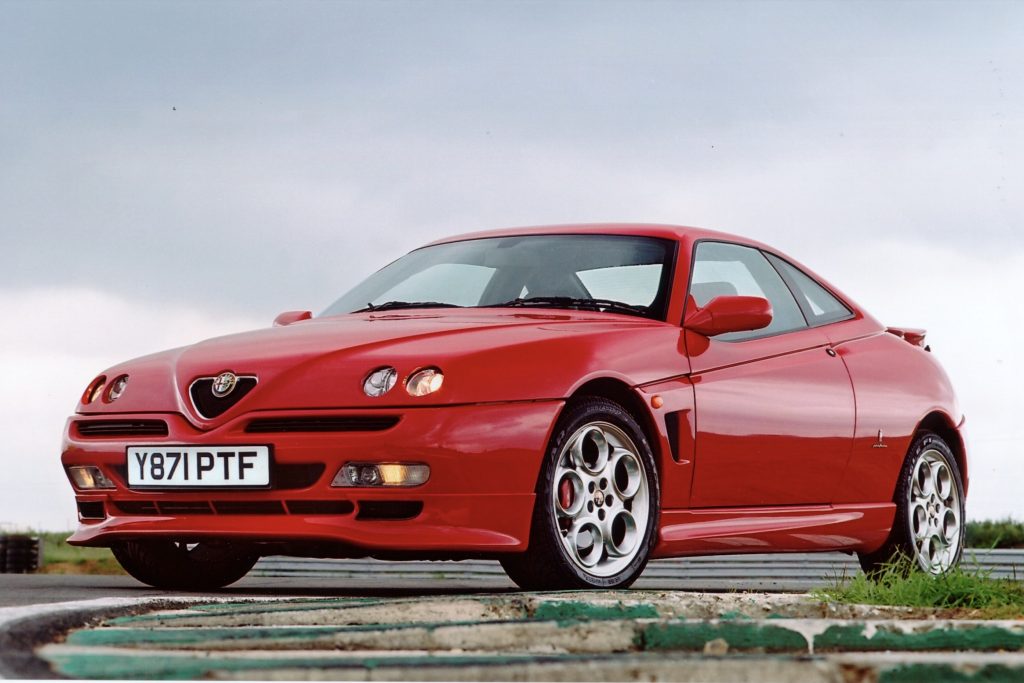
Forget Ferrari or Lamborghini: Alfa Romeo was making Italy’s most daring designs in the 1990s. From Chris Bangle’s striking 145 hatchback to Walter de Silva’s beautiful 156, mainstream cars had never looked so good. But perhaps most adventurous of all was Enrico Fumia of Pininfarina’s design for the GTV, which arrived in Italy in 1994 and the UK in 1996. Other than maybe 1998’s Audi TT, nobody made a more visually stimulating coupe in the 1990s.
It’s a cast-iron design icon and one of the most arresting shapes from the RADwood era, but it also happened to be a great car, receiving widespread positive reviews on its launch, and then another wave of good vibes when the V6 belatedly arrived in 1998 – evo Magazine even saw fit to include the GTV V6 in their very first evo Car of the year competition. Values, strangely, have never really gone anywhere with the GTV, and you’ll still find cars for just a few grand in the classifieds, though you might want to spend a little more for the right colour and trim, and in the kind of condition you’d be proud to park at RADwood.
Ideal RADwood spec: Engine’s not so important here, but for maximum impact, we’d go Rosso Alfa or Nuvola Blue.
Insure your classic with a specialist insurer
If you’re looking for cover for your pride and joy, why not consider Hagerty UK? Not only are we classic car insurance specialists, but we are enthusiasts at heart. Call us for a quote on 0333 323 1138.