Words and photography: Nathan Chadwick
Superb seafood and weather, Portugal’s great for classic driving too
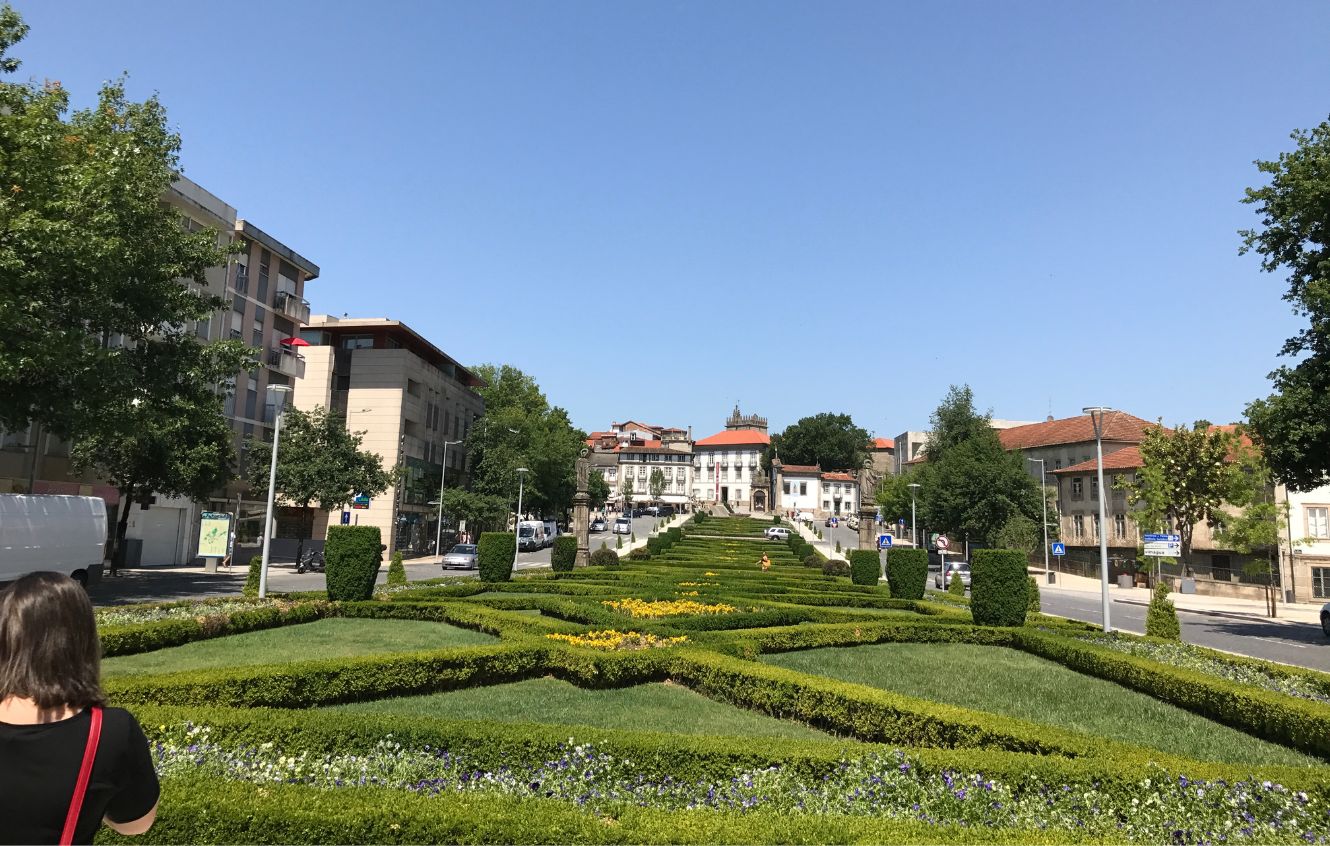
Portugal is one of those rare countries that seems almost purpose-built for classic cars. Not in a marketing sense – there are no “heritage driving routes” with brown tourist signs and gift shops at the end – but in the way the landscape, the roads and the pace of life all seem to align naturally with older machinery.
The first thing that makes Portugal appealing is its scale. Unlike Spain, which stretches off into the distance like a continental shrug, Portugal feels compact and manageable. The entire country is roughly 350 miles from top to bottom, which means you can travel between dramatically different landscapes without committing to exhausting distances.
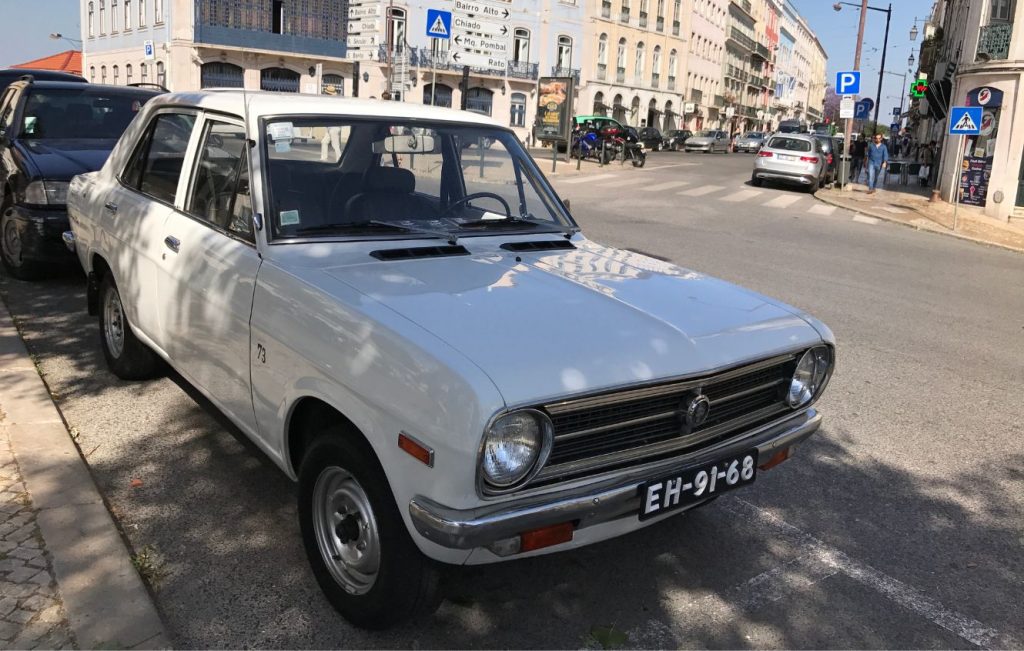
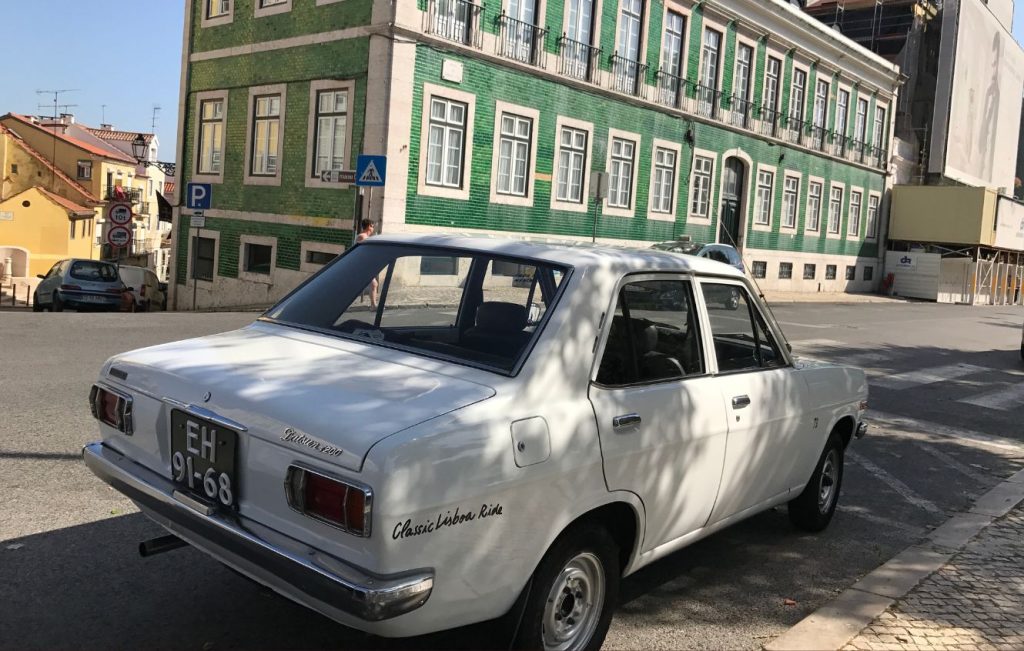
Mountains in the morning, vineyards by lunch, Atlantic coastline by sunset. There are very few places where you’re forced onto long, featureless highways. Instead the country offers a network of well-maintained national roads that drift gently through valleys, forests and coastal cliffs.
The climate helps too. Winters are mild, snow is largely confined to the highest mountains and the sort of road salt that turns classic cars into rust experiments is rarely encountered. Even summer heat tends to be moderated by the Atlantic breeze along the coast. In other words, it’s a forgiving place for older metal.
Portugal’s motorway network – the Autoestradas – is excellent. Smooth, quiet and efficiently engineered, they make it possible to cross large distances quickly. Which is precisely why classic drivers should largely ignore them.
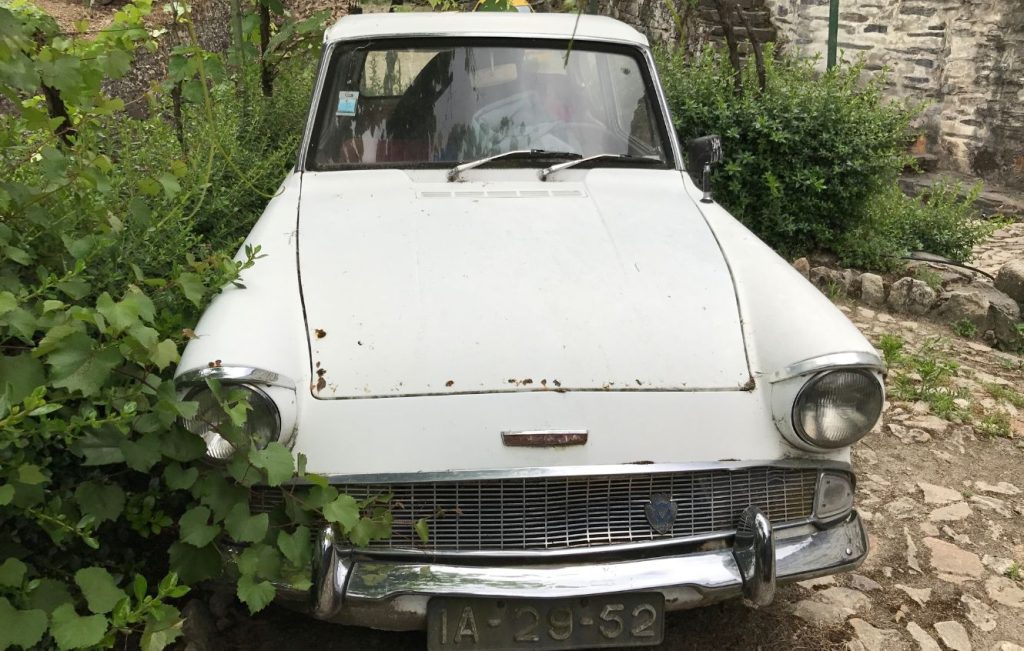
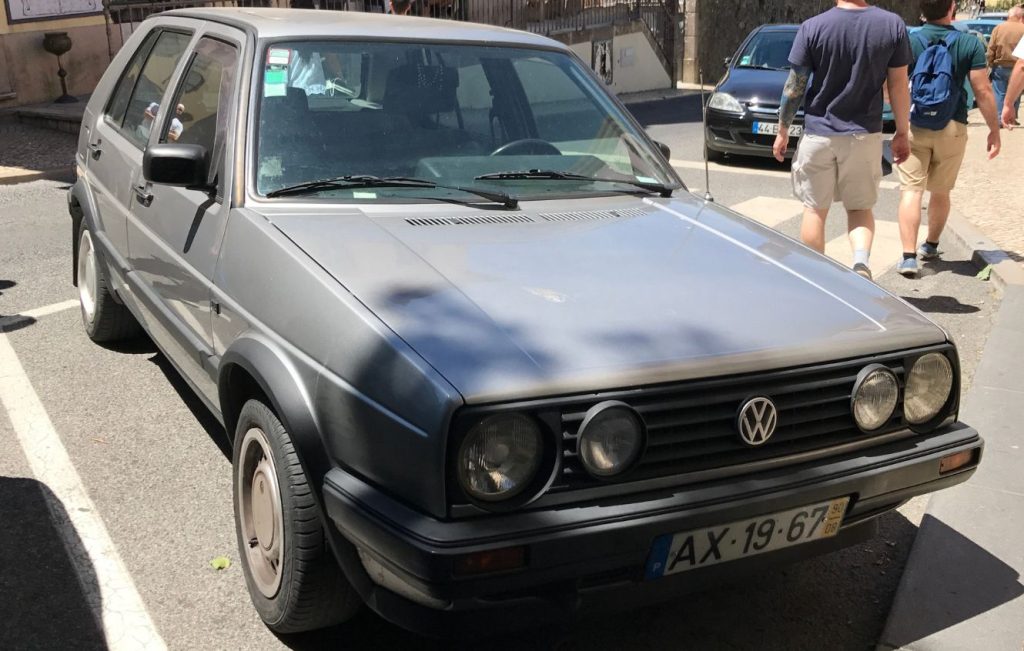
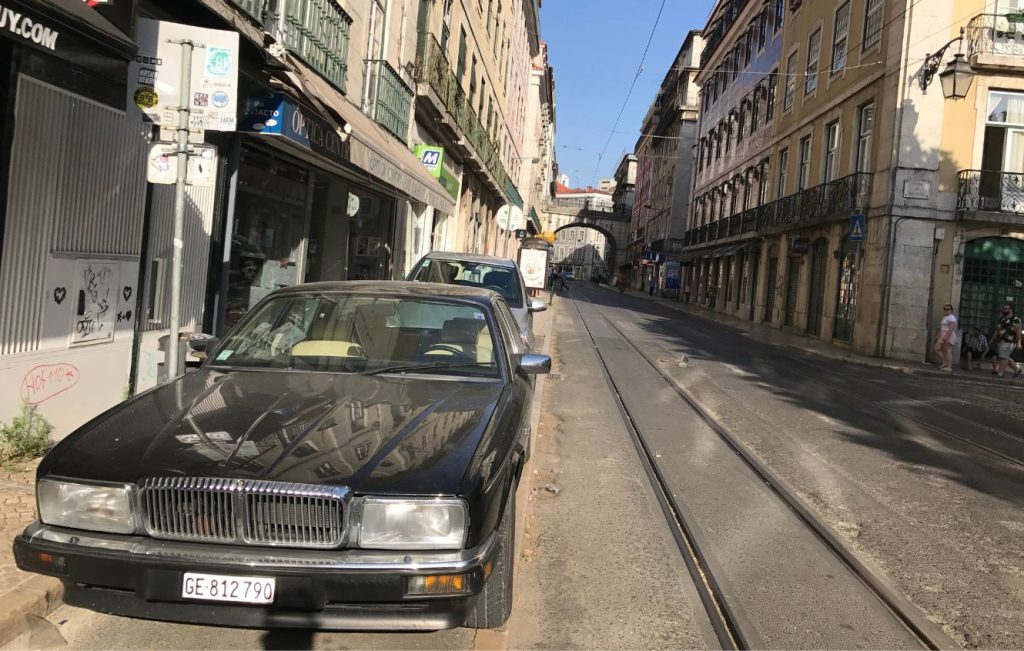
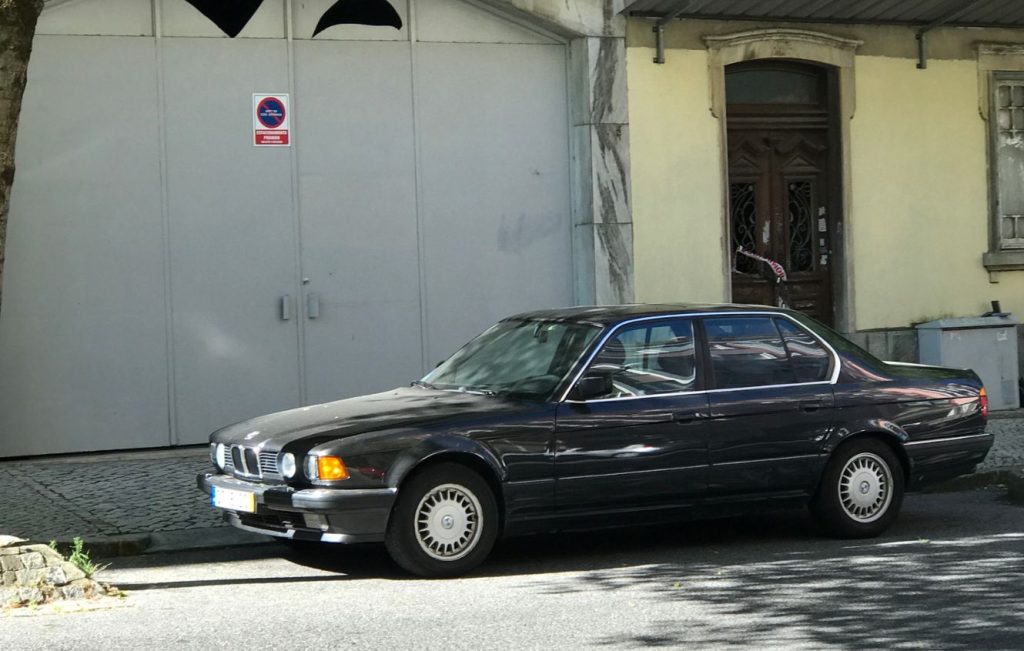
The real joy lies on the Estradas Nacionais, the N-roads that connect towns and villages. These are often beautifully judged pieces of road that follow the natural contours of the landscape rather than bulldozing through it.
One of the best examples is the N222, which winds along the Douro River between Peso da Régua and Pinhão. The route flows through terraced vineyards that look as though they’ve been carved directly into the hillsides, with the river glinting below and the occasional quintas (wine estates) appearing around corners like something from a painting. Stop in Pinhão or Peso da Régua for lunch and you’ll quickly understand why travellers have been lingering here for generations.
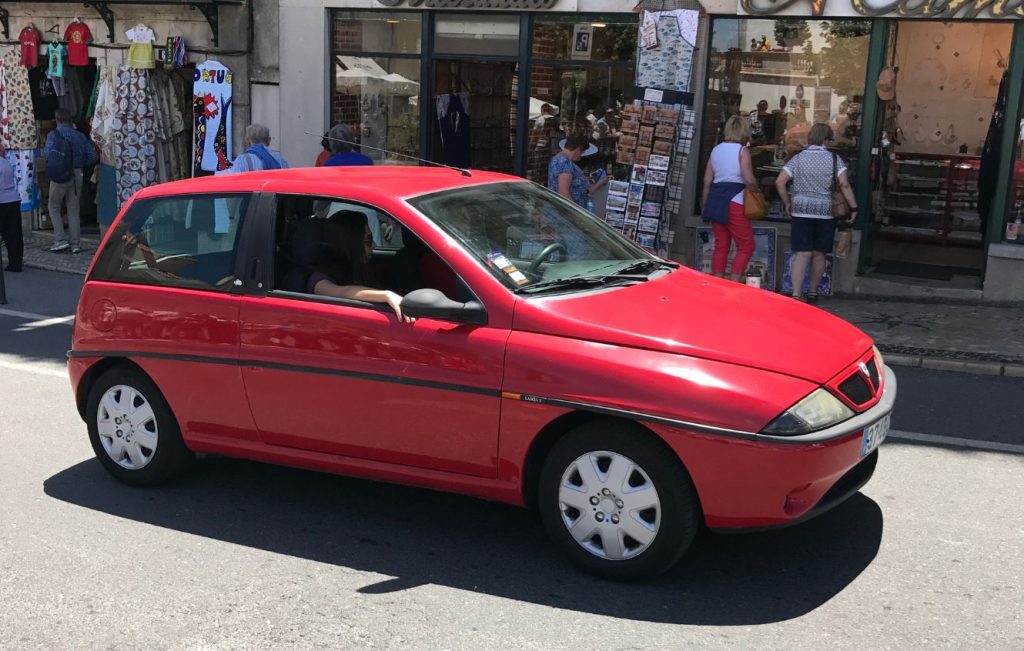
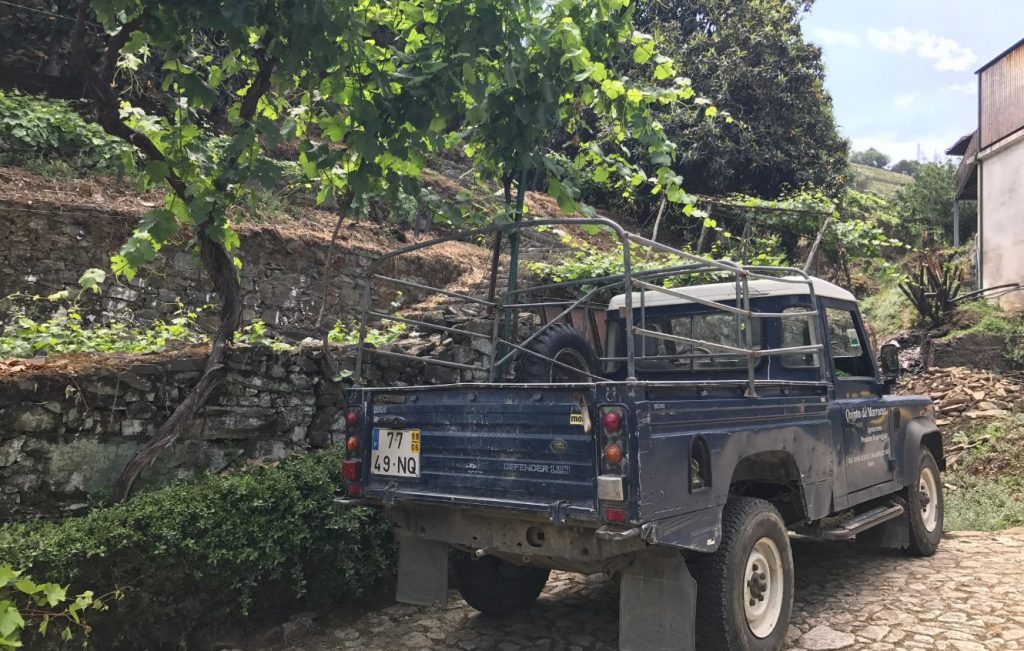

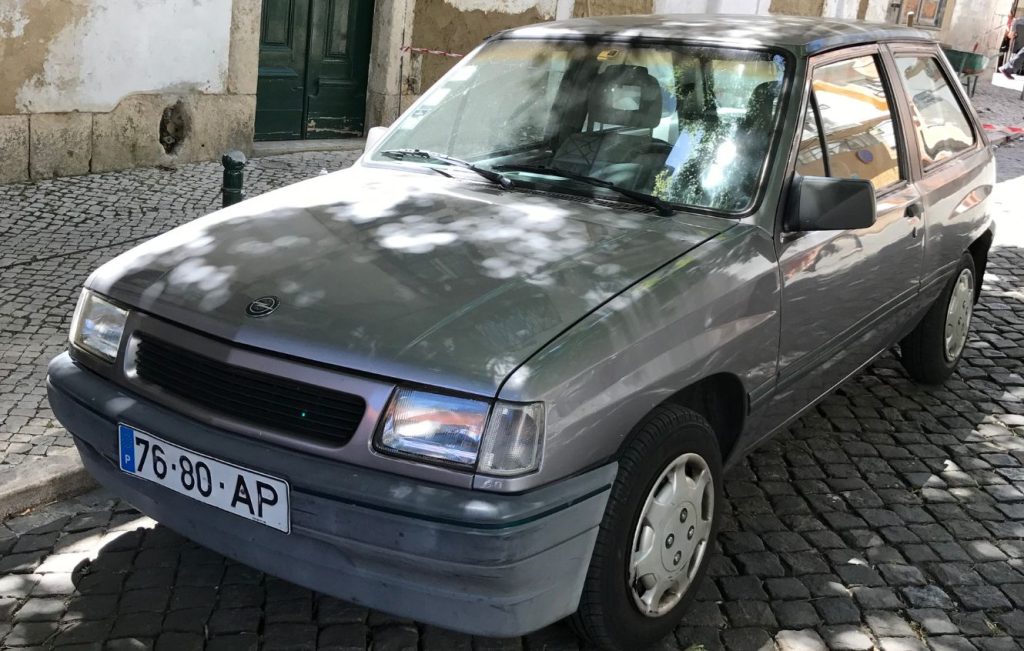
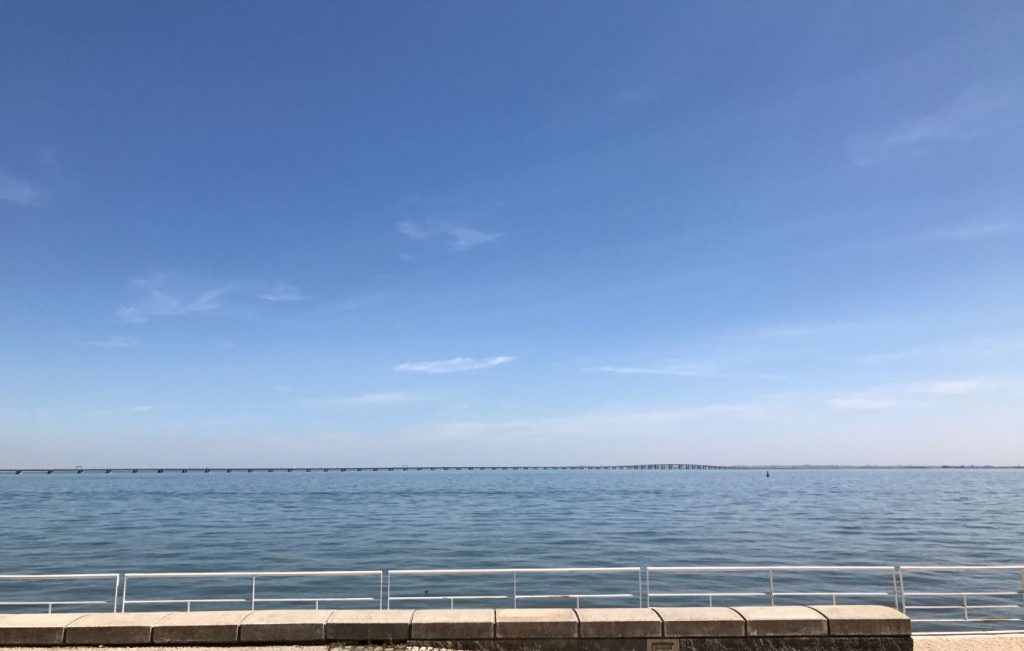
Portugal’s western coastline offers a completely different character. Starting just south of Lisbon, the road towards Cabo da Roca – the westernmost point of mainland Europe – climbs through forests before suddenly revealing vast Atlantic views.
Further south the coastline becomes wilder and less developed. The Costa Vicentina region feels almost untouched by modern tourism, with rugged cliffs dropping sharply into the ocean and small fishing villages clinging stubbornly to the landscape.
The roads here are narrower and more intimate, weaving through eucalyptus forests and open farmland before suddenly reappearing at windswept viewpoints above the Atlantic.
If the Douro offers vineyards and the coast offers ocean views, the Serra da Estrela mountains provide Portugal’s most dramatic driving.
This is the country’s highest mountain range, and the roads that cross it climb steadily through forests before emerging onto high plateaus where the scenery begins to feel unexpectedly alpine. In winter these peaks even see snow – a rarity in Portugal. The ascent from Covilhã is particularly memorable, with sweeping hairpins that climb steadily through pine forests before opening out into vast rocky landscapes.
If you need some further inducement to head to Portugal, here are three events worth seeking out. The Estoril Classics, held each September at the Circuito do Estoril, is widely regarded as Portugal’s premier historic racing meeting and, increasingly, one of the most enjoyable events of its kind in southern Europe. The setting alone does much of the heavy lifting. Estoril sits just outside Lisbon, within easy reach of the Atlantic coast, and carries a certain historical weight thanks to its years hosting Formula One between 1984 and 1996. Stand beside the circuit and you can still feel that era lingering in the air, particularly through the famous Senna Parabolica, the long, increasing-radius corner where period racing cars stretch their legs in exactly the way their designers once intended.

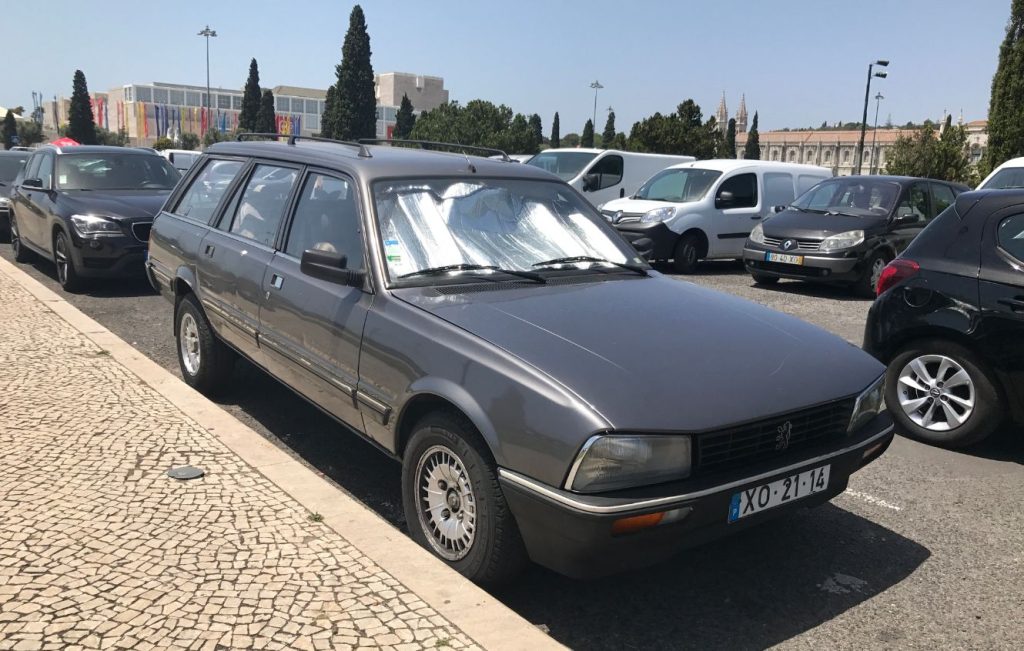
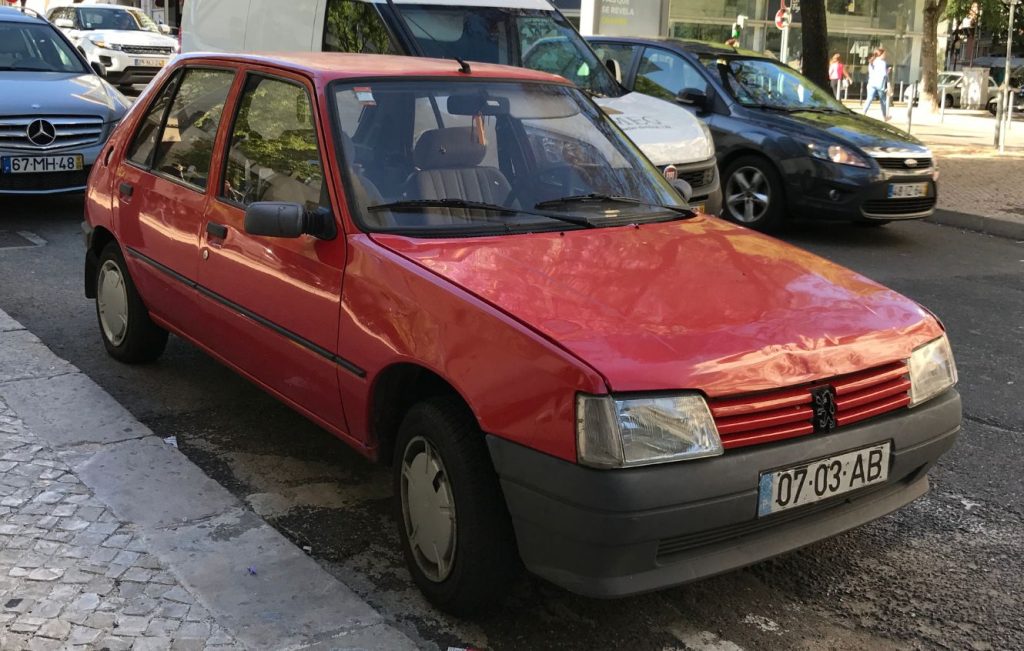
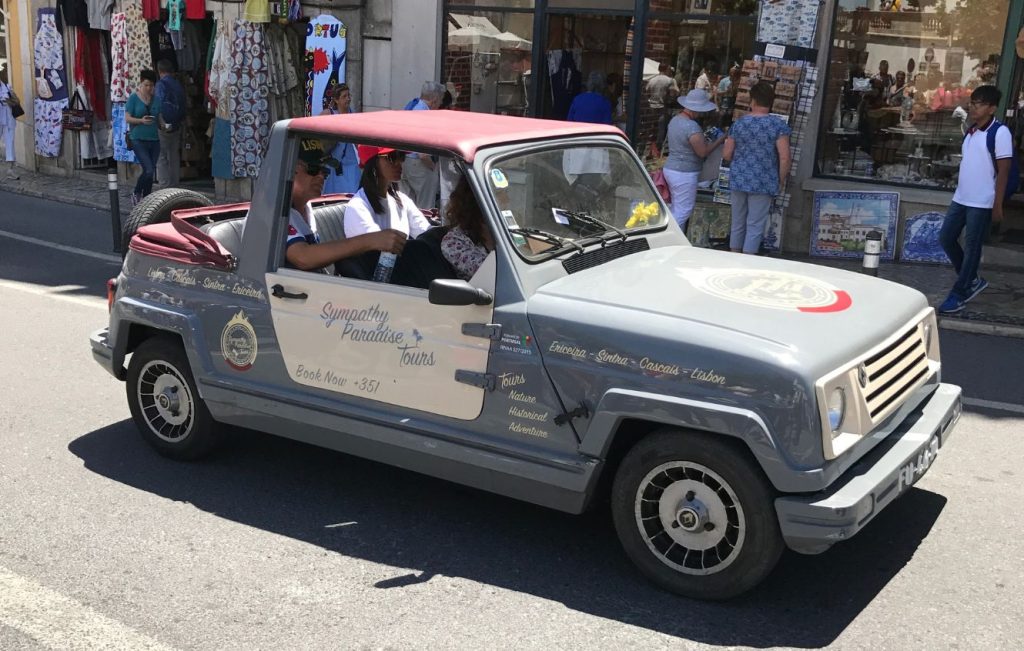
What makes Estoril Classics particularly appealing is its atmosphere. Historic motorsport meetings can sometimes tip into reverence, with rare machinery circulating cautiously while spectators observe from a respectful distance. Estoril is rather different. The paddock tends to be open and sociable, allowing visitors to wander among the cars, chat with owners and mechanics, and see everything from Group C endurance prototypes to 1970s touring cars being driven with genuine enthusiasm. It also happens to sit in a part of Portugal that seems almost designed for classic-car travel. Lisbon’s historic streets are only a short drive away, the Atlantic coast is ten minutes down the road, and the winding routes through the nearby Sintra mountains offer exactly the sort of scenery that makes a classic road trip worthwhile. If you’re looking for the closest thing Portugal has to the atmosphere of the Goodwood Revival – albeit with more sunshine and considerably better seafood – Estoril Classics comes remarkably close.
If circuit racing isn’t quite your thing, Portugal offers something rather different in the shape of Historic Rally Fafe, which takes place each June in the hills north of Porto. This event forms part of the FIA European Historic Rally Championship, and it brings classic rally machinery back onto some of the very roads that helped make Portuguese rallying famous in the first place.
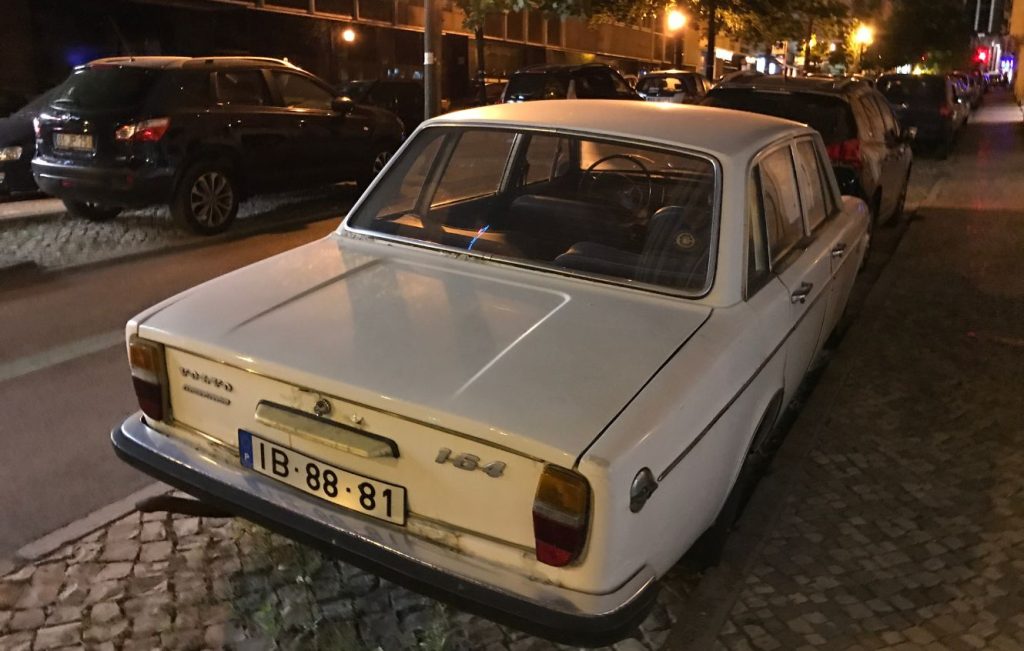

The town of Fafe occupies a special place in rally folklore thanks to its connection with the legendary Rally de Portugal. The surrounding countryside is threaded with gravel roads that climb through forests and over rolling hills before culminating in the famous Fafe jump, a section of road where rally cars launch themselves briefly into the air while thousands of spectators line the hillside. Even outside rally season the place carries a certain mythology; during the event itself it feels closer to a festival.
Historic Rally Fafe uses many of those same stages, but instead of modern Rally1 machinery the entry list reads like a condensed history of rallying. Expect Ford Escorts, Porsche 911s, BMWs and Lancias charging through the dust exactly as they did decades ago – sideways, loud and unapologetically dramatic. For spectators the experience is refreshingly informal. People gather in forests with picnic chairs, local cafés become impromptu service parks and the entire region seems to adopt a relaxed, celebratory mood for the weekend. Worth raising a glass of port to, we’d say…
Driven a classic through Portugal, attended Estoril Classics or watched the madness of Rally Fafe in person? We’d love to hear your stories below.
Insure your classic with a specialist insurer
If you’re looking for cover for your pride and joy, why not consider Hagerty UK? Not only are we classic car insurance specialists, but we are enthusiasts at heart. Call us for a quote on 0333 323 1138.








And the third event???