From Salvador’s colonial streets to mountain plateaus, Bahia rewards the adventurous classic driver
If your idea of Brazil begins and ends with São Paulo and Rio de Janeiro, you’re missing one of the country’s most rewarding regions for adventurous drivers. Travel north along the Atlantic coast and you arrive in the state of Bahia, a place that proudly describes itself as the heartbeat of Brazil – and one that happens to offer a fascinating destination for the international classic-car traveller.
Bahia feels very different from the more industrialised south of the country. Culturally, it is one of the centres of Afro-Brazilian life. Music, religion, cuisine and festivals all carry strong influences from West Africa, brought to Brazil through centuries of the transatlantic slave trade. Visitors quickly encounter traditions such as capoeira, the martial art that resembles dance, and candomblé, a spiritual practice blending African beliefs with Catholic imagery. The rhythms of samba-reggae echo through the streets of Salvador, particularly during Carnival, when the city becomes a sprawling open-air celebration.
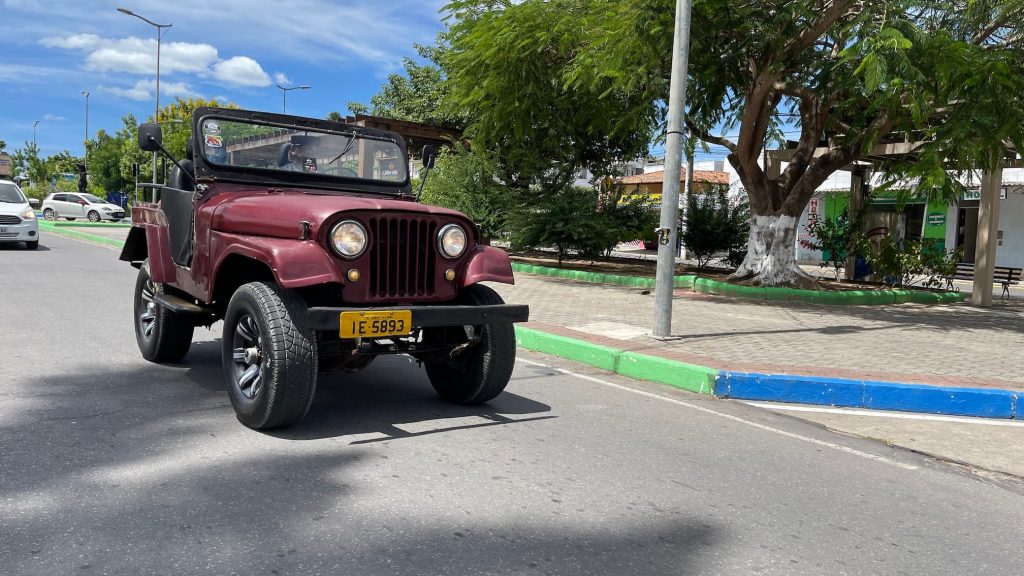
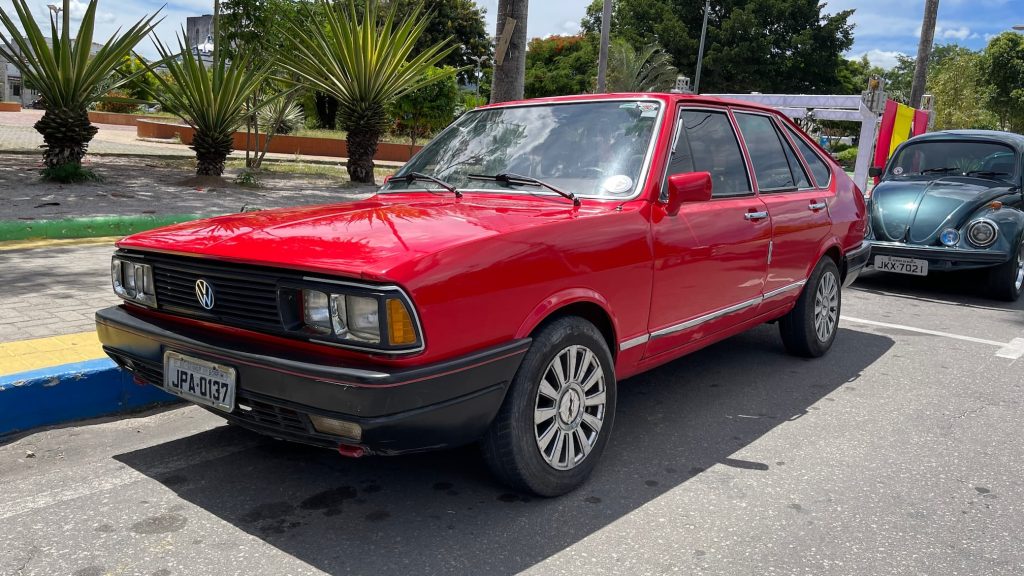
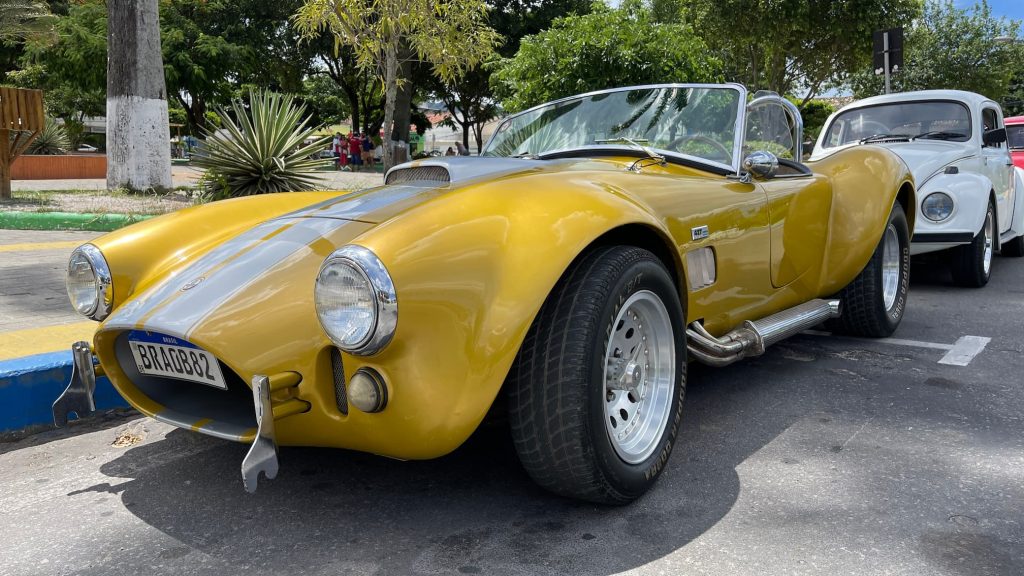
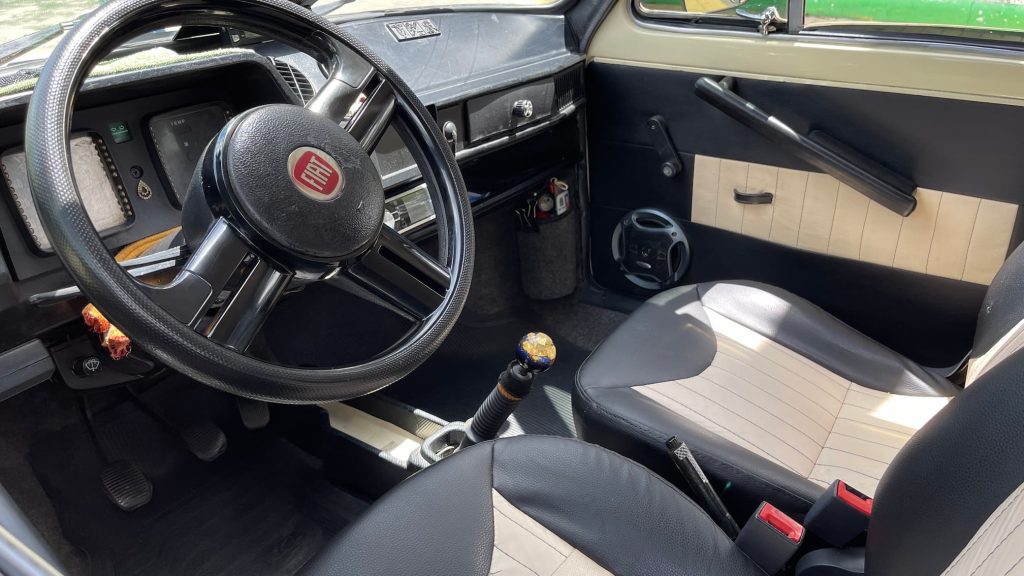
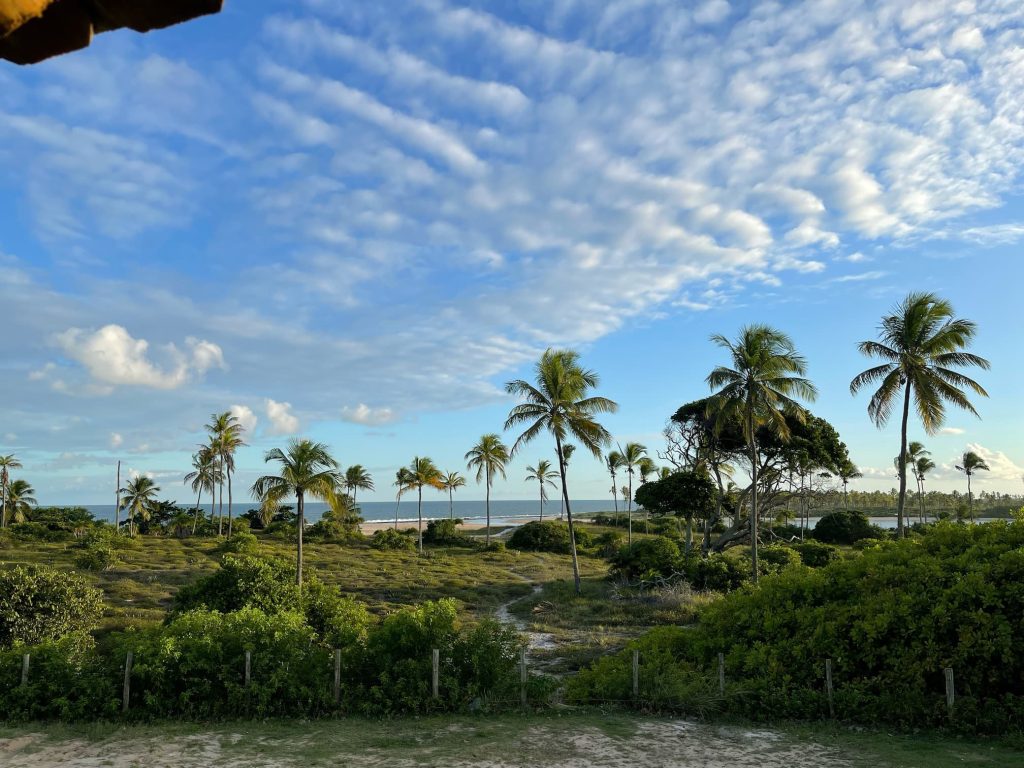
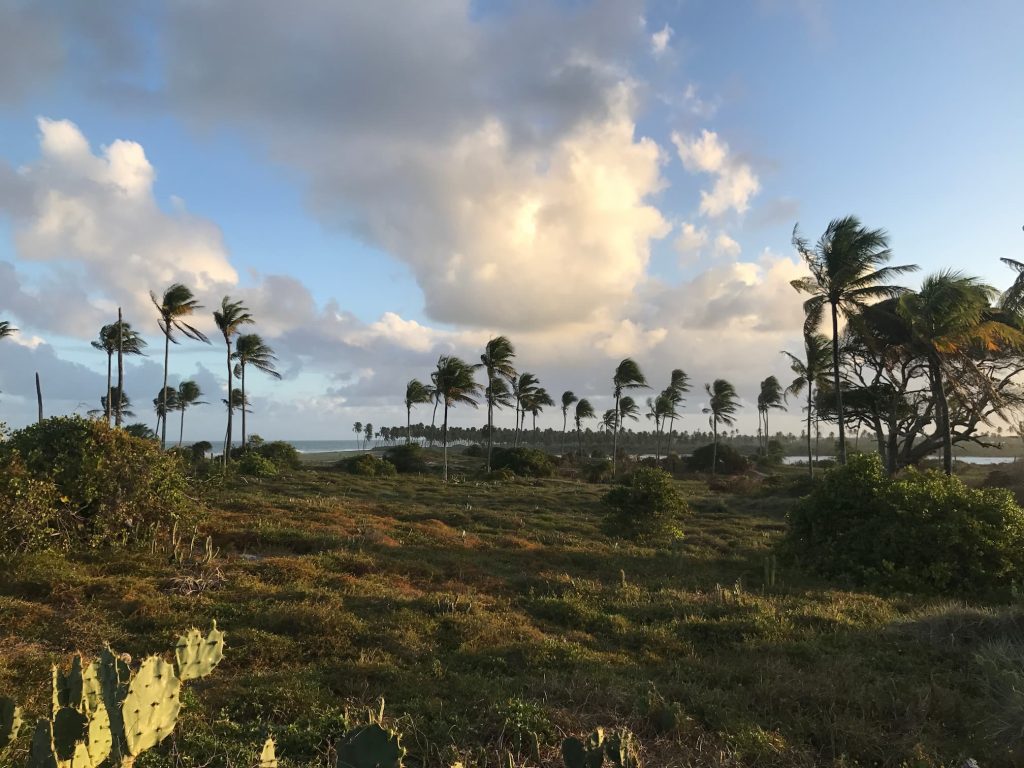
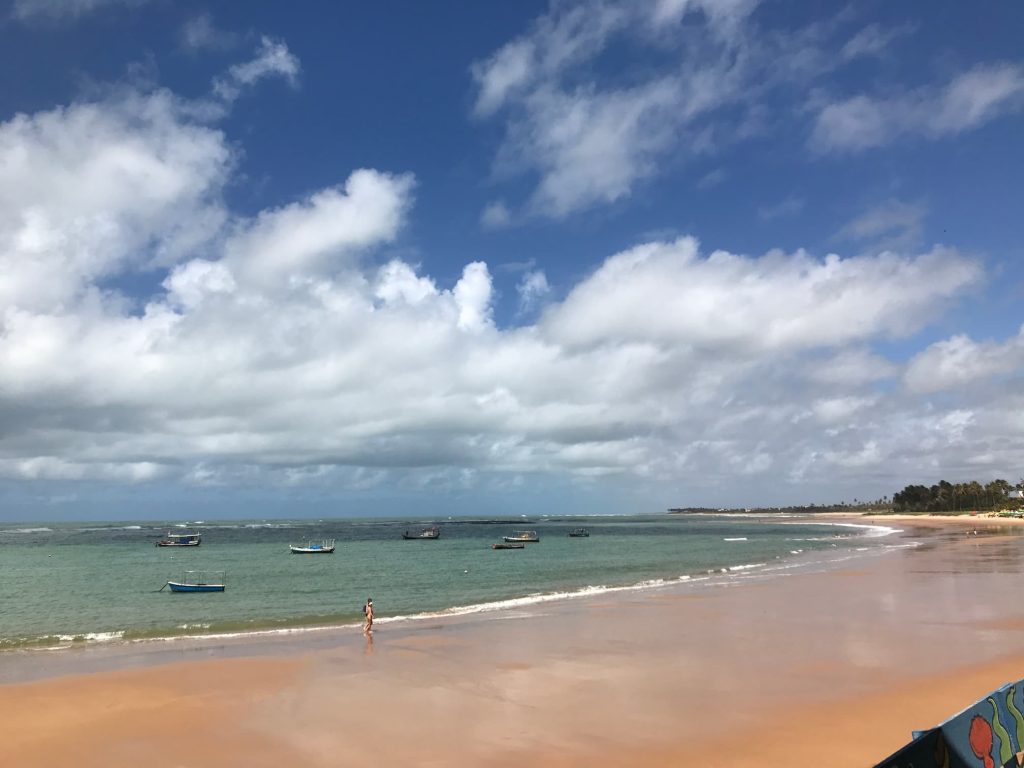
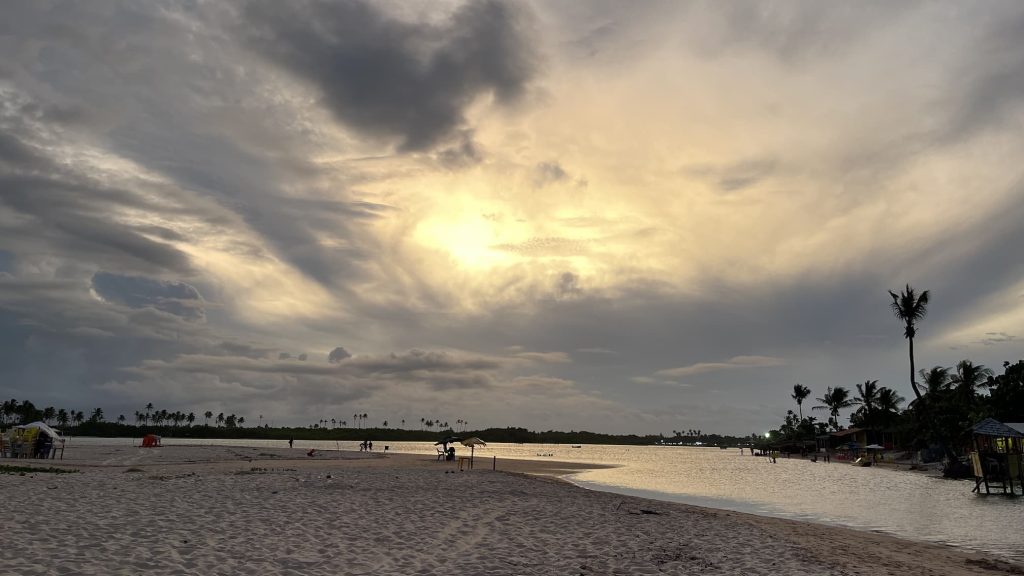
The landscape reinforces that sense of difference. While southern Brazil is cooler, greener and heavily urbanised, Bahia offers long tropical coastlines lined with coconut palms and historic fishing villages where life moves at a slower pace. Travel inland and the scenery changes dramatically again. The plateau landscapes of Chapada Diamantina introduce mountains, waterfalls and wide horizons that feel almost cinematic in scale.
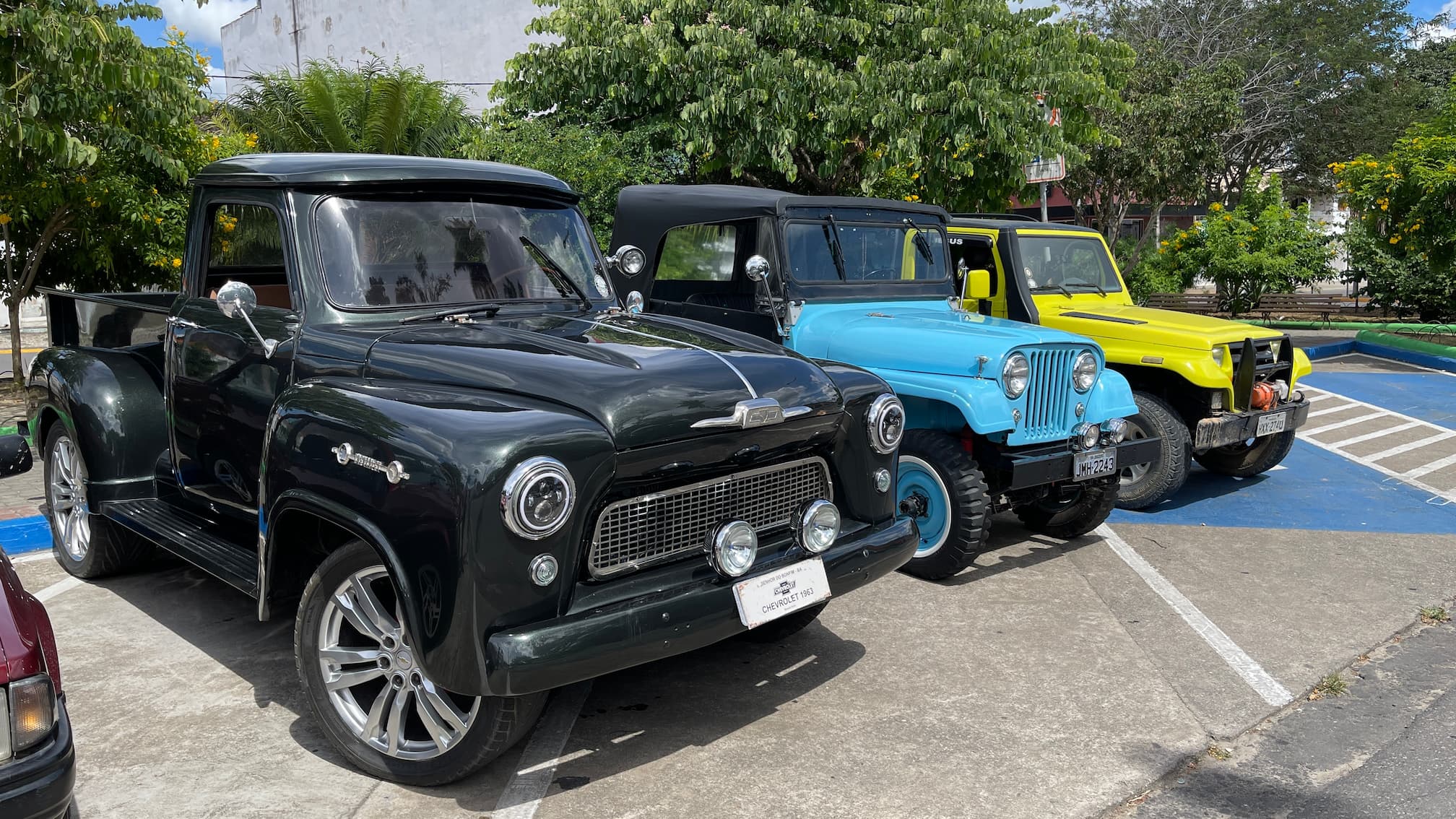
For travellers arriving with a classic car, that mixture of scenery and culture provides the perfect backdrop for a road trip. Bahia encourages a slower pace of travel, and older machinery tends to fit naturally into that rhythm.
Driving here, however, is not quite the same exercise as touring Tuscany or the Loire Valley. The distances are larger, the heat is fiercer and the roads occasionally possess potholes capable of swallowing a hubcap whole. Yet for drivers willing to approach the experience with patience and mechanical sympathy, Bahia offers some of the most memorable touring anywhere in the Americas.
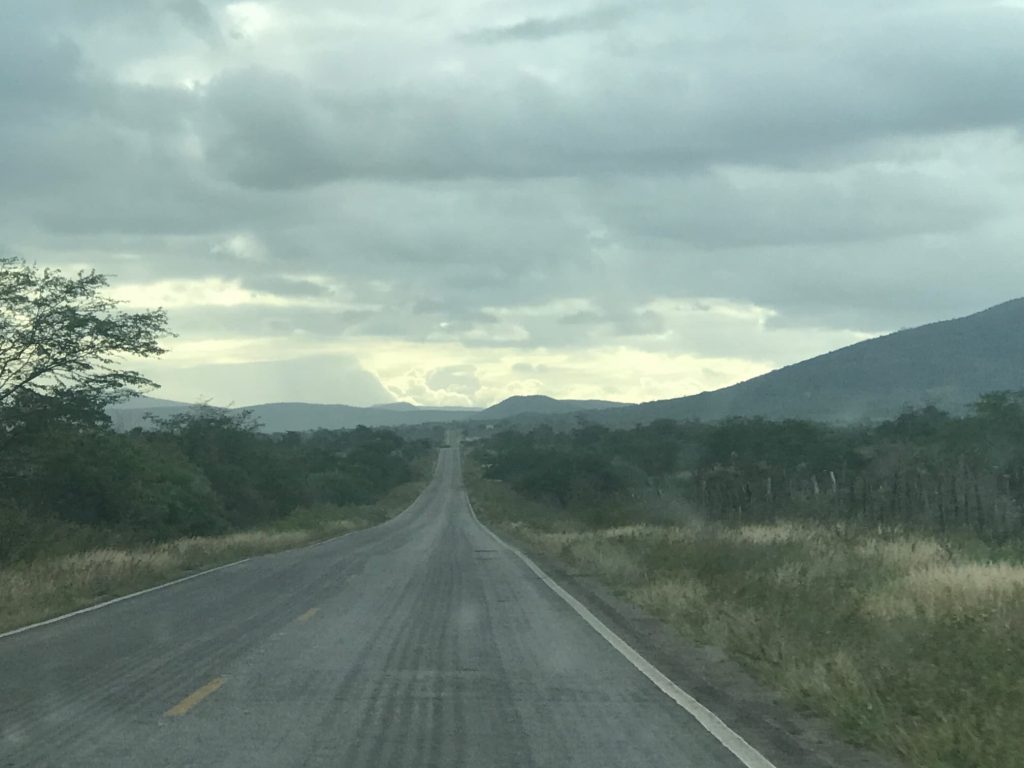
The first reality is that road conditions can vary considerably. Major highways are generally paved and perfectly usable, but secondary routes may change from smooth asphalt to rough surfaces within the space of a few kilometres. For classic cars this means preparation matters. Suspension, tyres and cooling systems should all be in excellent condition before tackling longer journeys, particularly during the hotter months. Bahia’s inland regions can become extremely warm, and older engines without modern cooling systems appreciate the occasional pause.
Fuel availability is generally good along main routes, although petrol stations may be spaced further apart in rural areas. One small advantage for travellers is that Brazilian forecourts are staffed. Attendants handle refuelling, which removes the need to decipher unfamiliar pumps or payment systems.
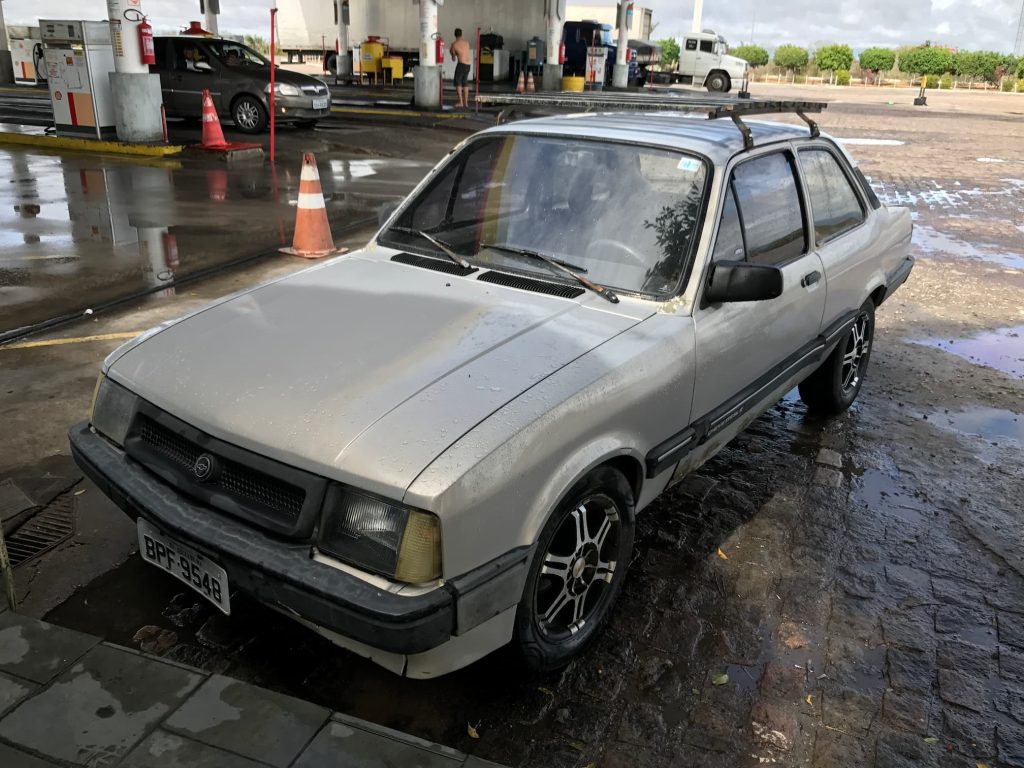
Documentation is relatively straightforward. Foreign drivers can legally drive in Brazil for up to 180 days with a valid licence and passport, though carrying an International Driving Permit can simplify matters if your licence is not in Portuguese. Speed limits are typically around 110 km/h on highways and much lower in towns, although road conditions often dictate the appropriate pace anyway – and that goes either way of the speed limit. Overtaking can sometime be… adventurous.
Driving behaviour can take a little adjustment for visitors used to European traffic. Overtaking sometimes appears to rely on optimism rather than visibility, particularly in rural areas, and motorcycles frequently filter between lanes in cities. Brazilian towns also make enthusiastic use of lombadas – large speed bumps designed to slow traffic – and these are not always clearly signposted. A watchful eye and a relaxed approach tend to work best.
Security is another consideration. Driving in Brazil is generally safe, but it’s sensible to avoid long night journeys and poorly lit urban areas. Classic cars tend to attract friendly curiosity rather than hostility, yet common sense still applies.
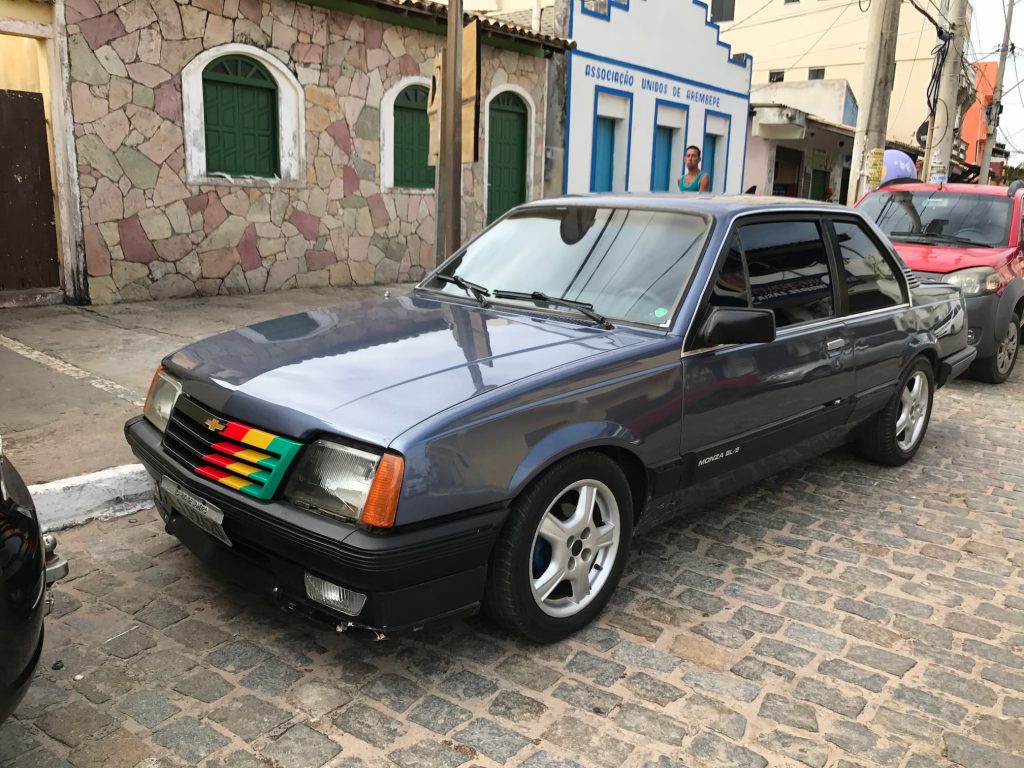
For visitors who prefer not to ship their own vehicle, renting a classic car in Bahia is possible, though the system works slightly differently from Europe or the United States. There are relatively few commercial fleets offering self-drive vintage cars. Instead, most opportunities arise through specialist platforms, event hire companies or local enthusiast clubs. In Salvador, the capital, several organisations help connect visitors with privately owned classics available for tours or short-term hire.
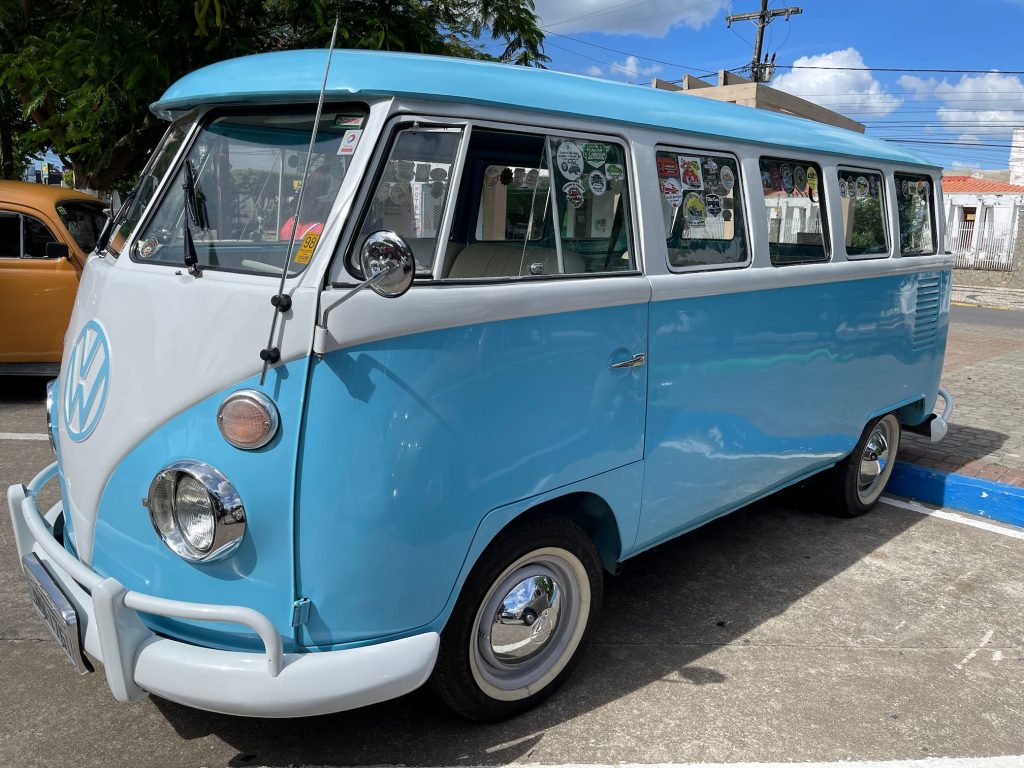
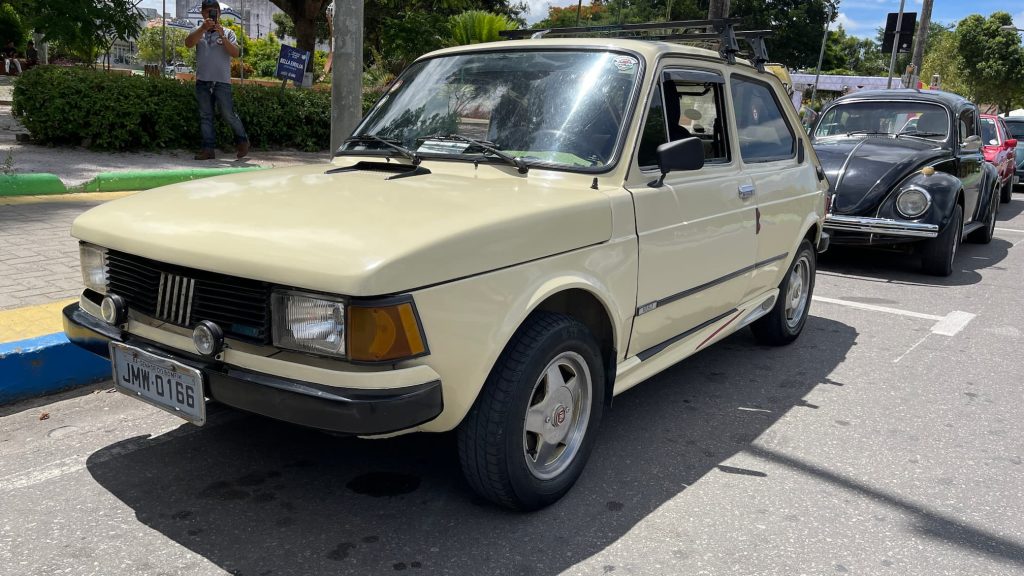
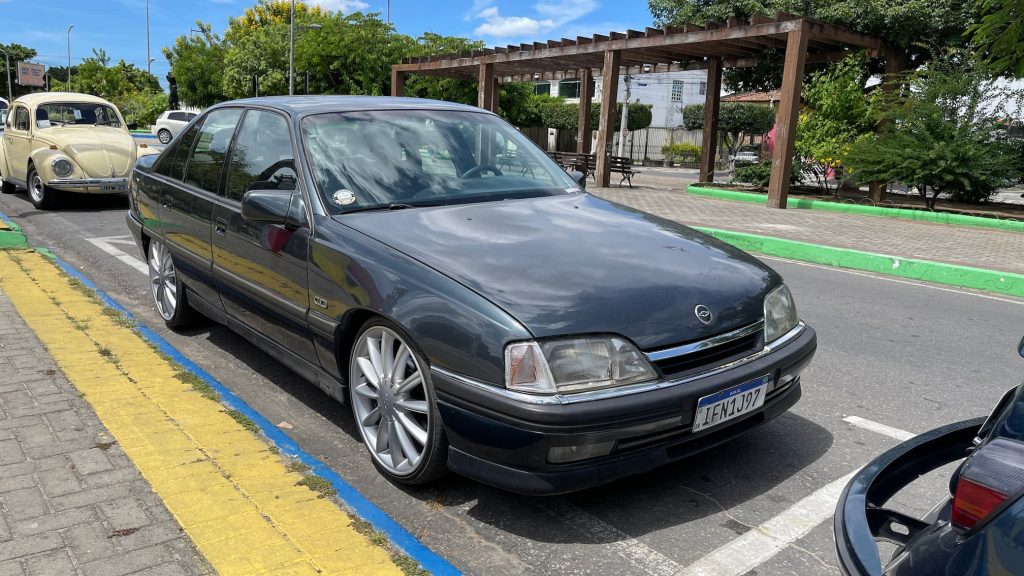
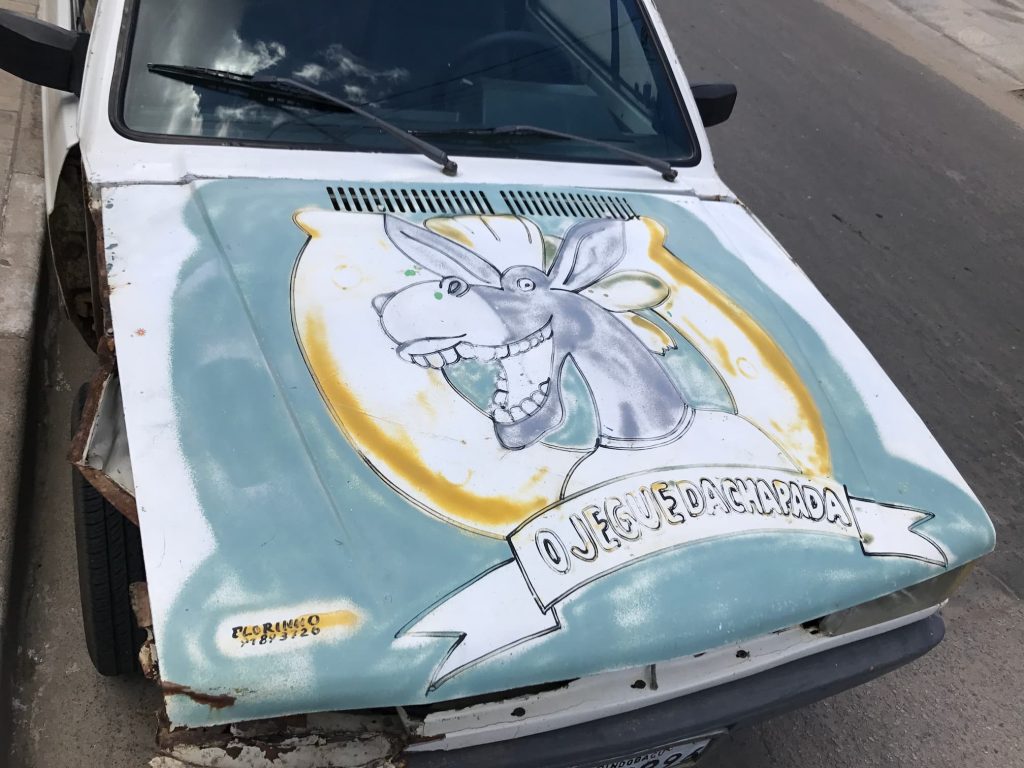
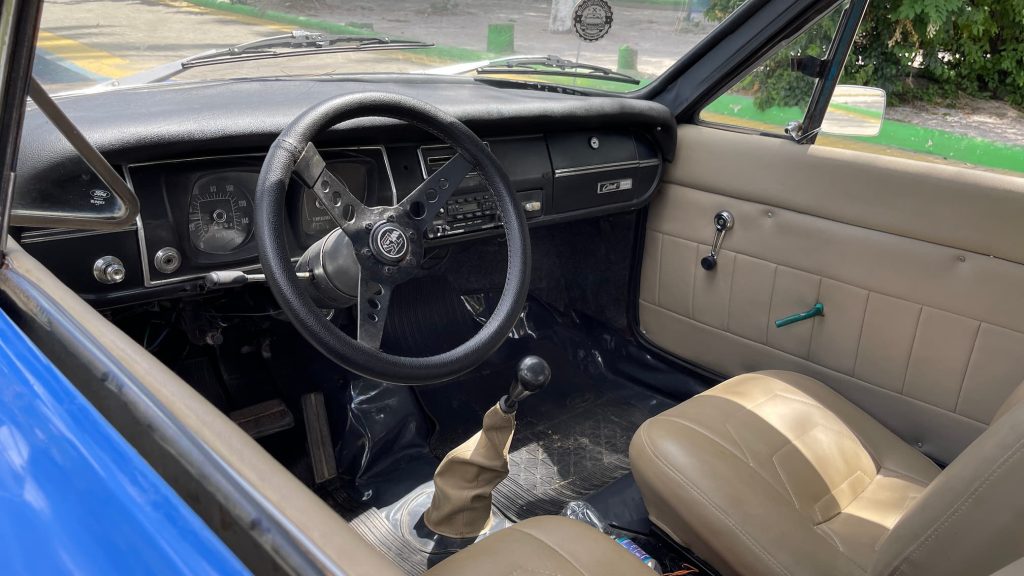
Bringing your own car into Brazil is also perfectly feasible, though it requires more planning than crossing borders in Europe. Brazil operates a system known as temporary admission (admissão temporária), which allows foreign vehicles to enter the country without paying the heavy import duties normally applied to cars. Under this arrangement the vehicle remains registered in its home country and must be exported again within a specified period.
Typically the initial stay allowed is around 90 days, sometimes extendable to six months depending on circumstances. The car cannot be sold or transferred while in Brazil, and it must leave the country before the permit expires.
Most visitors ship their cars in containers through major ports. For Bahia the most logical entry point is the Port of Salvador, though nearby ports such as Aratu are occasionally used depending on shipping routes. Once the container arrives, Brazilian customs officials inspect the vehicle and issue the temporary admission paperwork before it can be released.
While Brazil does not strictly require it, many travellers carry a Carnet de Passages en Douane, an international customs document that guarantees the vehicle will leave the country again. In practice, most enthusiasts also hire a customs broker – known locally as a despachante aduaneiro – to manage the paperwork and coordinate the release of the vehicle from the port. Brazilian import procedures can be complex, and professional help often saves considerable time. Shipping costs vary, but transporting a classic car across the Atlantic generally runs into several thousand pounds, with additional port handling fees and insurance to arrange once the vehicle arrives.
Once those logistical hurdles are cleared, however, the rewards begin to outweigh the effort. Bahia reveals itself as a remarkable place to explore by road. A journey might begin among the colourful colonial streets of Salvador, follow the Atlantic coastline past palm-lined beaches, and end in the high mountain landscapes of Chapada Diamantina. Each stage of the drive offers something different.
In a classic car, that variety becomes part of the experience. Windows down, engine audible, the driver becomes connected to the landscape rather than insulated from it. And in a place like Bahia – where the road itself is often as memorable as the destination – that connection makes all the difference.
Look out for Part Two of this article, with some great driving roads, at a later date.
Having you got a story about driving in Bahia or somewhere similar? Drop your stories in the comments section below.
Insure your classic with a specialist insurer
If you’re looking for cover for your pride and joy, why not consider Hagerty UK? Not only are we classic car insurance specialists, but we are enthusiasts at heart. Call us for a quote on 0333 323 1138.