The chiselled saloon refused to fly off forecourts
I’m not going to debate this with you, because there’s no doubt that motor racing peaked some time in the 1990s. It’s difficult to say exactly when of course, but it was almost certainly around the time Alfa Romeo campaigned the Alfa 155 in the British Touring Car Championship series.
If you’ve only a few millilitres of red blood in you, right now you are conjuring a photo of Italian driver Gabriele Tarquini’s 155 up on two wheels, flying over a rumble strip, or ejecting a long tail of orange flame from the exhaust. In all of Alfa’s long, storied and illustrious motor racing history, these images stand out amongst the most evocative of the brand.
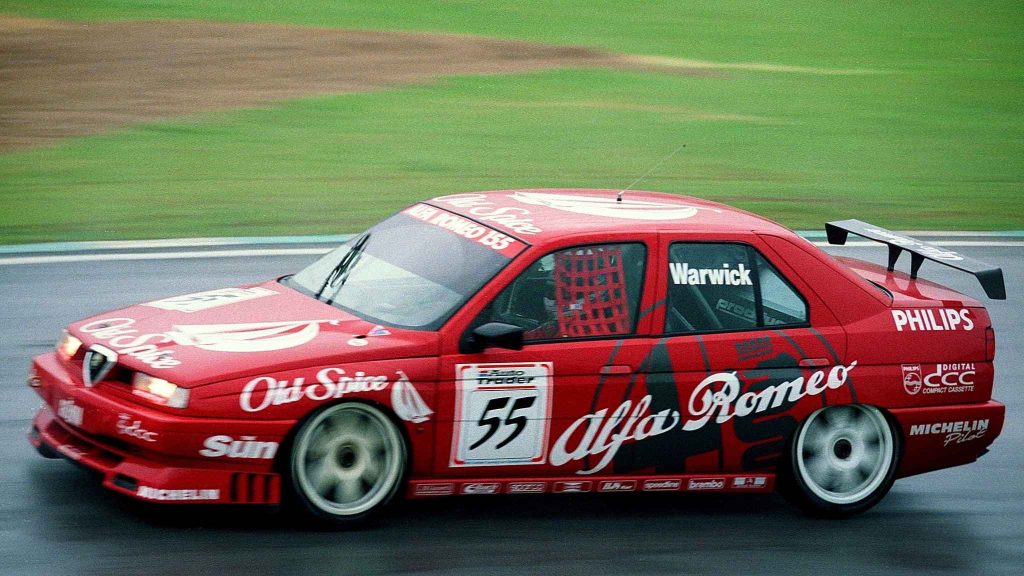
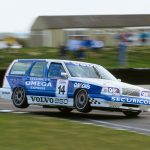
The cars themselves are billboards, there’s still no better way to promote your brand by racing your products – and winning – against the competition every weekend. The impact of BTCC racing, and other similar series across Europe was enormous, with high stakes for those who were brave enough to enter.
With touring cars effectively being an automotive contact sport, the spectacle was extremely visible both at track level and on the telly. Fierce battles took place every Sunday through the season and even then, we knew it was a lot more fun than the contemporary F1 races. Those track tussles were not just about points in the driver’s championship though; they were all about sales.
You might not remember this, but the car sales charts of that period were dominated by the type of middle of the road, middle management medium sized family cars chosen by fleet managers to do something dull. Transporting carpet samples, carting photocopier service kits, and hauling medical salespeople from suburb to suburb.
Those dull cars were the ones hurtling around racetracks every weekend, smashing into each other in the hope of injecting a little sporting excitement into the mirrored showrooms of road legal disappointment. Vauxhall Cavalier, Ford Mondeo, Toyota Carina E. They fought on the track, and their successes gave salespeople the chance of a tiny edge over a competitor brand.
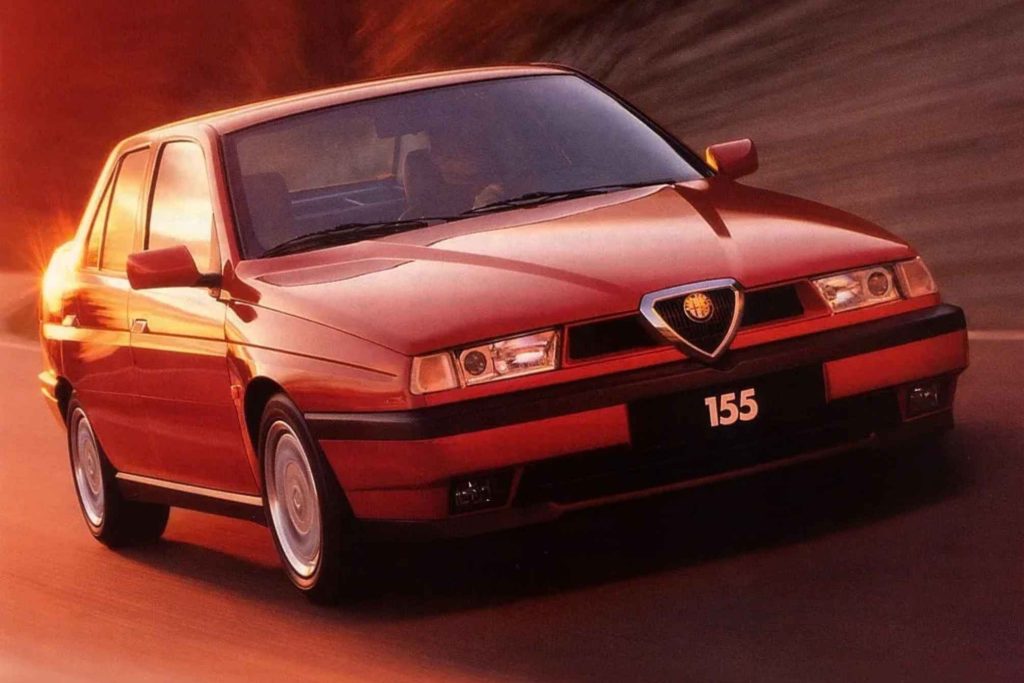
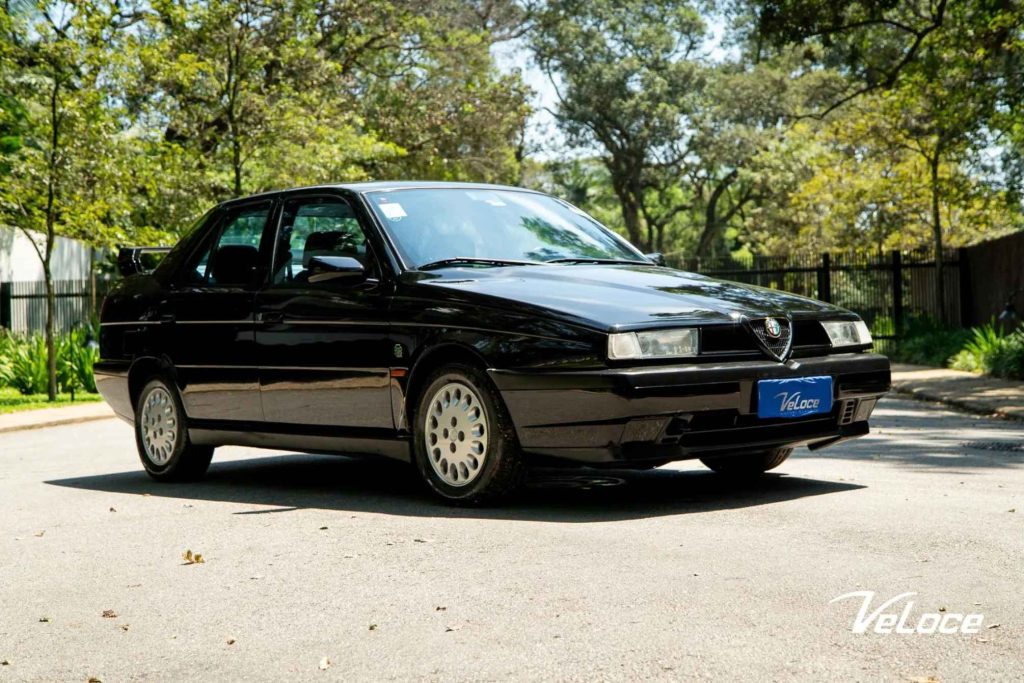
Unless you were trying to sell an Alfa Romeo 155. Despite the car’s dominance in its first season of BTCC racing, the chiselled saloon refused to fly off forecourts the way it had launched itself from pole position on so many occasions. Buyers weren’t even tempted by the prospect of a boot spoiler, thrown in with their otherwise standard saloon, to help get that little bit of extra aerodynamic advantage sneak past those wielding the rules and regulations at each circuit.
Usually languishing at the bottom of group tests with contemporaries such as the BMW 3 Series, or Mercedes-Benz C Class, the 155’s memorably explosive, energetic and sometimes airborne track success never translated into any kind of noticeable uplift in the showroom. Later in the 155’s lifecycle, racing inspired improvements to the car’s Fiat Tipo derived origins were made, with faster steering and a wider track, making for a better car, but not a top ten chart position.
Maybe having forgotten that racing success does not guarantee progress up the sales hierarchy, the MG brand decided to partner with specialists Triple Eight Race Engineering to campaign an MG6 in the BTCC between 2012 and 2017. The return of the octagon brand to the world of competition was more significant than usual, because the brand had died in the aftermath of MG Rover’s shuttering in 2005, and eventual return under the direction of Chinese ownership.
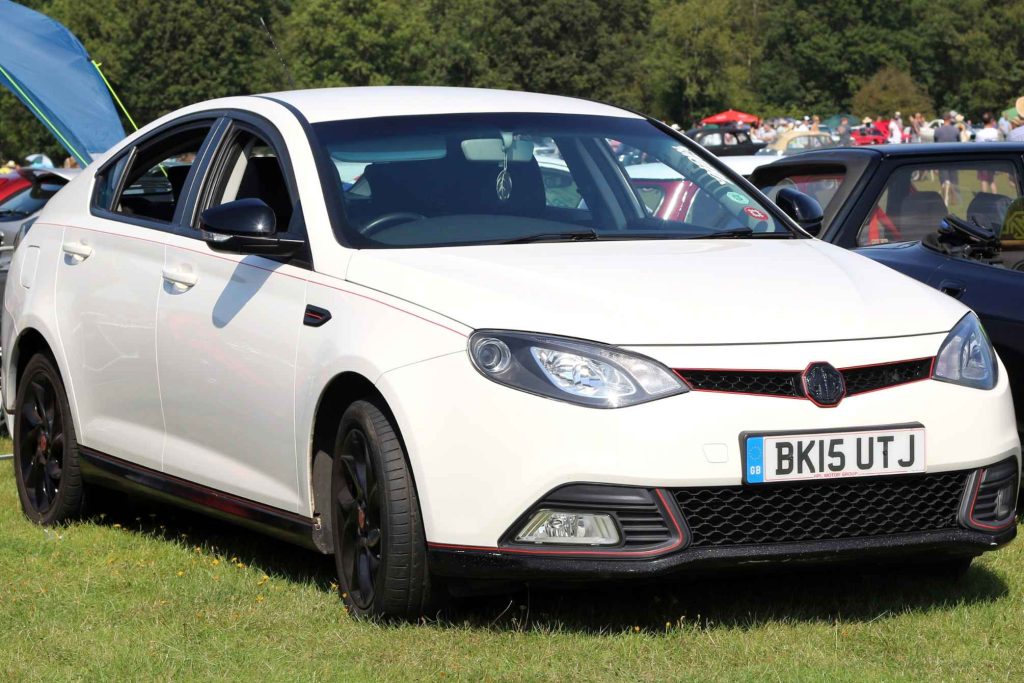
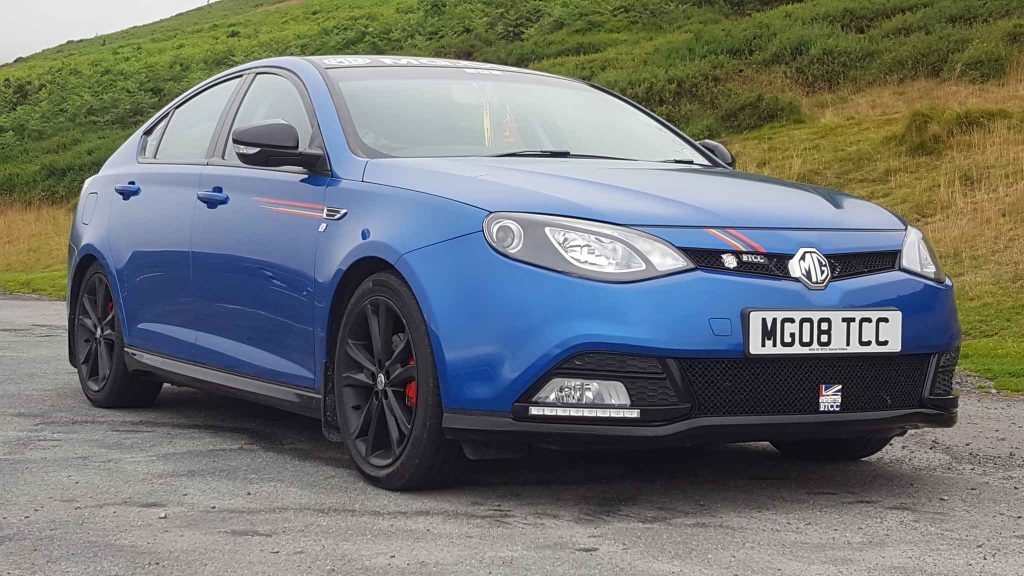
Whilst MG were selling small numbers of revised MG TF roadsters in the UK to dip a toe in the commercial waters after the collapse of the Longbridge operation a few years earlier, the MG6 hatchback and saloon were the first new mass market products to be sold here, and among some of the first Chinese assembled vehicles to reach British customers.
Whilst sales of the sporty family cars struggled to overcome poor reviews, the MG6 quickly started to make its presence felt on the BTCC circuits, with notable victories and many podium finishes at the hands of well-known driver Jason Plato. Propelled by a custom built turbocharged 2.0 engine, there was very little in common with the road car itself. Those were fitted with a development of the Rover K-Series engine, in 1.8 litre form, or a home-grown 1.9 litre diesel.
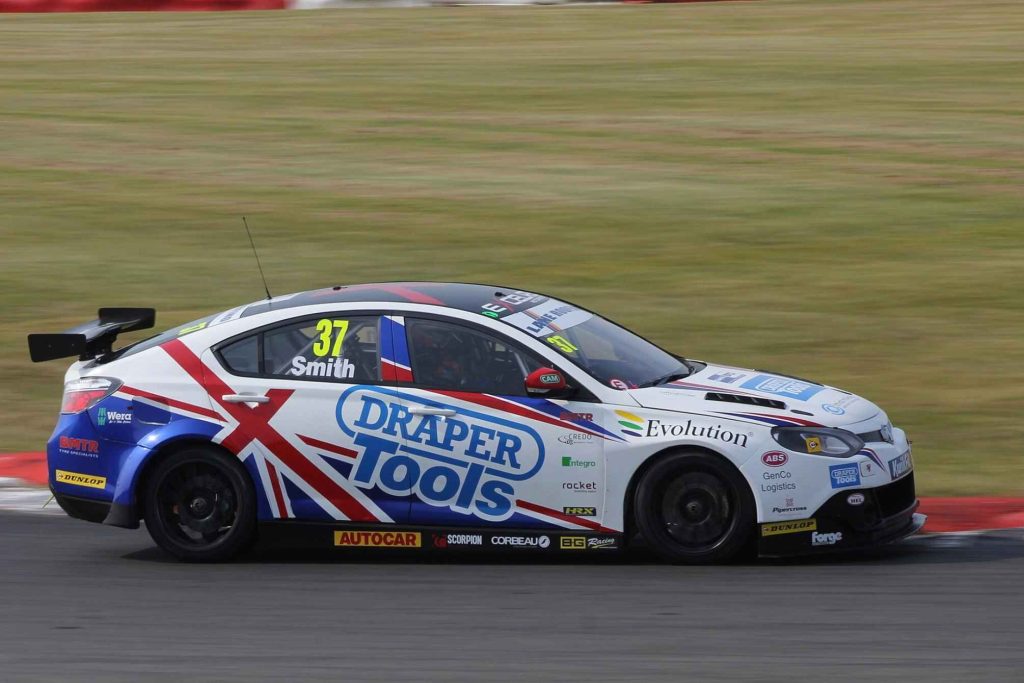
Fans loved the racing, but were savvy enough to realise that the road cars weren’t competitive in the real world. Even the lure of free tickets and grid walks wasn’t enough to shift more than a few BTCC Special Edition MG6, and the official race operation was cancelled around the same time the street version met the end of the road.
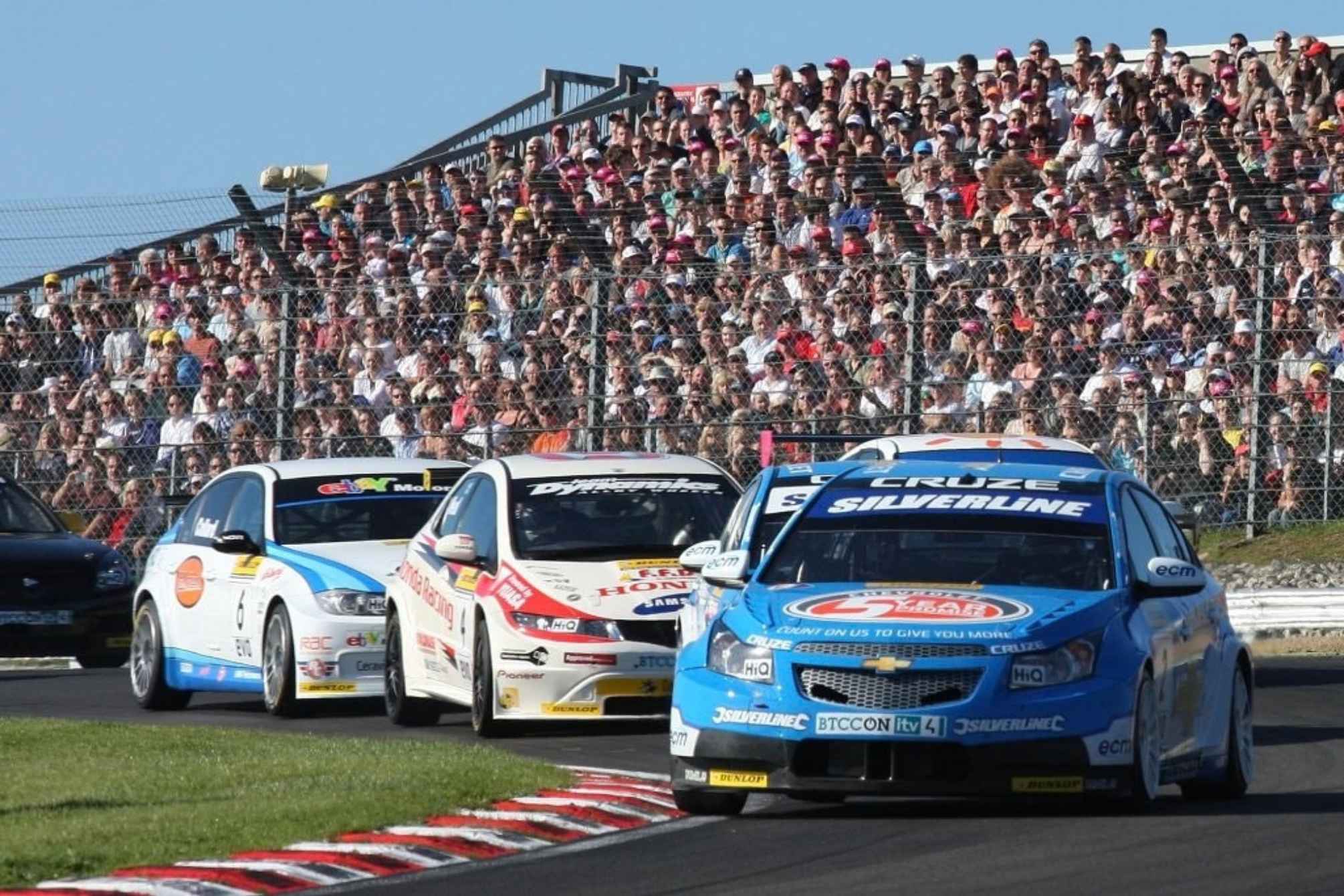
MG couldn’t be faulted for their effort, though – particularly because in the two seasons before they started to throw the MG at the track, they’d watched Chevrolet run a Cruze in the same championship, win the title, and achieve consistent success whilst doing precisely nothing to boost the brand’s fortunes in the showroom.
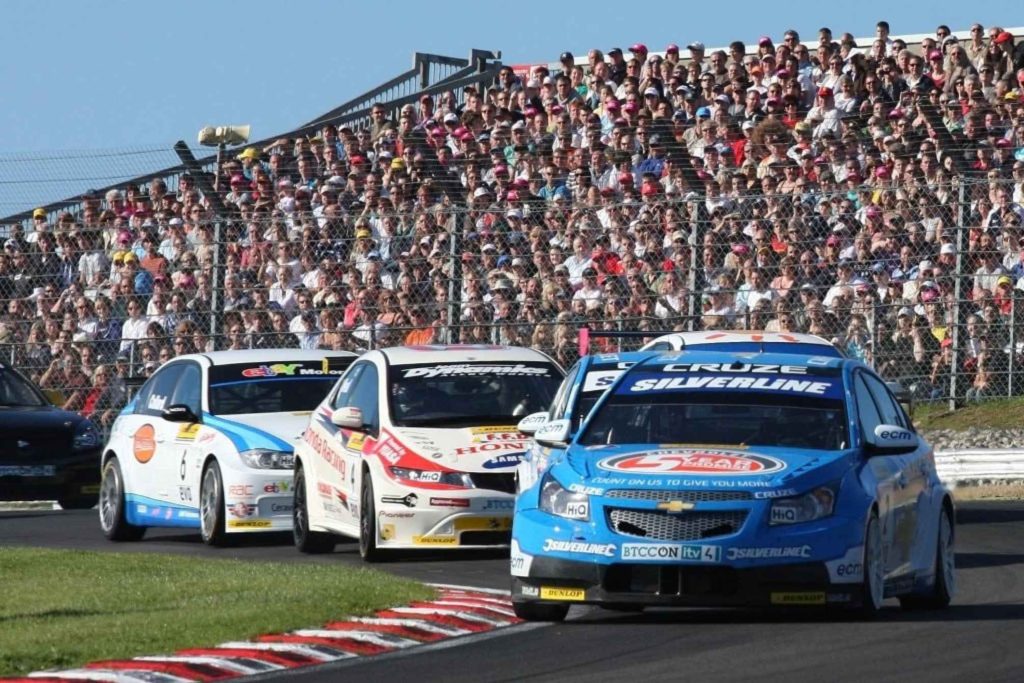
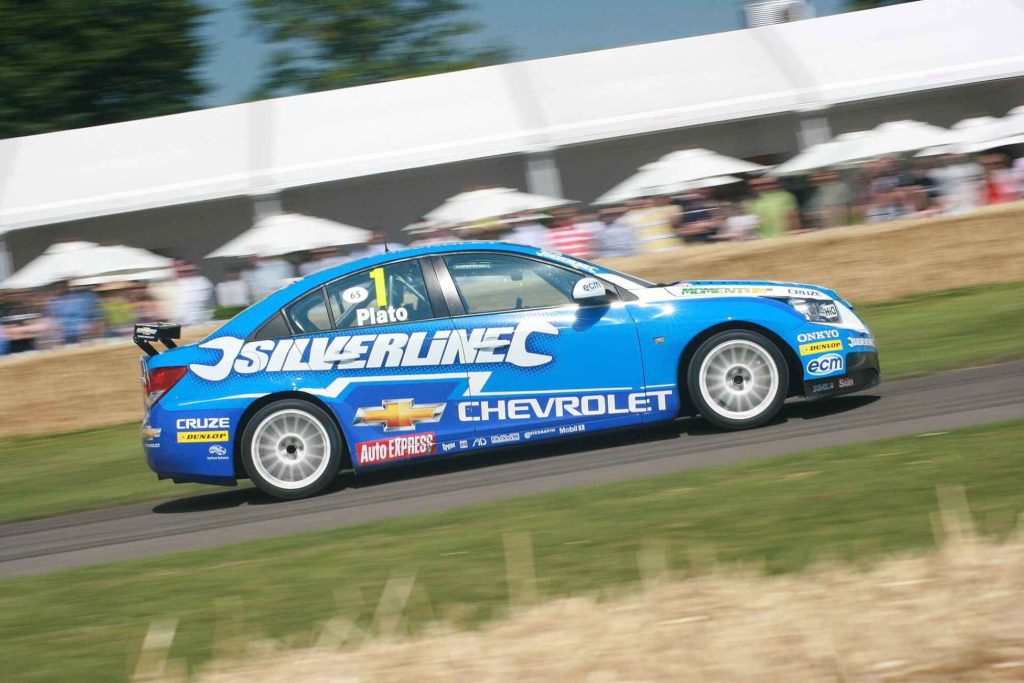
The Cruze, a cousin of the best-selling Vauxhall Astra was offered by GM’s bow-tie brand after a series of complex takeovers, bankruptcies and rebrands stemming from the failure of Korea’s Daewoo Motors early in the 21st century. A slightly awkward looking, cheap feeling mid sized family car with zero brand cachet in Europe, it was sorely in need of racing stardust being sprinkled in large quantities.
Much like those watching the Alfa 155 and MG6 show how things were done on the chicanes and straights of the UK’s motor racing circuits, the Cruze’s sparkling performances in taking the chequered flag again and again, did not inspire those seeking a new family car. Within a year of the Cruze achieving motorsport greatness, GM had decided to withdraw the Chevrolet brand in Europe, and with it the Cruze; proof that the road and track are not always happy bedfellows.
What do you think? Did motorsport sponsorship ever really work, or was it all just a very expensive, very spectacular waste of time? Drop your thoughts in the comments below.
Insure your classic with a specialist insurer
If you’re looking for cover for your pride and joy, why not consider Hagerty UK? Not only are we classic car insurance specialists, but we are enthusiasts at heart. Call us for a quote on 0333 323 1138.