“Breathing space now, fresh hope for the future.” That was the message repeated throughout Chancellor John Healey’s budget speech.
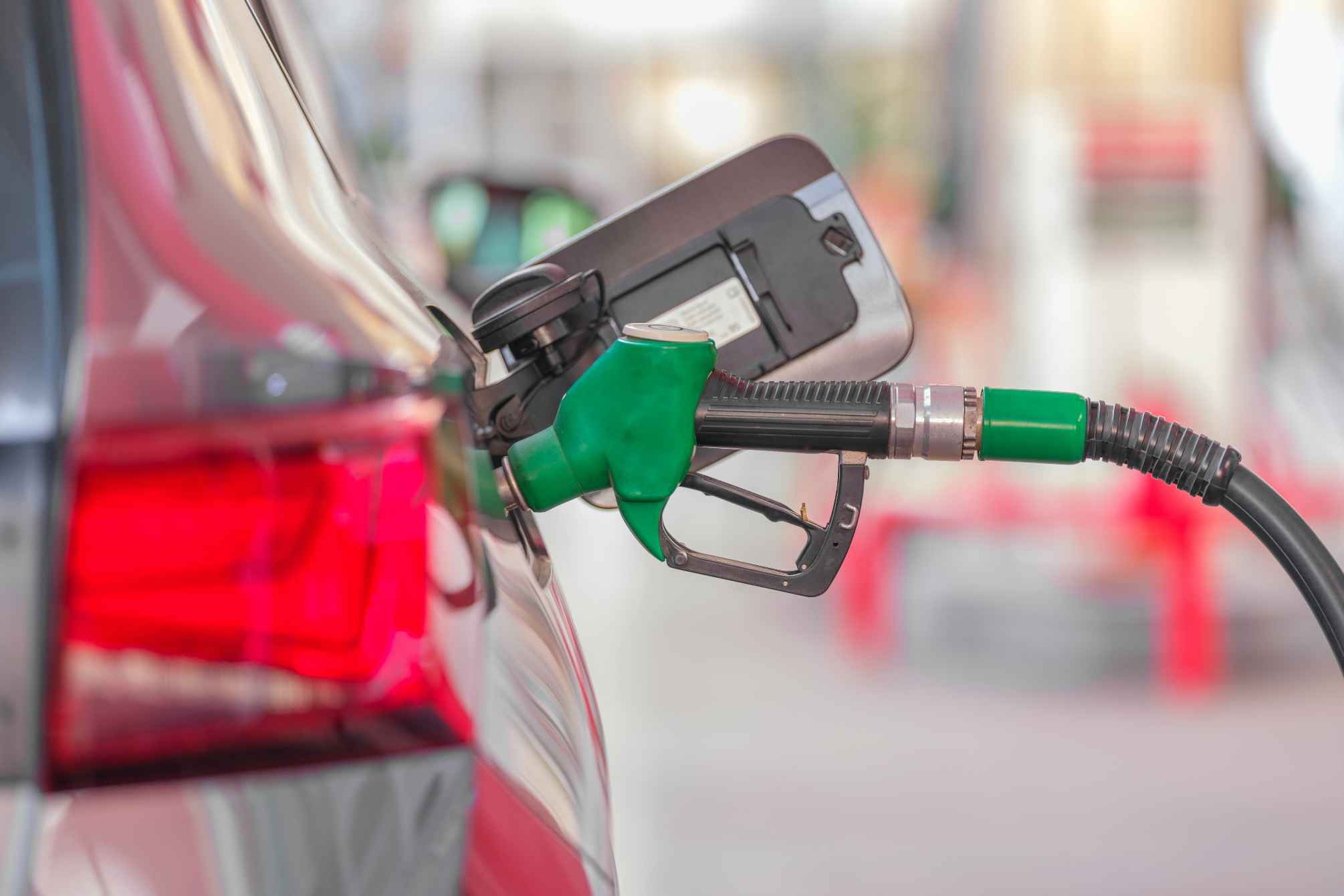
For drivers, that breathing space is limited to an extension of the 5p cut in fuel duty until July of 2027. On a typical 60-litre fill-up, that’s a saving of just £3.
Healey says his decision was made with “the war in the Middle East still driving high fuel prices,” adding that the cost of oil is now more than $100 per barrel compared to its pre-war price of $70.
In the UK, the average price of a litre of 95-octane fuel is now £1.74, and diesel costs £1.99, but many drivers are paying considerably more than that. Classic car owners who put higher-octane premium fuel in their cars are faced with coughing up more than £1.90 per litre.
While any measures to reduce prices will be welcomed by drivers, critics say the Government should do more.
Conservative leader Kemi Badenoch responded: “We froze fuel duty for 14 years – they can do better than that,” while AA President Edmund King said: “Delaying the fuel duty increase is a welcome trick, but no treat for drivers.” The Government “could have gone further and cut fuel duty by an extra 5p, even if only for diesel,” he said.
The RAC’s senior policy officer Rod Dennis added: “While drivers may breathe a mild sigh of relief knowing that fuel duty isn’t going up, many are likely to be disappointed the Chancellor didn’t go further to support them. RAC research published yesterday showed nearly two-in-three regular drivers wanted cuts to duty or VAT on fuel, with a similar proportion now cutting back on other spending because of the high cost of fuel.
A freeze only avoids making an already difficult situation worse – it doesn’t make filling up any cheaper. And it’s worth remembering that pump prices still soared this summer, despite fuel duty being at this very same reduced rate. Drivers will now have to hope for an easing of the international conflicts that have pushed up oil prices and disrupted fuel supplies if pump prices are to come down in a meaningful way.”
For people who use their cars for work, there’s a permanent rise to mileage rates. Drivers who travel less than 10,000 miles per year for business can claim a rate of 55p per mile, while those covering more than 10,000 miles annually see a rise from 25p to 35p per mile.
Drivers of electric vehicles stand to be better off, both immediately and in years to come. The removal of VAT on domestic electricity has been extended until July 2027, although those using public chargers still have to pay the full rate of 20 per cent. In the future, Healey pledged new cost controls on energy, with cheaper, clean power promised. The Government is still “Unshakably committed to net zero by 20250,” said Healey, but only if it is also less expensive.
While pledging support for eco-friendly energy, Healey failed to mention e-fuels that could keep classic cars on the roads and reduce their environmental impact.
Arguably, it was a budget that ignored classic car owners completely.