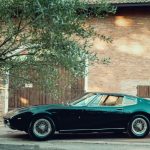
The Bora mixed Giugiaro style, V8 muscle and three pedals before Maserati’s welcome manual revival.
Ferrari’s answer to anyone asking for a new manual supercar is wonderfully Ferrari: buy an old one. Commercial boss Enrico Galliera has said that anyone wanting three pedals should look to the company’s classics, for now. Maserati has taken a more interesting route. Cristiano Fiorio says around half of Bottegafuoriserie clients want petrol and a manual gearbox, and that a future limited-run flagship will need both – you can read more about Maserati’s three-pedal hypercar hope here.
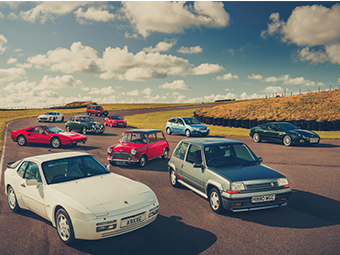
Good. Maserati has form here. Fifty-five years ago the Bora showed that a mid-engined supercar could be fast, civilised and manual without requiring its owner to travel everywhere with an osteopath.
The Bora came from a moment when Maserati had little choice but to change. Citroën took control in 1968, bringing money, engineering confidence and an enthusiasm for high-pressure hydraulics. Meanwhile, the Lamborghini Miura had moved the engine behind the seats and made every traditional front-engined GT look as contemporary as the buffet trolley at Crewe station.
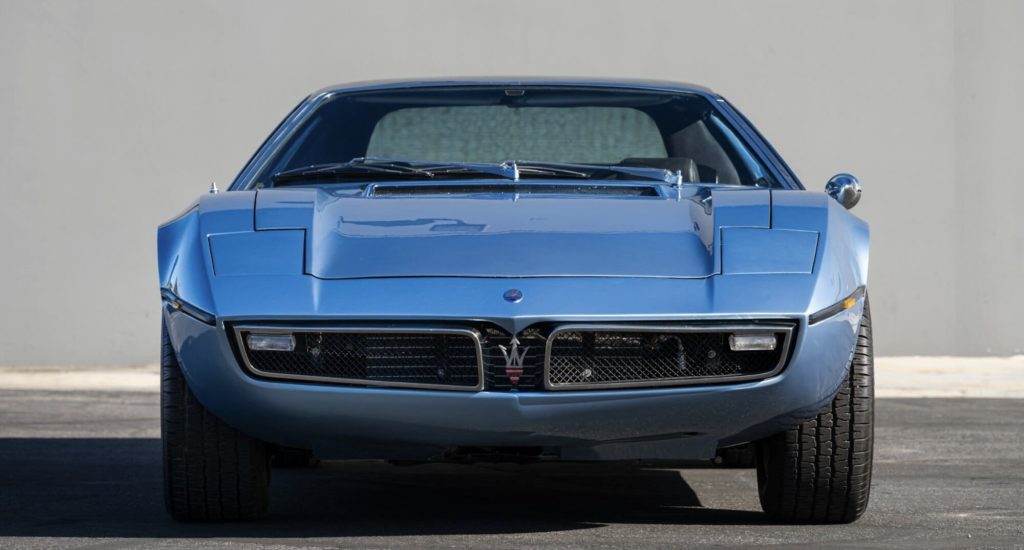
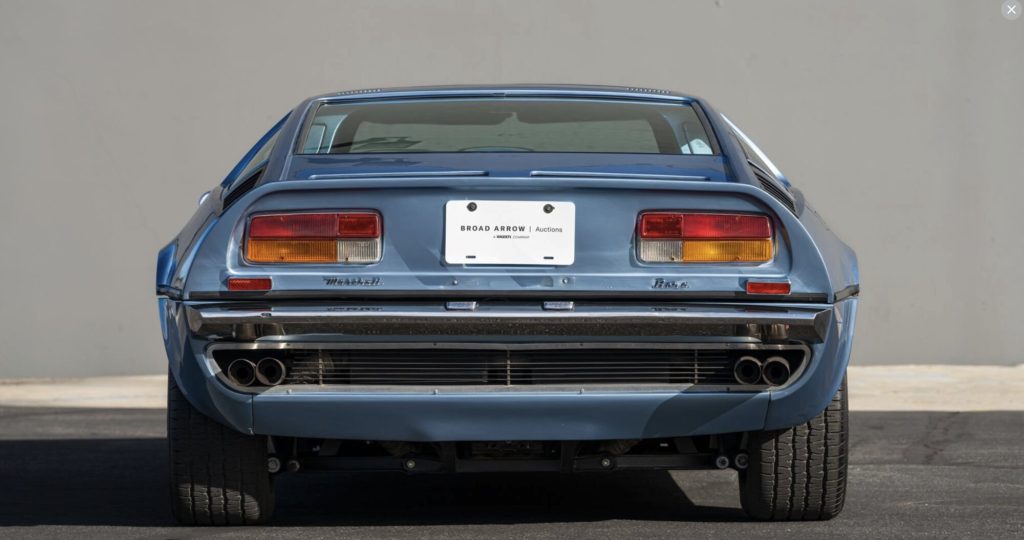
Development of Tipo 117 began in 1968 under Giulio Alfieri. The point was not simply to copy the Miura. This had to remain a proper Maserati, rapid enough to trouble the new mid-engined exotica but refined enough for the marque’s GT clientele. It needed luggage space, tolerable noise levels and the possibility of arriving without looking as though you had been stored beside the exhaust manifolds. Oddly enough, Maserati itself forgot the need for luggage space with the MC20/MCPura. Over to you Modena…
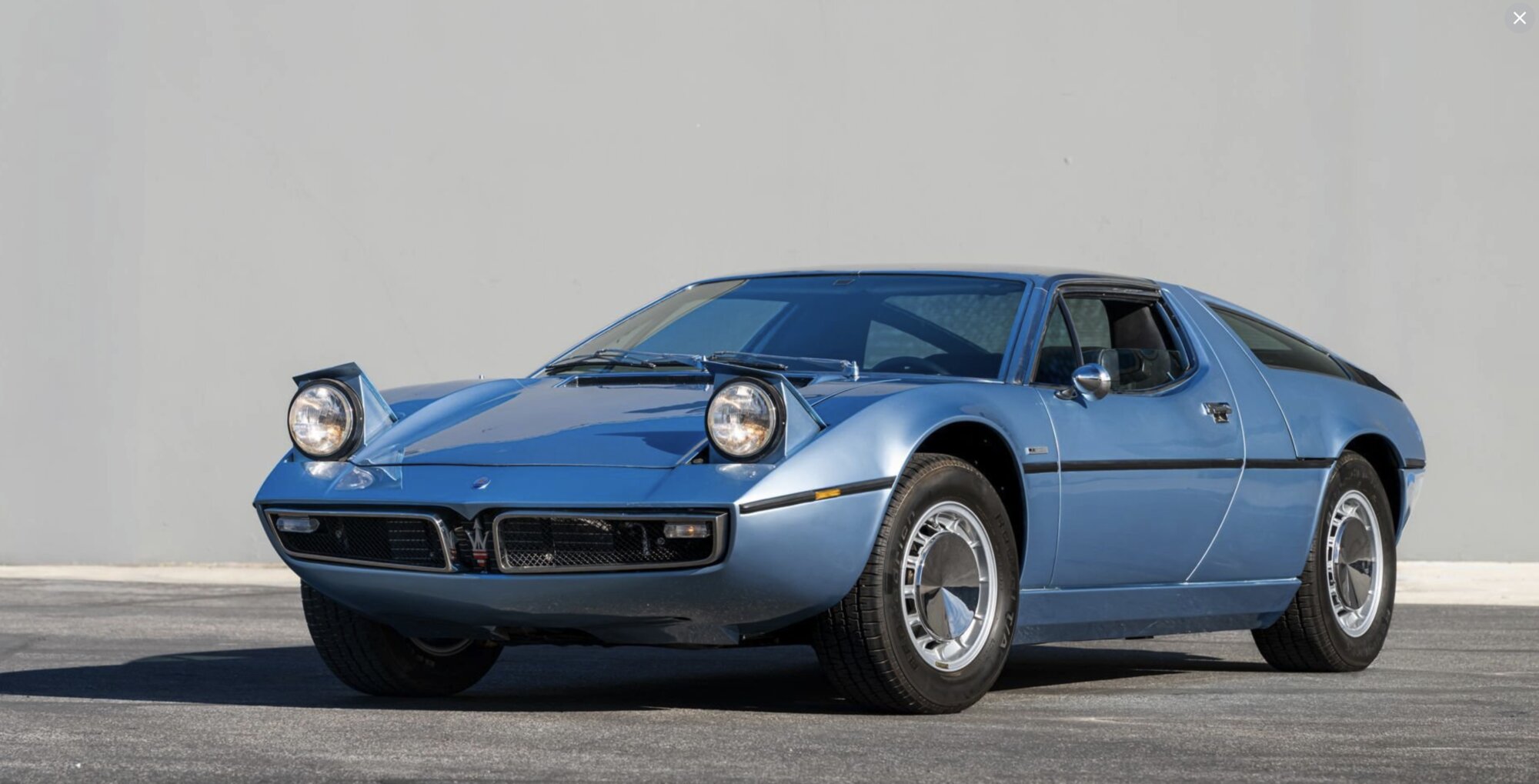
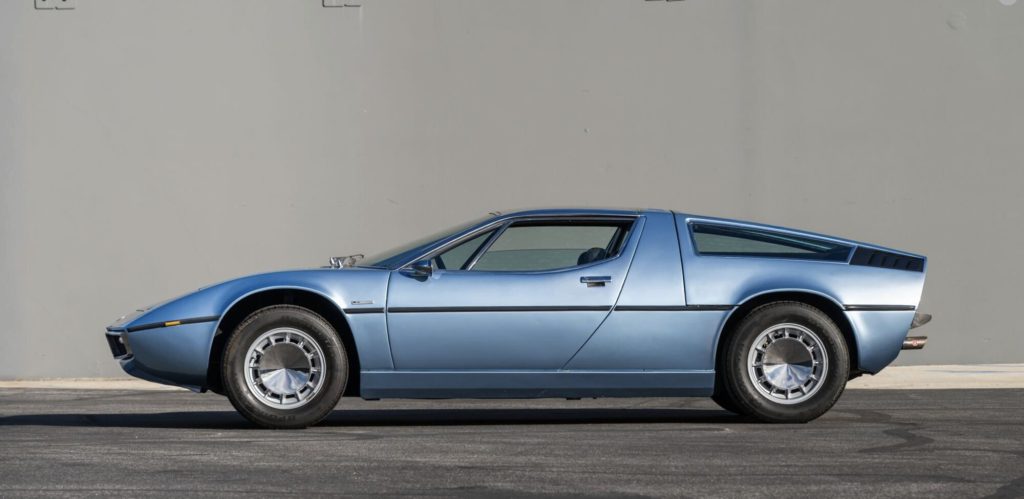
Anyway, I digress. The finished Maserati Bora appeared at Geneva in March 1971. Ferrari unveiled the 365 GT4 BB later that year, but production did not begin until 1973. Giorgetto Giugiaro drew the Bora for Italdesign, resisting the temptation to garnish it with every wedge-era styling trick available. The form is clean: a low nose, one rising waistline, a compact glasshouse and a chopped tail. At just under 45 inches high, it looks dramatic without appearing to have been flattened by industrial equipment.
The brushed stainless-steel roof and windscreen pillars do much of the visual heavy lifting. They divide the body from the glasshouse and make the cabin resemble the lid of an expensive 1970s stereo. Pop-up headlamps keep the nose unspoilt, while the glazed rear bodywork displays the V8 without making the occupants smell it.
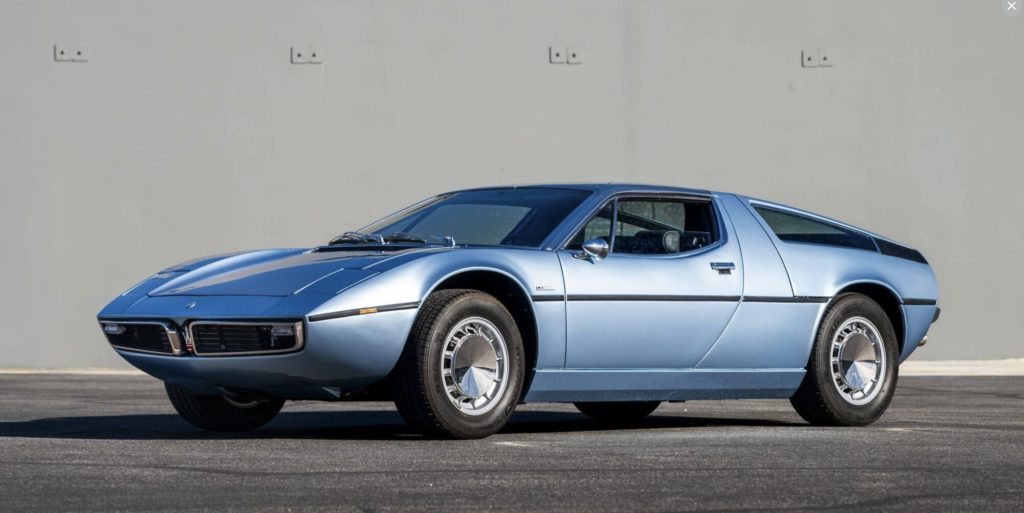
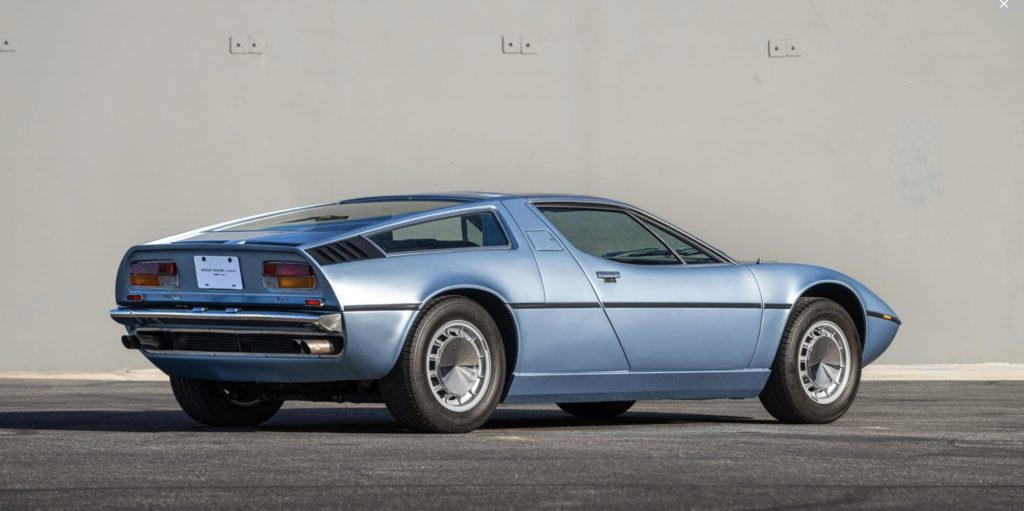
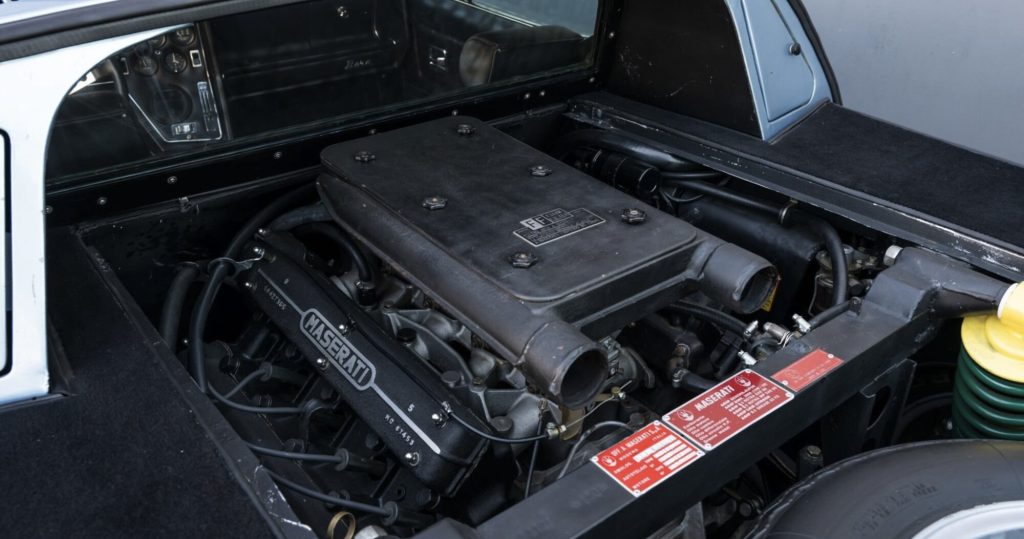
Officine Padane built the all-steel body in Modena. Beneath the rear glass sat a removable, carpeted aluminium inner engine cover, to isolate heat and mechanical noise. The Bora looked exotic, but it was designed by people who understood that owners might occasionally travel somewhere.
Inside, Giugiaro avoided the traditional Italian arrangement of placing the pedals near Florence while leaving the steering wheel in Turin. The seat adjusted for height, the steering column moved for reach and rake and Citroën hydraulics shifted the seat up and down. There were electric windows, leather trim, a useful front boot and optional air conditioning. Double glazing separated the cabin from the engine bay.
Underneath was a steel monocoque with the engine, five-speed ZF transaxle and rear suspension carried on a detachable subframe. Flexible mountings reduced vibration. Double wishbones, coil springs, telescopic dampers and anti-roll bars appeared at each corner, making the Bora Maserati’s first road car with fully independent suspension.
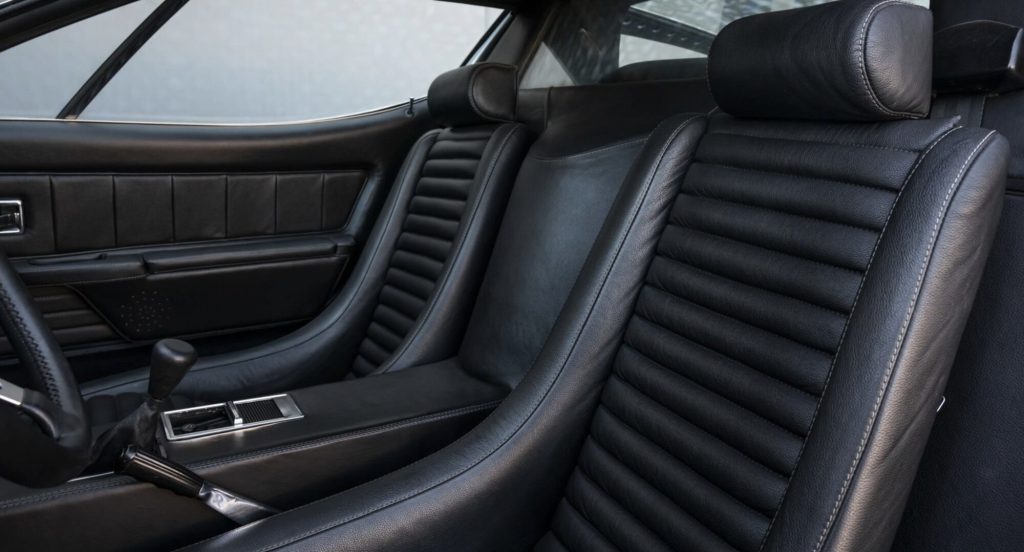
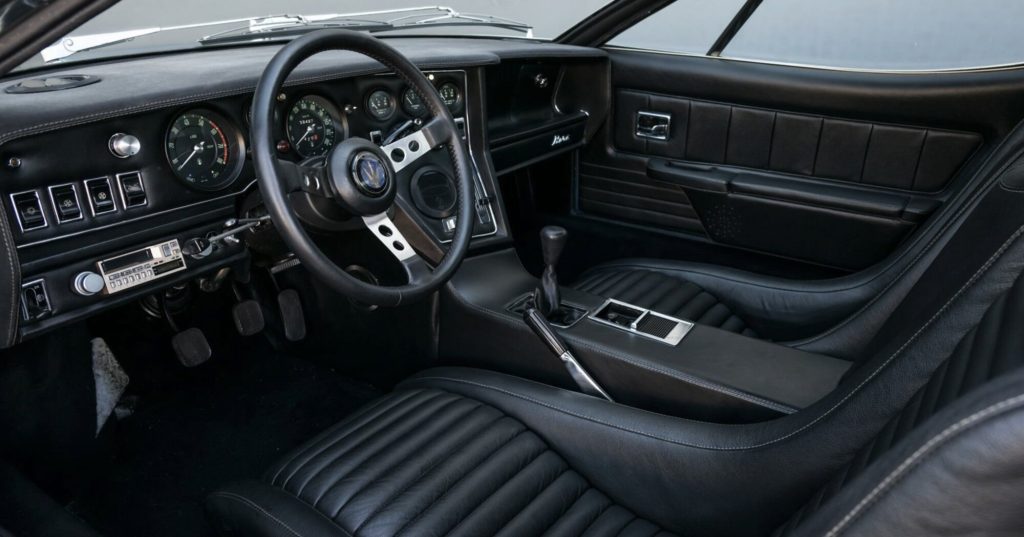
Then there were the hydraulics. They powered the ventilated disc brakes, raised the headlamps, altered the pedal position and adjusted the driver’s seat height. The brake pedal has almost no travel, making the first stop feel as though someone has dropped an anchor through the floor. Familiarity helps. So does not approaching a roundabout in unfamiliar loafers.
The original 4.7-litre, four-cam V8 produced 310bhp and around 340lb ft, fed by four twin-choke Weber carburettors. Autocar recorded 0-60mph in 6.5 seconds, 100mph in 15.3 seconds and 162mph flat out. The later European 4.9 was quoted at around 325bhp and up to 355lb ft, while emissions-controlled American cars produced less. Maserati claimed 177mph for the strongest 4.9, though that remains a factory figure.
Numbers only explain half of it though. The V8 is less frantic than a Ferrari flat-12 and less operatic than a Miura’s V12, but it has the low-rev shove that turns overtaking into a breeze – which is where its name comes from (a wind from the Trieste region). The unassisted steering was praised in period for being precise and surprisingly light, even at parking speeds. Parking itself was awkward because rearward visibility was less than great.
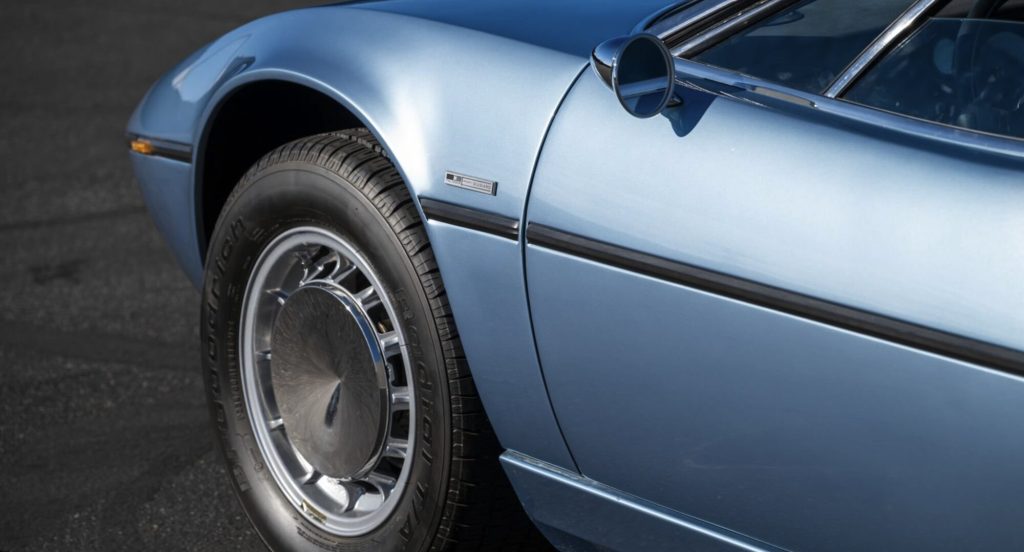
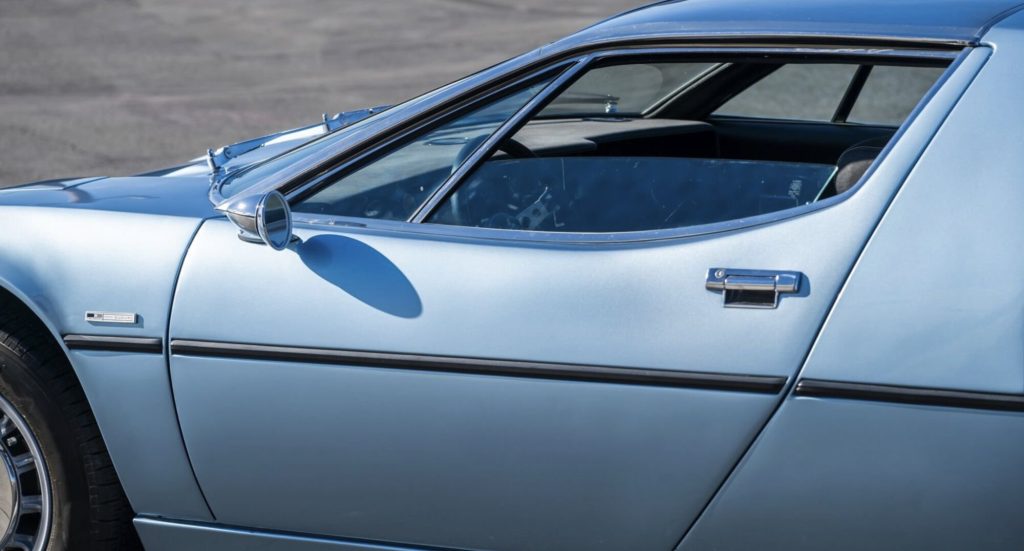
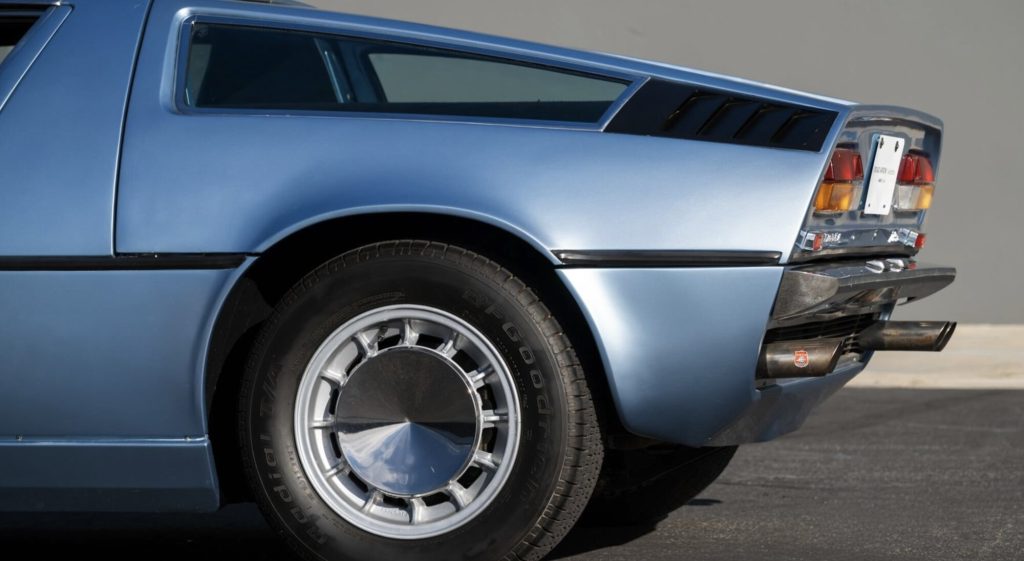
Motor Sport called the Bora one of the world’s best road sports cars, praising roadholding and handling that had few equals away from a circuit. It also recorded the less glamorous details: a heavy clutch, a sprung and occasionally notchy gearshift, a cramped passenger footwell, sensitive wet-weather braking and faults on the test car. Nevertheless at pace the Bora became stable, balanced and effective rather than theatrical for its own sake; a supercar for adults then.
Its commercial life was more of a struggle. The oil crisis arrived, Citroën’s financial troubles pushed Maserati into liquidation and Alejandro de Tomaso took control in 1975. Production continued until 1978. Maserati built 564 Boras, against 387 Ferrari 365 GT4 BBs.
The market still favours the Ferrari heavily. Average auction values sit at £97,500 for a Bora 4.7 and £108,000 for a 4.9, while a UK 4.7 sold for £103,500 in late 2025. Dealer asking prices run from about £130,000 to £180,000, with exceptional restored cars nudging £200,000.
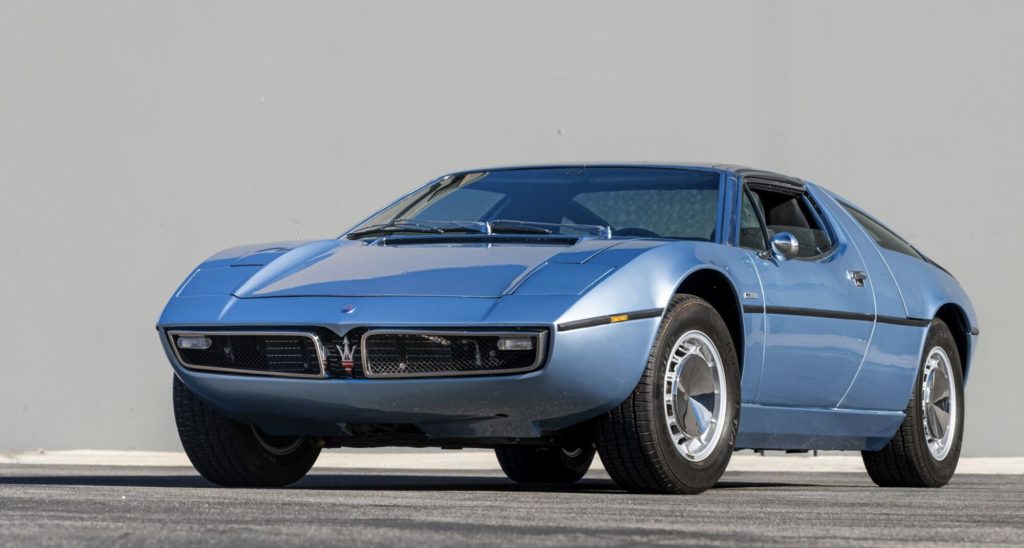
Do not simply buy the cheapest. Corrosion, tired cooling systems, poor wiring and neglect can turn a bargain Bora into a second mortgage with Campagnolo wheels. The hydraulics are not inherently disastrous, but they need correct LHM fluid, healthy accumulators and somebody who knows Citroën systems rather than merely fears them. Buy history, condition and specialist knowledge before engine size.
Even at £150,000, the Bora looks oddly good value beside a comparable Boxer. It is more comfortable, more discreet and no less capable of making a petrol station forecourt stop dead. Ferrari says manual enthusiasts should look backwards. Fine. Maserati’s past shows exactly why its future manual flagship makes sense.
What do you think – was the Maserati Bora an underrated Italian icon or forgotten rival? Give us your verdict in the comments below.
Protect your pride and joy
Specialist classic car insurance from the people who get it. Protect your classic with fully comprehensive classic car insurance.