Words: Nathan Chadwick
Photography: Maserati
One of Giugiaro’s greatest designs, remembered
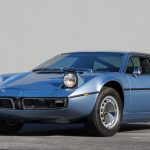
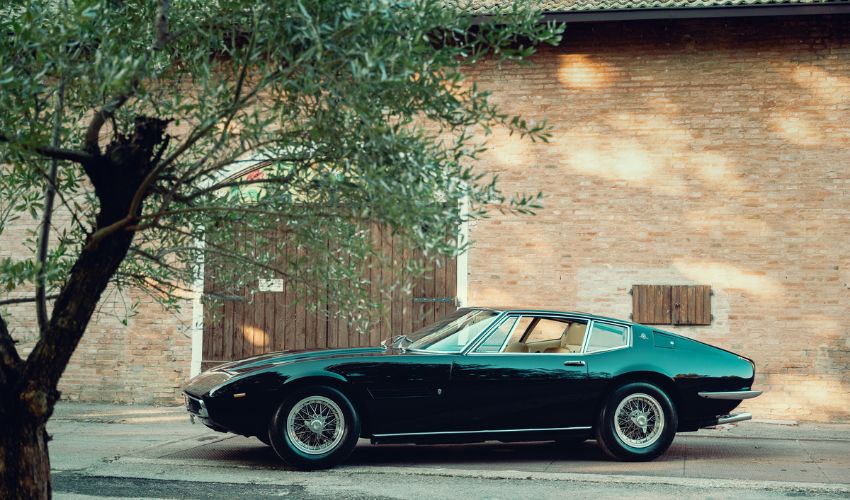
There are cars that arrive politely and cars that arrive like a thunderclap. When the Maserati Ghibli burst onto the scene at the 1966 Turin Motor Show it was emphatically the latter. Low, wide and unapologetically aggressive, it announced a new chapter for Maserati – menace, modernity and muscle in equal measure.
By the mid-1960s Maserati was searching for renewal. Its reputation had been forged through racing and refined GT cars, yet rivals were moving quickly. Ferrari was becoming more polished, Lamborghini had exploded onto the scene with the Miura and the grand touring market was tilting towards speed as much as sophistication.
The brief for the Maserati Ghibli was deceptively simple: build a front-engined GT that could outgun Ferrari, look more modern than anything else on the road and still function as a usable long-distance car. To achieve this Maserati turned to a young designer at Ghia, Giorgetto Giugiaro.
Giugiaro’s design was radical. The Ghibli sat improbably low for a front-engined car, its bonnet stretching out like a blade while the cabin was pushed far back. Pop-up headlights preserved the purity of the nose, while the muscular rear haunches hinted at power rather than ornamentation.
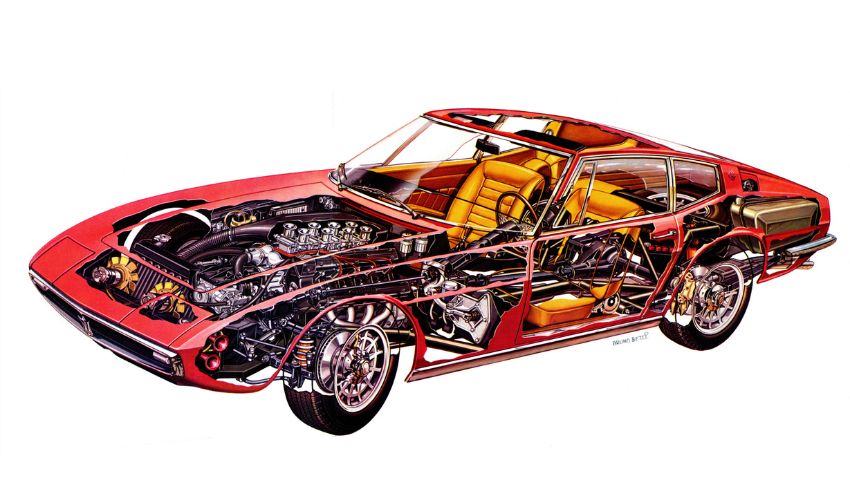
Underneath the skin the Ghibli was no less serious. Maserati employed a steel monocoque reinforced with a front subframe, clothed in steel bodywork with an aluminium bonnet and boot lid to save weight. Suspension was independent at the front with double wishbones, coil springs and an anti-roll bar, while the rear used a live axle located by semi-elliptic leaf springs. It was not cutting-edge, but it was robust and well understood.
Maserati pushed the conventional layout to its limits. The V8 was mounted extremely low and far back in the chassis, effectively front-mid-engined in practice. This allowed the bonnet line to sit dramatically lower than rivals and improved weight distribution. In contrast, the Daytona’s flat-twelve, while technically exotic, sat higher and further forward, contributing to a more nose-heavy feel at the limit.
Power came from Maserati’s jewel-like quad-cam V8, initially displacing 4.7 litres and producing around 310bhp. In 1969 the range was crowned by the 4.9-litre SS, lifting output to approximately 335bhp. A five-speed manual gearbox was standard, with a three-speed Borg-Warner automatic offered primarily for the American market.
A top speed of around 170 mph for the SS placed the Maserati Ghibli firmly among the fastest road cars in the world. Yet it remained resolutely a GT rather than a raw sports car. The cabin was trimmed in leather and wood, the driving position relaxed and the ride supple enough for long continental journeys.
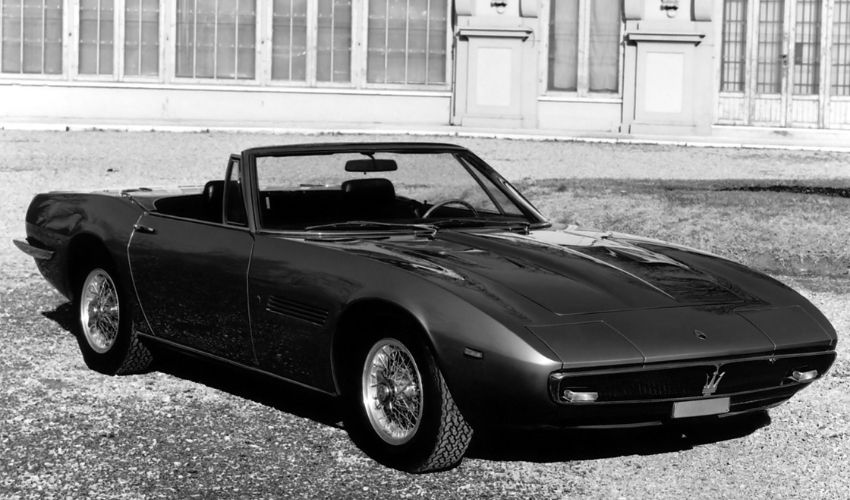
It soon attracted the attention of the celebrity elite – the likes of Peter Sellers, Jean-Paul Belmondo, Sammy Davis Jr and Stirling Moss all owned Ghiblis. The car came typify a very 60s freedom, when transcontinental journeys were multi-day adventures by four wheels, with Europe’s autoroutes are largely empty and unregulated playground for the suitably well heeled and heavy footed.
However, the ultimate extravagance has to be a Ghibli Spider. Stylistically, the Spider preserved almost all of the Mk1 Ghibli’s visual authority. The low nose, long bonnet and wide stance remained intact, avoiding the awkward proportions that often afflicted open versions of large GTs. The windscreen was slightly more upright, and the roofline replaced by a manually operated fabric hood, but otherwise the design changes were minimal.
Structurally, however, the transformation was significant. Removing the roof from an already low and wide steel-bodied car demanded extensive reinforcement, adding weight and slightly softening the handling. Even so, the Spider retained impressive composure at speed, especially in a straight line, where its long wheelbase and torquey V8 excelled. Performance was scarcely diminished, particularly in later SS form, and the sensation of that dry-sumped V8 with the roof down was central to the car’s appeal.
The Spider’s real limitation was not engineering but intent. It arrived at a time when tastes were shifting away from large, thirsty open GTs, especially in the United States. Combined with its high price, this limited demand severely. Fewer than 130 examples were built, making it one of the rarest production Maseratis of the era.
But what about owning a Maserati Ghibli today – after all, they are available for a fraction of the price of a Ferrari Daytona? Owning a Ghibli today is as much about stewardship as indulgence. These are complex, valuable machines and condition is everything.
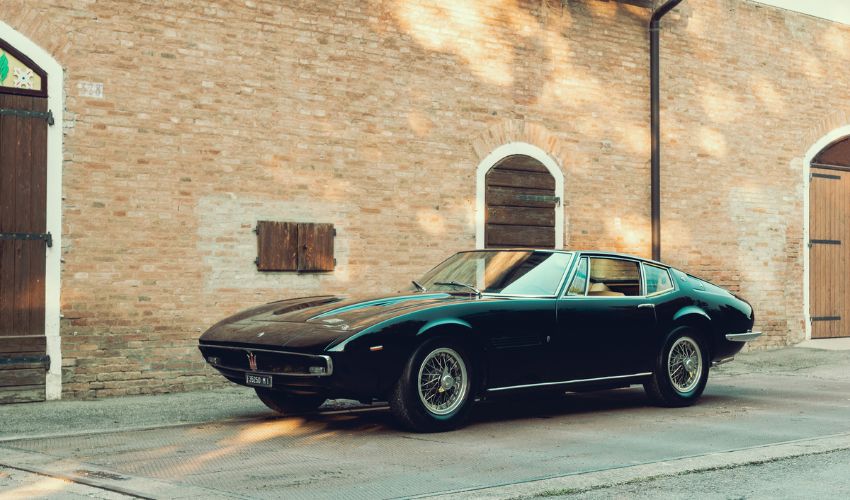
Rust is the primary concern, particularly around sills, wheelarches, door bottoms and the base of the windscreen. The steel bodywork can hide extensive deterioration beneath paint that still looks presentable. A thorough inspection by a marque specialist is essential.
The V8 engine is fundamentally strong but expensive to rebuild. Look for evidence of regular maintenance, correct oil pressure and smooth running. Timing chain wear, tired carburettors and cooling system issues are all common if servicing has been sporadic. Gearboxes are robust, though synchromesh wear is not unusual.
Suspension and braking components are conventional but must be in good order to make the car feel as intended. Interior trim, while beautifully made, is costly to restore if damaged, and originality has a significant impact on value.
According to Hagerty UK’s valuation guide, values for the Ghibli Mk1 reflect its blue-chip status. Project cars requiring major work still command substantial sums, while good usable examples sit firmly in six-figure territory. The very best cars, particularly 4.9 SS models with matching numbers and impeccable history, reach well beyond that, placing the Ghibli among the most valuable classic Maseratis.
Is the original Maserati Ghibli the most underrated Italian GT of the 1960s? If not, what is? We’d love to hear your thoughts.
Insure your classic with a specialist insurer
If you’re looking for cover for your pride and joy, why not consider Hagerty UK? Not only are we classic car insurance specialists, but we are enthusiasts at heart. Call us for a quote on 0333 323 1138.