Author: Antony Ingram
Photography: Renault Originals
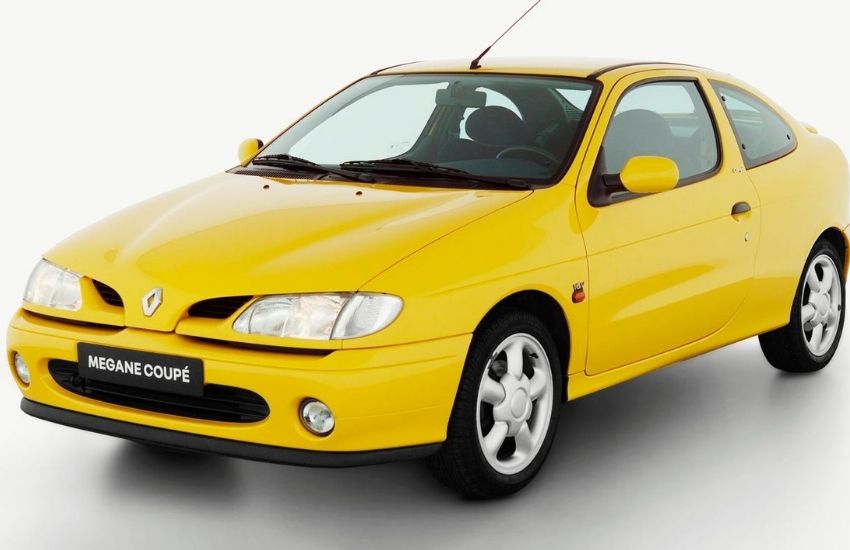
Is any 1990s coupé more unfairly forgotten and overlooked than the Renault Mégane Coupé? Once a group-test regular, today you’d barely know it ever existed, frequently omitted from retrospectives on the decade’s enthusiast cars (except by us, of course) and a vanishingly rare sight even at car shows.
A quick scan of the ever-useful How Many Left reveals one of the problems: there just aren’t many… well, left. The top-dog 2-litre 16v model, from a high of 500 or so in the early 2000s, is down to just five taxed cars as of 2025, and another 20 or so on SORN. A few models seem to have disappeared entirely, and even the later facelifted cars are scarce – most common, with just 70 taxed examples, is the once-popular special edition Fidji.
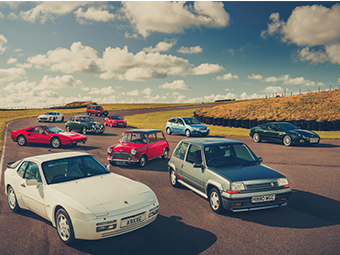
The decline of once familiar 1990s cars is not unusual – you don’t see many Astras or Mondeos around these days either. But the Renault Mégane Coupé’s disappearance is rather disappointing for what was briefly Renault’s performance flagship, and one with a compelling motorsport record too.
The Mégane range came hot on the heels of the solid but staid Renault 19 (another rarity today, but one for another time). The 19 was the stylistic work of Giorgetto Giugiaro at Italdesign, though in retrospect Giugiaro possibly played things a little too safe, a theme common to the French maker at the time.
While similar underneath, 1996’s Mégane was instantly more eyecatching. Under the direction of Patrick Le Quément, Michel Jardin’s smooth fastback shape featured several refinements over its predecessor, more space in a shorter body, and better body control than the sometimes roly-poly 19. More interestingly though, it was to be the basis of a range of five distinct models: a five-door hatchback, four-door saloon, five-door MPV (the Mégane Scénic) and a new coupé and convertible.
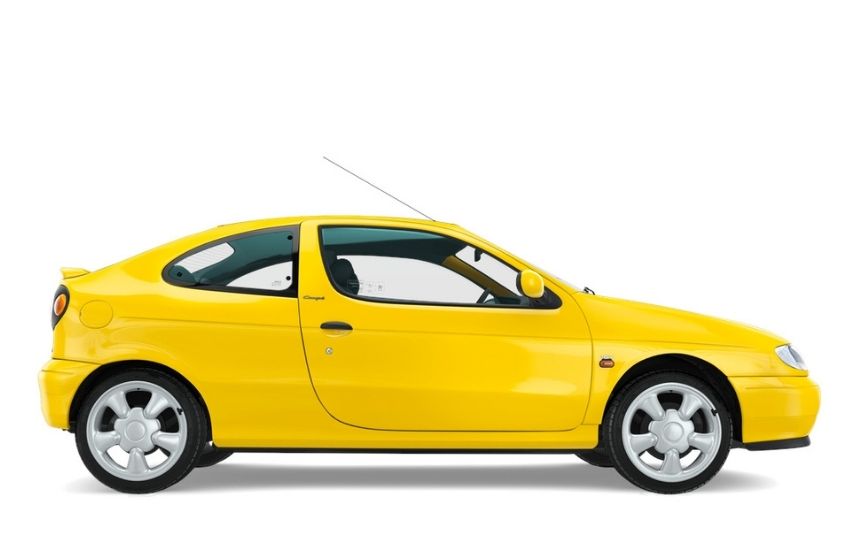
It was a range of mixed talents but the coupé was of most interest to enthusiasts. Despite squat proportions that suggested a three-door hatch, it was a legitimate two-door coupé, with a proper (albeit quite small) boot, and the structural benefits that come from having a closed-off box rather than a big open gap at the back. The front end, and indeed the front half of the interior were more or less as per the hatchback, which drew some criticism from the press, but the distinctive rear certainly couldn’t be mistaken for anything else, with round lights set into smoked housings and an incredibly short overhang.
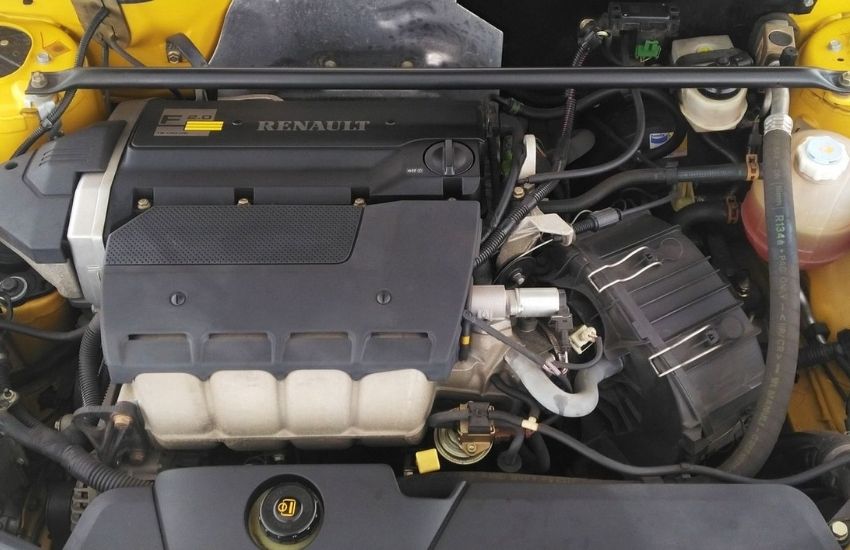
1.6 and 2-litre eight-valve four-cylinder engines carried over from the regular range, but the Coupé received one more engine, befitting its sporty billing: the 2-litre 16v F7R unit most familiar from the Renault Clio Williams. Like the Renault Sport-engineered Clio it made 150bhp on the nose and while it carried more kilos than the smaller car, at 1095kg it was only a touch heavier than the Fiesta-based Ford Puma that would arrive a year later.
Renault claimed 0-62mph in 8.6 seconds, a tenth slower than the Renault 19 16v it replaced, but still more than acceptable in the mid-90s. At 133mph, top speed was bang on the money too. When tested by Autocar in June 1996, the magazine actually managed to trim the 0-60mph (rather than 62mph) time down to 7.8 seconds, and fell only 2mph short of Renault’s claim flat out.
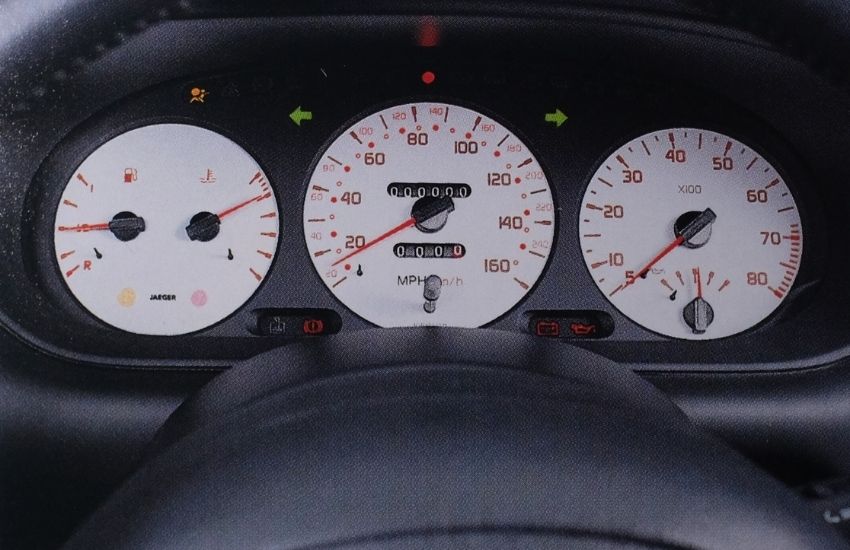
Perhaps due to the high expectations of those Williams connections though, the Renault Mégane Coupé never quite set the class alight. Its handling was good, but not inspiring. Its steering was sharp, but not hugely talkative. And the engine was strong, but could also be harsh. Some publications went as far as to recommend the slower, but cheaper and smoother 2-litre 8v car instead; you lost the 16v’s sporty white dials, distinctive five-spoke “Dinard” 16-inch alloys, and rear spoiler, but the end result felt like a more rounded product.
At the other end of the range, the 1.6 served the value role: at £11,885 it was barely more money than the tinier Vauxhall Tigra and 600 quid less than the somewhat bland Toyota Paseo, but still had most of the 2-litre cars’ quirky styling. Again, it was no regular group-test champ, but these were the ones most people ran around in.
The range was facelifted, to dubious success, in 1999. The new nose never sat quite right and the red tail lights weren’t quite as distinctive as the smoked ones, though the big improvement was a whole range of new 16v engines, with a 1.4, 1.6, and Europe’s first direct-injection engine, the 2.0 IDE, replacing the old F7R 16v. These later IDEs were never much loved, and not as powerful as the old 16v either, but the 1.4 and 1.6 once again sold well.
And then… they all just vanished. Facelift cars crop up for sale now and then, but the pre-facelift models are virtually extinct, and rarely in great condition when they do appear. The 16v was a low-key favourite in the Max Power era, so no doubt a few met their end that way, but otherwise, it just seems to have suffered from old-car attrition.
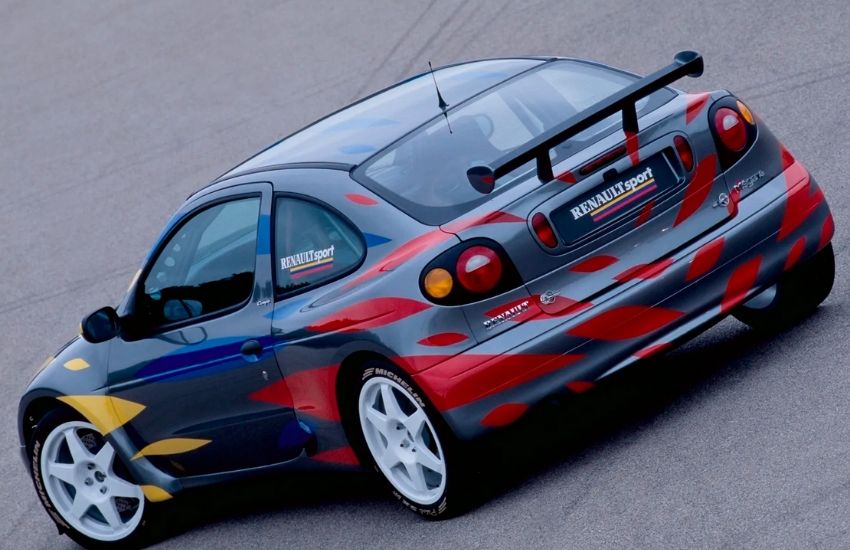
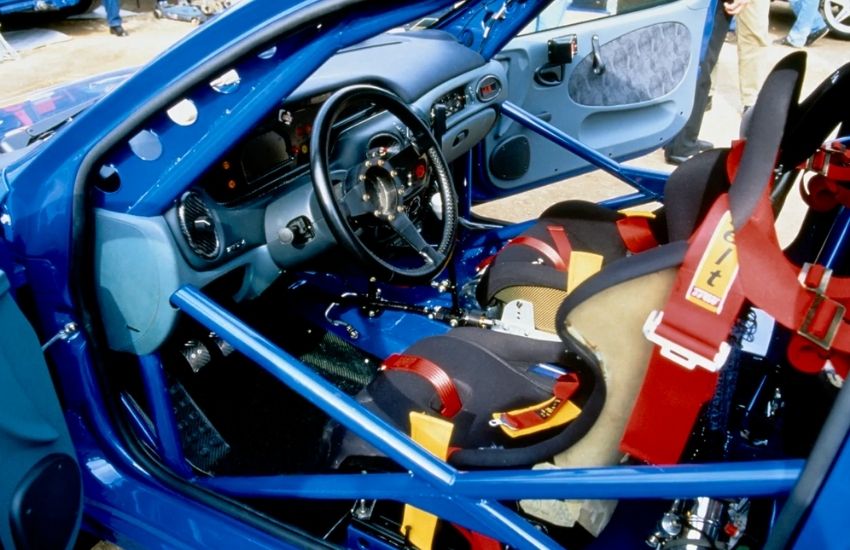
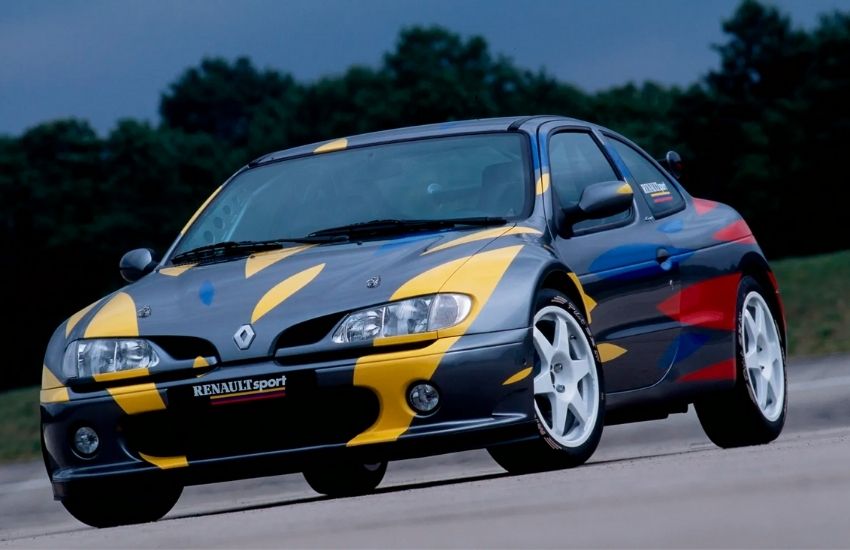
If the Mégane Coupé is remembered for anything, it’s a successful F2 rally campaign in the late 90s and early 2000s, with the Mégane Maxi. Picking up the baton from the Clio Maxi, the 270bhp, 950kg car was a constant frontrunner in Formula 2 rallying.
Brit Martin Rowe won the 1998 British Rally Championship in a Maxi, with Finnish driver Tapio Laukkanen taking the title the following year, also for Renault. In 1999, Méganes also won the European Rally Championship, and the FIA 2-litre Cup that ran alongside the WRC. The wide-arched Maxis are among the most distinctive shapes of 1990s rallying – at their best in UK-spec Renault Dealer Rallying yellow and blue, or the familiar blue and white Team Diac colours run by Frenchman Philippe Bugalski.
Yellow and blue are probably the best-loved colours for the road versions too – the bright Sunflower Yellow matching the rally cars, and Midnight Blue metallic giving the Coupé a classy appearance. The former especially would be a true RADwood star, if you can find one, but any well-kept Mégane Coupé is a future classic in our view.
Do you still own a Renault Mégane Coupé? Believe it’s a future classic? We’re keen to hear your stories and thoughts below.
Read more:
Future Classic: Toyota Prius Mk1
Classic car insurance from Hagerty
Keep your classic on the road with expert classic car insurance built by car lovers, for car lovers. Rated ‘Excellent’ on TrustPilot.



I’m the lucky owner of a 1997 Sunflower yellow MK1 Coupe 1.6e Fidji.
I’ve loved these cars since my dad bought a base 1.6e early in 1996. I’ve also had the pleasure of drives in the facelift IDE and the original F7R model which all.offer something a little different from.each other.
I have got a 1998 Renault megane mk1 2 litre F7R Cabriolet in Yellow.
65k miles and it is pretty much factory fresh.
If you would like to know more and hear my story which is interesting then please feel free to get in touch.
I own 1 of the 2 16v still left in the Netherlands. I found my black F7R in 2017 with 114k kilometers for 1250 euros. As kid I always loved the coupe and having a good preserved one now makes me feel privileged. Mine also became 30 years old last 28th of nov. Luckily there there are communities Europe wide and beyond to help, inspire and keep the last ones on the road for as long as possible.