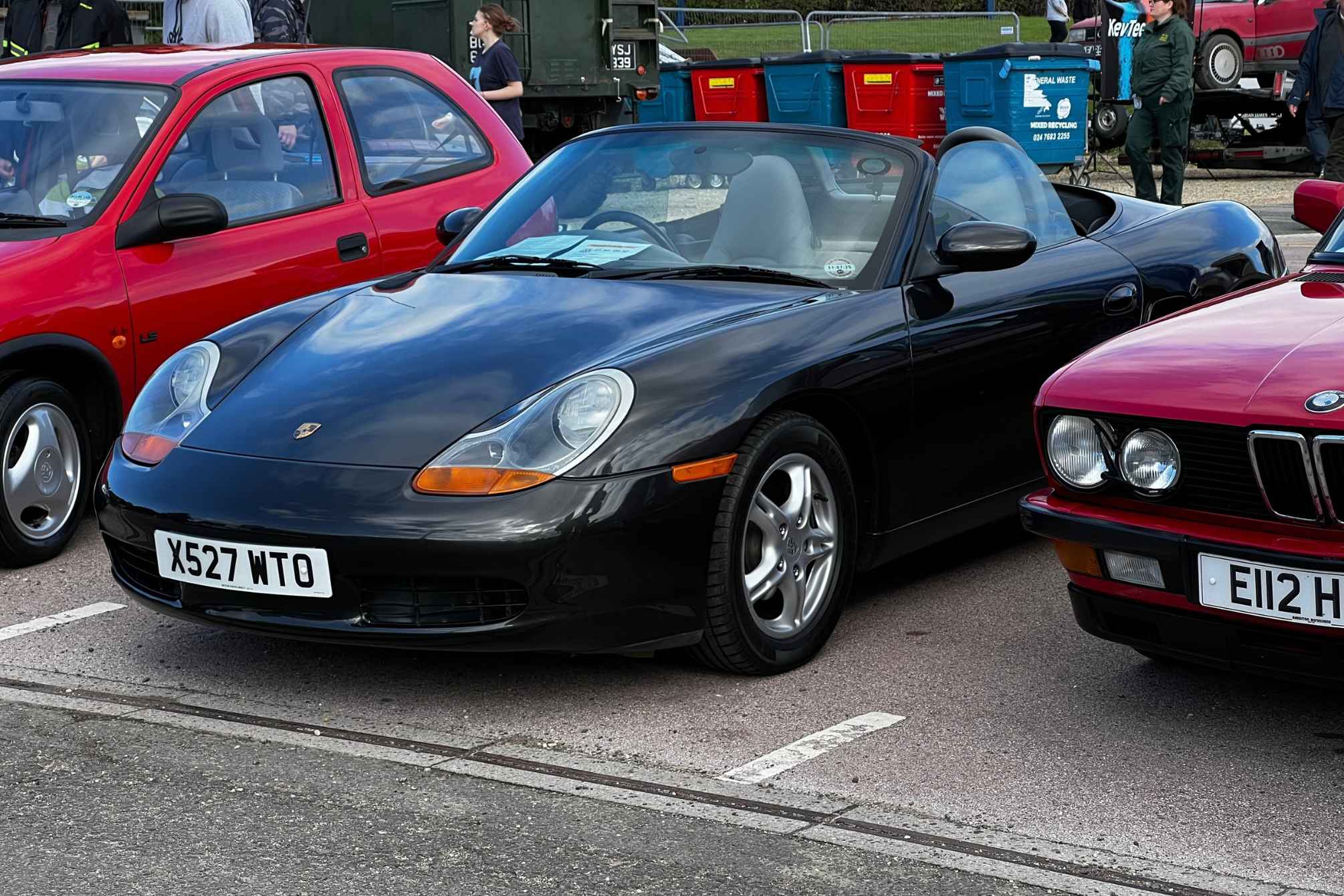
The entry level Boxster could compete with the Favorit Forum for lack of content
We are spoiled. When even the UK’s cheapest car comes with air conditioning and cruise control, it’s hard to remember a time when entry level really meant that. Let’s take a look at ten cars from the past that truly meet that brief.
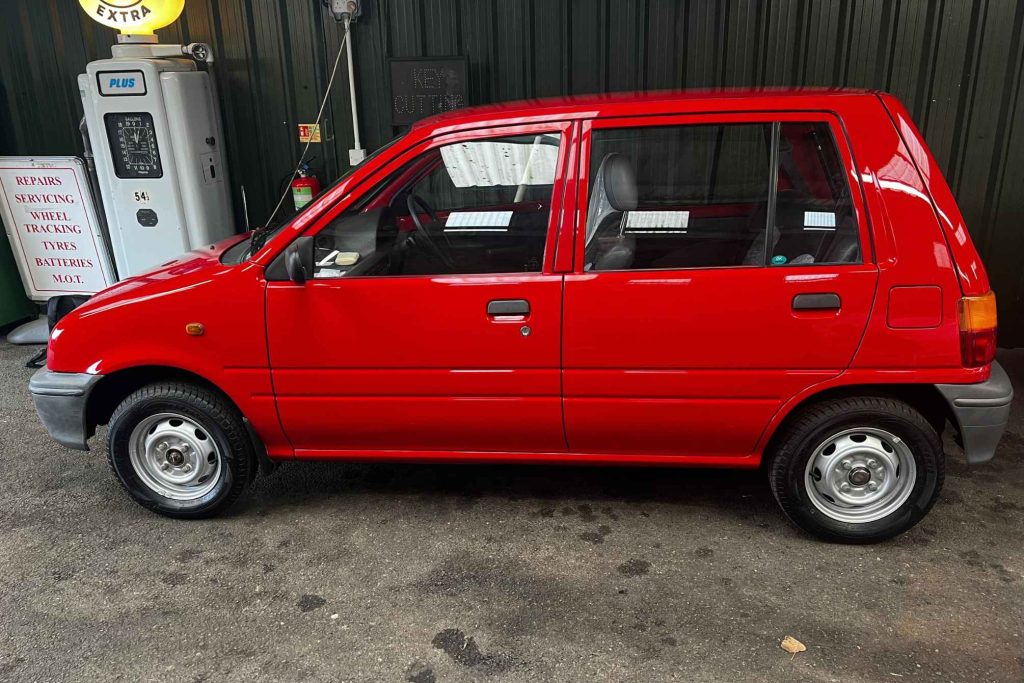
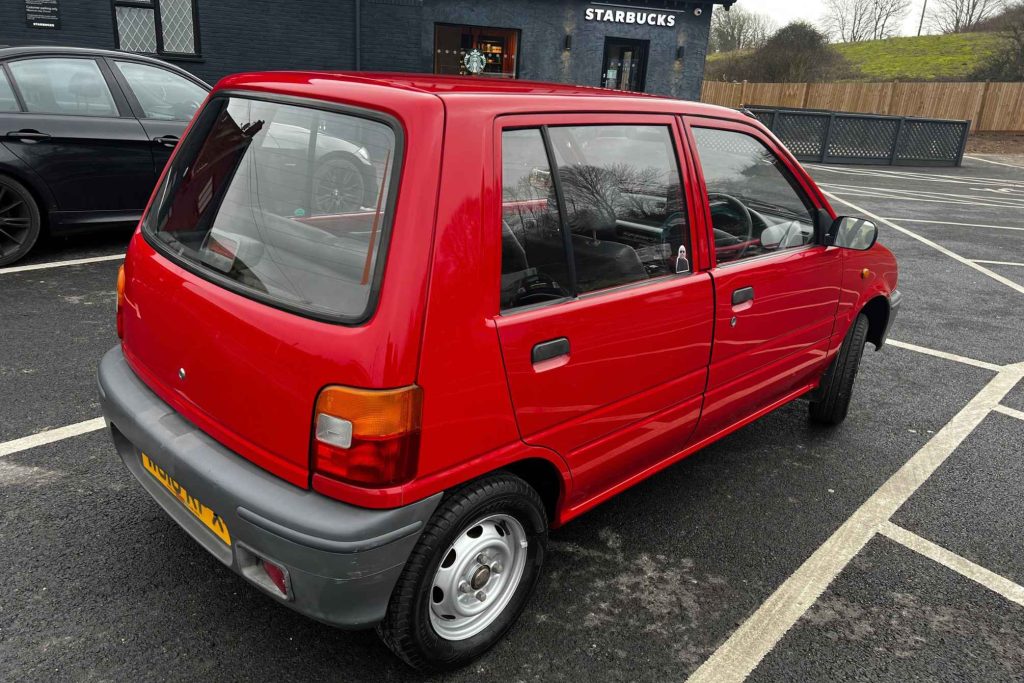
Perodua Nippa EX
A former holder of the UK’s cheapest car award, the Nippa EX could have been yours in the late 1990s for a fiver short of £5,000. A licence-built version of the L200 Daihatsu Cuore, Perodua’s Malaysian factory churned these out in huge numbers.
The EX went without a rear wiper, wheel trims, power steering, central locking or…. anything in fact. Even the seats featured fabric only in the centre panels, making do with PVC elsewhere. Redeemed by the solid Daihatsu oily bits, the Nippa was the last truly basic car sold over here.
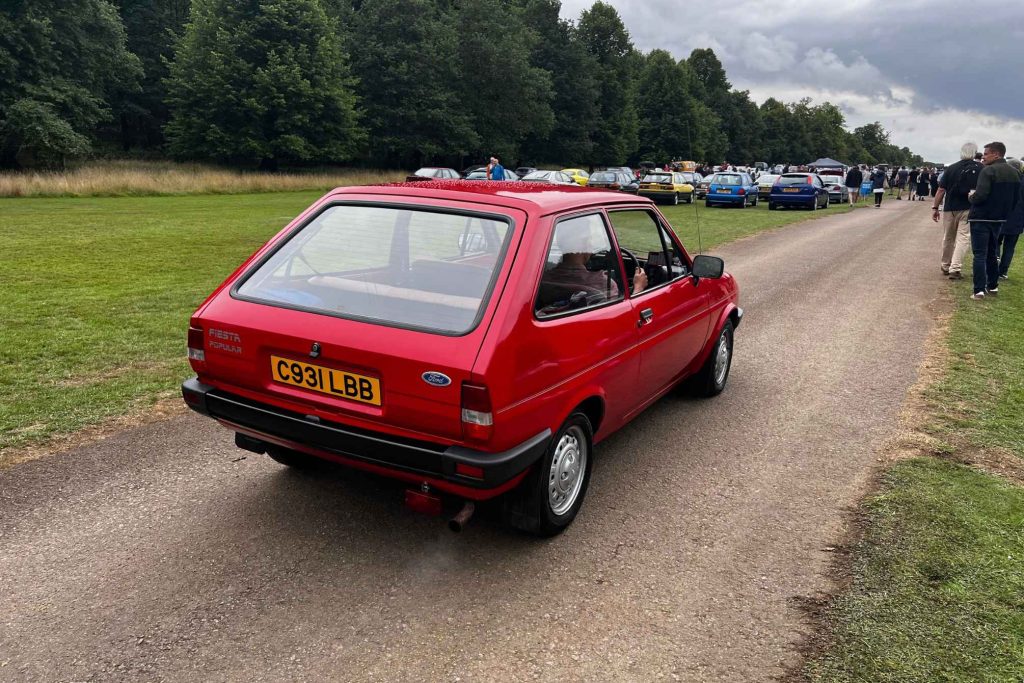
Ford Fiesta Popular
Low rent versions of the Mk2 Fiesta were so poverty-stricken, they had a different dashboard design to their relatives further up the range. The Popular, fitted with a 957cc version of the wheezy Valencia engine, came with plain steel wheels, windy windows, manual locking and a blanking plate instead of a rear wiper.
You’d want to avoid being rear-ended because the lack of head restraints virtually guaranteed a trip to casualty with whiplash. It didn’t stop thousands of these finding homes, when people were more easily pleased.
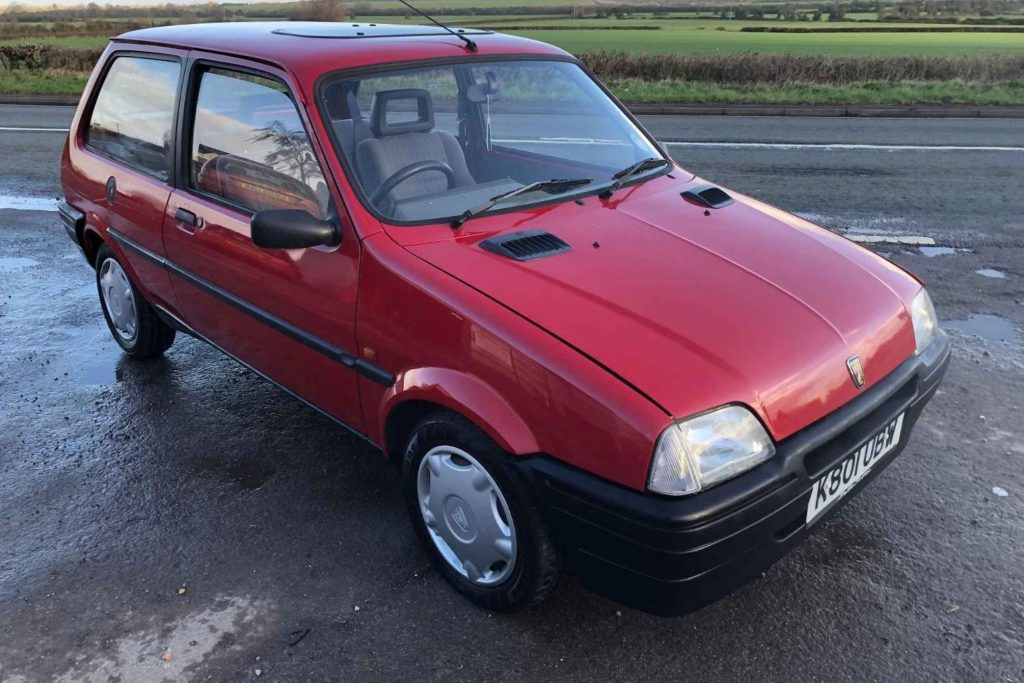
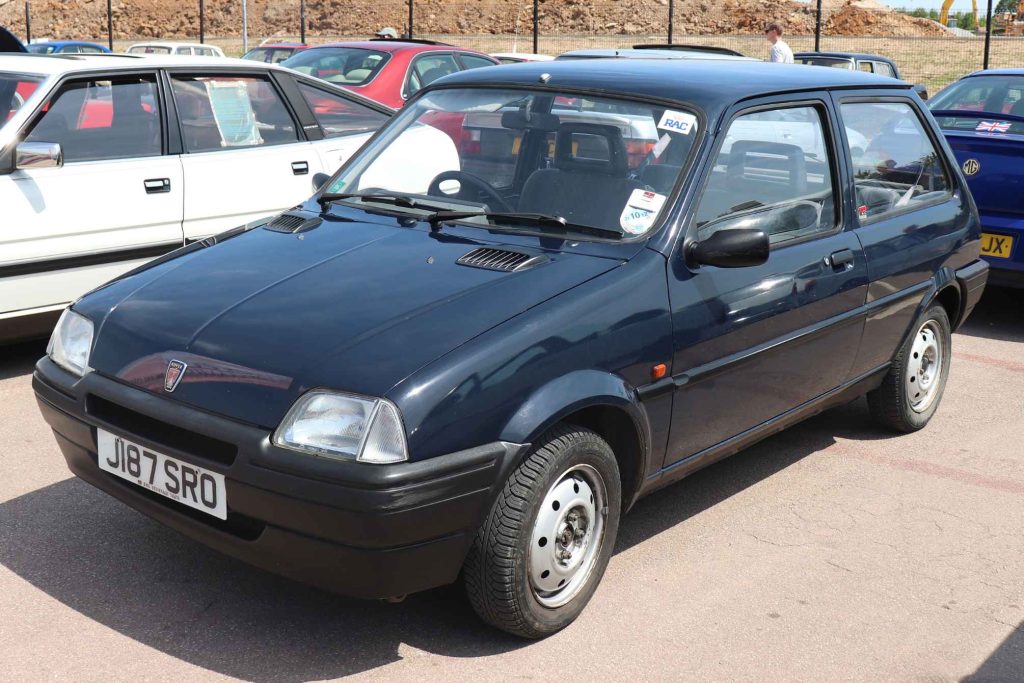
Rover Metro 1.1C
Everyone could see how tight you were with the 1990 onward Metro in C trim. The narrow steel rear bumper gave the game away. Pull alongside, and you’d spy the plain steel wheels and black caps instead of wheel trims.
Like the Fiesta Popular, head restraints were missing, and you’d need to check the time on your Casio F-91W. The Metro’s supple Hydragas ride quality, would however give you a chance of arriving in more comfort than you deserved.
Renault Mégane Liberté
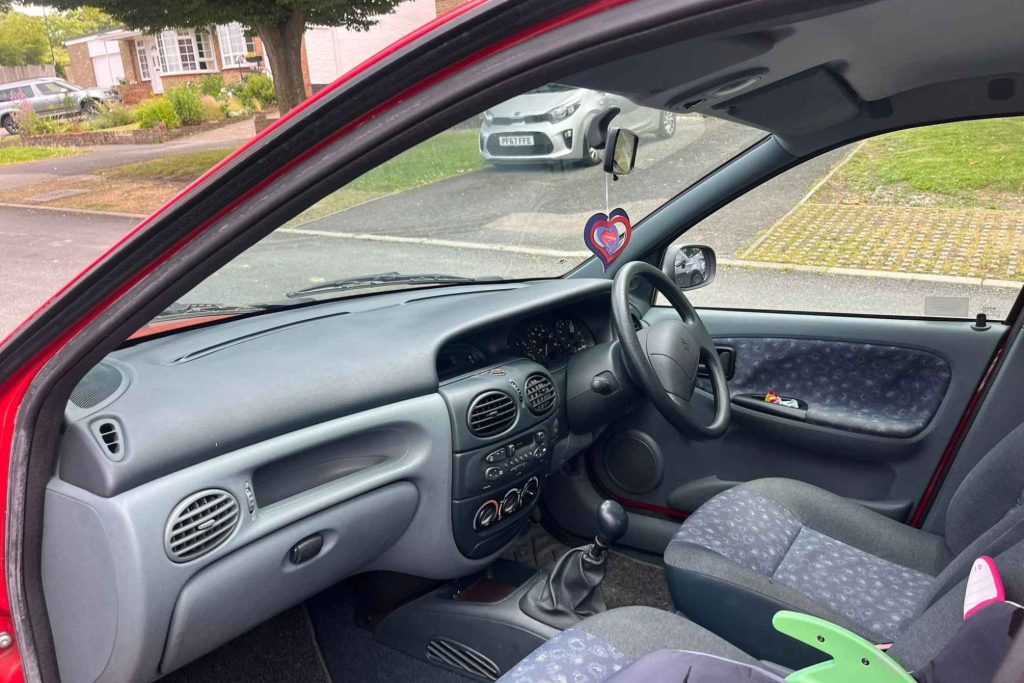
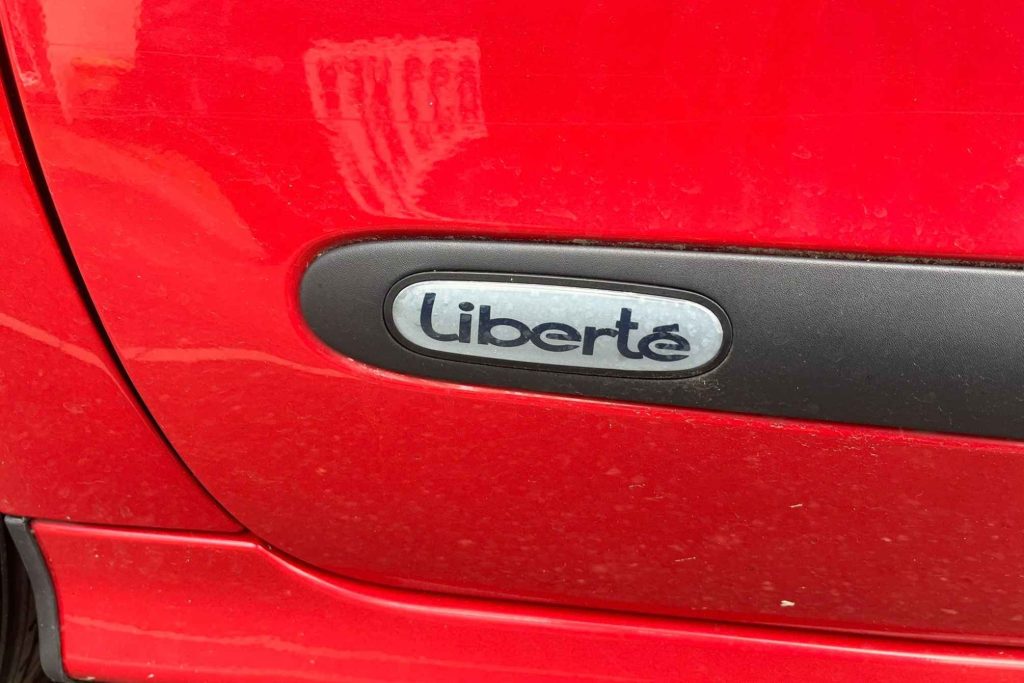
For the Liberté, Renault took the already pretty stingy base Mégane RN, and commanded it be made more miserable. The rear speakers were deleted, the front windows became manual and in exchange you’d get a cheerful trim level badge on the rubbing strip.
You’d have to reach over and unlock the door for your date as they approached the car, and if you got past that stage, hope that the weedy, decontented stereo could overcome the din from the dated 1.6 litre petrol engine tasked with lugging this medium sized family car about.
Austin Mini City E
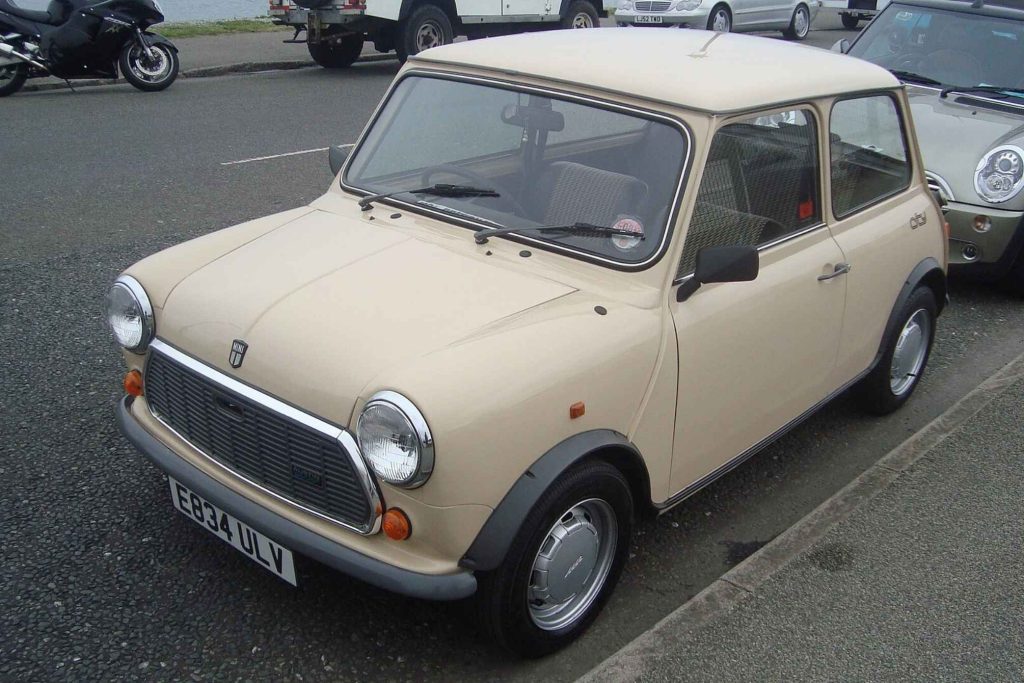
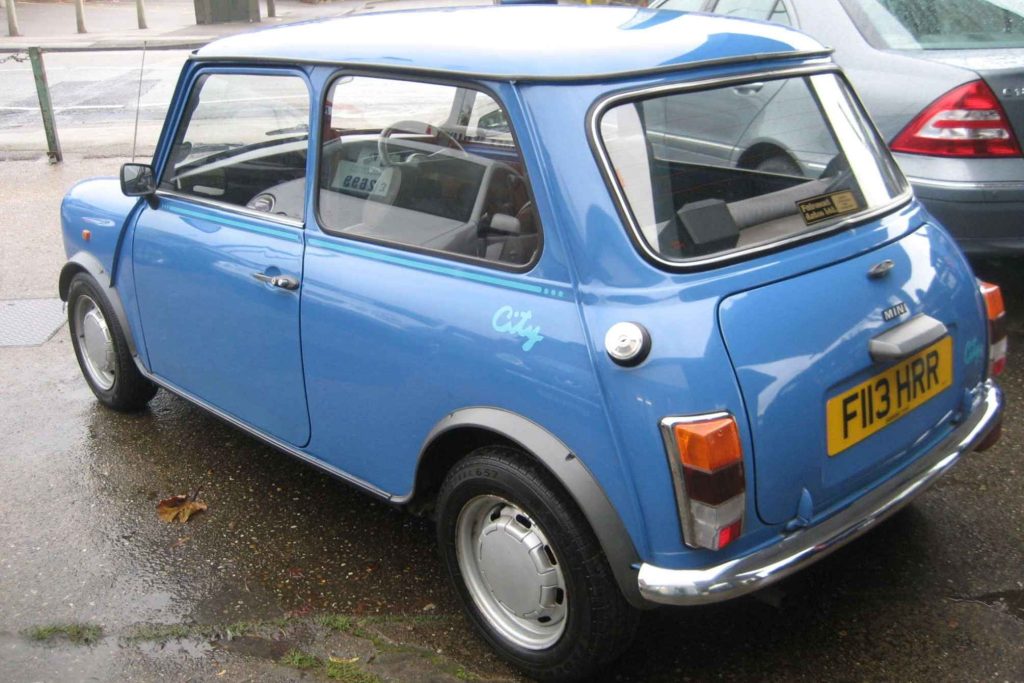
Speedo. Fuel gauge. Heater. That’s pretty much it for the entry level Mini of the mid 1980s. With more blanking plates than switches, there was plenty of time to ruminate on how faithful this interpretation of Sir Alex Issigonis’s famous city car was, to the original version of thirty years earlier.
40BHP from the high compression version of the BMC A-Series motor was just enough to entertain, and even poverty trim couldn’t intrude on the joy of chucking a proper Mini about. That joy was immediately dispelled though, when you clapped eyes on the City E sticker at the back.
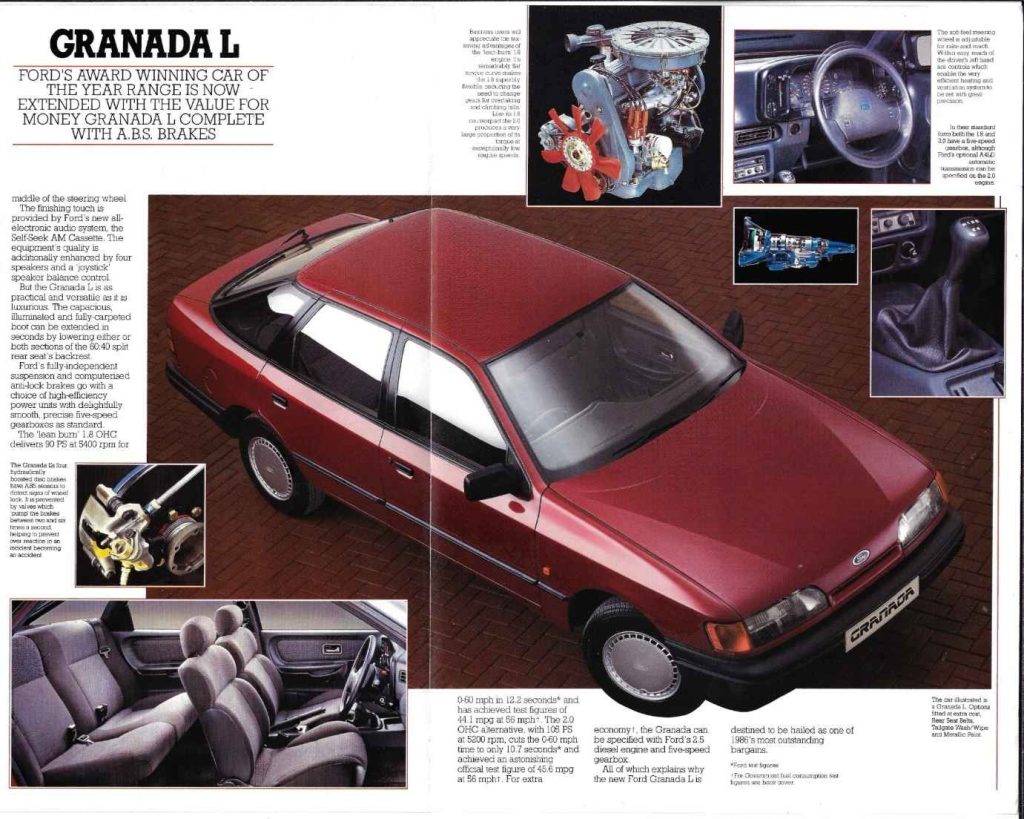
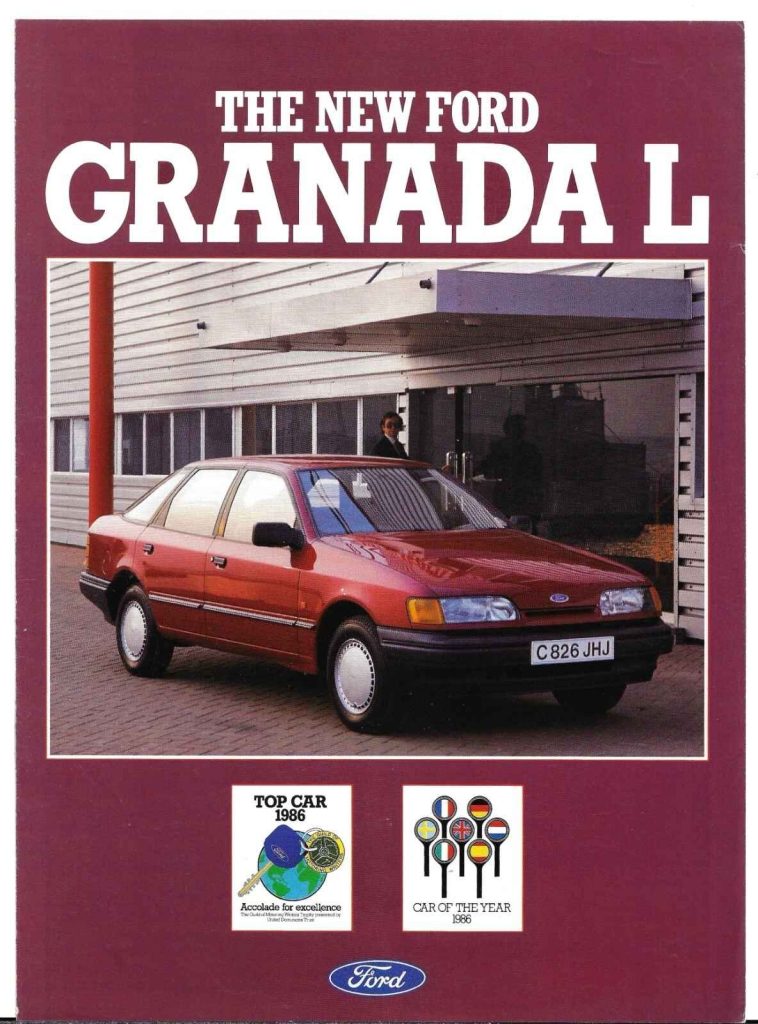
Ford Granada 1.8L
It’s 1986 and you have Sierra money, but desperately need Granada space. Perhaps your children have unnaturally long legs, or maybe you need to carry certain lengths of timber in the boot. If you really had to go through with this, Ford could rustle up a Granada with a 1.8 litre Pinto engine.
The Granada 1.8 functioned mostly as an insult with only 90BHP. On the 1.8 L, the wheel trims, boot badge and lack of any discernible toys were a reminder that you should have paid more attention at school.
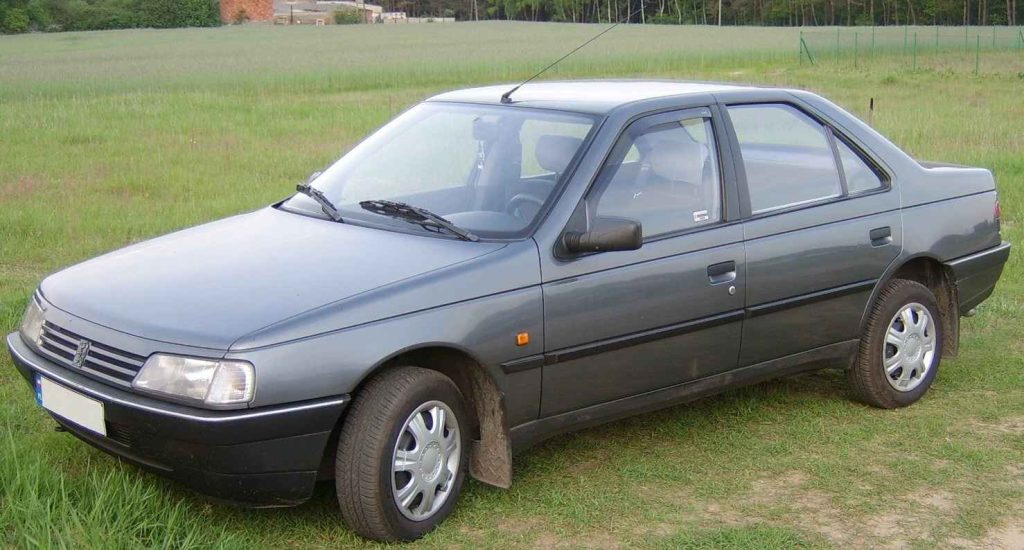
Peugeot 405 1.4 GE
The 405 GE was created solely to encourage buyers to spend more on the GL trim. The steel wheels, black hub caps and shiny boot badge didn’t completely distract from the timeless elegance of the 405’s Pininfarina profile, and the base model still benefitted from a great chassis.
But the 1.4 litre TU series engine couldn’t deliver the promises made by the rakish bodywork, making the 405 GE a model seldom seen. The removal of any bits worth having made the base trim stand out almost as much as the full fat Mi16 model, but not in a good way.
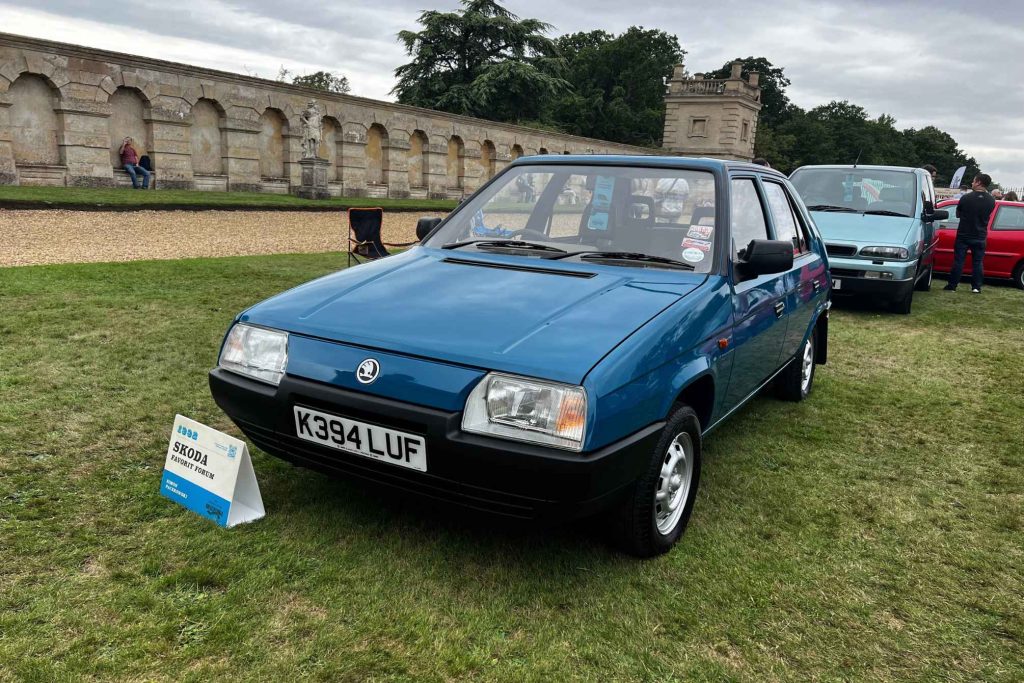
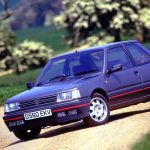
Škoda Favorit Forum
Already a family car bargain, it must have been hard to find ways to reduce the asking price of the Favorit. Škoda did this by fitting it with skinny bare steel wheels, removing the rear wash/wipe and forcing you to listen to the thrashy OHV engine by not fitting a radio.
You could get those things back by forking out a few quid more for the Forum Plus. None of this stopped a Favorit Forum winning over the judges at at FOTU 2025. It makes you wonder if that would be the case, if it had a rear wiper?
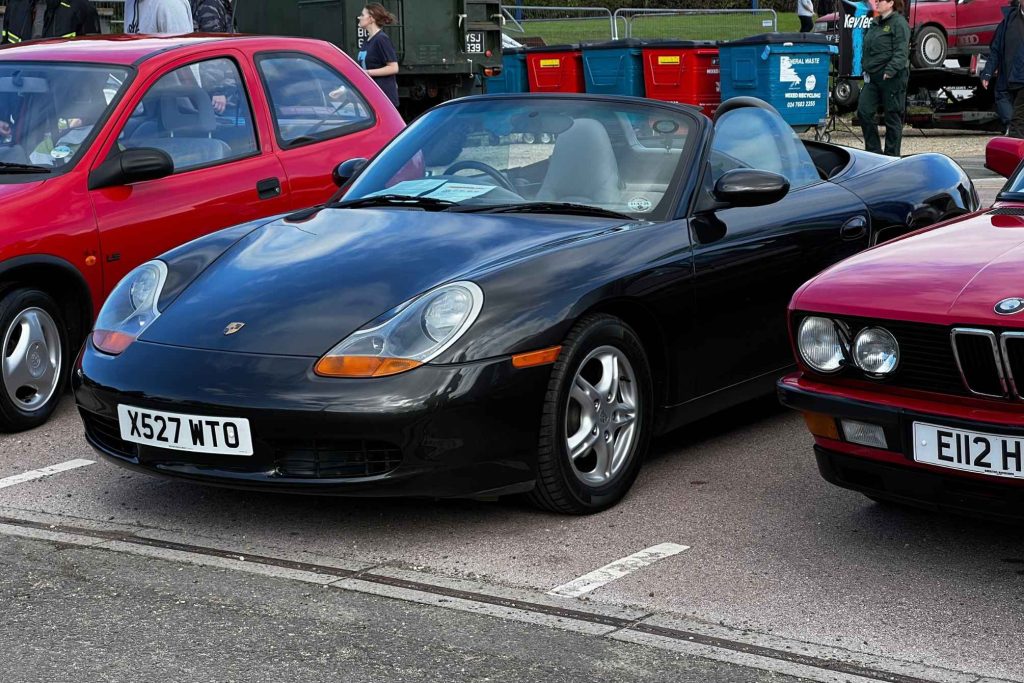
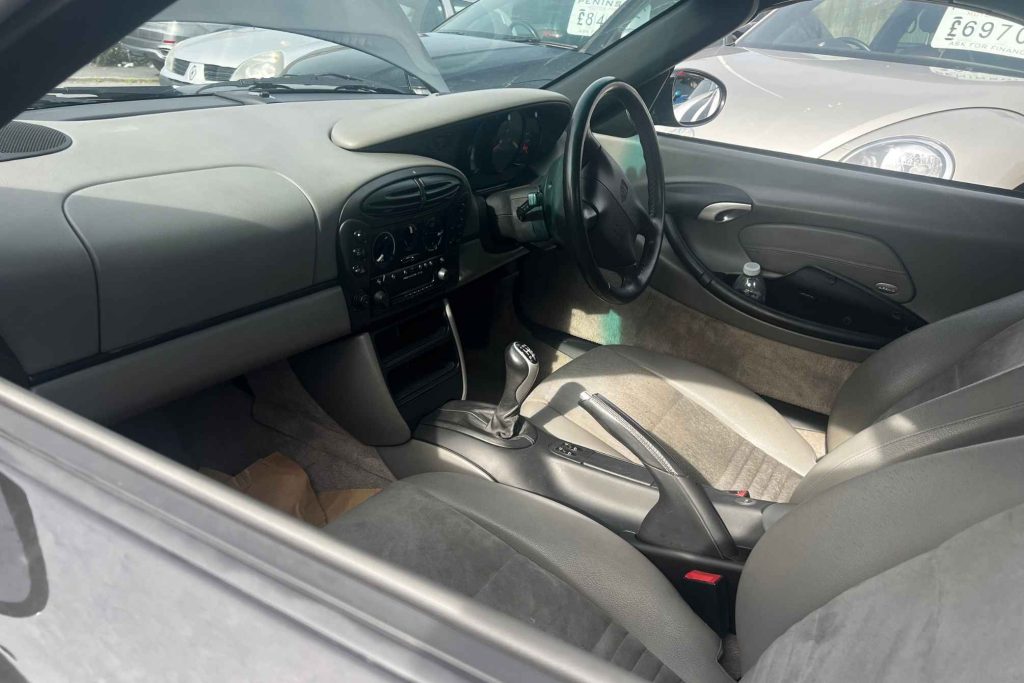
Porsche Boxster 986 2.5
Yeah I know, but hear me out. The entry level Boxster could compete with the Favorit Forum for lack of content. Cloth seats with vinyl outers, tiny alloys, a radio cassette player with only two speakers. No air conditioning.
True Porsche enthusiasts knew this was the purest, lightest, most focused way to get the all important flat six behind you, but very few cars arrived at the Porsche Centre with no option boxes ticked. Those who stuck with it were heroes.
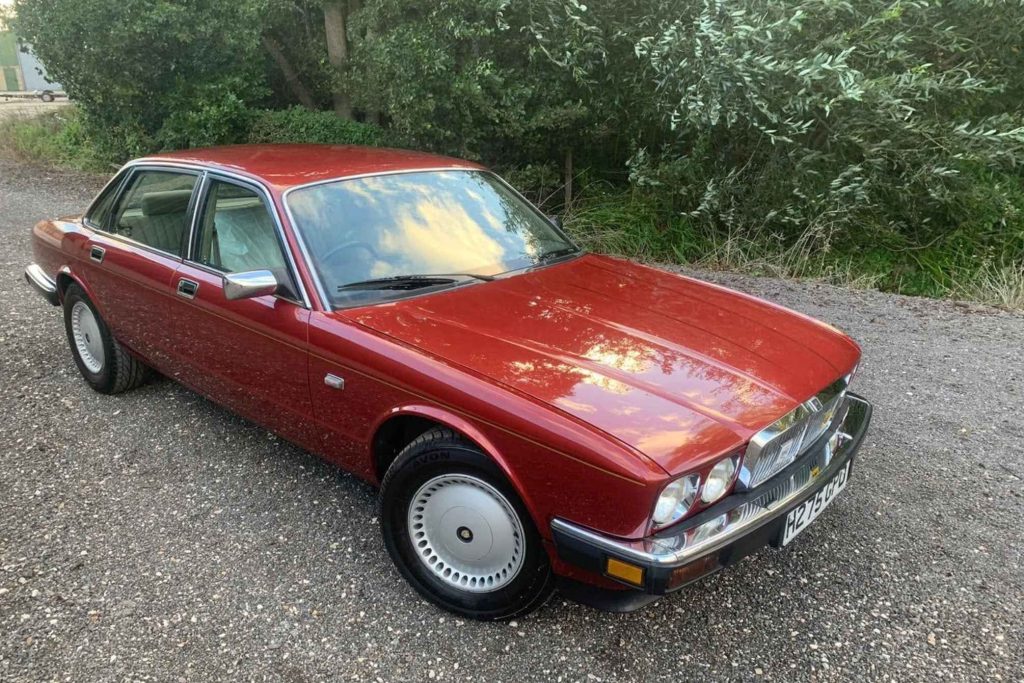
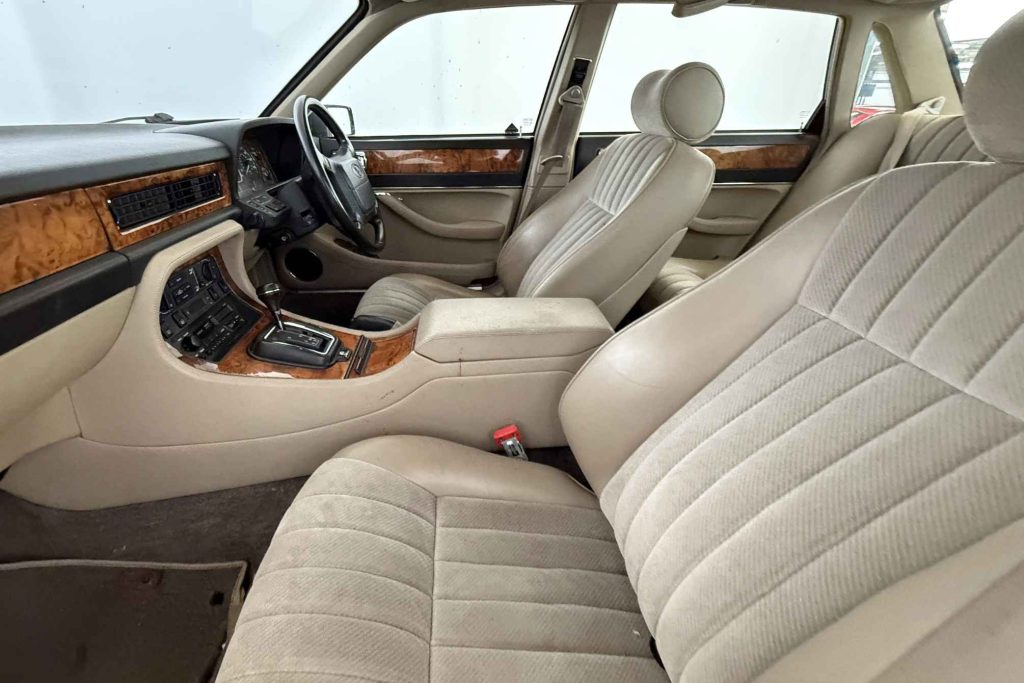
Jaguar XJ40 2.9
Steel wheels on a Jaguar? Yes, and that was only the start. Cloth, manual transmission and a straight six with an overhead camshaft removed to make it less expensive to manufacture. That the camshaft was nicked from one of the banks of cylinders on the V12 didn’t help the car to move with Jaguar enthusiasm.
It made the car less expensive than offerings from rival firms, but as owners discovered, it just gave them a more miserable way to suffer the XJ40s various gremlins. It’s the rarest version today and looks best in white on wheel trims.
Did you own one of these bare-bones bargains or suffer through a base spec model we’ve missed? Tell us in the comments below.
Insure your classic with a specialist insurer
If you’re looking for cover for your pride and joy, why not consider Hagerty UK? Not only are we classic car insurance specialists, but we are enthusiasts at heart. Call us for a quote on 0333 323 1138.