By the early 1990s Audi had a problem of its own making. The original quattro had turned a German marque into a rallying powerhouse, but its cars were becoming better known for restraint than excitement. The S2 was rapid, polished and worthy, yet hardly the sort of machine to restart playground arguments. Audi wanted a flagship capable of troubling BMW’s M cars without building an uncompromising homologation special. Porsche, meanwhile, had engineering knowledge and spare production capacity after the Mercedes-Benz 500 E programme. The answer was Project P1, announced in 1993 and launched as the Audi RS2 Avant in March 1994.
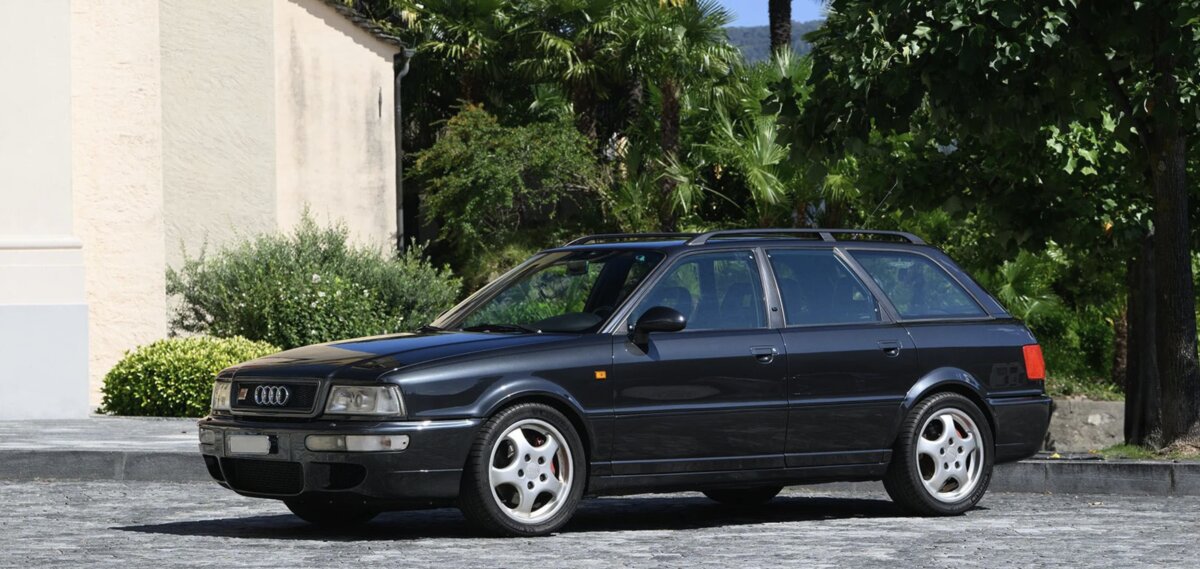
The starting point was the B4 Audi 80 Avant, which possessed the visual drama of a well-organised filing cabinet. That understatement became the RS2’s disguise. Porsche and Audi resisted swollen arches or a rear wing large enough to serve lunch upon, concentrating instead on details that made the standard estate look lower and predatory. Reshaped bumpers brought three front air intakes, the grille was finished in black and a red reflector panel stretched between the rear lamps. The body sat 40mm lower, giving its roof and upright glass a stance that suggested the family holiday might reach Calais before breakfast.
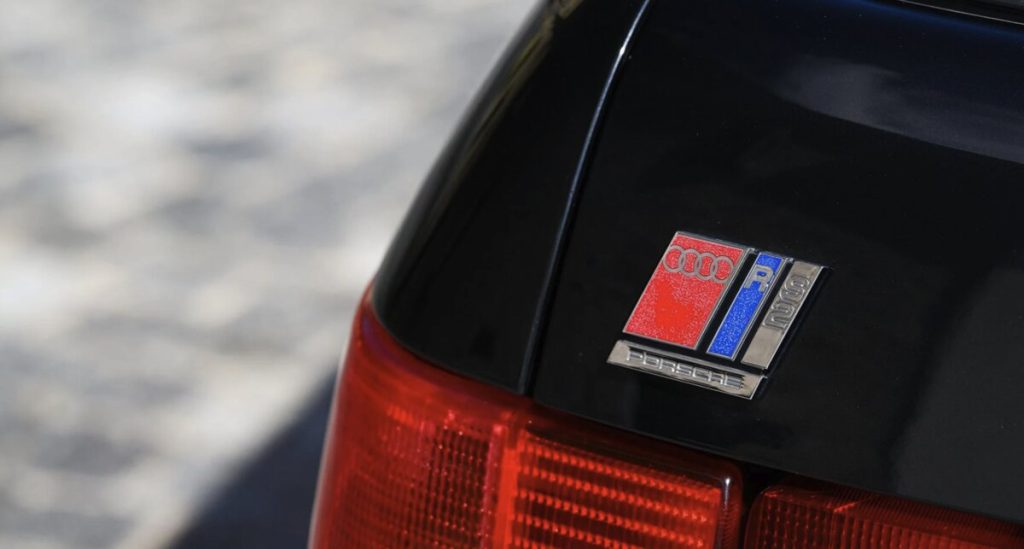
The Porsche contribution was displayed without becoming fancy dress. Its 17-inch Cup wheels resembled those of the 964, as did the door mirrors. Porsche supplied the indicators, foglamps and semi-width rear light panel, while discreet Porsche script appeared within the Audi RS2 badges and on the brake calipers. Even in RS Blue, it stopped short of shouting. In silver, black or green it could pass unnoticed by those who thought an estate’s most important performance figure was litres with the rear seats folded. Those who knew tended to stare at the wheels first, then check whether the badge really said Porsche.
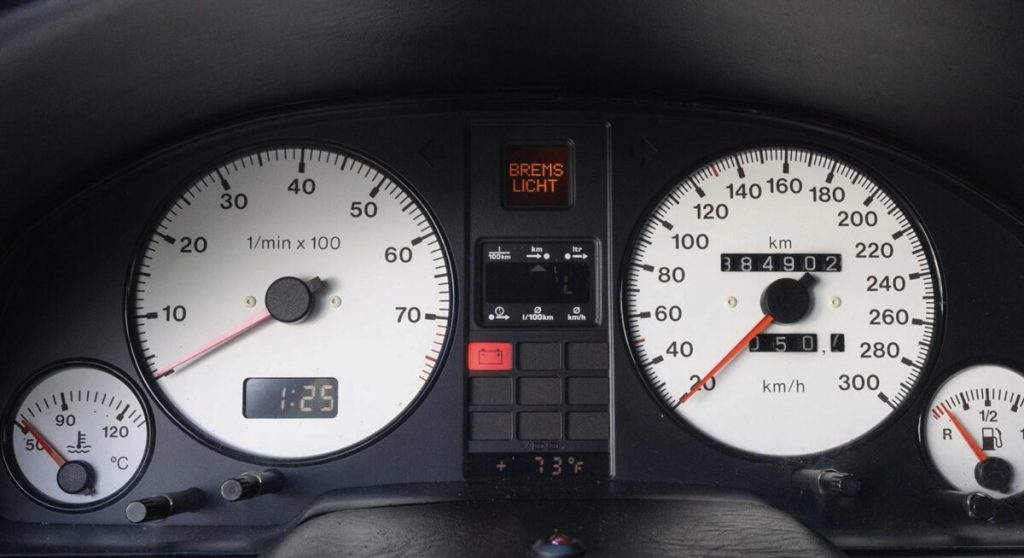
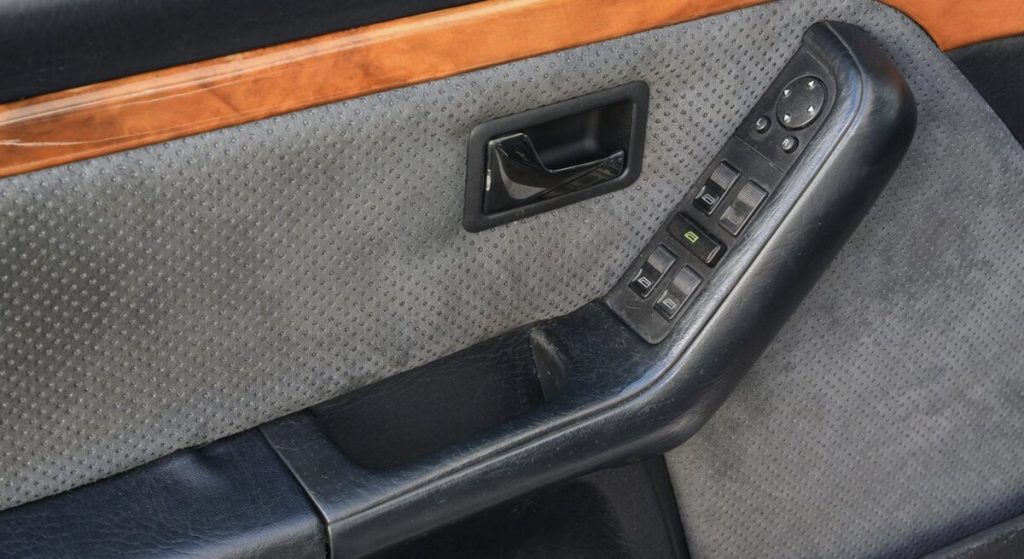
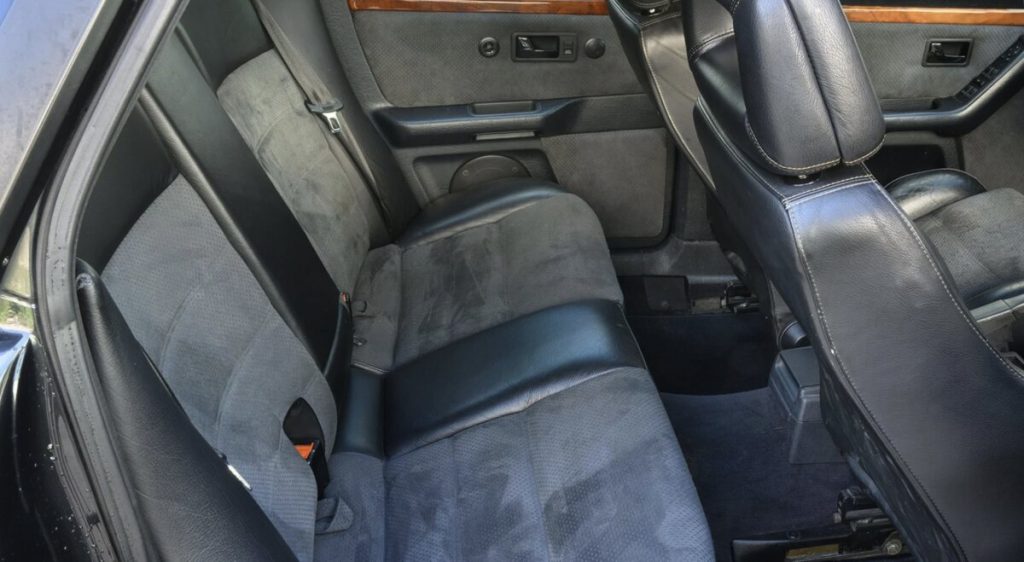
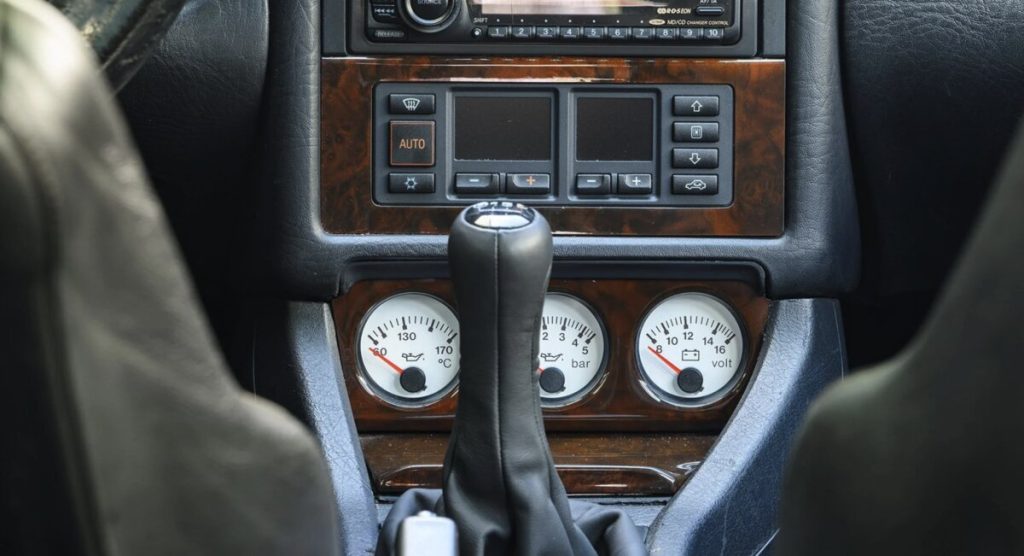
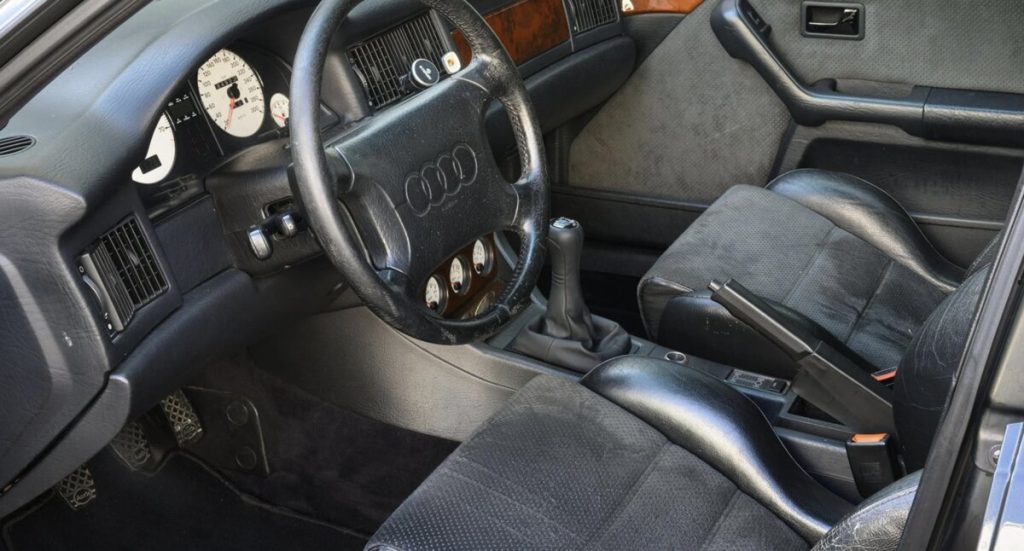
Inside, the Audi 80’s architecture remained, built from plastics selected to survive a geological event. White-faced instruments reading to 300km/h and a three-spoke steering wheel added purpose without turning the cabin into a touring-car impersonation. Buyers could choose Recaro seats trimmed in leather and Alcantara, with carbonfibre, wood or coloured inserts. The driving position was more upright than exotic, rear accommodation was useful rather than lavish and the boot remained practical. That normality was central to the idea. The Audi RS2 did not merely hide its speed beneath an estate body; it preserved the domestic competence of the car beneath it.
The heart of the RS2 was Audi’s 2226cc, 20-valve turbocharged five-cylinder engine, with extensive revisions by Porsche. Porsche did not simply increase boost and hope for durability. A larger KKK turbocharger, uprated intercooler, high-flow injectors, new camshafts, freer-flowing exhaust and revised Bosch management raised output from the S2’s 230bhp to 315bhp at 6500rpm. Torque peaked at 302lb ft at 3000rpm. Delivery supplied the real theatre. Below boost the RS2 could feel almost apologetic; once the turbo gathered itself, the scenery began retreating rapidly.
Audi quoted 0-62mph in 5.4 seconds and 163mph flat out, making this the first production Audi capable of exceeding 250km/h. Autocar recorded 0-30mph in 1.5 seconds, beating the McLaren F1 over that carefully selected interval. Power travelled through a six-speed manual gearbox and permanent quattro four-wheel drive, with a Torsen centre differential varying torque distribution as grip changed. A manually selected rear differential lock helped on slippery surfaces and disengaged automatically as speed rose. Handy in a muddy paddock, it did not turn the school run into the Monte Carlo Rally.
Porsche revised the suspension with firmer springs and dampers, sharpening control without ruining long-distance comfort. Large Brembo four-piston calipers clamped ventilated discs at each corner. The steering remained resolutely Audi: accurate, stable and not especially interested in discussing the road through your fingertips. The front-mounted engine could not disguise its weight. Press too hard into a bend and understeer delivered the verdict. The RS2’s grip, traction and cross-country speed were formidable. It rolled more than a modern RS model and breathed with uneven tarmac, making it more approachable than its reputation suggested. The delight came from timing the boost, choosing the correct gear and firing out of a corner with every tyre working. It rewarded fluency, then carried the shopping home without warming the ice cream.
Begin by confirming that the car is an Audi RS2, not an S2 in expensive jewellery. Check the correct ARGE build plate and ensure history connects chassis number, specification and mileage. Many have been modified because the engine responds readily to tuning. Undocumented software, oversized turbos and heroic power claims demand proof of who did the work and what was strengthened.
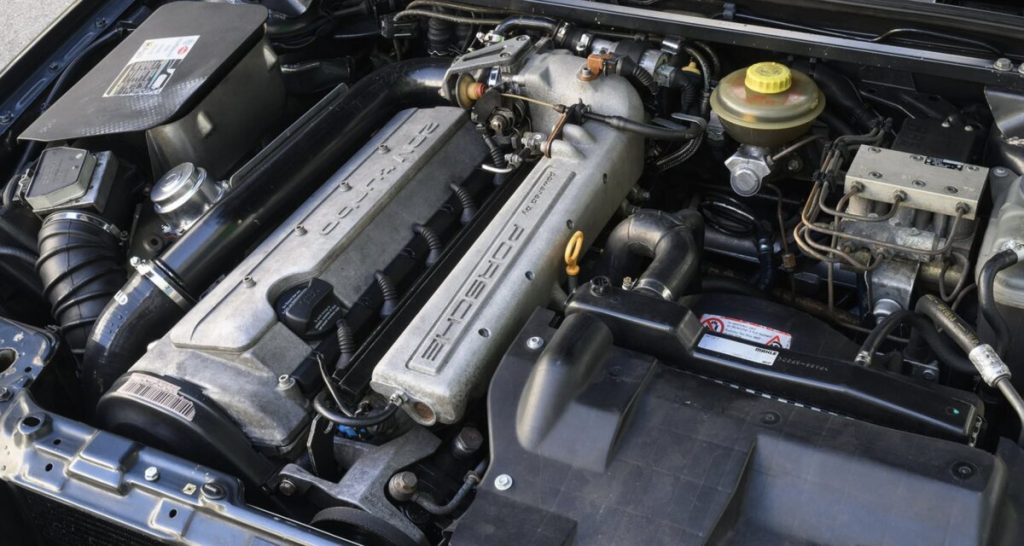
The five-cylinder engine is tough when properly serviced. Check cambelt and water-pump replacement, oil changes and spark-plug intervals. Misfiring may indicate coil packs, while stuttering, smoke or reluctance to rev can point towards the MAF, wastegate or fuel pump. Check the turbo cooling pump and listen for bearing noise. The six-speed gearbox can suffer worn synchros, especially second, damaged first gear and tired linkages. A high clutch bite deserves investigation.
Inspect the Porsche wheels for distortion and the brakes for seized calipers, corroded discs. Worn dampers, bushes and top mounts blunt the handling. Examine sills, arches, door bottoms and jacking points for previous accident repairs. Test the weak handbrake, window regulators, differential lock and all switches. Original trim, badges and body fittings are difficult to replace. Buying the cheapest Audi RS2 usually means purchasing its missing maintenance separately, at Porsche-assisted prices.
Production ended in July 1995 after 2891 examples, around 180 of them in right-hand drive. Its influence multiplied beyond that run. The RS2 established the formula Audi has refined ever since: discreet estate bodywork, enormous turbocharged performance, four-wheel-drive traction and an interior suited to life. The later RS4 and RS6 became faster, broader and more polished, but none could repeat the surprise of seeing Porsche badges on an Audi 80 estate. The RS2 arrived as an unlikely collaboration and left behind a category. It remains proof that a family car can be sensible without behaving sensibly when the road clears.
Are you an Audi RS2 owner? Perhaps you have fond memories of owning one in the past? Share them in the comments below.
Insure your classic with a specialist insurer
If you’re looking for cover for your pride and joy, why not consider Hagerty UK? Not only are we classic car insurance specialists, but we are enthusiasts at heart. Call us for a quote on 0333 323 1138.