One of the (many) joys of the Festival of the Unexceptional is the anticipation of a new batch of potential participants each year. Not just new faces in the Concours de l’Ordinaire, but the fact that, with a rolling 25-year system for eligible vehicles, each new year means vehicles built 25 years prior are officially recognised as potential entrants.
In 2026, that means it’s the turn of several cars launched in 2001. At the upper end of the market 2001 was the year that saw the launch of the Aston Martin Vanquish, Lamborghini Murcielago, and even the VW Beetle RSi, but here we’re more interested in the likes of the MINI One, Perodua Kelisa, and Rover 75 Tourer. Here are some of the cars we could be looking forward to at this year’s FOTU…
Citroen C5
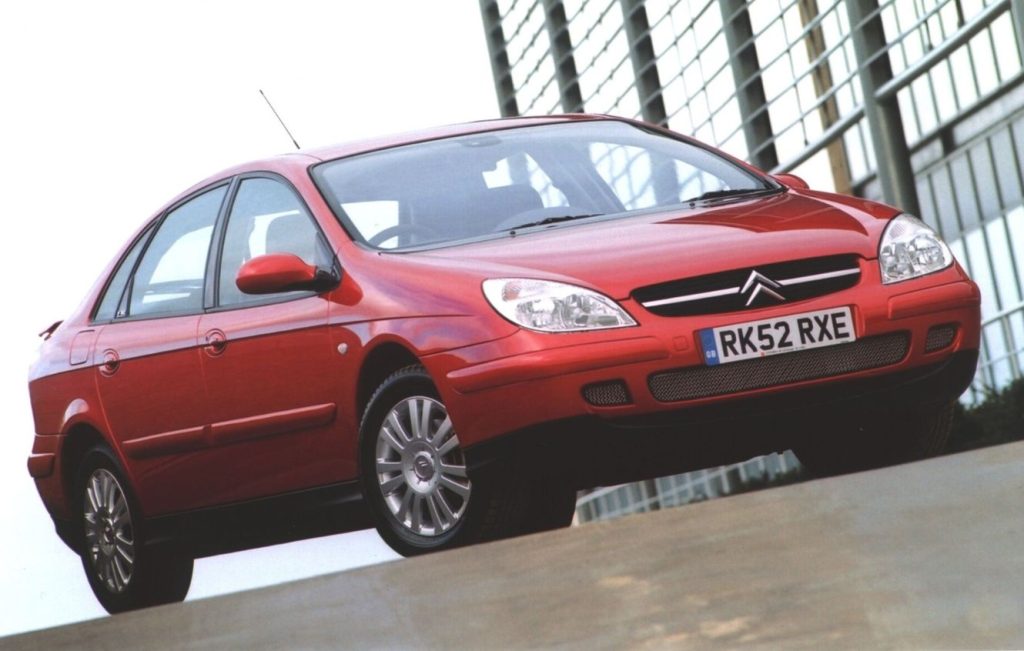
The early years of the 21st century weren’t especially promising for some of France’s biggest car brands. Like the Peugeot 307 elsewhere on this list, the new Citroen C5 seemed to suggest that PSA had sacked all its best designers. While the Xantia was getting old, it was still a handsome shape, and the C5 was… not. Upright and awkward, with a gormless face, uncomfortably long front overhang and a bland tail, it wasn’t just a strange follow-up to the Xantia but not exactly visual competition for the new Renault Laguna, 2000’s new-edge Ford Mondeo, the solid-looking Passat, or the still-pretty (despite a poor facelift in 1999) Peugeot 406.
But the C5 was undoubtedly still a “proper” Citroen, whatever that term now means, if for no other reason than it retained the brand’s hydropneumatic suspension, in this iteration named Hydractive 3. The system was by now very sophisticated, riding as brilliantly as ever but with fewer flaws – no float, no restlessness over broken surfaces, and with good (if not especially involving) handling too. Familiar mechanicals make it little more difficult to run today than a PSA car from the 90s either. The styling still isn’t great, but the car is sure to become an Unexceptional favourite.
Fiat Stilo
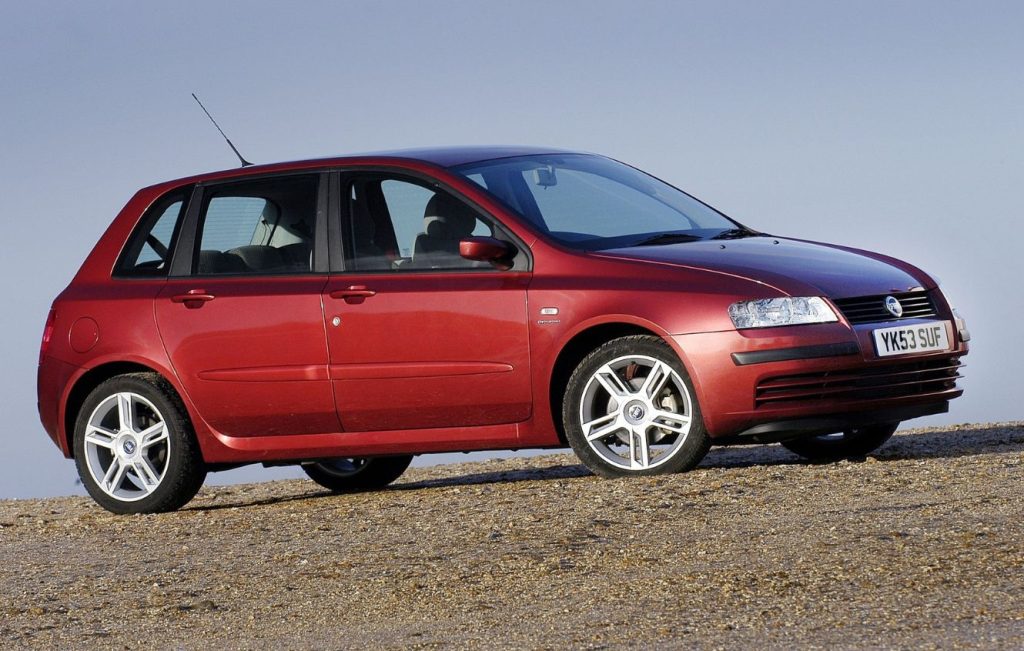
It wasn’t just Citroen and Peugeot seemingly dropping the ball in the early 2000s. Line up 2001’s Fiat Stilo alongside its Bravo and Brava family-car predecessors and it was like there’d been a personality bypass – distinctly Italian flair traded for something that could’ve come from Korea or even Russia. Allegedly it was Fiat’s attempt to cash in on some Golf-style German solidity. While it sold more than 750k units in six years, it was not the success Fiat expected – maybe buyers like their Italian cars to look and feel Italian.
Not that it was objectively a bad car, though weight as chunky as the styling took the edge off its performance and handling, an area it couldn’t match the class-leading Ford Focus. In Autocar’s December 2001 test, it trailed the Ford, and indeed the Peugeot 307 – which it also ended up losing European Car of the Year to (finishing third behind the Pug and the new Laguna) in early 2002. But hey, what is FOTU for if not to celebrate the unloved and underperforming?
Hyundai Elantra Mk3
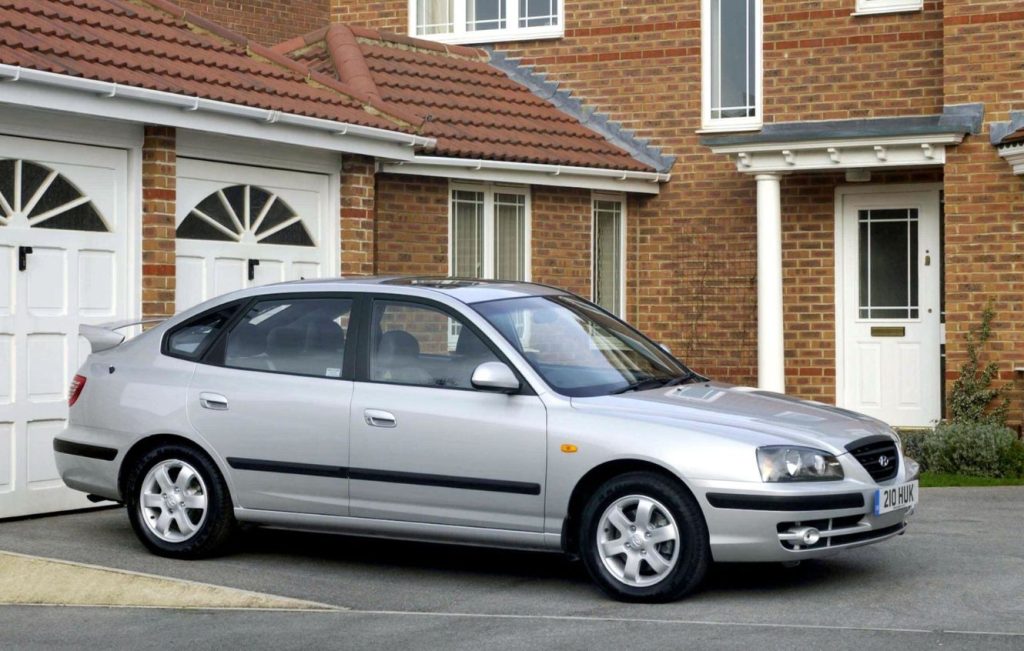
Aside from the advent of electric vehicles, the biggest change in the automotive landscape over the past 25 years has probably been the transition of Hyundai (and subsidiary Kia) from a distinctly downmarket budget brand to one competing with, and frequently bettering, established European, US, and Japanese players. There were always flashes of inspiration, like the Hyundai Coupe of 1996, but cars like the third-generation Elantra were much more the norm: capable, but distinctly middle-of-the-road.
That Elantra did nevertheless move the needle slightly when it arrived in 2001 as a cheaper alternative to cars like the Ford Mondeo. It looked suitably modern and interior quality took a step up from its Lantra predecessor. The cabin, and the ride quality, were both comfortable too. Today, the Elantra’s appeal is at least in part that the non-image of these Korean family cars means they’re typically dirt cheap, and you’re unlikely to see another driving in the opposite direction – though their rarity means finding one to begin with may take a little time.
MINI One
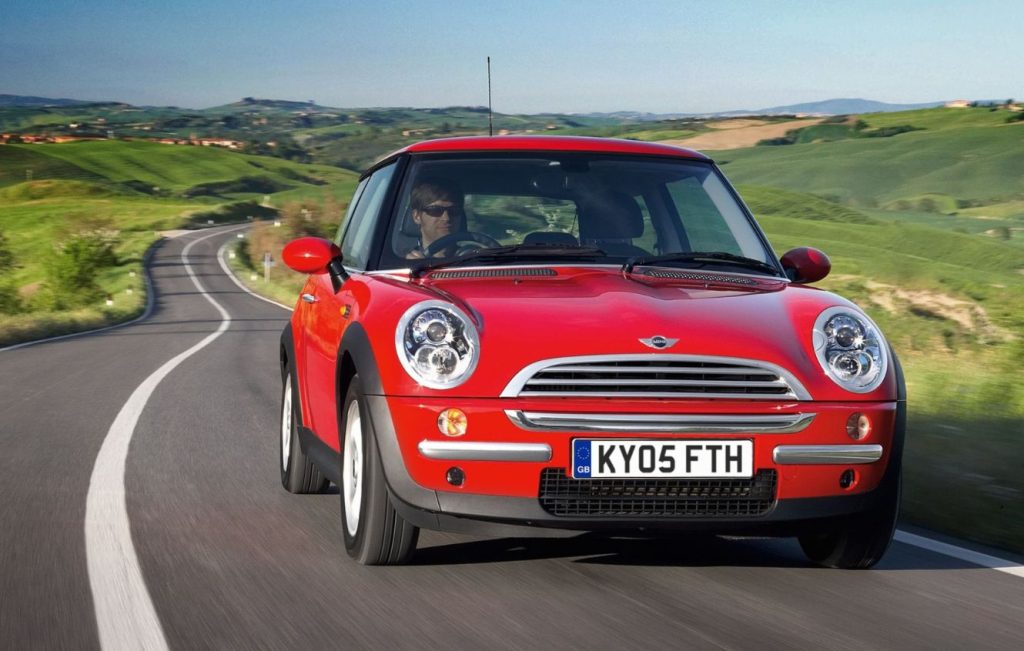
The new MINI was undoubtedly 2001’s biggest launch, but the headline Cooper, while welcome at the Festival, is arguably just a little too fancy. Thankfully, MINI didn’t forget a variant more akin to the old Mini City E, dubbed the MINI One. For an incredibly tempting £10,300 – £1300 less than the Cooper – the One had a detuned version of the Cooper’s 1.6-litre engine, making 90bhp rather than 114bhp.
It also rode a little softer, got a set of 15-inch steel wheels with plastic trims as standard, no tachometer perched above the steering column, nor such niceties as a leather steering wheel, fog lamps, or air conditioning. Given the temptation of MINI’s enormous options list, finding a truly unadorned One will be a true challenge for hardcore FOTU fans. Yet the One still got the R50 MINI’s great styling, and its fabulous chassis, and if you crave the extra power, the difference between the One and Cooper’s 1.6s was entirely electronic – so the full 114bhp is just a remap away.
Perodua Kelisa
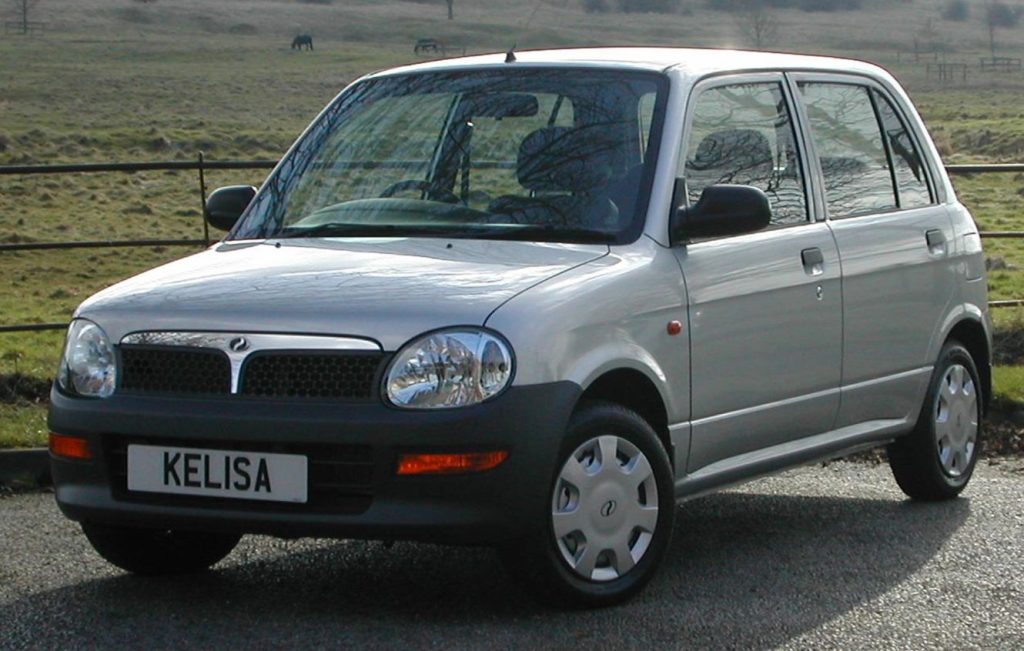
The Kelisa is a guaranteed FOTU favourite. It has all the hallmarks we like to see in cars that compete in the Concours: it was the cheapest car on offer from an already budget-orientated brand – £5425 at launch, against the £4724 its Nippa predecessor had left the market at – it was based on a car already nearing its sell-by date (the L700 Daihatsu Cuore/Mira, introduced in 1998), and it was available in true Tesco Value spec, with bare steel wheels and unpainted bumpers.
And yet, while the Nippa might have had you searching a little further up the price lists to avoid it, the Kelisa was, thanks to its newer Daihatsu underpinnings, a genuinely good car. So much so that even three years later in 2004, it managed sixth place out of ten cars in Autocar’s test of Britain’s cheapest cars (at which point the price had amazingly dropped to £4699, cheaper even than the old Nippa). The magazine said it had “the best driveline by a mile”, the little 55bhp triple easily enough to shift 760kg along. It may have been Britain’s cheapest car, but it was far from being its worst.
Peugeot 307
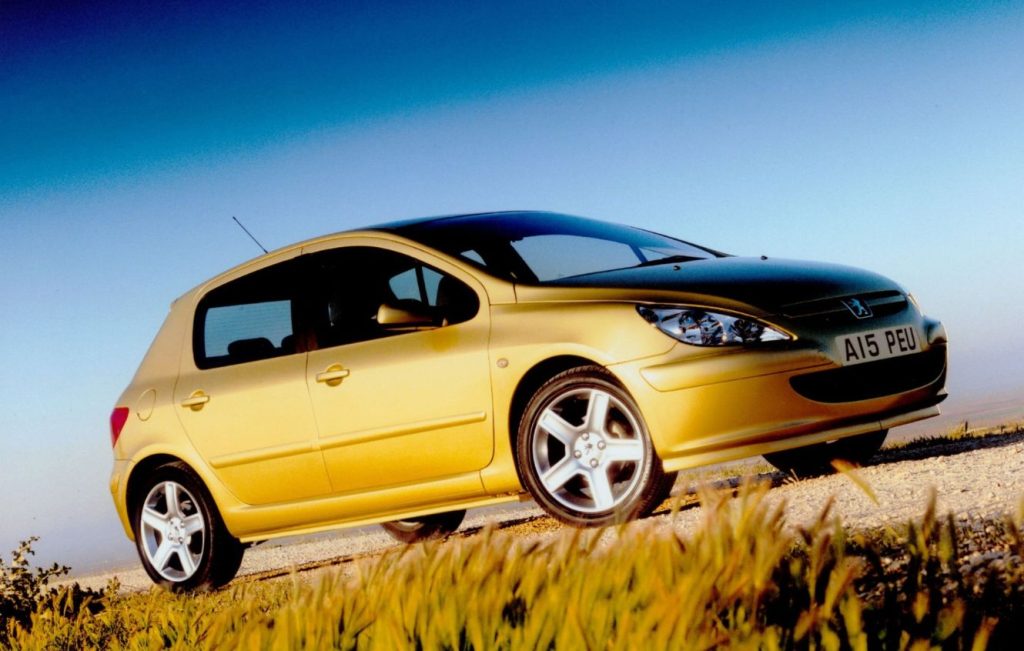
On paper the Peugeot 307 had a lot going for it. Bigger and more spacious than its 306 predecessor, it retained that car’s basic suspension layout and carried across a range of familiar engines, mixing it all together with improved build quality. To cap it off, the 307 carried off the European Car of the Year title in 2002.
And yet in the metal, the 307 was a dumpy thing – like the recently-introduced seventh-generation Honda Civic, more MPV than family hatch. It also didn’t ride or handle with the same fluency as its predecessor, didn’t steer with the same clarity, or, thanks to a chunky kerb weight, it didn’t perform with the same verve. Enthusiasts aren’t exactly flocking to this generation of Peugeot, and we can’t see it becoming as popular at FOTU as the smaller, prettier 206, or its 306 predecessor. But equally, clean examples are getting rare (the 307 made a good workhorse, if nothing else) so perhaps it’s exactly the kind of car that might attract a few admiring glances at this year’s show.
Proton Impian
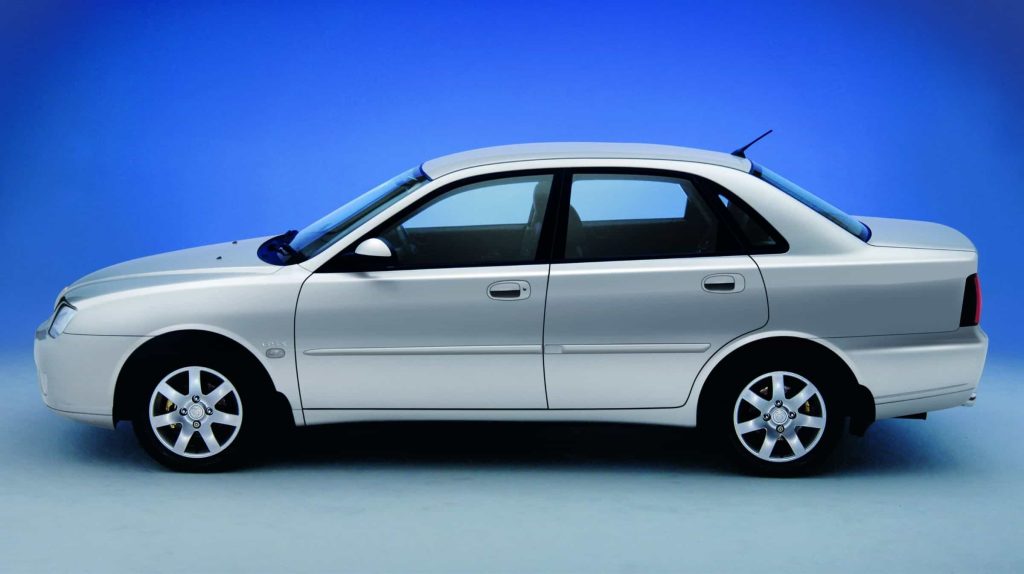
Proton has history at the Festival of the Unexceptional, after Jon Coupland’s immaculate, and one-of-one remaining Proton 1.6 GL Black Knight won at 2021’s Concours de l’Ordinaire. The Impian, which was launched in Malaysia in 2000 but only came to the UK in 2021, feels like it could one day replicate the Black Knight’s victory, being the kind of car that once served its role admirably but has since been largely forgotten.
It was quite a turnaround for Proton though. Better known in the late 90s for freshening up old Mitsubishis, the Impian was Proton’s own homework, albeit still using a Mitsubishi engine at launch. Proton continued to draw on its acquisition Lotus for chassis tuning too, so the Impian handled surprisingly well and had a pliant ride too – a combination that its budget rivals, cars like the Chrysler Neon, Mitsubishi Carisma, and Daewoo Nubira couldn’t match. A quick browse of How Many Left suggests there are only 50-ish Impians still licenced in the UK, but that’s enough that one or two should be able to make it to FOTU, isn’t it?
Renault Laguna II
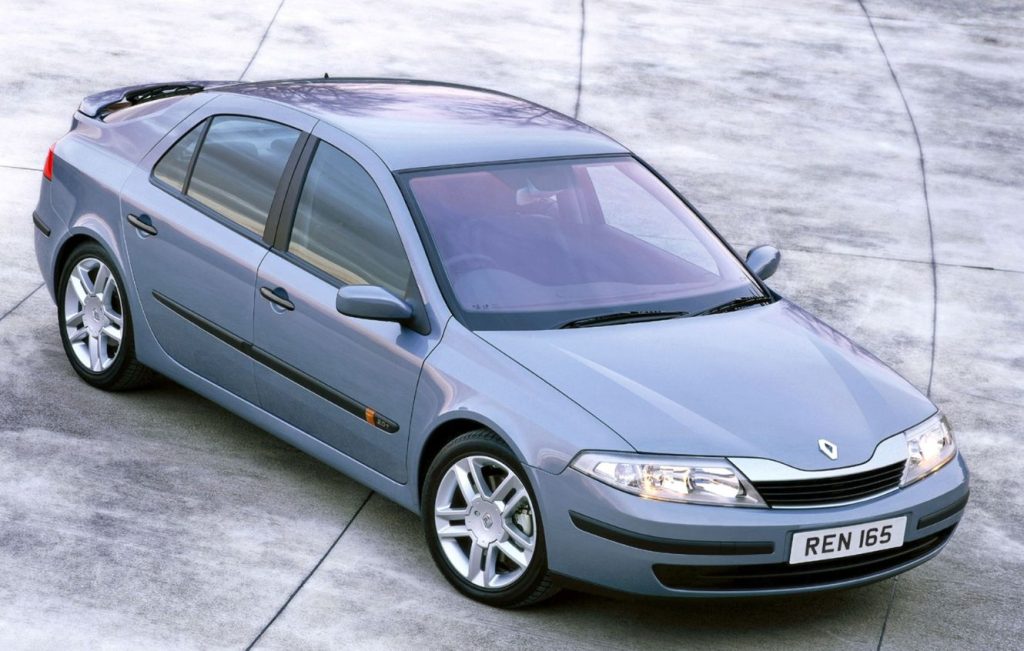
Sadly though somewhat inevitably for an electronics-heavy French car of the 2000s, the second-generation Renault Laguna, sometimes called the Laguna II, is best known today for its habit of expiring in numerous different ways whose cost isn’t easy to justify on a vehicle right at the bottom of its depreciation curve.
That’s a shame, because there’s otherwise a lot to like about it. Perhaps not as pretty as its predecessor, and without the BTCC cachet, the Laguna II was still a strikingly avant-garde design both inside and out. Some aspects were more successful than others – the odd “moustache” front grille didn’t suit everyone, but the big flap covering the stereo returned and gave the cabin a clean and uncluttered feel – but perceived quality was high, and refinement and comfort were excellent. Renault’s keycard made its first appearance here, giving a touch of high-tech glamour to even the base model. If you’re hunting that one out, it’s the 1.6 16v in Authentique specification.
Rover 75 Tourer
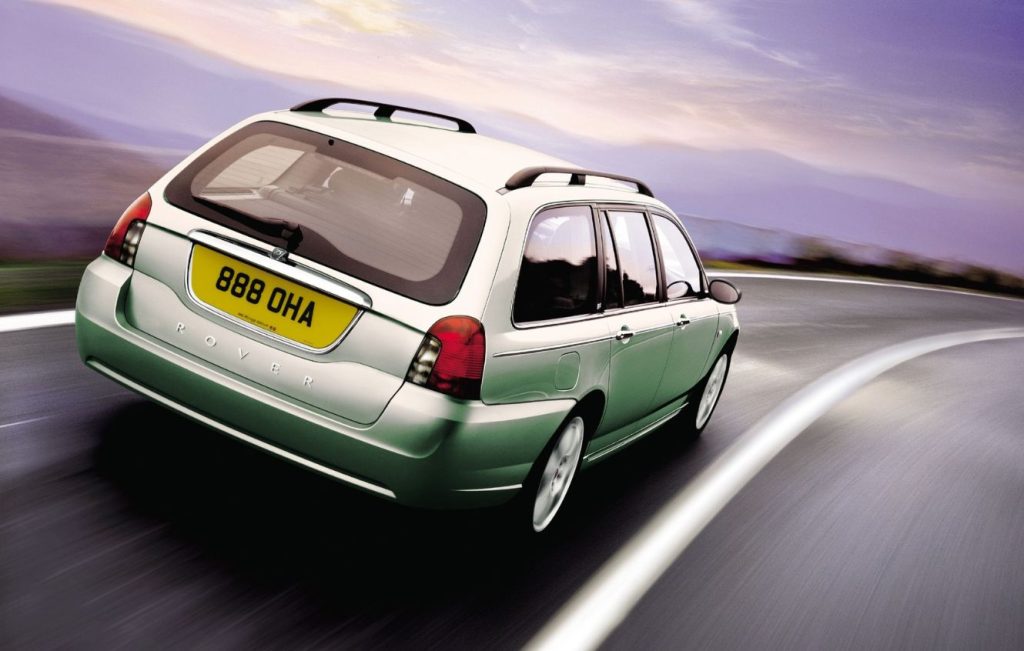
The Rover 75 is already a firm favourite here at Hagerty. While it launched to mixed reception, and its sales may not have been quite enough to save the company, it was great to look at, well-engineered, and charmingly individualistic. In something of a golden age of compact executive cars (the 75 emerged around the same time as the likes of the Alfa Romeo 156, Lexus IS200, and E46 BMW 3-Series), it still managed to stand out, which isn’t always easy with competition that strong.
The 75 Tourer is all of that but in wagon form. To some eyes it’s even more attractive than the saloon – the classic styling transferred almost flawlessly into the long-roof format, the relatively level roofline giving the rump a more confident look than the saloon’s slight droop. It also made the 75 Tourer genuinely useful, something that couldn’t have been said of the pretty but hilariously impractical Alfa 156 Sportwagon. Of all the FOTU cars turning 25 in 2026, the 75 Tourer might be the biggest crowd-pleaser.
Toyota Avensis Verso
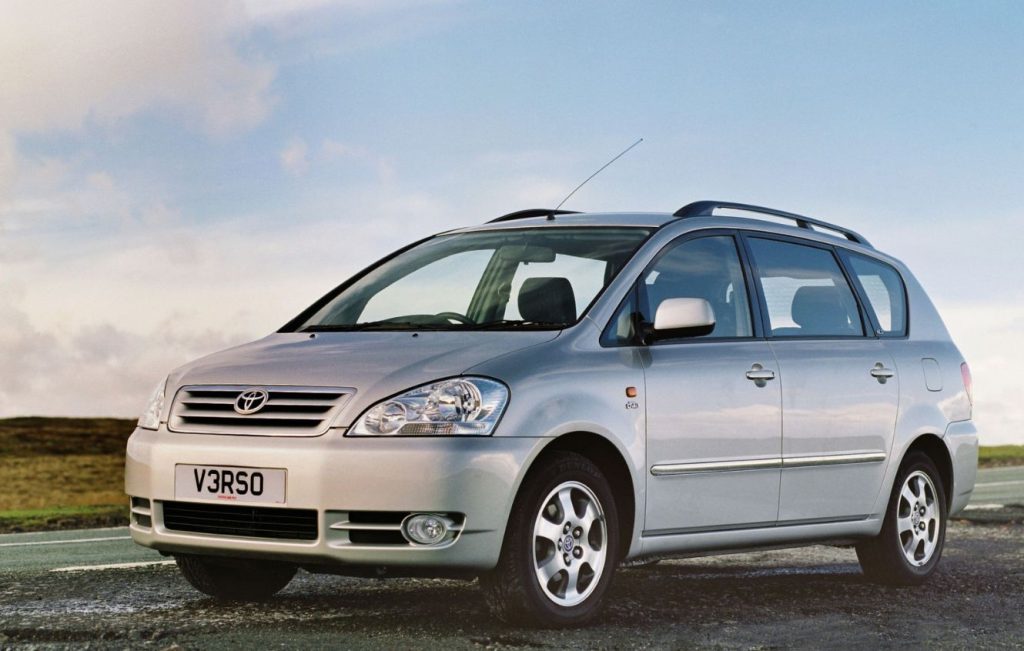
Every year at Festival of the Unexceptional we’ll see at least one car that we completely forgot existed. If you want to inflict the same sense of wonderment at this year’s FOTU, then may we suggest turning up in a Toyota Avensis Verso? You’ll need to find one first, which might be a challenge – unlike the smaller Corolla and Yaris Verso models (the former of which was eventually simply renamed Toyota Verso), the Avensis Verso lasted just a single generation, in the UK selling from 2001 to only 2005.
A replacement for the Toyota Picnic, it offered seven seats and entirely forgettable styling, conspiring with rarity to make it one of those cars that just never comes to mind. Like the regular Avensis it sold alongside, it had build quality and reliability on its side, so its rarity today is probably more of a sign of just how few Toyota sold here. It drove more like an estate than an MPV but as a seven-seater wasn’t as practical as the best, which perhaps turned some buyers off. If this has reminded you that you own one, bring it along to FOTU so we can all enjoy the memory-jog.
Volkswagen Passat B5.5
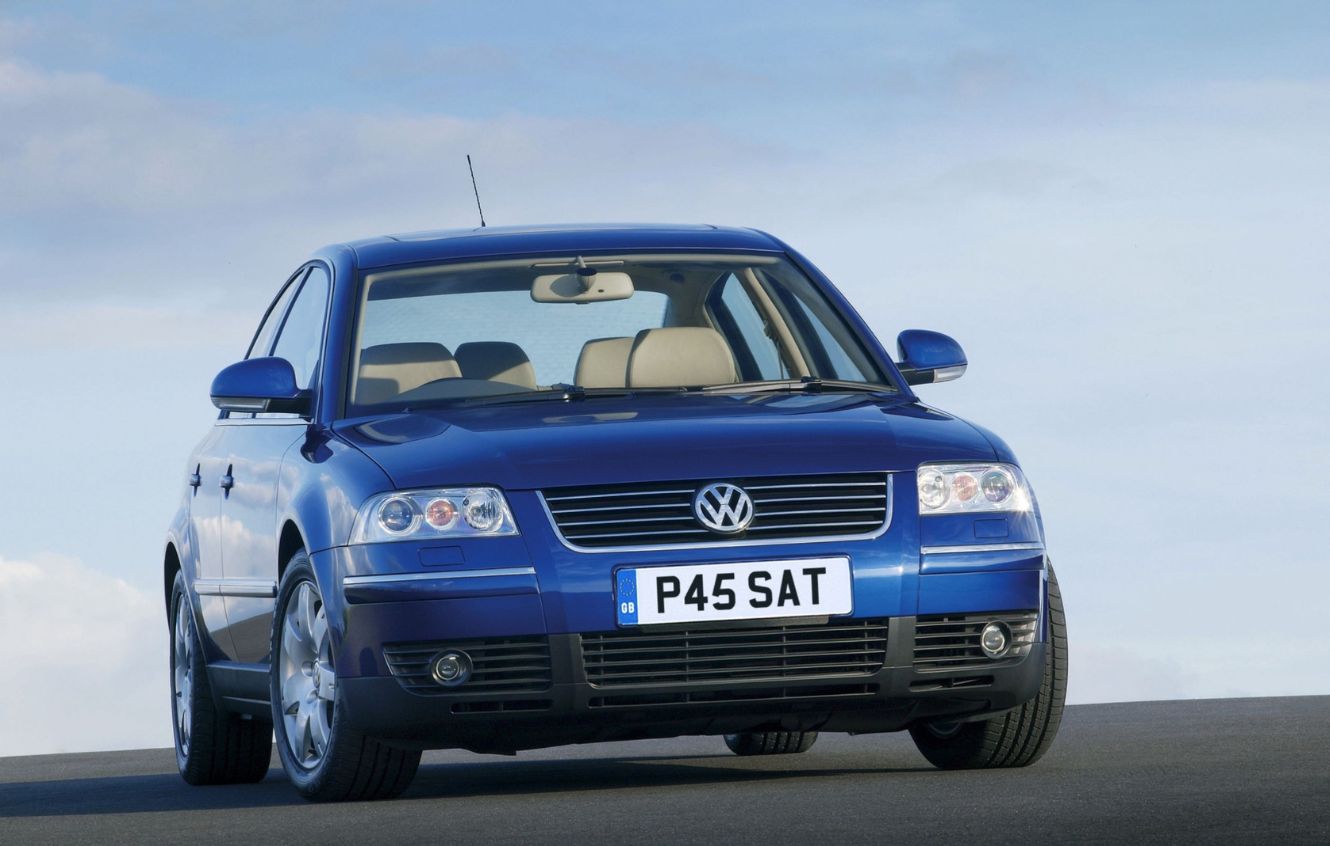
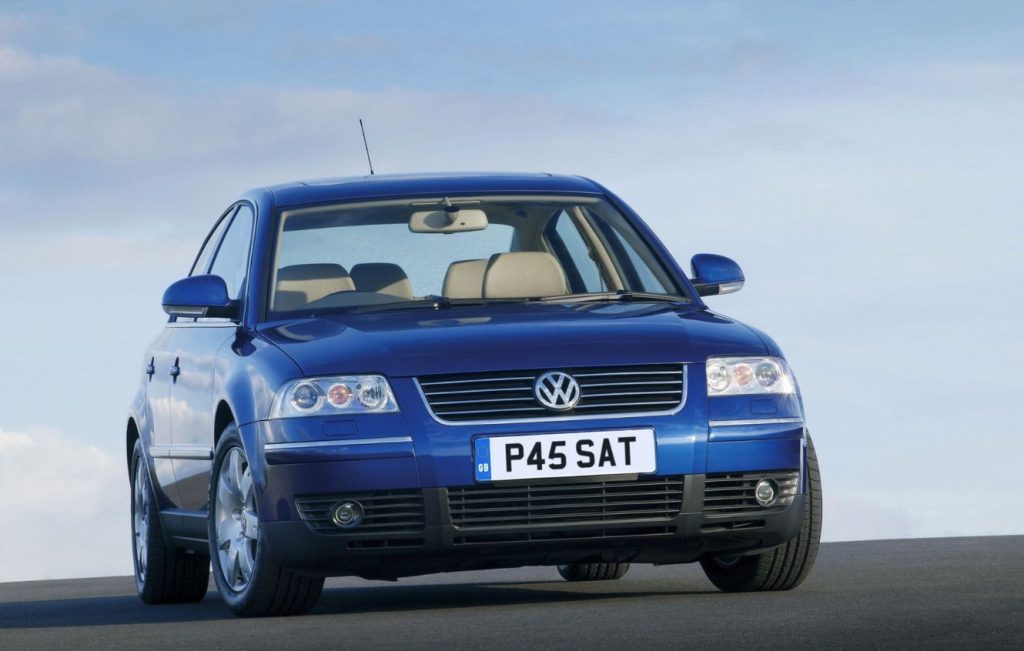
We’ve avoided including facelifts here to avoid things getting out of hand, but given the popularity of old Volkswagens, the revised “B5.5” Passat launched in 2001 is worthy of a mention. The B5 of 1996 was a bit of a standard-setter, in the same way the Mk4 Golf was a year later: an elegantly simple shape stripped of ornamentation and blessed with a flawless finish that forced competitors to up their game. It was the first VW that imposing leader Ferdinand Piëch was involved in, and it showed.
In some ways the B5.5 mucked that up a bit, with a chintzy chrome grille that no longer perfectly matched the height of the headlights, and didn’t further up the game with its interior, which was still well-built but no longer class-leading for usability or quality. Still, in most respects it was the same well-resolved car, and did have the intriguing W8 model to its name – the B5.5 was the only car ever to receive VW’s quirky eight-cylinder engine. More FOTU-appropriate powertrains were also available, and the B5.5 is one of those unexceptional cars that is still wholly usable today; not as pampered as some perhaps, but still right at home on the lawn at Grimsthorpe Castle.

Not quite unexceptional
Festival of the Unexceptional welcomes a wide range of vehicles, while certain vehicles might be a little too fancy or simply too exceptional for the Concours, there are several 2001 newbies that nevertheless would still be worth a poke around in the Unexceptional Parking area.
The MINI One’s sporty Cooper sibling is one, while fellow Brits including the Jaguar X-Type and MG’s Z cars (the ZR, ZS, and ZT) all made their debuts 25 years ago too. We mentioned the Audi A2 in last year’s list and even that was borderline for unexceptionality (I’m claiming that as as word, despite the wiggly red line my word processing program has given it), so the fuel-sipping, expensively-engineered A2 3L is probably a step too far, despite being incredibly interesting.
Also too interesting to be unexceptional are the Renault Avantime and Vel Satis, but equally both are much admired in the FOTU community so we’d still love to see ‘em. The Mercedes C-Class Sport Coupe – the hatchback version of the W203 launched in 2000 – has that posh badge working against it, but you could call it unexceptional by Merc standards. And for those who enjoy a JDM import, we’d point out that the Corolla-adjacent Toyota WiLL VS, sold only in Japan, is also now a quarter of a century old.
Own any of the FOTU-worthy cars from this list? We’d love to hear all about them in the comments below.
Insure your classic with a specialist insurer
If you’re looking for cover for your pride and joy, why not consider Hagerty UK? Not only are we classic car insurance specialists, but we are enthusiasts at heart. Call us for a quote on 0333 323 1138.