Festival of the Unexceptional is drawing near once again, and with it, Concours de l’Ordinaire: the best of the best of the most average cars on the roads. After hundreds of submissions, the Hagerty team whittled things down to a list of exactly 50 cars that you’ll see at FOTU in July, each and every one a perfect example of automotive driveway furniture from more than quarter of a century ago.
Of these fifty cars, we’ve delved a little further into the list to pick out a small selection that really jumped out at us. Though that’s something of a royal “we”, since naturally the cars below are just the chosen few of a single author, and to allay any fears, this author won’t be on the Concours judging team (and never has been), so there’s no bias here – each and every vehicle will get its time to shine on the lawn in front of Grimsthorpe Castle. Consider this an aperitif of what you’ll see on July 25th…
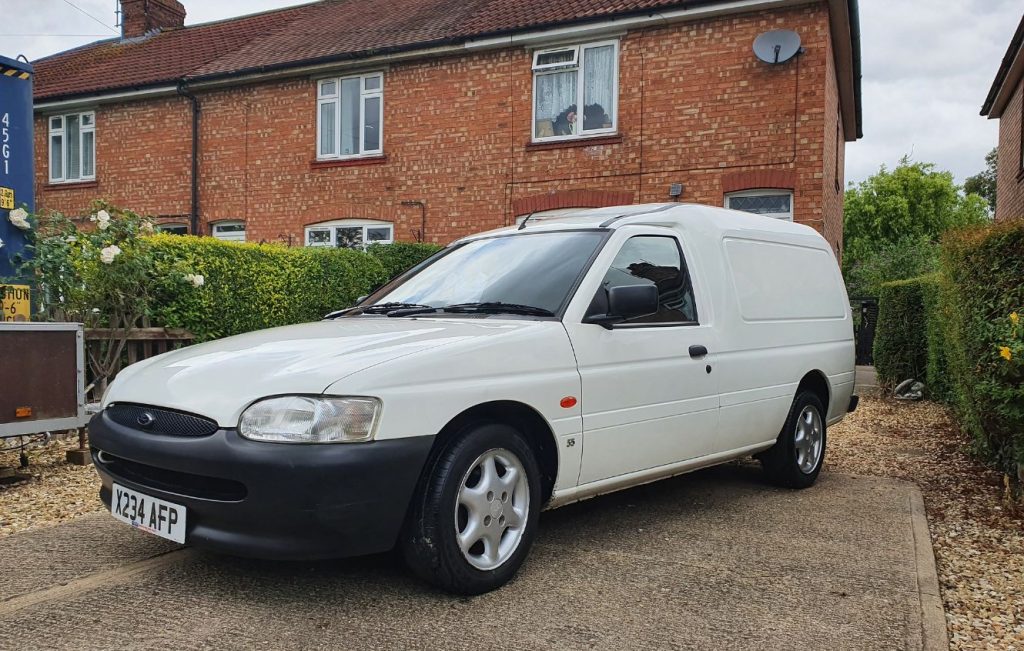
2000 Escort Mk6 van
In some ways, commercial vehicles like this Escort van could be the most unexceptional vehicles of all. They’re bought as cheaply as possible, maintained only as long as they’re needed, and given their drivers aren’t always their owners, mechanical sympathy isn’t always of the first priority. Vans also tend to be quite low-spec, which is something we can definitely get on board with.
So how great is it to see a clean Mk6 Escort van like this one? For a start, it’s a reminder that a few variants of the Escort continued on after the launch of the Focus, and also a reminder that these vans were absolutely everywhere in the 90s. Not all wore alloy wheels as stylish as these – they were fitted when the owner bought it – but we’ll forgive that luxury as the rest of the van is spot on, right down to being in the correct colour: white, of course.
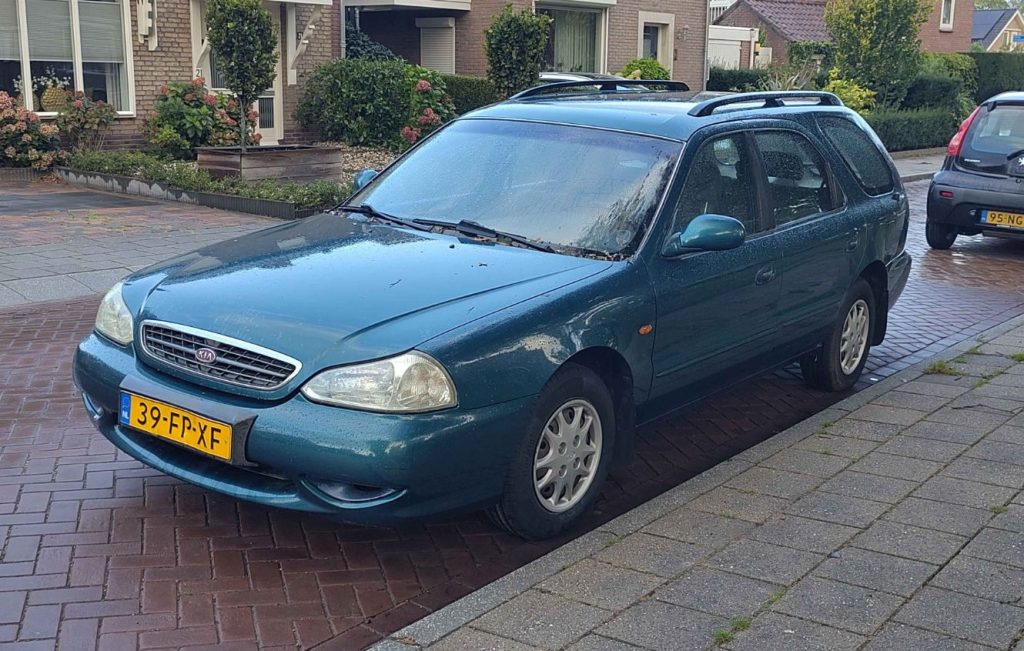
2000 Kia Clarus Wagon
In the text submitted in the Concours entry form for this Kia Clarus Wagon, the owner states that they’re almost completely forgotten, with just three estates and twelve saloons left in the Netherlands, where it’ll be making the journey from this year. Never mind “forgotten”, we didn’t realise they did an estate version of the Clarus in the first place. The other cars on the Concours lawn will have to try hard to match the Kia’s level of anonymity.
The other thing the owner mentions is that the Clarus does have one exceptional feature: its zebra-print seats. It’s not quite the full Honda Beat black-and-white madness but it’s pretty typical of the (modest) lengths brands like Kia went to in order to help these early value-driven cars stand out.
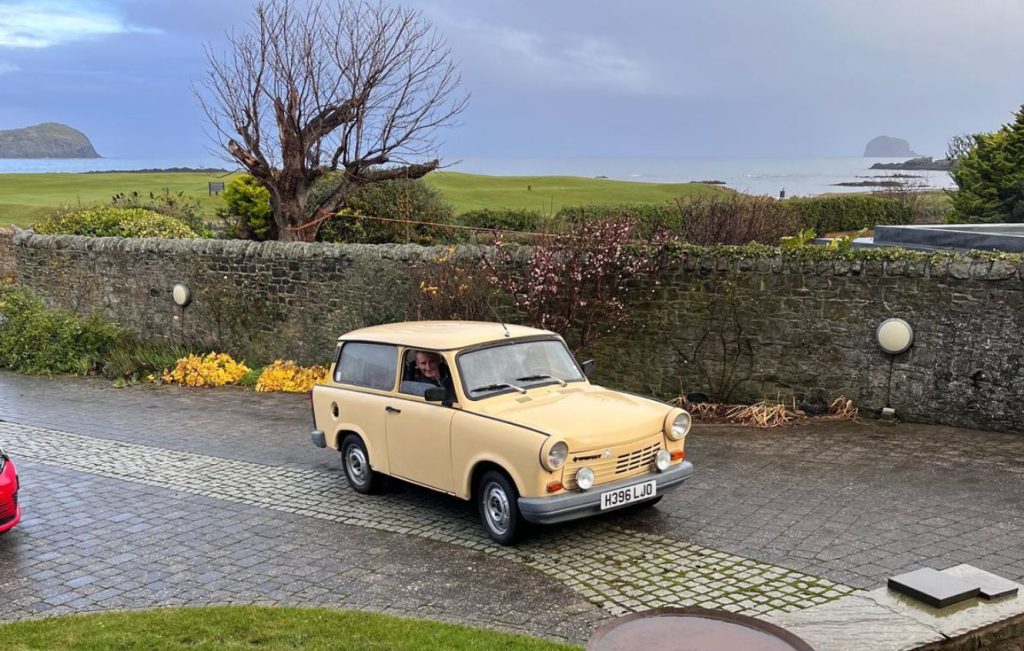
1990 Trabant 1.1
Trabants were never a common sight in the UK but since the Iron Curtain creaked open in 1991, the little East German cars from Zwickau (whose factory was bought by VW in 1990 and today produces ID3s and the bodies for the Lamborghini Urus, among other things) have attracted a cult following. They are by all kinds of standards not good cars, but they’re also very charming.
The one you’ll see at this year’s FOTU is quite a late example, its 1.1-litre four-stroke VW Polo-sourced engine marking it out as a car from the final eleven months of production. It’s also a “Universal”, which was Trabant-speak for estate. But perhaps the best thing about this one is that its owner won it for £12 in one of those automotive raffles that are popular these days. We’d have one over a Lamborghini Urus any day.
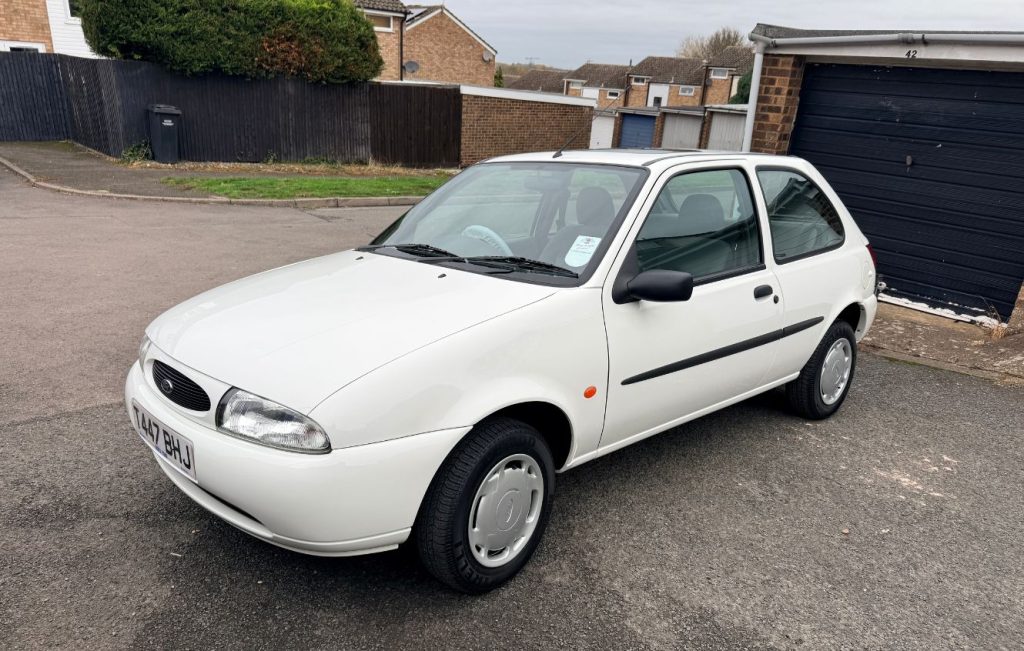
1999 Ford Fiesta Finesse
If you’ll indulge me for a second, this crisp white Ford Fiesta Finesse stood out because one of these was your author’s first car. Actually, mine wasn’t quite this nice – for a start, as a 1998 model it still had unpainted bumpers (though in FOTU-land, that’s arguably a point of merit), and by the time I sold it in 2009, six years after buying it, it was rather rustier than this car, which somehow has covered only 4000 miles in its 27 years.
Given the enormous popularity of Fiestas over the years, this Finesse is a prime example of one of those cars that used to be on every street corner and has since, like my old car, been turned into refrigerators. Its owner is a serial Fiesta fan, so this one will surely live on in good hands.
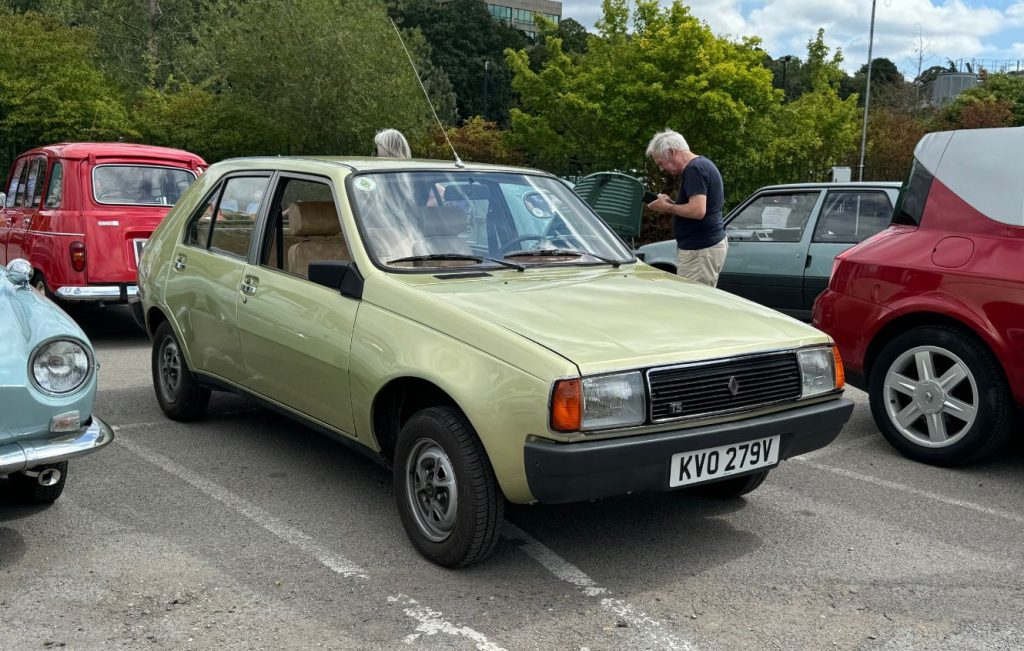
1979 Renault 14
In the submission for this pear-shaped Renault, its owner starts off strong by FOTU entry standards: “Often regarded as the worst Renault ever produced…” You can sense it’s said with affection, not least because a Renault 14 was the owner’s first car, and this one, bought at Retromobile, even incorporates a few of the original parts taken off that first 14 that was scrapped more than three decades ago.
Wallowy handling is also mentioned, and while we obviously can’t republish the photos here, there are some excellent shots demonstrating it in old issues of Autocar and CAR. It was always about ride quality with old Renaults though, and Autocar’s 1980 road test called it “exceptional”. Not bad when you consider its contemporary competition, including the hydropneumatic-suspended Citroen GS and the Hydragas suspension of the Austin Allegro. Renault did it all with struts and trailing arms.
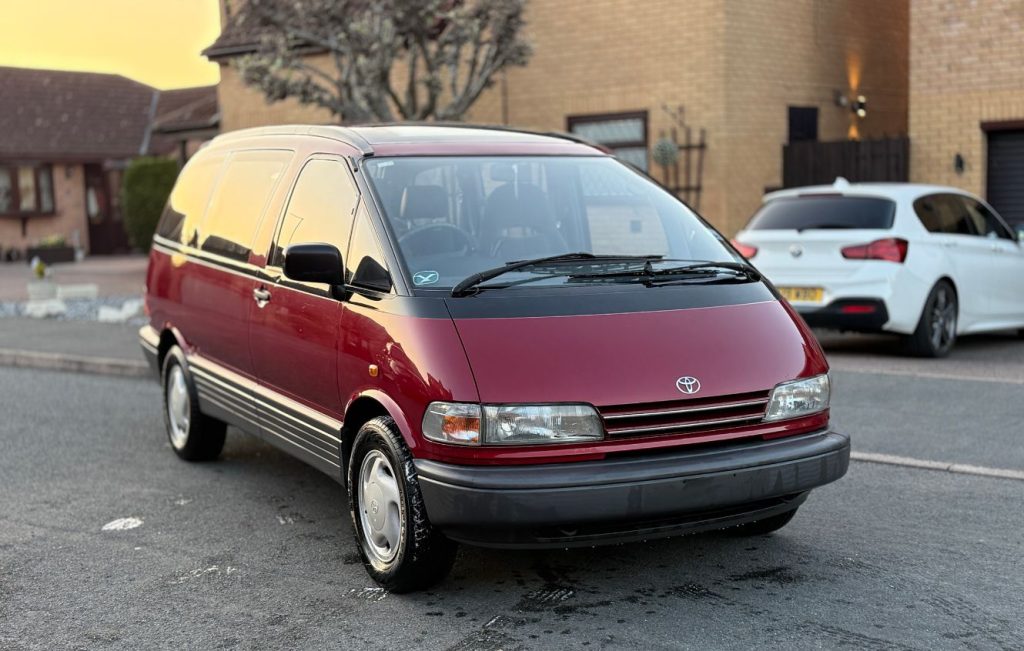
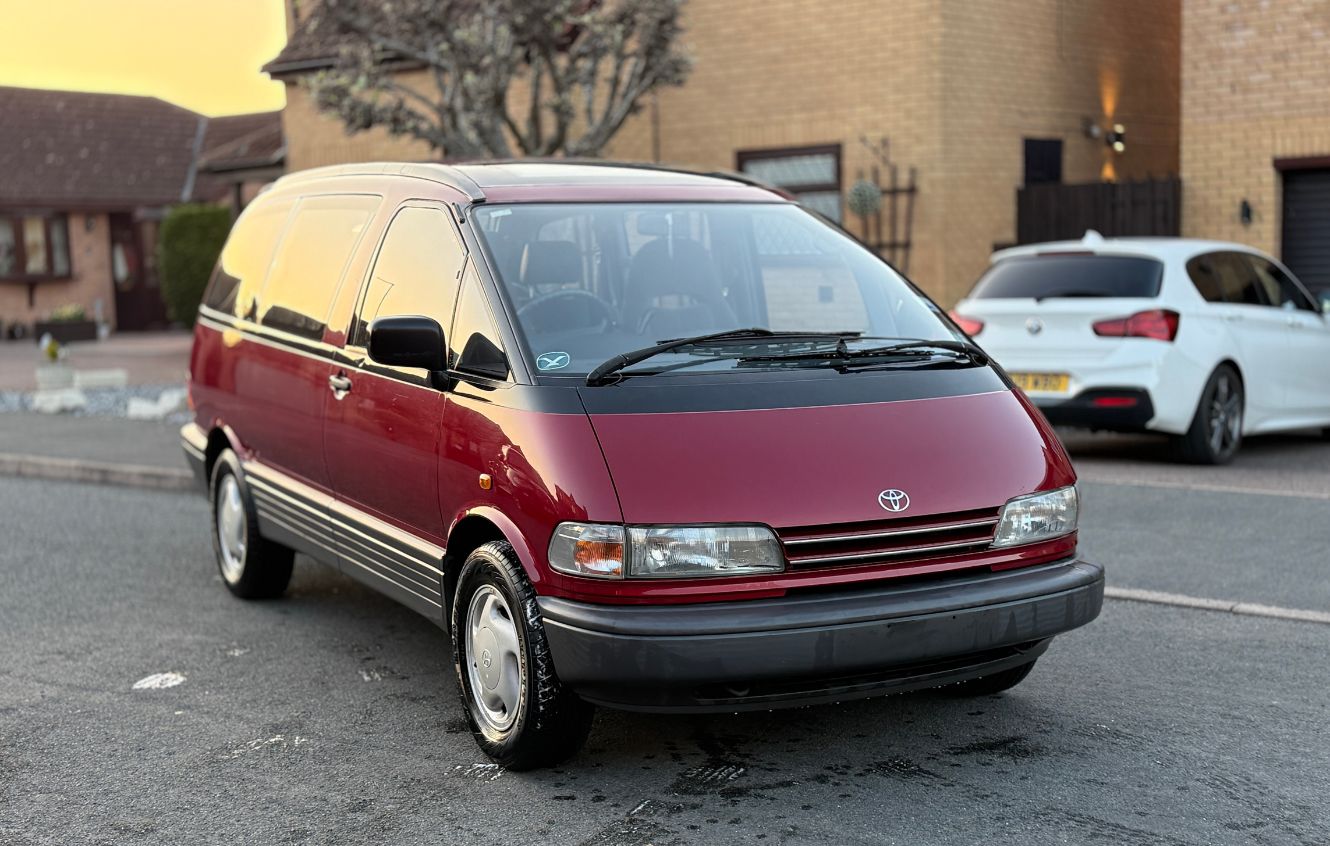
1992 Toyota Previa
The Renault Espace has been a common sight at past FOTUs, but it shouldn’t hog all the MPV limelight. The gloriously egg-shaped first-generation Previa was launched in 1990, and we’d argue is unfairly left out of discussions about the best Japanese cars from that era – it absolutely deserves a place at the table with other early-90s Japanese icons such as the Mazda MX-5, Lexus LS400, Nissan 300ZX, Honda NSX, and Suzuki Cappuccino.
In some ways the original Previa was pretty exceptional, thanks to its mid-engined layout (engine access is via the hump below the front seats) and brilliantly swoopy dashboard, but it’s also representative of one of the default family cars of the 1990s: MPVs were everywhere, once. In GL trim this one is also pleasingly low-spec, but with only 26,000 miles on the clock it’s also a rare survivor. The judges will be clamouring to climb aboard.
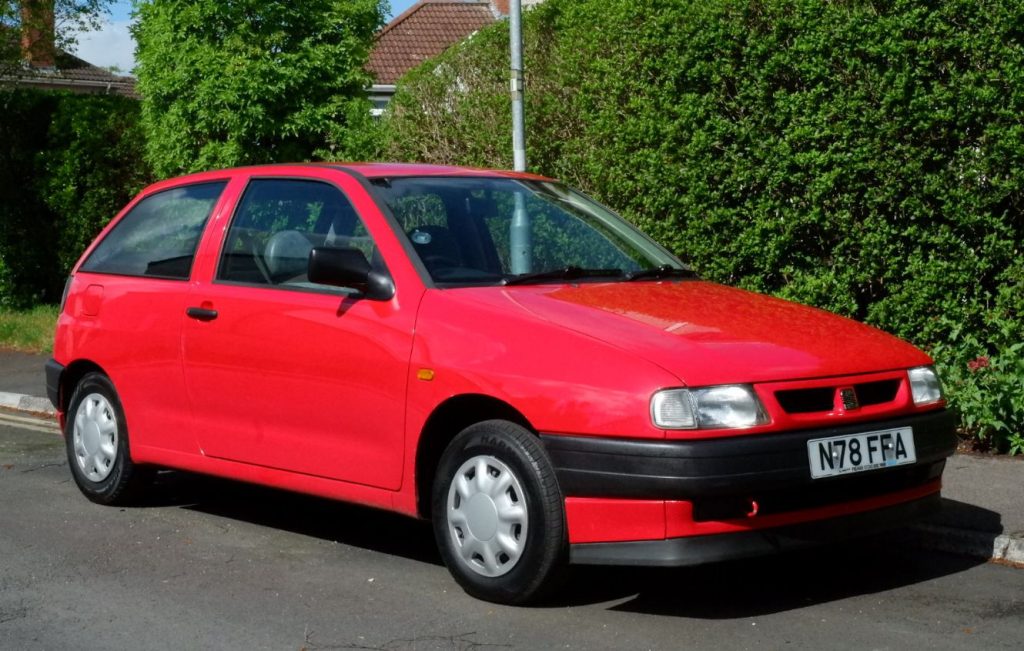
1996 Seat Ibiza 1.9D
Remember when Seats were fun? Well, a naturally-aspirated diesel Ibiza might not be the best advertisement for that, but this simple little Giugiaro-styled supermini in bright red paintwork still appeals more than the dull, grown-up cars the brand is turning out today. Perhaps it’s more profitable to paint everything matte grey.
Our FOTU example has covered only 46,000 miles, surely escaping the rougher treatment some of these cars (especially diesels) received in period, while CLS spec was only one level above the basic CL, so it’s at the right end of the range for our poverty proclivities. The three-door was affordable too, under nine grand in 1996, and it’s presumably still affordable to run too, thanks to that diesel engine – back in the day, Autocar could extract up to 55mpg from their long-termer with a light foot.
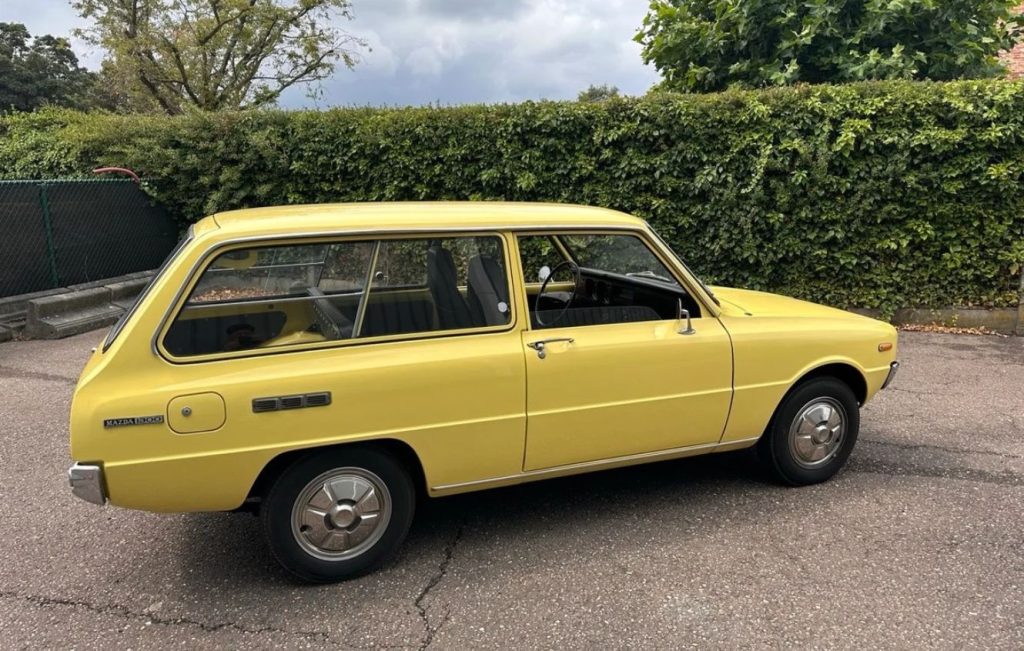
1973 Mazda 1300 Estate
A recurring theme in previous Concours de l’Ordinaire lineups has been the appearance of an exceptionally rare Japanese car from the 70s or 80s – the kinds of models that, thanks to import quotas, didn’t sell in huge numbers even when they were new, and were then mostly finished off by apathy and corrosion despite being mechanically solid.
This Mazda 1300 Estate fits squarely into that category. Badged Familia in its home market (a line that evolved into the 323 you may be more familiar with – no pun intended – and subsequently led to today’s Mazda3) it’s a rare sight in the UK as it is, but the Estate must be almost extinct globally. The car at FOTU arrives via a 20-year search to replace one the owner learned to drive in. It looks absolutely gorgeous, so we’re looking forward to inspecting it more closely at the Festival.
Which is your top pick? Let us know in the comments below.




I owned two extraordinary cars in terms of performance and reliability: the Renault 12 (1972-1980) and the Mitsubishi Lancer XLS (2000-2022).
I hated MPV’s in the 90’s – I thought you must have lost the will to live to own one of them. Nowadays, with massive SUV’s doing the same job, only less practical and more claustrophobic, I wish there were more MPV’s on the road. They did the job they were meant to do and did it well. Long live the MPV.