Words: Alex Wakefield
Photography: Alex Wakefield/Hagerty/Mercedes Benz/Ultimate Specs/BMW/Wikipedia
We live in rapidly shifting automotive times. Drivetrain electrification is democratising performance like never before, and very quickly showing the limitations of the Victorian technology underpinning conventional propulsion.
There’s an arms race in full effect, where the likes of Ferrari, Lamborghini and others who rely mostly on internal combustion engines for their identity are constantly turning up the wick, both in terms of performance and styling. The fun thing about all this, is that it’s being done to make their products stand out against often plain-looking family cars.
You might not be an EV fan, and that’s OK. But it’s hard not to admire the way they just get on with the business of moving people often very, very quickly from one place to another. If you’ve not experienced the urgent shove of torque from an electric motor at the traffic light grand prix, you really should try it.
This feeling is not unique to the first part of the 21st century. There has always been a niche within a niche of drivers who prioritise performance, but who absolutely do not want to advertise that ability. It’s easy to understand why there might be a professional requirement for this; the police tend to like keeping a low profile for certain tasks on the road, or in the world of personal protection.
Of course, cars have often been tuned and tweaked to deliver extra thrills by mechanics, beyond the abilities bestowed upon them by their manufacturer. It’s the factory sleeper or Q-Car though, that gets nods of approval from those who really are discerning. Being left for dead on the ring road by one of these cars, earns respect rather than envy.
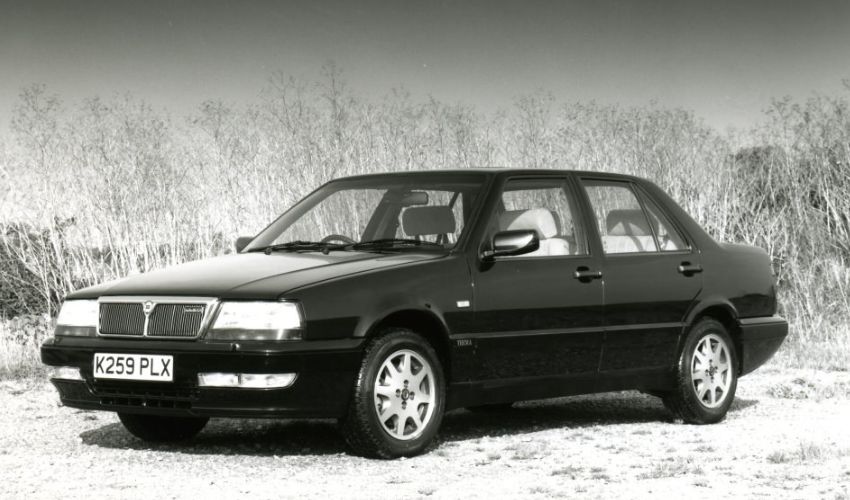
What are the criteria? Little or no external indication of ability, combined with a power source picked from the top of the tree. The Lancia Thema Turbo LS, for example. In any flavour, the Thema was a handsome thing, offering a combination of understated external decoration, with solid performance. The Turbo LS though, could show a clean pair of heels to anything else in the range, including the Ferrari-engined 8.32.
Under the bonnet was a version of the four cylinder, Aurelio Lampredi designed 2.0 litre twin cam which was used to propel the famous Lancia Delta Integrale Evolution, a car which left no doubt about its abilities. Turning the front wheels of the Thema however, this power unit pushed the executive saloon down the road to 60mph half a second faster than the 8.32, at 6.3 seconds. In 1992, this was giant killing stuff. The LS is highly prized today, by those for whom the 8.32 is a little too obvious.
There’s a greater chance that you’ll be familiar with the Mercedes-Benz 450 SEL. This is the one with the 6.8 litre M100 V8 engine that stole the show in the 1998 film Ronin. Even by today’s standards, the 450 SEL was a barge, but with almost nothing to distinguish it from its six cylinder siblings, the 450 delivered an astonishing 140mph and reached 60mph in just over seven seconds.
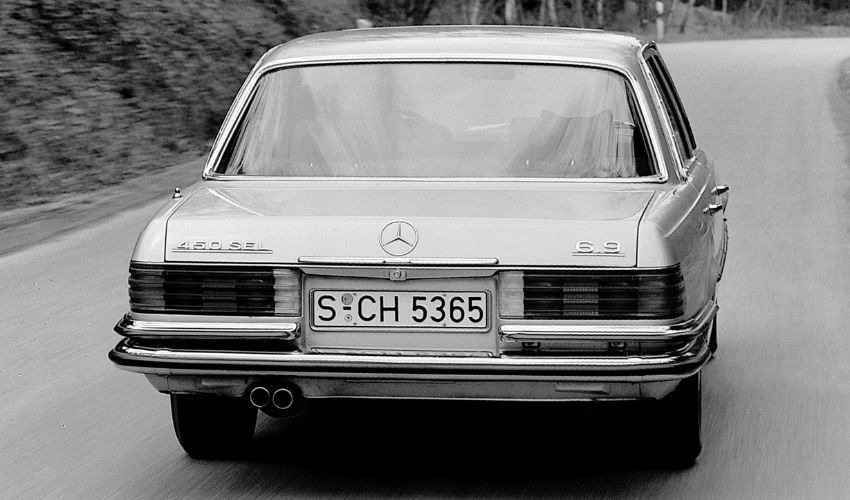
That wasn’t just enough to make drivers of contemporary luxury saloons move over on the autobahn, it was sufficient to cause embarrassment to anyone desperately trying to keep their Ferrari out in front. And with a very clever hydropneumatic suspension system, it could still hold its own around a track against the same Italian sports car – until that enormous engine ran out of petrol.
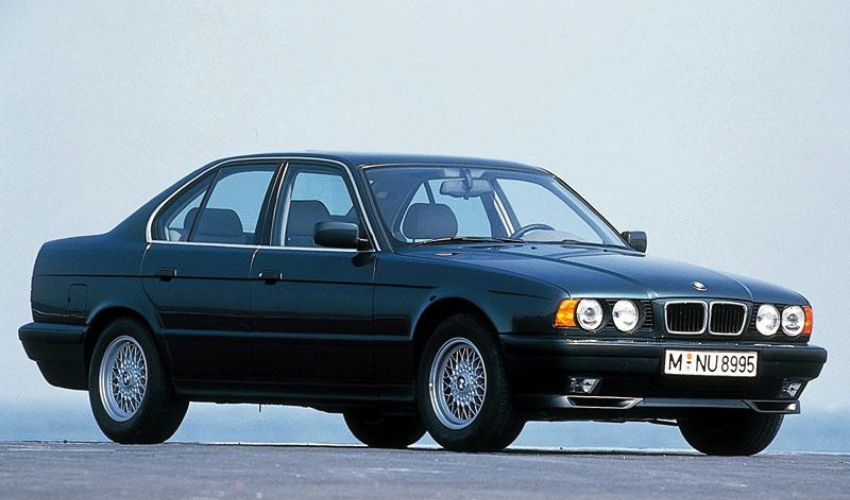
Fast forward another decade to the sprawling BMW factory site in Dingolfing, Germany. Every so often an E34 5 Series, outwardly identical to the four and six cylinder models being built that day, rolled off the production line with a 4.0 litre version of the M60 V8 engine. Even more discreet than the contemporary M5, the 540i could keep up with that car, crossing the 60mph barrier only a fraction of a second later. The top speed was limited to 155mph, just like the 540i’s more famous stablemate.
Best sampled on dry roads with the optional six-speed manual transmission, the 540i delivered just under 300BHP and a glorious soundtrack to go with it. For the ultimate in Q-Car skills, the badge delete option would remove any clear sign of this car’s ability to humble contemporary supercars and, in the right hands, its own M5 sibling. Away from that eight cylinder motor, the E34 could also entertain with its nimble dynamic abilities, when the going became twisty.
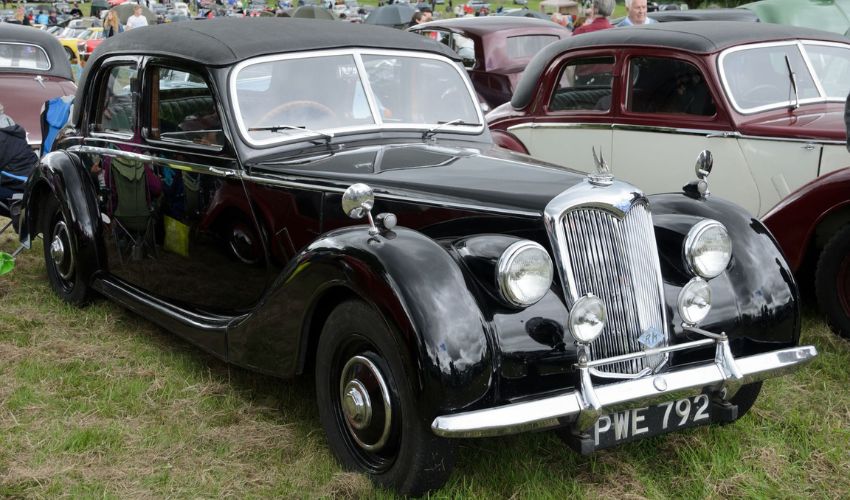
The Q-Car was never solely the preserve of the last 50 years. Those with longer memories will know that the Riley brand was one that British motorists would most keenly associate with understated performance, particularly if they’d had a run in with the law. Riley’s two and a half litre “Big Four” four cylinder engine had been developed before the second world war, and was technically very sophisticated. It also delivered performance figures that would not look out of place on a modern naturally aspirated four pot.
The Riley RMB started production in 1946 and developed quickly into the RMF. Elegant, rakish, and fast, the Riley was popular with traffic police officers, who preferred it over the contemporary standard issue Wolseley 6/80 because it would give them a greater chance of catching badly behaved mid-century citizens.
The Big Four engine made over 100BHP, translating to 100mph flat out. The best part was that the clever, advanced suspension helped to improve confidence at those terrifying 50s speeds. Unsurprisingly, the Riley RM range was loved by private motorists, good and bad, because this was a car that could seat six and leave pretty much anything that wasn’t a Jaguar, for dead.
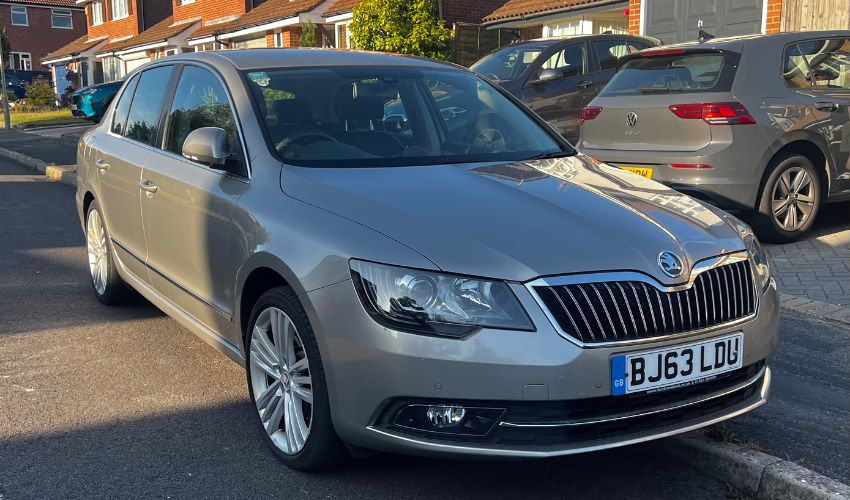
More modern examples of the breed can be found if you look hard. The Volkswagen Group churned out any number of over-engined oddities in the late nineties into the noughties, including the Śkoda Superb 3.6, Volkswagen Passat 3.2, and the curious Passat W8.
These can be found for reasonable money if you’re brave enough to take on the risk of large repair bills, and the certainty of even larger outlay for petrol or road tax. Those same factors made these cars exclusive when new too, virtually guaranteeing the shock factor when launching away from the lights next to someone totally unprepared for what was about to happen. It’s a lovely feeling.
Do you drive anything that often surprises fellow drivers at the traffic lights? We’d love to hear about it below.
Insure your classic with a specialist insurer
If you’re looking for cover for your pride and joy, why not consider Hagerty UK? Not only are we classic car insurance specialists, but we are enthusiasts at heart. Call us for a quote on 0333 323 1138.
Surprising fellow drivers at traffic lights? Who would be crazy enough to insure you?