Words: Craig Cheetham
Photography: Laverda
If a Ducati isn’t leftfield enough, there’s another Italian brand that flies beneath the radar
If you ask anyone to name an iconic Italian sports-bike, then chances are Ducati will be the brand that’s on the tip of their tongue. But there’s another one, and its creations are equally striking and are arguably just as much fun.
The story of Laverda began in 1949 in Breganze, a small town in northern Italy. The company was founded by Francesco Laverda, whose family already had a well-established background in agricultural machinery. Francesco, inspired by post-war optimism and a burgeoning interest in personal mobility, saw an opportunity to venture into motorcycle manufacturing.
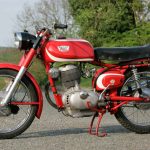
The earliest Laverda motorcycles were modest, small-capacity machines designed primarily for commuting and utility – just like Vespa and Lambretta; brands that mobilised more working-class Italians than Fiat.
But craftsmanship was key, and although inexpensive, the first Laverda bikes were better made than most of their rivals, despite a simple 75cc single-cylinder layout.
As the motorcycle market evolved, so did Laverda’s ambitions. By the late 1950s and early 1960s, the company began producing larger displacement machines that appealed to a broader audience. The 200cc and 250cc models marked a significant leap forward, offering greater power without sacrificing that legendary reliability.
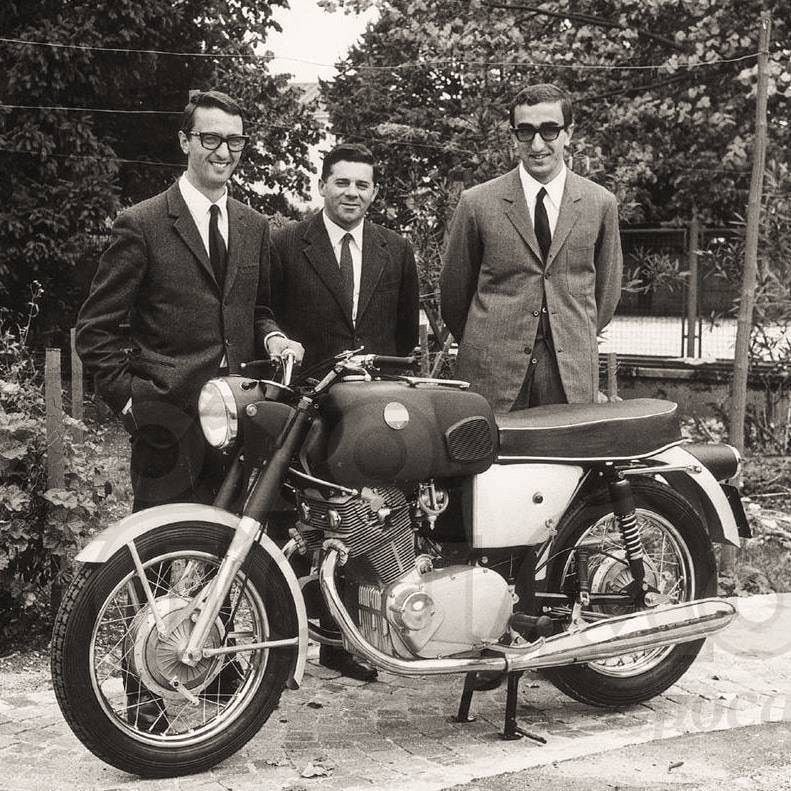
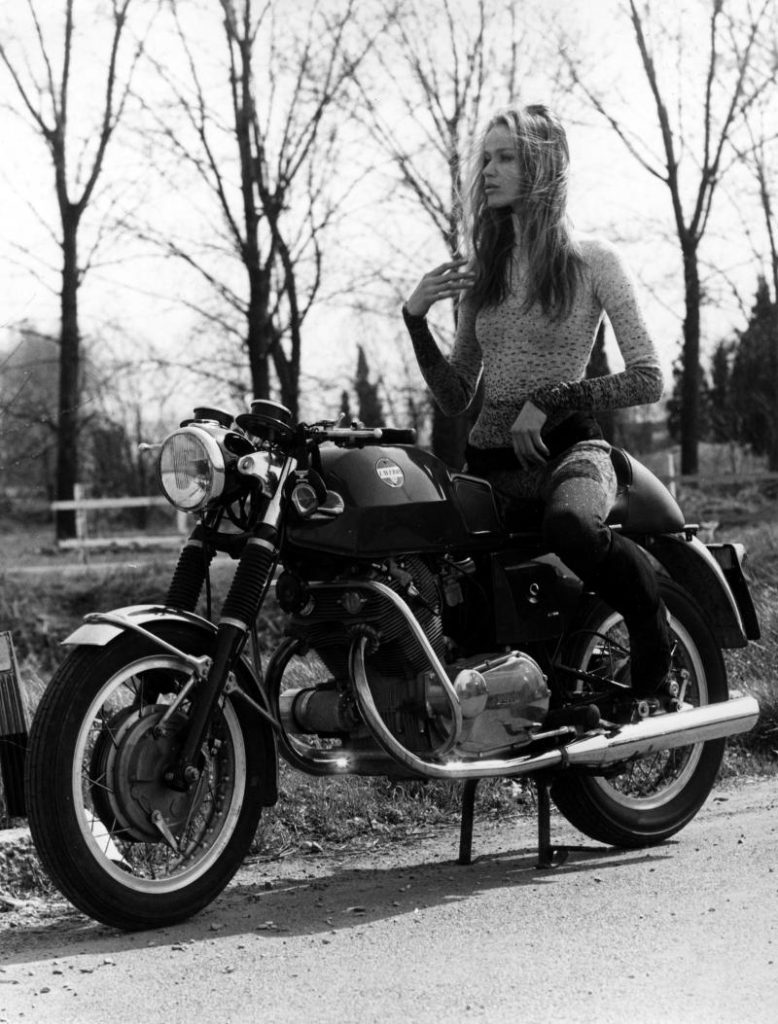
Laverda’s motorcycles started appearing in regional races and endurance events, further building their reputation for ruggedness and performance – and representing a sea change in Laverda’s future plans as the more sporting machines started to enjoy some export success.
Buoyed on by this success, the company decided to go racing, with reasonable levels of success – refining its technology and showcasing its capabilities to a global audience.
One of the brand’s most celebrated models was the Laverda 750 GT, launched in 1968. This parallel-twin motorcycle was renowned for its robust reliability and lively performance, which made it a great touring bike.
The 750 SF (Super Freni), released in 1970, introduced advanced braking systems and further improved handling, while the introduction of the Laverda 1000 triple in 1972 took things even further This model featured an offset three-cylinder engine, a rarity at the time, and delivered exceptional power and smoothness.
The 1000 triple, and its later variations such as the Jota, became synonymous with speed and endurance. The Jota, produced in collaboration with British importer Slater Brothers, had performance enhancements that made it one of the fastest production bikes of its era.
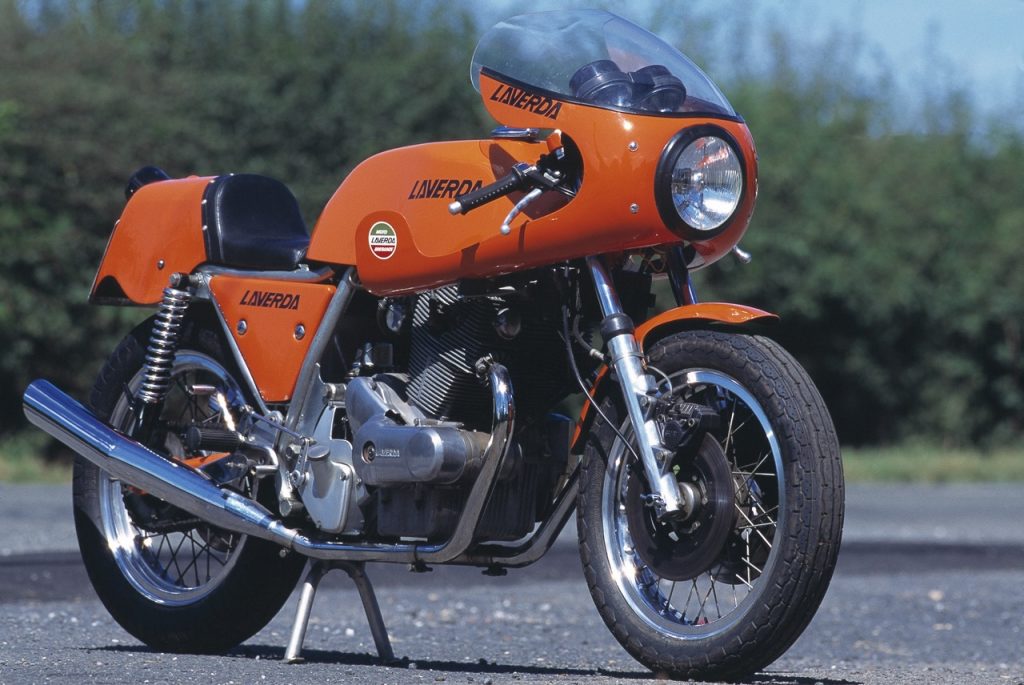
Laverda was also at the forefront of technical innovation. The company experimented with advanced materials, improved suspension systems, and sophisticated electrical components. Their motorcycles often featured heavy-duty frames, high-capacity oil filters, and efficient cooling systems.
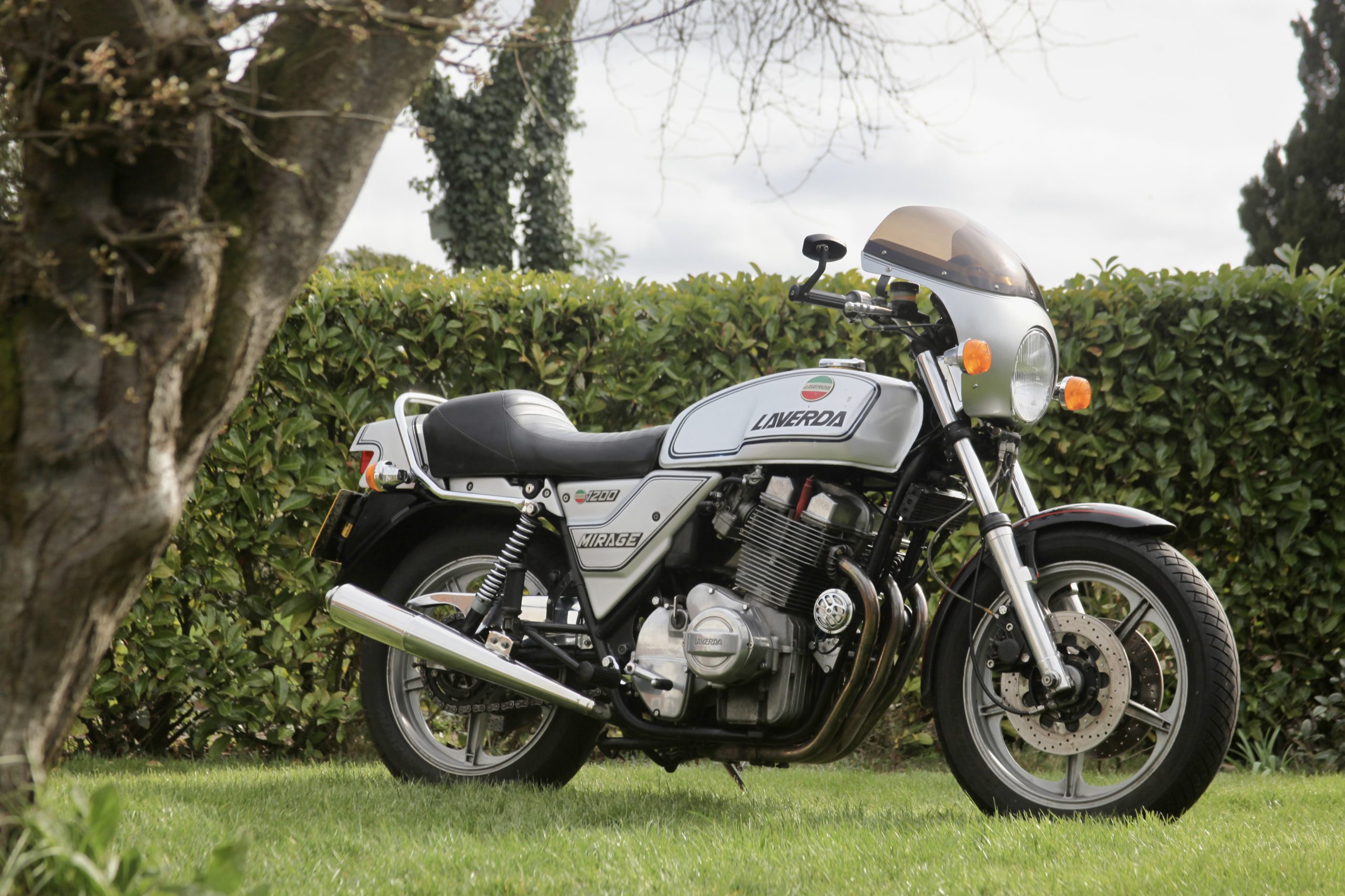
The pride of the fleet was the Laverda Mirage, introduced in 1978. It used a 1,200cc version of the triple engine with 4C cams and a Jota exhaust. The Mirage was developed alongside UK concessionaire Slater and was initially offered in a unique colour – a pale metallic green, before being offered in a wider colour palette from 1979. The ‘Green Mirage’ is one of the most sought-after of all Laverda machines.
What set the Mirage apart was its combination of reliability and performance – it was the perfect balance between sports bike and tourer.
But the brand’s success wasn’t going to last, and as 1980s global motorcycle industry evolved, with increasingly cheaper competition from Japanese manufacturers who offered just as reliable and technologically advanced bikes at competitive prices.
Laverda struggled to keep pace, especially in terms of mass production and cost efficiency. Financial difficulties began to mount, and the company found it increasingly difficult to invest in research and development.
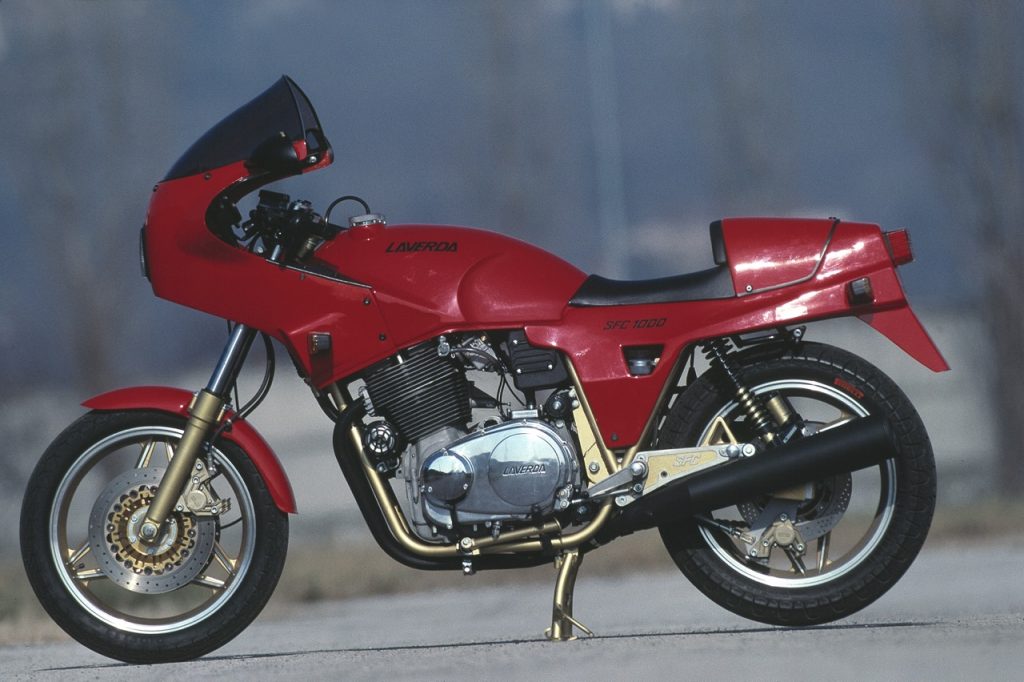
Attempts to modernise the product range with models like the Laverda 1200 and the Montjuic met with limited success. While these motorcycles maintained the brand’s identity, they could not match the sophistication or affordability of rivals. By the late 1980s, Laverda’s market share had dwindled, and the company was in trouble. Several efforts to revive the brand through partnerships and new ownership ultimately failed to restore its former glory.
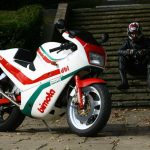
In 1993, millionaire Francesco Tognon bought everything, saving the company and setting up what looked like the first serious attempt to relaunch the brand. Over the next five years, they launched a small selection of new sports bikes with Weber-Marelli electronic fuel injection, Brembo Gold Line brakes, adjustable Paioli suspension (White Power on some models), Marchesini wheels and a modern beam or trellis frame and, later, a new aluminium beam chassis. But sales and revenues weren’t good enough for it to survive on its own.
A takeover in 2000 by Aprilia, which acquired Moto-Guzzi at the same time, was focused on creating an Italian motorcycle group that would offer strength in depth, through shared technology, manufacturing and development, but it wasn’t enough and by 2004, the Aprilia Group was itself in trouble and was swallowed up by Vespa, which still owns the rights to the Laverda name.
A renaissance has been mooted a few times in the motorcycle media, but has never happened, and over 20 years have now passed since a Laverda bike was made. Could now be the perfect time for a comeback? Let us know what you think below.