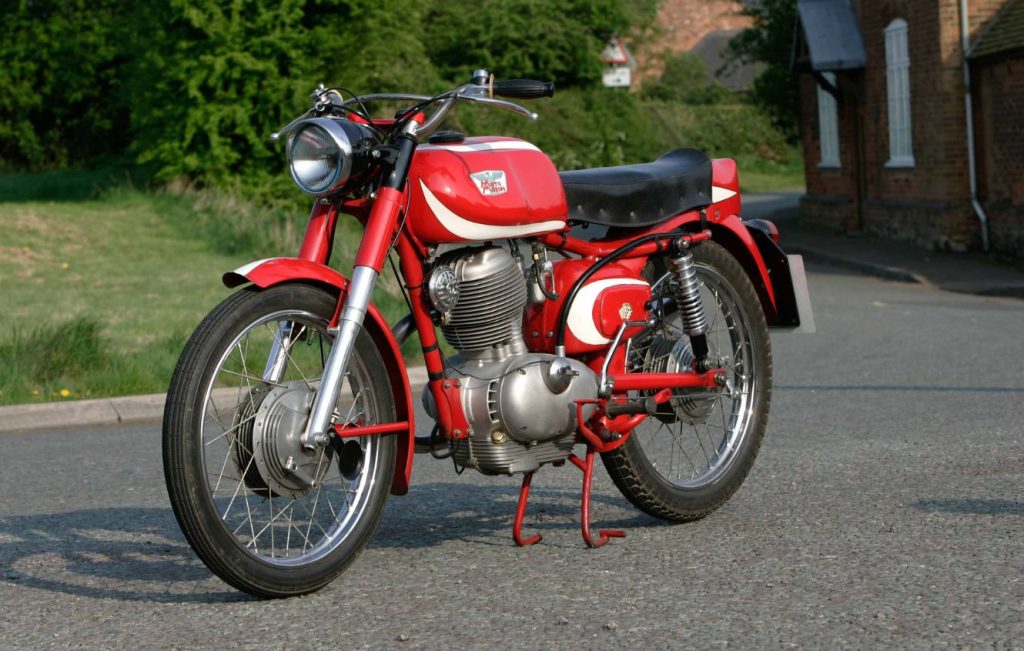
Charging along country lanes in the Midlands on a Tresette Sprint, with the sun beating down on my back and a soft single-cylinder exhaust note thudding in my ears, it’s easy to imagine I’m in Italy in the 1950s or ’60s, competing in a long-distance classic race such as the Motogiro d’Italia or Milano-Taranto.
Along with the sound coming from the shotgun silencers down by my right boot, the lightweight Moto Morini has an almost bicycle-like agility that helps me keep up a fair pace despite its engine’s modest output. The fact that I’m not going very fast means that I can pitch the Tresette into the blind bends, confident that I’ll be able to handle whatever I encounter on the exit.
That confidence is tested when I round a turn to find a huge SUV taking up almost all the road. I instinctively grab a handful of not-very-powerful front brake, before finding a false neutral in the Morini’s ageing gearbox. But the slim red bike still squeezes through the gap with ease. Moments later its throttle is wide open again, and I’m attacking the the next bend in an attempt to maintain my momentum.
Riding the Tresette Sprint on those narrow roads was great fun, even if my relatively brief and very non-competitive ride was a far cry from those prestigious and supremely tough races that stretched for many miles, through day and night across Italy. Thoughts of the Motogiro were inevitable because, as its name suggests, the Sprint was a sporty model from the little Bologna factory that made a big impression on the Italian scene in the years after World War II.
Alfonso Morini had already made his mark by successfully racing and producing bikes when he set up Moto Morini in his home town in 1937. Alfonso had been one half of the MM marque, which he had founded with his friend Mario Mazzetti in 1924.
MM had earned a reputation for rapid racebikes – some ridden by Alfonso himself – and roadsters, notably a 175cc four-stroke single that sold well and, in racing specification, won the Italian Grand Prix in 1933. The firm also built 350 and 500cc four-stroke models, and by 1937 had grown to employ 85 people and produce 500 bikes per year.
But the co-founders then fell out, because the ambitious Morini wanted to expand the business while Mazzetti preferred to stay small. Alfonso moved across Bologna to set up Moto Morini, initially producing three-wheeled trucks while planning future motorcycles.
Morini’s factory was bombed in World War II but after rebuilding it he started producing bikes. His first model was a 125cc two-stroke which – like BSA’s Bantam, Harley-Davidson’s Hummer and Yamaha’s Red Dragonfly – was based on German firm DKW’s RT125.
Morini soon became successful, and in 1953 moved into the increasingly important 175cc market with a four-stroke model, the Turismo, powered by a 172cc pushrod single-cylinder engine of Alfonso’s own design. This was the basis of the engine that would power the Tresette Sprint and numerous other models for more than a decade.
The Turismo was a modest performer, but even this Morini had a high-quality chassis incorporating telescopic forks and twin-shock rear suspension. Given Alfonso’s love of racing, it was no surprise that it was quickly followed by sportier models, starting two years later with the GT. Then came a string of bikes named after popular Italian card games, starting with the Settebello, or Seven of Diamonds (Beautiful Seven).
The Settebello was a gem: a high-performance sports production machine, built for road and racing with a tuned, 16.5bhp engine plus aluminium forks, yokes and wheel rims that kept its weight down to just 101kg. It was good for 85mph and was ridden with great success in Italian races and hill climbs. Its riders included a young Giacomo Agostini, who would later win the Italian 175cc championship for Morini before moving to MV Agusta and winning a record 15 world titles.
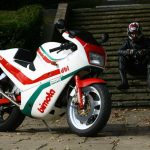
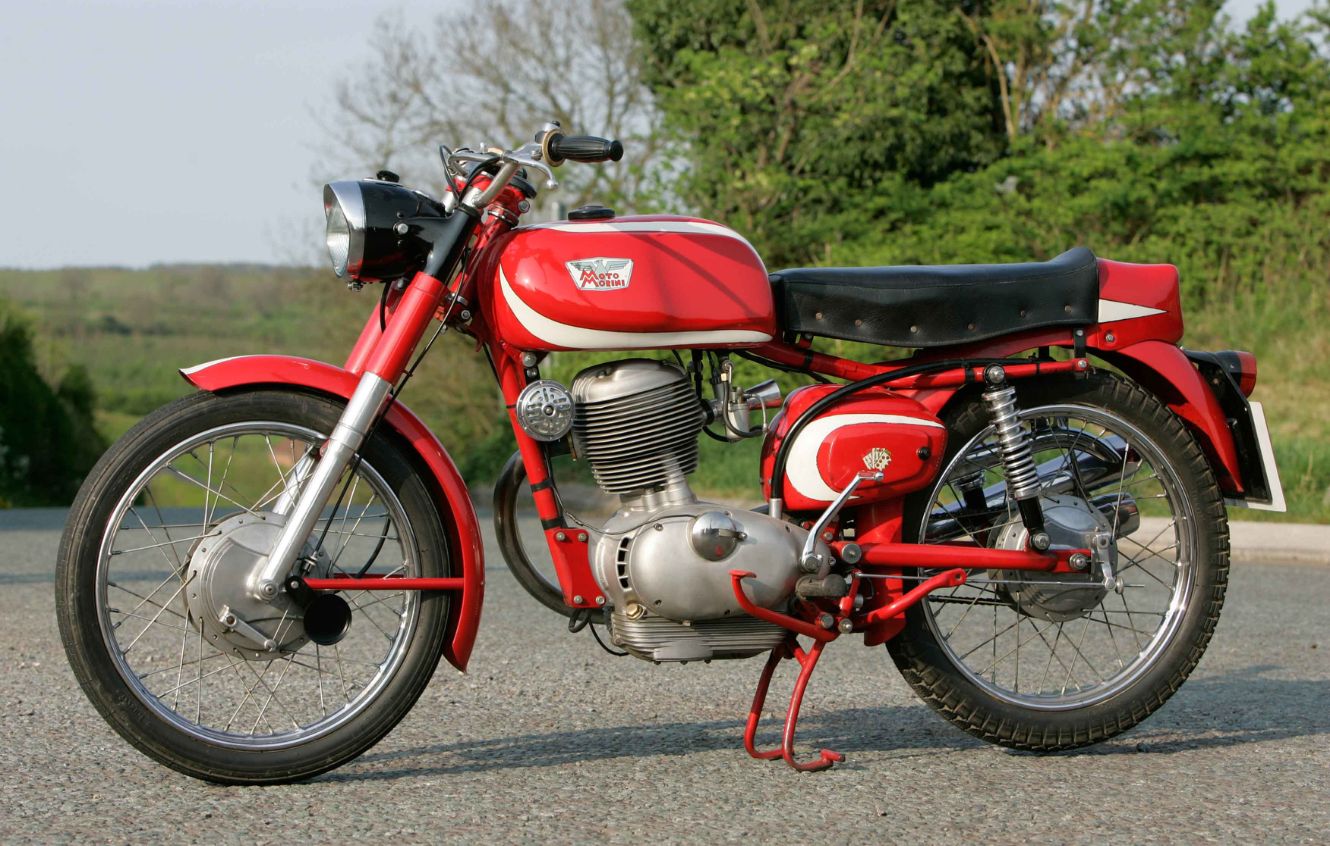
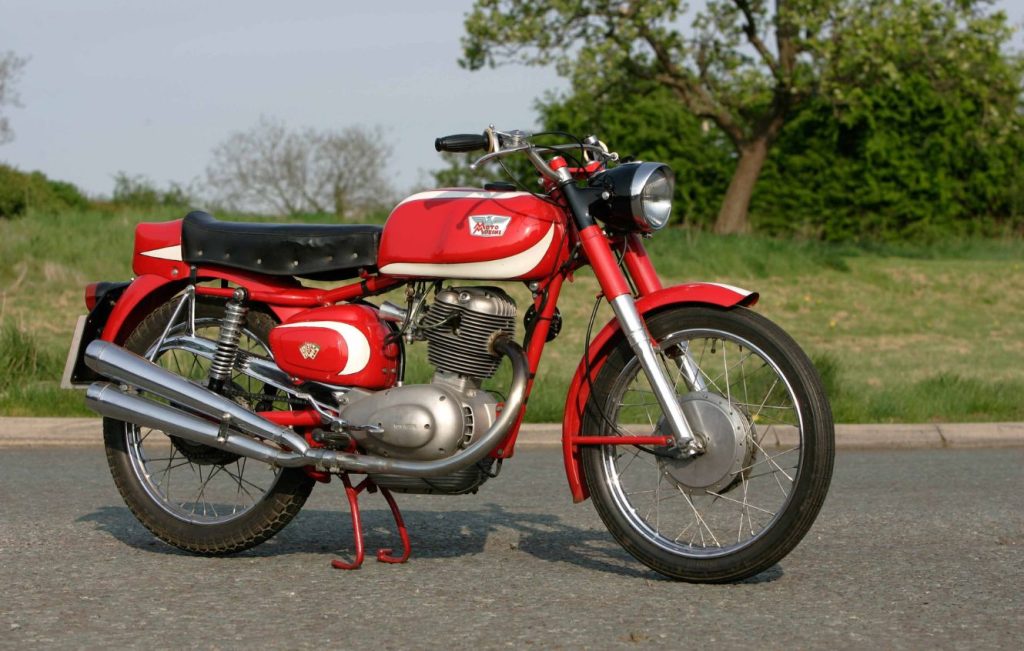
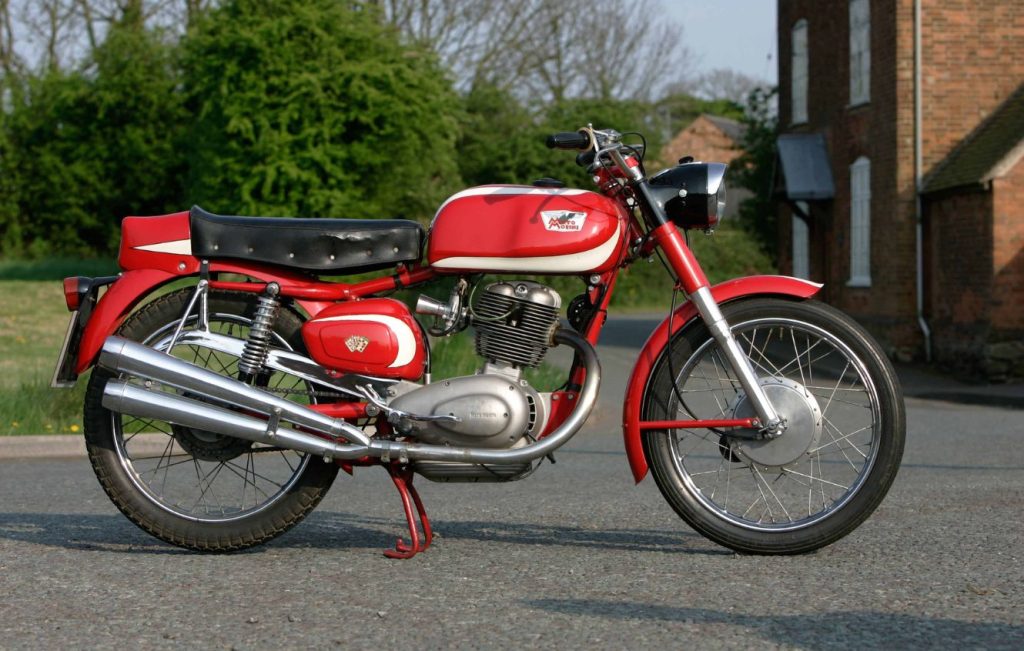
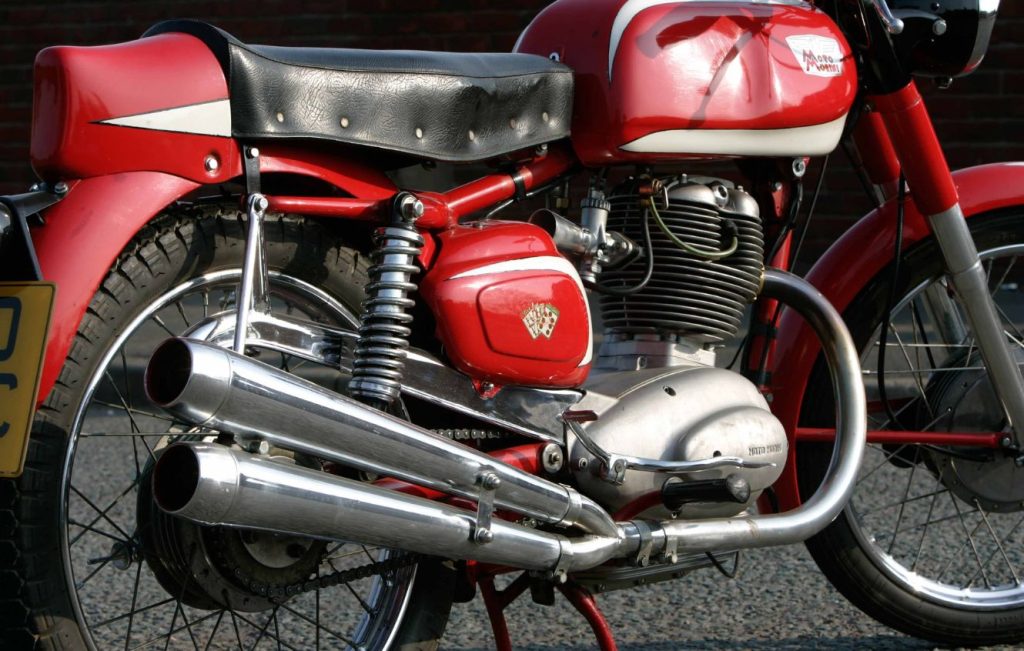
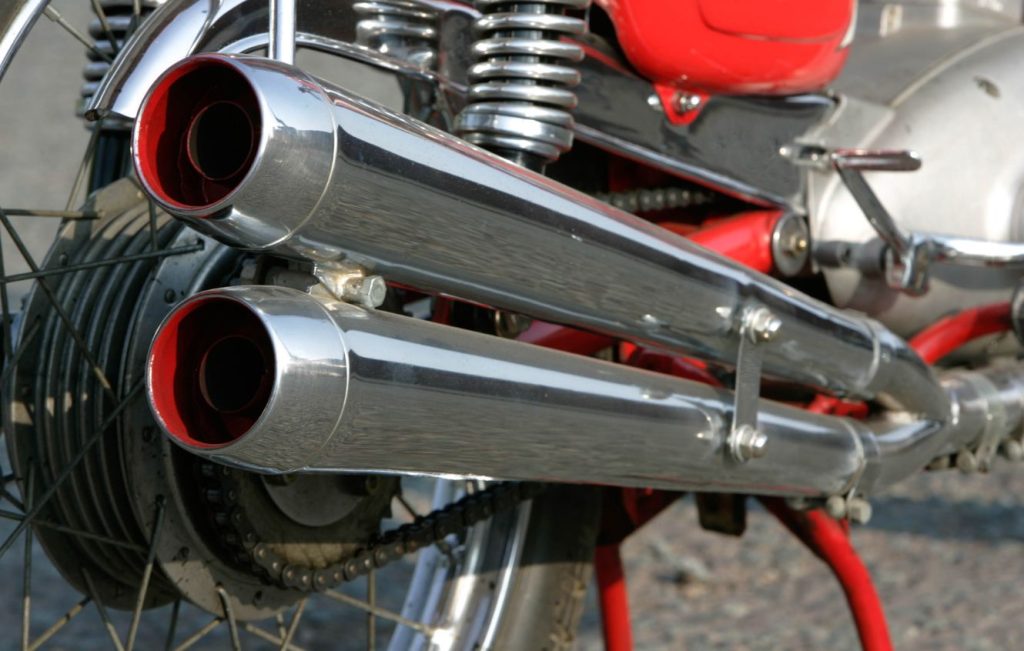
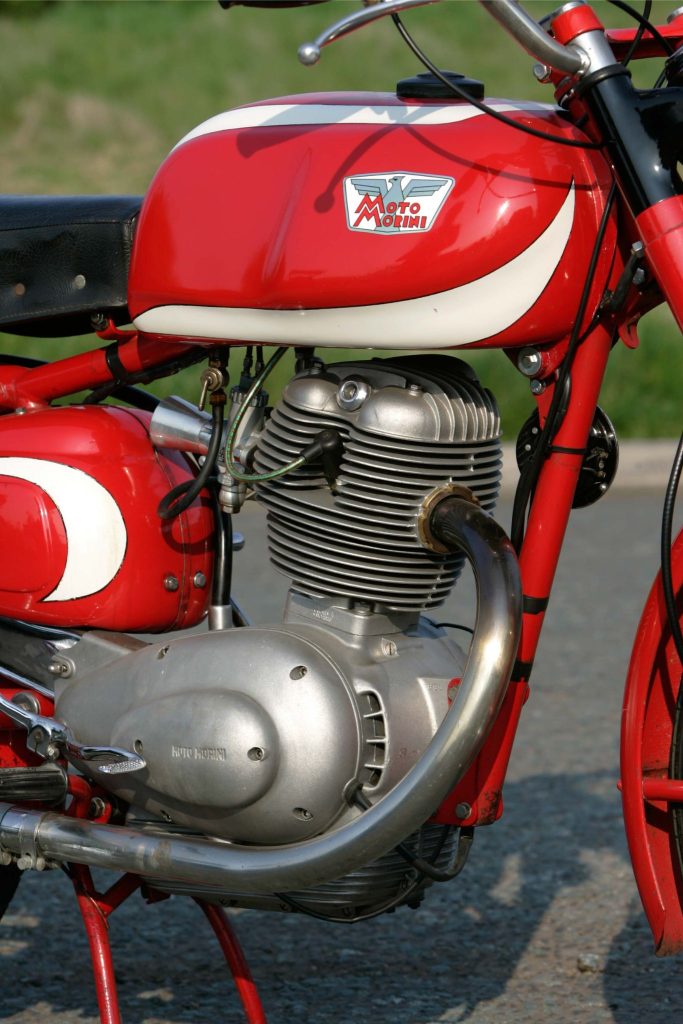
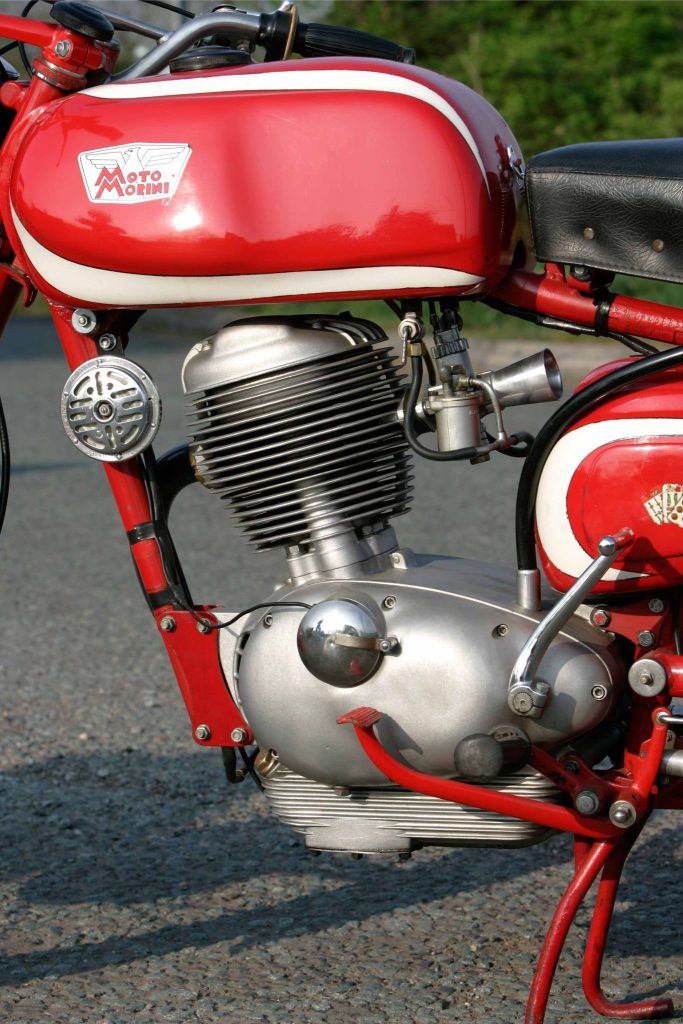
Next came the budget Briscola (Trumps) and the Tresette (Three Sevens), the latter a sporty roadster that produced 12bhp, well up on the Briscola’s 8bhp. Finally, in 1958, Morini launched the Tresette Sprint, a comprehensively revamped model that stood out thanks to its twin Silentium silencers on the right side.
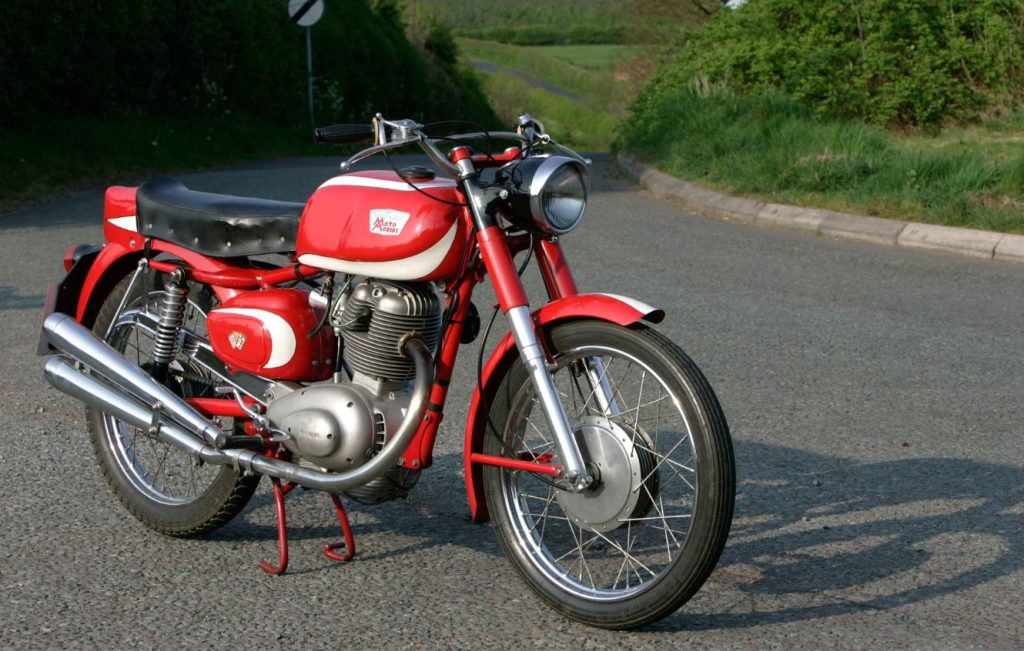
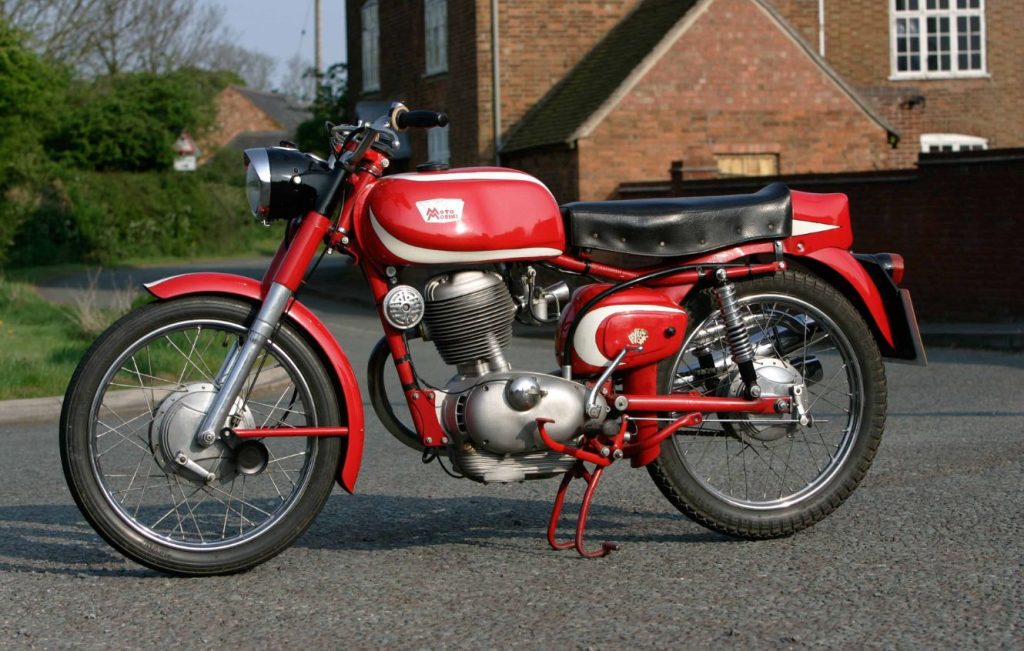
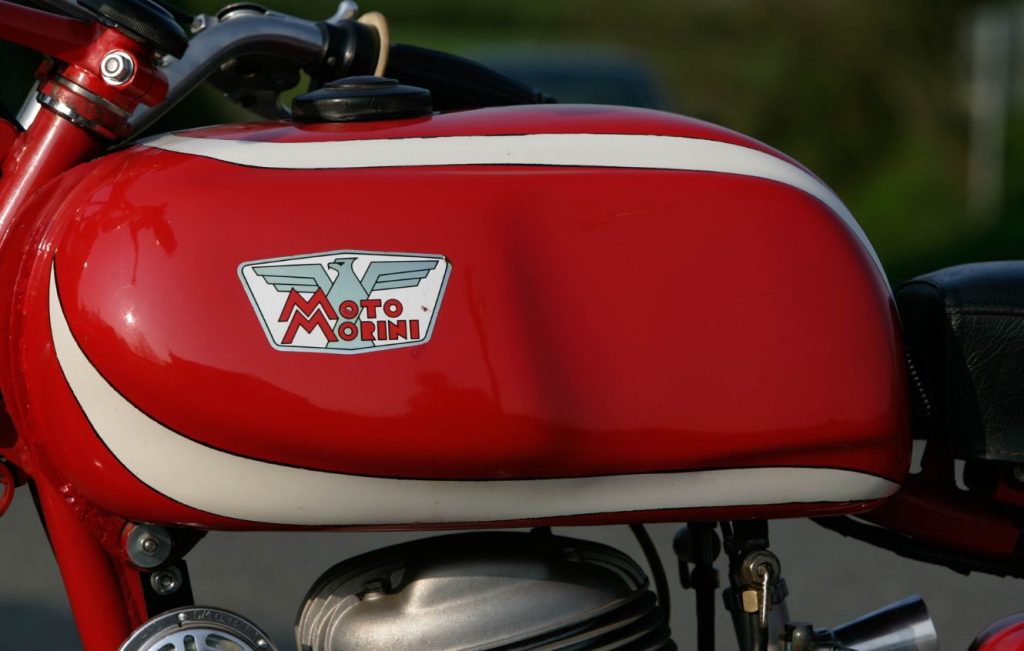
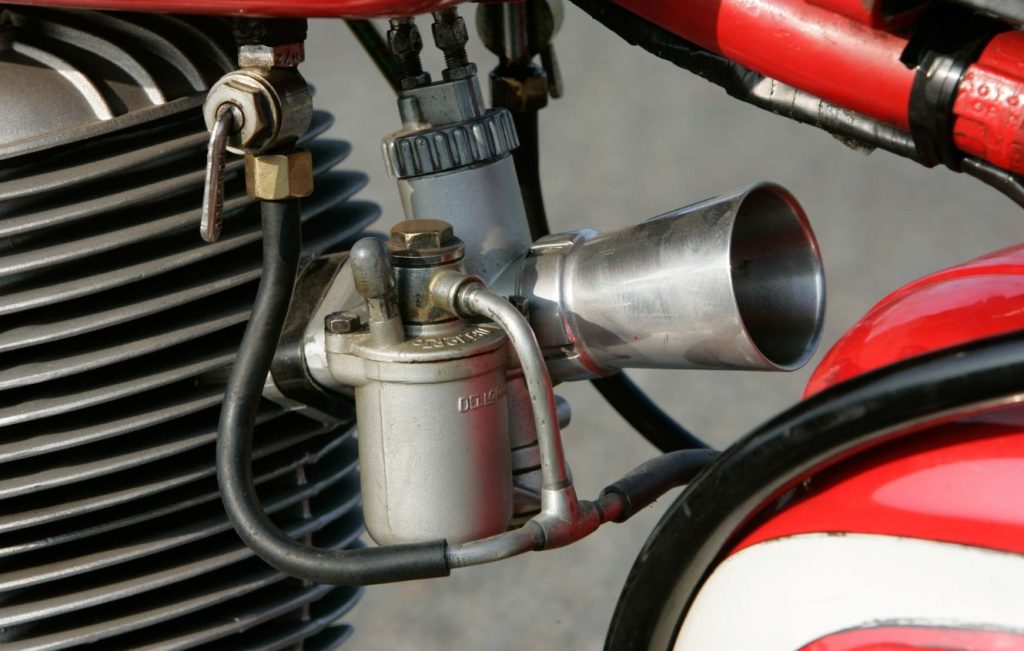
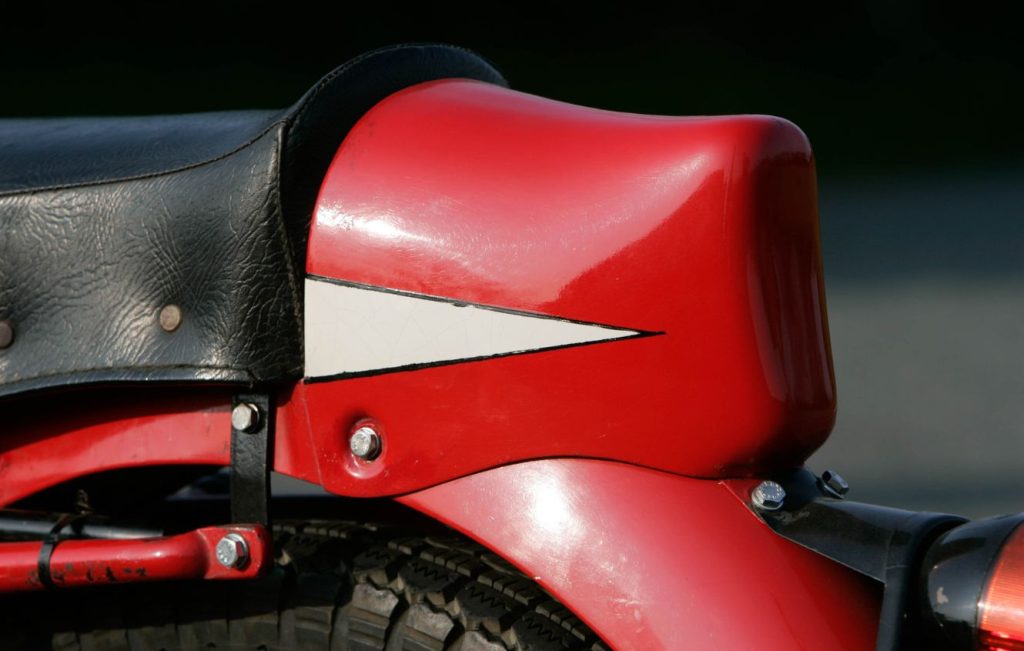
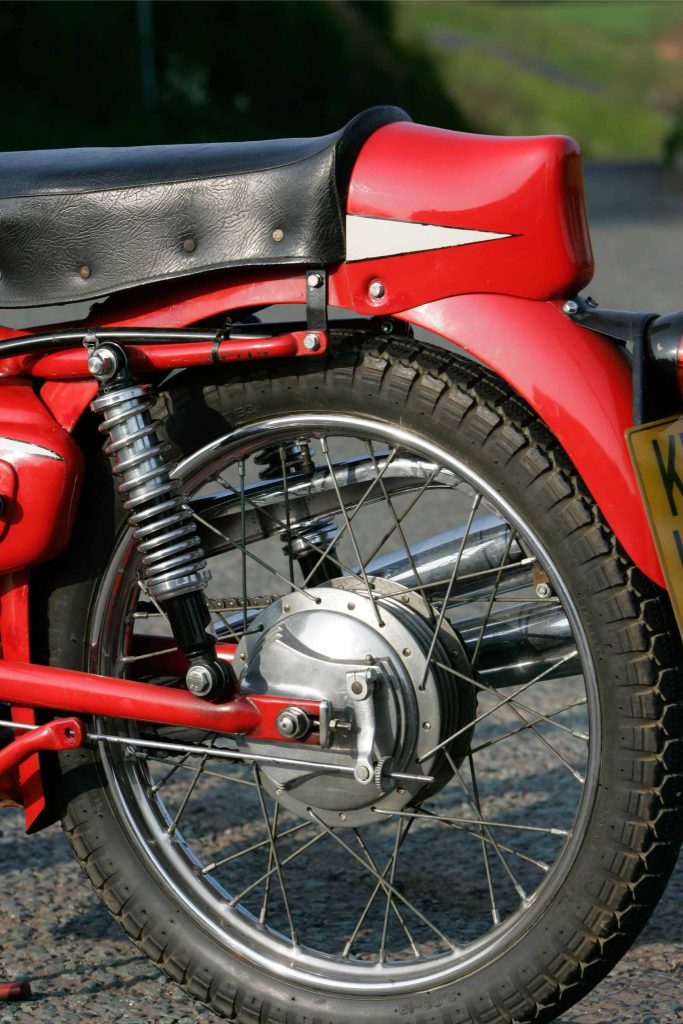
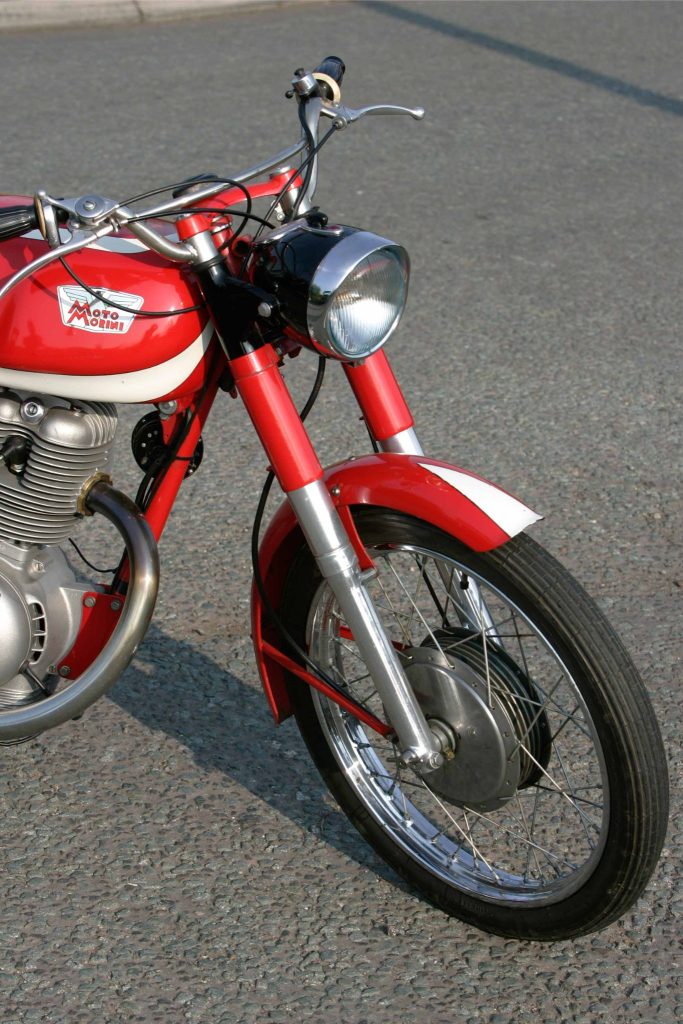
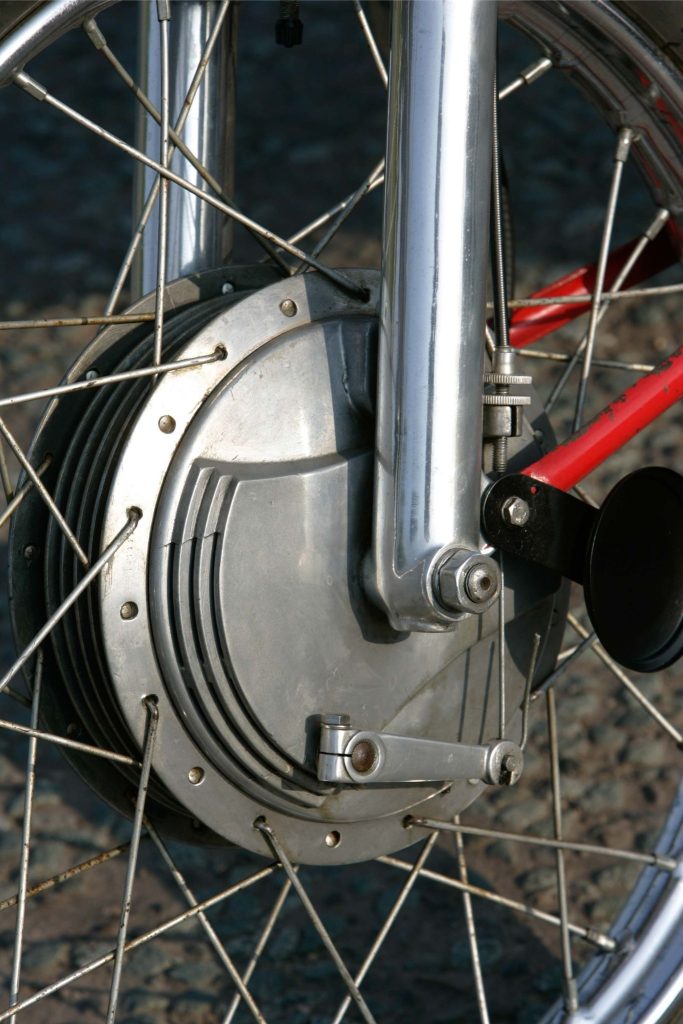
There was plenty more to the Tresette Sprint, too. Its engine, still of 172cc capacity, used high-compression piston and a bigger, 22.5mm Dell’Orto carburettor to produce 13.5bhp. And along with a distinctively curved petrol tank, new seat and tailpiece, the Sprint featured uprated front forks, full-width polished alloy brake hubs, new sidepanels and mudguards.
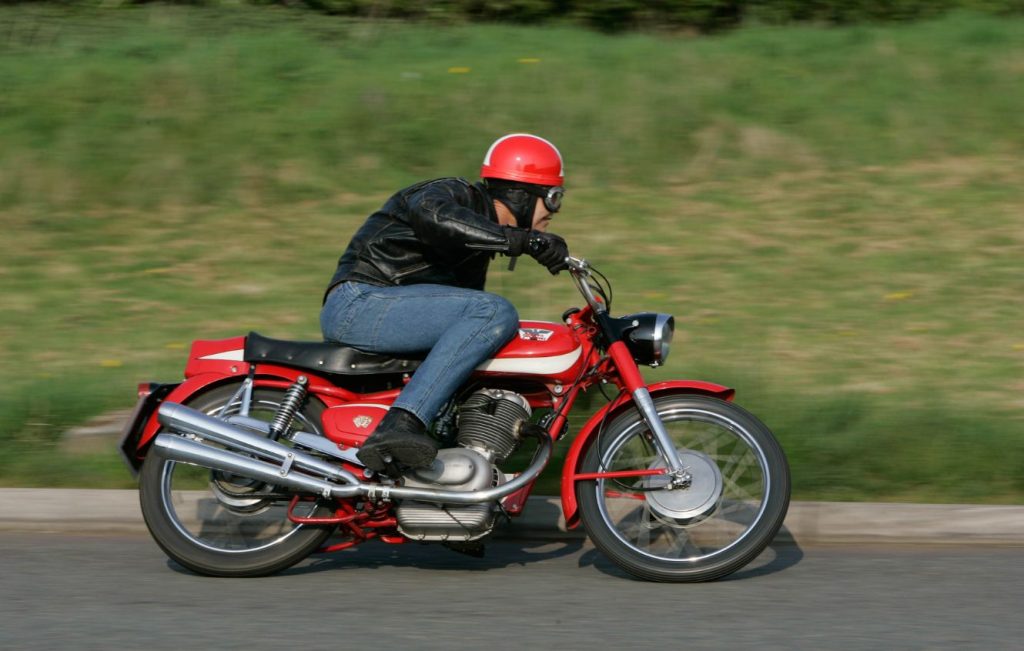
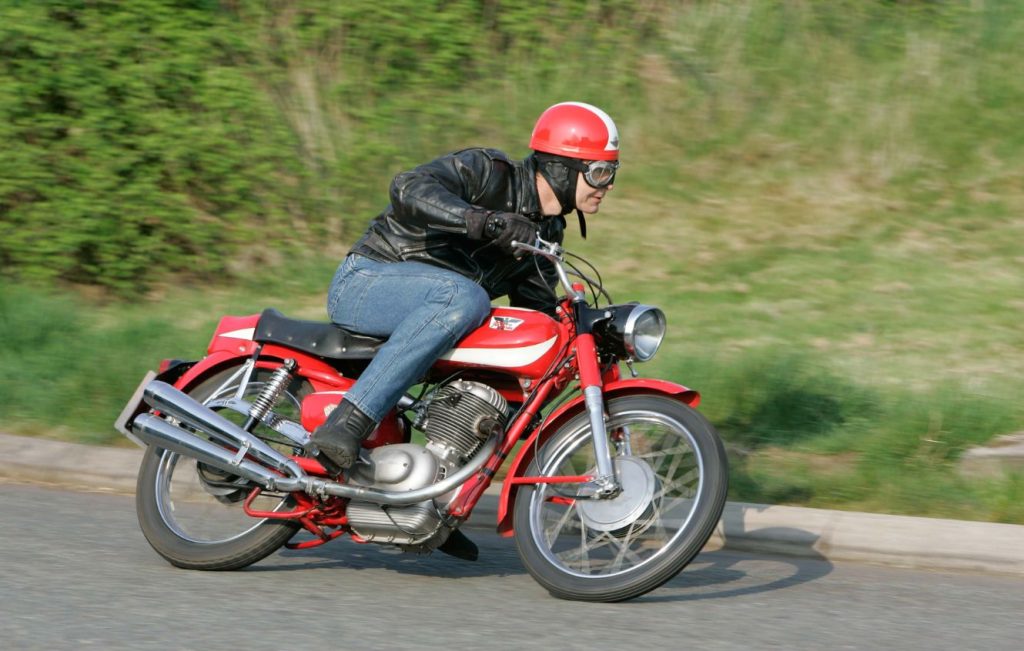
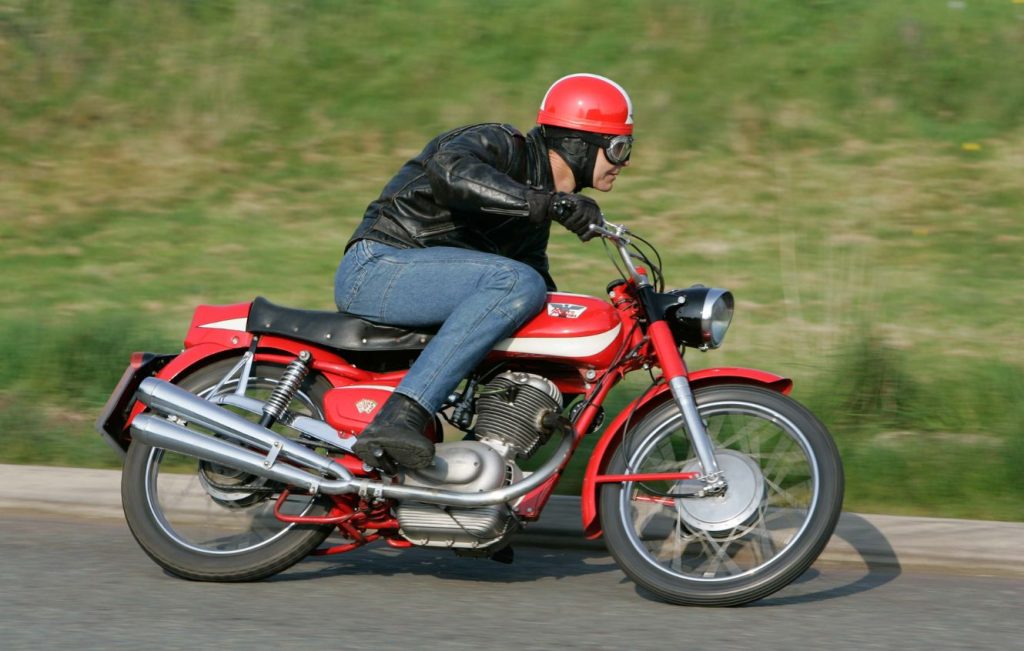
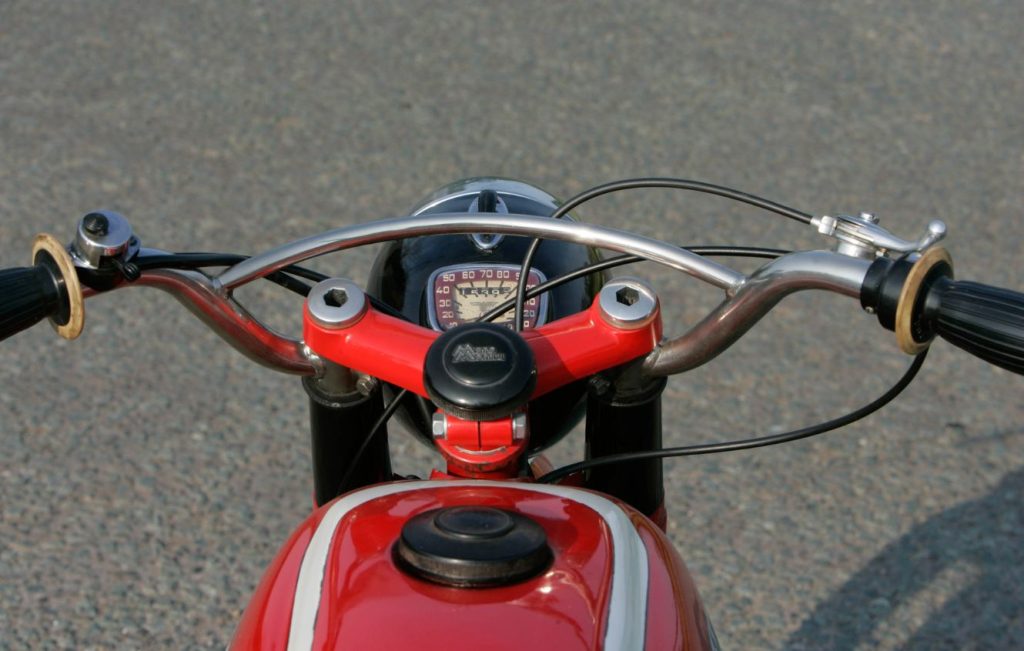
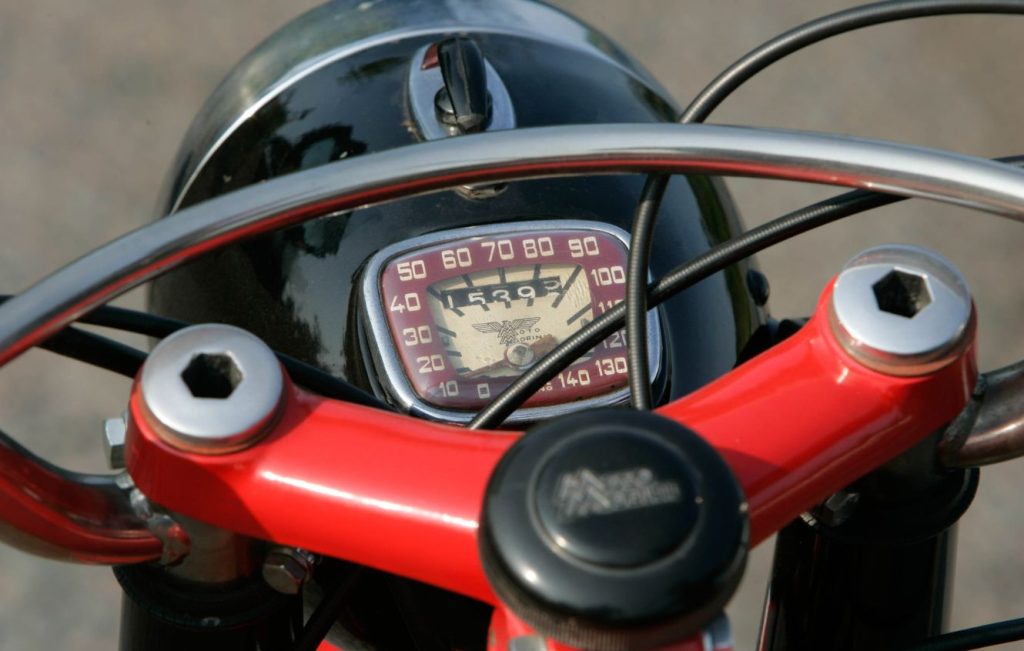
Most Sprints also had low, clip-on handlebars and a fly-screen, although some were built for the US market with a higher, one-piece handlebar. That might explain the origins of this very clean bike, which dated from 1965 and had barely more than 15,000km (9300 miles) showing on its odometer.
The chrome and its red-and-white paintwork were still in very good condition, though the sidepanel transfers, featuring the Tre Sette Sprint name above three playing cards, were well worn. The little bike started easily with a boot on the left-sided kickstart lever, its exhaust note thud-thudding gently through the eye-catching exhaust system.
The Sprint pulled away effortlessly enough, too, feeling very light and agile as it accelerated away. Soon it was rumbling along pleasantly traffic-free country roads in the Midlands, its lanky rider feeling rather over-sized on the narrow seat, and glad that this bike’s raised bars gave a slightly more relaxed riding position than the normal clip-ons.
Not everything was as I’d have hoped, though; starting with the gearbox. Despite my best efforts with the heel-and-toe lever, the four-speed box was clonky, sometimes reluctant to find top, and seemed to have a neutral between every gear. Doubtless it didn’t help that the clutch was dragging slightly, and got worse as the motor got hot.
At least the Sprint pulled crisply from low revs, thanks to that unfiltered Dell’Orto with its big polished bellmouth. But the Morini motor was possibly a bit tired, because performance felt rather flat. Although the bike pulled pretty strongly until the needle of the small speedometer had reached about 50mph, it faded before reaching the 70mph that a Sprint was capable of when new.
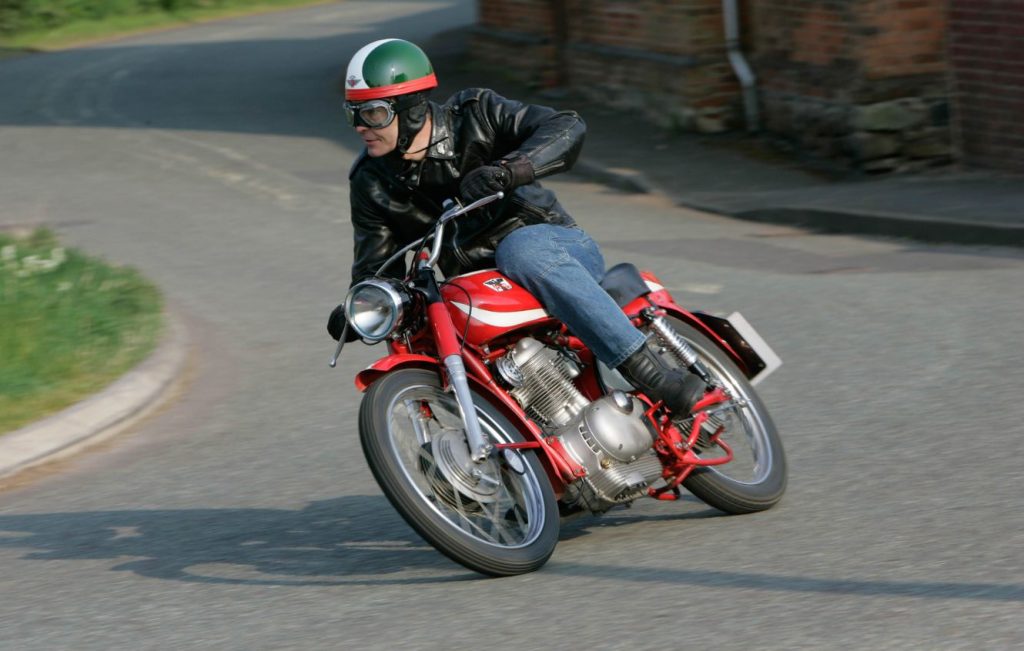
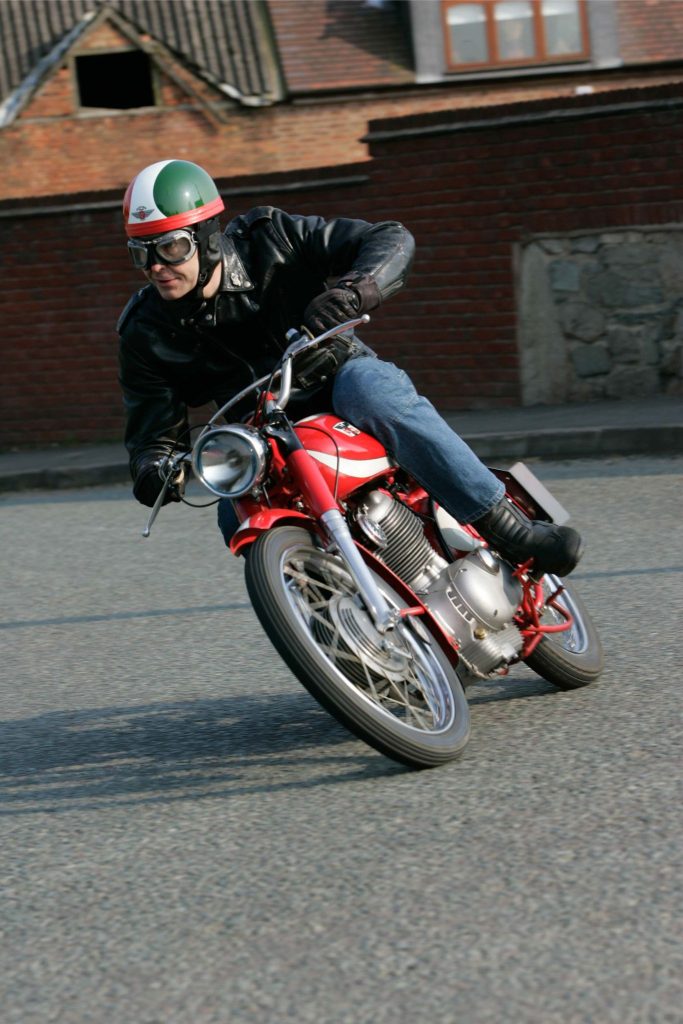
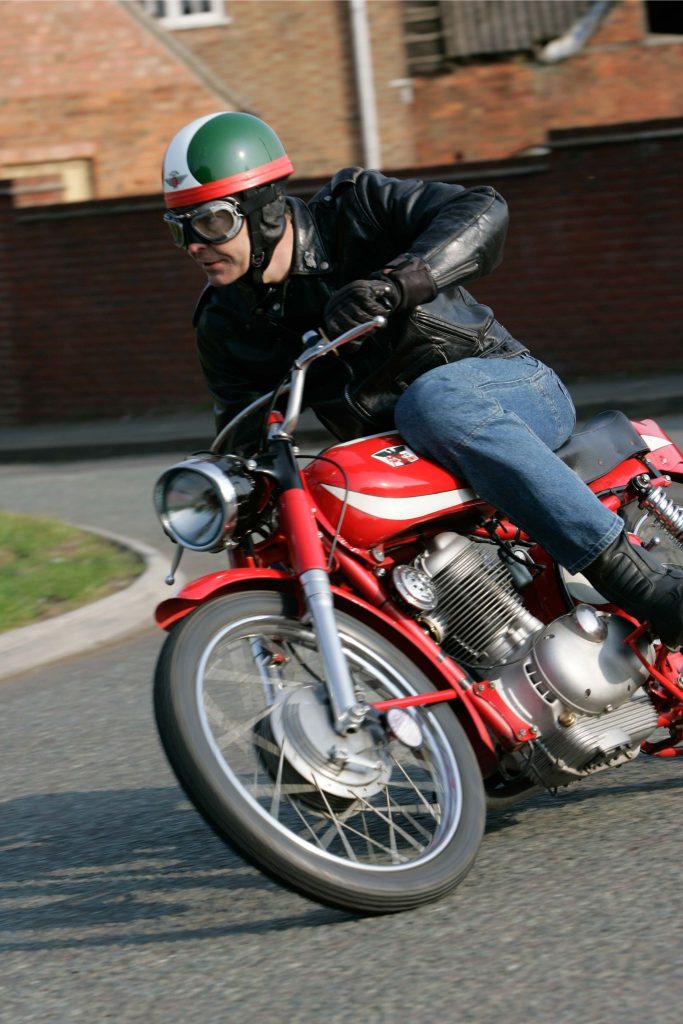
The chassis, on the other hand, lived up to expectations. The Morini’s lightness combined with the fairly firm but effective suspension to give superbly agile but stable handling. On those narrow, often bumpy lanes the Sprint could be flicked around effortlessly, its manoeuvrability boosted further by the wide handlebar. A gentle nudge was all I needed to steer round a pothole or tighten my line through a bend.
On a dry day the narrow Pirelli tyres weren’t unduly stressed, especially by a single-leading-shoe front drum brake that required a firm squeeze of the lever to generate much stopping power. Fortunately the similar rear drum was notably more powerful.
I would have been keen to overhaul the front stopper before charging down through a series of hairpins in the Apennines during the Motogiro or Milano-Taranto, both of which live on as non-competitive recreations of the old races. But for my relatively flat and gentle ride the Sprint was well up to the job.
This sweet little red-and-white single certainly showed enough potential to explain why Morini bikes scored class victories in those epic events of seven decades ago. With a bit of engine and chassis preparation it would doubtless make a superb bike on which to take part in the modern recreations.
Caning a well set-up Tresette Sprint through Italy for a week would be an exhilarating experience, if not a particularly comfortable one. It would also be a fine way to appreciate the achievements of Alfonso Morini, whose series of playing-card singles included some of the fastest and best-engineered bikes of their day.
Do you own a Morini Tresette Sprint? Perhaps you’ve ridden one and have fond memories you’d like to share? We’d love to hear all about them in the comments below.