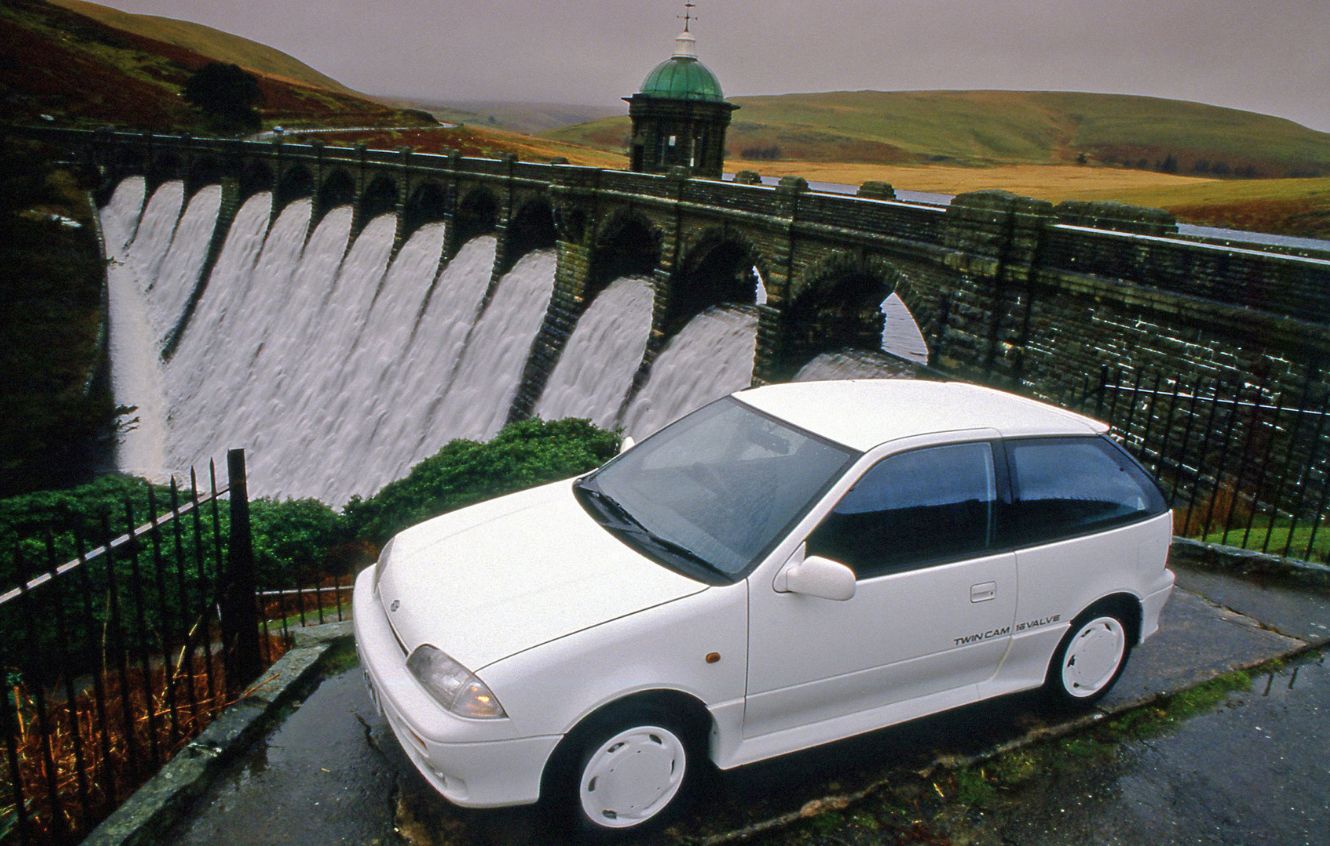
History often dictates that the Europeans owned the hot hatch market in the 1980s and 1990s. We fetishise the Peugeot 205 GTI, write endless poetry about the Mk2 Volkswagen Golf GTI and laud the Renault Clio Williams as the absolute pinnacle of front-wheel-drive dynamics. But while the French and Germans were refining the template, the Japanese were treating the hot hatchback like a technological arms race.
Where Europe relied on capacity and lightness, Japan brought motorsport wizardry to the British high street. They gave us soaring twin-cam architectures, miniaturised turbochargers, four-wheel-drive homologation specials and variable valve timing systems that felt like pure witchcraft. Crucially, these weren’t just grey imports. These were cars you could walk into a UK main dealer and buy brand new.

Here are five of the most compelling, effervescent and brilliant Japanese hot hatches of the era and exactly what you need to know before putting one on your driveway today.
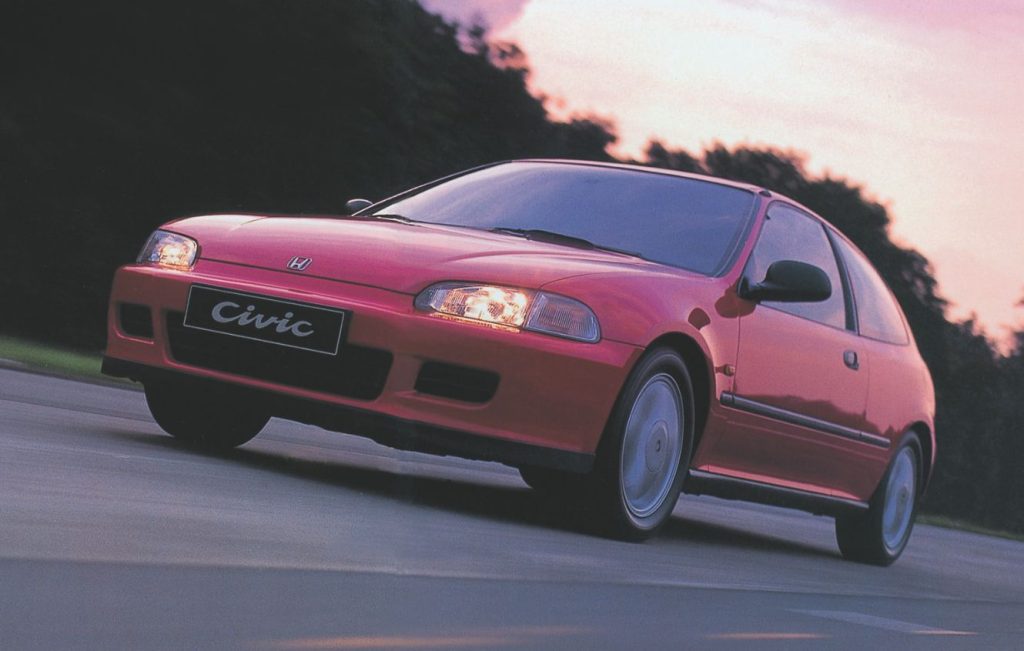
Honda Civic 1.6 VTi (EG6) (1992 to 1995)
Why it’s great
If you want to understand the absolute zenith of naturally aspirated engine engineering in the 1990s, you need to drive an EG-generation Civic VTi. At its heart lies the legendary B16A engine. Below 5500rpm, it’s a perfectly polite, remarkably smooth shopping car. But bury the throttle, wait for the VTEC to engage and the entire character of the car shifts. The engine note hardens into an intoxicating metallic scream, surging forward with a frenetic urgency all the way to an 8000rpm redline. Mated to a beautifully slick five-speed gearbox and sophisticated double-wishbone suspension at all four corners, the VTi feels like a touring car that somehow escaped onto the public road.
What to look out for
Finding an unmodified, unmolested example is your biggest hurdle, a vast majority fell victim to the early-2000s modifying scene. But the ultimate enemy is rust. Rear wheel arches are notorious for bubbling, as are the sills and the trailing arm mounting points underneath. Mechanically, the B16 engine is phenomenally strong if serviced, but it must have clean, high-quality oil to operate the VTEC system properly. Check for a crunch when shifting quickly from second to third gear, weak synchromesh is a common trait of a hard-driven Honda.
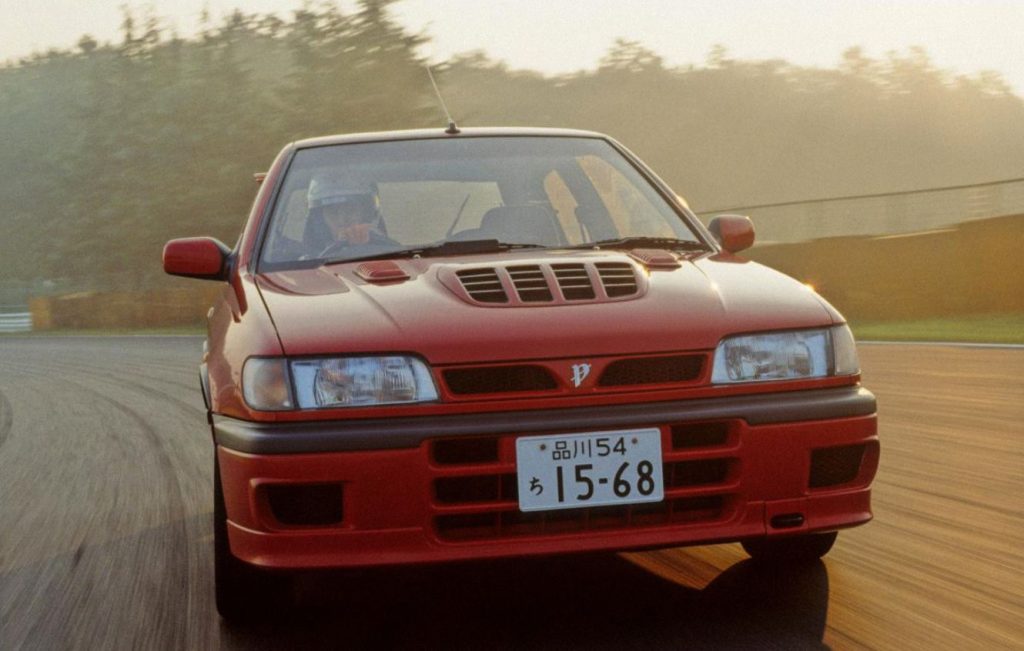
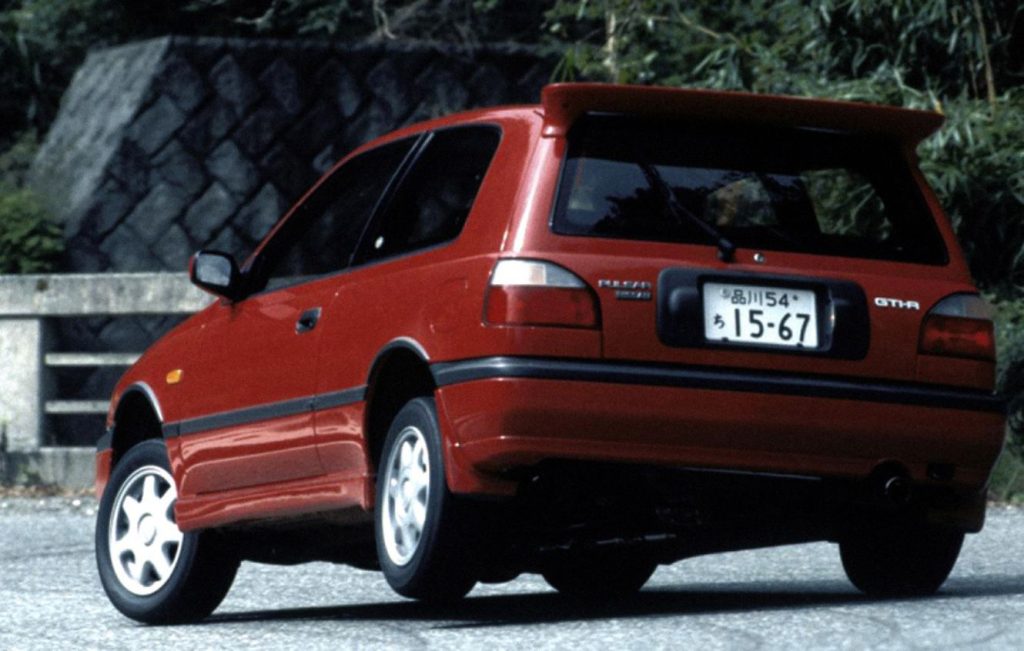
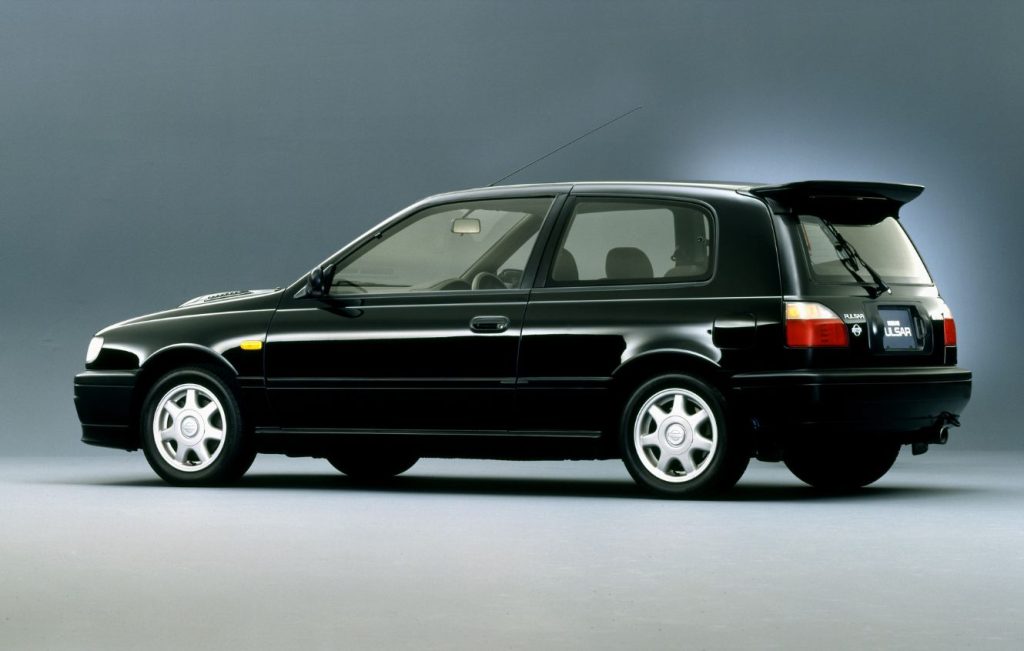
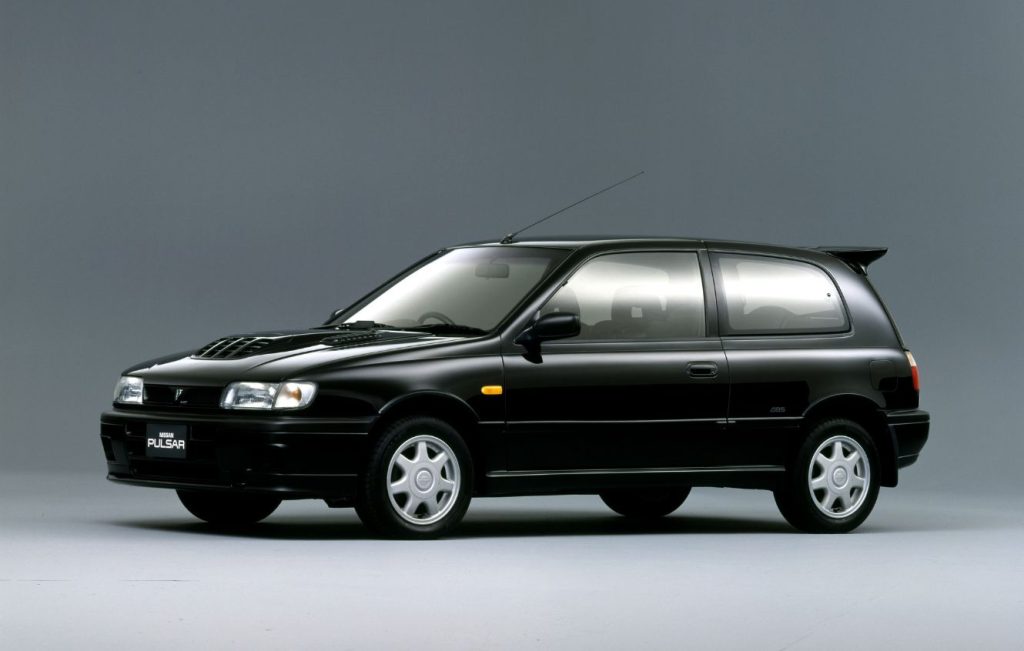
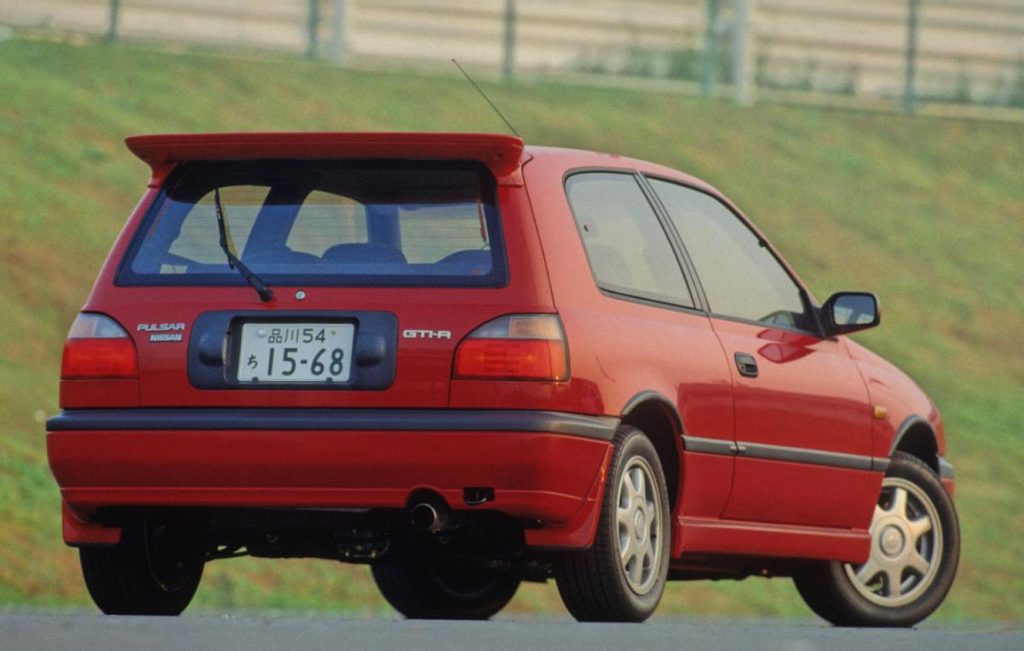
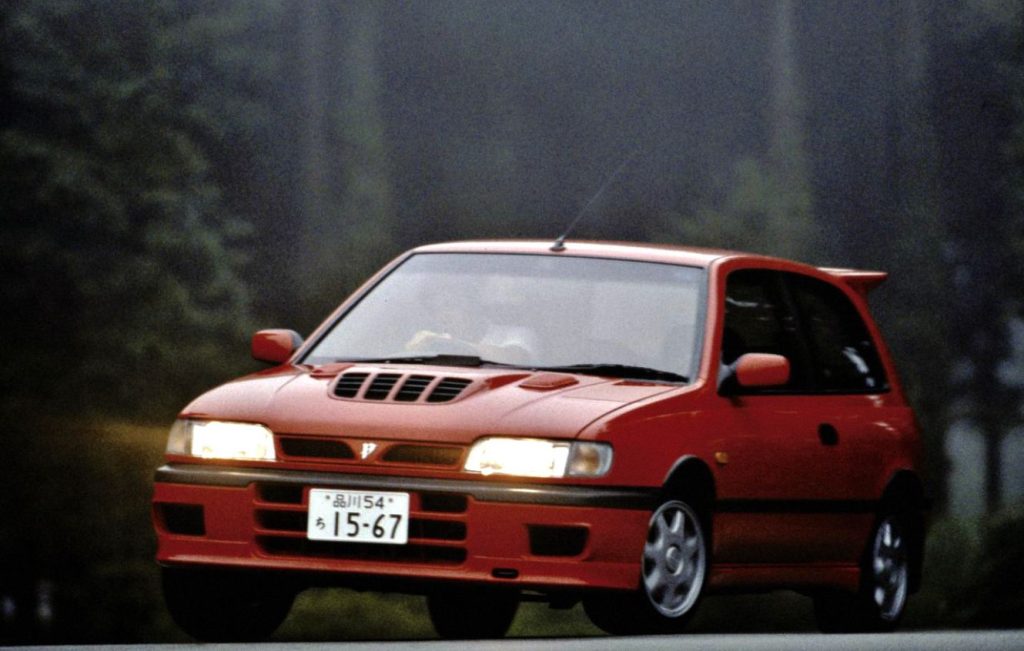
Nissan Sunny GTi-R (1992 to 1994)
Why it’s great
The Sunny GTi-R is a Group A rally homologation special stuffed into the body of an unassuming minicab. It is utterly unhinged, visually defined by a gargantuan bonnet scoop designed to force-feed a top-mounted intercooler. Underneath sits the revered 2.0-litre SR20DET turbocharged engine, sending 220bhp to the tarmac via Nissan’s ATTESA four-wheel-drive system. In the early 1990s, this thing could humble supercars away from the traffic lights. It is raw, raucous and deeply mechanical, you hear the transmission whine, the turbo spool and the wastegate chatter as it absolutely pummels the road into submission. Nissan UK officially imported a limited run of these, making genuine UK cars a rare and prized asset today.
What to look out for
The gearbox is the GTi-R’s Achilles’ heel. It was barely strong enough for standard power, so if a previous owner has turned up the boost, and they usually have, the transmission casing can literally flex and shatter gear teeth. Upgraded gear sets are available but expensive. Furthermore, that massive bonnet scoop creates a high-pressure zone over the engine bay, meaning cooling can be an issue at low speeds, check for signs of overheating. Predictably, inspect the strut tops, rear arches and floorpans for serious corrosion.
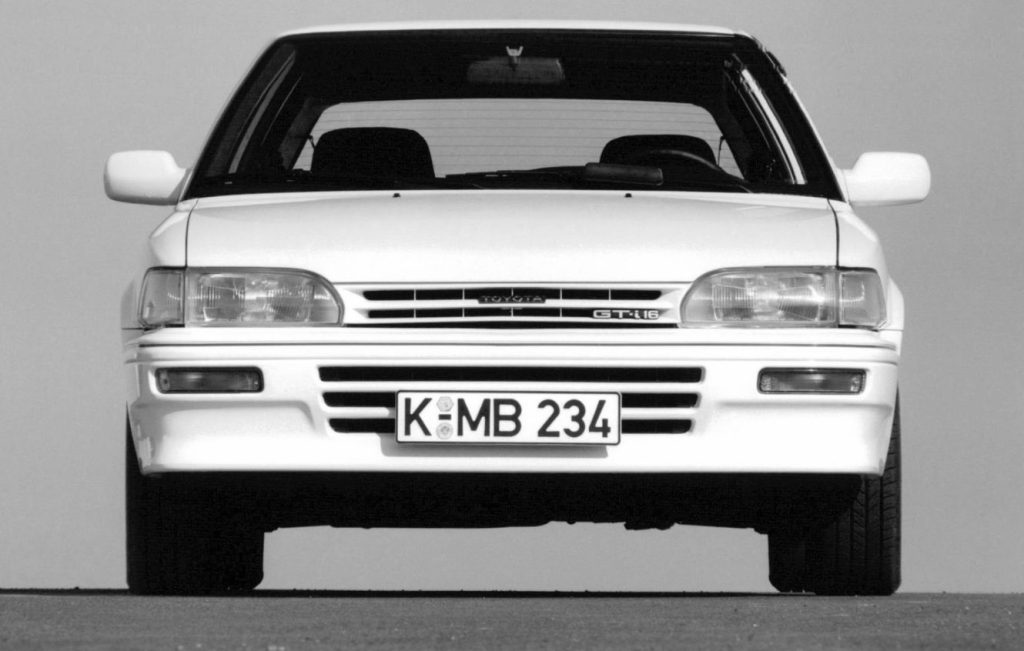
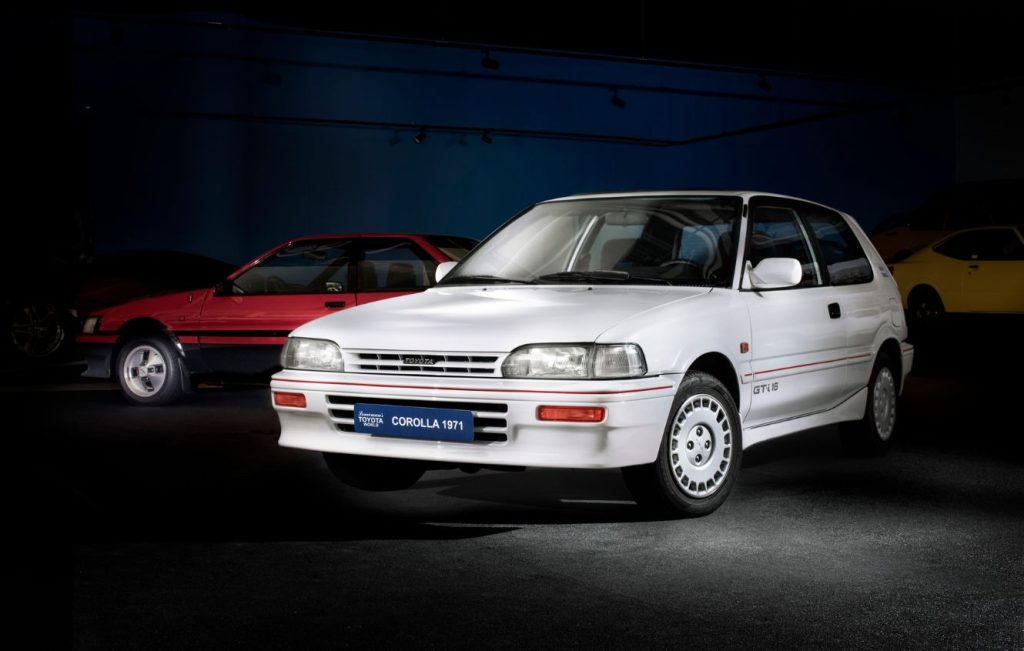
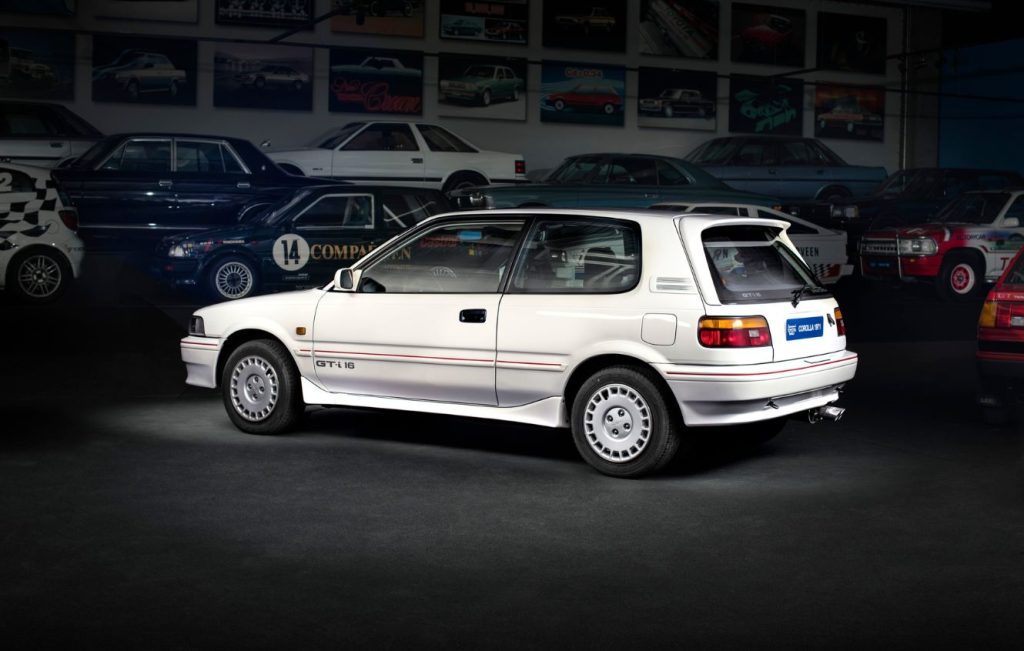
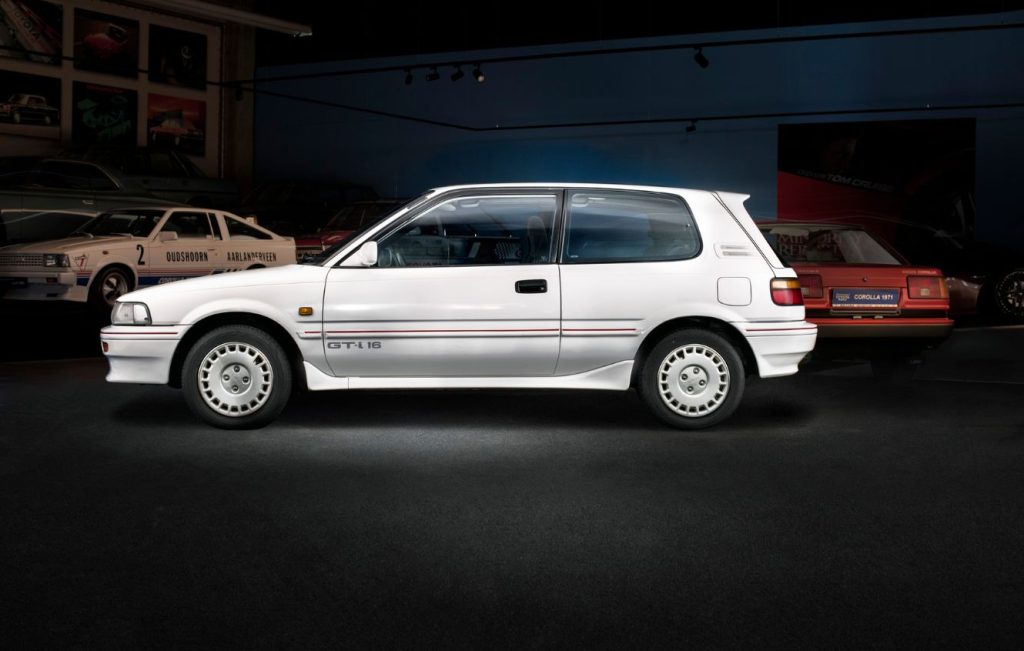
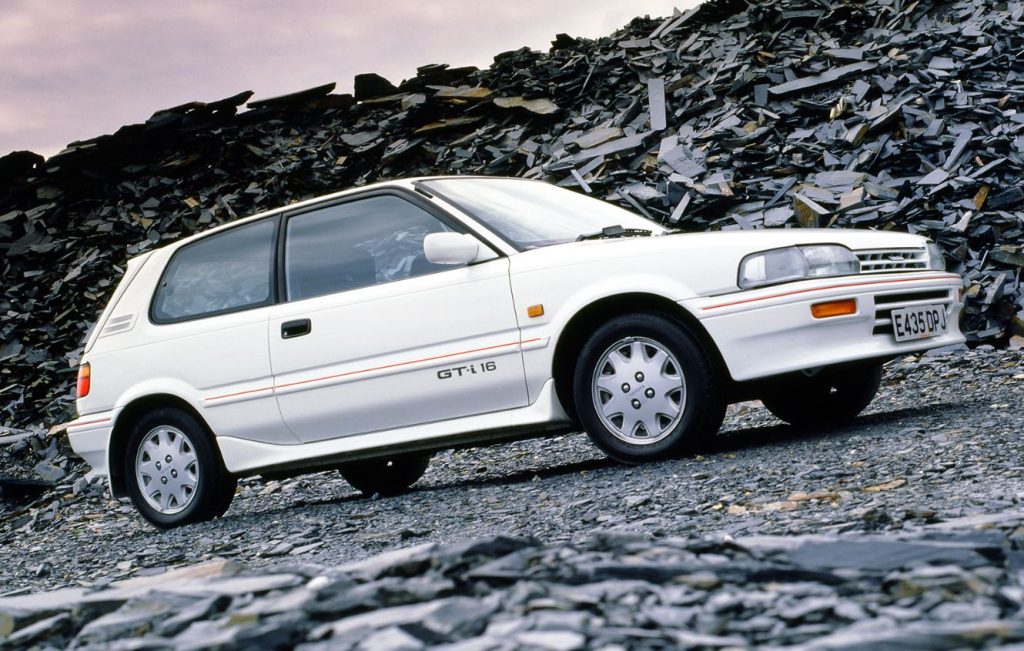
Toyota Corolla GTi-16 (AE92) (1987 to 1992)
Why it’s great
While the rear-wheel-drive AE86 Corolla gets all the drift-tax glory today, its front-wheel-drive successor, the AE92, was actually the car that took the fight to the Golf GTI in the UK showroom. Its party piece was the 1.6-litre 4A-GE twin-cam engine, the same block found in the early MR2. While it didn’t have the outright low-down torque of its European rivals, it loved to be wrung out, fizzing enthusiastically to a 7500rpm redline. Wrapped in sharply creased, delightfully boxy late-1980s styling, the AE92 was dependable, chuckable and offered a crisper, more precise gearshift than virtually any European rival.
What to look out for
These cars were so reliable that they were often driven into the ground by owners who neglected basic maintenance. The 4A-GE engine is incredibly robust, but check for blue smoke on the overrun, which indicates worn valve stem seals. The C52 five-speed gearbox can suffer from fifth-gear pop-out on high-mileage examples. However, your main focus should be the bodywork. Check the lower doors, the sunroof surround, the boot floor and the suspension turrets for the dreaded tin-worm.
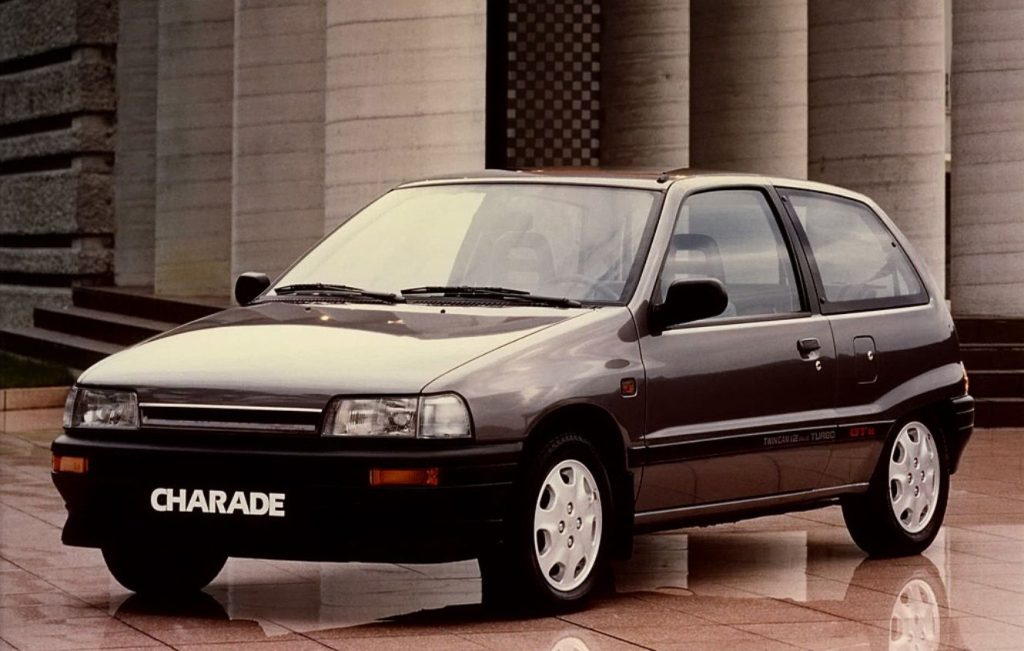
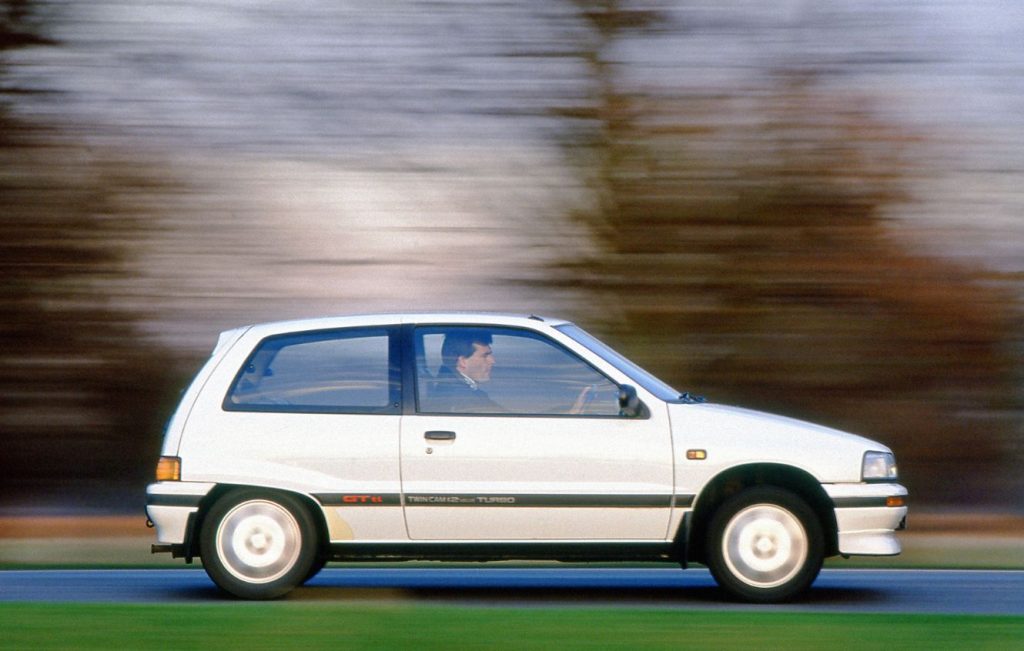
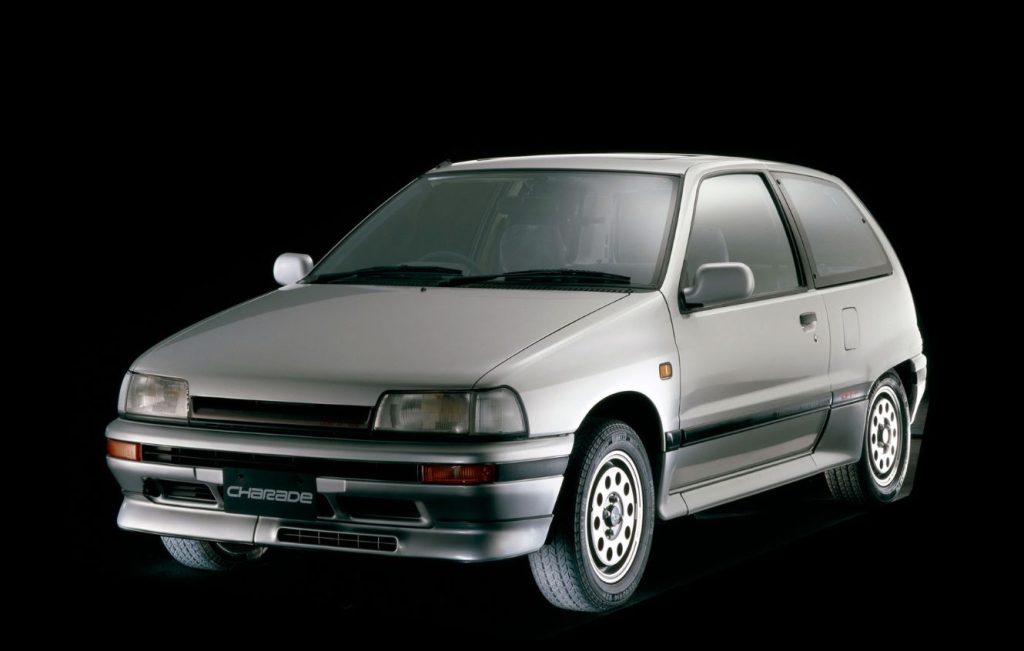
Daihatsu Charade GTti (1987 to 1993)
Why it’s great
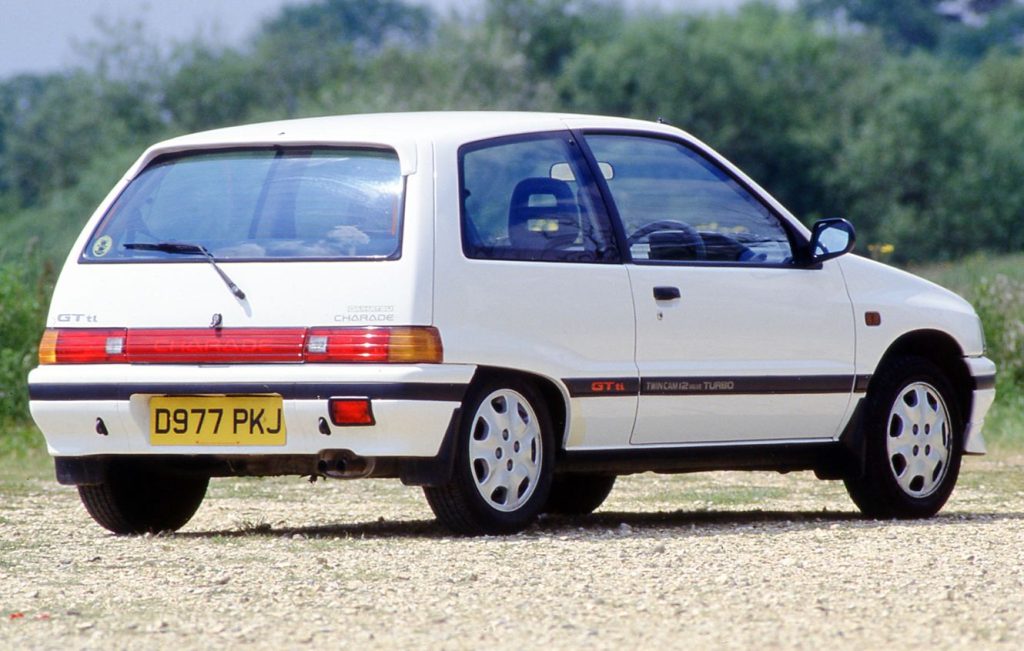
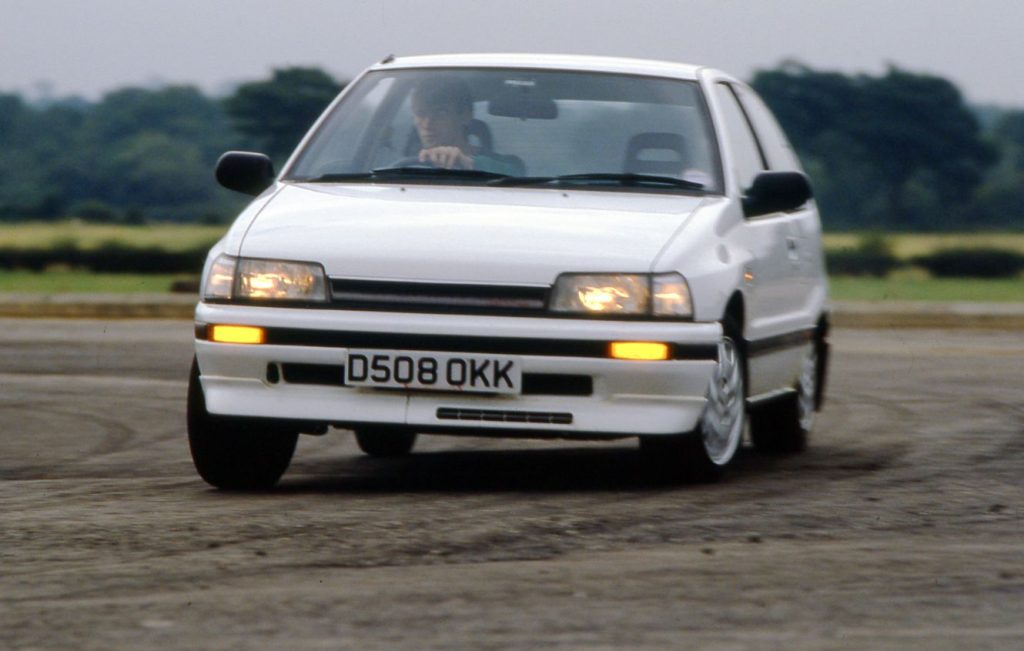
The Charade GTti is a monumental feat of packaging and a true giant-slayer. Daihatsu engineers took a microscopic 993cc, three-cylinder engine, fitted it with twin camshafts, twelve valves and an intercooled turbocharger. The result was 99bhp in a car that weighed a scant 810kg. It was among the first small-capacity production cars to achieve 100bhp per litre. On a tight B-road, the GTti is an absolute riot. The three-cylinder engine has a brilliant, offbeat thrum that mimics a half-sized Porsche 911, and the sudden, hilarious shove of boost makes it feel significantly faster than its on-paper figures suggest.
What to look out for
Scarcity is the biggest issue, there are only a handful left on UK roads. If you find one, parts availability is a genuine headache, so you’ll spend a lot of time on international forums hunting down trim pieces. Mechanically, the tiny turbocharger works incredibly hard, look for white smoke under load, which suggests the turbo seals are on their way out. The aluminium cylinder head can also warp if the cooling system hasn’t been strictly maintained, so check for signs of head gasket failure, mayonnaise-like residue under the oil cap or pressurised coolant hoses.

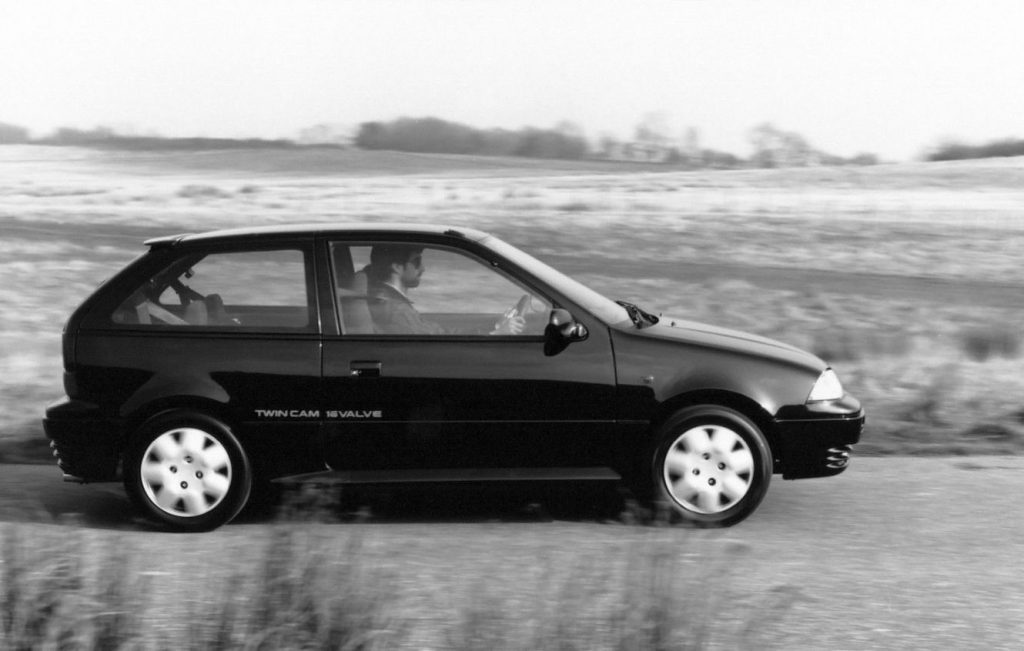
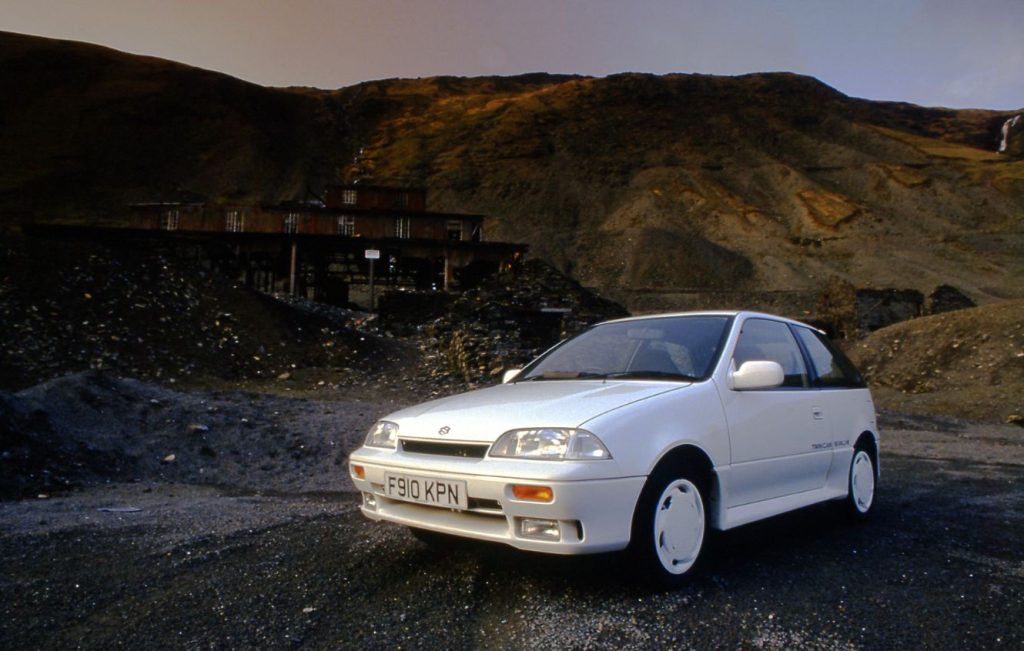
Suzuki Swift GTi Mk2 (1989 to 1991)
Why it’s great
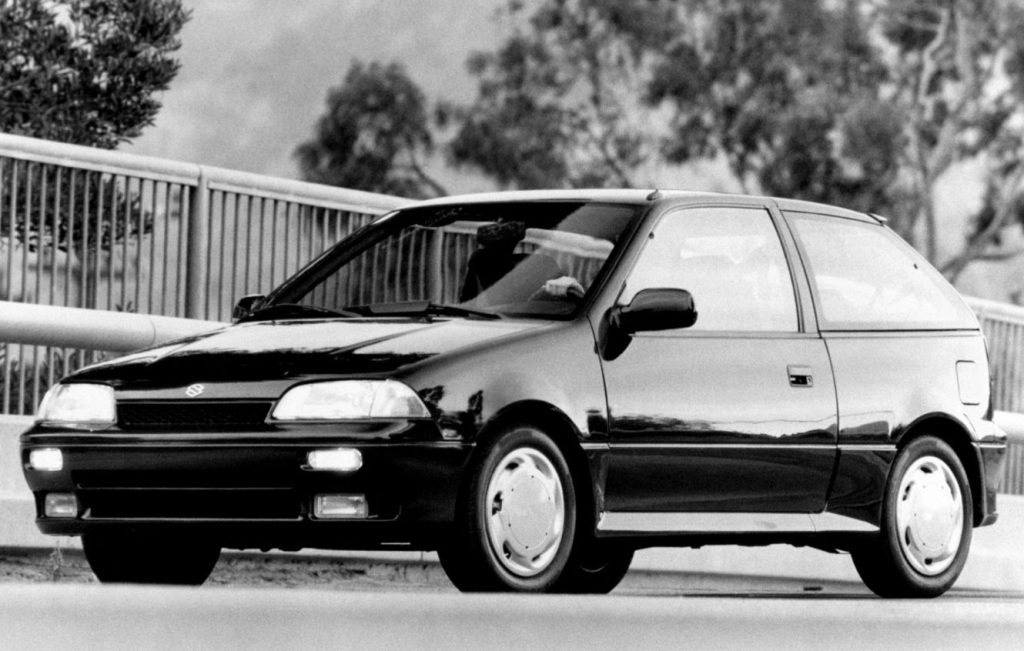
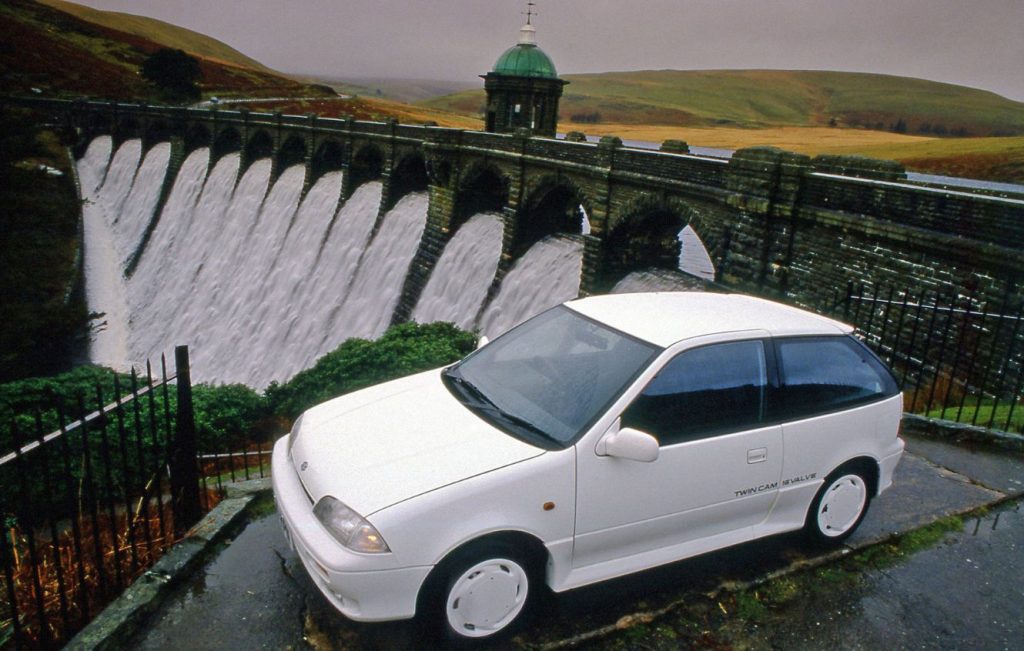
If you want to experience the thrill of a stripped-out track car at perfectly legal road speeds, the Suzuki Swift GTi is the answer. It is minimalism in motion. Weighing well under 800kg, it featured a naturally aspirated 1.3-litre, 16-valve twin-cam engine producing 100bhp. Because it had absolutely no mass to move, it felt incredibly frantic, darting into corners like a terrier chasing a tennis ball. The engine is a masterpiece of friction reduction, spinning up so freely that you find yourself blipping the throttle at traffic lights just for the joy of it. It’s a pure, unadulterated momentum car.
What to look out for
Build quality was paper-thin to achieve that kerb weight. The interior plastics will squeak, rattle and crack, while the seat bolsters wear out incredibly fast. Rust is, yet again, a massive concern, check the sills, the floorpans and the areas around the fuel filler neck. Mechanically, the G13B engine is tough, but listen for ticking from the hydraulic lifters, which usually points to infrequent oil changes. Also, check the exhaust manifold for cracks, as replacements are becoming increasingly difficult to source.
Which Japanese hot hatch would you choose?
Insure your classic with a specialist insurer
If you’re looking for cover for your pride and joy, why not consider Hagerty UK? Not only are we classic car insurance specialists, but we are enthusiasts at heart. Call us for a quote on 0333 323 1138.