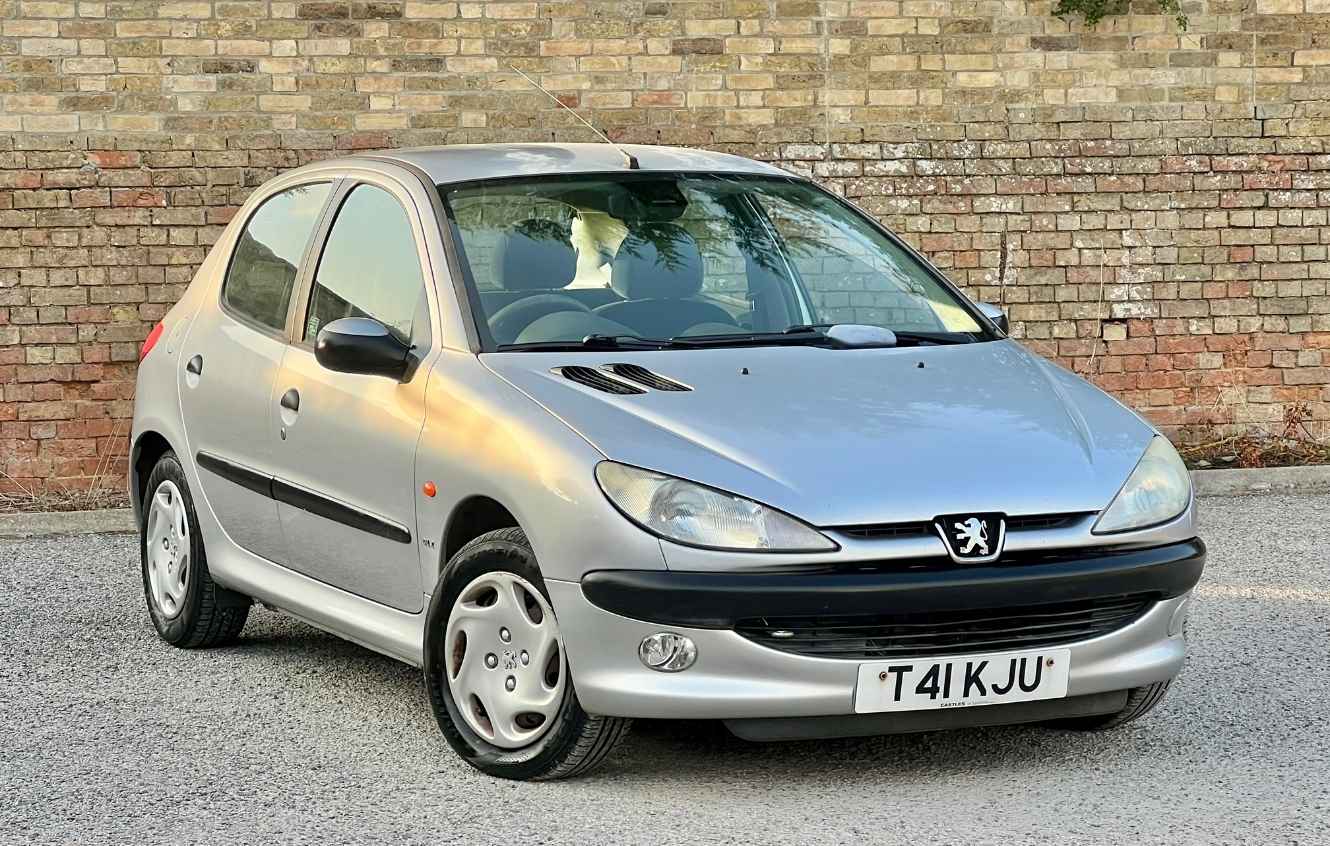
Words and photos: Craig Cheetham
With 15 million units built, the TU lasted 30 years. Here’s 10 of the best cars to use the engine.
Sometimes, simplicity is best, and if you wanted proof then the Peugeot-Citroën TU engine is it – a straightforward, belt-driven inline four with a maximum capacity of 1.6-litres, the unit had an alloy block and weighed just 75kg in its lightest form.
The unit made its debut in the Citroën AX in 1986, before being expanded to the rest of the PSA small-to-medium car range soon after – notably the Peugeot 205 and 309, plus the Citroën BX. It went on to become one of the most prolific engines globally, even spawning a diesel that was used by other manufacturers including Rover, Nissan, Tata and Suzuki.
It was most prevalent in non-diesel form, though. Here’s our pick of the best TU-powered petrol cars.

Citroën AX
Introduced at the end of 1986, the AX was a new sub-supermini that both did and didn’t replace the Visa, in a typically haphazard and French fashion. It remained in production until the (also TU-propelled) Saxo came along in 1996.
The entire AX engine range was TU-based, from the entry-level 954cc four-speed 10E model right up to the 1.4GT and later fuel-injected GTi. The 1.1 models represent a sweet spot, but the original AX GT is a car of legend, both beautifully balanced and huge fun to drive.

Citroën ZX
Just like the AX, the ZX was partly a replacement for the BX and partly not, insofar as it superceded some models in the line-up, but not others. It was more conventional than the BX both in size, as a direct Escort/Golf/Astra rival, and in its engineering, with no hydraulic suspension circuitry.
That’s not to denigrate the platform, though, which saw the first application of PSA’s new mid-size floorpan, later seen on the Peugeot 306 and Citroën Xsara and one of the best-handling of its era. The TU powered most entry-level 306s in 1.4-litre, 1,360cc form, where it was surprisingly lively.
Peugeot 205
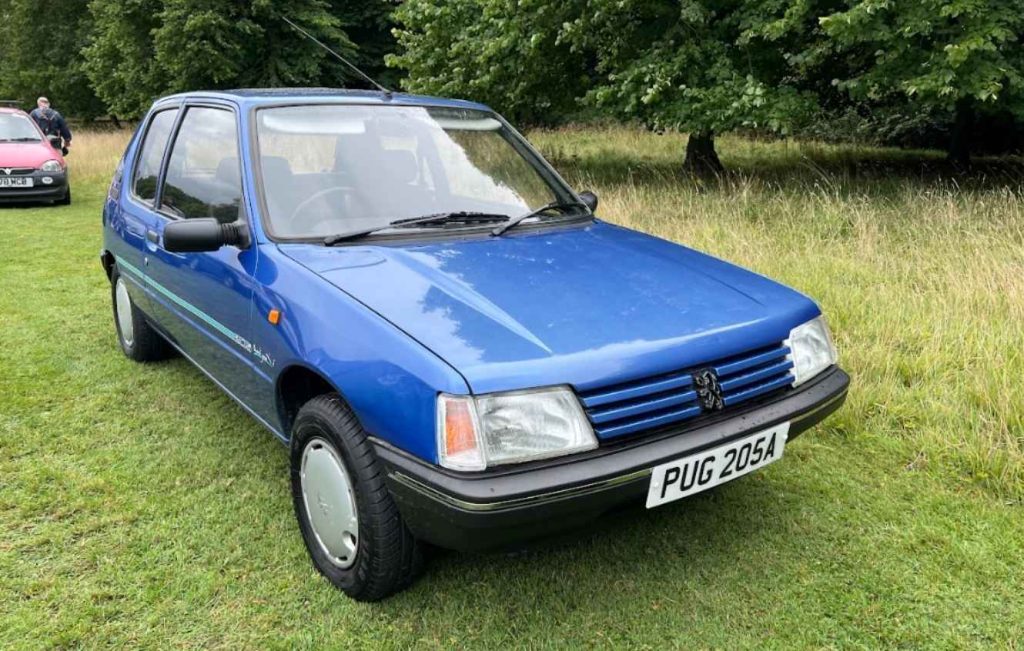
The TU replaced the previous generation X-engine, also known as ‘La Valise’ or ‘The Suitcase’ because of its canted angle making it look like it had been placed sideways in the engine bay.
In 1987, it transformed the already excellent 205 into arguably the best supermini of its time – the new, modern and efficient engine lifting it above the equally brilliant Fiat Uno. The TU engines in the 205 were the same as those in the AX, ranging from the 954cc entry level found in the Junior models to the 1.4 in XR and GR trim. The 1.1 with a five-speed gearbox was the most popular and arguably the best. In 1988, the 205 Rallye appeared with a 100bhp engine in a unique 1,296cc capacity – initially as a homologation special, but it became a cult car in its own right.
Peugeot 106
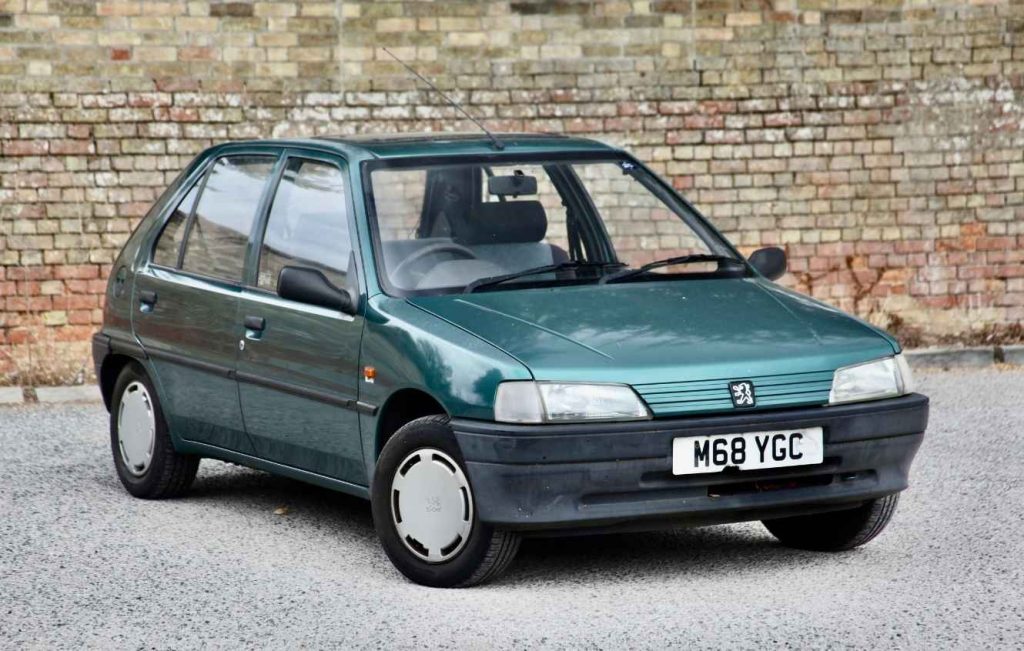
Following on from the Citroën AX and using the same platform, the Peugeot 106 came into the range below the 205 and replaced some of the lesser models in the line-up. At launch, the entire range was TU powered, in 1.0, 1.1 and 1.4-litre form, though some of the cars in the range were quite curiously trimmed – you could get a lowly XR trim with the 1.4 engine, for example, and it was really quite a laugh.
The 1.4XS and XSi models were superb fun and looked great with their fat arches, but the real hero of the range was the 106 Rallye, which used the 205’s Rallye’s 1,294cc version of the TU tuned to 100bhp. That might not sound a lot, but it was more than enough!
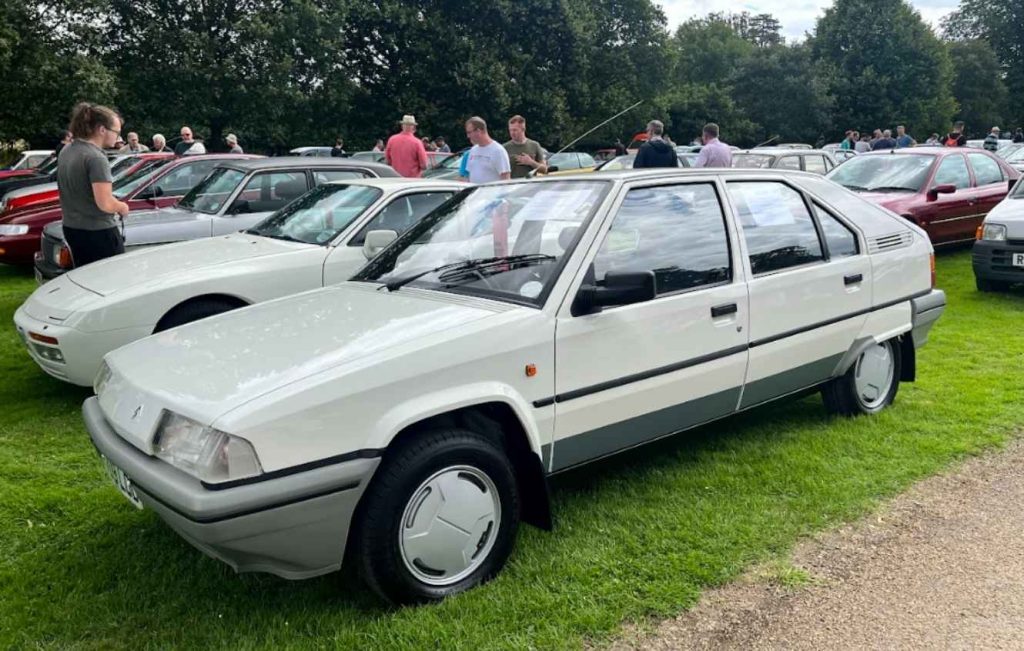
Citroën BX
As with the Peugeot 205, the BX used ‘X’ engines in the smaller capacity models, right up until the TU appeared in 1986, but only in the larger capacity 1.4-litre form as the car was considered too large for any other options.
Because the BX was one of the lighter cars in its class, helped by having a plastic bonnet and bootlid, the 75bhp TU felt fairly peppy and was a lot of fun to drive, while keen pricing meant it quickly became the best-seller in the range.
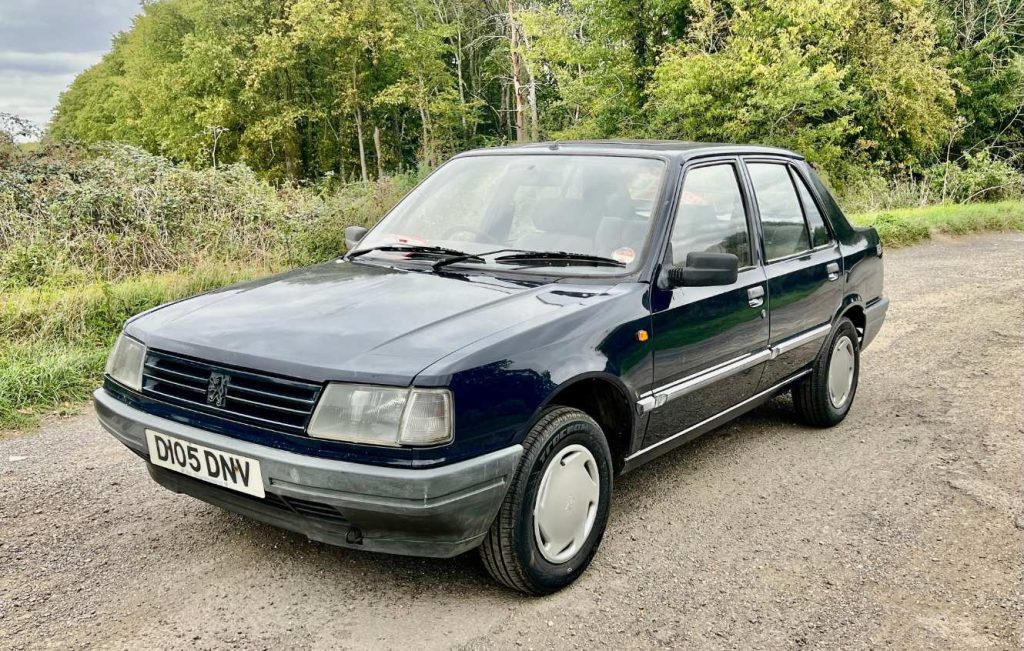
Peugeot 309
Originally planned as a Talbot, to be badged the Arizona, the 309 arrived in late 1985, with a last-minute decision to put it into production as a Peugeot after PSA and Talbot’s parent company, Chrysler, severed ties. It was based on the same floorpan and wheelbase as the 205, and used the same doors and forward part of the bodyshell.
Built at the Ryton factory in Coventry, the 309 began life with the 1.1 and 1.3-litre engines carried over from the Horizon, but in early 1987 the 1.1 was replaced with the TU, and the 1.4 TU was slotted in above the 1.3. It transformed the 309 in the mid-size hatchback class and, ironically, became one of Peugeot’s best-selling models despite its accidental arrival.
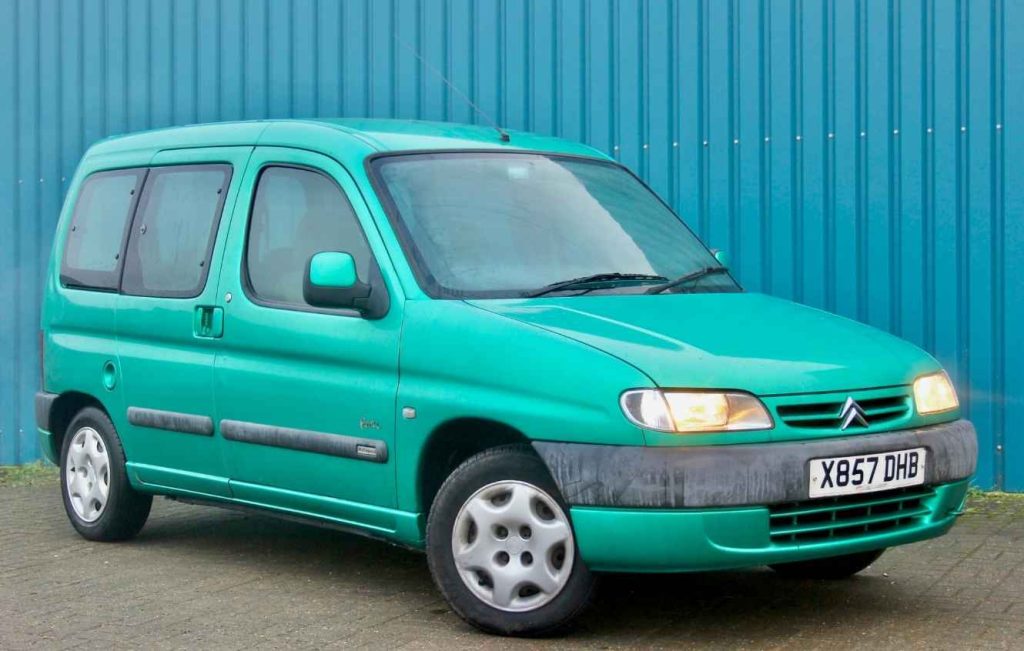
Citroën Berlingo/Peugeot Partner
The 1996 arrival of the PSA’s small van range, the Citroën Berlingo and Peugeot Partner, also spawned a range of passenger models that quickly developed a cult following, not least because of praise heaped on the Citroën variant by Jeremy Clarkson on BBC Top Gear.
You might think that the 1.4 TU was a bit out of its depth in a van body but it wasn’t – after all, the Berlingo and Partner shared their underpinnings with the Citroën ZX and Peugeot 306, in which the engine excelled. With sliding rear doors and bags of headroom, the pairing were French family cars in the truest tradition.
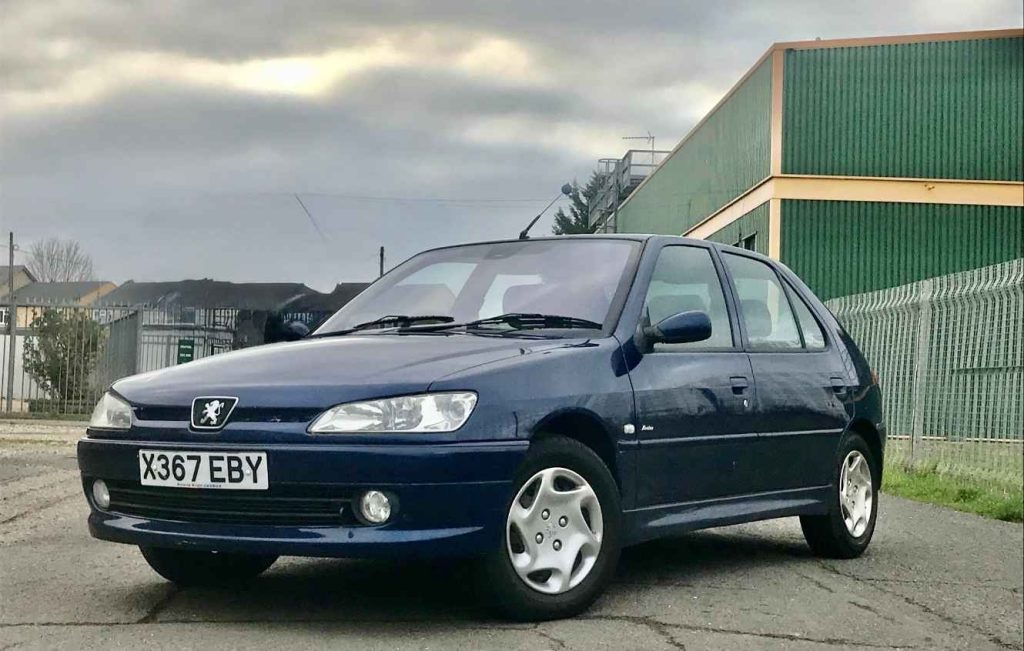
Peugeot 306
Spun off the Citroën ZX platform, the 306 was very much in the same mould, but with three more years of development behind it when it replaced the 309 in 1993. Also built in Ryton, like the 309, the 306 was a class-leader, with exceptional ride quality, a roomy cabin and impressive levels of comfort.
The only TU on offer was the 1.4, but it quickly became the best-selling engine in the range thanks to a free-revving nature that allowed it to punch well above its weight, while tall gearing meant it was a decent motorway cruiser to boot. A 1997 facelift kept it fresh, with sales finally coming to an end in 2002, replaced by the far inferior 307.

Citroën Xsara
The ZX had been something of a sensation in the compact family car market, so the Xsara had a tough act to follow – one that wasn’t helped by having an unpronounceable name, nor the classic elegance of the ZX’s angular but alluring styling. As a result, it never really achieved the recognition it deserved – disappearing into a black hole of blandness that was largely underserved.
After all, it had the very same chassis and mechanical make-up as the exceptional Peugeot 306, while three-door models had an almost-coupé aura to them. The 1.4 TU was the baby of the range, somehow best-appreciated in comically basic ‘X’ trim, which came with keep-fit windows and a singular electric mirror. How very French.
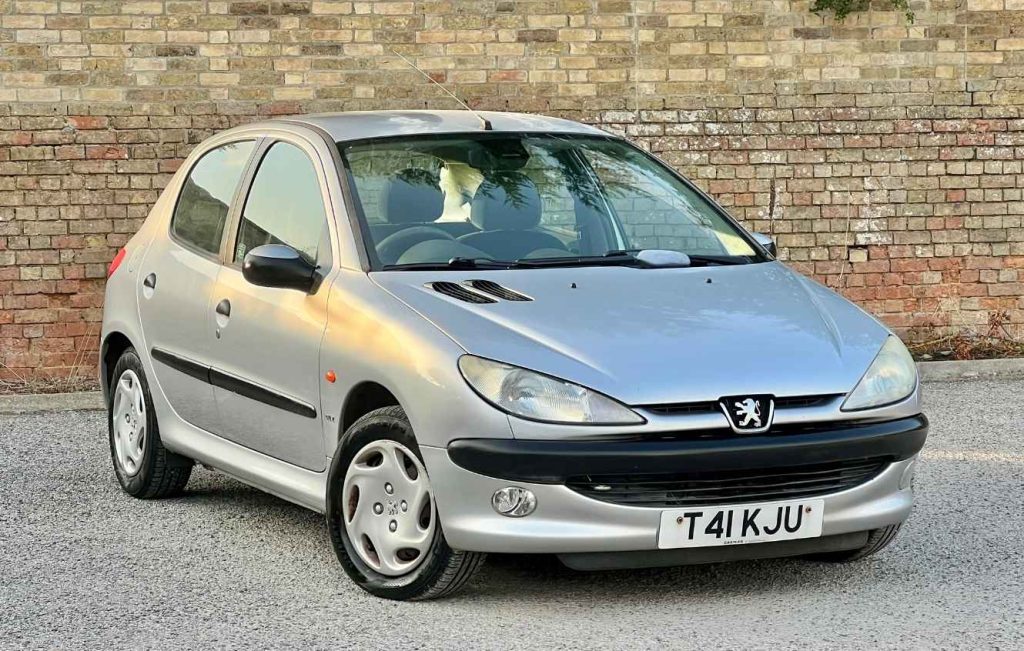
Peugeot 206
Replacing a legend is never easy, but that was the task assigned to the Peugeot 206 when it came out. Peugeot threw the entire weight of its marketing budget behind it, including a memorable advertising campaign which saw an Indian taxi being restyled into the shape of a 206 by an elephant – creativity that made up for some shortcomings, one majorly annoying one of which was a steering column universal joint that liked to chew your shoes up when you put the clutch in.
In the event, more 206s were made than 205s, from 1998 until 2024, when production finally ended in Iran and China. TU models were either 1.1 or 1.4 in flavour, and later the new 1.6-litre TU5 16v engine, which was the unit’s final fling.
The TU wasn’t glamorous, but it was everywhere. Which TU-powered Peugeot or Citroën do you remember most fondly? We’d love to hear from you in the comments below.
Classic car insurance from Hagerty
Keep your classic on the road with expert classic car insurance built by car lovers, for car lovers. Rated ‘Excellent’ on TrustPilot.