The AMG you’ve never heard of – the last of an era CL63 V12
There was a time when AMG cars felt like slightly unhinged interpretations of otherwise sensible Mercedes machinery. Not quite factory specials in the modern sense, but something closer to what might happen if an enthusiastic engineering department were left alone overnight with a few strong espressos.
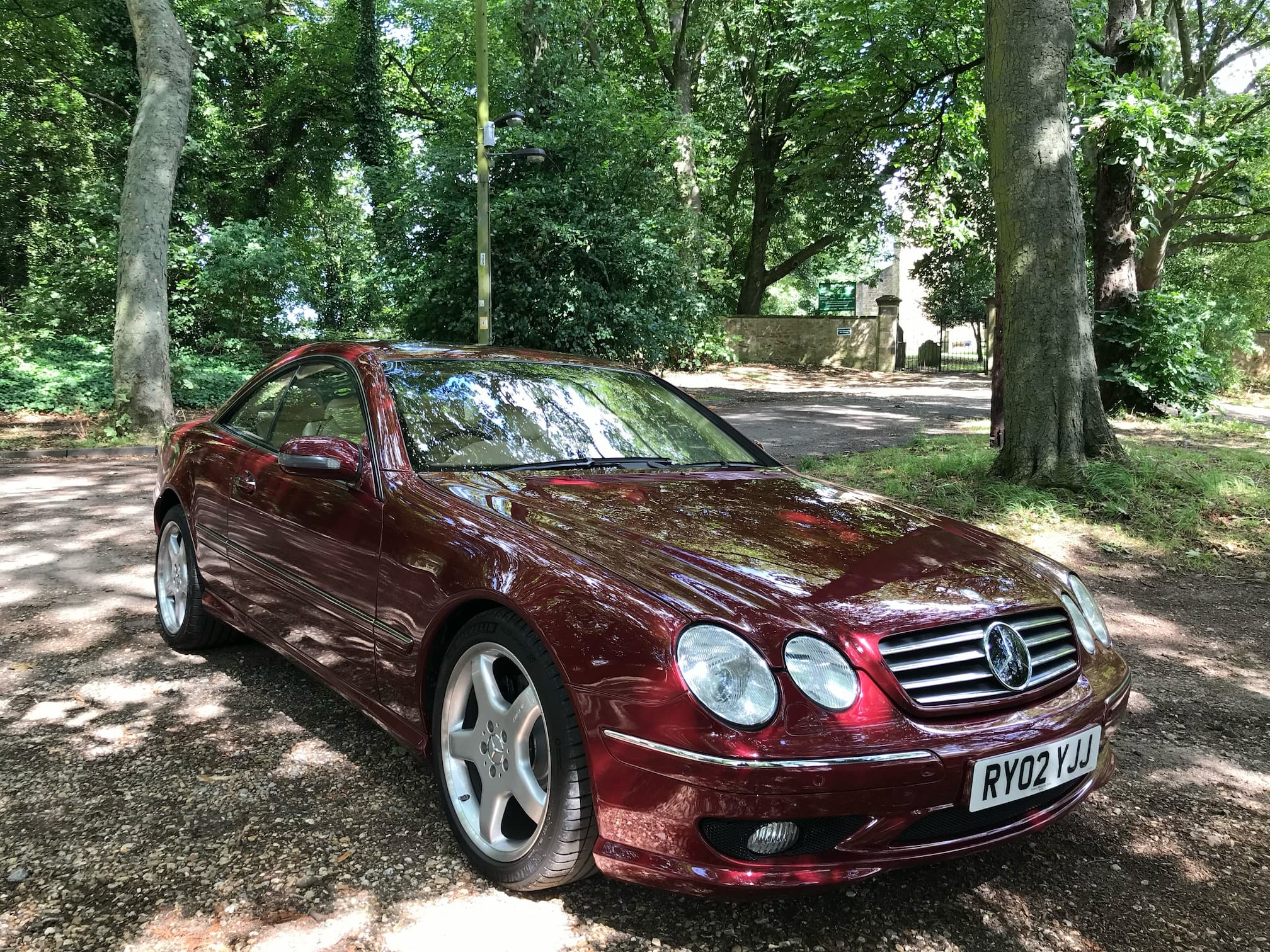
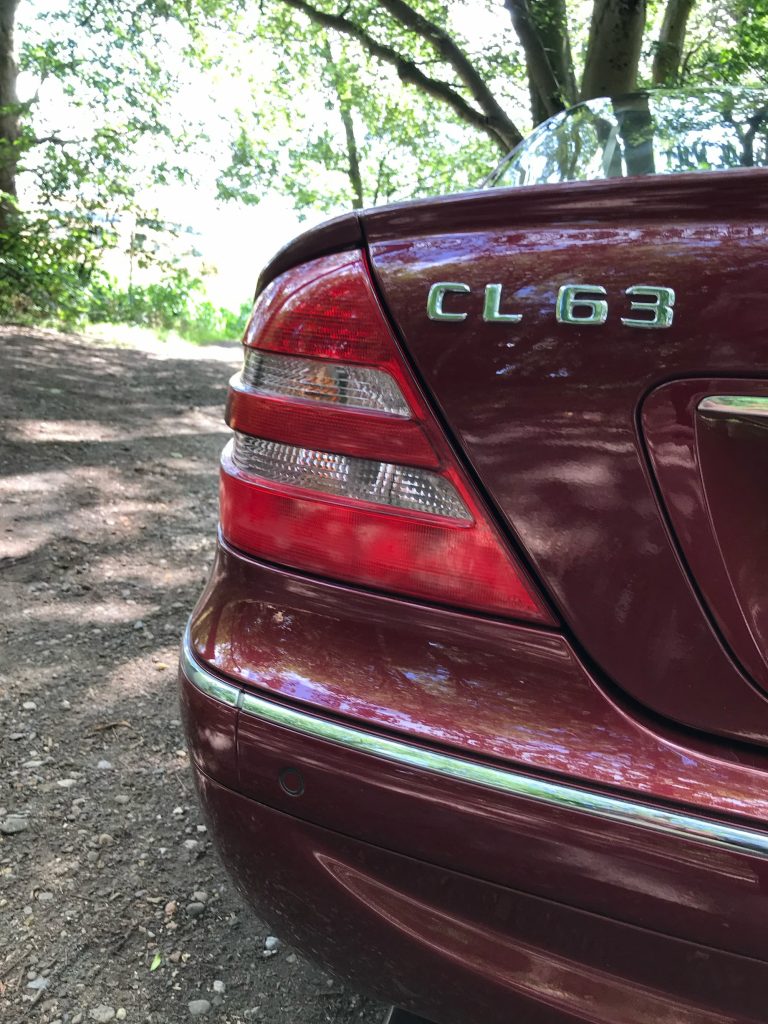
The 2001 Mercedes-Benz CL63 AMG belongs squarely to that era. Hang on, you might say — the CL63 is a V8. Nope. This one’s a naturally aspirated V12. Just 26 were built, and production lasted little more than a month.
It arrived at an interesting moment in AMG’s evolution. By the early 2000s the once-independent tuning house had been fully absorbed into the Mercedes-Benz corporate structure, and its products were becoming increasingly integrated into the official model range. Yet cars like the CL63 still retained something of AMG’s earlier spirit — large engines, subtle visual aggression and a slightly mischievous sense of excess.
Not long afterwards the philosophy would change. The supercharged and later bi-turbo monsters that followed — most famously the CL65 AMG — ushered in a new era of AMG: faster, louder and considerably more theatrical. The CL63 therefore occupies an unusual niche. It is both modern AMG and old AMG at the same time.
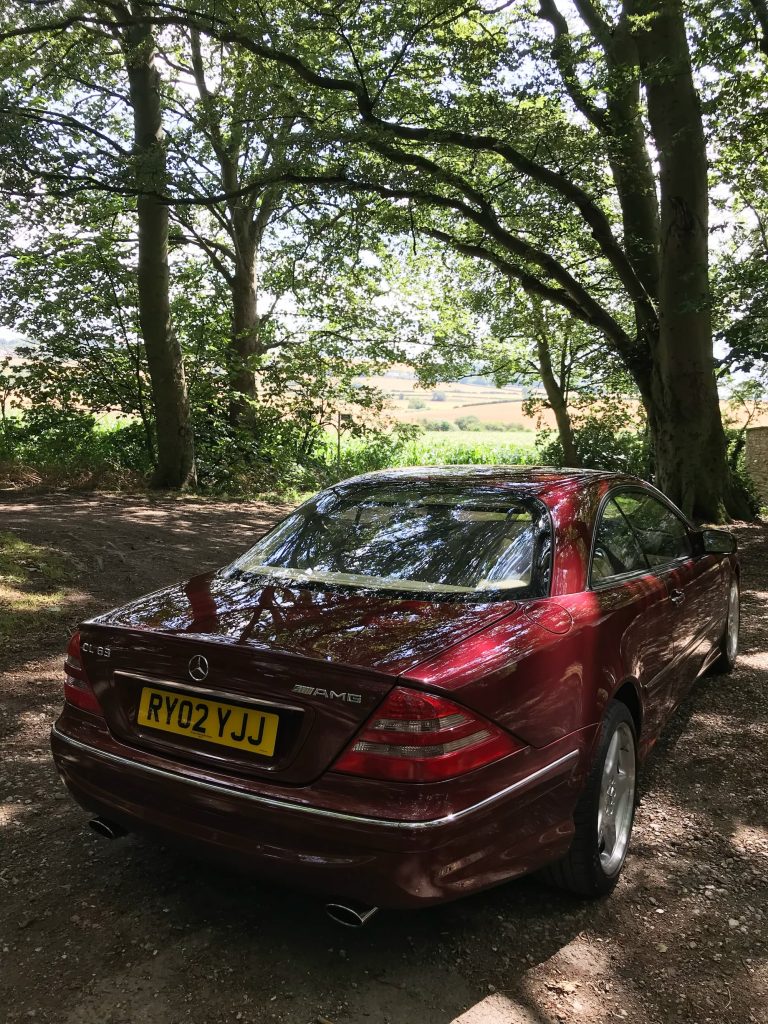
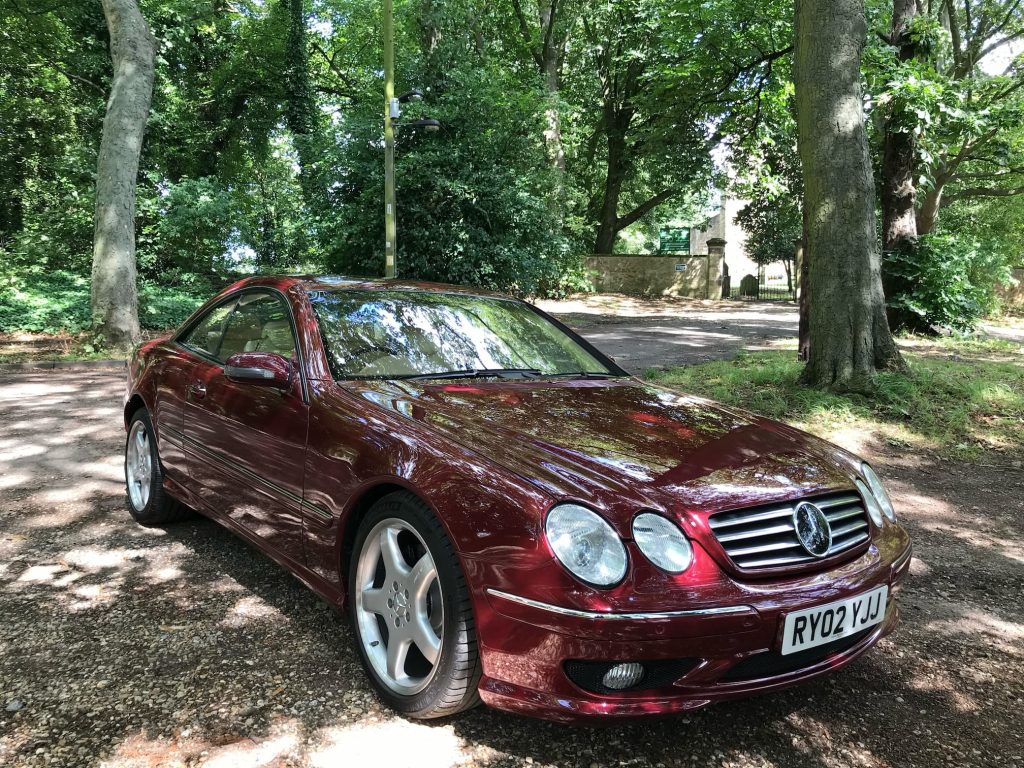
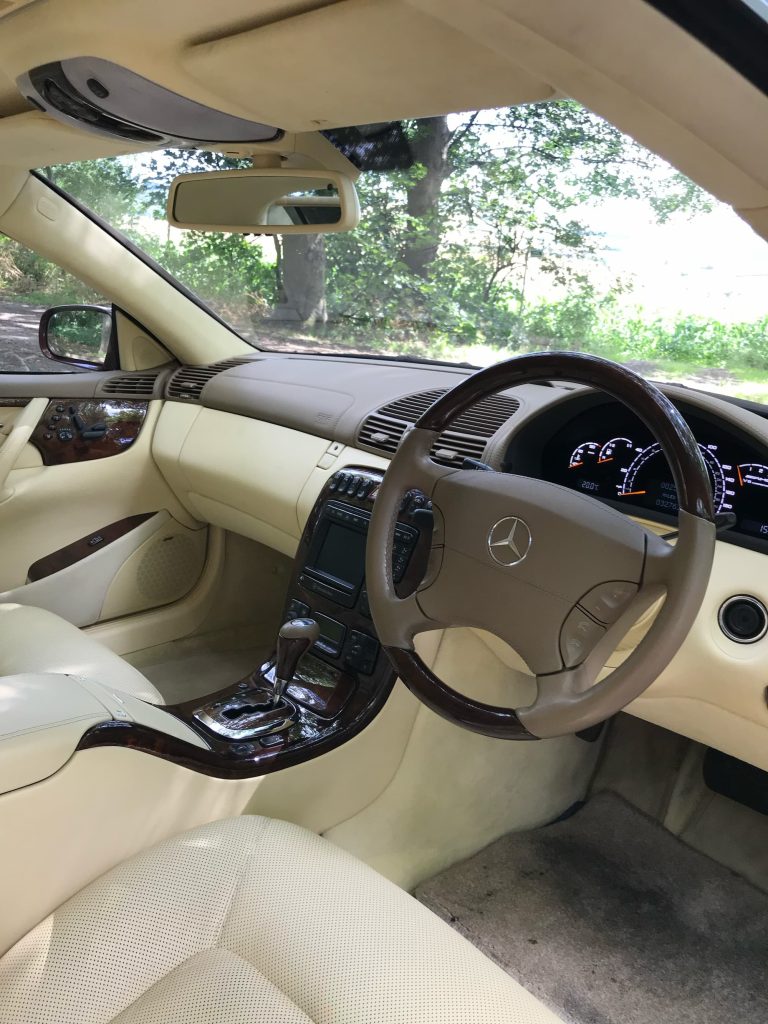
To understand the CL63 you first have to understand the C215 CL-Class itself. Introduced in 1999, the C215 was Mercedes’ flagship coupé — derived from the contemporary W220 S-Class but styled as a sleek pillarless grand tourer. It represented a major philosophical shift for Mercedes. Gone was the monumental over-engineering of the earlier C140 coupé; in its place came lighter construction, more electronics and a new focus on technological sophistication.
Chief among those innovations was Active Body Control (ABC), a remarkable hydraulic suspension system designed to virtually eliminate body roll and pitch. By monitoring the car’s movements through a network of sensors and adjusting hydraulic pressure at each wheel, ABC could actively counteract the forces that traditionally cause large luxury cars to lean in corners. In theory, the result was impossible: limousine comfort with sports-car body control. In practice… well, we’ll come to that.
The CL63 AMG was powered by a 6.3-litre naturally aspirated V12, a development of Mercedes’ M137 engine. Unlike later AMG units that increasingly relied on forced induction, the CL63’s powerplant remained resolutely old-school: large displacement, natural aspiration and plenty of mechanical presence.
Like most Mercedes V12s of the era, the engine employed an aluminium block and aluminium cylinder heads, with a 60-degree bank angle chosen to ensure inherent mechanical balance. Each cylinder head housed three valves per cylinder — two intake and one exhaust — a design Mercedes had used extensively throughout the 1990s to optimise airflow while maintaining durability.
The valvetrain used single overhead camshafts per bank, while dual spark plugs per cylinder ensured more complete combustion. This twin-spark arrangement was a hallmark of many Mercedes engines during the period, particularly those intended for large luxury vehicles where smoothness and efficiency were paramount.
AMG’s modifications went well beyond increasing displacement. The engine received revised camshaft profiles, altered intake geometry and recalibrated engine management, all designed to improve airflow and throttle response. The intake system itself was optimised for the larger displacement engine, ensuring that the additional capacity translated into genuine gains in torque and power.
The results were substantial for the time. The CL63 produced around 444bhp at 5500rpm and approximately 460lb ft of torque, figures that placed it firmly among the most powerful luxury
coupés of the early 2000s. But numbers rarely capture the real appeal.
What distinguished the engine was the way it delivered that performance. Unlike the turbocharged V12 that would follow in the CL65, the naturally aspirated M137 delivered its torque in a broad, linear sweep. There was no sudden surge of boost, no dramatic spike in acceleration – simply a steady and relentless wave of power.
Power was transmitted through the company’s five-speed 5G-Tronic automatic gearbox, a unit widely regarded as one of Mercedes’ most durable transmissions. While not as quick-shifting as modern dual-clutch systems, it provided smooth and unobtrusive gear changes.
Performance figures were suitably impressive for the era. The CL63 could reach 62mph in around five seconds, with top speed electronically limited to 155mph – though the engine clearly possessed the strength to push beyond that figure if allowed.
However, the CL63’s engine was not designed to be dramatic or flamboyant. It was designed to
deliver immense performance with minimal fuss. That’s precisely what makes it feel like one of the last truly old-school AMG engines. Shortly afterwards, AMG would move in a very different direction. The CL65 AMG replaced displacement with twin turbochargers, boosting power to well over 600bhp and torque to levels that bordered on the absurd.
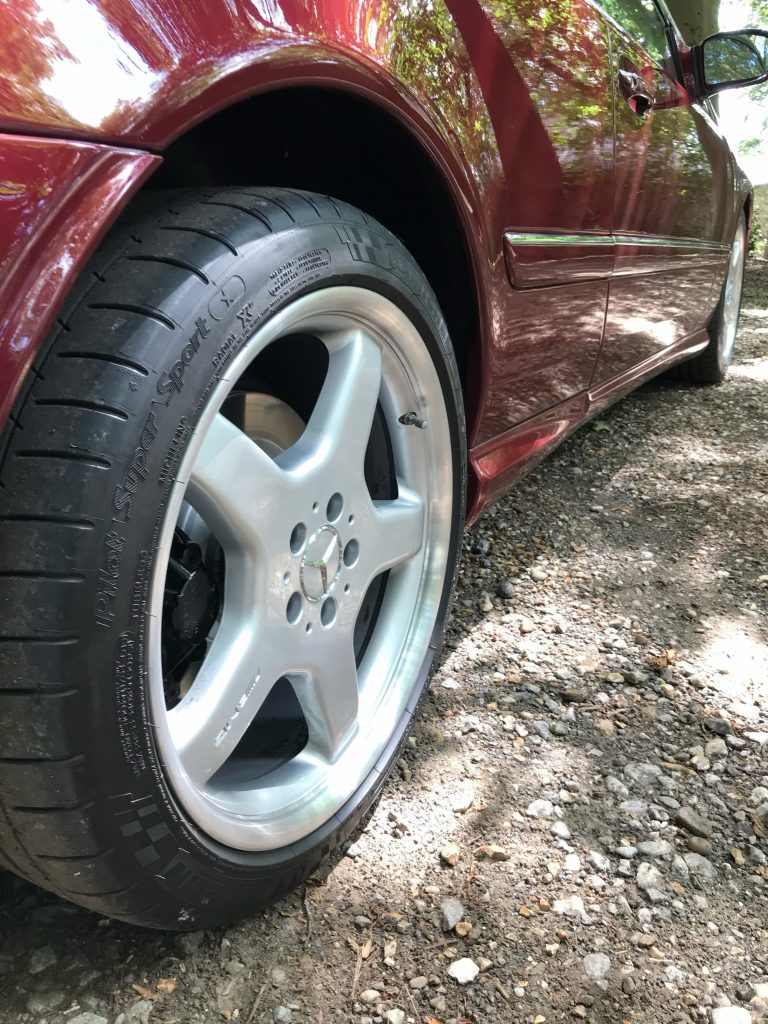
It was faster, unquestionably. But it was also louder, more aggressive and far more theatrical. The CL63’s naturally aspirated V12, by contrast, embodied the earlier AMG philosophy: big capacity, smooth power delivery and effortless speed. In other words, a luxury engine first and a performance engine second. And perhaps that is why it remains so appealing today — well, if you can find one.
A small number came to the UK; supposedly they were only offered to heads of state. The last one we saw surfaced in 2022 with an estimate of £20,000–£25,000. Considering the six-figure sums now required for many old-school AMGs, that looks like a bargain.
There are a few caveats. That ABC suspension is a bit like a drunk PhD student: unquestionably clever, but prone to expensive mistakes. ABC relies on a large number of high-pressure hydraulic components working together perfectly.
Over time these parts inevitably wear. If the hydraulic pump goes, that’s around £1500. If the struts leak, they can cost £2000 each. The accumulators — otherwise known as ABC spheres — can cost up to £800, and if there are problems with the valve block, budget £2000 or more. Look for an ABC fluid flush every two to three years in the paperwork, and accumulators typically need replacing every 60,000 to 80,000 miles. It’s part of the reason why so many ‘normal’ C215 CLs are available for so little.
So yes — the potential for great pain. But then, with a glorious naturally aspirated V12 and the knowledge that you’re one of the exalted few with a V12 CL63, we reckon you’ll find the pain forgivable.
Looking back, the Mercedes-Benz CL63 AMG represents a fascinating turning point in AMG history. It arrived at the moment when the brand was evolving from a slightly eccentric tuning house into a fully integrated performance division within Mercedes-Benz. Its enormous naturally aspirated V12 reflected AMG’s traditional approach to performance: big engines, effortless power and understated styling. The CL65 that followed would push the concept much further, ushering in the era of turbocharged excess that now defines much of AMG’s identity.
For those who appreciate the earlier philosophy, the CL63 AMG represents the end of an era.
Lucky enough to have owned or driven a Mercedes-Benz CL63 AMG? We’d love to hear all about it in the comments below.
Insure your classic with a specialist insurer
If you’re looking for cover for your pride and joy, why not consider Hagerty UK? Not only are we classic car insurance specialists, but we are enthusiasts at heart. Call us for a quote on 0333 323 1138.