How do you choose the best car battery for your classic?
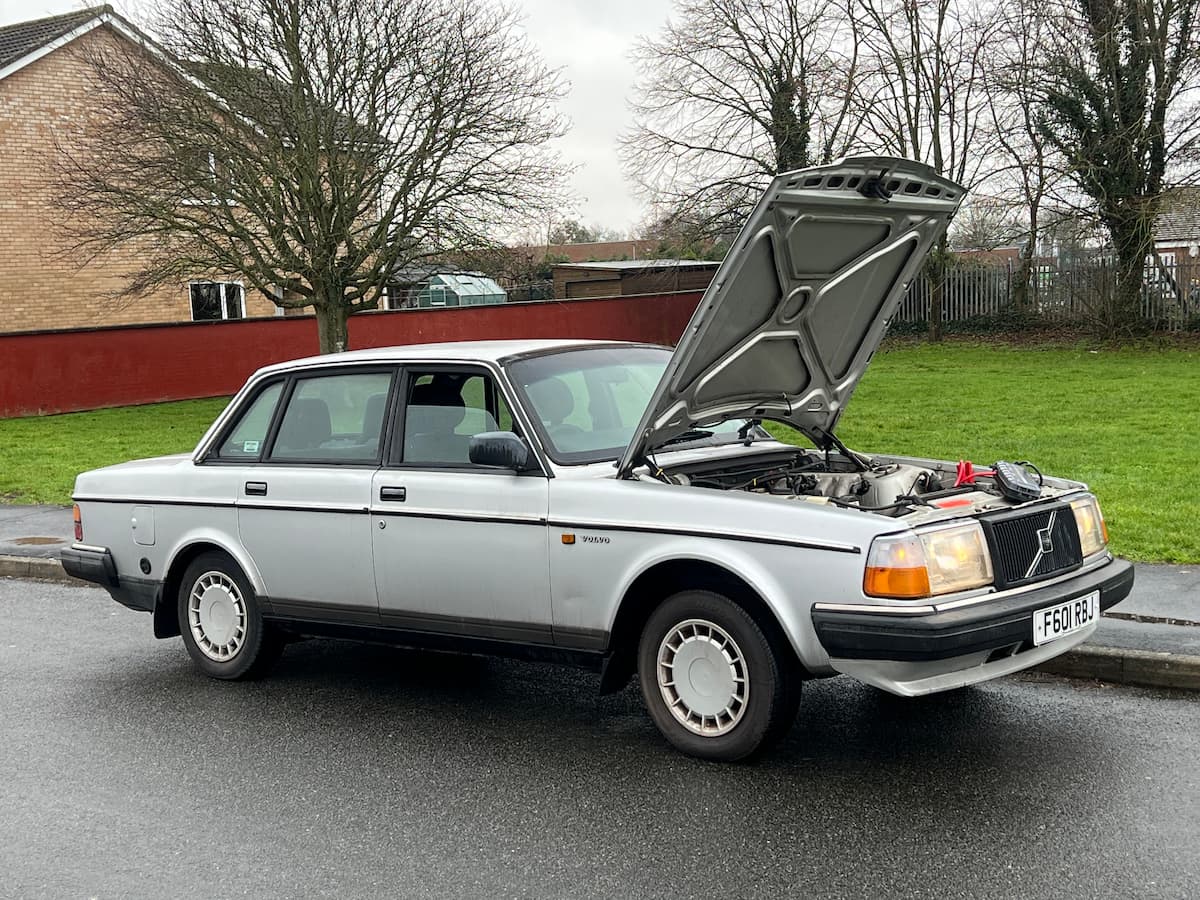
One of the components in our cars that we take most for granted is the battery – at least until that morning when you come to start your classic and find it has packed up, often with no prior warning.

But not all batteries are equal. Where, historically, older cars used simple electrical systems, modern classics are more sophisticated. Most will use battery power even when they’re not being driven, which can create what’s known as a parasitic drain – a small amount of power required to keep items such as the immobiliser and clocks working a primary reason why you should look at using a trickle charger or battery conditioner if your car isn’t in daily use.
So, what are the different types of car battery, what do the numbers and letters on a battery mean, and how do you choose the best battery for your classic?
How do car batteries work?
In simple terms, a car battery is no different to those you put in your TV remote control – they all work by converting chemical energy into electricity.
For the most part, car batteries are lead-acid units as they need to generate greater amounts of power. They generate electricity from an exchange of ions between lead and lead dioxide plates, submerged in an electrolyte solution made of sulfuric acid and deionised water.
A car battery typically contains six cells, each housing lead and lead dioxide plates in an electrolyte solution. Each battery cell produces approximately two volts of electricity, which is why most car batteries are rated as 12-volts.
Like all batteries, those in cars have a finite lifecycle – normally three-to-five years but dependent on usage, climate and if the battery is ever left to fully discharge, which isn’t a great idea as it will never fully recover.
You can check the age of your battery from either a label on the side of the unit that will show the month and year of its manufacture (0821, for example, means August 2021), or from a similar reference stamped into the battery casing.
What are the different types of car battery?
Lead-acid batteries are the most common automotive batteries and come in two varieties: standard or calcium.
A standard lead-acid battery should last for around 20,000 starts but they are susceptible to neglect and can suffer a build-up of sulphates that causes the internal plates to corrode. If you use your car regularly, though, a standard lead-acid battery will be perfectly fine and should last well.
Calcium lead-acid batteries contain a calcium alloy that reduces water loss and prevents corrosion. They’re usually around 25-30% more expensive to buy, but will last for about 30,000 starts and provide around 18 per cent more starting power. They’re a better bet for bigger engines or cars with complex electrical systems.
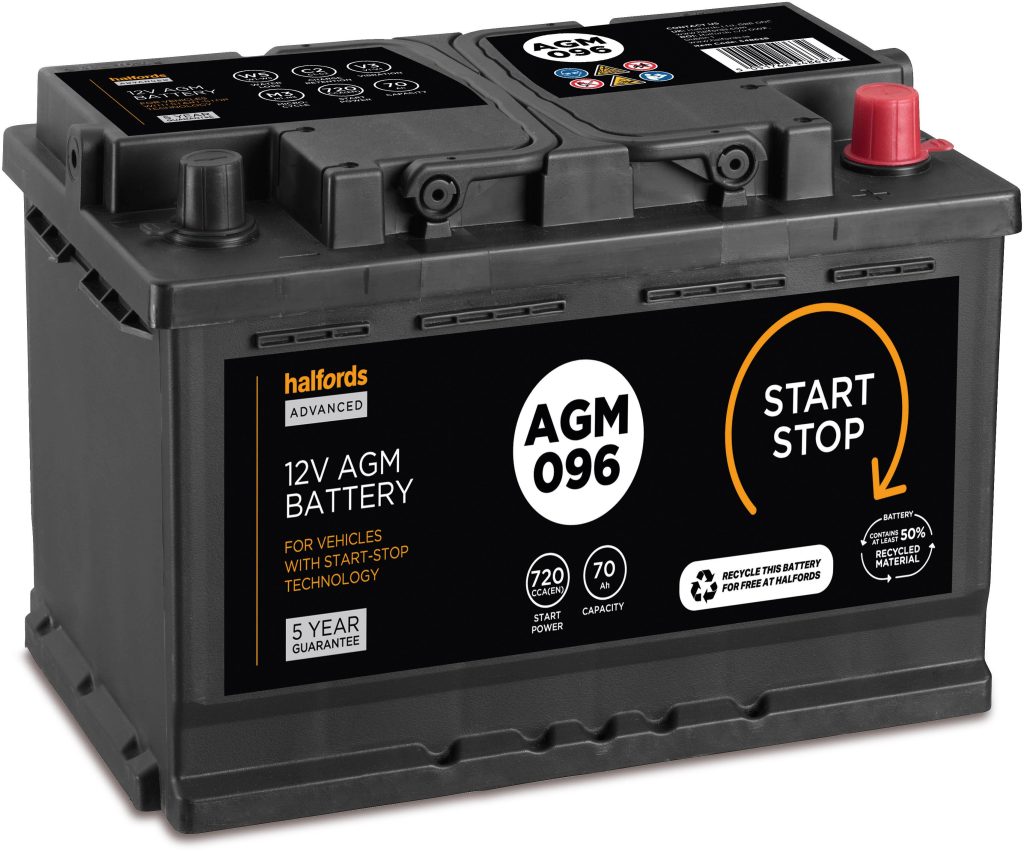
You might also find an ‘AGM” battery in the right size for your car. AGM stands for ‘Absorbent Glass Mat’ and use fiberglass mats that absorb the electrolyte solution in each cell. They are faster recharging and have a longer life, but can often be twice the price of a lead-acid one.
More recently, 12v lithium car batteries have become an alternative option to traditional lead-acid types, and while more suited to modern vehicles and motorsport (where their lighter weight makes them popular), they offer higher energy density and more consistent power delivery, while they also hold charge better. Lithium batteries also boast a longer lifespan, typically enduring more charge cycles before performance drops – just like your mobile phone, which uses the same technology.
However, they can be a lot more expensive upfront, and not all vehicles’ charging systems are compatible without modification.
Which car battery should i buy?
The specific battery size for your car should be listed in the owner’s manual, but if you don’t have one then the best bet is to measure the battery tray, note which way around the terminals are and source one that will fit.
For example, a seventies or eighties Mini was originally designed to have an 038-type battery, but a larger 063 fits in the tray and will do just fine – or an 014 will fit, too, but will sit slightly proud. Those numbers, incidentally, just define a battery type and there’s no science behind them – it’s a common part number, or Group Size in battery jargon, that tells you the battery has a casing and terminal layout of set dimensions.
The most common batteries in cars up to the mid-2000s are, 038, 063, 014, 075, 096, 027, 019 and 110 – and that’s in size order, so the smaller the number doesn’t mean the smaller the battery. No, we don’t know why, either.
Before buying a new battery, check your owner’s manual and make sure it meets the needs of your make and model. Some cars will accept more than one group size – an MGF, as an example, will take an 063 or an 075, with the bigger 075 recommended for colder climates. A Jaguar XJ8 is similar – an 019 is the recommended fit, but a smaller 096 will do in warmer climes and the battery tray has bracket mounts for both types. Be careful here, though – if you have a diesel, then the likelihood is that a smaller battery is no good; they generally require more cranking power.

The next thing to check is the capacity in amp-hours, or Ah, which is displayed on the battery casing. This is the battery’s reserve capacity, or the total amount of power it will hold. A good quality 019 battery (for large cars) will have around 100Ah capacity, whereas a budget one will have 80Ah.
For an 063 (as commonly found in smaller cars), high -quality batteries will have around 50Ah capacity, mid-range will have 40-45Ah and budget ones will have 35Ah – not all are the same, and that’s why prices tend to vary so much.
If you’re doing reasonable length journeys, a lower capacity battery will be fine as the car’s alternator will replenish any capacity used by starting, but for frequent stopping and starting, or modern cars with stop-start systems, a higher capacity one is more important.
Next, the battery casing will show its CCA. This stands for Cold Cranking Amps and is a measure of the battery’s ability to start the engine at 0º Fahrenheit (-18ºC) without dropping below a specified voltage; the higher the CCA rating, the better the battery will perform in low temperatures. This is particularly useful for vehicles in colder climates or those with larger engines that require more power to start.
Some batteries will also show the reserve capacity – this is the amount of time, in minutes, that a battery can deliver consistent voltage (around 25 amps) before it can no longer power your vehicle and needs to be recharged. A good 019 battery will run for 120 to 150 minutes in reserve – worth knowing if your alternator packs up, as if you’re only an hour from home, you might just make it.
Batteries for older classics
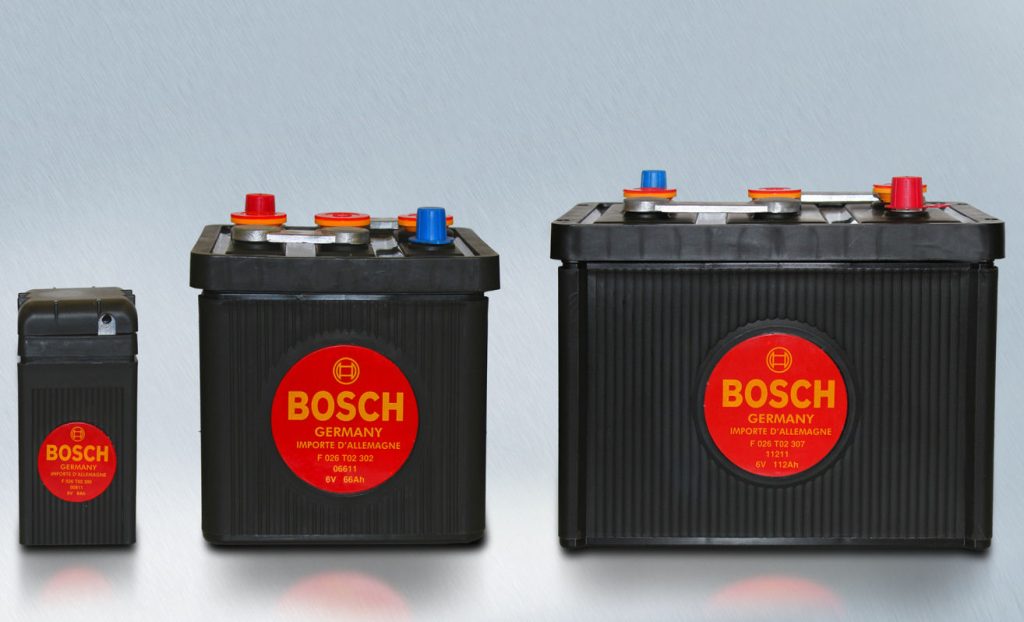
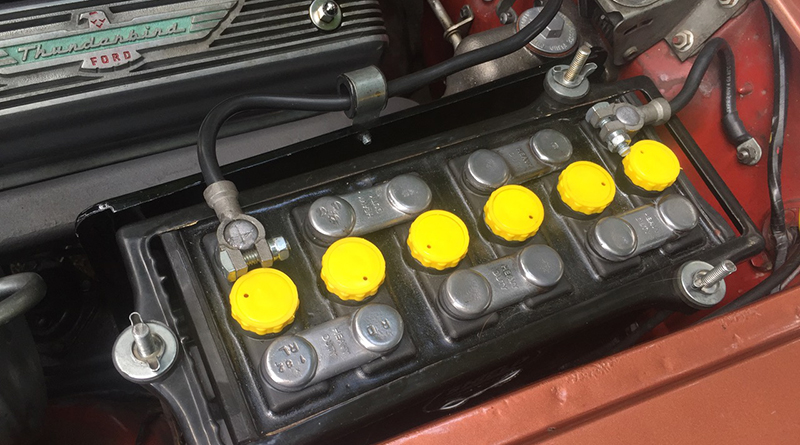
If you have an older classic and value an original look, you can also look for a vintage-style six-volt battery.
These batteries are designed to replicate the look and functionality of the original units fitted to vehicles manufactured before the widespread adoption of 12V electrical systems, and are typically pre-1960s.
Their signature black casing, often with hard rubber or Bakelite finish, makes them particularly sought-after for concours-standard restoration projects and enthusiasts who value period-correct details. You can get them from companies such as Shield Batteries and Lincon Classic, who are two of the best known UK suppliers.
As for cost, prices for 6V black classic car batteries generally range from £90 to £180, depending on capacity (typically 60–90Ah), brand, and whether the battery is a traditional wet-cell or a modern sealed unit. They’re less powerful than modern batteries and generally more expensive, but can add a nice period detail to a quality restoration.
For further advice, read our guide on how to deal with a flat battery.
Got any additional tips or advice you’d like to share with the community? Drop them below.