A story of sound, passion and precision behind Alfa Romeo’s greatest engine and its legacy enduring
There is a particular moment, somewhere north of 4000rpm, when the Busso V6 stops being an engine and starts being something altogether more theatrical. The induction hardens, the exhaust takes on a metallic edge and the whole thing feels less like machinery and more like performance. That, really, is the point. Because the Busso V6 was never about transport. It was about sensation.
To understand it properly, you have to start with Giuseppe Busso. Not just as a name on a cam cover but as a mindset. Busso was an engineer of the old school, the sort who understood that numbers alone do not make greatness. He had cut his teeth at Ferrari, working in an environment where engines were expected to stir the soul as much as they moved the car. When he arrived at Alfa Romeo, he brought that same philosophy with him.
By the early 1970s Alfa Romeo needed a new six cylinder engine. Something smoother, more modern, more in keeping with an executive future that the brand was tentatively exploring. What Busso delivered was, on paper, exactly that. A 60 degree V6, all aluminium, compact and inherently well balanced. But as ever with Alfa, the paper told only half the story.
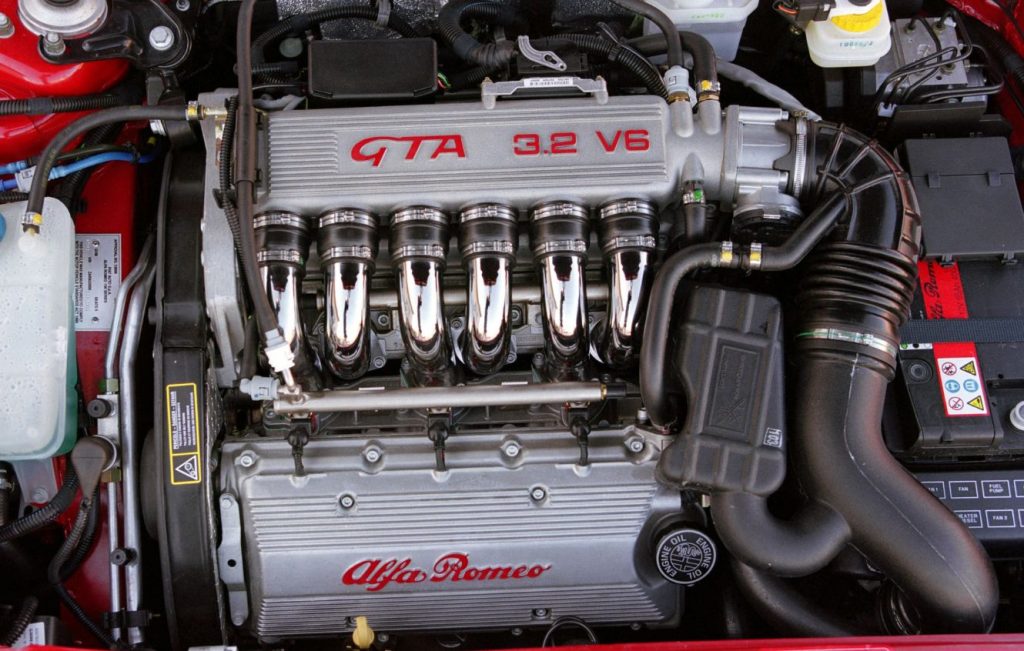
Look closer and you find the details that matter. The way the intake runners were shaped not just for airflow but for acoustics. The firing order that gives the engine its distinctive cadence. The sense that every component had been signed off not simply because it worked, but because it felt right. This was engineering with a human touch, and it showed.
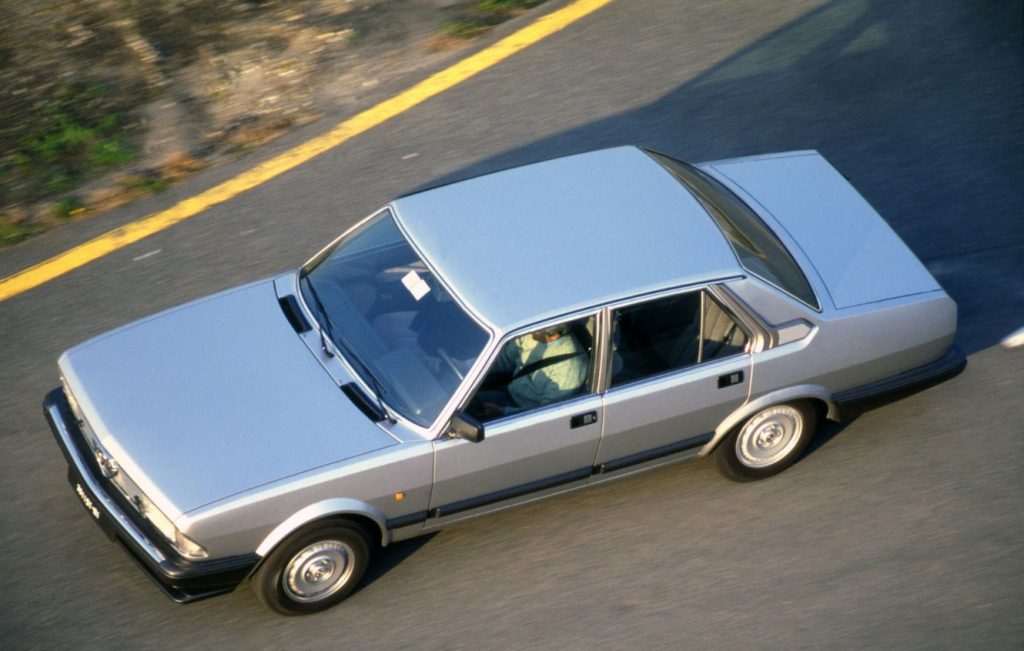
Its first outing came in the Alfa 6, a car that has largely slipped into the margins of history. Competent, certainly. Interesting, perhaps. But hardly the stage an engine like this deserved. You suspect even Busso knew that the real story was yet to come.
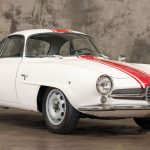
That story properly begins with the Alfa Romeo GTV6. Suddenly the engine had context. Here was a car that encouraged you to chase the red line, to explore that upper register where the V6 seemed to come alive. Contemporary road tests talk about balance and handling, but what lingers is always the engine. The way it dominated the experience, turning every journey into something faintly illicit.
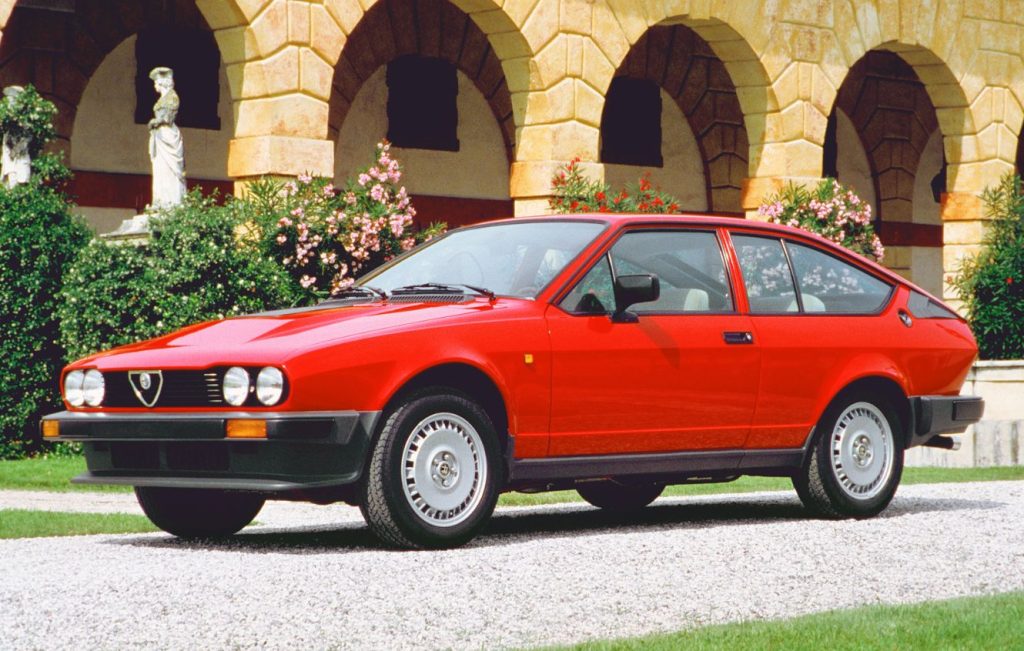
And then there was racing. Touring cars, long distance events, the sort of competition that suited Alfa Romeo’s character. The GTV6 proved itself not just charismatic but capable, and in doing so elevated the Busso V6 from interesting to essential.
Through the 1980s and 1990s the engine evolved, but crucially it never lost its identity. Capacities grew, first to 3.0 litres and later to 3.2. Fuel injection replaced carburettors, and 24 valve heads brought a more urgent top end. Yet the core remained intact. This was still an engine that preferred to be worked, that rewarded commitment with a sound and response that modern turbocharged units simply cannot replicate.
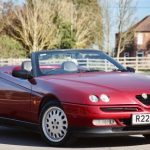
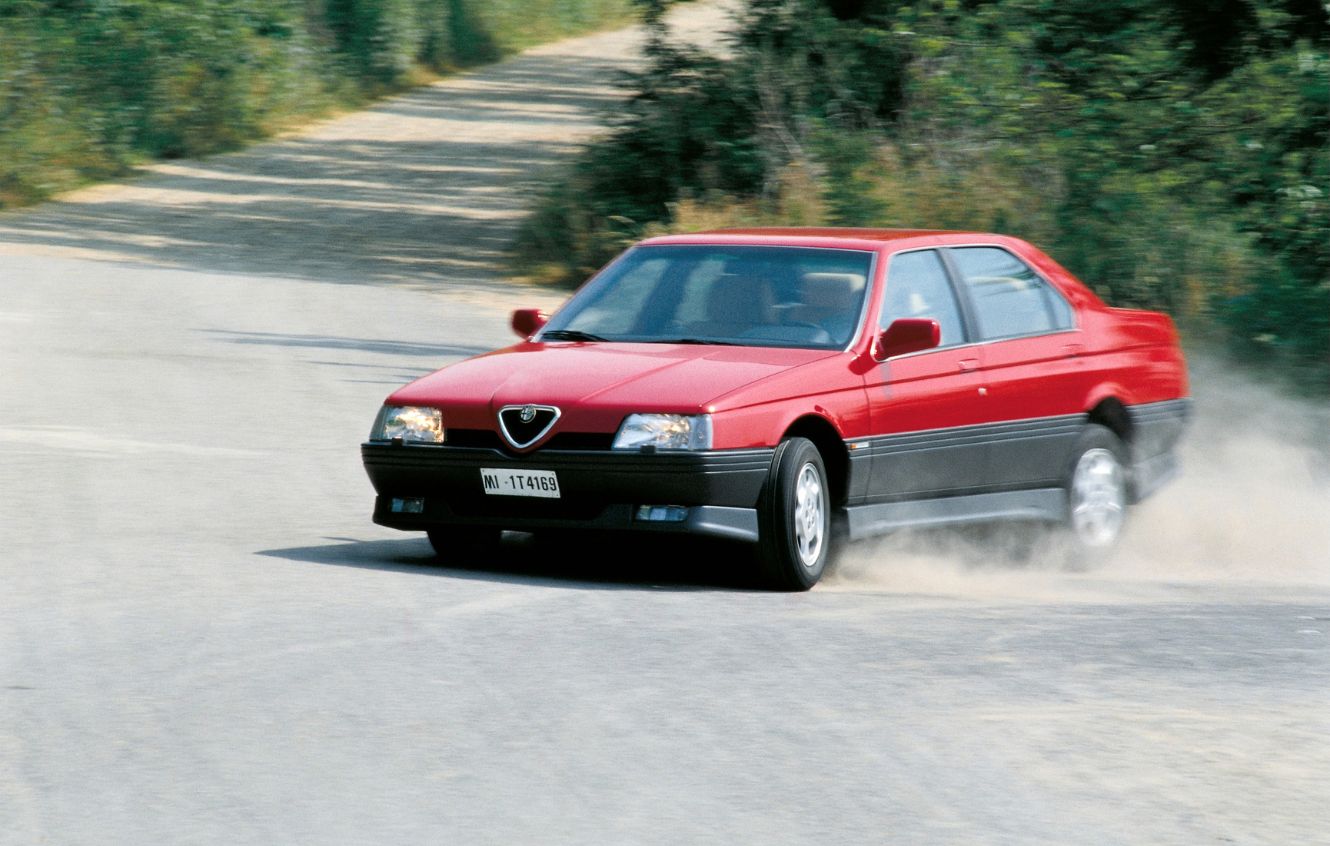
Take the Alfa Romeo 164. On paper it is a sensible thing, a front wheel drive saloon designed to compete with German rivals. And yet with the Busso V6 up front it becomes something else entirely. There is a richness to the way it delivers its power, a sense that refinement does not have to mean detachment.
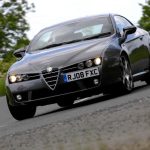
Then, in the early 2000s, came the last flourish. The Alfa Romeo 156 GTA and Alfa Romeo 147 GTA arrived as something of a throwback even then. Big capacity, naturally aspirated, unapologetically thirsty. The figures were respectable rather than extraordinary, but again that misses the point. What mattered was how it felt. Immediate, vocal, alive.
Drive one today and you are struck by how unfiltered it all is. There is no turbo to mask the response, no synthesised noise piped into the cabin. Just metal, fuel and air working in concert. It demands more of you as a driver, but gives more back in return.
Of course, it was never going to last. By the mid 2000s emissions regulations had tightened to the point where engines like the Busso V6 were becoming increasingly difficult to justify. Its appetite for fuel and its relatively old school design counted against it. Progress, as ever, moved on.
There is a certain symmetry in the way it ended. Production ceased in 2005, just days after Giuseppe Busso himself passed away. It is the sort of detail that feels almost too neat, but it fits. An engineer and his defining work exiting the stage together.
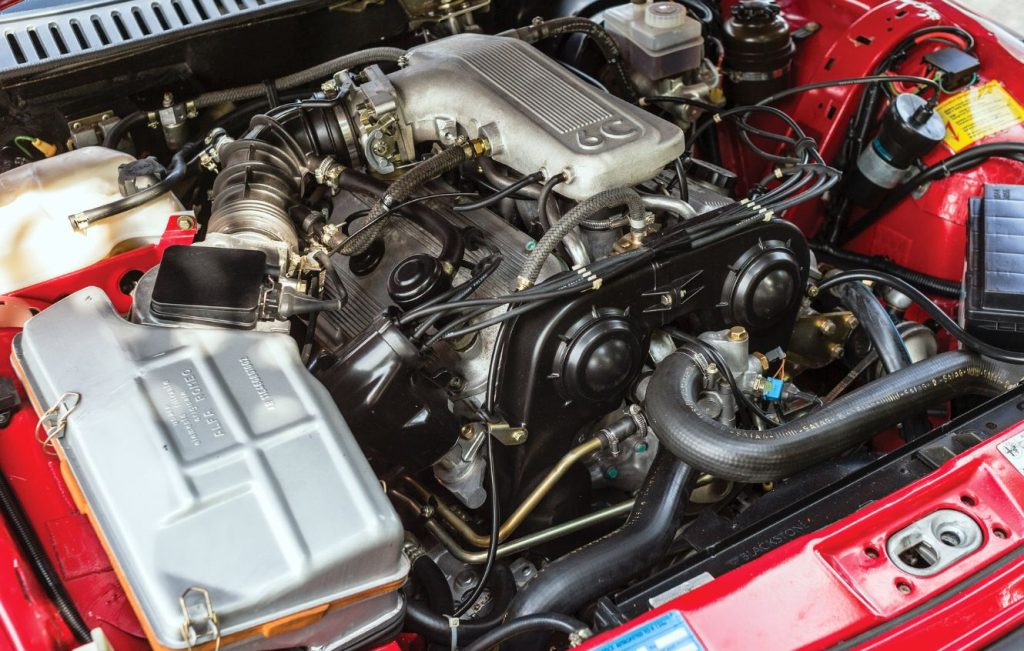
What followed was more rational. New V6 engines, developed with an eye on efficiency and compliance. Technically impressive, certainly. But lacking that intangible quality that made the Busso unit so special. The sense that it had been shaped by instinct as much as analysis.
Today the Busso V6 occupies a different space. Less everyday, more artefact. Cars that feature it are increasingly cherished, their owners acutely aware of what they have. Not just a fast Alfa Romeo, but a piece of engineering that represents a particular way of thinking. One where character mattered, where sound and feel were given equal billing to output and economy.
And that is why it endures. Not because it was perfect, but because it was memorable. Because in a world that is steadily smoothing off the rough edges, the Busso V6 reminds us that a little imperfection, a little excess, can be exactly what makes something great.
Find a quiet road, let it warm through, and chase that moment beyond 4000rpm. You will understand immediately.
Insure your classic with a specialist insurer
If you’re looking for cover for your pride and joy, why not consider Hagerty UK? Not only are we classic car insurance specialists, but we are enthusiasts at heart. Call us for a quote on 0333 323 1138.