Words: Nathan Chadwick
Photography: Manufacturers/Wikipedia Commons
While England’s footballers did the business, here are the cars that scored that year too
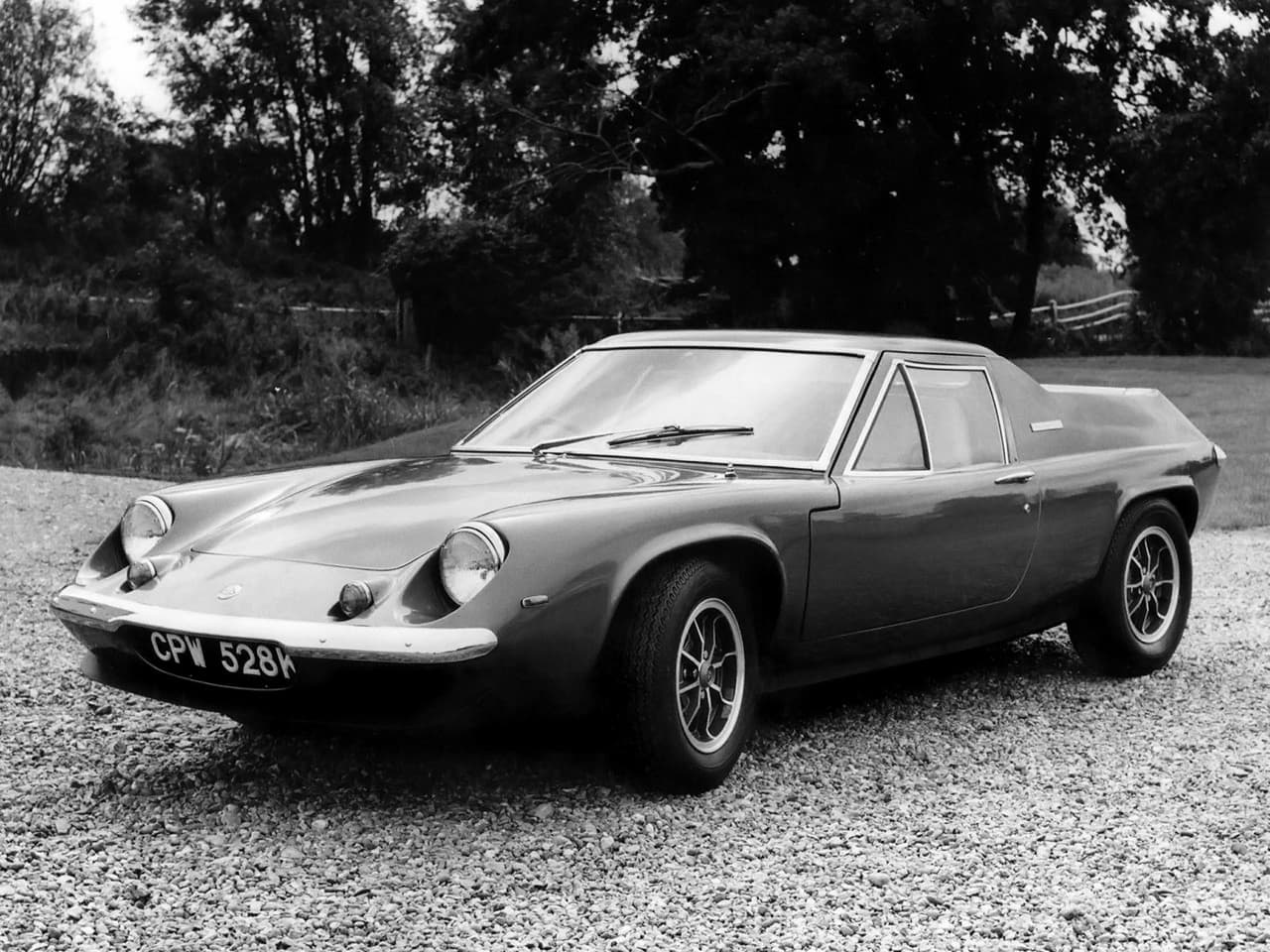
Lotus Europa
The Lotus Europa occupies a curious place in British sports‑car lore. Colin Chapman’s desire to shoehorn Lotus’s lightweight magic into a road‑going form produced one of the first affordable mid‑engine cars. Its minimalist glass‑fibre body and spine‑frame construction let it handle with an agility that still delights, and the later Twin‑Cam variants add genuine performance to the package. Because of its quirky ergonomics and fragile construction some cars exist that need sympathetic attention, so a thorough inspection for frame‑spine rust and general panel condition is essential before parting with cash. According to recent auction results the Europa in excellent condition commonly trades in the mid‑teens of thousands, so a well‑sorted example around £30k to £45k+ feels fair for a classic that was once undervalued yet steadily gathers acclaim.
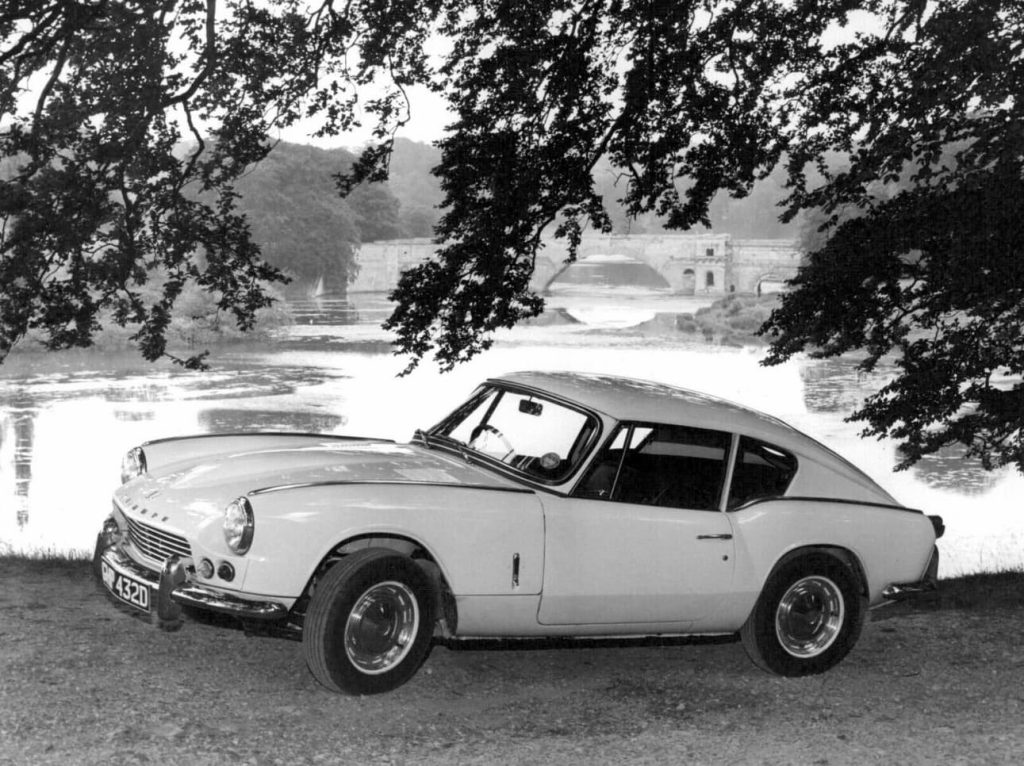
Triumph GT6
Often overlooked in favour of its TR‑series cousins, the GT6’s six‑cylinder engine gives it a smooth, muscular mid‑range that rewards revs, and its sleek fastback body remains handsome decades on. The big caveat is rust, especially in floor pans, sills and rear suspension mounts, so any prospective buyer must jack it up and look carefully for structural corrosion or evidence of poor repairs. A well‑cared‑for GT6 in excellent order today is only a fraction of the prices commanded by bigger‑name icons, and typically you’ll pay around £50k to £80k for a car that inspires an appreciative grin every time you fire it up. Data from typical UK market movement suggests these prices hold firm, making the GT6 an accessible entry to classic six‑cylinder thrills.
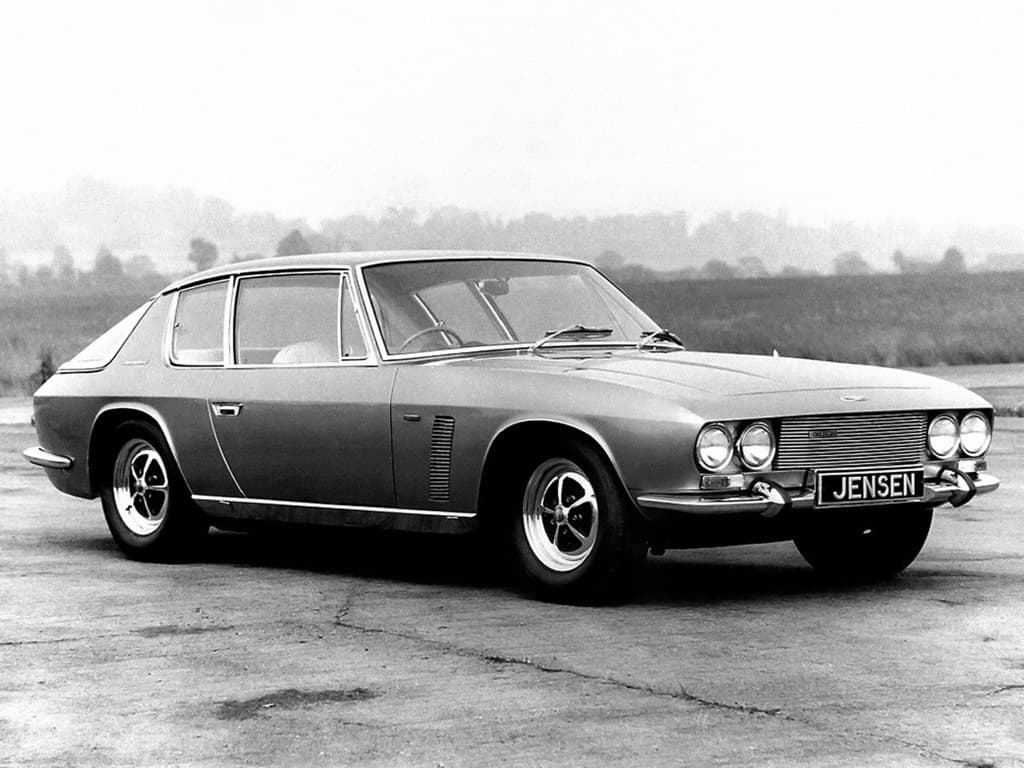
Jensen Interceptor
At the other end of the scale sits this muscular grand tourer that speaks with a deep American‑V8 voice despite its British trimmings. The Jensen Interceptor’s Chrysler engines deliver effortless torque yet chassis and trim quality mean owning one demands a realistic budget for suspension bushes, brakes and fuel systems. The Interceptor’s sweeping lines by Touring of Italy mark it as an era‑defining cruiser and when maintained properly it will eat long distances with aplomb. Recent market data shows even decent examples can be found in the £28k to £35k+ bracket though the very best cars with concours history can surpass this. Because values can vary widely based on service history focus on cars with documented maintenance and confirmed matching numbers if possible.
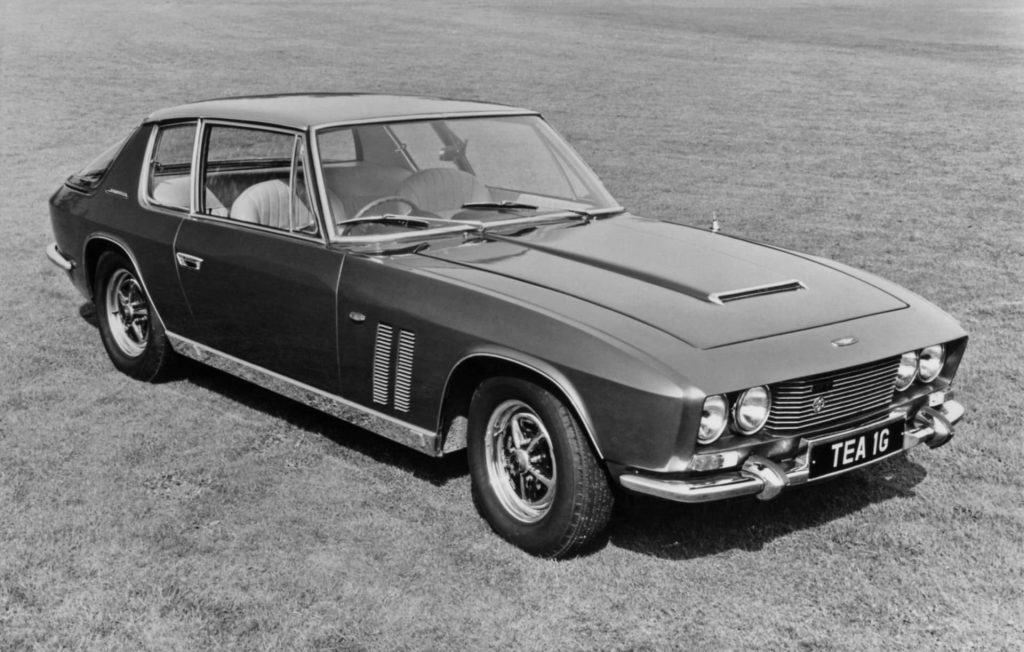
Jensen FF
A rarer and even more intriguing proposition is the Jensen FF, a car that was decades ahead of its time with its four‑wheel‑drive system and Dunlop anti‑lock brakes. In era terms it predated similar systems by a generation and gives the FF a sort of “what if” mystique that enthrals anyone who has driven one. The FF shares much with the Interceptor but its advanced drivetrain complicates ownership slightly, so checking for correct functioning of the drivetrain and parts availability is paramount. While prices for very special examples climb and FFs tend to sit well above many comparable cars on this list, honest cars can sometimes be picked up from passionate owners or hidden collections if you put in the groundwork. The initial premium for the FF is justified by its rarity and significance, so consider paying closer to £60k-£110k and above if you find the right example with provenance.
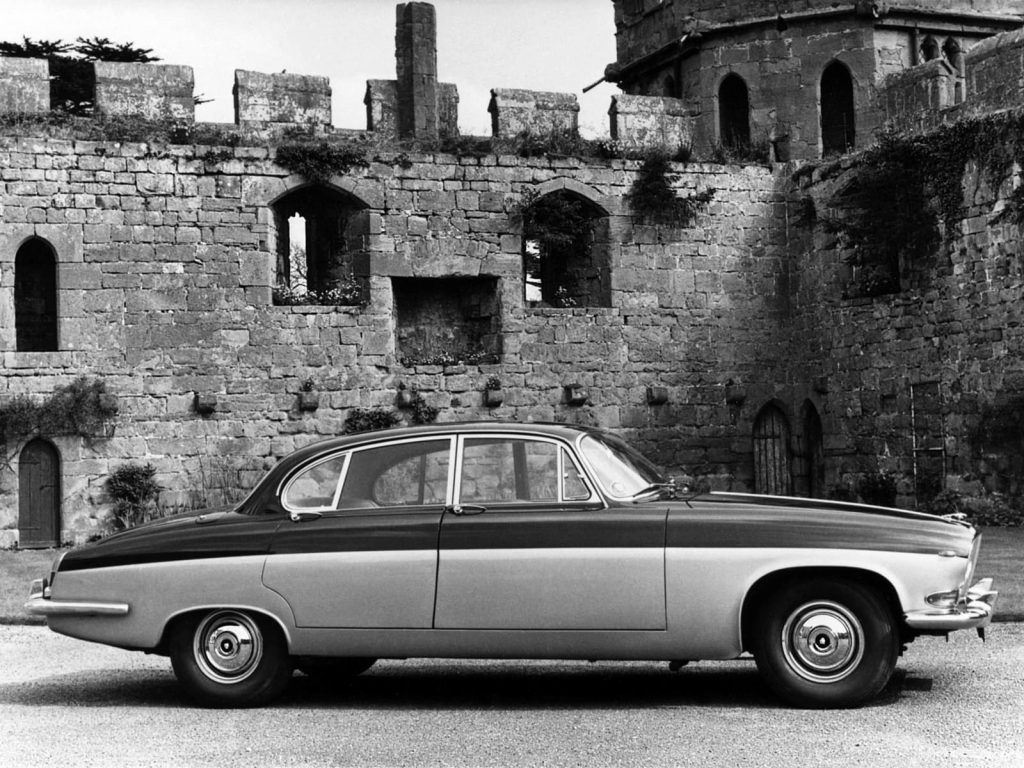
Jaguar 420/Daimler Sovereign
Stepping into the realm of dignified British saloon cars, the Jaguar 420 and Daimler Sovereign represent the pinnacle of late‑60s executive transport. They combine the graceful lines Jaguar perfected with cushioned ride quality and an engine that loves to cruise at national motorway speeds. The 420 brings better equipment and more confident performance while the Sovereign carries a regal badge and slightly more luxurious interior appointments. Both share similar mechanicals, so watch for oily engines, sagging rear springs and the usual suspects in suspension bushes and steering joints when buying. Recent valuations indicate that in excellent condition these cars are still astonishing value when compared with flashier Italian or German contemporaries, with strong examples often sitting under £40,000 and some bargains turning up closer to £10k to £20k. The Daimler badge can add a bit of lustre to desirability but fundamentally you are buying an era‑perfect cruiser with style and comfort.
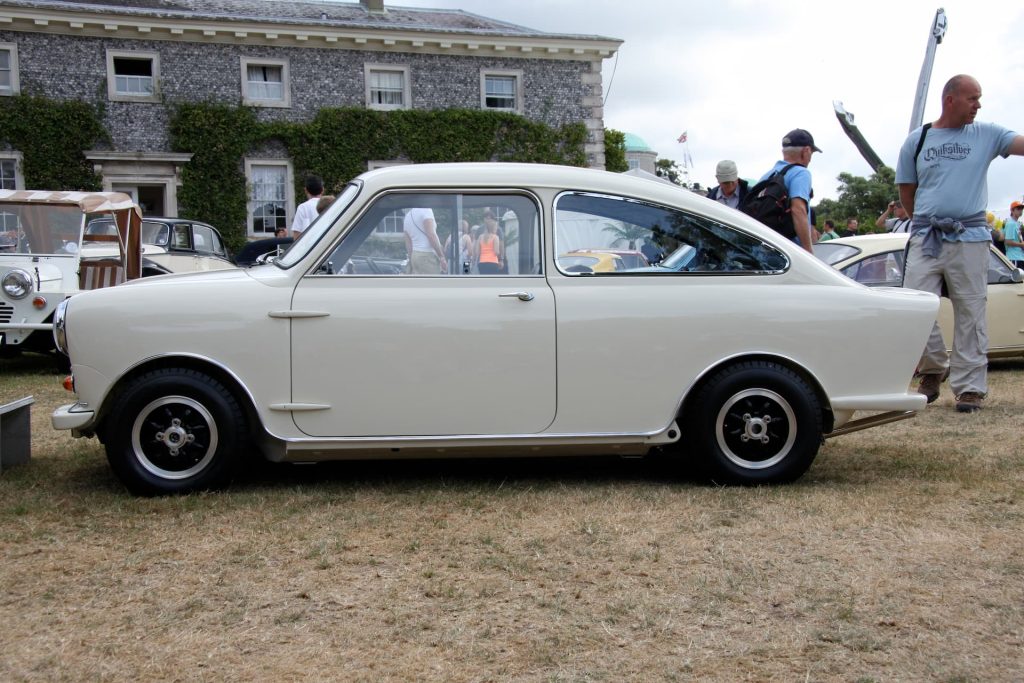
Broadspeed GT 2+2
Based on the diminutive Mini platform and re‑imagined with a fastback roofline and upgraded mechanicals, the Broadspeed GT 2+2 embodies a uniquely British approach to performance within a compact package. Its rarity can make tracking down good examples more of a hunt than a stroll around the classifieds, and because many have been cherished by enthusiasts for decades corrosion can be an issue. Look carefully at subframes, chassis seam welds and components unique to Broadspeed conversions, and be ready to negotiate a premium for one that has been competently restored. Price guides place excellent 2+2s in a range that still feels achievable for dedicated collectors and typically under £40,000 for a car that will turn heads and deliver agile, feisty performance. This car is exactly the sort of intriguing alternative that rewards patience.
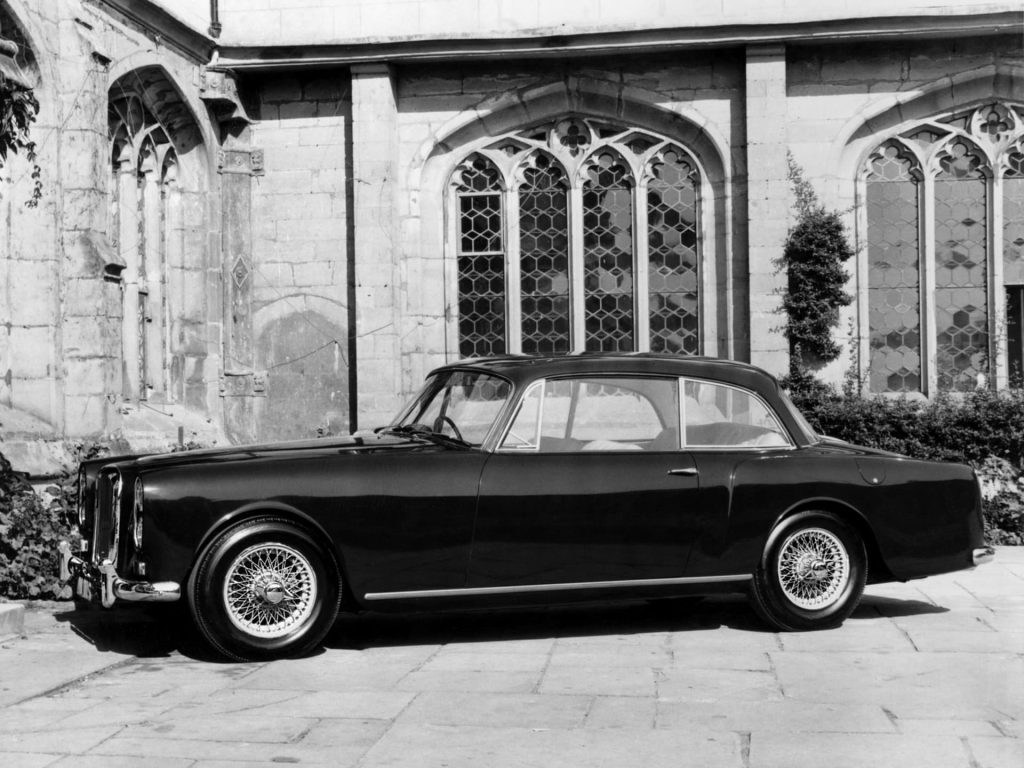
Alvis TF 21
Built at a time when craftsmanship still mattered, the TF 21 blends handcrafted quality with straight‑six refinement and the sort of spacious interior only a British luxury car of the 1960s could muster. When looking at one of these timeless machines check for correct functioning of the Lucas electrics, the state of the wooden dashboard and trim, and the health of the suspension bushings. These cars hold a quiet charm that often surprises new owners because they drive benignly yet have presence that belies their understated looks. Good, well‑maintained TF 21s can often be found in the low tens of thousands, and Hagerty suggest that well kept examples in excellent condition sit comfortably under £40k, making them excellent value next to less practical but more glamorous rivals.
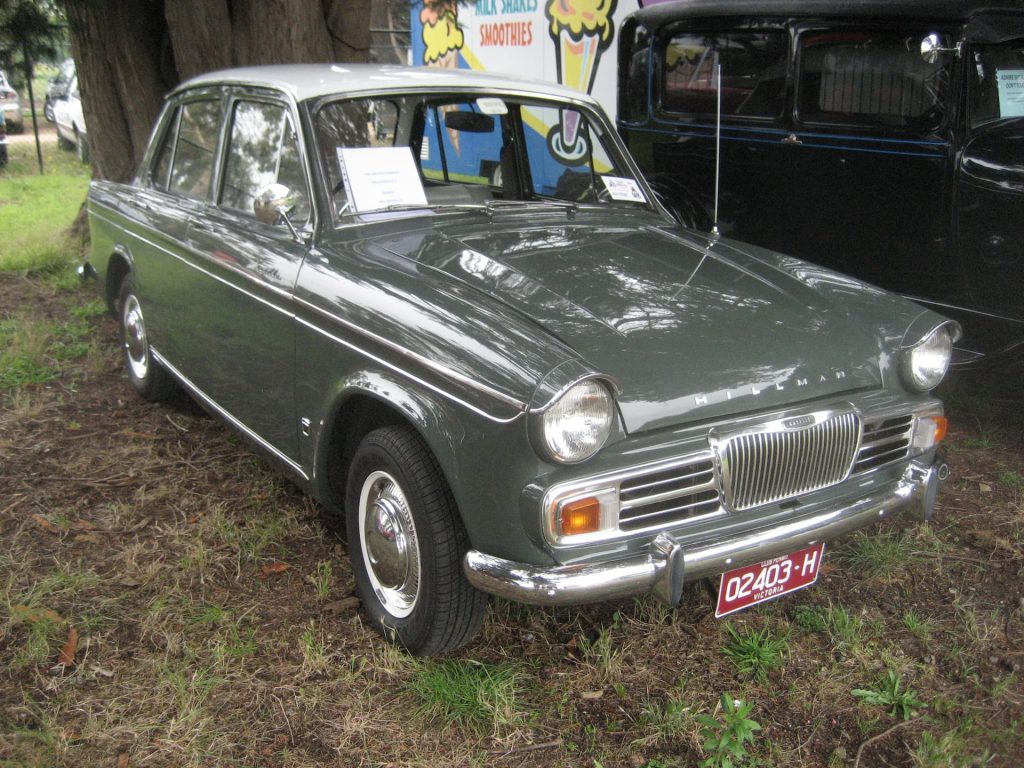
Hillman Gazelle
Essentially a more upmarket variant of the Hillman Hunter, the Gazelle brought better trim and a more refined driving experience to the everyday saloon class. Its advantages lie in survivability and simplicity and because it was never as fashionable as some of its more sporting contemporaries it remains affordable for enthusiasts in search of a reliable and characterful classic that doesn’t demand constant attention. Check for typical age‑related issues such as floor‑pan corrosion and worn suspension bushes and ask for evidence of periodic mechanical work. Prices for excellent Gazelles are modest compared with rarer machines, often under £5000.
Which of these World Cup classics would you choose? Let us know below.




The Hillman Gazelle was a real puzzle to me so needed some more research. This looks to be an Australian only version based on the Hillman Minx/Singer Gazelle (UK version) rather than the Hunter?