If small cars provide the biggest grins, and if Fiat makes some of the best small cars around, then by extension Fiat has made some of the most enjoyable little self-propelled motor vehicles since Bertha Benz nicked her husband’s creation in the 1880s and took it for a thrash down to Pforzheim.
Fiat was arguably one of the inventors of the truly small car, when the Topolino debuted in 1936. There had been other compact vehicles before, notably the Austin 7 in 1922, but the Turinese firm perfected the recipe, creating true cars of the people all the way from the interwar period through to the present day. Typically cheap to buy and run, Fiat’s tiniest vehicles have also, more often than not, been great fun to drive, showing that you don’t need to spend a fortune to indulge in a car that rewards its driver.
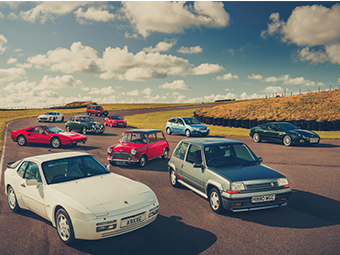
We’ve gathered eleven of our favourites below, in no particular order, to explain what made them special – and also to give you an idea of how much you’ll need to pay to put one in your garage. And none of them will require a particularly big garage…

Fiat “Nuova” 500
This is probably the car you think of when the subject of small Fiats comes up. As recognisable a part of Europe’s motoring landscape in the 20th century as the Beetle and Mini, like those cars the 500 transcended its utilitarian, people’s car roots to become a fashion icon.
It’s often referred to as the “Nuova” 500, because when it hit the market in 1957, it was actually a follow-up to the original 500, the “Topolino”. Both cars were the work of Fiat’s Dante Giacosa but the Nuova was very different from its predecessor, moving to a rear-engined layout that had been popular in small cars since the war. The naming strategy was the same though, the new car powered by an engine of around half a litre – though this time with only two cylinders, keeping the unit tiny and allowing it to be fitted at the back.
The clever packaging was such that a family of four could fit into the sub-3-metre platform, though owners often squeezed even greater numbers in, something more readily achievable with the Giardiniera estate version in 1960. Power crept up over time, though for real speed, you could take your car to Carlo Abarth, who’d more than double the standard output with his tuned 690cc engines.
What to pay
The Hagerty Price Guide puts an early 1957 500 between £7400 for a car in “fair” condition and £27,300 for a “concours” example, but later cars get a lot more affordable: a 1975 500R spans £5600 to £12,600 in equivalent condition.
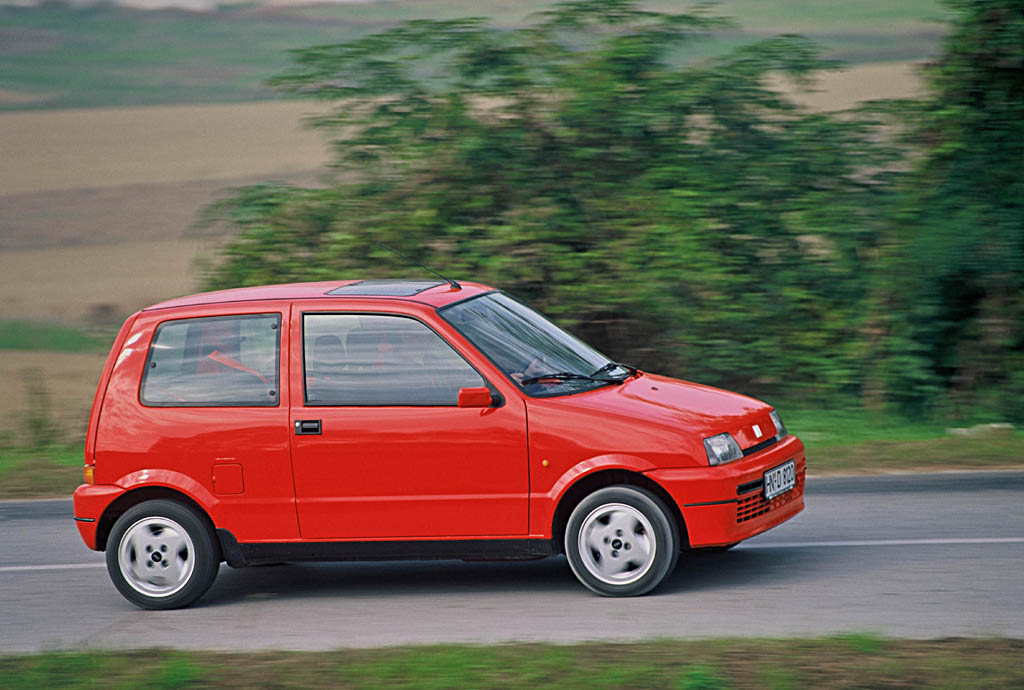
Fiat Cinquecento Sporting
As the 1990s dawned the Fiat 126 was beginning to feel very old indeed, and the Cinquecento took over the role of Fiat’s tiniest car in 1991, with production continuing at the Tychy factory in Poland. In the UK, we got an 899cc engine initially, but Fiat unveiled the Cinquecento Sporting in 1994, with UK sales starting in early 1995.
The regular Cinquecento was a good car, but the Sporting turned out to be an absolute cracker. Fiat transplanted the 1108cc four-cylinder “FIRE” engine from the larger Punto, taking power from 41bhp to 54bhp, enough that in Autocar’s hands, its Broom Yellow test car was nearly seven seconds quicker to 60mph than the regular model – and when the Sporting did it in 13.5 seconds, you realise the scale of that gap.
13-inch alloys with 165-section tyres and 20mm lowered (and stiffened) suspension filled the arches, and at the front you got a deeper, colour-coded front bumper with a cheeky offset intake. It was an absolute hoot to drive, not fast but eager and engaging, even later seeing off the Mini Cooper and Ford Ka in group tests, being more amusing and cheaper than either. They’re becoming pretty collectable these days, and understandably so.
What to pay
There are no Hagerty Price Guide values for the Cinquecento Sporting just yet, but scruffy cars still start at under a grand in the classifieds. Three grand should get a pretty nice one, and £5k gets the very best.
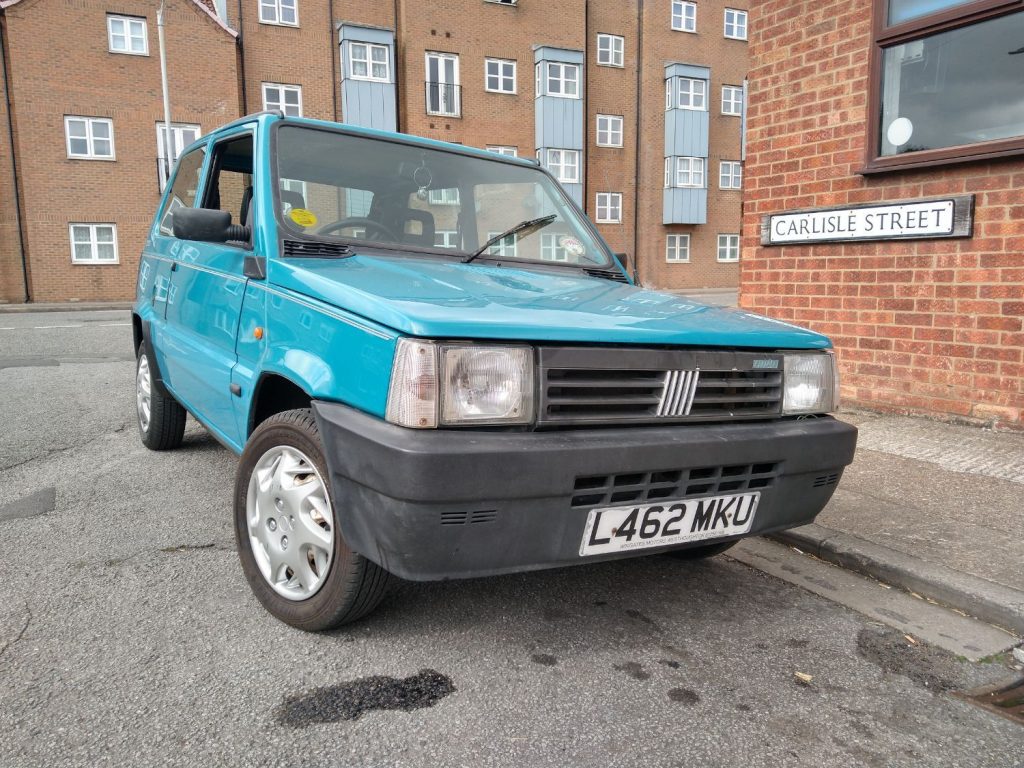
Fiat Panda (Type 141)
There’s a fine line between utilitarian and austere, and the original Fiat Panda trod it perfectly. Its designer, Giorgetto Giugiaro, probably understands better than any of his peers how to house a driver and passengers in the most efficient way without the end result feeling purely like a box-ticking exercise. And talking of boxes, Giugiaro has a real knack of creating cars from them, yet still somehow endowing the car with charm and style. Giugiaro described the Panda as being like a pair of jeans, and you can see what he meant.
Clever touches abound, such as the tough chip-proof coatings running along the lower sides of the car (and matching the plastic bumpers), the wonderfully simple interior with its full-length storage pocket in the fabric dash, and rear seats that could be turned into a sling for shopping, or laid flat with the front seats to make a bed. Rear suspension was by durable leaf springs, and engine cooling was via an offset grille that somehow turned utility into an intriguing design detail.
Like almost all small Fiats, the Panda was enthusiastic to drive too. Not a front-wheel drive great, exactly, but its little 45bhp overhead-valve engine was more than game for a bit of thrashing, visibility through the flat glass and upright pillars was excellent, and the steering responsive.
What to pay
Unless you’ve got your sights on a 4×4, the early cars are the most collectable, and still pretty affordable, with concours-condition cars topping out at no more than £6000.
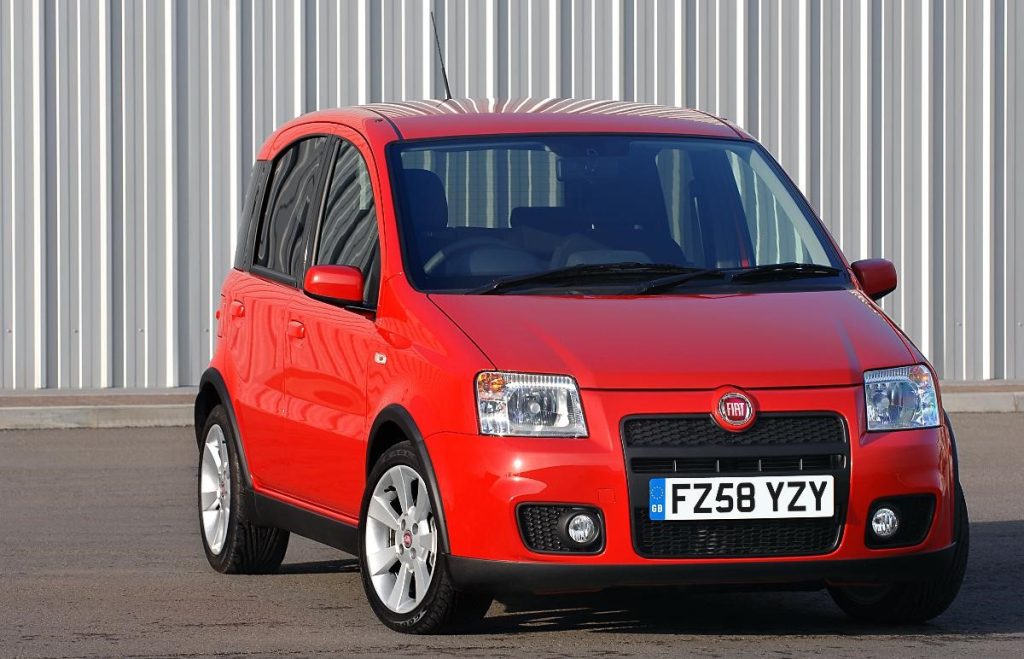
Fiat Panda 100HP
The Panda 100HP is one of Fiat’s most recognisable enthusiast cars this side of the new millennium. The brilliant little second-generation “Type 169” Panda had been crying out for a sporty version ever since its 2003 launch, and while the expected Abarth badge never materialised, the 100HP launched in 2007 definitely answered that call. It’s not exaggerating to say it was an instant classic.
The recipe was surprisingly simple: a 99bhp 1.4-litre “FIRE” twin-cam four cylinder from the contemporary Punto, a six-speed manual also sourced from the larger car, ditto some larger front brakes, and rear discs from the Panda 4×4. On 15-inch wheels it sat 25mm lower and was 25 per cent firmer than a regular Panda too. Possibly a little too firm for some, but the 100HP had such an infectious character that few drivers minded being bounced around in their (nicely supportive sports) seat a bit.
Where regular Pandas got a “City” button which made the steering fingertip-light, the 100HP’s Sport button did the opposite, dialling back assistance, and giving you better throttle response under 3000rpm. It was a growling terrier of a car, and one of Fiat’s best sporty tiddlers.
What to pay
The Panda 100HP is still a total bargain. From £10k new, you’ll still pay only around half that for the best in the country, but riskier buys start at under £2k.
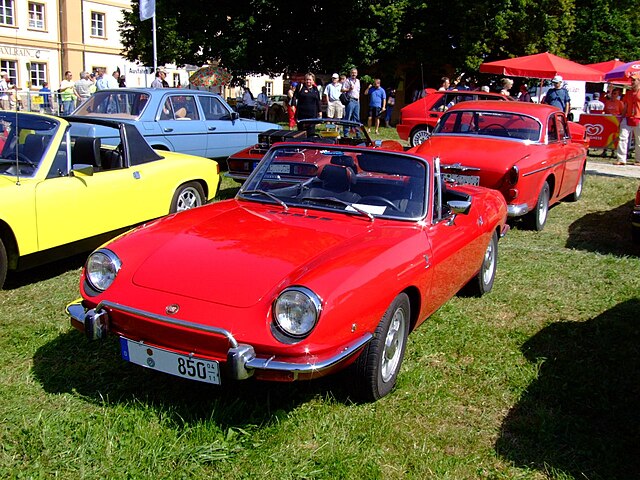
Fiat 850 Spider
Not as cute as the smaller 500 and 600, the Fiat 850 range is often overlooked compared to its smaller siblings. But there was huge variety on offer with the rear-engined proto-supermini launched in 1964; the core two-door saloon was soon joined by a pretty two-door coupe, a four-door family van, and this, the 1965-on 850 Spider, designed and built by Bertone. And tempting though the Coupe is, the Spider might just be the most desirable factory 850 variant.
It’s very pretty for a start, but with a pepped-up 843cc four-cylinder, a minuscule frontal area and a dart-like shape, it’s also the quickest of the factory 850s. Bertone production means it’s unusually well-built, and the low-slung shape makes the best of the rear-engined layout – the steering is typically light but it’s a responsive car that doesn’t feel nervous in quicker cornering, unlike some rear-engined machines.
With the factory-fit hard top it turns into its own little coupe, but a lot of the appeal here is traditional hair-ruffling open-top motoring paired with a fruity and enthusiastic engine. They’re a bit of a bargain, too – a car this appealing would be far more expensive with an Alfa badge on the nose.
What to pay
Concours Spiders go for as much as £20,500 but little over half that gets one in excellent condition. They’re rare in the UK though, so a good car’s worth as much or as little as someone will pay at a given moment.
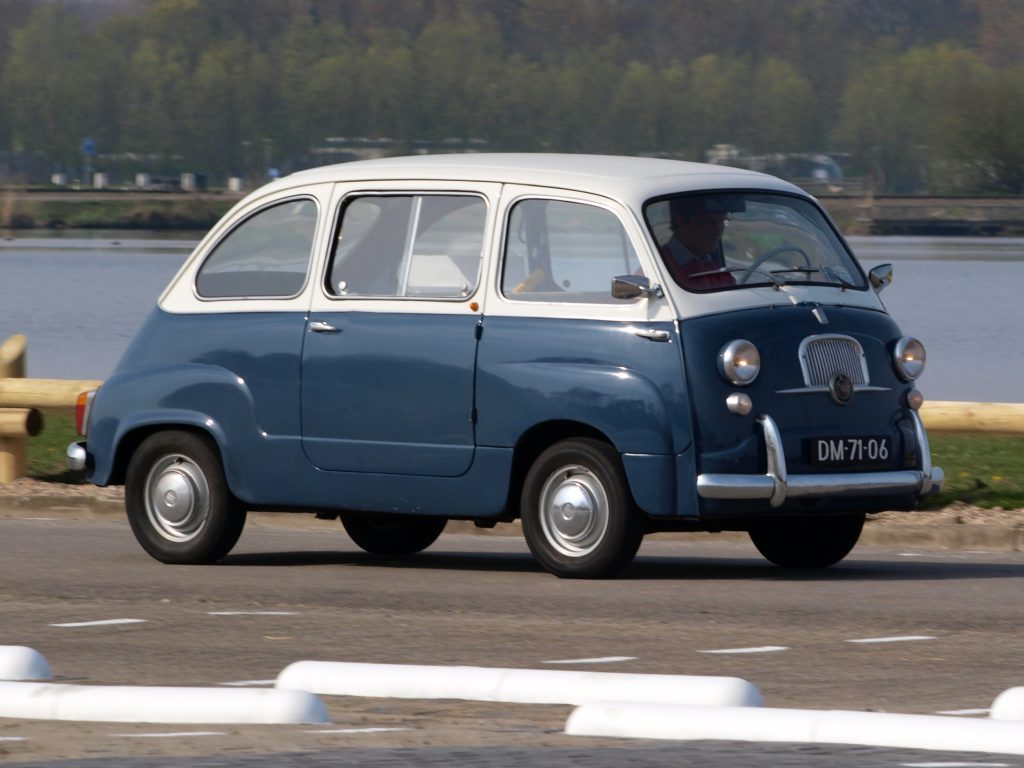
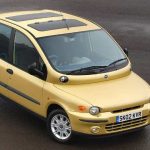
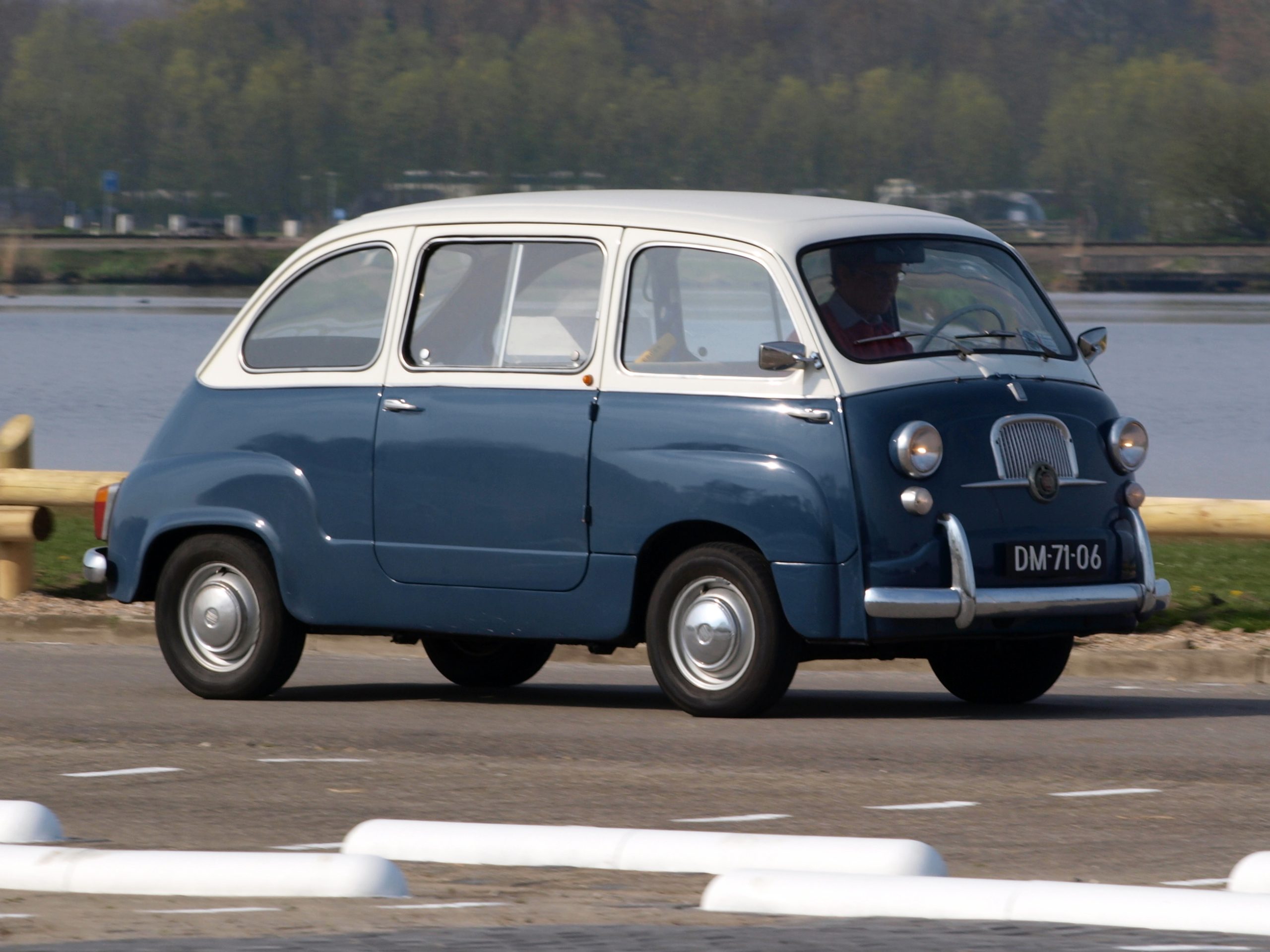
Fiat 600 Multipla
Prior to the convention-challenging 1990s MPV, Fiat used the Multipla badge on something rather smaller, but still capable of carrying six: the Fiat 600 Multipla, sold between 1956 and 1967. Based on the regular 600 family car the one-box Multipla could be considered one of the first MPVs, housing an above-average number of people in a platform no bigger than conventional cars.
The first time you see a Multipla, you might not know whether it’s coming or going. It uses a cab-over design that puts driver and front passenger on top of the front wheels, while the rear-engined layout sees the roof sloping towards the back. It’s brilliantly space-efficient, able to seat six in three rows (though two-row versions were also available). Filling every seat with adults would quickly challenge the 21-25bhp engines and 700kg kerb weight, though Fiat did fit a shorter final drive to account for the 633cc engine’s new role.
It’s an example of the packaging genius that underpins almost all Fiat’s small cars though, and this much practicality in a car this small is otherwise unknown outside of Japan’s kei-car class. And few MPVs have ever been quite as cute.
What to pay
The Multipla is easily the most valuable and collectable car here. We’ve seen concours-condition cars go for more than £50,000, and you’ll still pay upwards of £16,000 for a car in “fair” condition.

Fiat 126
The 126 is beginning to step out of the shadow of the car it replaced, the Nuova 500. Something of an ugly duckling alongside its cuter predecessor, the 126 has, if not quite grown up into a swan, at least developed its own personality and a cult following with it. Maybe it’s the underdog factor (excuse the mixing of animal metaphors); 500s are the “traditional” classics among Fiat’s tiniest cars, but the 126 is a bit more alternative, less knowingly fashion-conscious, and evokes different, less clichéd feelings than the older car.
It probably helps too that it is very much the more usable car. While in 2026 it’s difficult to call something this flimsy “safer” with a straight face, it’s probably accurate to call it less unsafe, as well as more spacious, more comfortable, and a little less slow, especially as Fiat developed the car through the 1970s.
Earlier cars are more collectable but as something you might consider using with reasonable frequency, the late watercooled, hatchbacked, Polish-built 126 BIS was the most powerful at 26bhp. The watercooled engines are supposedly not quite as durable as the aircooled units, but ultimately these are very simple cars, so no 126 will be especially difficult to run.
What to pay
The 126 has become surprisingly collectable in recent years, spurred on by strong prices for Nuova 500s. A mid-70s 126 can start as little as a few grand, but people are willing to pay up to £10k for a concours car. The 126 BIS is cheaper; £5k will net an “excellent” one.
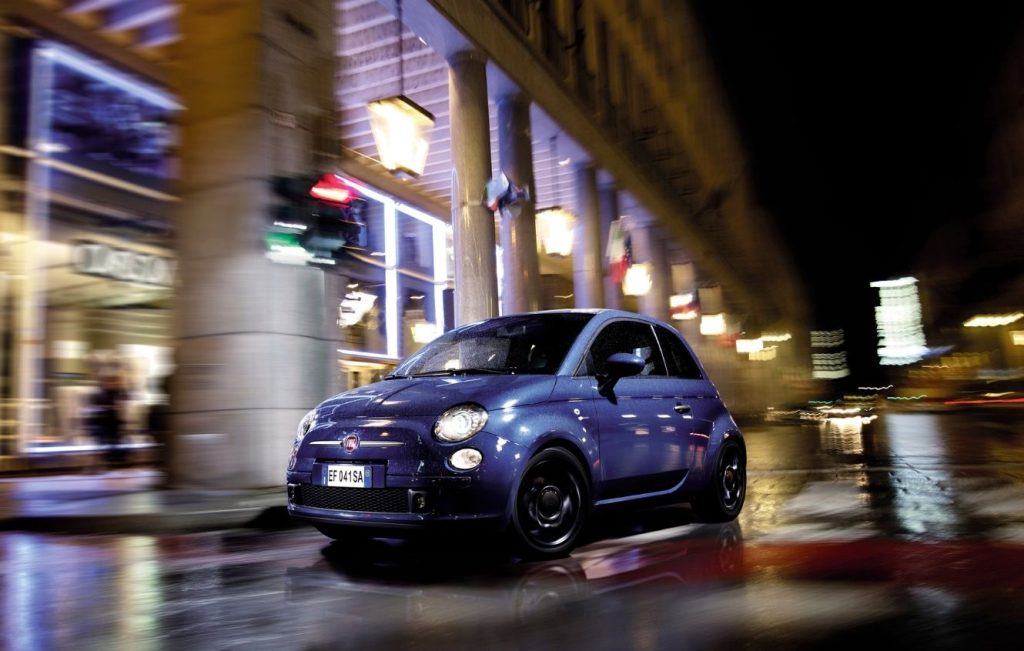
Fiat 500 TwinAir
As the “Type 312” Fiat 500 only went out of production in Europe in 2024 we’re not sure it’s quite time to call it a classic, or even modern classic, despite its overtly retro styling. But surprisingly one of its most interesting variants is now more than 15 years old, with the bubbly ‘TwinAir’ 875cc turbocharged parallel twin engine having made its debut at the 2010 Geneva Motor Show.
It’s an odd little engine, the two-pot. Designed for economy but not especially economical unless you absolutely baby it, and turbocharged but not overly brisk, its appeal is more in mechanical intrigue (not just for having only two cylinders, but also Fiat’s MultiAir hydraulic variable valve timing, which also does away with a throttle butterfly), and the amusingly burbly sound it emits.
The low-frequency note means the engine feels a little uncomfortable at low revs, almost like it’s about to stall, so you end up driving it everywhere like a Turinese courier. Maybe that’s why the economy suffers. It suits the 500 though, and was available in the Panda and Punto (and Alfa Romeo MiTo) too if you don’t fancy the retro shape.
What to pay
Take a look through the classifieds, as prices are all over the place depending on condition and spec. Early and high-miles cars will set you back under £1500, while dealers are still asking close to £10k for late, low-miles convertibles and special editions. We’d spend maybe three or four grand on a nicely-kept car in a funky colour as a characterful runaround.
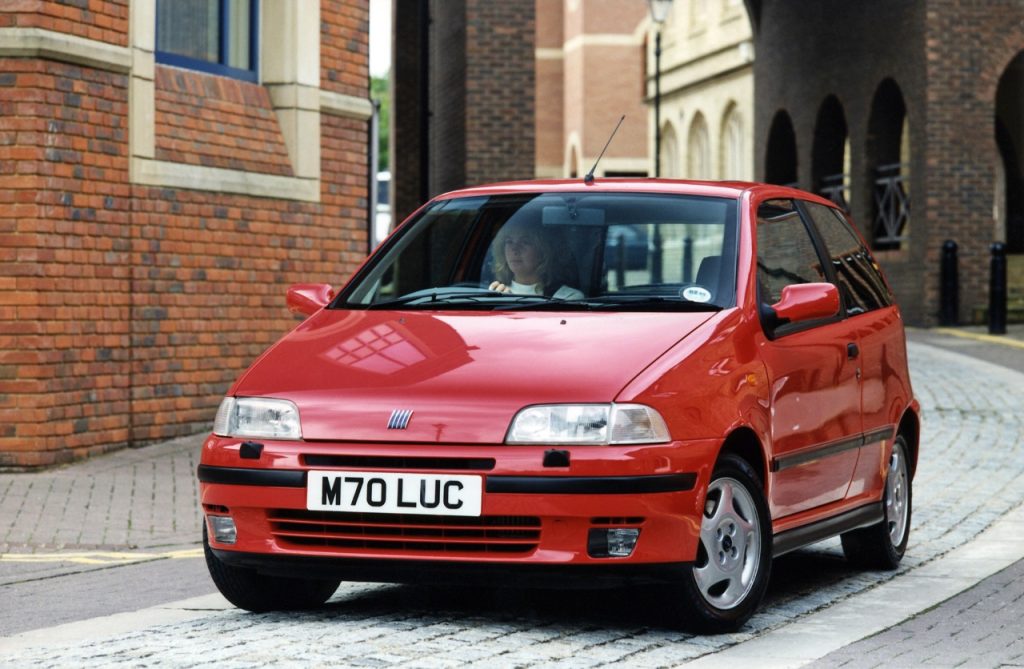
Fiat Punto (Type 176)
Like the original Panda, the first Punto is another Giugiaro shape, and yet more proof the Italian designer knows how to perfectly combine practicality with chic style. With space and utility at its core – leading to a shape that was quite tall for its era, and Panda-style touches like an enormous open dashboard for storing items – the Punto also threw in some proper 1990s curves, and kicked off a trend for vertical tail lights too.
It’s a car that seems more modern than its 1993 debut year, we reckon – perhaps helped by production nearly reaching the turn of the millennium, when it was replaced by a sharper second-generation Punto. Along the way, Fiat offered three variants, with both three- and five-door hatches but also a Bertone-built convertible. Engine choice was broad too, from a 53bhp 1.1-litre four-pot (which it donated to the Cinquecento Sporting), to a punchy 134bhp 1.4-litre turbo in the Punto GT, spiritual successor to the Uno Turbo. There were diesels, too.
The Punto’s becoming a Festival of the Unexceptional favourite, but at its core it’s just another clever supermini from Fiat, one that’s quite good fun to drive in its sportier forms, and quietly stylish even at its most basic.
What to pay
These old Puntos are getting rare, and they’re hard to value. At the time of writing there are just a couple we can find for sale: a faded but tidy non-runner for £550, and a one-owner, 18,000-mile five-door 60 SX for £3995 – so use those as your guidelines.
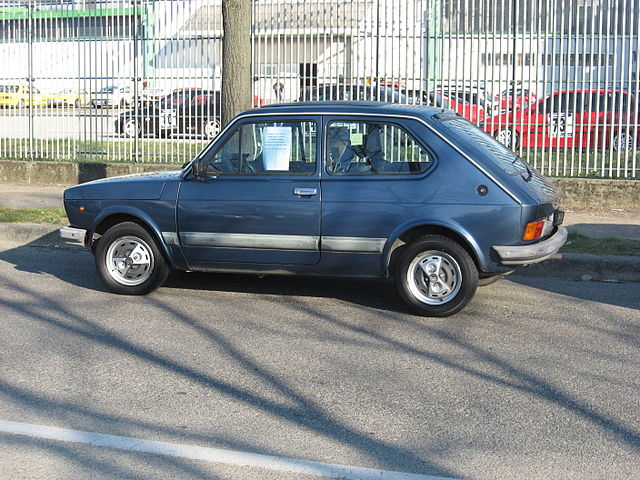
Fiat 127 Sport
Along with the Renault 5 and Ford Fiesta, 1971’s Fiat 127 was one of the cars that defined the “supermini” segment in the 1970s, cars that were larger than the classic Mini and Fiat 500 but also weren’t quite family-hatchback sized like the Volkswagen Golf. It replaced the Fiat 850, and adopted the front-wheel drive layout that had debuted with the larger 128.
Those after something a bit peppier than the standard 903cc engine would have to wait until the first facelift though, with a tuned 1049cc Fiat 127 Sport parping its way into showrooms in 1978. At 69bhp it had a full 20bhp in hand over the regular 1049cc 127, courtesy of a free-flowing cylinder head, new exhaust, and a twin-choke Weber carb.
Contemporary mags called it a follow-up to the original Mini Cooper, only one that was even more stylish – particularly in the brightest of the Sport’s paint finishes, orange with black stripes and details. With the red paint on the tach starting at a high-for-the-era 7200rpm, and shorter gearing to make the most of it, Autocar scrabbled in wet conditions to 60mph in under 14 seconds, and enjoyed the stable handling and quick steering.
What to pay
Sports are rare and there’s no specific listing in the Hagerty Price Guide, but to give you an idea of what people are prepared to pay, a low-mileage non-runner, stored since 2012, sold at auction with WB & Sons for £11,172 in 2025.

Fiat 500 ‘Topolino’
Before the Nuova 500 came the Topolino – a nickname for Fiat’s 1936-1955 small car that means “little mouse”. One look at its tiny size and the cute sloped nose and you can see the resemblance, but the bijou styling covered a car that, like most of its successors, was actually brilliantly designed.
You’ll notice from the proportions that unlike the Nuova 500, this 500 had its engine up front, mounted in-line, though drive still went to the rear. Early cars made just 13bhp from a 569cc four-cylinder, but a more powerful “Model B” version was offered with a heady 16bhp, and both could cruise at 50mph or more, which was plenty in the 30s, and Autocar found it could navigate the 1-in-5 test hill at Brooklands without complaint – not bad, given you’d certainly feel that kind of grade on foot.
Drivers could pick from a handful of body styles too, so the Topolino wasn’t as austere as you might expect. The standard format was a two-door saloon but you could have the same with an opening fabric roof if you fancied a breezier drive, and van and estate variants were also offered. With just two seats, it wasn’t as practical as its successor, but it still showed that even tiny cars could be taken seriously.
What to pay
The Topolino is another car not listed in the Hagerty Price Guide, and many sales take place in mainland Europe. But a later flat-fronted 1955 500 in good running condition sold for £5600 with Brightwells in 2025, and a fully restored 1954 Belvedere estate went for £9k. Earlier cars aren’t necessarily hugely more expensive, as the sale of a lovely 1939 car with WB & Sons in 2024 showed: it sold for a modest £4905.
Which small Fiat would you choose from this list? We’d love to know in the comments below.
Insure your classic with a specialist insurer
If you’re looking for cover for your pride and joy, why not consider Hagerty UK? Not only are we classic car insurance specialists, but we are enthusiasts at heart. Call us for a quote on 0333 323 1138.