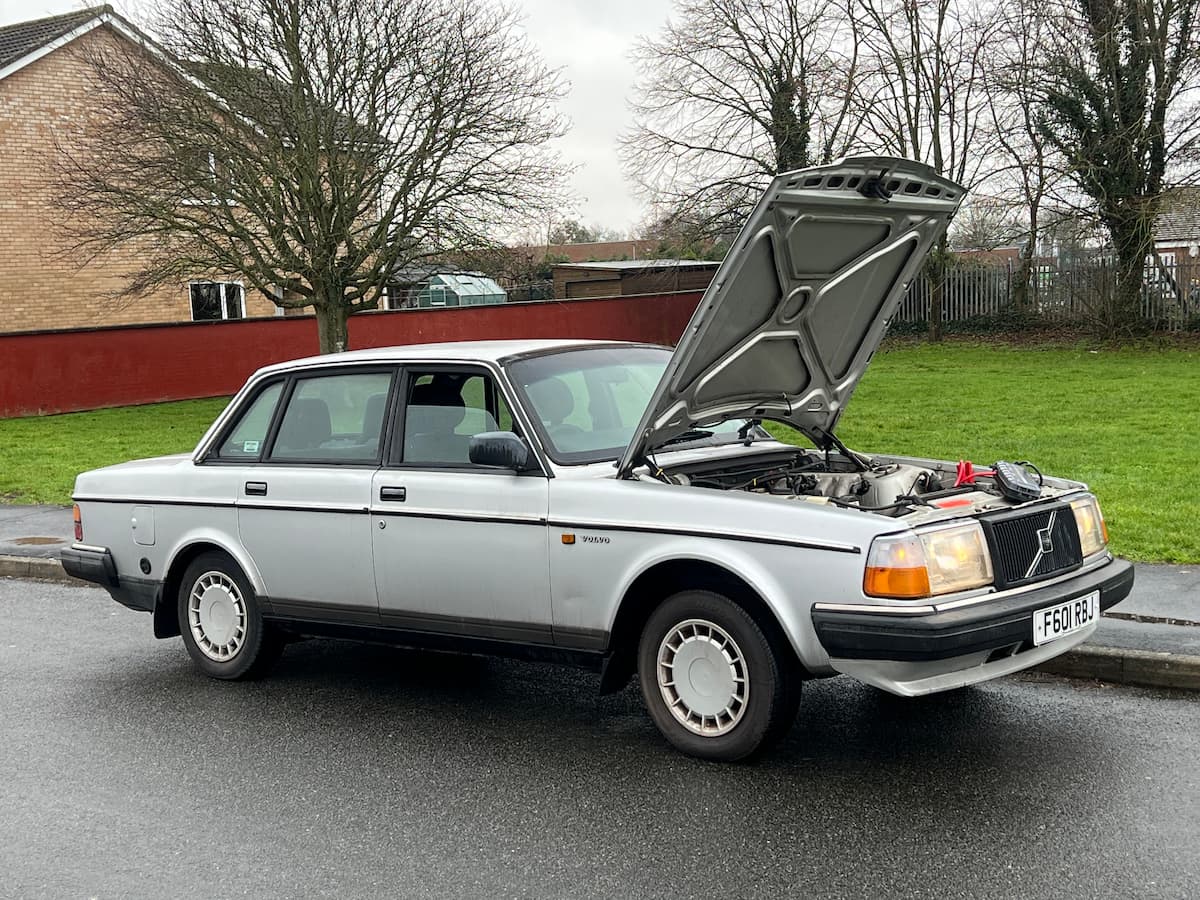
Words and photos: Craig Cheetham
Flat batteries are a common issue in the winter, especially with classics that only see occasional use – a weak battery can keep going in mild weather, but when a cold snap hits it can finish it off completely.
Similarly, a natural drain on your battery through lack of use can cause it to lose voltage – either through running systems on the car such as the alarm or clock memory, or just from a lack of use.

Most cars use lead-acid batteries, which store energy chemically and release it as needed. Recognising the signs and causes of a flat battery is the first step towards sorting things out safely.
But while it may be tempting to just get the jump leads out, carelessly starting a car with a completely flat battery can create problems of its own. Here’s how to do it safely.
Check everything first
Whatever you do with your car, safety should always be your number one priority. Batteries contain corrosive acid and can emit flammable gases, so avoid open flames, sparks, or smoking near the battery. If the battery is cracked, leaking, or swollen, do not attempt to test or jump-start it – something has caused that to happen, and it’s a job that requires professional intervention.
If everything looks okay, you should first test the battery with a multimeter. Set it to DC volts, and connect the leads to the battery terminals – red to positive and black to negative. A good battery will show a reading of over 12.6 volts, though your car may still start with anything over 12.0 volts – anything below that and you’ll most likely need to boost start the car.
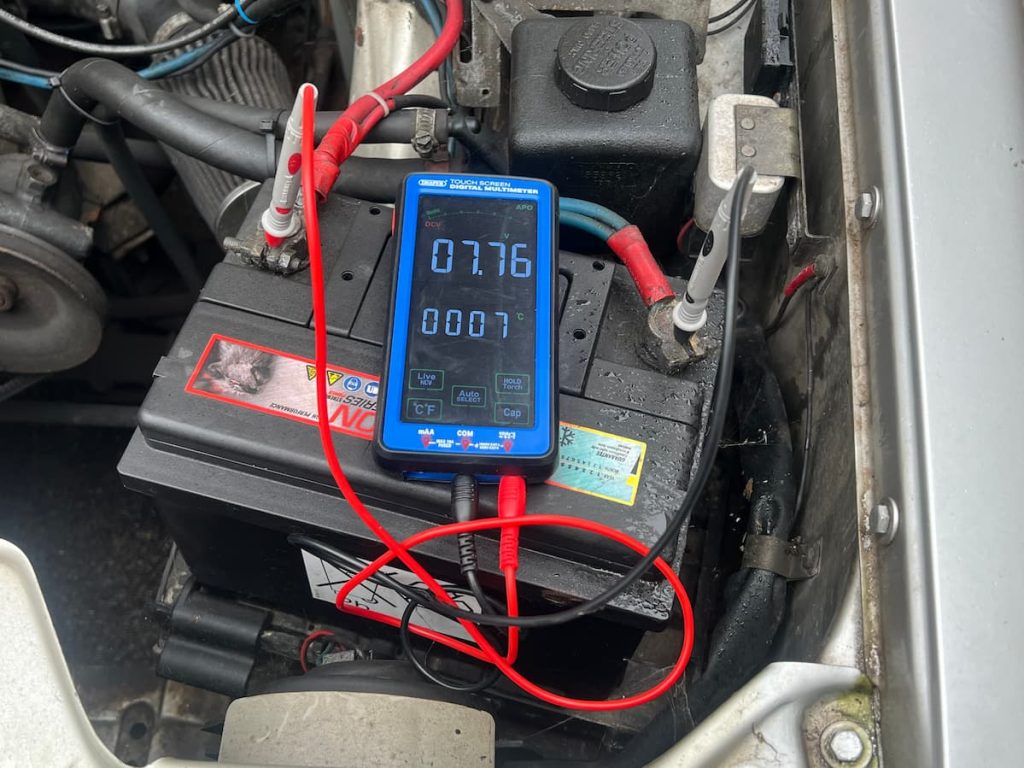
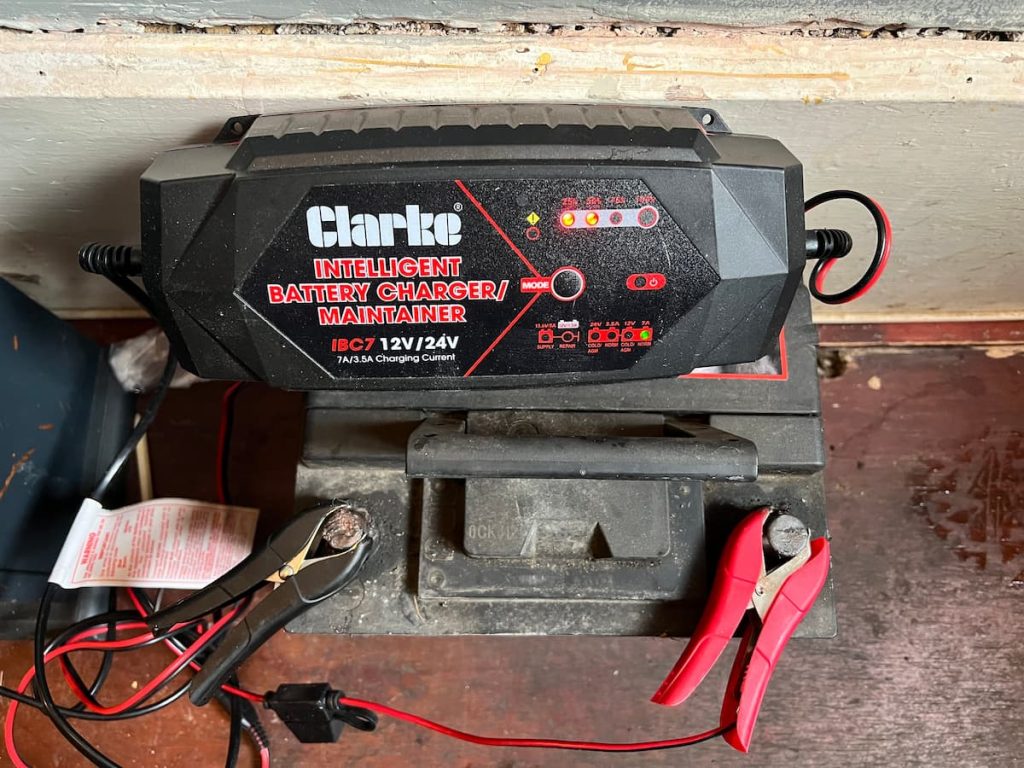
However, if the multimeter shows a reading below 9.0v, then assisted starting isn’t necessarily a good idea, especially on more modern classics that are running ECUs and body control units. In those circumstances, it’s far safer to remove the battery and charge it away from the car.
If your battery isn’t drastically discharged, then you can either jump start or boost start the car.
Jump-starting a car safely
Here are the key steps to safely jump-starting your classic:
- Position another vehicle with a known healthy battery close to yours, but do not allow the vehicles to touch.
- Turn off both engines and all electrical accessories.
- Attach the red (positive) jump-lead to the positive terminal of the flat battery, then to the positive terminal of the healthy battery.
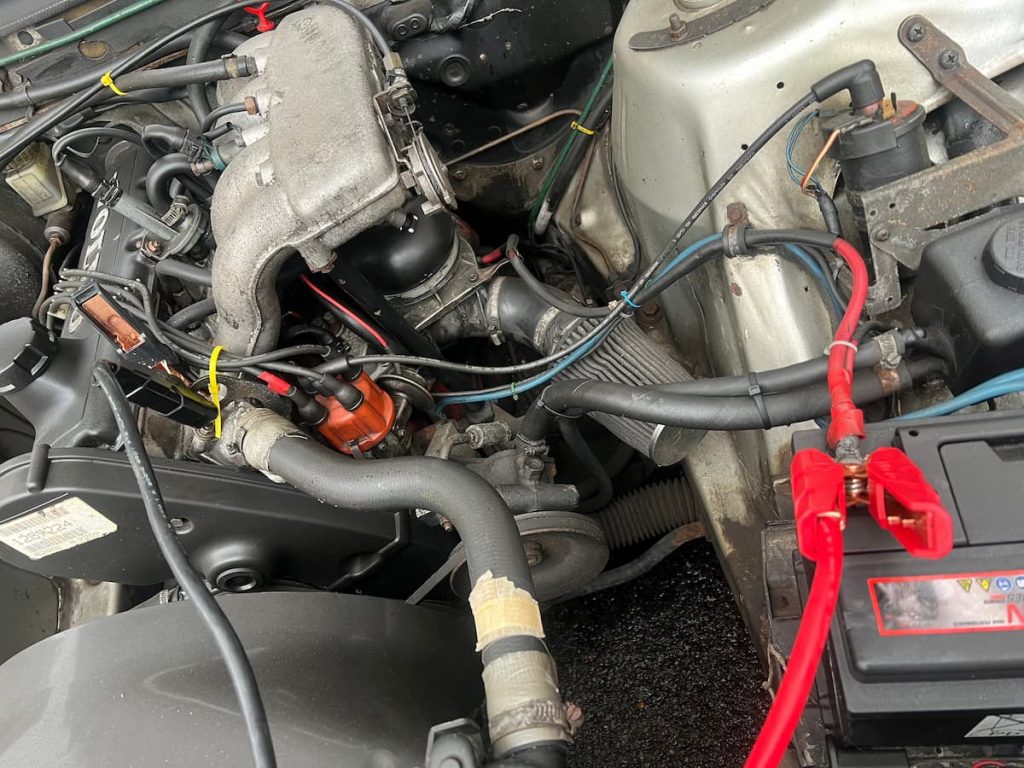
- Attach the black (negative) jump-lead to the negative terminal of the healthy battery. Attach the other end to an unpainted metal part on your car’s engine block, away from the battery – do not attach it to the negative pole on the battery.
- Start the engine of the donor car and let it run for a few minutes.
- Attempt to start your car. If it starts, leave it running for at least 15–20 minutes to help recharge the battery.
- Remove the leads in reverse order: negative lead from your car, then negative from the donor car, positive from the donor car, and finally positive from your car.
You should never connect both negative jump leads directly to the flat battery, as not only can this can cause sparks and potentially ignite battery gases, but it can also cause voltage spikes before the electrical system of a car reaches an earth point – it can fry your electrical systems, especially on more complex and modern classics.
Using a portable power pack
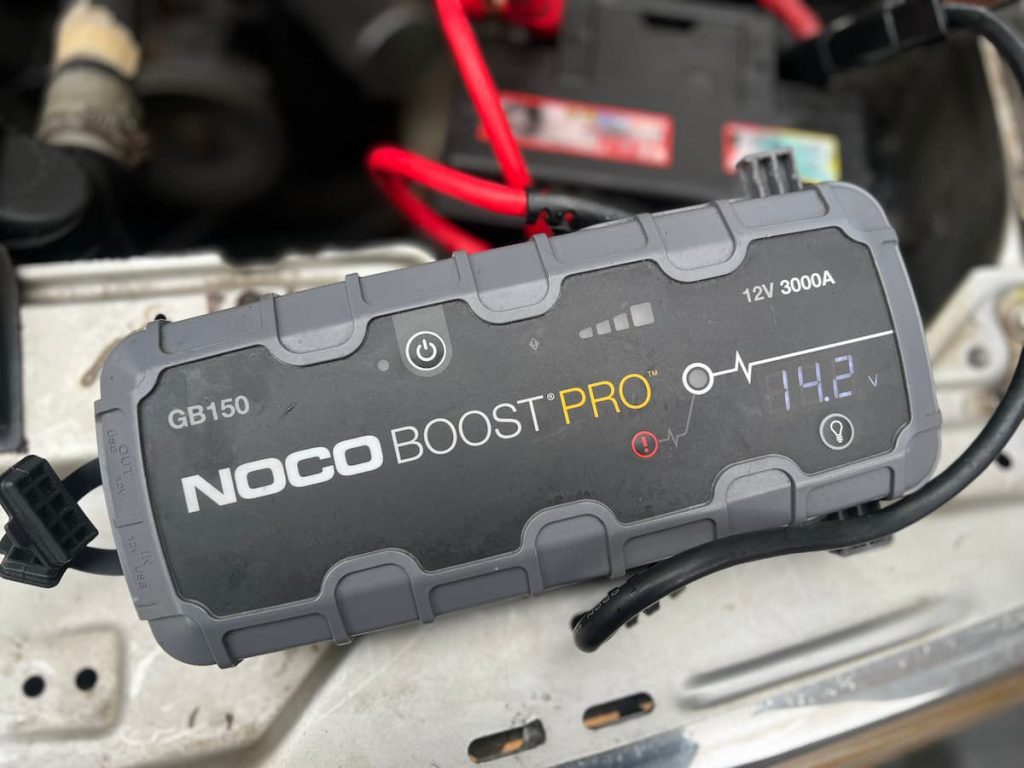
Portable power packs are increasingly popular and are much smaller than they used to be thanks to advances in lithium-ion battery technology.
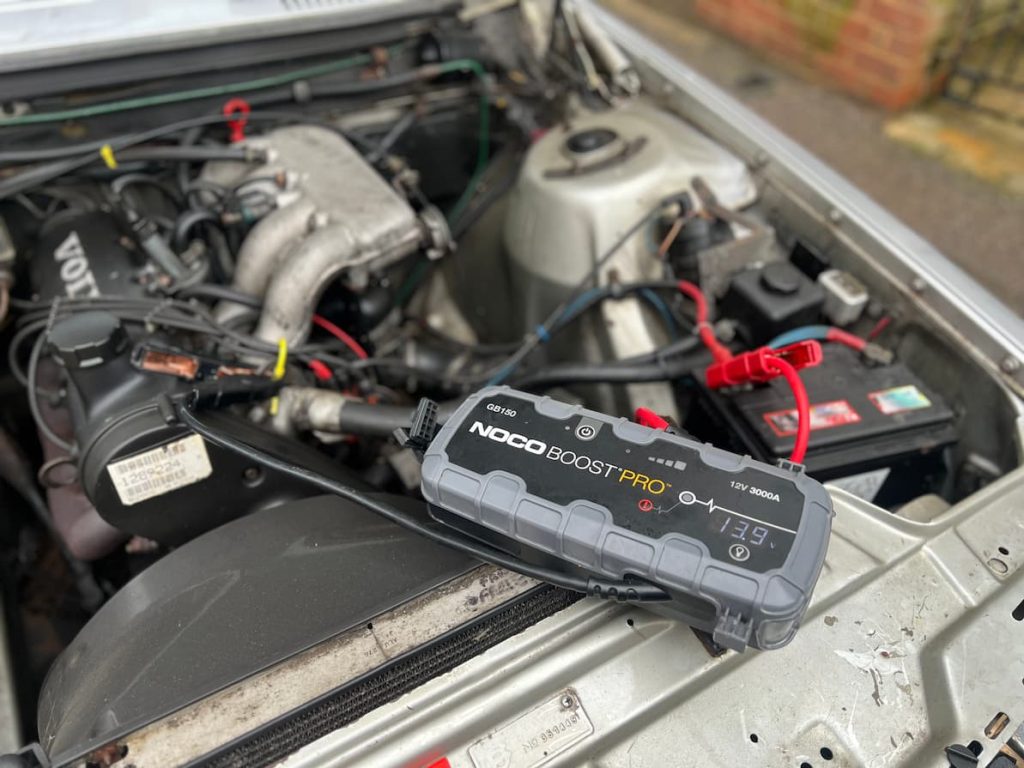
To use one, do not turn it on until it is connected. First, attach the positive (red) lead of the booster pack to the positive battery terminal. Next, attach the negative (black) lead to the engine block.
Now, turn the unit on and allow it to feed some power into the battery – wait at last 30 seconds before attempting to start the car to avoid any voltage spikes. If the car doesn’t start the first time, leave it for another 30 seconds before trying again, and don’t crank the engine for too long or you’ll risk flattening the booster pack as well.
Testing your battery
To see if your battery is in serviceable condition, one option is to perform a load test.
This involves measuring the voltage while the engine is cranking. With the multimeter still connected, you’ll need an assistant to try and start the car for you.
First, check the battery’s resting voltage: set your multimeter to DC voltage, connect the red probe to the positive terminal and the black probe to the negative. A healthy battery should show around 12.6 volts. If the voltage is below 12.4 volts, charge the battery before proceeding.
With the multimeter attached, get your helper to start the engine and observe the voltage drop. A good battery should not drop below 10 volts while the engine is cranking.
If it falls beneath this threshold, the battery may struggle to provide sufficient power, especially in cold conditions, and could be nearing the end of its useful life – if so there’s no point charging it – it’s time for a new one.
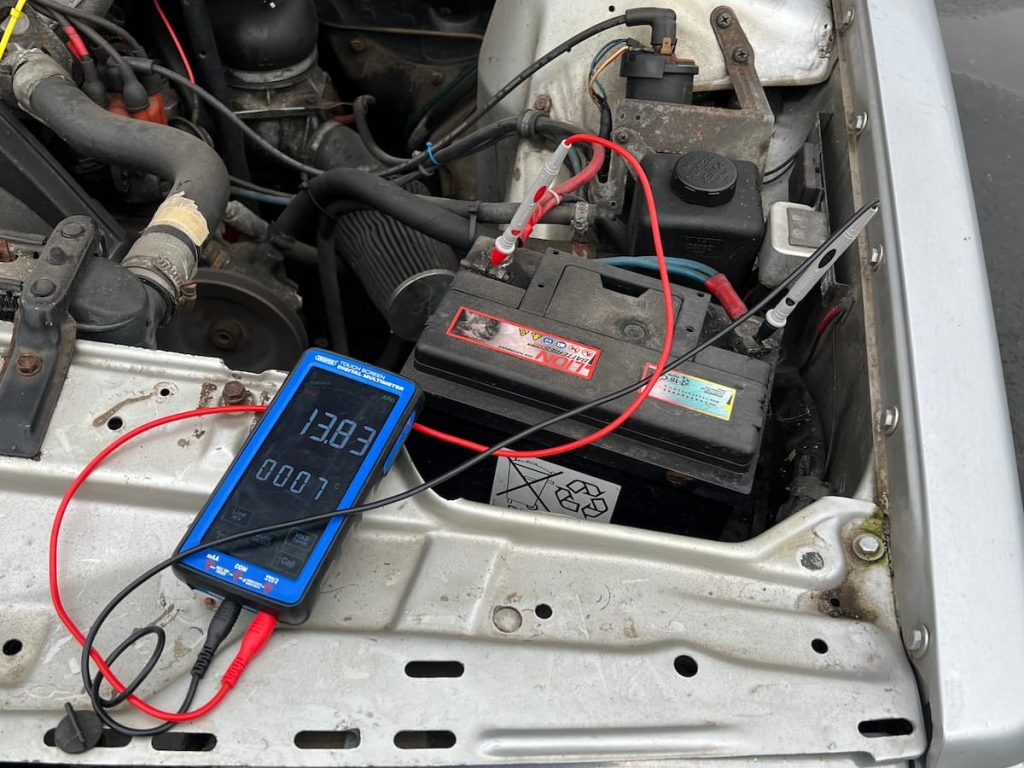
If all is good and you still have a flat battery, then you should also check that your alternator is functioning properly. To do this, again connect your multimeter to the battery and start or jump-start the car. The multimeter should now show the car to be taking a charge from the alternator system, greater than that of its standard charge. A healthy alternator output is between 13.8 and 14.5 volts – anything below that shows an alternator that may need replacing soon but still works (if the charge is greater than 13.0v) or one that has failed already and needs immediate replacement.
Which practical guides would you like us to cover next? Let us know in the comments below.