Words: Nathan Chadwick
Photos: Manufacturer
The elegant Seventies flagship that dared to be different, and paid the price
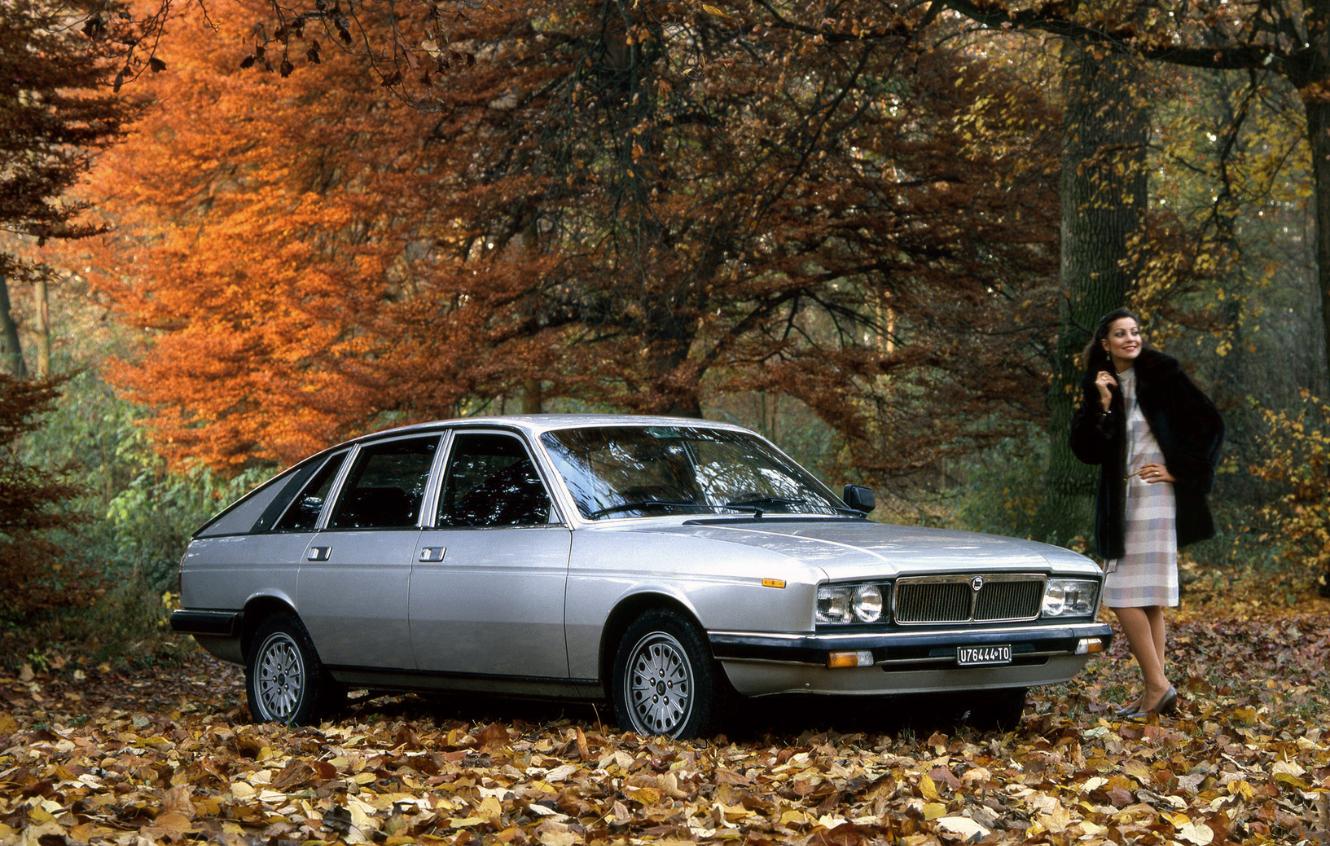
In the 1970s Lancia found itself at a crossroads. Its reputation for engineering ingenuity and avant-garde design persisted, but the market was changing rapidly. Buyers wanted comfort, space and modernity without sacrificing character, and they wanted it wrapped in a shape that spoke confidently of the future. The Lancia Gamma, launched in 1976, was Lancia’s answer: a large executive car that dared to be different.
The Gamma was conceived during a turbulent period for Lancia. Fiat had taken control of the marque in 1969, promising financial stability and engineering freedom. Replacing the long-lived Flavia and 2000, the Gamma was designed to sit at the top of Lancia’s range. Rather than follow rivals down the increasingly well-trodden path of inline engines and conservative layouts, Lancia doubled down on technical distinctiveness.
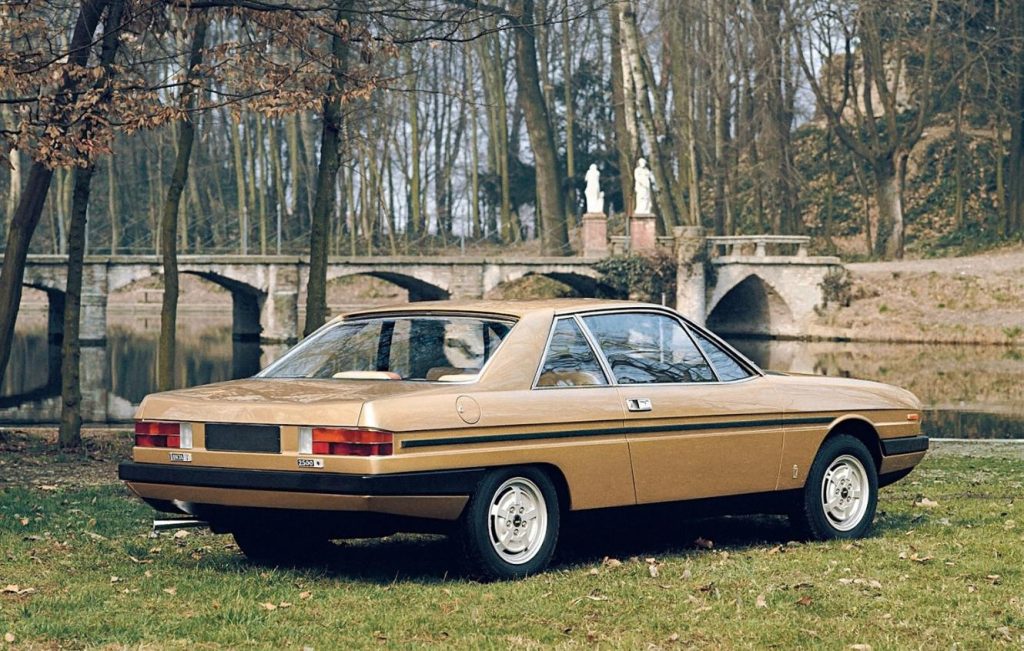
The design brief was handled in-house for the Berlina saloon, with a shape that was resolutely modern for the mid-Seventies. Crisp lines, a low nose and a large glasshouse gave the Gamma a lightness that belied its size. There was an unmistakable rationalism to the styling, influenced by contemporary Italian architecture. For the Coupé, Lancia turned to Pininfarina, who were already deeply involved with Fiat Group projects. The coupé was largely developed under the direction of Aldo Brovarone, one of Pininfarina’s most senior designers.
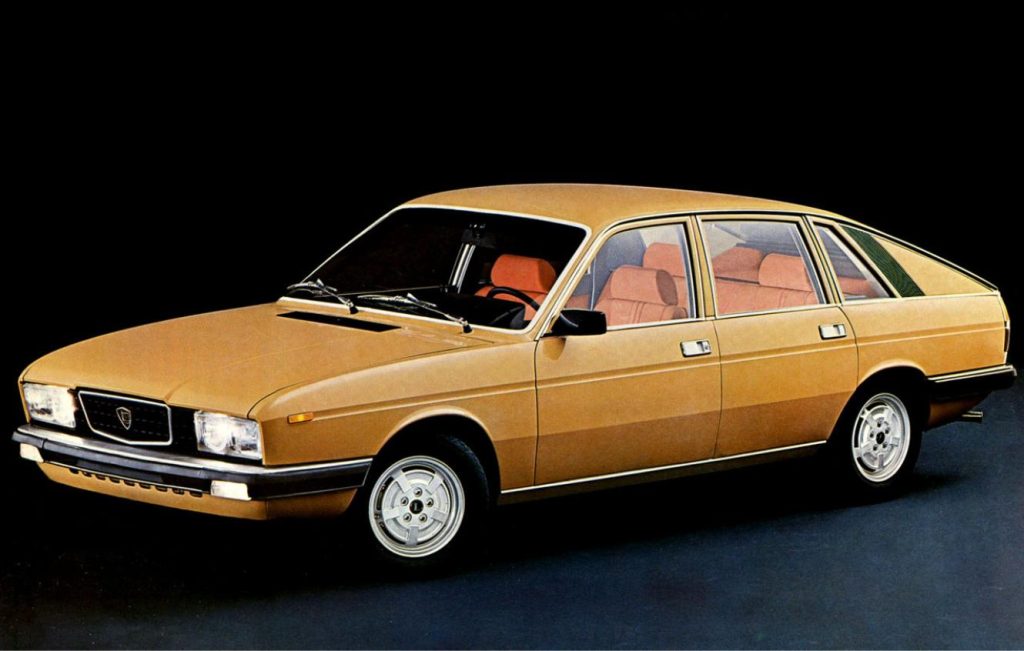
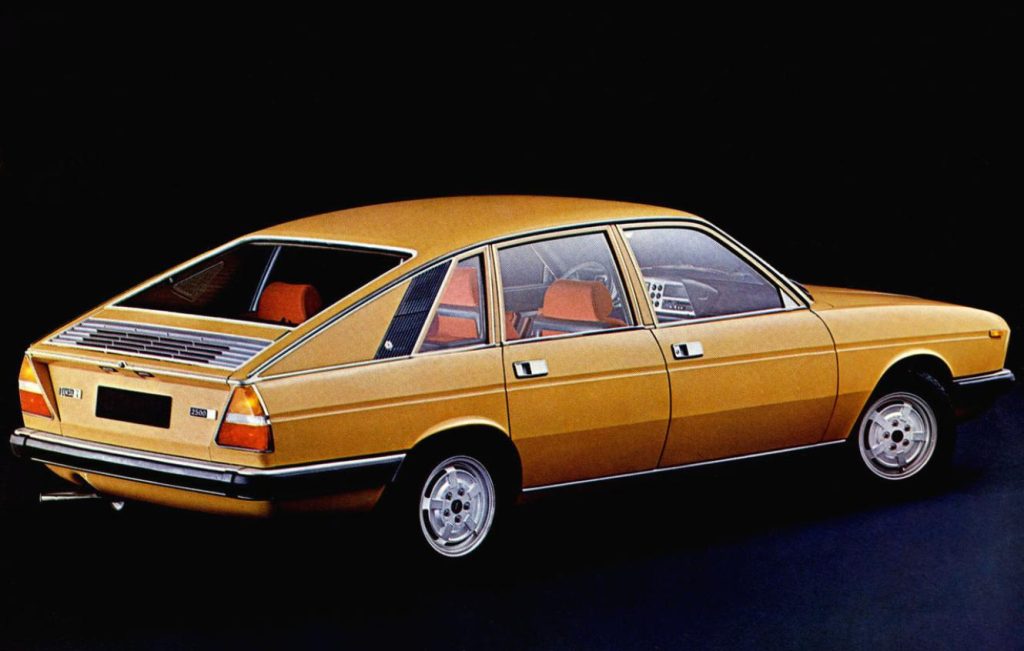
The key decision was to make the coupé a distinct design rather than simply a shortened saloon. While the two cars shared floorpan, drivetrain and structural hard points, the coupé received unique body panels from the A-pillar rearwards.
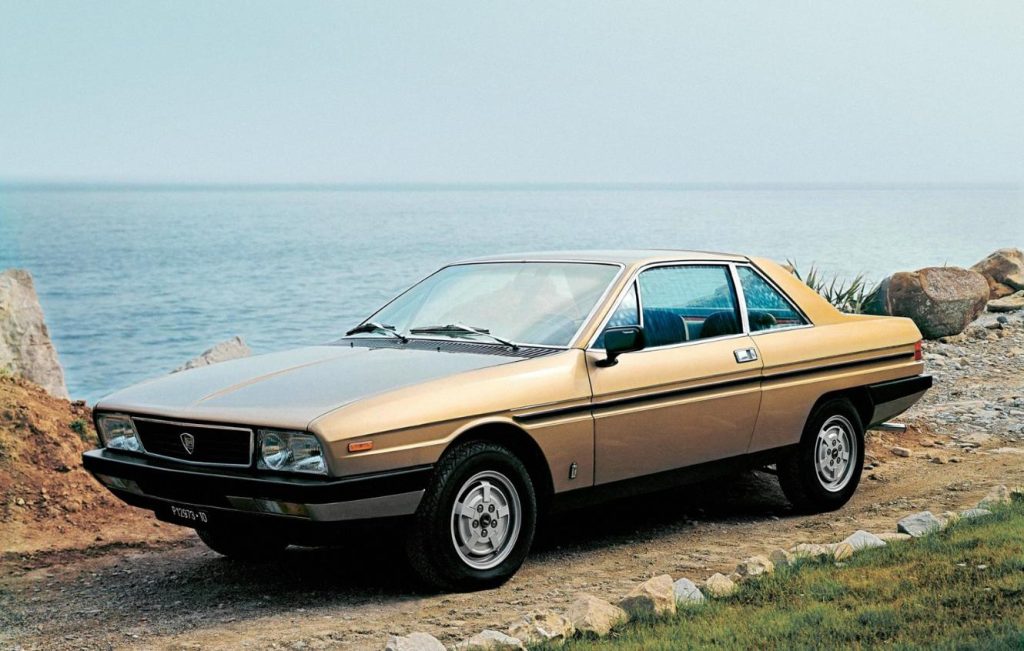
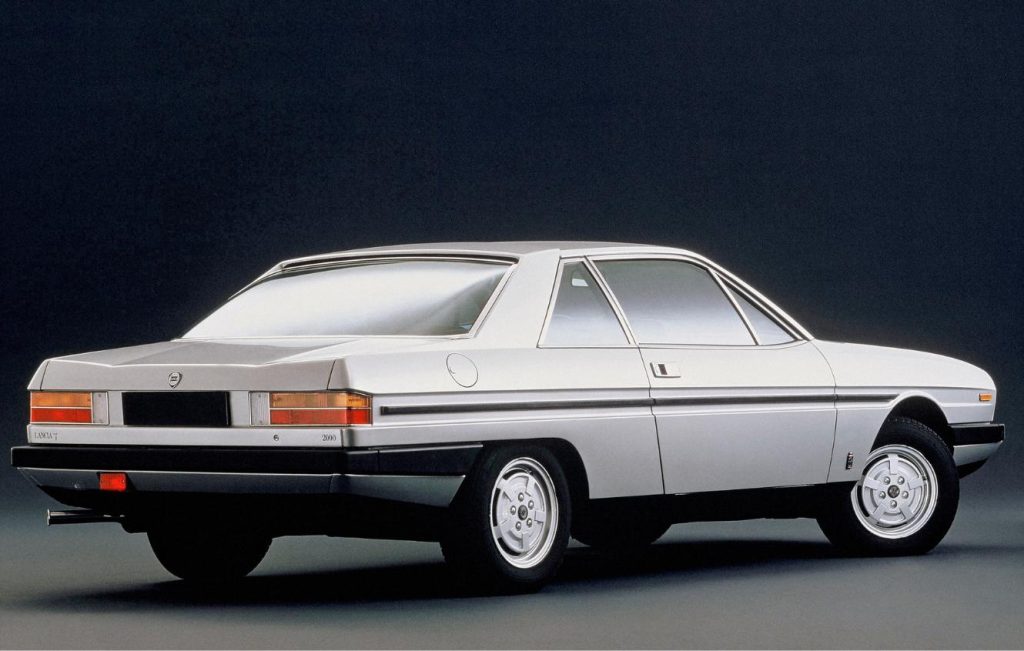
The Gamma Coupé was deliberately restrained. In contrast to the sharp wedges and visual aggression of contemporary Italian GTs, its design brief prioritised elegance over sportiness, a calm, almost architectural surface language, and long-distance comfort rather than overt performance cues. The result was a clean, strongly horizontal form with a long bonnet, slim pillars and a fastback roofline that flowed uninterrupted into the tail. An unusually generous glasshouse reinforced the car’s grand touring role, giving the cabin a light, airy feel. Notably, there were no decorative flourishes: no excess chrome, no exaggerated haunches, and no visual tricks. However, there is the magnificent bootlid to consider…
Rather than a conventional, clearly defined boot, Pininfarina treated the rear of the car as a continuation of the roofline. The fastback glass flows into a shallow, crisply cut bootlid with a near-horizontal trailing edge, creating a strong sense of visual closure without resorting to spoilers or ornament. This horizontal cut-off was intentional: it stabilises the rear visually, balances the long bonnet, and gives the car a poised, almost architectural stance when viewed in profile.
Mechanically the Gamma was pure Lancia ingenuity, for better and worse. At its heart lay an all-new flat-four engine, available in 2.0 and later 2.5-litre forms. Mounted longitudinally and driving the front wheels, the boxer layout allowed for a low bonnet line and excellent weight distribution. In theory it was a masterstroke, delivering smoothness and a low centre of gravity. In practice it proved complex and, in early cars especially, fragile.
At launch it was admired for its design and ambition, but criticism soon followed, largely centred on reliability. Early engines suffered from oiling issues and timing belt problems, which tarnished the car’s standing in key markets. In an era when German rivals were building reputations for bulletproof dependability (not always well deserved…), the Gamma’s foibles were magnified.
The classic Gamma failure story is usually described as follows: the engine is started from cold and, while manoeuvring out of a parking space, the driver immediately winds the steering onto full lock. At that point the power-steering pump reaches maximum resistance, momentarily overloading the timing belt. The belt skips a tooth and the engine either stalls immediately or continues running briefly with the cam timing out of phase. Within moments, internal damage is done. This was not a theoretical weakness: it occurred often enough in period that Lancia quietly introduced revised belt tensioners, updated belt specifications and service advisories. By then, however, the damage to the Gamma’s reputation had already been done.
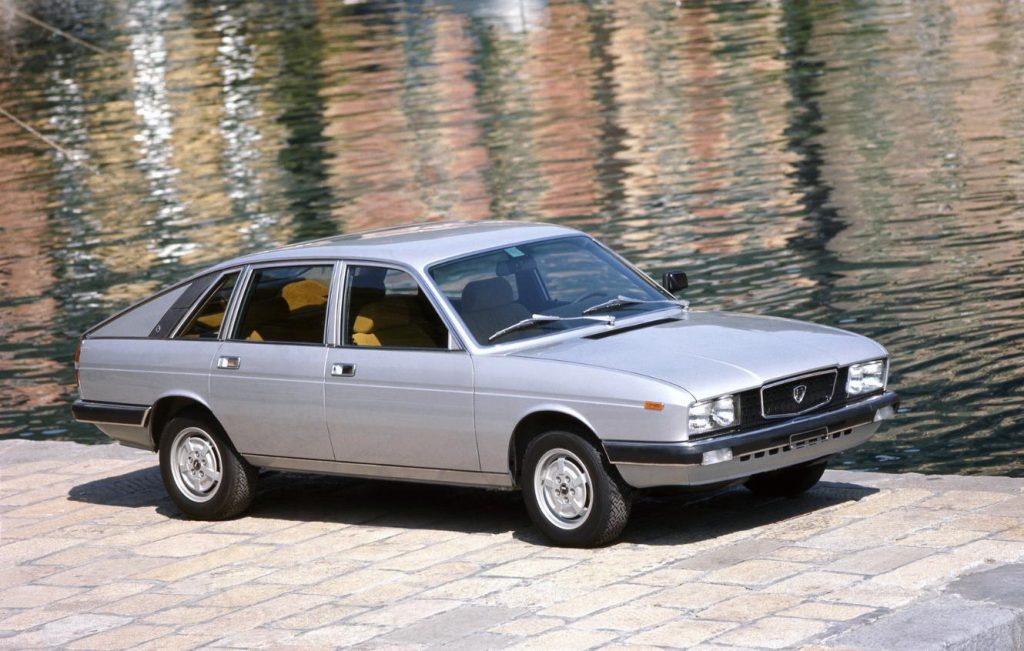
There were other issues too – early 2.0-litre units are the most problematic, so evidence of upgrades or meticulous maintenance is crucial. Timing belt changes should have been carried out religiously, and oil pressure must be healthy. Overheating can be a concern, so cooling systems should be scrutinised carefully.
Rust is another key consideration. While not the worst of its era, the Lancia Gamma is vulnerable around sills, wheelarches, floorpans and suspension mounting points. The Coupe’s doors and rear quarters deserve particular attention. Interior trim can be difficult to source, so originality and condition inside the cabin have a significant impact on value.
Mechanically, suspension components and braking systems are generally robust but may require refurbishment simply due to age. Electrical systems can be temperamental, though issues are usually solvable with patience rather than specialist intervention.
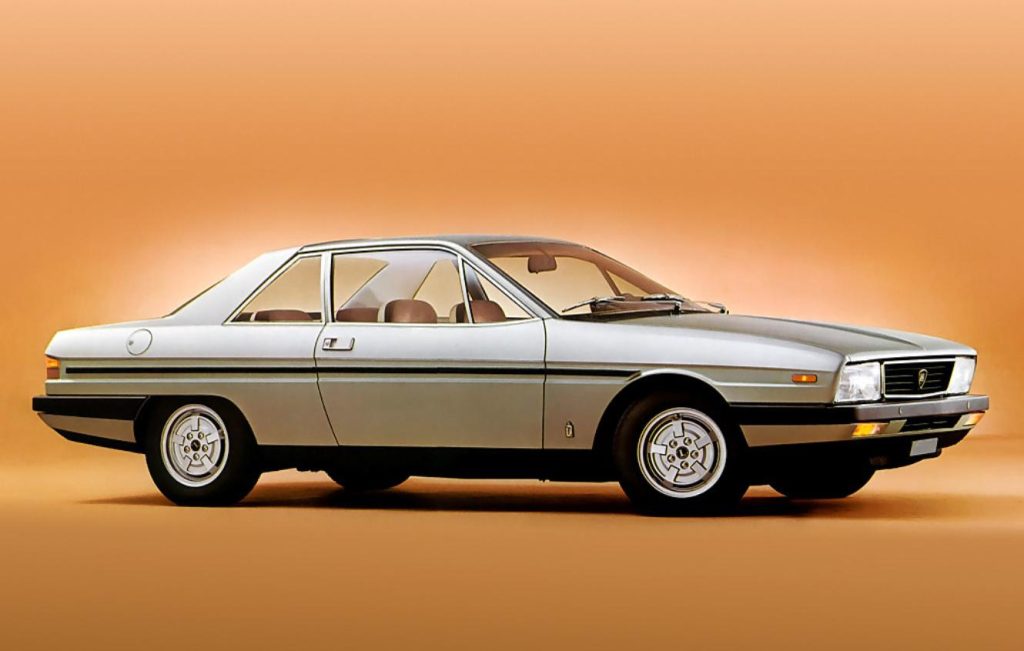
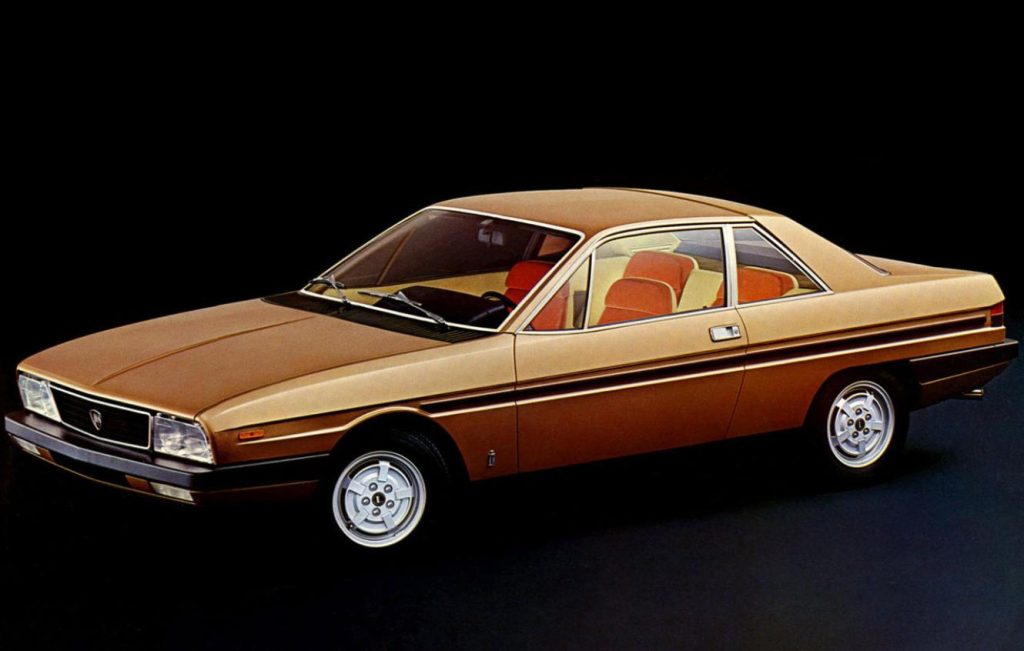
Time has been kind to the Lancia Gamma’s image. Enthusiasts have come to admire its refusal to conform, its flat-four engine standing as a defiant statement in a world of straight-sixes and V6s.
The Coupé in particular has enjoyed a renaissance. Its Pininfarina styling has aged gracefully, and it now sits comfortably alongside other Seventies Italian classics as an object of genuine desire – the Fiat 130 Coupe, Alfa Romeo Montreal and Maserati Khamsin, to name but three. The Berlina, too, has found favour among those who appreciate its understated elegance.
Culturally the Gamma represents the last gasp of old-school Lancia thinking before rationalisation took firmer hold. It is a bridge between the marque that gave the world the Lambda and the Stratos, and the more pragmatic brand that followed. For many enthusiasts, that alone makes it significant.
Insure your classic with a specialist insurer
If you’re looking for cover for your pride and joy, why not consider Hagerty UK? Not only are we classic car insurance specialists, but we are enthusiasts at heart. Call us for a quote on 0333 323 1138.