Words and pictures: Nathan Chadwick
Fancy some US muscle car joy for UK roads? It pays to be prepared
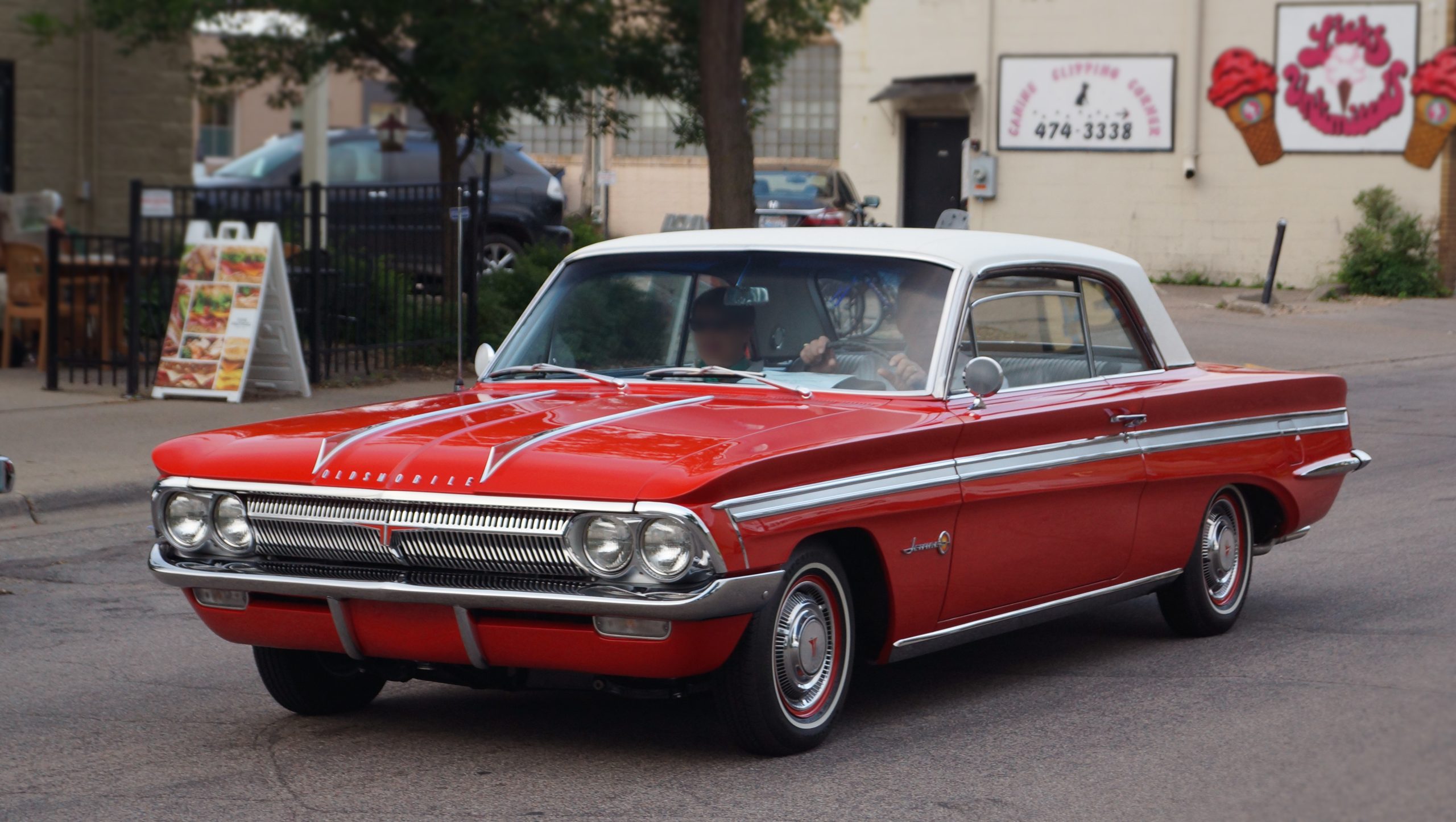
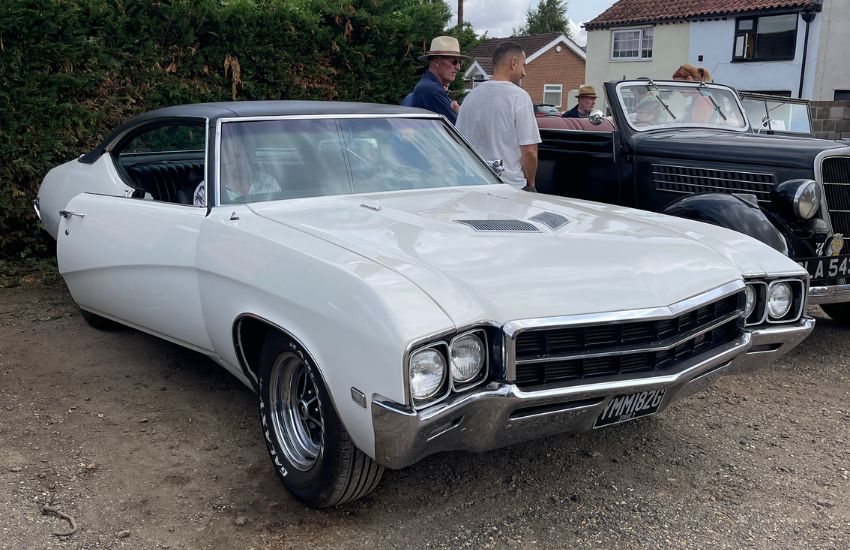
Muscle cars hold a special place in automotive culture. Their low-slung stance, throaty engines, and raw, unfiltered performance continue to attract enthusiasts around the world. Importing one into the UK, however, requires careful planning and disciplined research. While the allure of a powerful, American-made classic is undeniable, success in bringing one home depends as much on preparation as it does on horsepower.

The first and most crucial step is finding a vehicle that has been preserved rather than abused. Unlike some exotic European classics, muscle cars were often daily drivers with limited attention paid to long-term maintenance. The condition of the car when it is first purchased can save thousands in shipping, repair and registration costs, so diligence is essential.
When evaluating potential vehicles, the climate in which it was kept is critical. Cars from humid, northern states or coastal regions are more likely to suffer from corrosion, particularly in hidden areas such as the underside, wheel arches, and suspension components. Even seemingly solid cars can carry structural damage caused by years of exposure to road salt and moisture. Conversely, vehicles from arid or desert states tend to have superior bodywork and interiors, having been spared both winter salt and damp conditions. Photographs, while helpful, can be misleading; thorough documentation and inspection reports are invaluable. If possible, enlisting the help of a professional familiar with these cars and their common issues can provide peace of mind and protect your investment.
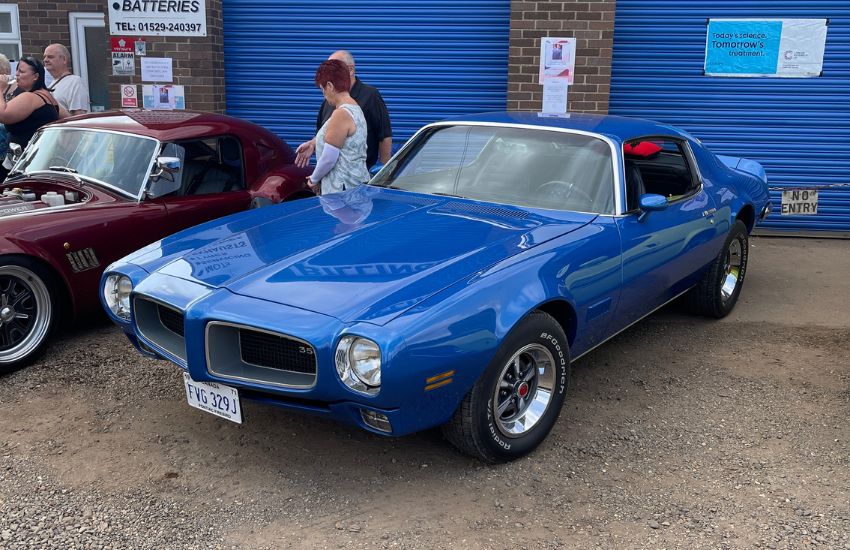
Mileage is another critical factor, but it should be weighed carefully. Low-mileage vehicles often command higher prices, and while they may indicate careful ownership, they may also have suffered from mechanical stagnation. Engines, seals and rubber components can deteriorate over time when left unused, so it is wise to seek cars that have been periodically exercised. Service records provide insight into how consistently the car was maintained and whether any significant mechanical interventions were necessary.
Beyond condition, originality is an important consideration. Muscle cars were often modified by previous owners, sometimes extensively. While certain upgrades can enhance performance, modifications that deviate from factory specifications can complicate the registration process in the UK and may affect long-term value. Understanding exactly what has been changed and whether original parts are available is essential. Subtle alterations, such as aftermarket wheels, upgraded carburettors or suspension changes, may be acceptable, but wholesale engine swaps or chassis modifications should raise red flags.
Sourcing a car also means considering export logistics. Vehicles being sold for export may not have current registration in the local state, or may be sold “as is” without comprehensive documentation. A reputable seller or broker can provide assurance that the title is clear and transferable, and that all necessary paperwork for export is in order. It is crucial to verify that the car can be legally exported; some vehicles, particularly older ones, may have liens or unresolved compliance issues that could delay or prevent shipment. Additionally, sellers who are experienced with international transactions are more likely to provide accurate condition reports and facilitate inspections prior to purchase, which is particularly important when buying from afar.
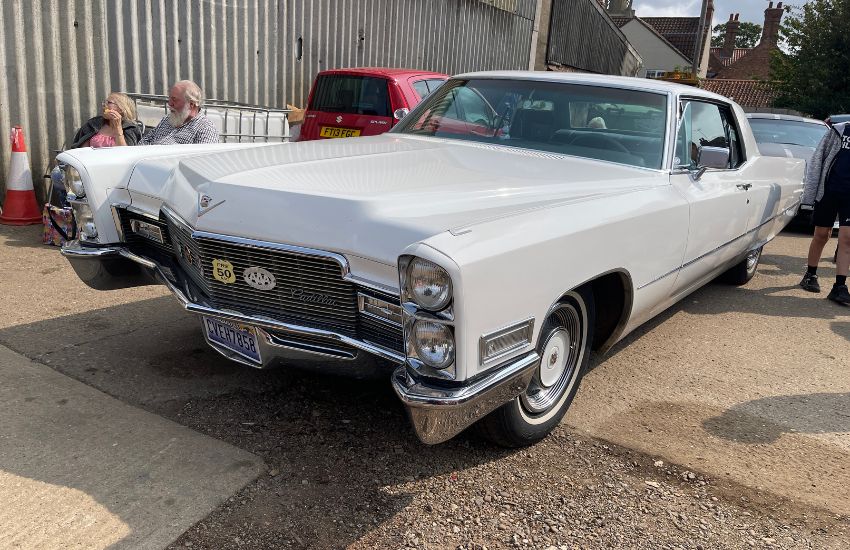
Certain states present more risk than others. Those with harsh winters or heavy use of road salts are notorious for hidden corrosion, even in cars that appear well-maintained. Similarly, areas prone to flooding, hurricanes, or coastal storms can produce vehicles with water damage that may not be immediately apparent. Desert and dry states, by contrast, often yield cars with exceptional bodywork, preserved interiors and minimal corrosion. While pricing may be higher for vehicles from these regions, the reduction in long-term restoration costs can more than justify the premium.
Auction houses and private sales are the two most common ways to acquire these vehicles. Auctions can provide access to desirable models, but they require careful scrutiny; descriptions and photographs can be misleading, and bidding wars can inflate prices rapidly. Private sales may offer more transparency and the opportunity to communicate directly with the owner about the car’s history and condition. Regardless of the source, verifying the authenticity of documents, confirming title status and understanding export requirements are paramount. Many first-time importers underestimate the importance of having clear, verified paperwork before shipping a car internationally.
Export considerations are closely tied to shipping methods and timelines. Most muscle cars are transported via roll-on/roll-off vessels, which are cost-effective for vehicles in solid condition. However, for cars of higher value or those requiring additional protection, container shipping may be preferable, albeit at a higher cost. Before arranging shipment, it is essential to ensure that the car is prepared properly: drained of fluids if required, secured for transit and accompanied by all necessary documentation. Delays can occur if export paperwork is incomplete, so proactive coordination with the shipping company and the seller is crucial.
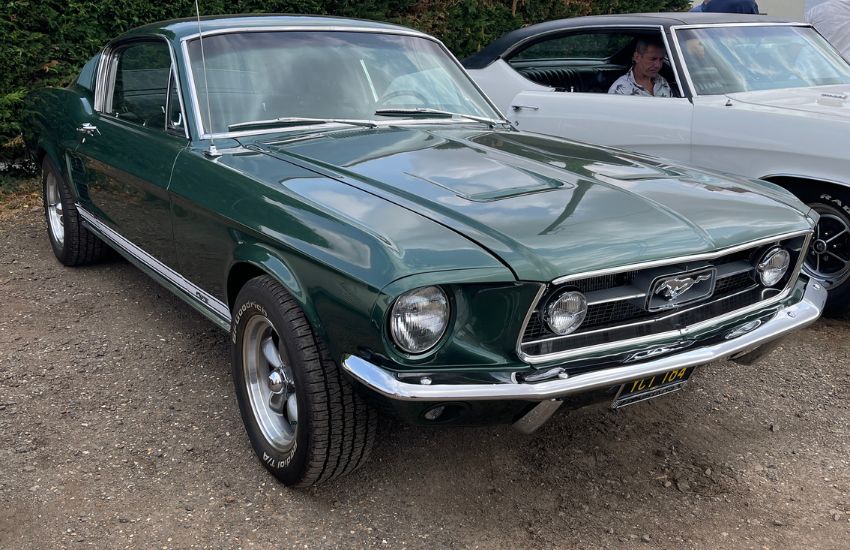
Once the car arrives, registering it with the UK authorities becomes the primary concern. The process is straightforward but requires careful attention to detail. All imported vehicles must be declared to HMRC via the Notification of Vehicle Arrivals system, which calculates any applicable customs duty and VAT. Cars over a certain age and in largely original condition may benefit from reduced import VAT, but exceptions exist, and documentation must be precise to qualify. VAT and duties are calculated based on the purchase price plus shipping costs, so retaining accurate invoices and receipts is essential.
Following customs clearance, registration with the DVLA is required. This involves presenting proof of ownership, the original export documentation, HMRC clearance, insurance cover, and an MOT certificate if the vehicle is under a specified age. Vehicles older than forty years may be exempt from MOT and road tax, provided they are largely unmodified and in a roadworthy condition. Completing the relevant forms and paying the registration fee allows the issuance of UK plates, typically within a few weeks, after which the car is legally ready for the road.
Adapting the car to UK road requirements is a further consideration. Muscle cars originally built for left-hand traffic will require headlights adjusted to dip to the left and the installation of a rear fog light if not originally fitted.
Have you imported an American muscle car before? We’d love to hear what you chose to import in the comments below.
Insure your classic with a specialist insurer
If you’re looking for cover for your pride and joy, why not consider Hagerty UK? Not only are we classic car insurance specialists, but we are enthusiasts at heart. Call us for a quote on 0333 323 1138.