Words: John Mayhead
Photos: Lamborghini and Ananatara
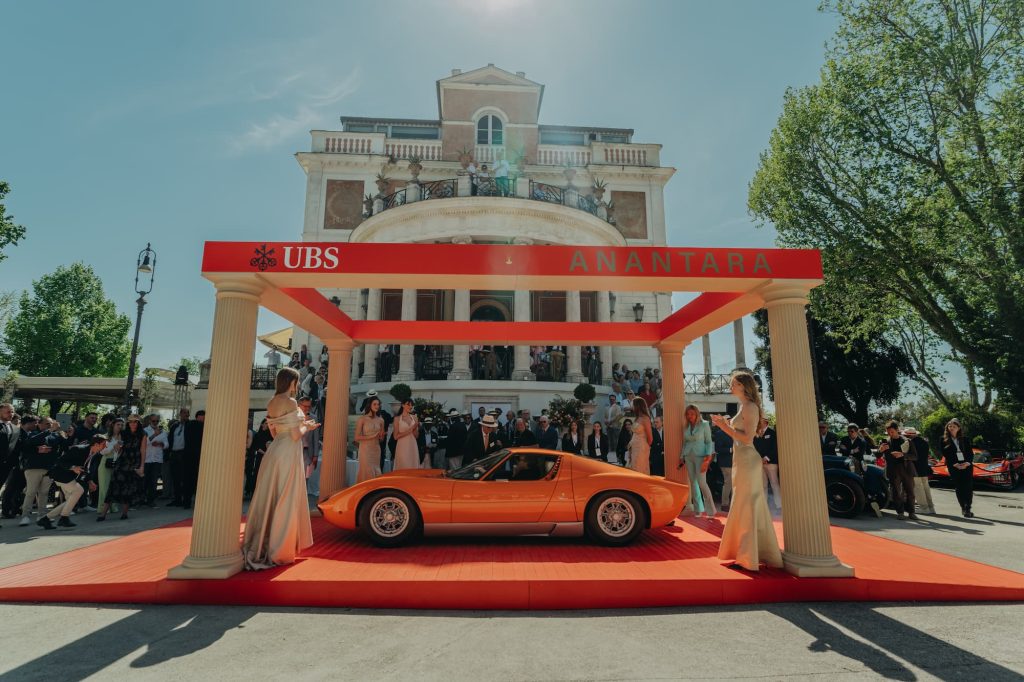
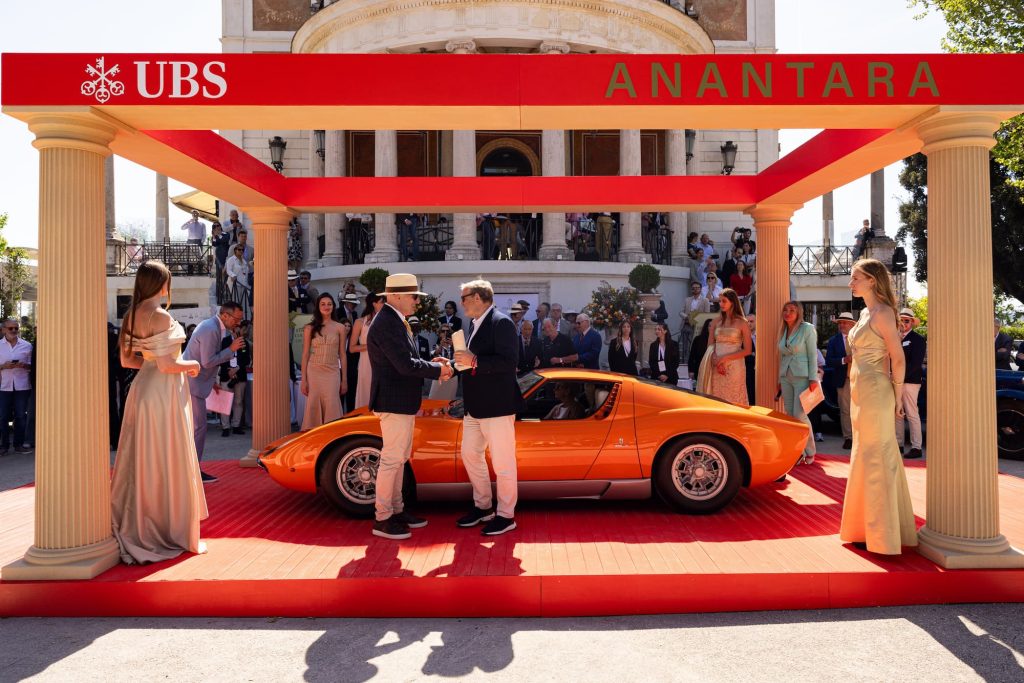
The inaugural Ananatara Concorso Roma, held on 17th and 17th April 2026 in the Italian capital hosted some of the world’s most spectacular cars, and none more so than a brace of exceptional Lamborghini Miuras, both very special in their own ways. 1968 Miura P400 chassis 3586, painted Arancio Miura (Miura orange) is one of the most famous cars in movie history, starring in the iconic opening sequence of the original The Italian Job movie as it wound its way down the Grand St Bernard pass. Now owned by Fritz Kaiser, the authenticity of the car was first proved by Ian Tyrell in 2020 and later confirmed by the Lamborghini Polo Storico factory heritage department. In real life, it’s stunning: the combination of perfect orange paintwork and white leather interior is sublime and the quality of the restoration is astonishing. On the road, it sounds amazing, even when unable to properly stretch its legs through the traffic of Rome on the arrival tour. To nobody’s surprise, it was awarded first place in Class XIV for 1970s Grand Tourers.
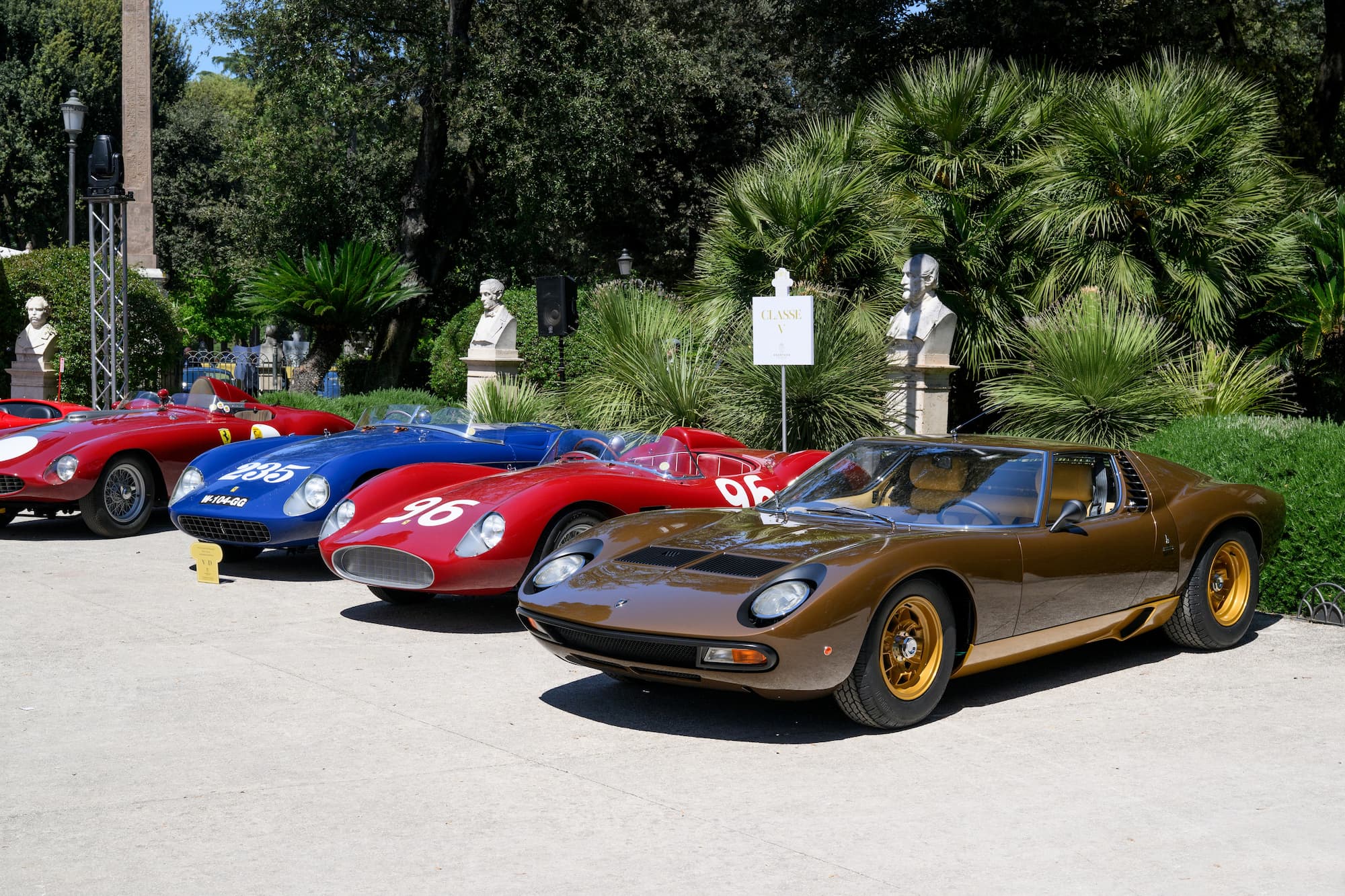
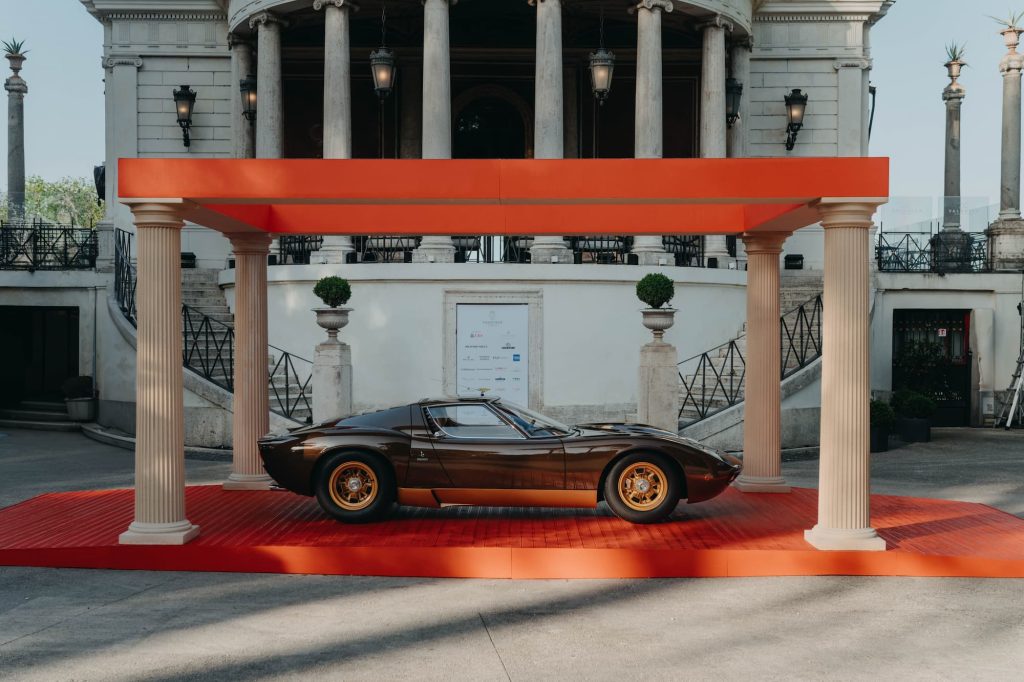
The other Miura shown in Rome is maybe less famous but equally exceptional, having just emerged for an exacting three-year restoration by Polo Storico which entailed not just a full, 100-point restoration but also detailed research into the car’s history. It is a 1972 Miura SV, the ultimate road-going iteration of the model that produced 385bhp from its 3.9-litre V12, an astonishing amount for a car of that era and notably 33bhp more than its period rival, the Ferrari 365 GTB/4 Daytona. With superb ‘Luci del Bosco’ brown paintwork and ‘senape’ (mustard) leather interior, the German-specification car looks absolutely of the era. For me, the small details were what made it exceptional: the front grille and exhaust outlets were both unique when produced and returned to their exact original specification.
“Particular attention was given to restoring all features compliant with period regulations for the German market, the car’s original destination in the 1970s, including the thicker front fender grilles, the rounded-edge fins above the door handles, the octagonal center-lock hubs and the extended handbrake lever,” said Giuliano Cassataro, Head of After Sales Automobili Lamborghini.
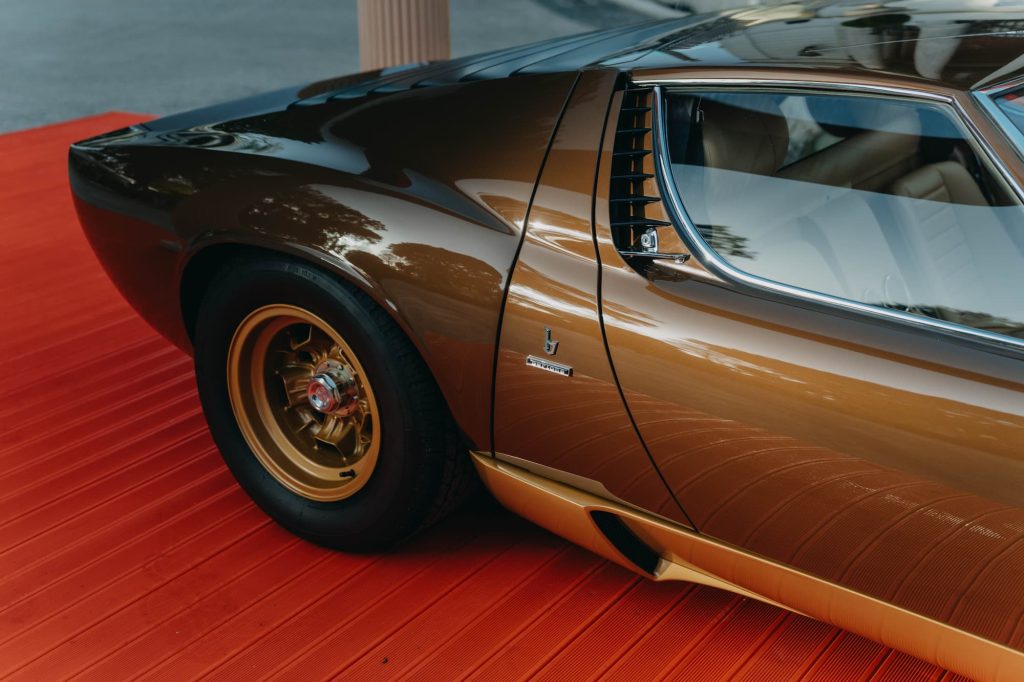
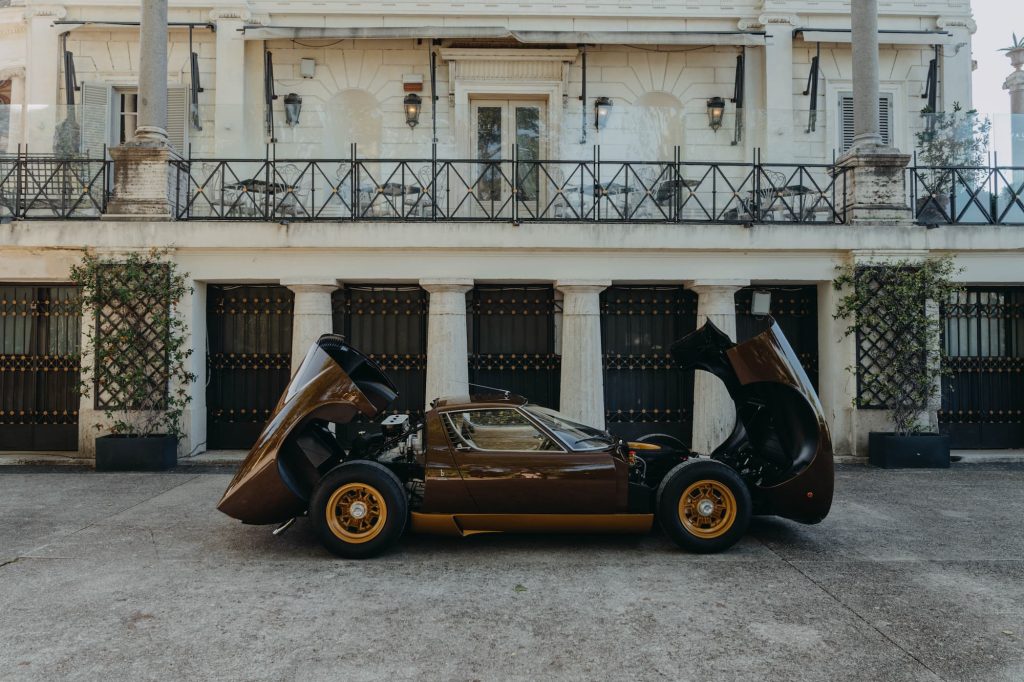
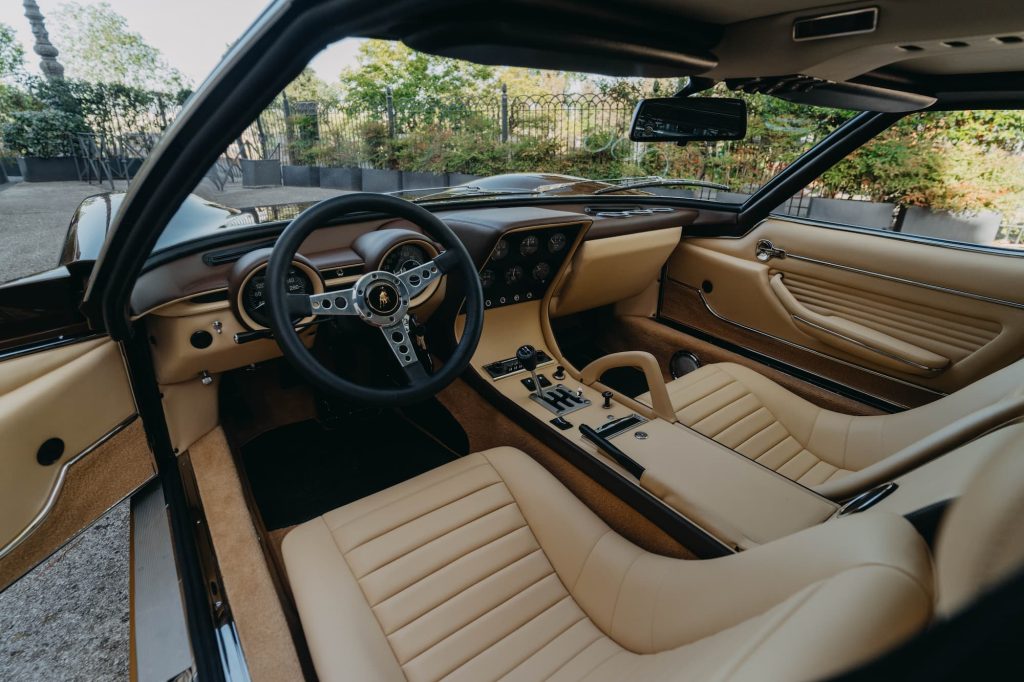
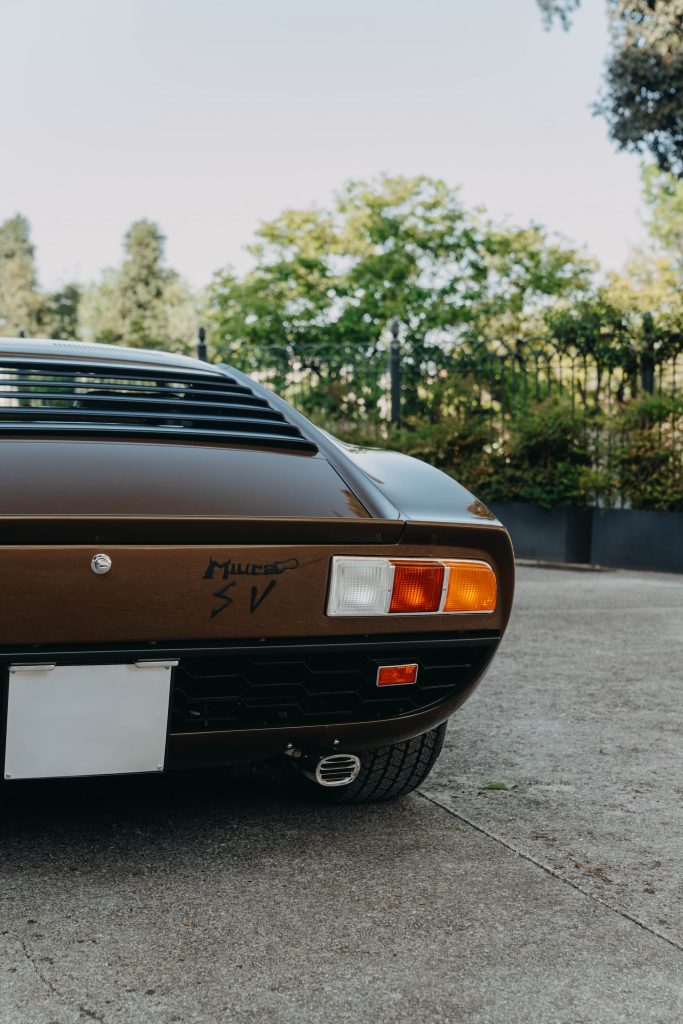
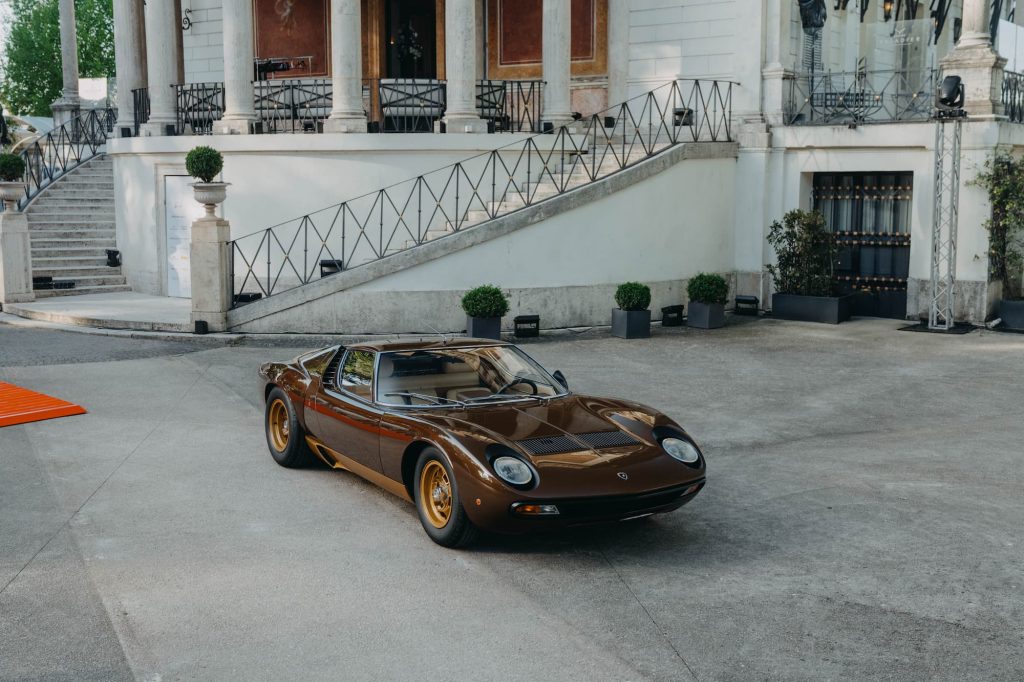
“Based on archival documentation, we also reinstated specific optional features requested by the original customer. Among these, the “Bob-type” exhaust tips, named after test drive Bob Wallace, were reconstructed and reinstalled using the original technical drawings from our archives, together with the correct, more compact, steering wheel.”
The car’s unveiling, the highlight of day one of the Anantara Concorso was very apt as this car belongs to Bill Heinecke, the founder and Chairman of Minor International, the company that runs over 550 luxury hotels worldwide including the Anantara Palazzo Naiadi which hosted all the entrants and judges for this inaugural event. The Anantara Concorso Roma, featuring just Italian cars and located at the Casina Valadier in Rome’s Villa Borghese park was his brainchild, and he and chief judge Adolfo Orsi assembled one of the most spectacular collections of cars I’ve ever seen at such a show. The two Miuras were joined by over 60 other cars, many of which were previous winners at the world’s most prestigious concours and races.
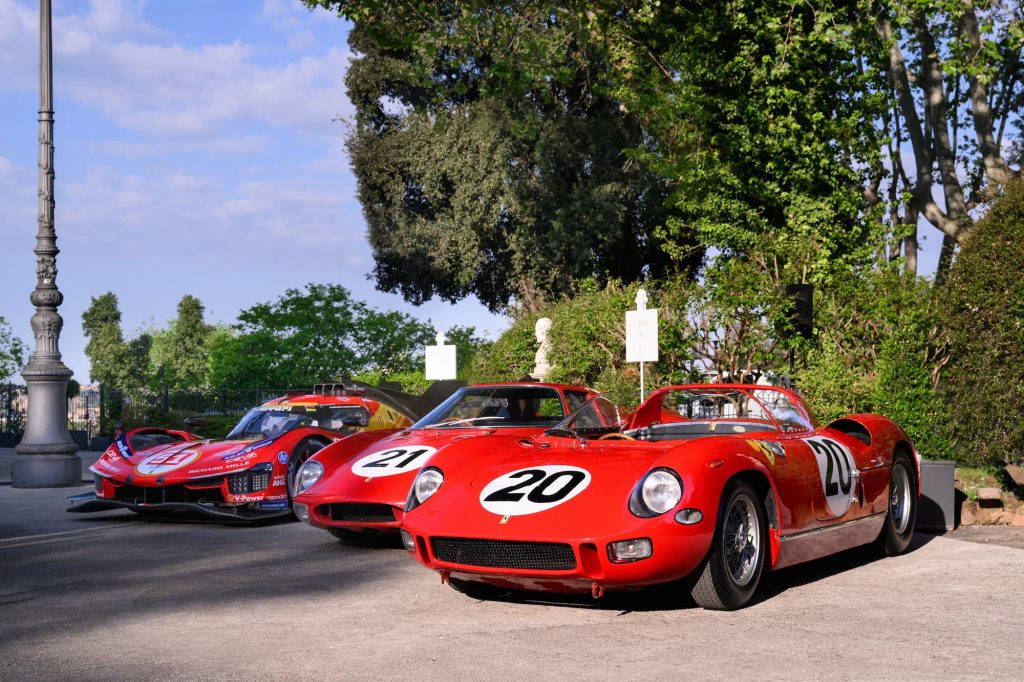
Three Le Mans-winning Ferraris made up one class: the 1963 275P Fantuzzi, the 1964 250LM and the 2023 499P together would have been enough to encourage me to make the trip to Rome, but the concours cars were astonishing too, including Pebble Beach, Salon Privé, The Amelia, and Cavallino winners and even the Keller Collection 1938 8C 2900B Cabriolet Stabilimenti Farina, this year’s Peninsular Best of the Best winner. My favourite was probably Tom Peck’s 1955 Ferrari 375MM Coupe Speciale Ghia, flown from California to be there, the Pebble Beach class winner collecting him more trophies from Rome. Best in Show was reserved for Lawrence Auriana’s extraordinary 1932 Maserati V 4 Sport Zagato, a four-litre, 16-cylinder engine formed by connecting two eight-cylinder inline engines and clothed in a beautiful spider body by Zagato. The show’s only problem, as far as I can see it, is how they will possibly improve on it next year.
Is there another famous movie car you think deserves a place in the spotlight? Let us know in the comments below.






Thank you for the wonderful pictures.