Words and pictures: Nathan Chadwick
Great food, great views, great everything: but road rules can be a challenge
Visiting Italy by car can be one of the most liberating ways to explore the country’s varied landscapes and charming towns. The freedom to stop for an espresso in Tuscany, wander seaside lanes in Liguria or glide along motorways framed by vineyards and mountains is something special.
Yet driving in Italy comes with a set of rules, charges and potential fines that can catch unwary tourists out if they are not prepared. From restricted traffic zones in historic centres to motorways with tolls and urban road charges, understanding how these systems work and how to avoid penalties will make your trip smoother and far less expensive.
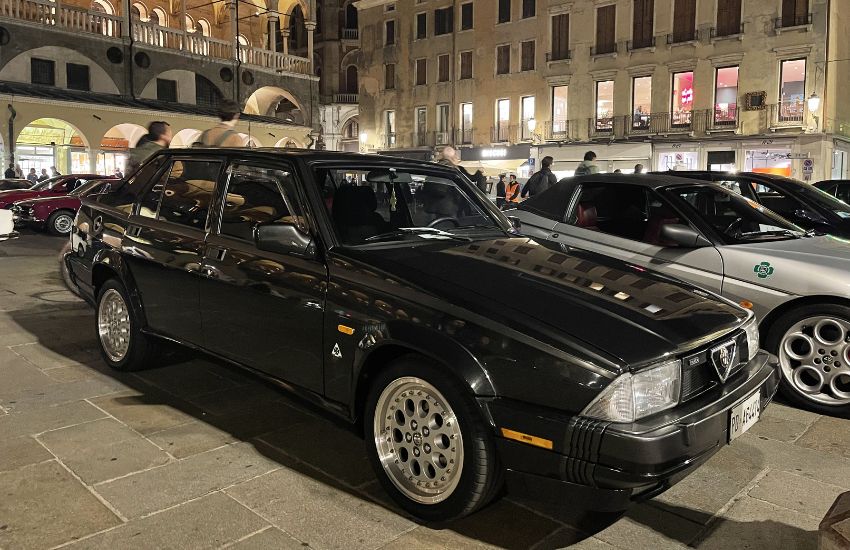
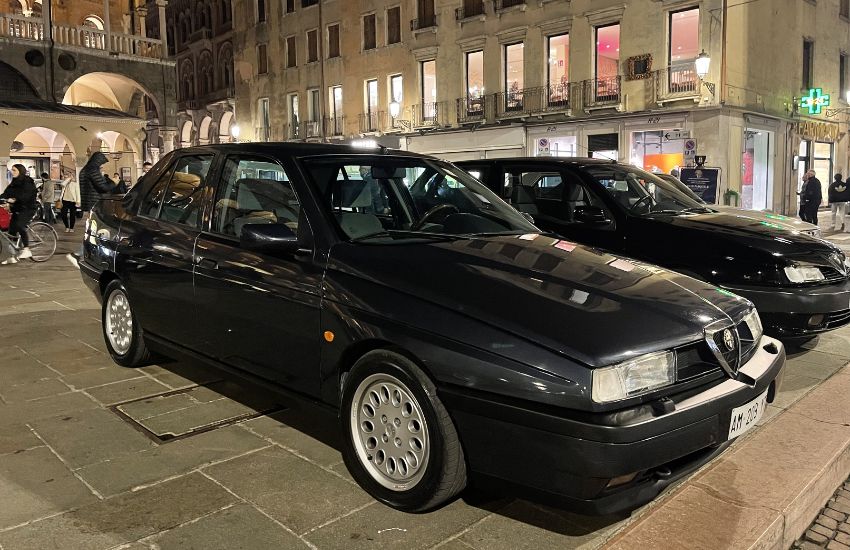
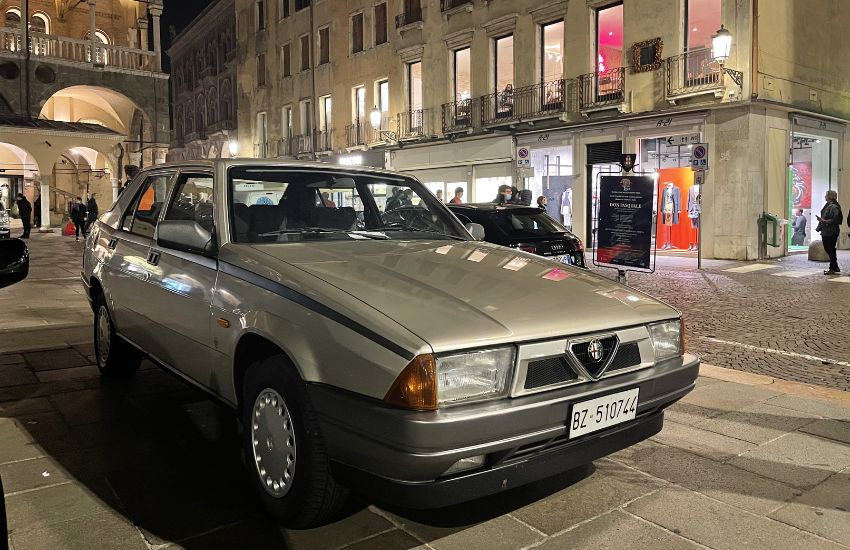
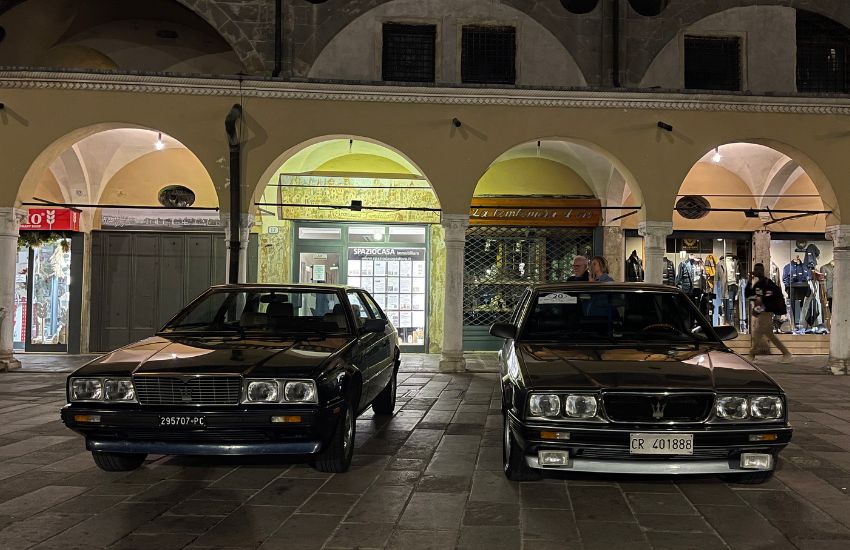
One of the biggest surprises for tourists is Italy’s restricted traffic zones, known locally as Zona a Traffico Limitato (ZTL). These are typically found in the historic cores of cities like Rome, Florence, Siena, Pisa and Bologna. They are marked by signs with a white circle and red border and often a digital display showing “VARCO ATTIVO” or “VARCO NON ATTIVO”. When these zones are active, only authorised vehicles are allowed to enter; cameras automatically photograph every number plate that passes under the monitoring points and the data goes straight to the municipal police. If your vehicle is not on the authorised list you will be fined, often more than €80 to €100 for each infraction, and it is automatic even if you didn’t realise you had entered a ZTL area.
The signs indicating ZTLs can be easy to miss if you’re focused on navigation or moped riders with a relaxed attitude to personal safety and the laws of physics, so the safest approach as a tourist is to avoid driving into city centres at all unless you have explicitly arranged access. Many cities offer peripheral parking areas with good public transport links into the centre, and this is usually the most stress-free way to explore. If your hotel is inside a ZTL and you plan to drive in to unload luggage or park, contact them in advance and give them your licence plate – many will register it with the local authorities to provide a temporary permit, but this must be done before you enter the restricted zone.
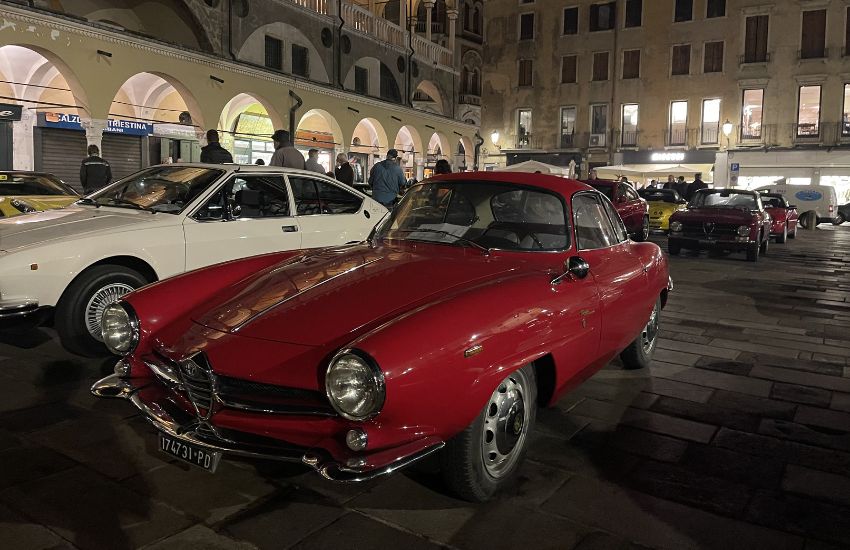
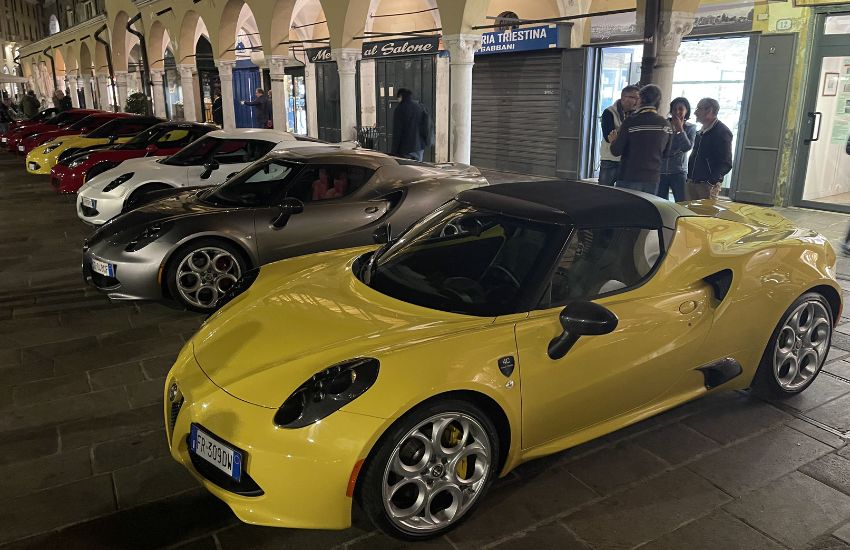
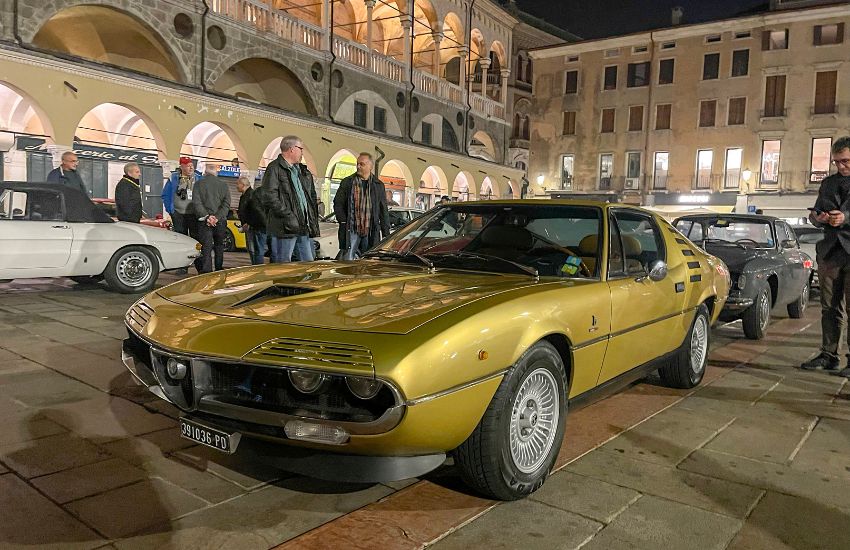
Another form of urban road charging exists in Milan, where the city operates its Area C congestion charge in the central historic core. Unlike a ZTL, Area C is a paid urban access charge that applies on weekdays and requires all vehicles entering the zone to purchase a ticket whether or not you park there. Tickets can be bought online, by SMS, at authorised outlets such as ATMs, parking meters or kiosks, and must be activated at the time of entry or shortly thereafter. If you fail to buy or validate the ticket in time you can still purchase a delayed entry ticket within a few days, but there is an additional cost. Area C is active on weekdays and sometimes on Saturdays and is distinctly separate from broader ZTL rules that focus on traffic restriction rather than congestion management.
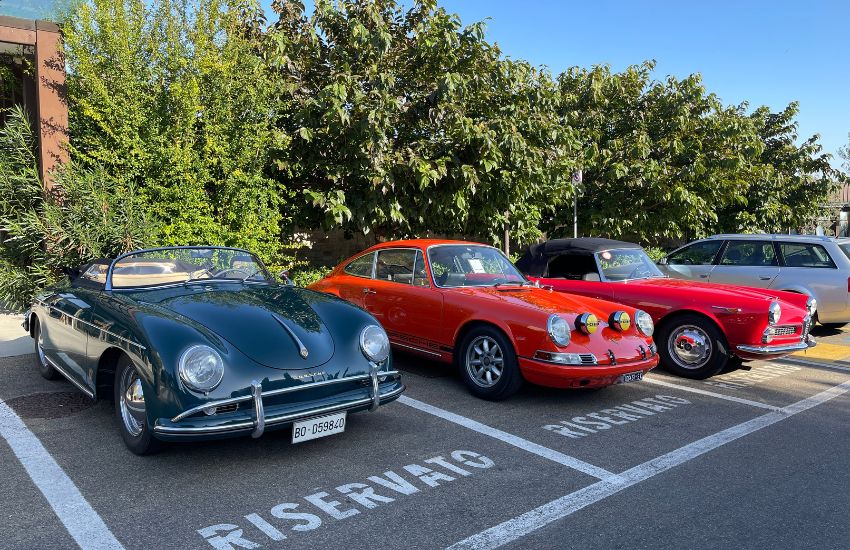
Parking rules in Italian cities are strict and vary from place to place. Road markings use colours to indicate different regimes: blue lines (strisce blu) mean paid parking, requiring a ticket from a machine or app; white lines generally indicate free parking but may have time limits shown on signs; and yellow lines are reserved for permit holders such as residents, disabled drivers or municipal vehicles, and parking there without permission will almost certainly result in a fine.
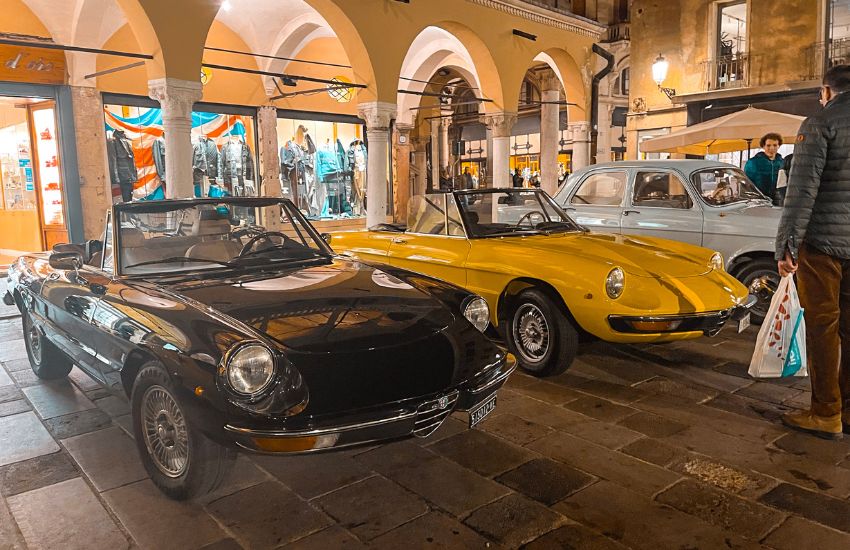
Beyond urban fines, Italy’s motorways (autostrade) use a toll system that many visitors encounter when travelling between regions. Almost all major motorways require a toll that is calculated on the distance travelled in a “closed” system, meaning you take a ticket when you enter and pay when you exit. Payment can be done with cash or card at toll booths, using lanes marked with white (cash) or blue (cards) signs. Do not use lanes marked with yellow signs unless you have an electronic toll device such as Telepass, as these lanes are reserved for subscribers and vehicles equipped with the necessary on-board unit.
Telepass is Italy’s most widely used electronic toll collection system. It involves an On-Board Unit (OBU) that allows you to pass through toll plazas without stopping. While Telepass is more commonly used by residents or frequent travellers, there are versions that can be linked to credit cards and used by non-residents. In any event, understanding the lanes and signs at toll plazas greatly reduces anxiety – choose the right lane for your method of payment and keep your entry ticket safe until you exit and pay.
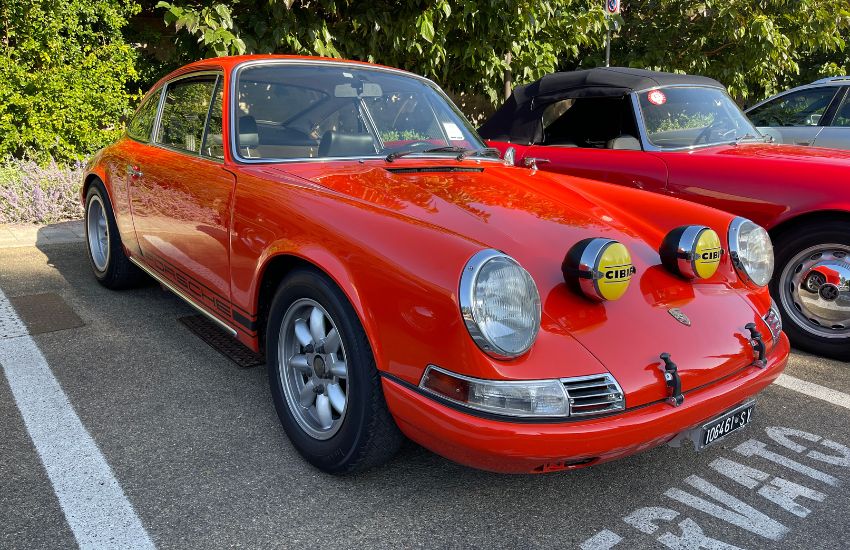
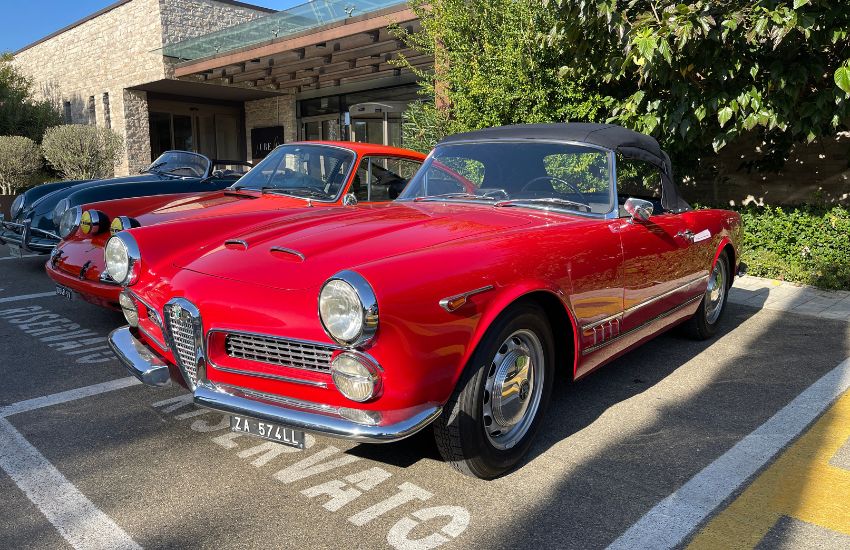
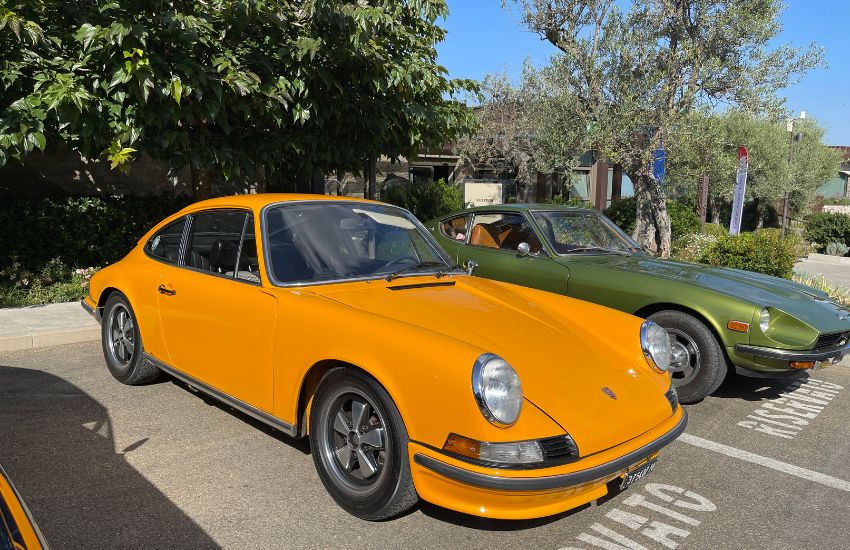
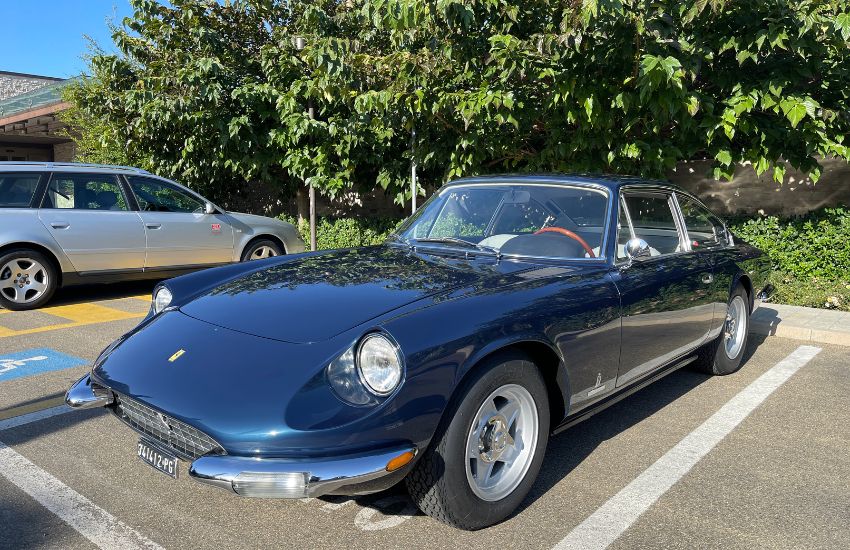
In some parts of Italy there are also free-flow toll sections without traditional booths, where cameras record your licence plate and you must pay online or by phone within a certain window if you have not used electronic tolling. This is especially common on newer or regional motorways – yours truly fell particularly foul of this on a ‘spirited’ run through Piedmont. The fines for neglecting to pay these road charges can be significant, and foreign visitors are absolutely liable for these as well.
If you do get a parking ticket or a traffic fine in Italy, there are several things to know about paying it. Fines can be issued on the spot, left on your vehicle or, more commonly for automated violations like ZTL entry, posted to your address weeks or months later. Italy can take up to 360 days from the date of the infraction to send out a notice, and this applies to residents and foreign tourists alike.
Most fines include instructions on how to pay, and there are several channels tailor-made for tourists – though it may not always make sense through Google Translate. You can often pay online via official municipal portals or a centralised platform like PagoPA, at authorised banks or post offices, or through payment slips (bollettini postali) included with the notice Driving in Italy offers memorable freedom and the chance to see much more of the country than train lines or coach routes allow, but it also means respecting a patchwork of local laws and charges. With preparation and awareness, driving through Italy’s historic towns and sweeping countryside becomes less about worrying over fines and more about savouring every unforgettable kilometre.
Got an interesting tale to tell about navigating Italy’s roads? Share it in the comments below!
Insure your classic with a specialist insurer
If you’re looking for cover for your pride and joy, why not consider Hagerty UK? Not only are we classic car insurance specialists, but we are enthusiasts at heart. Call us for a quote on 0333 323 1138.